



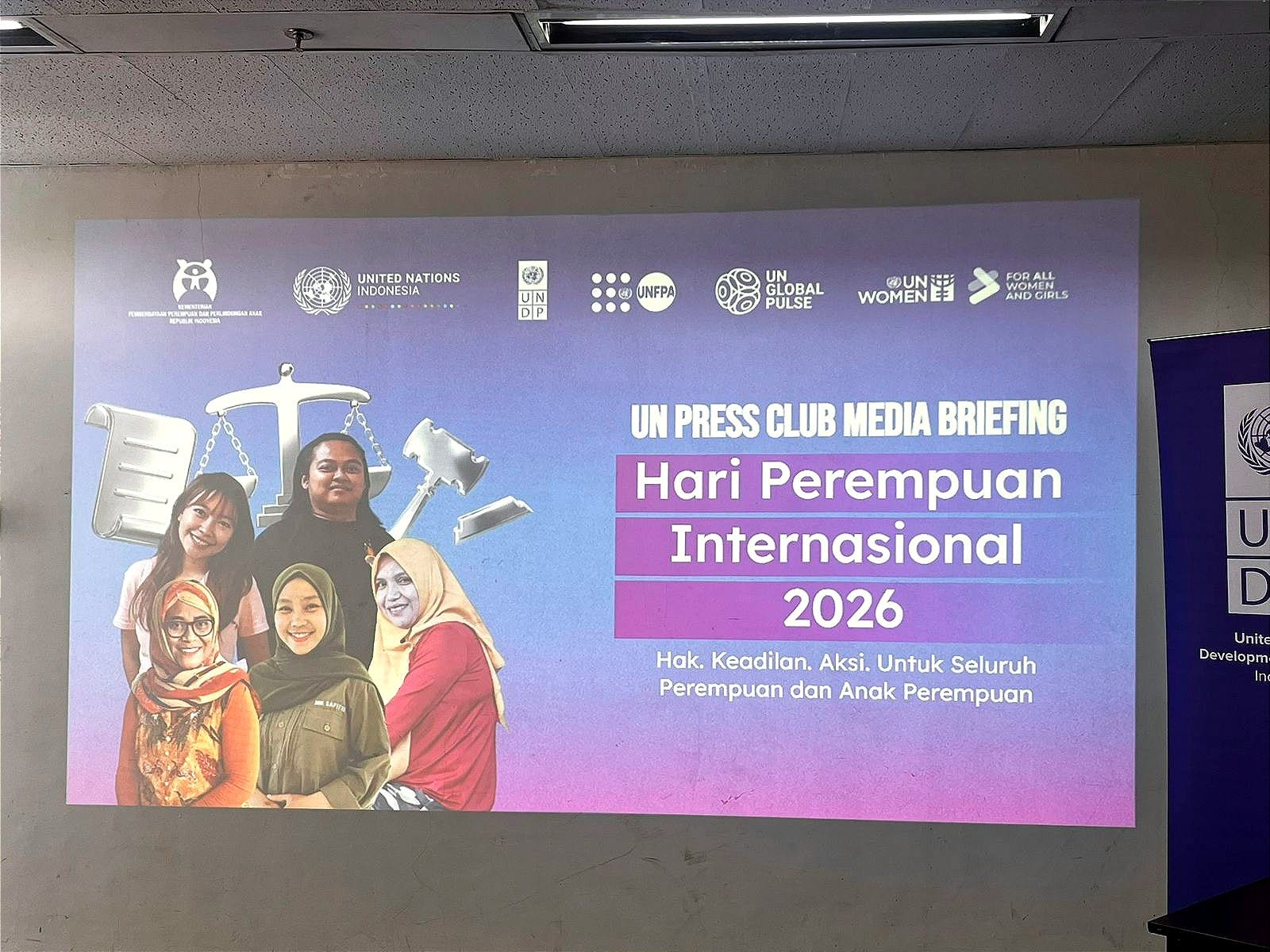
📌 The Main Takeaway
At the current pace, closing the global legal gap between men and women will take 286 years.
Addressing the issue of gender inequality, Officials acknowledge its structural nature — embedded in the legal system, norms & culture, and economic opportunities. Indonesia’s Government has built a growing framework of policies and institutions alongside the help and collaboration of civil society and international organizations
Across Southeast Asia, the main question shifted from whether gender equality is a priority and commitments to how it can be implemented and enforced into opportunities and empowerment for women
📡 Why It’s on Our Radar
📅 More than a commemoration: International Women’s Day increasingly serves as a policy checkpoint — a moment to assess whether gender equality commitments are translating into real progress.
🌐 Global focus: The world is preparing for the 70th Commission on the Status of Women (CSW70), which will center on strengthening access to justice for women and girls.
🇮🇩 Indonesia’s long game: The issue ties directly to Indonesia Emas 2045, the country’s vision of becoming a high-income, inclusive nation by its centenary.
🤝 Beyond symbolism: Gender equality is not a surface-level issue — it requires multi-stakeholder action, shaping women’s access to healthcare, legal protection, and economic opportunity.
⚖️ Structural Barriers to Justice
Being described as “structural barriers,” some of the most persistent gaps include:
⚖️ Legal inequality: Globally, women still have about 64% of the legal rights men have.
🚨 The consent gap: Around 54% of countries worldwide still lack rape laws based on the principle of consent.
💰 Economic disparity: Gender wage gaps remain visible across Southeast Asia. In Indonesia, the gender wage gap stands at about 20.33%.
🧾 Beyond case resolution: Survivors are often left without guidance or support after legal cases conclude, leaving many vulnerable to returning to the same circumstances.
🏛️ Representation gaps: Indonesia’s electoral framework encourages 30% female representation among legislative candidates, yet women currently hold only about 22% of parliamentary seats.
🩺 Bodily Autonomy and Reproductive Rights
While Indonesia has seen improvement in life expectancy and health insurance coverage, several indicators illustrate both progress and continuing gaps:
✂️ Harmful practices: Surveys indicate Female Genital Mutilation/Cutting (FGM/C) remains relatively common in Indonesia, reaching up to 46.3%.
💊 Family planning gaps: Around 14% of family-planning needs remain unmet, while 20% of individuals cannot achieve their desired family size.
🤰 Maternal health: One mother in Indonesia still dies roughly every hour from childbirth-related complications, often worsened by uneven access to health infrastructure and skilled care.
🚺 Gender and Environmental Justice
As climate pressures intensify across Southeast Asia, gender equality is increasingly discussed alongside environmental resilience and protection.
🌱 Climate and gender: Climate change does not discriminate by gender, but its impacts are unevenly distributed — increasingly shaping gender policy.
🌊 Frontline vulnerability: Women in coastal, rural, and disaster-prone areas often face higher risks of poverty, displacement, and sexual violence in emergency shelters.
🛑 Environmental defenders at risk: Women Environmental Human Rights Defenders face growing threats — 2,253 defenders were killed or disappeared globally between 2012 and 2024.
🏛️ The Policy Push and Its Questions
Indonesia has gradually expanded its legal and institutional framework for gender equality. But the key question remains: do these protections translate into everyday safety, opportunity, and justice?
📜 Constitutional protections: Article 28 of the 1945 Constitution guarantees equality before the law and protection of human rights.
➡️ But how consistently is that protection experienced in practice?💰 Gender-responsive budgeting: Government planning now requires gender considerations before funding allocations are approved.
➡️ Yet do policies always translate into resources reaching women on the ground?👶 Policy update: Law No. 4 of 2024 on maternal and child welfare during the first 1,000 days of life proposes expanded maternity and paternity leave, as well as stronger protections for maternal health.
➡️ Can these protections meaningfully support families across Indonesia’s diverse regions?👮 Law enforcement reforms: The National Police operate dedicated units handling violence against women and children, while courts have adopted gender-sensitive adjudication guidelines.
➡️ But are survivors able to access justice safely and without stigma?
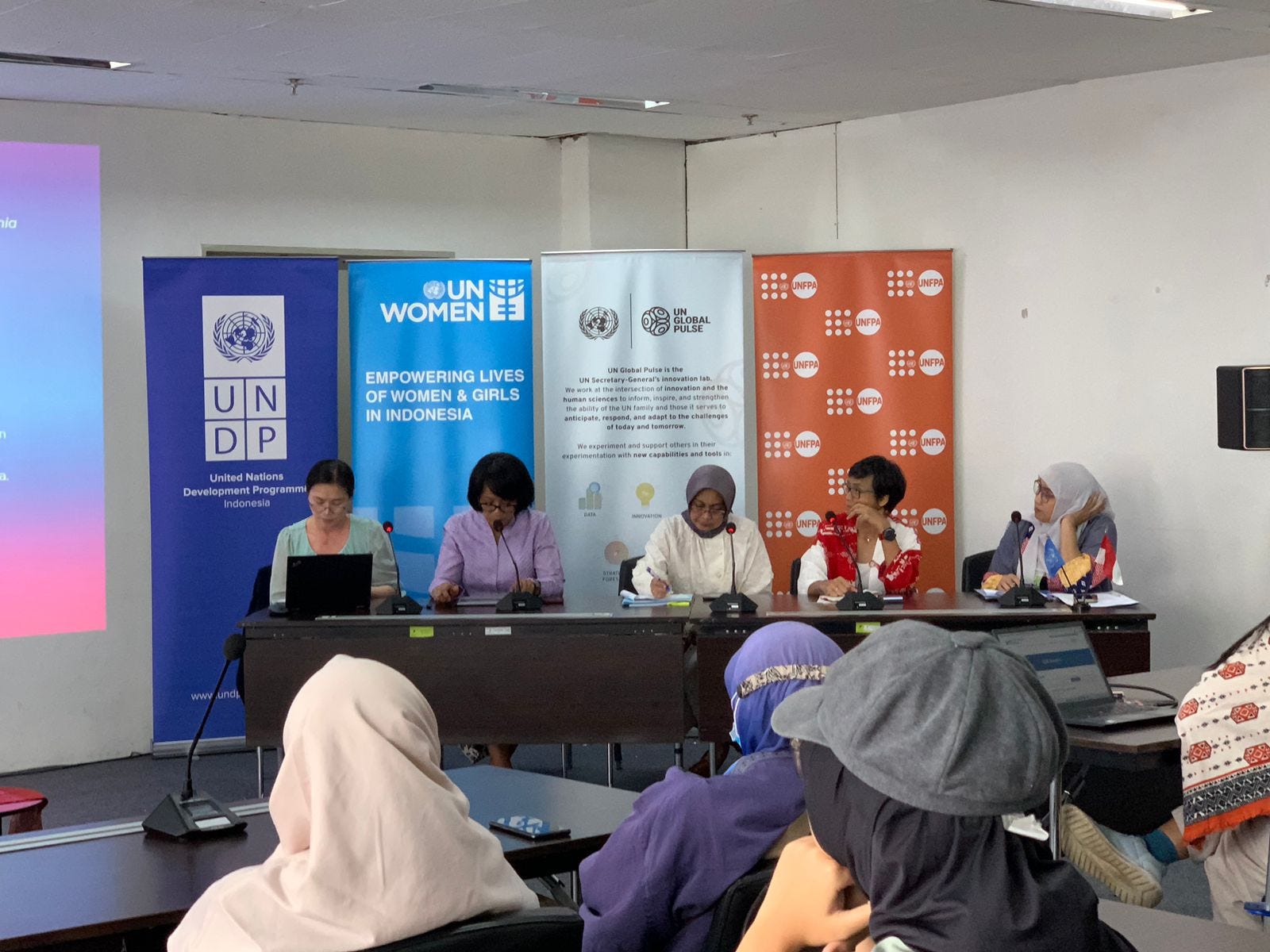
⚠️ What’s at Stake
📈 Economic growth & social cohesion: Bridging these gaps is essential for long-term development — ensuring women enjoy the same rights and opportunities as men strengthens both economic growth and social stability.
🧠 Human capital: For policymakers, expanding protections and support for women is closely tied to long-term human capital development and national productivity.
⚖️ Cost of inaction: Strengthening access to legal aid and justice is not only a moral imperative but also an economic one — unresolved legal issues often escalate into far greater social and financial costs.
🌏 Regional Stakes
Across ASEAN, gender equality is advancing — but unevenly.
🎓 Education gains: Girls’ education has improved significantly across much of Southeast Asia.
🏛️ Leadership gaps: Yet women remain underrepresented in political leadership and high-income sectors.⚖️ Justice gaps: Access to justice for survivors of violence remains inconsistent, often compounded by societal bias and stigma.
📊 A regional test: For Southeast Asia, gender equality increasingly intersects with economic competitiveness, demographic change, and long-term social stability.
🧭 The Bigger Picture
Indonesia has expanded its gender policy agenda in recent years, with several core priorities:
👩⚖️ Gender equality and women’s empowerment
👨👩👧 Strengthening family resilience and well-being
🤝 Cross-sector collaboration across government, civil society, and institutions
Yet contradictions remain.
⚠️ Policy–practice gap: Indonesia’s national health insurance does not always automatically cover medical treatment or forensic exams for survivors of violence — exposing the gap between policy commitments and real access to support.
🚨 The Bottom Line
Gender equality rarely moves in a straight line. Across Southeast Asia, legal protections and institutional frameworks have expanded — steps that would have been difficult to imagine just a few decades ago.
But the deeper challenge remains implementation. Progress is visible, yet the road toward equality — like many development goals — remains gradual, uneven, and unfinished.
🧾 Need More Angle?
World Bank Women, Business, and the Law 2026
(DEV/BRZ/QOB)