



🎯 Main Takeaway
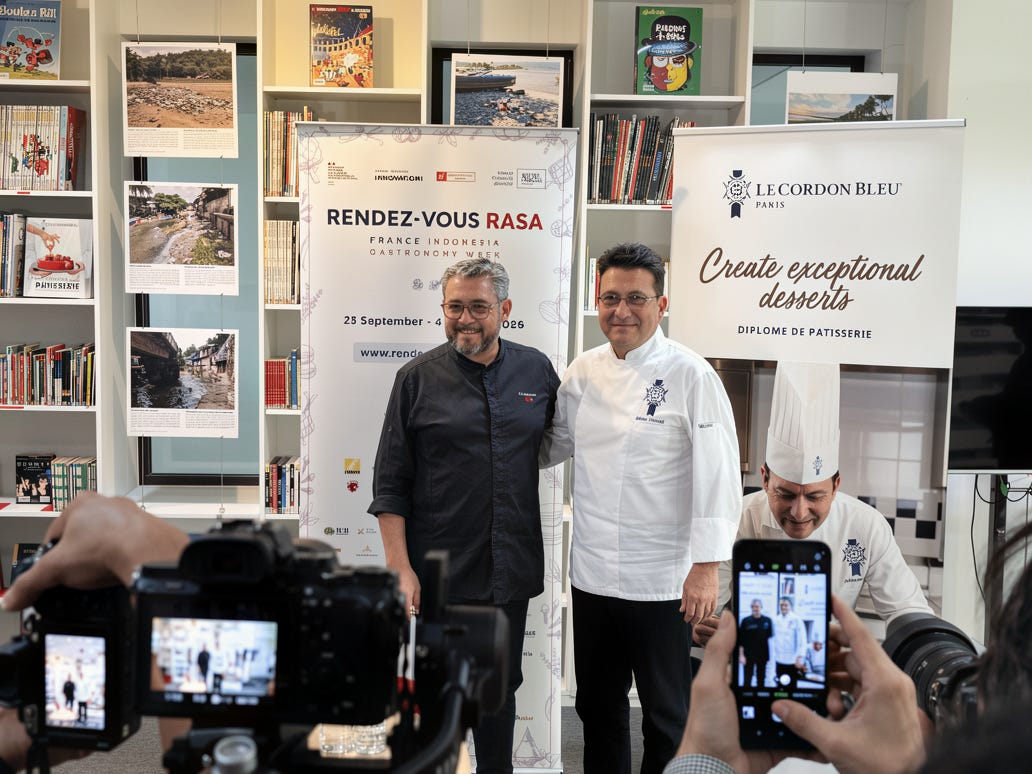
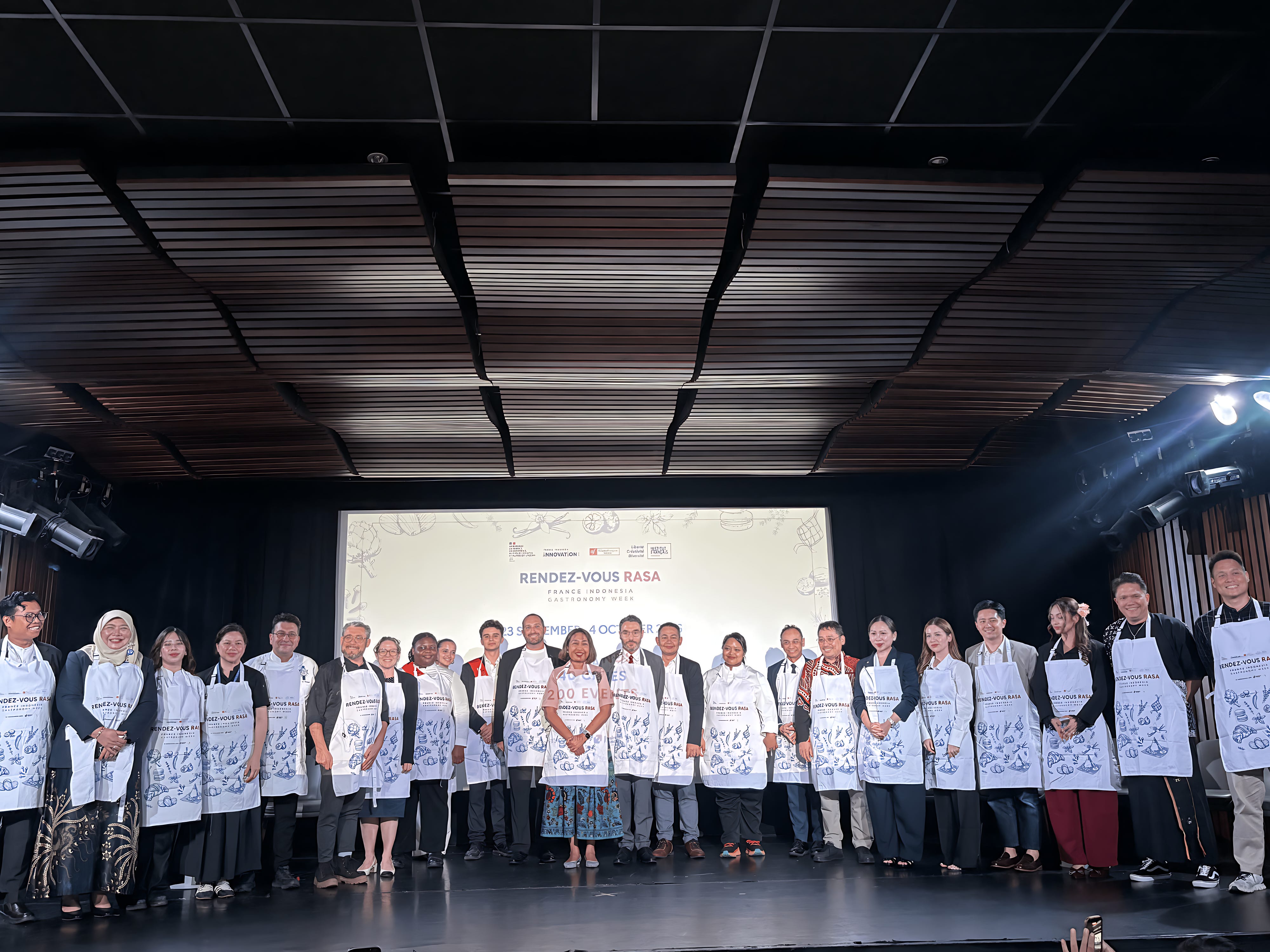
On 23rd October 2026, France and Indonesia held a meeting of flavours.
As the Embassy of France in Indonesia, Institut français d’Indonésie (IFI), in partnership with Alliance française in Indonesia, Business France, and Disciples Escoffier Indonesia, launched Rendez-Vous Rasa: France–Indonesia Gastronomy Week 2026, scheduled for 23rd September to 4th October across Indonesia.
Formerly known as Le Goût de France, the upcoming events within Rendez-Vous Rasa offer chefs, culinary professionals, educational institutions, and the public from both countries a chance to promote their respective gastronomic heritage and exchange culinary expertise.
One highlight of the opening ceremony is Chef I Kadek Sumiarta, the winner of Jeunes Talents Escoffier in May 2022, representing Indonesia. Mentored by France’s Chef Jean-Yves Leuranguer, this pair is a true testament to what France-Indonesia culinary collaboration can achieve.
📡 Why it’s on our radar
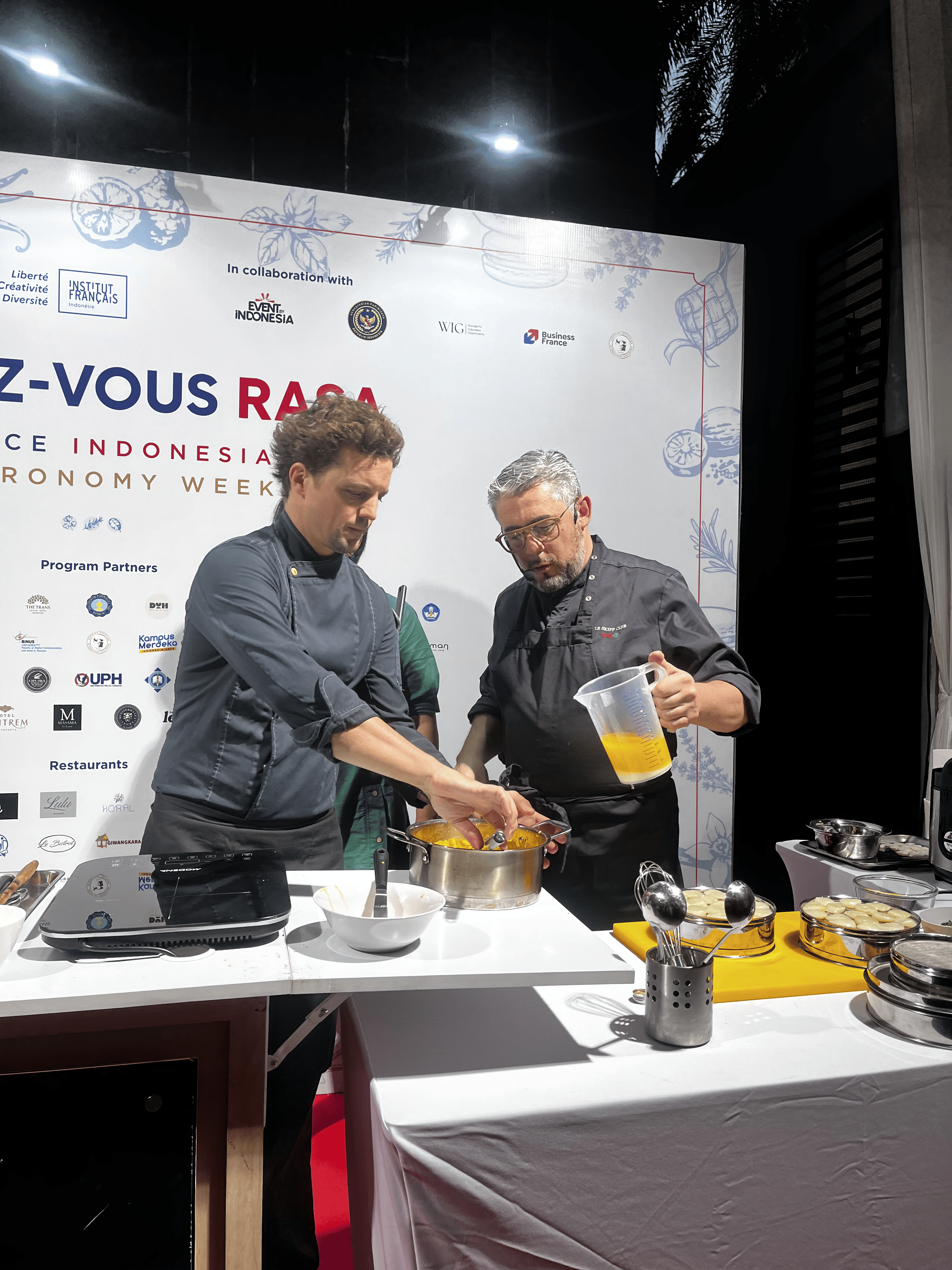
The events within Rendez-Vous Rasa 2026 include a tour of French culinary arts across Indonesia’s regions and a collaboration with one of Indonesia’s most highlighted gastronomy tourism attractions:
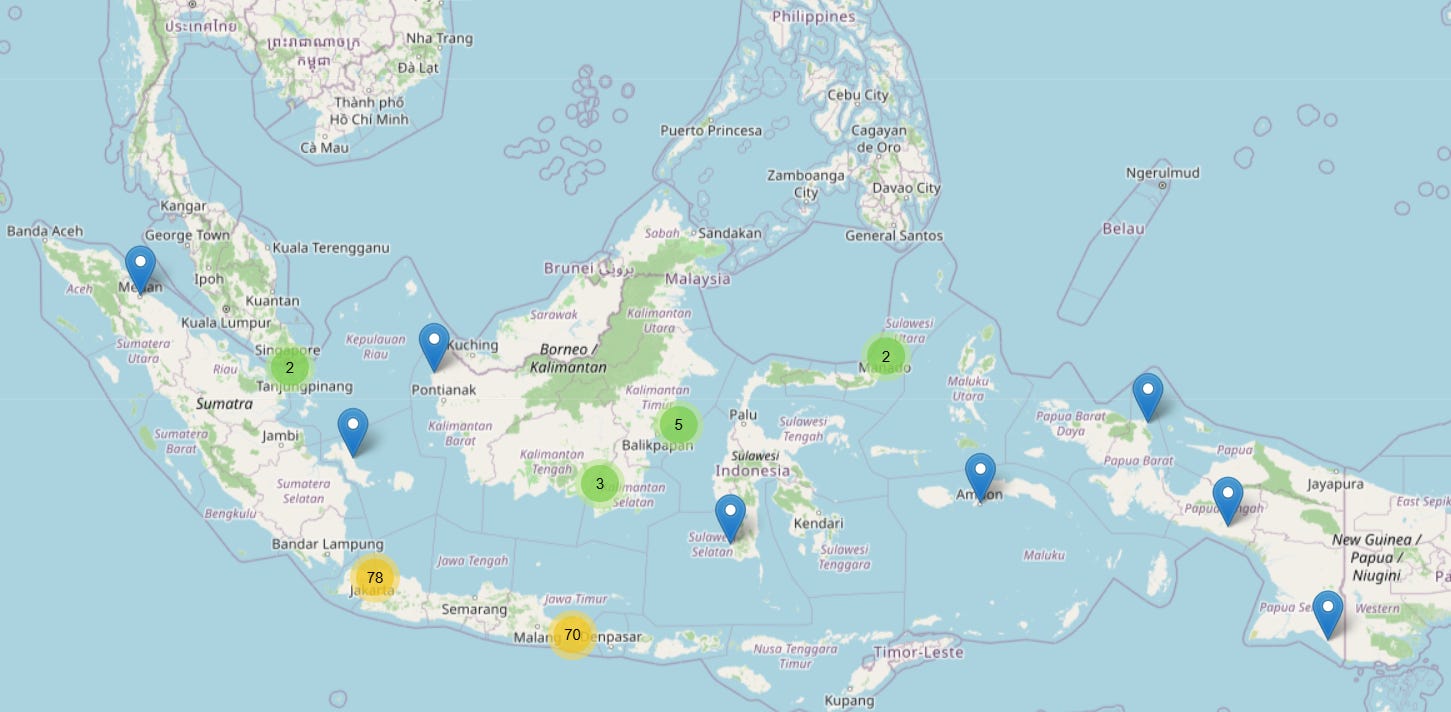
🍽️ The “menu à la française” initiative: around 150 restaurants in 40 cities from Medan to Merauke are offering French or French-inspired dishes, with IFI branches across the nation hosting cooking workshops, allowing Indonesian locals to experience French cuisine
👨🍳 Two-state Michelin chef tour & Collaboration with Wonderful Indonesia: chef Stéphane Carrade will tour Indonesia from 23rd to 30th September, where he will join hands with Indonesian chefs Degan Septoadji and Wayan Ari Wibowo to mark the opening of Wonderful Indonesia Gastronomy 2026.
⚠️ Why it’s important
🌍 This initiative is a prime example of “gastro-diplomacy,” using food as a formal bridge to strengthen bilateral ties between France and Indonesia. Signaling that France seeks long-lasting connections with Indonesia.
Beyond diplomatic symbolism, by linking French gastronomy with Indonesia’s gastronomy and hospitality programs, the initiative fosters vital exchanges of knowledge on sustainable sourcing practices, biodiversity preservation, and innovation. It projects both nations as equal cultural powerhouses.
Food is not merely a way to celebrate tradition and culture, but also a bridge between the countries for future generations.
Indonesian Minister of Tourism Widiyanti Putri Wardhana highlighted that the meeting of Indonesian flavours and French expertise is a tangible celebration of friendship, sustainability, and cultural richness.
🎓 How Rendez-vous Rasa connects to culinary education in Indonesia
Beyond the experience of cuisines, the festival also impacts culinary education within Indonesia on multiple fronts:
👨🏫 Cooking workshops: Fabrice Danniel, Deputy Director of Culinary Arts at Le Cordon Bleu Paris, is leading hands-on cooking workshops with university partners across the archipelago.
✈️ Indonesian-French Culinary Arts Apprenticeship program (ARIF): continues to send Indonesian culinary students to France for rigorous Certificat d’Aptitude Professionnelle (CAP) certification, preparing the next generation of culinary professionals.
French Indonesian Training of Trainers on French Cooking for Vocational Education Training (FITT): In collaboration with Disciples Escoffier Indonesia, the program aims to promote long-term transmission of culinary knowledge by strengthening Indonesian culinary teachers and trainers in French culinary arts.
According to French Ambassador Fabien Penone, the cooperation goes beyond showcasing cuisine; it builds lasting connections and mutual inspiration between professionals and youth.
🏠 Why it Hits Home
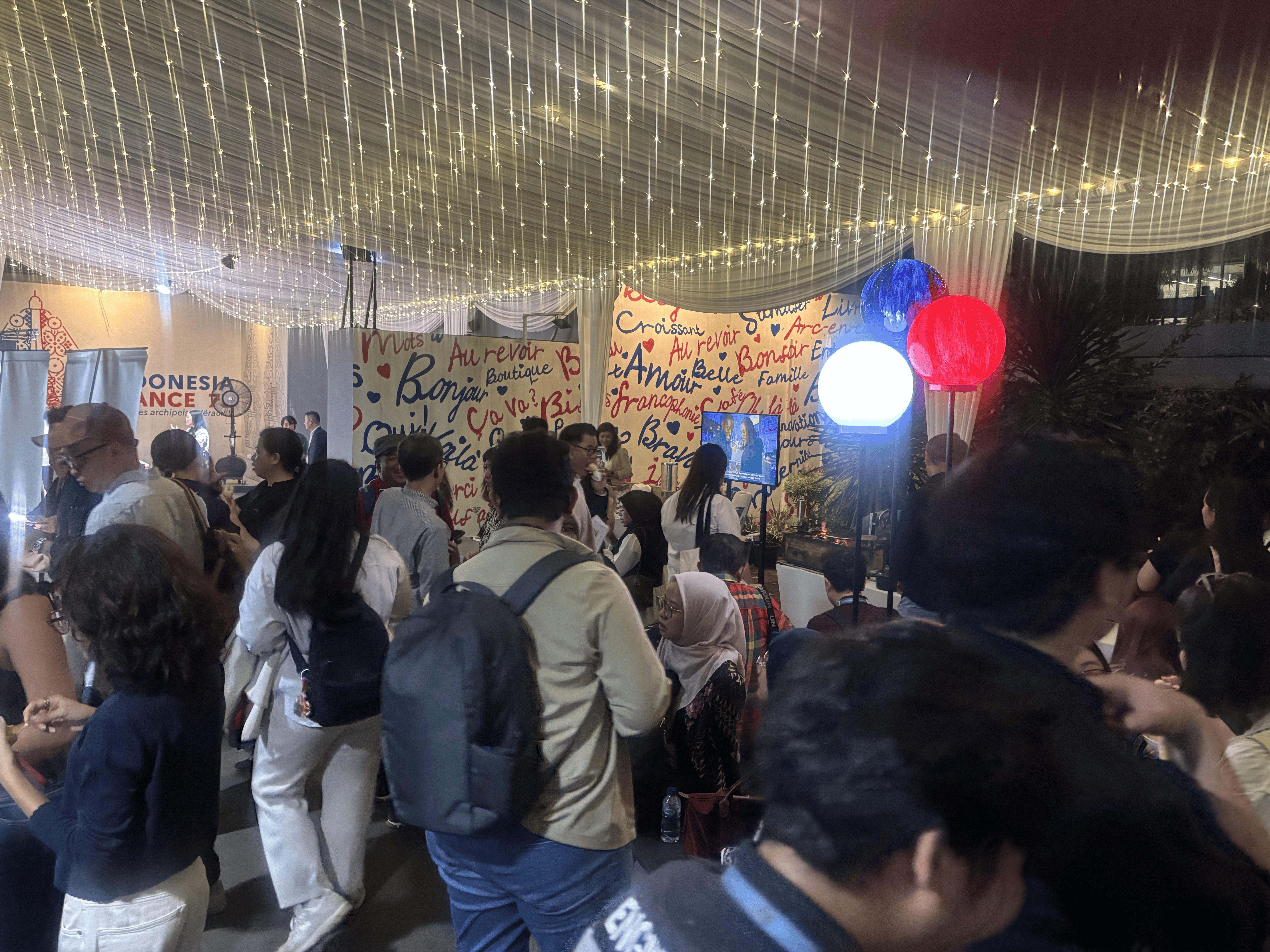
🍴 The festival is highly accessible to the public. Diners from Medan to Merauke can participate simply by visiting local participating restaurants.
🏙️ Rather than centralising events in Jakarta, the partnership relies heavily on a decentralised network of IFI and Alliance Française branches in Bandung, Yogyakarta, Surabaya, Bali, Makassar, Medan, and Semarang.
🌐 Both nations are leveraging their culinary ecosystems—from Disciples Escoffier Indonesia to Politeknik Pariwisata campuses—to create a unified gastronomic network.
🤝 Culinary and Sustainability
Beyond cultural exchange, sustainability begins with how food is sourced, prepared, used, and eventually discarded.
Chef Stéphane Carrade’s culinary philosophy treats gastronomy and sustainability as inseparable.
To drive real change beyond the kitchen, he provides producers supplying his restaurant with reusable boxes to replace polystyrene and plastic packaging, earning him the Michelin Green Star.
Globally, 1 in 13 people goes hungry, yet over $1 trillion worth of food is thrown away every year, producing waste that could feed 1.26 billion people yearly.
Food waste happens most in household-made products (60%), followed by restaurants (28%) and grocery stores (12%), with rotting waste driving 8-10% of global greenhouse gas emissions.
Food products and takeaway services generate massive amounts of single-use trash, from plastic containers and foam boxes to disposable lids and wrappers.
According to the United Nations Environment Programme (UNEP), packaging accounts for 36% of all global plastic pollution, with food-related items ranking among the most common plastic litter polluting our environment.
Ultimately, sustainability in gastronomy is about preserving the ecological foundations that make culinary traditions possible in the first place.
If biodiversity loss and environmental degradation continue unchecked, ingredients that define regional cuisines risk disappearing entirely, taking with them centuries of culinary heritage, traditional knowledge, and cultural identity embedded in every dish.
🏝️ The Regional Stake
Gastronomy can function simultaneously as cultural diplomacy, economic diplomacy, tourism promotion, and human-capital development.
The diplomatic value increases when the food is connected to a wider national ecosystem, and Rendez-Vous illustrates this model at the bilateral level; it connects French diplomacy, education, professional exchanges, sustainability, tourism, and culinary heritage without erasing Indonesia’s gastronomic identity.
Southeast Asia already provides several examples of this approach:
Thailand, Global Thai Initiative: Supporting Thai restaurants abroad, expanding markets for Thai products, and cuisine as a tool of tourism and cultural diplomacy
Indonesia, Wonderful Indonesia Gastronomy: Uses Indonesia’s diverse culinary heritage to strengthen tourism, promote local culinary businesses and products, and integrate Indonesia’s food as a part of the country’s international identity
Malaysia, Malaysia Kitchen for the World: A government-backed campaign designed to promote Malaysian cuisine through restaurants, food products, chefs, and culinary events as part of supporting trade, tourism, and national branding
Cambodia, The Taste of Angkor cookbook and Angkor Kitchen: Initiative that equips Cambodian diplomatic missions with knowledge and resources to promote Khmer cuisine abroad to support Cambodia’s cultural and economic diplomacy
🏁 Bottom Line
Rendez-vous Rasa 2026 proves that gastronomy is much more than what is served on a plate; it is a universal platform for cultural exchange.
By pairing high-end culinary showcases with deep educational investments, France and Indonesia are ensuring their shared gastronomic heritage continues to evolve and thrive through the next generation.
Need More Angles?
UN Environment Programme UNEP Waste Pollution 101
(DEV/FRD/JUN/QOB)