



🎯 The Main Takeaway
On Monday, May 18, 2026, Zeekend, together with the Embassy of the State of Palestine to Indonesia, held “The 78th Commemoration of Nakba Day” at the Palestinian Embassy in Jakarta — a gathering dedicated to remembrance, reflection, and humanity.
The event brought together humanitarian organizations, youth communities, partner organizations, and representatives from Indonesia to commemorate one of the most defining events in modern Arabian Peninsula history: Nakba.
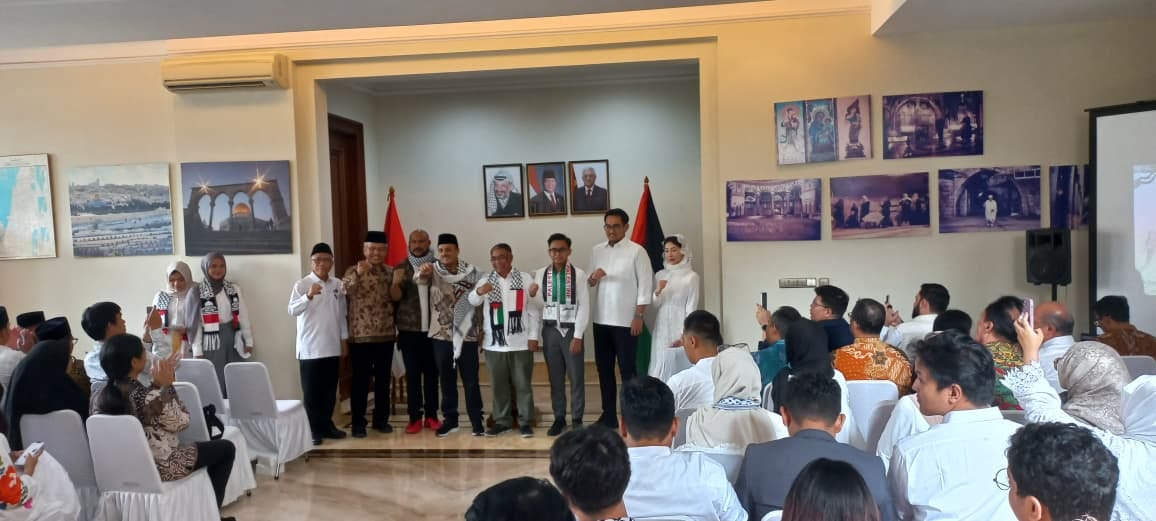
In his opening remarks, H.E. Abdalfatah A. K. Alsattari, Ambassador of the State of Palestine to Indonesia, warmly welcomed the participants and expressed appreciation for the solidarity shown by various groups supporting Palestine.
He also highlighted how support for Palestine transcends religion and background, embracing people of different faiths as part of a shared humanitarian cause.
“We are grateful to see people from different communities, backgrounds, and faiths standing together for humanity and justice.” — Palestinian Ambassador to Indonesia
The Ambassador further explained the meaning of Nakba Day, its historical background, and why its legacy continues to resonate today.
Every year on May 15, Palestinians around the world commemorate the Nakba — Arabic for “catastrophe.”
The day marks the mass displacement of Palestinians during the 1948 Arab-Israeli War following the creation of the state of Israel.
For Palestinians, the Nakba is not only remembered as a historical event, but also as an ongoing experience of displacement, occupation, statelessness, and loss that continues to shape Palestinian identity today.
This year’s commemoration carries even greater emotional significance amid the ongoing humanitarian crisis in the Gaza Strip.
💡 What Is Nakba Day?
“Nakba” means “catastrophe” in Arabic.
The term refers to the events surrounding the 1948 war, when hundreds of thousands of Palestinians were displaced or fled their homes during the fighting between Jewish and Arab forces after Britain ended its mandate in Palestine.
Nakba Day itself is commemorated every year on May 15 — the day after Israel declared independence in 1948 and neighboring Arab armies entered the war.
For Palestinians, the Nakba symbolizes the destruction of their homeland, the loss of villages and property, and the beginning of one of the world’s longest unresolved refugee crises.
For Israelis, however, the same period is remembered as the War of Independence — the founding of the Israeli state after centuries of Jewish persecution culminating in the Holocaust.
The two narratives remain deeply intertwined and continue to shape the Israeli-Palestinian conflict today.
“The Nakba is not only about the past. For many Palestinians, it is a memory that continues to live through displacement, separation, and the hope of returning home.” — Palestinian Ambassador to Indonesia
📜 What Led to the Nakba?
Several historical developments contributed to the events of 1948.
✡️ Rise of Zionism
Political Zionism emerged in the late 19th century as a movement advocating for the establishment of a Jewish homeland, particularly in Palestine.
☠️ Holocaust and Jewish Migration
The persecution of Jews in Europe and the horrors of the Holocaust accelerated Jewish migration to Mandatory Palestine during the 1930s and 1940s.
🇬🇧 British Mandate Palestine
At the time, Palestine was under British control following the collapse of the Ottoman Empire after World War I. Tensions between Arab and Jewish communities grew increasingly intense as migration increased.
🗺️ UN Partition Plan
In 1947, the United Nations proposed dividing Palestine into separate Jewish and Arab states.
Jewish leaders largely accepted the proposal, while many Arab leaders and Palestinians rejected it, arguing that it violated the rights of the Arab majority already living there.
⚔️ Civil War and Israeli Independence
Violence escalated between Jewish and Arab communities even before Britain officially withdrew from Palestine.
On May 14, 1948, Israel declared independence.
The next day, neighboring Arab states entered the war.
The conflict that followed became known as the 1948 Arab-Israeli War.
⚠️ What Happened During the Nakba?
Between 1947 and 1949:
🏠 Around 700,000–800,000 Palestinians were displaced or became refugees.
🏘️ More than 500 Palestinian villages and towns were destroyed or depopulated.
⚰️ Thousands of Palestinians and Israelis were killed during the war.
🧳 Many Palestinian families believed their displacement would be temporary, but most were never allowed to return.
🌍 Today, millions of Palestinians remain refugees or descendants of refugees living across the Arabian Peninsula and beyond.
Many Palestinian families continue to preserve house keys, land documents, photographs, and oral histories from villages lost in 1948.
Some villages destroyed during the Nakba — such as Lifta — still stand today, abandoned but as reminders of the past.
“Palestine is not only an issue for Palestinians or Muslims. It is a humanitarian issue that unites people beyond borders, cultures, and religions.”
— Palestinian Ambassador to Indonesia
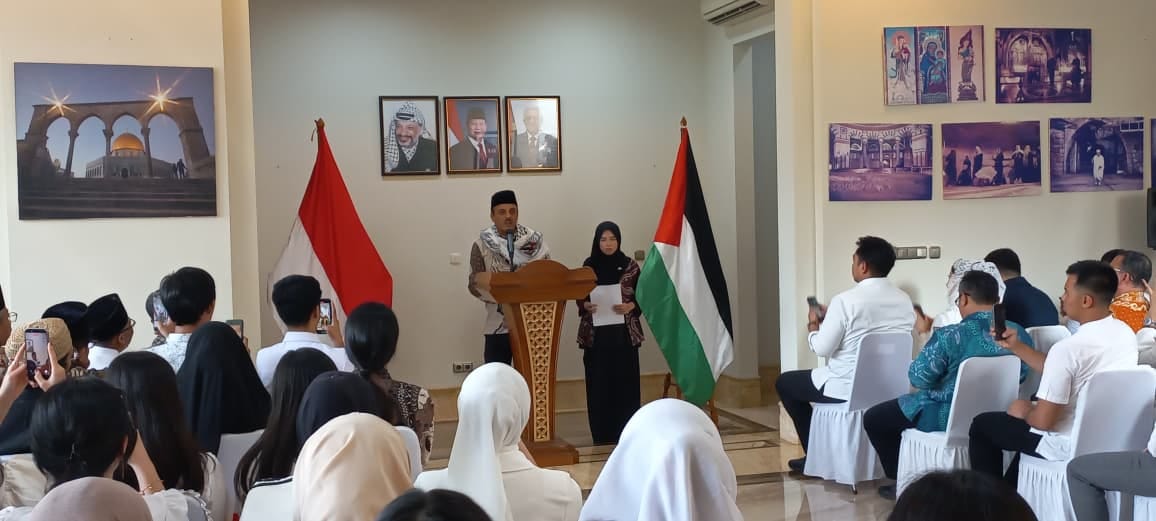
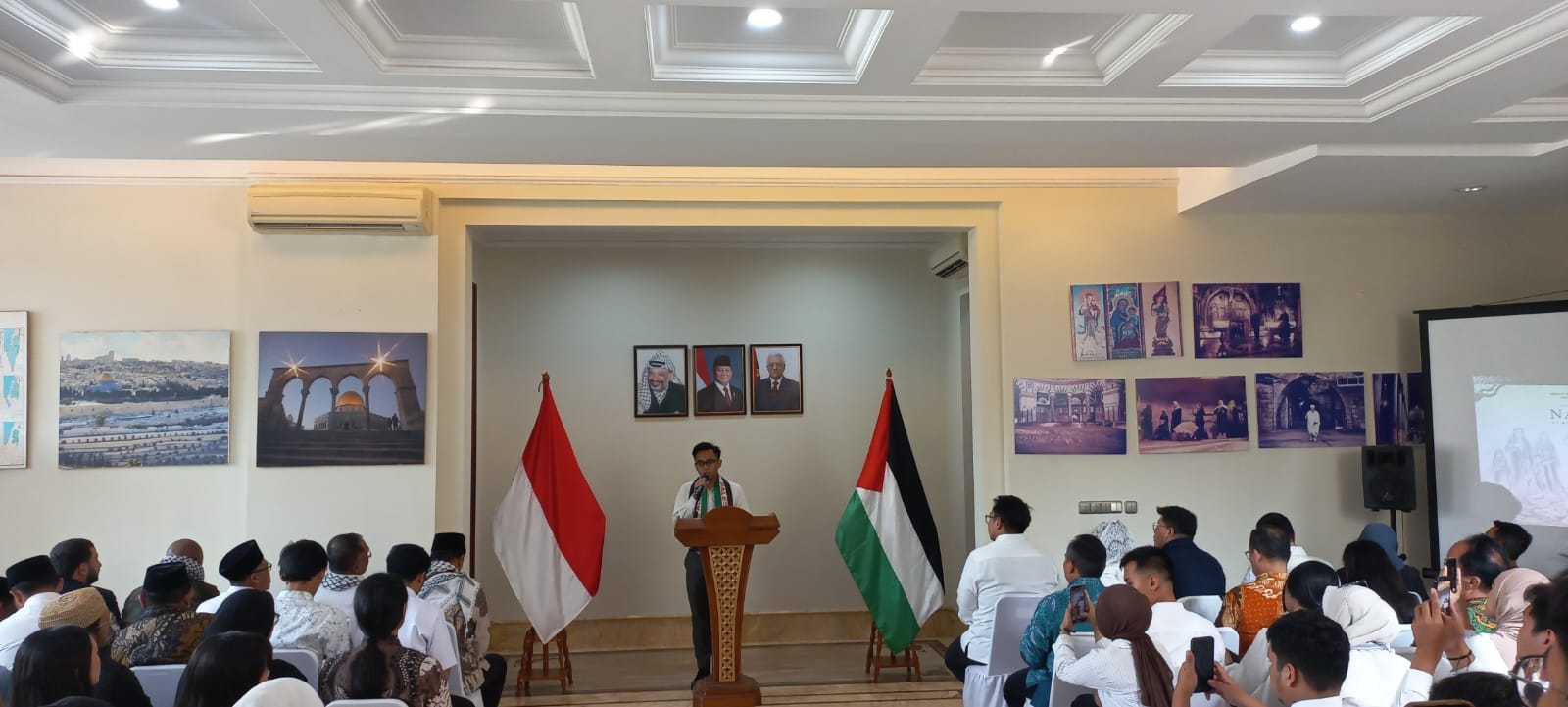
🌏 Learn Nakba from Zeekend
For Zeekend, the commemoration of Nakba Day was not only about discussing history but also about creating a humanitarian and educational space for reflection, dialogue, and awareness among youth.
“We want to create spaces where young people can learn, reflect, and engage with international issues not only politically, but also through humanity, empathy, and cross-cultural understanding.”
— Syahrul Khaidar Kamal
Zeekend is a youth platform and community focused on making diplomacy and global affairs more down-to-earth, accessible, and connected with young people.
Founded by Syahrul Khaidar Kamal, Zeekend was created to bridge the gap between international issues and the younger generation by creating spaces where diplomacy is no longer seen as distant, exclusive, or limited to formal institutions.
Instead, Zeekend encourages youth participation in global conversations through discussions, collaborations, cultural exchange, and engagement with embassies, institutions, and international communities.
“We believe diplomacy should not feel distant from young people. Global issues should be understandable, relatable, and accessible for everyone.”
— Syahrul Khaidar Kamal
Through its initiatives, Zeekend connects youth with real-world international environments, enabling them to engage directly in discussions on global affairs, diplomacy, culture, and humanitarian issues.
“Our mission is to make diplomacy more grounded and connected with the younger generation, so they can see themselves as part of global conversations and solutions.”
— Syahrul Khaidar Kamal
🧠 Why Does the Nakba Still Matter Today?
For Palestinians, the Nakba is not only about history.
It is tied to ongoing issues, including:
🚧 Israeli occupation in the West Bank
🏚️ Displacement and refugee status
🛂 Restrictions on movement and access
🗝️ Demands for the “right of return”
⚖️ Questions surrounding sovereignty, statehood, and equal rights
Many Palestinians believe the experience of displacement did not end in 1948, but continues through decades of conflict, military occupation, settlement expansion, and recurring humanitarian crises.
“We believe remembrance is important because history should never be forgotten, especially when humanity and dignity are still at stake today.”
— Palestinian Ambassador to Indonesia
🔥 Why This Year Feels Different
This year’s Nakba Day comes amid the devastating war in the Gaza Strip.
Large-scale displacement, destruction, and humanitarian suffering have revived painful historical memories for many Palestinians, who view current events as part of a longer history of dispossession.
Others reject that interpretation and argue the current war must be understood through the context of Israeli security concerns, Hamas, and the October 7 attacks.
What remains undeniable is that the legacy of 1948 continues to shape politics, identity, and collective memory across the Middle East.
🕊️ How Is Nakba Day Commemorated?
Nakba Day is commemorated through:
🪧 Marches and rallies
🗣️ Speeches and political campaigns
🎨 Cultural exhibitions and storytelling
📚 Preservation of family histories and memories
🇵🇸 Celebrations of Palestinian identity, culture, and resilience
For many Palestinians, the day is not only about mourning loss — but also about preserving memory, identity, and hope across generations.
📌 The Bottom Line
More than seven decades after 1948, the Nakba remains one of the most defining and contested events in modern Middle Eastern history.
For Palestinians, it represents displacement, loss, and an unresolved refugee crisis.
For Israelis, 1948 represents independence, survival, and national self-determination after centuries of persecution.
Understanding both narratives remains essential to understanding why the conflict continues to shape the Middle East today.
🔍 Need More Angles?
Islamic Relief Worldwide, Explainer: Nakba Day and its significance to Palestinians
Time, The Solemn History Behind Nakba Day
(JUN/QOB)