



🎯 The Main Takeaway
Indonesia is facing a growing refugee situation without a consistent asylum system — leaving thousands in prolonged limbo while relying on ad hoc coordination with international organizations and civil society.
What is often treated as a domestic management issue is, in fact, a regional protection gap. ASEAN has no dedicated refugee or asylum body, even as forced displacement rises across Southeast Asia.
This mismatch — between movement and protection — is becoming harder to sustain.
⚠️ Why It Matters
Refugees and asylum-seekers are no longer a marginal humanitarian issue in Southeast Asia. They intersect directly with:
🏙️ Urban governance and access to housing, health, and education
🚢 Border management and maritime security
⚖️ Human rights credibility and rule of law
🧯 Crisis response capacity at national and regional levels
In Indonesia, prolonged waiting periods and limited legal status increase exposure to:
🚓 Detention, movement restrictions, and legal uncertainty
🔁 Informal pushbacks and risks of refoulment
🧺 Long-term dependency on humanitarian aid and NGOs
Regionally, the absence of a shared framework forces ASEAN states to manage displacement individually — despite cross-border causes and spillover effects.
🔍 Why It’s on Our Radar
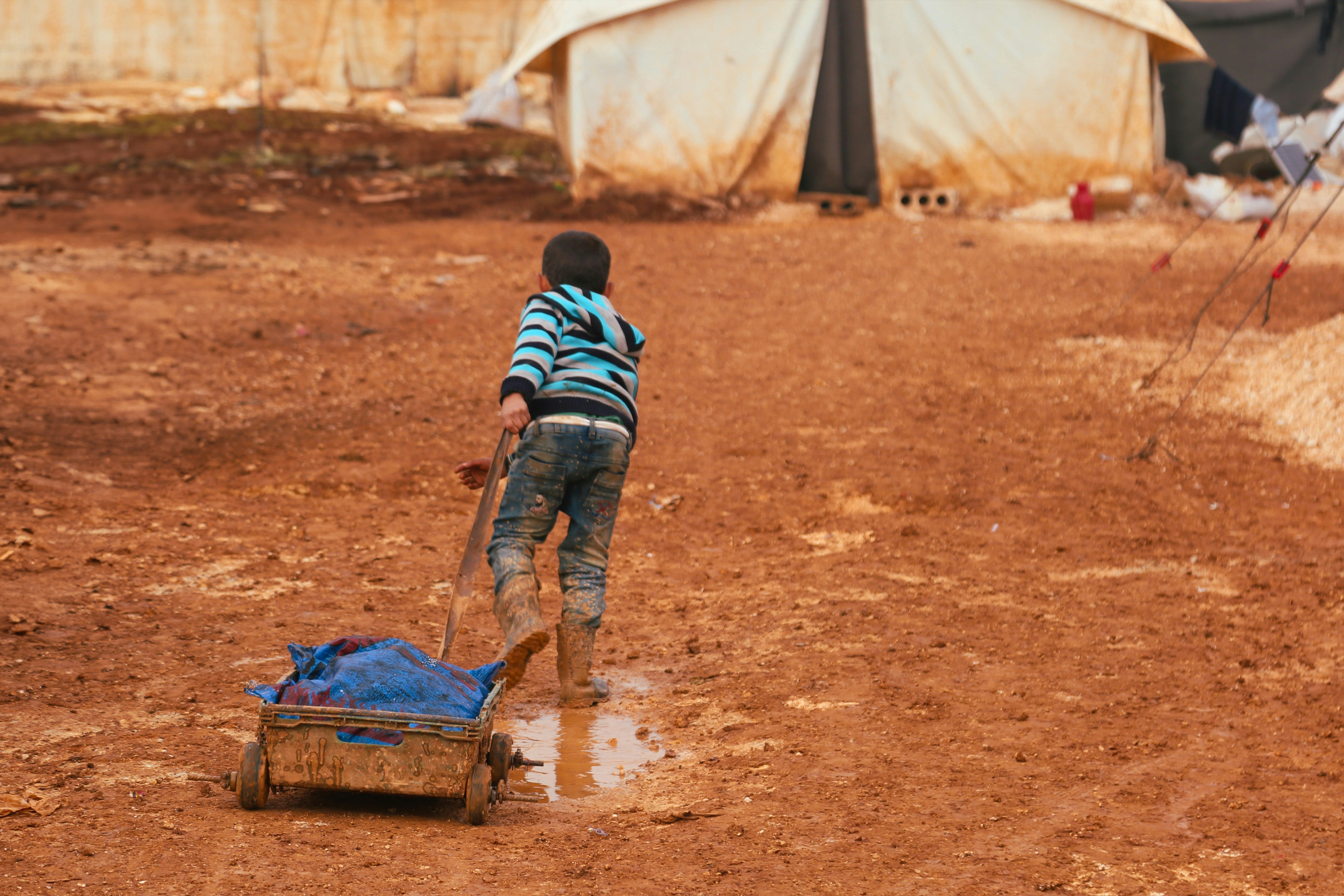
👥 Indonesia hosts 12,043 refugees and asylum-seekers registered with UNHCR: 69% are adults, 29% children, and 2% elderly, with 13% living with specific protection needs.
📜 Indonesia anchors refugee protection in domestic law — including constitutional guarantees, human rights legislation, and Presidential Regulation No. 125/2016, however it has not ratified the 1951 Refugee Convention or its 1967 Protocol
🔄 Core protection functions, including refugee status determination, remain delegated to UNHCR — placing Indonesia in a hybrid, stopgap governance model
💡 Key Highlight: Protection by Stopgaps
🧩 Refugee management in Indonesia relies on temporary coordination — not a formal asylum system
🏠 Presidential Regulation No. 125/2016 guides shelter, basic needs, and supervision, but offers no asylum rights or long-term legal certainty
🪪 Refugee status determination remains outside national institutions, leaving no dedicated asylum authority
⏳ The outcome is prolonged limbo: refugees are hosted, but not integrated; protected, but never fully recognized
🏛️ Implementation is further complicated by unclear central–local coordination and institutional restructuring, which has blurred lines of authority over refugee affairs

🌏 The Regional Stakes
🧱 ASEAN has no dedicated refugee or asylum body, despite repeated cross-border displacement crises
⚖️ Refugee governance across Southeast Asia remains uneven:
🇵🇭 Philippines: party to the 1951 Convention, 1967 Protocol, and 1954 Statelessness Convention; recognizes climate displacement as a human security issue
🇹🇱 Timor-Leste: allows temporary residence permits on humanitarian grounds under its 2017 Immigration and Asylum Law
🇹🇭 Thailand: operates a National Screening Mechanism but lacks a national asylum system; undocumented refugees remain at risk of detention despite recent labor access reforms
🇲🇾 Malaysia: hosts large refugee populations but restricts legal work and formal integration
🔀 The absence of ASEAN-wide standards encourages policy divergence, secondary movement, and burden concentration in transit states such as Indonesia
🧭 Where Civil Society Steps In
🤝 Legal ambiguity has positioned civil society as a quiet backbone of refugee protection — including in legal aid and rights awareness — especially in Indonesia
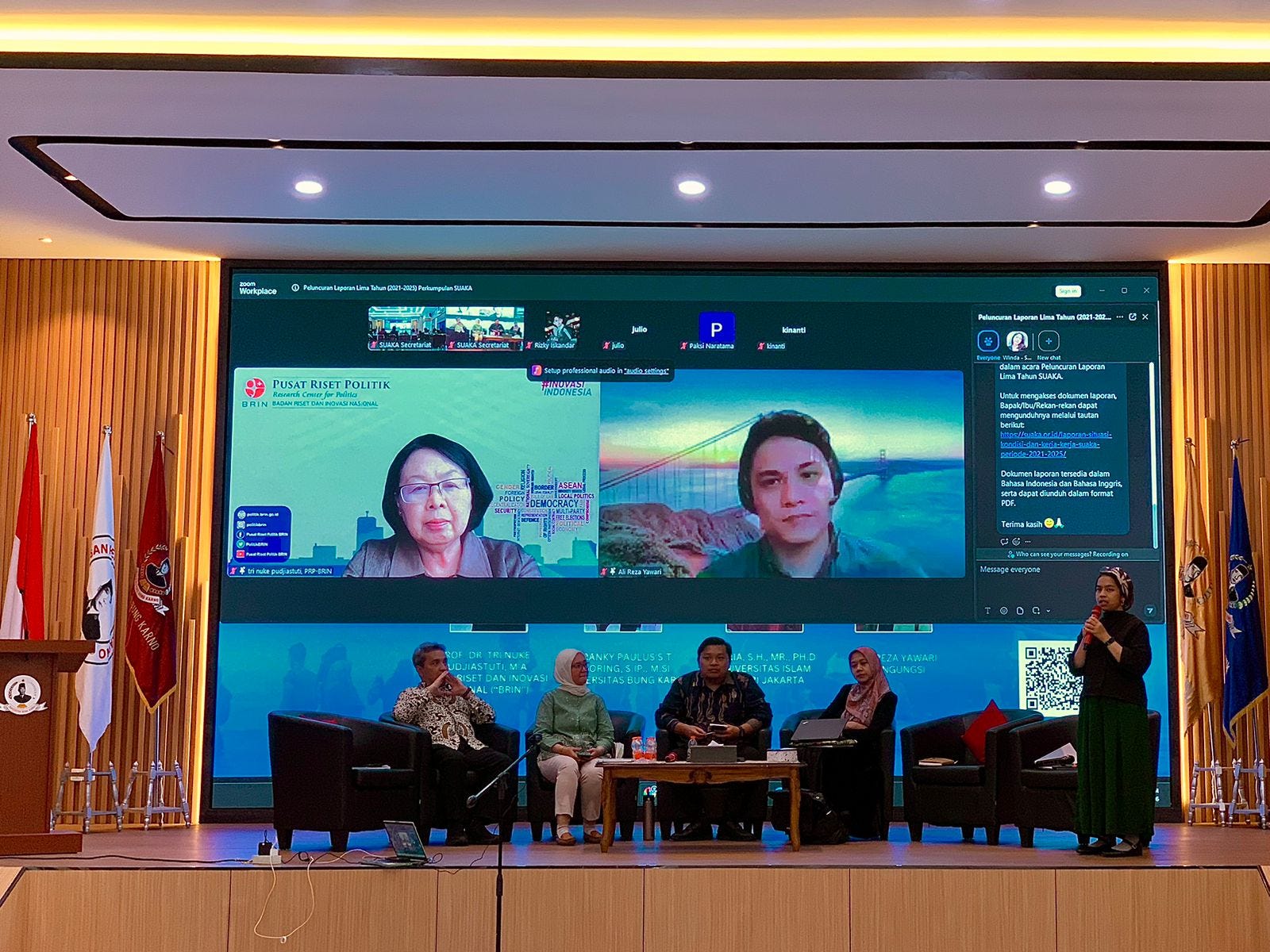
⚖️ One such actor is SUAKA Indonesia, a refugee legal aid organization operating within Indonesia’s legal aid ecosystem since 2012
📊 Drawing from direct services, case management, and community engagement, SUAKA documents protection gaps rarely captured in official statistics
🧠 Its five-year, community-based report traces how refugees navigate overlapping national rules, international norms, and everyday administrative barriers
🚨 Based on complaints and cases it handled, SUAKA recorded three cases of alleged non-refoulment — data originating from reports received and documented by the organization
📉 The findings underscore a recurring pattern: policy commitments exist, but implementation remains uneven

🌍 The global context: Shrinking protection space
SUAKA’s data found that forced displacement today unfolds amid a global retreat from refugee protection.
🧱 Anti-refugee policies are expanding, including in traditional resettlement countries — with the United States under renewed restrictive political rhetoric, despite its historic role as a major refugee destination
💸 Global humanitarian funding is thinning, constraining legal aid, protection services, and long-term support in transit countries
⚔️ Wars, protracted conflicts, and political repression continue to drive displacement, compounding existing protection pressures
🌪️ Climate-related disasters are accelerating movement, reinforcing findings that environmental stress is now a direct displacement driver
🛂 Resettlement pathways are narrowing, with quotas projected to hit historic lows in 2025
🇦🇺 Australia’s resettlement space remains limited, further tightening options for refugees in the Asia-Pacific
🗺️ The Bigger Picture
Forced displacement in Southeast Asia is no longer episodic — it is structural, driven by:
⚔️ Protracted conflict and political persecution
🌪️ Climate-related disasters and environmental stress
🛂 Shrinking global resettlement pathways
Myanmar remains the epicenter:
🇲🇲 3.6 million internally displaced people
🌍 1.59 million refugees and asylum-seekers
🚫 1.3 million Rohingya with no viable path to safe and voluntary return
📉 UNHCR projects global resettlement quotas for 2025 will hit their lowest level since 2003, extending waiting periods in transit countries like Indonesia
“Study shows that 24% of migrants and refugees in Southeast Asia were influenced by climate or environmental factors — linking displacement directly to disasters and slow-onset climate change”. —UN Women
🔮 What’s Next?
Drawing from field-based monitoring and legal advocacy, SUAKA point to several priorities for Indonesia and the region:
🧩 Strengthen legal aid networks and referral systems: ensuring refugees can access protection consistently across regions
📚 Invest in legal empowerment: enabling refugee communities to understand, use, and shape the laws affecting them
🏛️ Clarify institutional responsibility at the national level: reduce gaps created by overlapping mandates and leadership transitions
🌐 Push ASEAN to act: initiating a regional refugee or asylum mechanism, particularly under the Philippines’ leadership
🕊️ Align refugee protection with Indonesia’s role at the UN Human Rights Council: ensuring commitments to human rights credibility extend to refugees and asylum-seekers within its jurisdiction
🤝 Optimize regional and global forums: strengthen CSO collaboration and expand public engagement, especially among youth
❤️ Why This Hits Home
🇮🇩 For Indonesia, refugee governance tests legal coherence, human rights commitments, and the ability of local governments and civil society to fill structural gaps
🌏 For ASEAN, it exposes a fundamental disconnect: displacement is regional, but protection remains national
⏰ Without collective mechanisms, humanitarian vulnerability risks hardening into a long-term regional governance failure
🔮 The Bottom Line
Refugees in Southeast Asia are not a temporary anomaly, but a persistent regional reality.
Indonesia’s experience reveals the limits of stopgap protection without durable national and regional solutions.
The unresolved question is no longer whether ASEAN should respond — but how long it can afford not to.
🔎 Need More Angles?
Atlas Institute for International Affairs Can ASEAN Chart Strategic Clarity on the Rohingya Refugees?
Amnesty Indonesia Koalisi masyarakat sipil desak peningkatan perlindungan pengungsi seiring terpilihnya Indonesia sebagai Ketua Dewan HAM PBB
Fortify Rights Joint Statement to the Chair of the ASEAN Intergovernmental Commission on Human Rights (AICHR)
IOM Migration Governance Indicators | Profile 2024 | Republic of Indonesia
NRC Eight things you should know about the Rohingya crisis in Bangladesh
Reuters Thailand grants some Myanmar refugees right to legal work
UNHCR Asylum in Thailand
UNHCR A Route-Based Snapshot Data & Trends for Refugees from Myanmar as of end-December 2025
UNHCR Situation in Myanmar
UN Women Asia-Pacific Migration Report 2024
SUAKA LAPORAN SITUASI, KONDISI, DAN KERJA-KERJA SUAKA PERIODE 2021-2025
(BRZ/QOB)