



🧭 The Main Takeaway
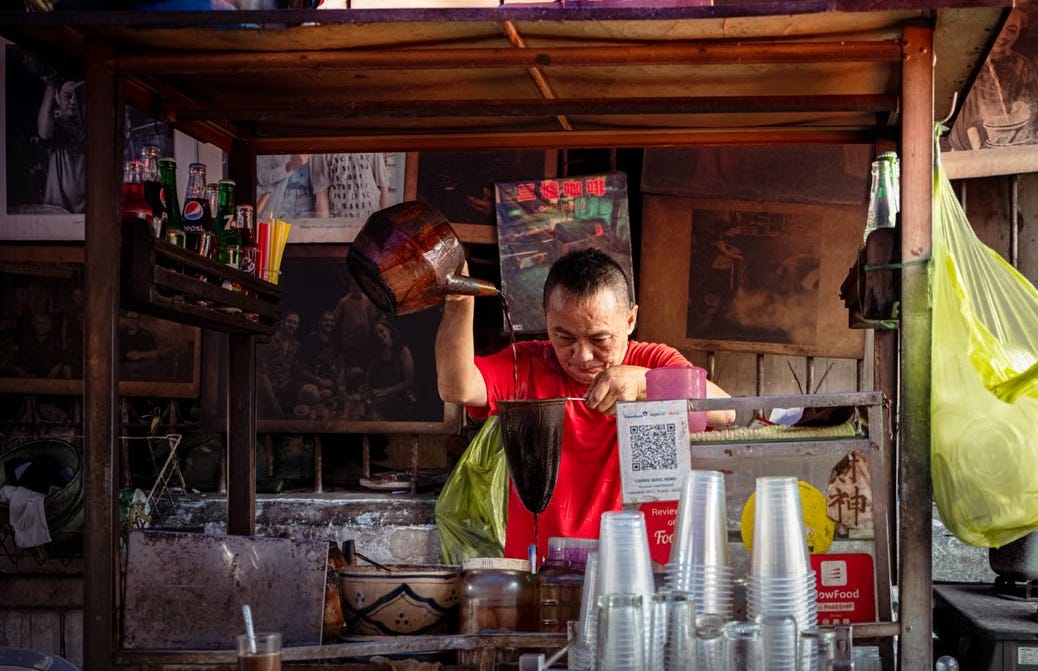
These days, cafés are increasingly designed to be Instagrammable. Cafés can be coquette, minimalist, modern, or any visual theme, with aesthetic interiors and trendy drinks. From matcha to creative tea and coffee variations, businesses keep introducing new products and concepts to attract customers.
In the middle of changing café culture, Southeast Asia’s old-school drinking ways remain part of everyday life.
📡 Why It’s On Our Radar
Indonesia is home to the world’s largest number of coffee shops, with 461,991 outlets recorded in Point of Interest (POI) data in 2025. Vietnam follows in fourth place, with around 132,294 outlets. Other reports even show that Vietnam has more than 500,000 coffee shops, including street vendors and small businesses.
Amongst the new cafés and changing coffee trends, traditional drinking spaces in Southeast Asia continue to hold their place.
From Vietnam’s sidewalk coffee to Indonesia’s warkops and Malaysia’s kopitiams, these unfussy spaces remain part of everyday life alongside the region’s growing café culture.
☕ Not just for ceremonies: Southeast Asia's tea recommendations
From Malaysian 'pulled tea' to Vietnamese lotus petals—your guide to the region's best slow sips and the cultures behind them. Read our guide to Southeast Asia's iconic brews here.
🇻🇳 Vietnam - Cà Phê Vỉa Hè
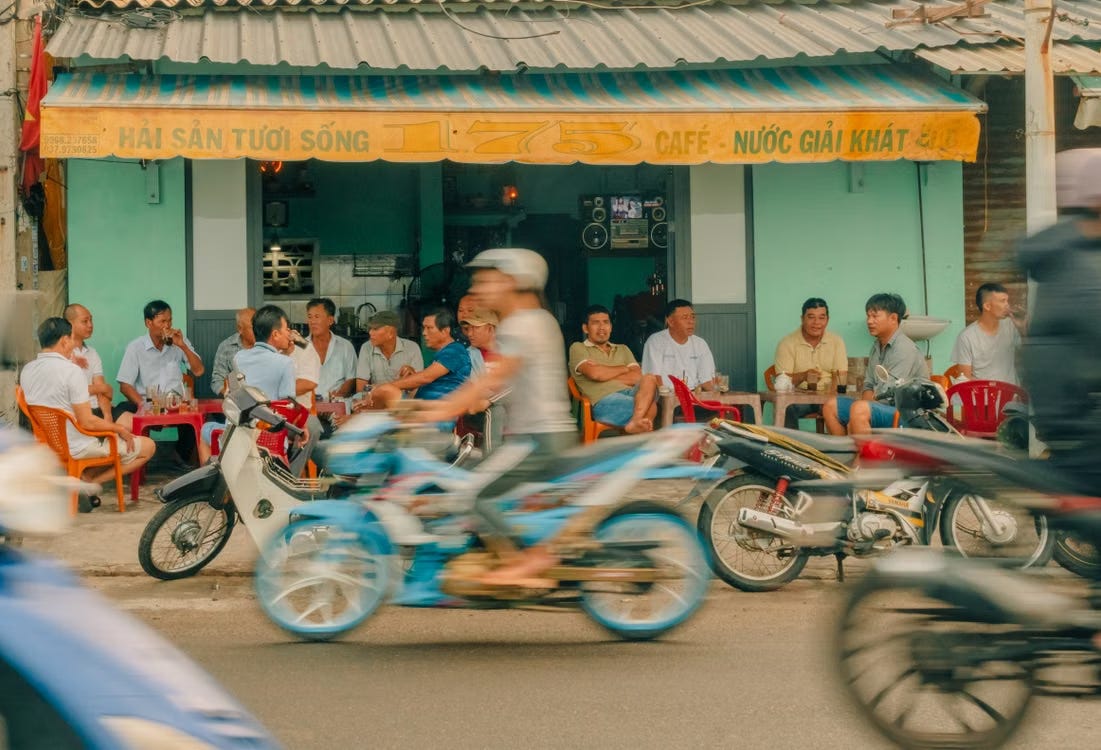
Vietnam is widely known for its street cafe culture. It’s nothing fancy or aesthetic; people just sit outside on the sidewalk with plastic chairs, low tables, a glass of coffee, and friends to talk to while watching the street.
Interestingly, these places have now become tourist attractions too, as people want to experience Vietnam like the locals.
Despite a lot of modern and aesthetic cafes in Vietnam, those plastic chairs are somehow still always filled with people, showing that their relevance still competes with the modern cafes.
Beyond its affordable price, it is because street coffee feels natural. There is no need for a reservation, a carefully planned outfit, or an expensive meal just to enjoy the experience or take a good picture.
They come because it feels personal and familiar. Café owners often recognize their regular customers, while customers become familiar with one another, almost like neighbours.
For many Vietnamese people, having coffee on the sidewalk in the morning is a familiar daily ritual, something that a modern café cannot easily replace.
🇮🇩 Indonesia - Warkop
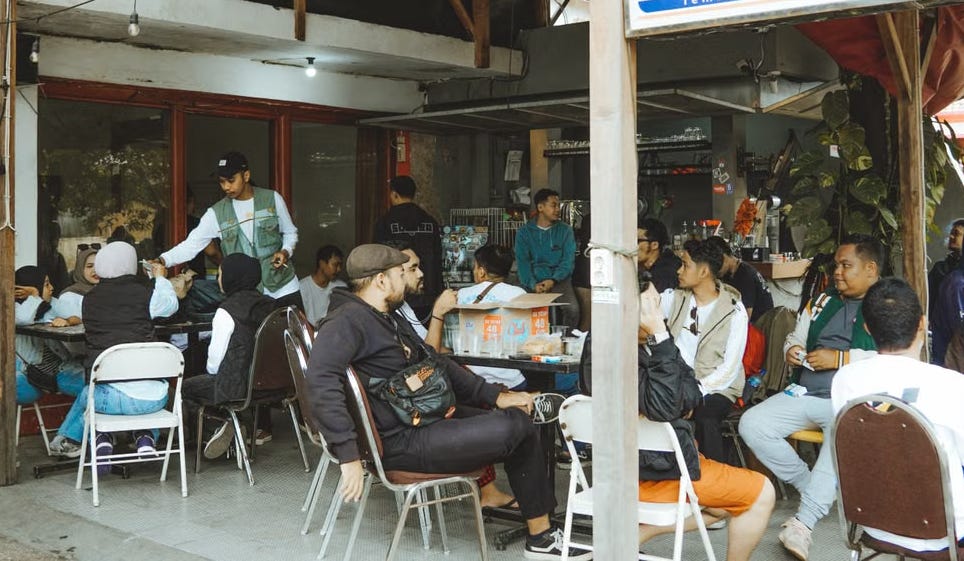
Warung kopi, or warkop as Indonesians usually call it, is one of the country’s most familiar places to hang out, especially among men.
Interestingly, a warkop usually does not prepare coffee using a special brewing technique or unique ingredients. They often just serve instant coffee. Very simple, right?
Another menu that you will usually find is Indomie, Indonesia’s beloved instant noodles. There is even a running joke among Indonesians that Indomie somehow tastes better when it comes from a warkop than when it is cooked at home.
It’s a place to hang out, catch up with friends, watch football, or simply spend time together. Many warkops stay open late into the night, with some operating until dawn or even 24 hours.
However, a warkop is not necessarily an old-fashioned place. Many have adapted to modern needs, offering Wi-Fi, charging points, and other facilities.
🇲🇾 Malaysia - Kopitiam
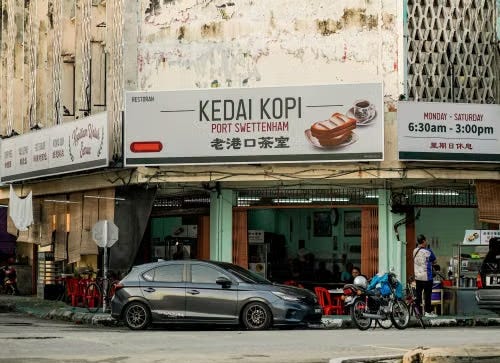
In Malaysia, the kopitiam is more than a traditional coffee shop. The word itself comes from Hokkien, combining kopi (coffee) with tiam (shop), reflecting the influence of Chinese communities on the region’s culture.
This tradition can also be found across the border in Singapore, where kopitiams have similarly become part of everyday food and social life.
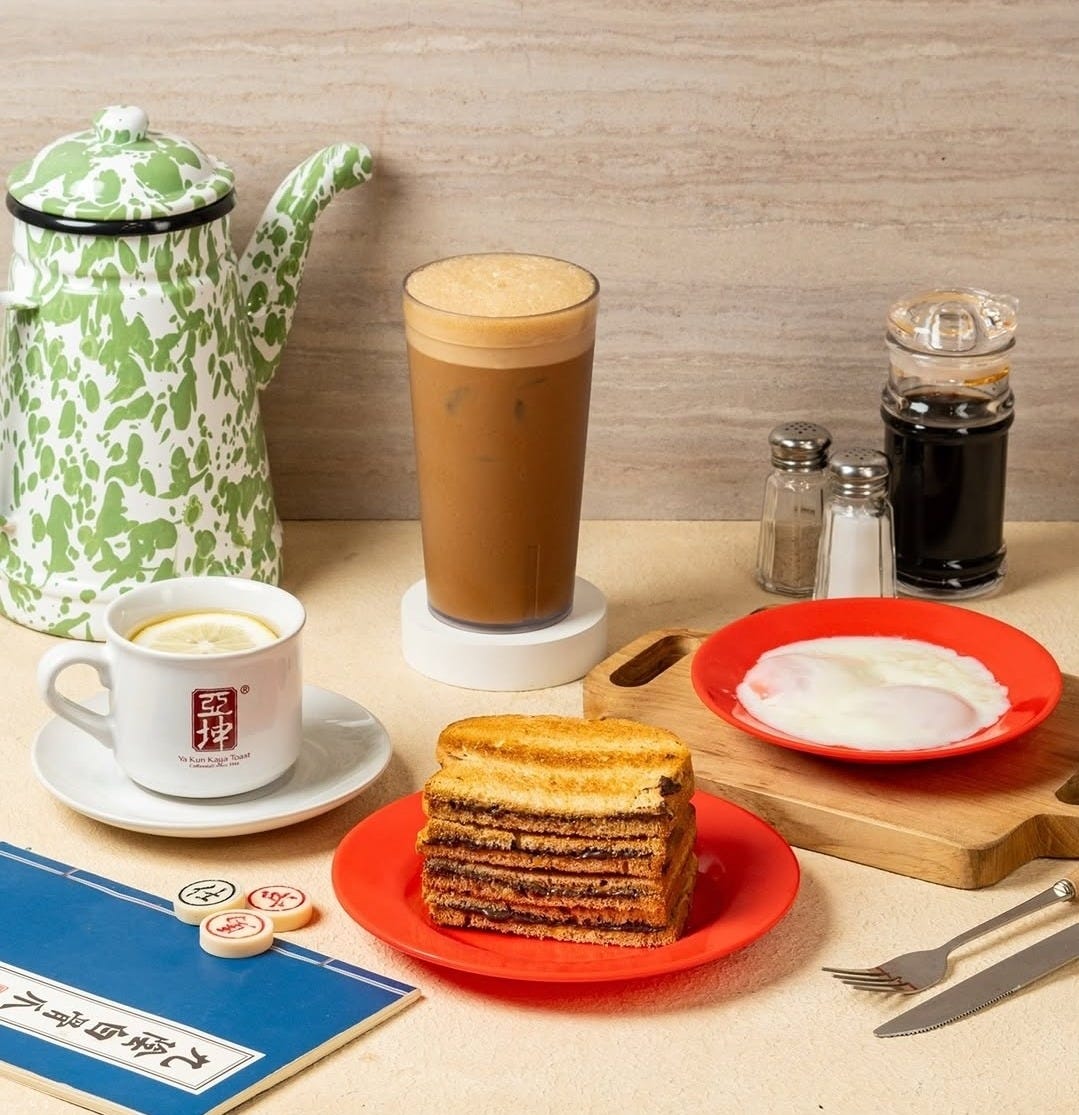
A traditional kopitiam might serve kopi or teh alongside kaya toast, soft-boiled eggs, noodles, and other familiar local dishes. For generations, these simple coffee shops have been places to have breakfast, meet friends, read the newspaper, or simply sit and talk.
Today, the kopitiam is not only preserved as a traditional space.
Its influence can also be seen in newer café scenes, where modern cafés borrow kopitiam-style interiors, menus, flavours, and even retro signage. Some recreate the old coffee-shop atmosphere while giving it a more contemporary look.
✨Old Looks Good Again
Ironically, as cafés become more modern and Instagrammable, the look of the past is becoming trendy too.
In Malaysia and Singapore, newer cafés are bringing back kopitiam elements such as marble-top tables, wooden chairs, retro signs, and traditional kopi and kaya toast.
In Indonesia, cafés are borrowing from old warung aesthetics through vintage furniture, tiled walls, wooden tables, and familiar local snacks and drinks.
What makes the trend interesting is that these details are no longer just part of everyday life. They are being turned into something people actively seek out and photograph.
Instead of replacing local culture with a completely new café culture, some businesses are making local memories and familiar spaces part of the new aesthetic.
🎯 The Bottom Line
Modern aesthetic café culture may be changing how Southeast Asians drink coffee, but it has not erased the way they gather around it.
From Vietnam’s sidewalk coffee and Indonesia’s warkops to Malaysia’s kopitiams, simple and familiar spaces continue to fit into everyday life.
At the same time, cafés are increasingly borrowing from these local spaces, turning once-ordinary traditions into new aesthetics. Maybe the future of Southeast Asian café culture is not about choosing between old and new, but finding ways for both to exist at the same table.
{VNS/ELS)