



📌 The Main Takeaway
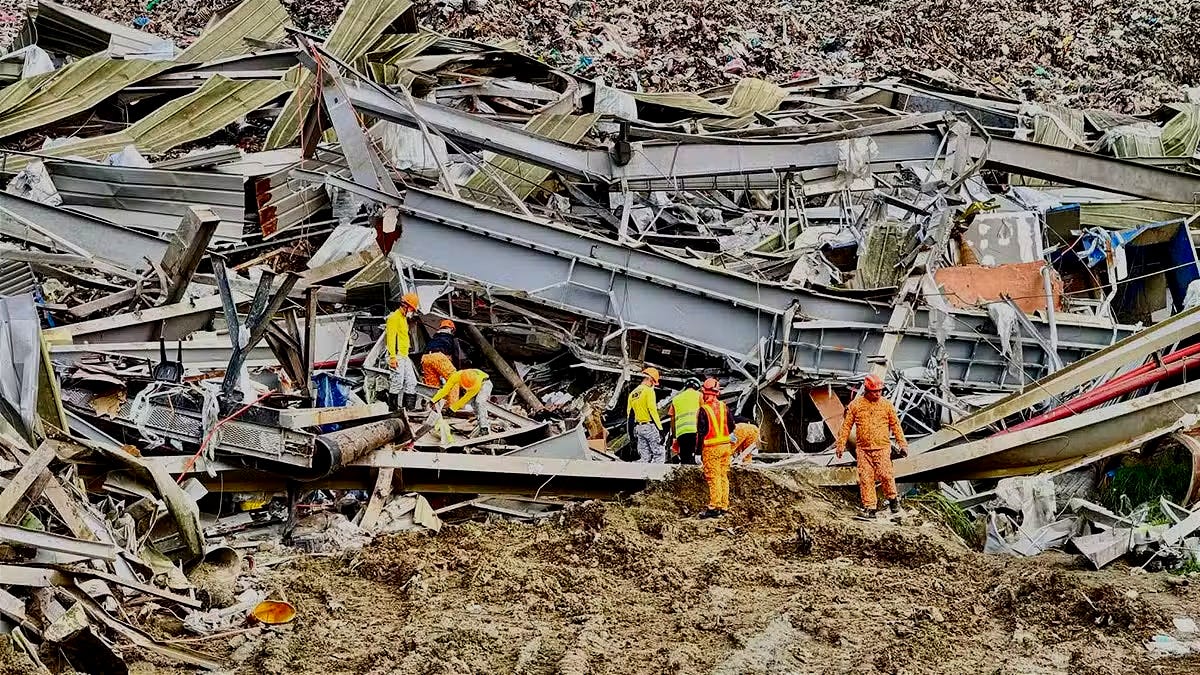
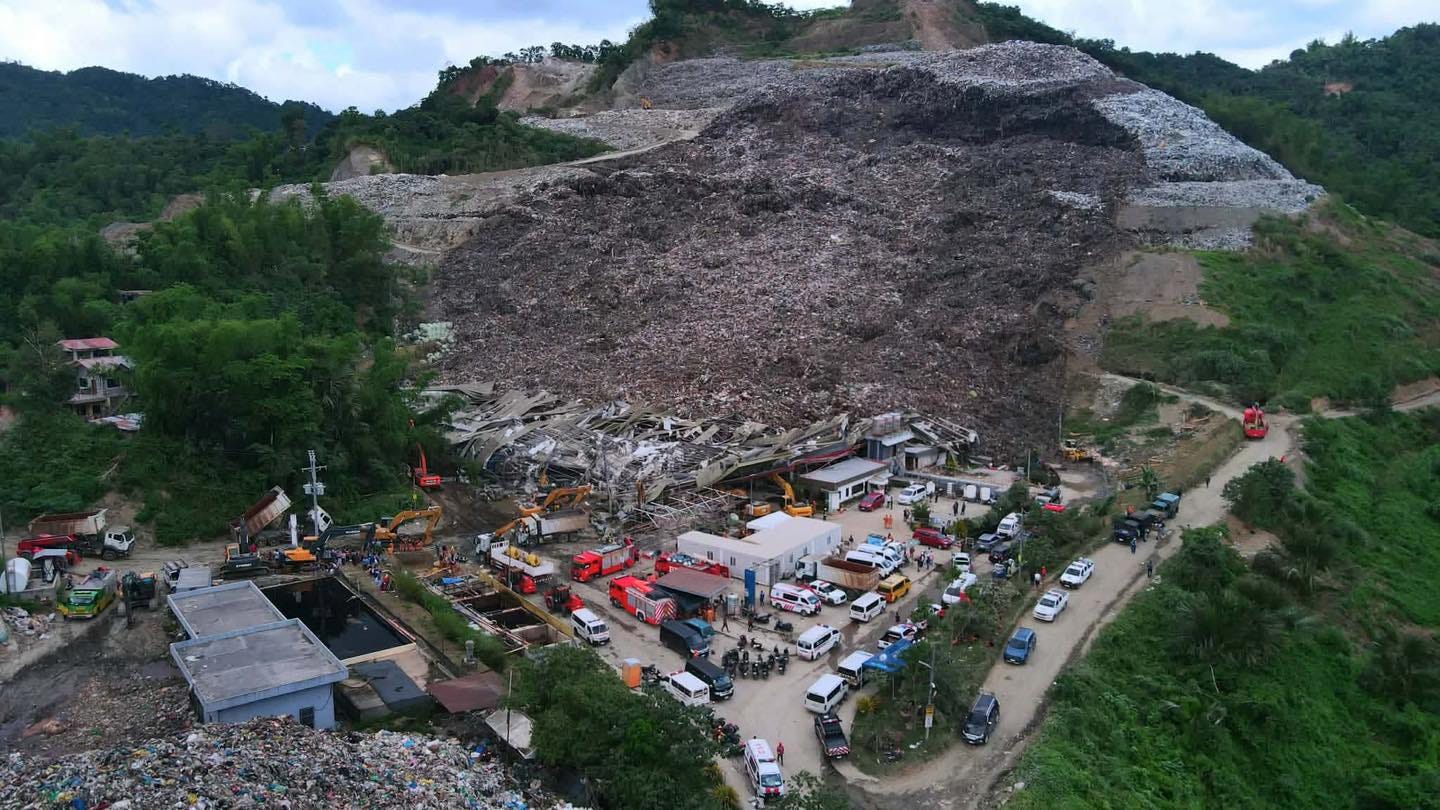
Search and rescue operations continue a week later at the Binaliw landfill in Cebu City, the Philippines, following a catastrophic collapse on Jan. 8 that has left dozens dead.
The disaster occurred when a 35-meter-high mound of waste oversaturated by rain gave way, burying workers under tons of debris.
This tragedy highlights a critical failure in regional waste infrastructure as landfills from Thailand to Indonesia reach a breaking point.
📡 Why It’s on Our Radar?
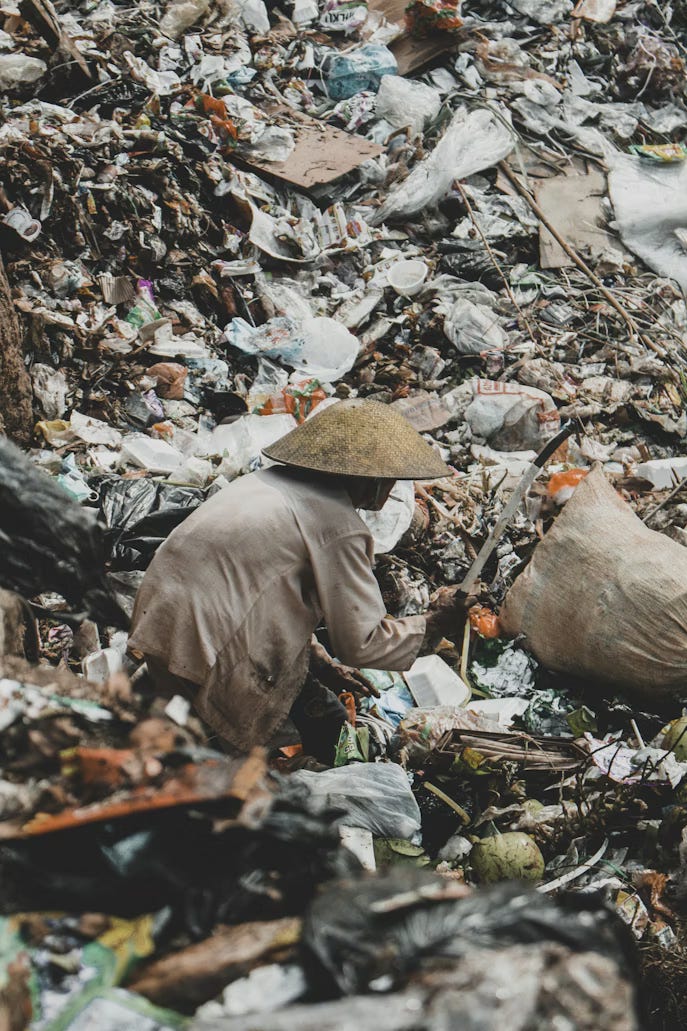
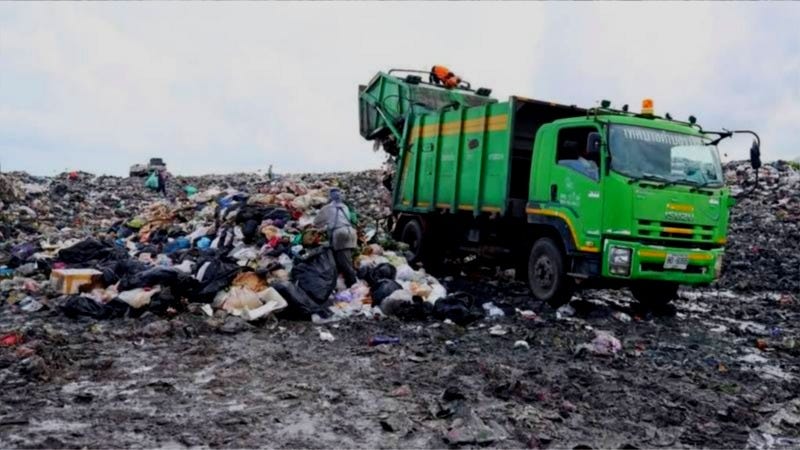
Landfills are literally overflowing. In Phuket, Thailand, trash volumes have surged to 1,000 tonnes daily, replacing scenic mountain views with stinking garbage piles.
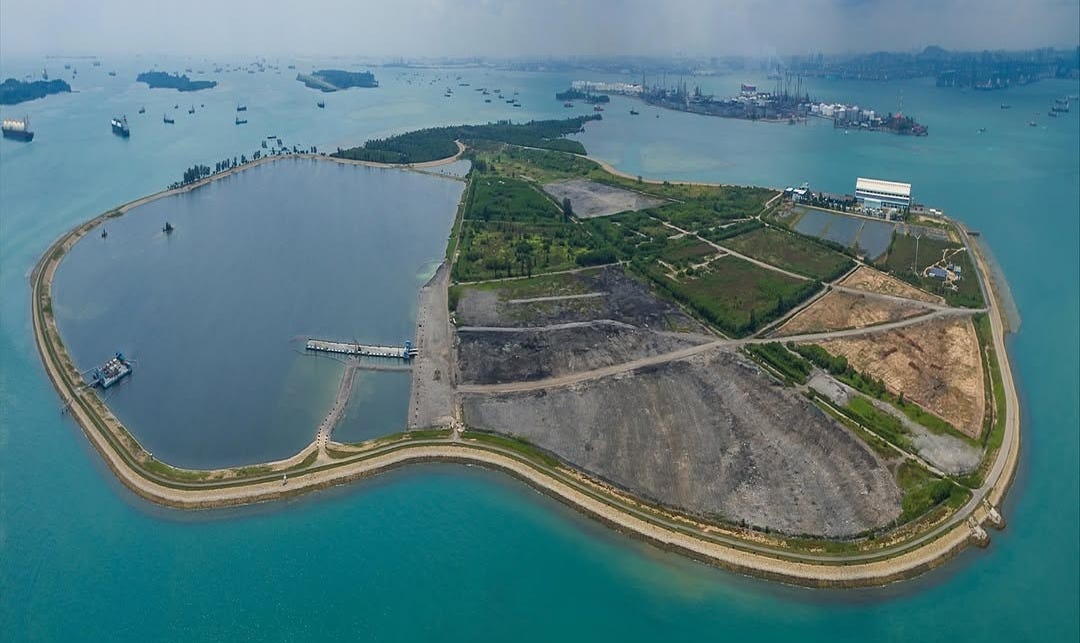
Meanwhile, Singapore’s Semakau—the world’s first offshore landfill—is projected to be full by 2035. Across ASEAN, “open dumping” remains the norm, turning disposal sites into ticking time bombs for landslides, toxic leachate, and methane explosions.
⚖️ What’s at Stake
🥀 Human Life: The Binaliw disaster mirrors the 2005 Leuwigajah tragedy in Indonesia, which killed 157 people. Without better slope stability and drainage, these events will recur.
🐟 Environmental Collapse: In Phatthalung, Thailand, polluted runoff from overloaded dumps is poisoning Songkhla Lake, destroying aquatic life and local fishing livelihoods.
🛑 Economic Survival: Cebu City is currently in a state of emergency, scrambling to find alternative sites as the region’s primary disposal facility has been shut down under a cease-and-desist order.
🌏 Regional Crisis Review: The ASEAN Waste Landscape
The crisis is no longer localized; it is a regional epidemic of “overcapacity.”
🇵🇭 Philippines (Cebu): Authorities are navigating unstable “garbage voids” and toxic fumes to find survivors. The site’s height and inadequate drainage are blamed for the geotechnical failure.
🇮🇩 Indonesia: National landfills are expected to reach absolute capacity by 2028. The government is fast-tracking 34 Waste-to-Energy (WTE) plants to reduce the burden.
🇲🇾 Malaysia: Facing total landfill saturation by 2050, the government is pushing 18 incinerators but faces "Not In My Backyard" (NIMBY) protests from residents who fear dioxin emissions.
🇸🇬 Singapore (Semakau): Despite being an offshore “success story,” the landfill is over 50% full. In 2026, Singapore is pivoting to Extended Producer Responsibility (EPR) and a new beverage container return scheme to slow the ash buildup.
🇹🇭 Thailand (Phuket & Bangkok): Phuket’s daily waste is hitting 1,400 tonnes, far exceeding its 900-tonne incinerator capacity. Bangkok is racing to complete the On Nut WTE plant by November 2026, with a capacity to process 1,000 tonnes daily.
🇻🇳 Vietnam: Hanoi is launching a $286 million project at its Nam Son landfill to excavate and incinerate legacy waste to restore the environment.
🏠 Why This Hits Home
Waste management is often invisible until it fails. In Phuket, residents must wear masks inside their homes due to the stench, and air purifiers have doubled their electricity bills.
😷 In Singapore, domestic recycling has hit a record low of 11%, hampered by high contamination rates. It’s a reminder that our daily consumption has a physical, often dangerous, destination.
🏭 Beyond the Headlines: Technology vs. Tradition
Countries are scrambling for solutions with mixed success:
Waste-to-Energy Push: Indonesia plans 34 plants, Malaysia aims for 18 by 2040, and Vietnam is investing $286 million in Hanoi’s Nam Son facility. But these face public resistance over emissions and location concerns.
Budget Gaps: In many Indonesian regions, waste management receives less than 1% of the local budget, a figure experts say must change to prevent more landslides.
Recycling Plateau: Malaysia’s recycling rate is 37.9%, Singapore’s has declined due to contamination, and most countries struggle with proper waste segregation at source.
Digital Passports: Singapore is piloting molecular-level “digital passports” for plastics in 2026 to track provenance and boost high-quality recycling.
Industrial Waste: Thailand is developing 12 new Industrial Waste-to-Energy plants to manage factory waste and reduce reliance on fossil fuels.
💡 The Bottom Line
The Binaliw tragedy has ripped open the facade of Southeast Asia’s waste management systems, revealing critical infrastructure gaps, regulatory failures, and urgent capacity shortfalls.
With populations growing, consumption increasing, and existing landfills nearing exhaustion, the region faces a rapidly closing window to implement sustainable solutions before more disasters strike.
The search for missing workers in Cebu continues, but the larger search for viable waste management strategies across Southeast Asia has become undeniably urgent.
Regional cooperation, technology investment, and substantial behavioral change must accelerate simultaneously, or more communities will find themselves literally buried in garbage.
Need More Angles?
Antara Indonesia pins hopes on waste-to-energy to ease landfill crisis
CNA IN FOCUS: Where will Singapore’s rubbish go after Semakau landfill is full?
Inquirer.Net Rescue continues despite bad weather; Binaliw death toll hits 28
Inquirer.Net EXPLAINER: What led to the deadly Binaliw landfill landslide
Reuters Thai resort island Phuket grapples with growing garbage crisis
Thaiger Overloaded landfill prompts urgent waste crisis review in Phatthalung
The Investor.vn Hanoi opens bid for $286 mln waste-to-energy project at its largest landfill
Universitas Gadjah Mada Closure of 343 Open Dumping Sites Signals Urgency for Waste Management Reform in Indonesia
(ELS/QOB)