



⚡ The Main Takeaway
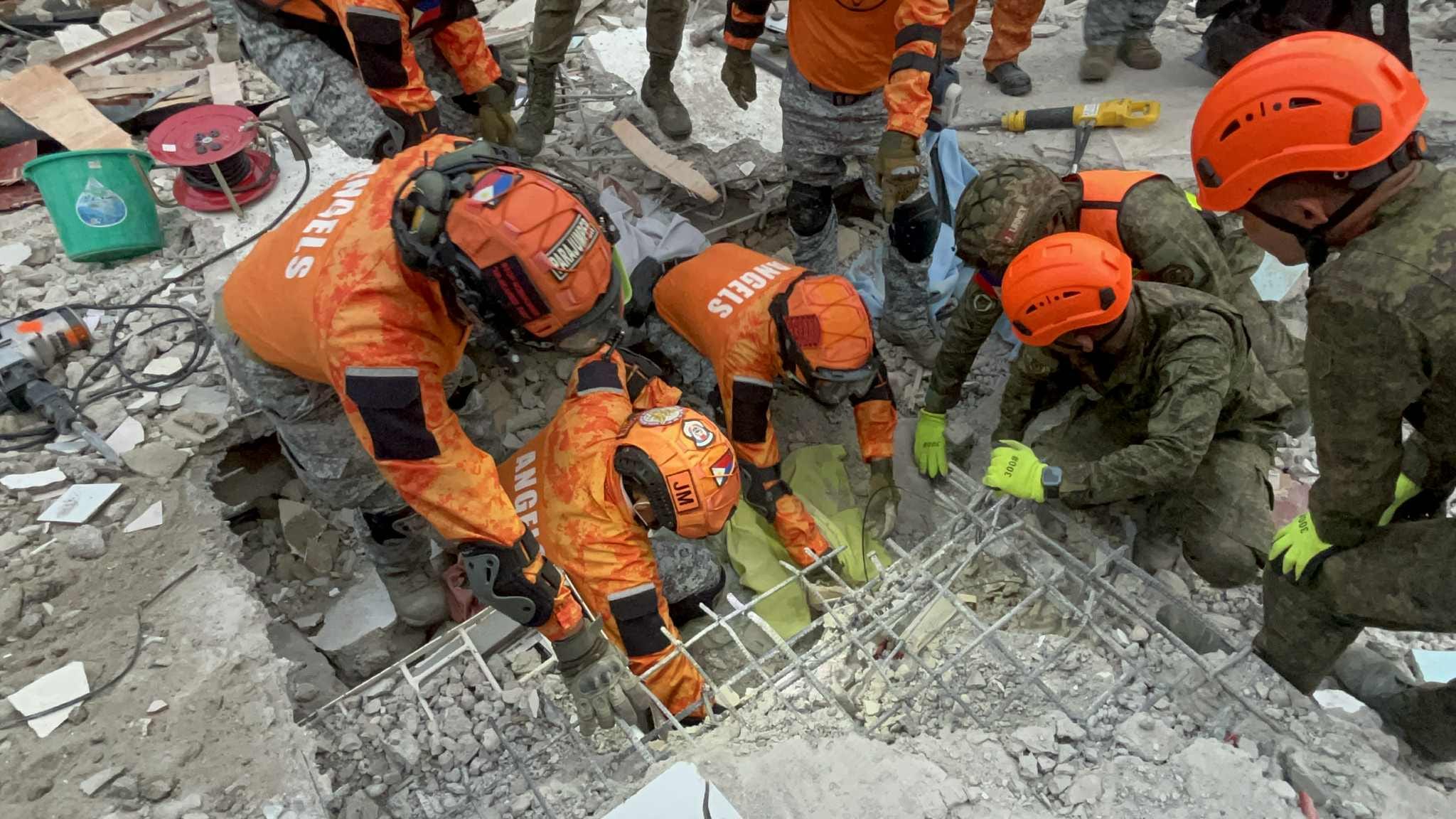
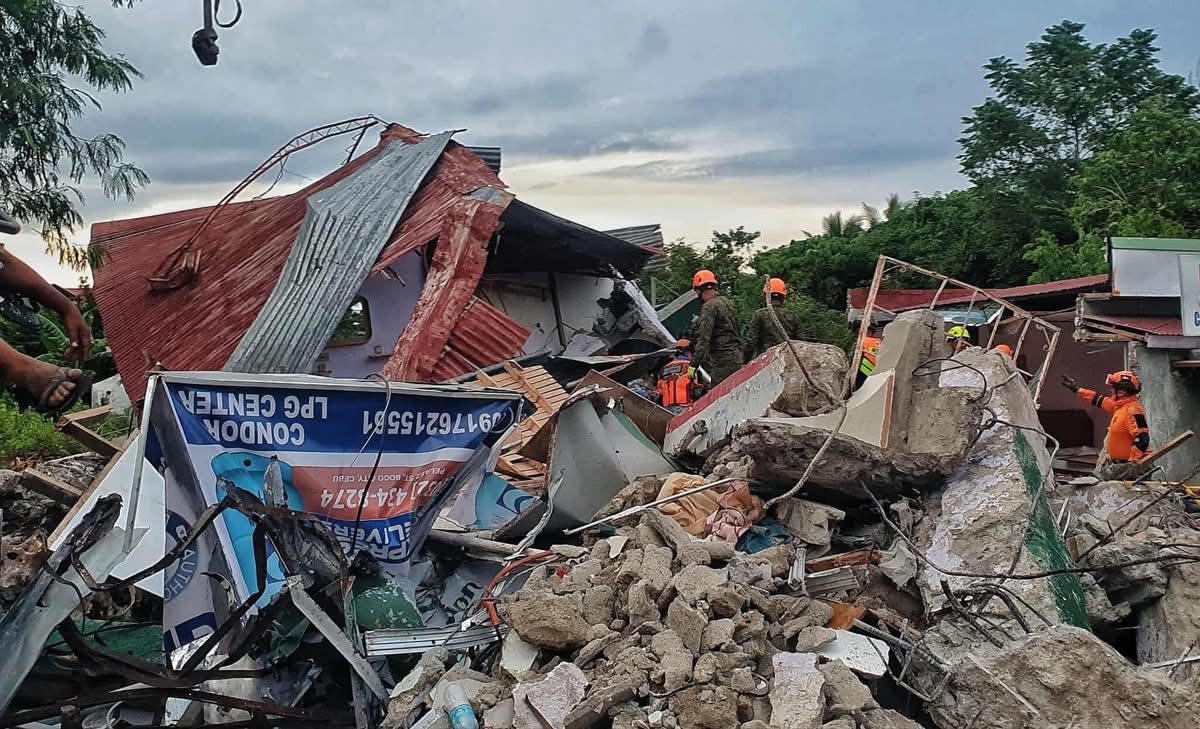
A 6.9-magnitude earthquake 🌋 struck Cebu, Philippines 🇵🇭 on Sept 30, leaving at least 69 dead ⚰️ and over 150 injured 🚑.
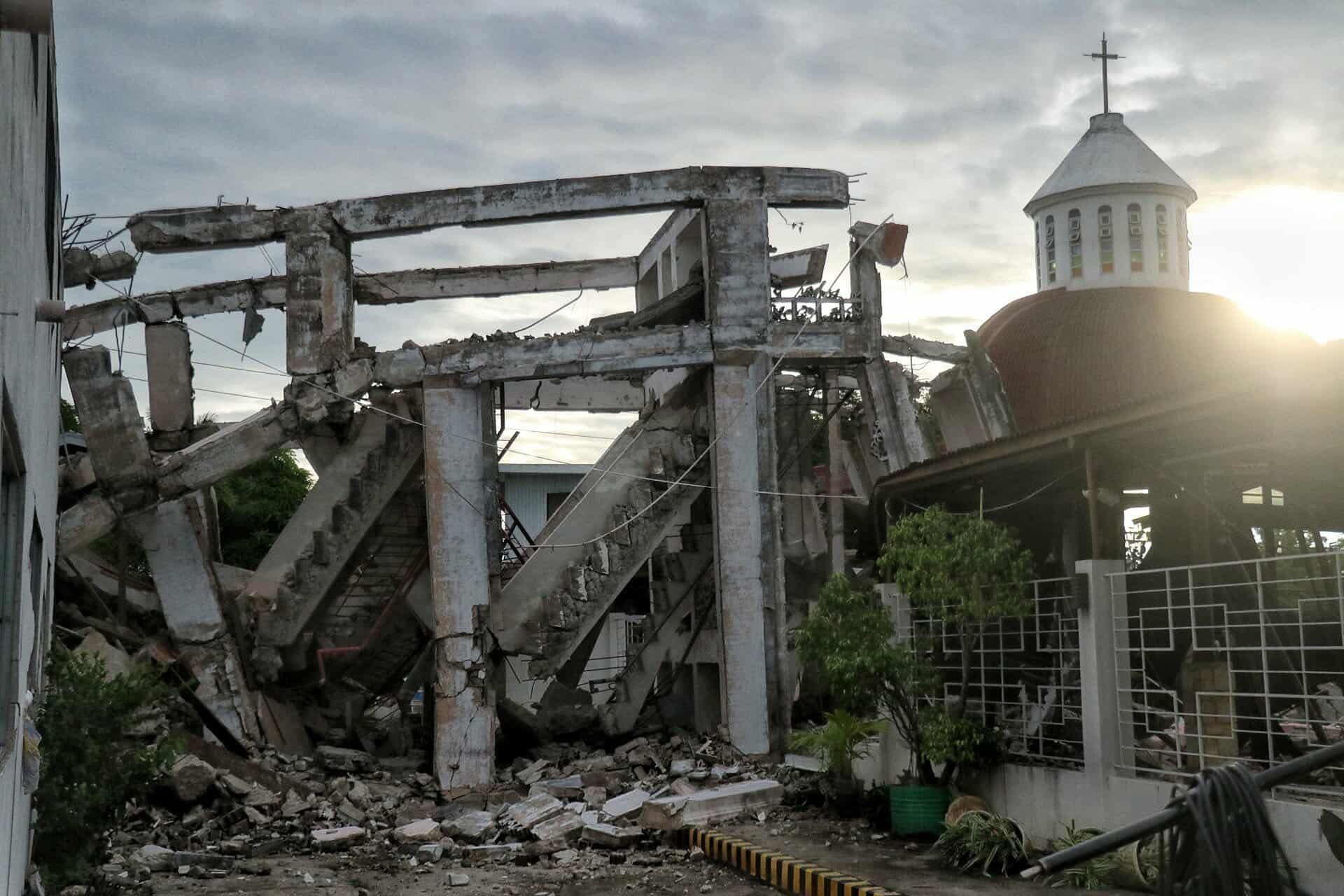
Hundreds of aftershocks have been recorded 📉, with major infrastructure damaged 🏚️ and several towns placed under a state of calamity 🚨.
🔥 Why It Matters
Deadliest quake in the Philippines since 2013 ⚰️🇵🇭.
It highlights the fragility of infrastructure 🏚️ and the urgent gaps in disaster preparedness 🚨 across Southeast Asia’s disaster-prone states 🌏.
🧭 The Big Picture
The Philippines sits on the Ring of Fire 🌋, at constant risk of earthquakes and volcanic eruptions ⚠️.
Parallel risks exist for Indonesia, Myanmar, and other ASEAN members 🌏 — making this disaster a regional warning sign 🚨.
🌐 Regional Stakes
ASEAN disaster response remains fragmented and underfunded 💸⚠️.
Upcoming challenges:
Cross-border relief efforts 🤝
Donor mobilization 🌍
Insurance risk pricing 💼
This quake could push discussions on an ASEAN Disaster Fund 💰 or a stronger AHA Centre mandate 🏛️🌏.
🏠 Why This Hits Home
Cebu is a hub for BPO services 💻📞 — quake disruptions may impact global outsourcing clients 🌍.
For millions of Filipinos abroad (OFWs) ✈️🇵🇭, disasters at home shake remittances 💸 and family livelihoods 🏠.
The crisis echoes Indonesia’s vulnerabilities 🇮🇩: Jakarta, Java, and Sulawesi share similar quake risk profiles 🌋⚠️.
📌 Bottom Line
Beyond the tragedy, the quake is a wake-up call for ASEAN 🔔🌏: time to turn climate & disaster rhetoric 🌡️🌪️ into real preparedness 🛠️.
Economic stability 💼 and human security 🧍 in the region hinge on resilient infrastructure 🏗️ and stronger coordination 🤝.
📚 Need More Angles?
Washington Post Powerful earthquake kills at least 69 in central Philippines
Reuters Analysis How does Cebu quake compare in seismically vulnerable Philippines?
(ARS/QOB)