



🎯 The Main Takeaway
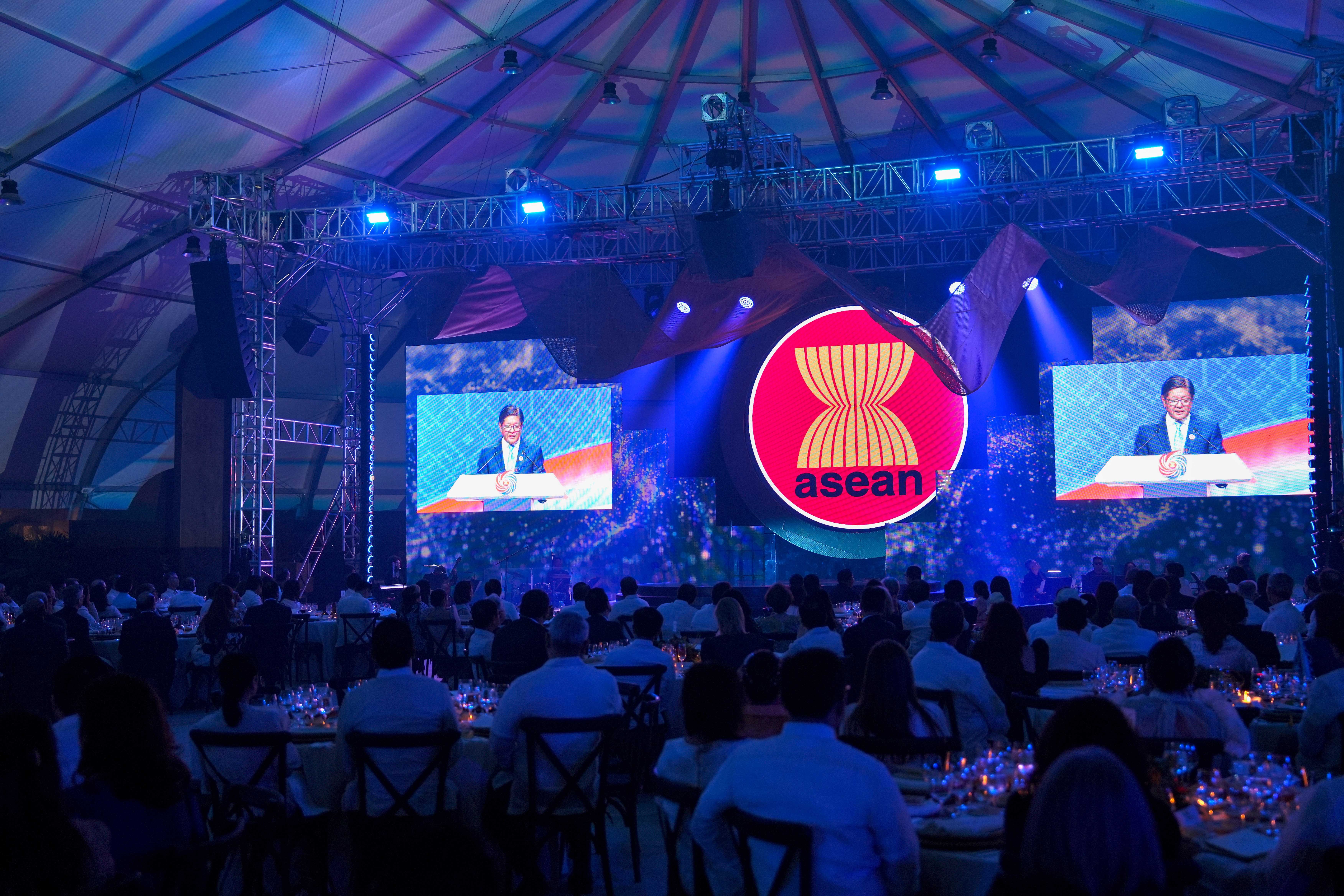
The Philippines’ ASEAN Chairship in 2026 — formalized at the 47th ASEAN Summit in October 2025 — marks a moment of inclusion as Manila leads the bloc while Timor-Leste begins its accession as ASEAN’s newest member 🌾🤝.
But it arrives amid overlapping regional stress tests — from South China Sea tensions 🌊⚖️ to intra-ASEAN strains, including Myanmar’s unresolved political crisis and contested electoral path 🗳️.
The Chairmanship is not designed as a crisis mandate — but it will be judged by how it manages crises in practice.
⚠️ Why It Matters
For ASEAN, the 2026 Chairship goes beyond procedural leadership.
🕊️ Regional stability: Ongoing disputes are testing ASEAN’s capacity for conflict prevention, de-escalation, and quiet diplomacy.
🌐 Economic resilience: Security uncertainty threatens trade, supply chains, and investor confidence just as ASEAN begins advancing its Vision 2040 agenda.
👥 People-centered credibility: ASEAN’s relevance increasingly depends on whether diplomacy delivers real improvements in safety, livelihoods, and social protection, including for its newest member.
🏛️ Institutional governance: 2026 will show whether ASEAN’s consensus-based model can hold under sustained pressure, not just episodic crises.
🔍 Why It’s on Our Radar
🇵🇭 A Chair by design: Institutionally grounded, the 2026 Chairship unfolds amid heightened regional pressure, reinforcing ASEAN’s conflict-management role.
🌊 Maritime tension: The South China Sea remains a structural flashpoint, now sharpened by great-power competition.
🗳️ Myanmar’s test: The junta’s electoral roadmap revives scrutiny over ASEAN’s unresolved Five-Point Consensus.
🌾 Timor-Leste’s integration: ASEAN faces the practical challenge of integrating its newest member across the economic, political, and socio-cultural pillars.
🕊️ Treaty of Amity and Cooperation: ASEAN’s core framework for peaceful relations is being tested in a more contested regional environment.
📅 A transition year: 2026 marks the first year of implementation of the ASEAN Community Vision 2040.
💡 Key Highlight
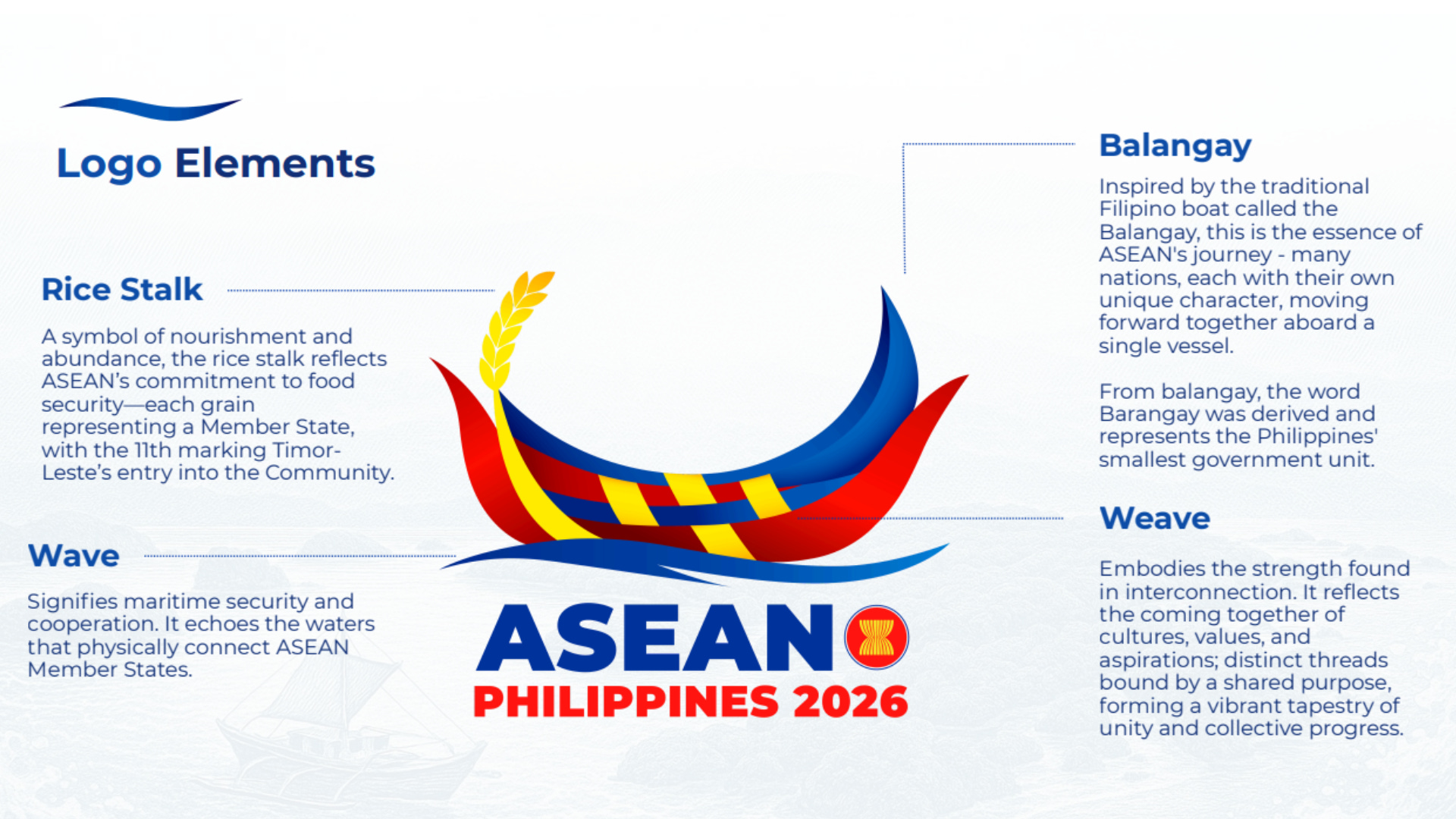
The Philippines’ President, Ferdinand R. Marcos Jr., has framed the 2026 ASEAN Chairmanship under the theme “Navigating Our Future, Together.”
Three flagship priorities anchor Manila’s agenda:
🛡️ Peace and Security Anchors
🌐 Prosperity Corridors
👥 People Empowerment
These align with ASEAN’s three Community pillars. The critical test will not be the clarity of the vision — but whether these pillars can be kept mutually reinforcing under sustained pressure.

🤖 AI: A Cross-Cutting Bet
The Philippine Chairship places artificial intelligence at the center of ASEAN’s future-oriented agenda:
🛡️ Security: early warning systems, maritime domain awareness, and HADR
💼 Economy: digital trade, innovation, and MSME enablement
🧑⚕️ Socio-cultural: healthcare, education, youth development, and ageing societies
Yet uneven readiness and fragmented regulation raise a key policy question:
Can ASEAN move from shared principles to interoperable standards before technology deepens regional gaps?
🗺️ From Vision to Action
Early signals from the Philippine Chairship point to a dual-track approach — managing regional security pressure while sustaining economic delivery.
📌 On diplomacy: Manila has engaged Myanmar’s military authorities on the electoral roadmap and reinforced regional de-escalation channels within ASEAN’s existing mechanisms.
📌 On the economy: Momentum is being built through early alignment at:
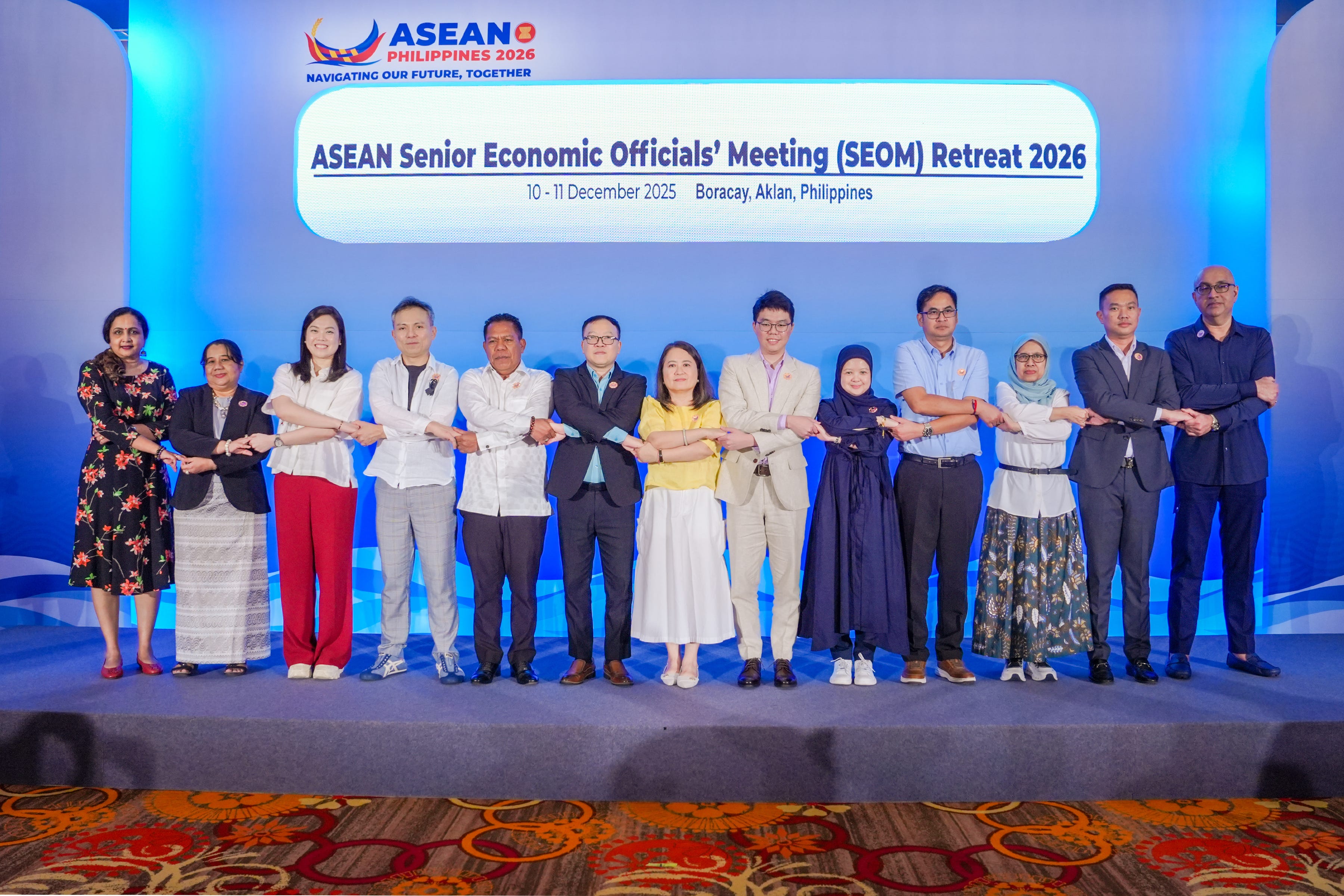
ASEAN Senior Economic Officials’ Meeting (SEOM) Retreat (December 2025)
Priority Economic Deliverables linked to ASEAN Community Vision 2040 and the AEC Strategic Plan 2026–2030
Preliminary work toward an ASEAN Leaders’ Declaration on Strategic Trade Management
⚠️ The risk remains that acute security crises could crowd out political attention from long-term economic and social reform.
🕊️ TAC at 50: Norms Under Strain
2026 marks the 50th anniversary of the Treaty of Amity and Cooperation (TAC) — ASEAN’s foundational framework for peaceful coexistence, non-interference, and dispute settlement.
⚠️ The milestone forces a strategic reckoning:
Can TAC principles still shape behaviour in contested spaces?
How should ASEAN balance non-interference with rising expectations for regional responsibility?
The anniversary will reveal whether TAC remains a living framework — or has drifted into symbolism without enforcement.
🌏 The Regional Stakes
The Philippine Chairship sits at the intersection of structural continuity and sudden disruption.
For ASEAN, the real stake is the resilience of the regional system itself:
⚖️ Cohesion: ASEAN’s ability to absorb overlapping pressures without institutional fracture.
🛠️ Credibility: The effectiveness of its conflict-management and confidence-building mechanisms.
📊 Balance: Whether economic and socio-cultural agendas can be sustained as security risks spill across the region.
📸 The Big Picture
🗓️ Under the Philippines’ Chairship, ASEAN’s 2026 Notional Calendar reveals how regional policy is structured — not just scheduled.
🔄 How ASEAN works: Policy moves through a predictable pipeline — technical discussion → consolidation → external engagement → leaders’ decisions.
⚖️ What dominates the agenda: Economic and security tracks set the pace.
🛡️ APSC: regional stability, transnational and non-traditional threats, including AI and cybersecurity.
📈 AEC: the densest policy track, covering finance, macroeconomic stability, trade, supply chains, energy, and the green and digital economy.
👥 ASCC: social protection, labor, youth, migration, and resilience — largely shaped by political and economic choices made upstream.

❤️ Why This Hits Home
For Manila, the Chairmanship is both an opportunity and a constraint.
Success would reinforce the Philippines as a credible regional convenor 🤝.
Failure, however, would expose the limits of leadership inside ASEAN’s consensus-based system — especially when national security pressures are live and unresolved.
🔮 The Bottom Line
The Philippines’ ASEAN Chairship is a structural responsibility exercised under volatile conditions.
As old challenges persist and new shocks emerge, 2026 will test whether ASEAN can adapt without eroding its foundations.
The core question is not timing, but resilience: can ASEAN govern through uncertainty while keeping its people at the center?
📰 Need More Angles?
ASEAN 2026 Philippines to Advance Peace, Prosperity, and People Empowerment as ASEAN Chair in 2026
ASEAN 2026 ASEAN 2026 PUBLIC NOTIONAL CALENDAR as of 31 December 2025
PNA PH shares ASEAN priorities, vision for reg’l peace in Thai FM meet
(BRZ/ARS)