



🎯 The Main Takeaway
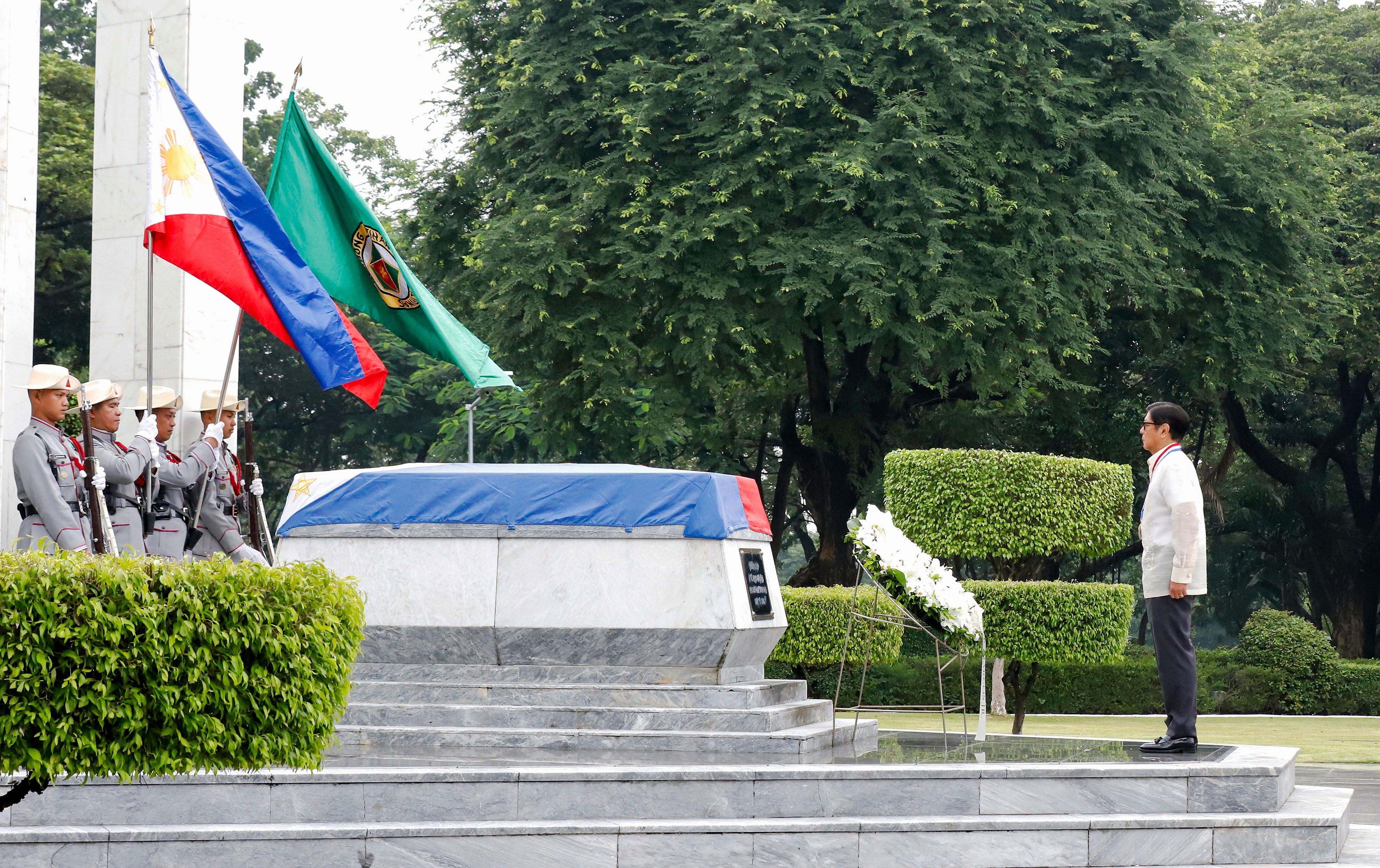
The Philippines marked its 95th National Heroes Day on Monday (8/31), honouring the countless known and unknown Filipinos who gave their lives for the country’s freedom, justice, dignity, and independence from Spanish colonialism.
Carrying the theme “Spirit of Heroism, Strength of the Nation”, the holiday highlights the courage, patriotism, and dedication of those who shaped the nation’s history and helped build a better home for its people, families, and communities.
Beyond remembrance, the occasion is also a time to reflect on how their courage and unity shaped the Philippines. It is also a time for present Filipinos to continue their heroic legacy by serving the country and protecting its sovereignty.
“Our forebears won our freedom, defended our dignity, and laid the foundations of the Republic we cherish. We honour them best by embodying their courage, keeping the flame of patriotism alive, and becoming the citizens our country needs.” - Ferdinand Marcos Jr., Philippine President.
📡 Why It’s on Our Radar?
The Philippines was under Spanish colonial rule for more than 300 years. Spanish involvement began when Ferdinand Magellan arrived in the archipelago in March 1521 during a voyage and claimed the islands for the Spanish Crown.
Colonisation began in 1565, when King Philip II of Spain sent Miguel López de Legazpi, who established the first permanent Spanish settlement in Cebu. This was followed by the establishment of the Spanish city of Manila in 1571, which later became the centre of Spanish rule in the archipelago.
Spain had four main goals in colonising the Philippines:
✝️ Spread Christianity: Spanish missionaries aimed to spread Roman Catholicism among local communities, many of whom followed animist and polytheistic beliefs, while others practised Islam, Hinduism, and Buddhism.
🫚 Securing Spices: Spain sought access to valuable spices from the Moluccas, including cloves, nutmeg, mace, cinnamon, and black pepper, which were primarily traded directly with China and Japan.
⚓ Securing Routes: Spain sought to control trade and maritime routes to the East Indies, especially routes connected to the Moluccas, to strengthen its position in regional trade.
🪖 Strategic Base: Spain was in strong rivalry with Portugal and the Netherlands over territory and global power. The Philippines served as an important base in Asia to strengthen Spain’s position and overcome rival blockades.
These missions put native Filipinos under pressure, leaving them with little freedom and subject to discrimination under colonial rule.
⛓️ Life Under Colonialism
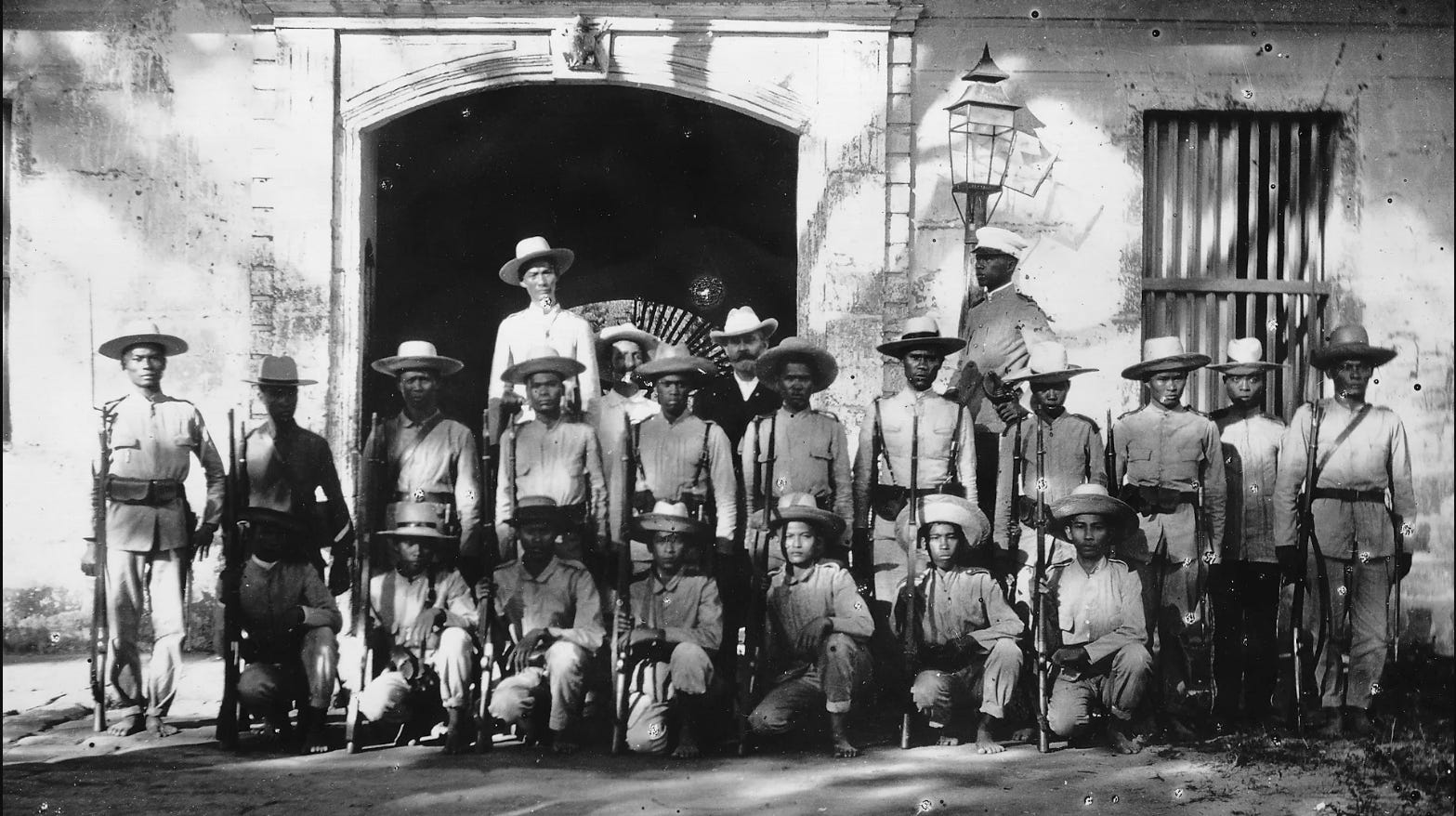
Under Spanish colonial rule, native Filipinos had to adapt to new laws and systems, including the Encomienda and Hacienda systems:
💸 Higher Taxes: Native Filipinos had to pay high taxes to the colonisers, either in cash or goods such as rice and gold. The money was used to fund the Spanish government, infrastructure, religious missions, and military defence.
👷🏽♂️Forced Labour: Indigenous people were forced to work on infrastructure projects for low wages. Farmers also had to grow tobacco, sugar cane, and coconuts on their own land, and sell them to the Spanish at low prices.
🎲 Social Inequality: The colonisers created a social hierarchy, with Spaniards at the top, controlling most political, economic, and religious power, mixed Spanish-Filipino people in the middle, and native Filipinos at the bottom, often working for low pay under strict colonial control.
♟️ Power Loss: Indigenous and religious leaders who kept local traditions could be punished, while their political power and rights were limited. Those who opposed colonial leaders and religious orders could also lose their land.
🔇 Cultural Loss: Local languages, cultures, and traditions gradually faded as colonial authorities and missionaries replaced them with Spanish language, Latin standards, and Catholic traditions.
These abuses of power helped trigger the Philippine Revolution afterwards, as Filipino resistance grew and they fought back against the colonisers, seeking to build a self-governing nation free from foreign rule.
⚔️ The Philippine Revolution
The movement began in 1892, when Andres Bonifacio founded a secret resistance group called Katipunan. Its aim was to recruit members, build a network, spread nationalism, develop strategies, and organise an uprising against Spanish colonialism.
In August 1896, Spanish authorities discovered the Katipunan, prompting Andres Bonifacio and other leaders to openly declare their rebellion against Spanish rule. This event later became known as the Cry of Pugad Lawin.
One year later, the rebellion was defeated, and the Katipunan split into two groups led by Andres Bonifacio and Emilio Aguinaldo. Aguinaldo’s group became stronger and took control, while Bonifacio was later executed for treason and sedition after refusing to accept Aguinaldo’s leadership.
Aguinaldo continued the resistance and successfully brought the Spanish forces to a stalemate, with neither side willing to surrender. This eventually led to a ceasefire under the Pact of Biak-na-Bato in December 1897, temporarily ending the conflict.
In April 1898, the United States joined the conflict by declaring war on Spain, aiming to take the Philippines from Spanish control. The two sides fought the Battle of Manila Bay in May, which ended in a Spanish defeat. Emilio Aguinaldo then declared Philippine independence from Spanish rule on 12 June 1898.
Spain later signed the Treaty of Paris with the United States in December 1898, ending the Spanish-American War and transferring control of the Philippines to the United States. The United States later granted the Philippines independence through the Treaty of Manila on 4 July 1946.
🏅 The Heroes
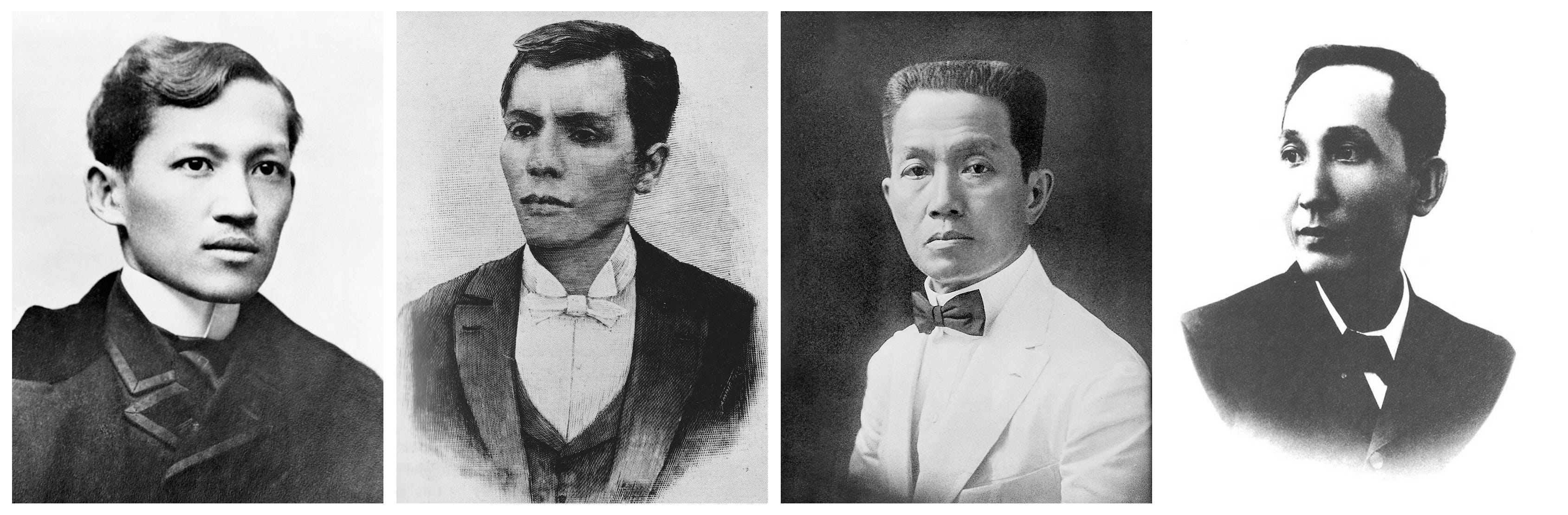
There are countless Filipinos who sacrificed their lives for independence, but the Philippine National Heroes Committee recommended nine historical figures as national heroes in 1995:
José Rizal: A writer, nationalist, and reformist who became a moral inspiration for the Katipunan through his books and novels that exposed Spanish abuses. He was captured and executed by the colonisers in December 1896.
Andrés Bonifacio: Founder of the Katipunan, who organised the first rebellion against Spanish rule. He was executed by Emilio Aguinaldo in 1897, after Aguinaldo took control of the movement following the Katipunan’s defeat.
Emilio Aguinaldo: The next leader of the Katipunan, who continued the rebellion against Spanish rule. He pushed back Spanish forces, reached a ceasefire in December 1897, and became the Philippines’ first president in 1899.
Apolinario Mabini: A political thinker, educator, and statesman who served as Aguinaldo’s chief adviser, helping shape the government and promote the rule of law. He later became the Philippines’ first prime minister in 1899.
Marcelo H. del Pilar: A reformist writer and journalist who challenged colonial rule through political propaganda and social campaigns, using pamphlets and bilingual newspapers to spread nationalism and expose colonial abuses.
Sultan Kudarat: A Muslim leader of the Sultanate of Maguindanao in the 17th century, who resisted colonisation by fighting Spanish forces to defend Mindanao, its independence, and Islamic faith. His name later became the name of a province in Mindanao.
Juan Luna: A political activist and the first Filipino painter recognised internationally, who used his paintings to show Filipino suffering and political struggles under colonial rule. He later served as a diplomat for the Philippine government after independence.
Melchora Aquino: The Mother of the Philippine Revolution, who supported the Katipunan by providing her home for secret meetings, as well as food, clothing, and medical help for its members. She was later captured, imprisoned, and deported by the colonisers, and died at the age of 107 in 1919.
Gabriela Silang: The first female revolutionary leader, who took command of the rebellion against colonial rule in Ilocos after her husband, Diego Silang, was assassinated by a traitor in March 1763. She later became a symbol of fearless leadership and women’s empowerment in the fight against imperialism.
However, there has been no follow-up announcement by the government, to officially recognise these historical figures as Philippine national heroes.
🌹 The Commemoration
The Philippine government set the last Monday of August as a national holiday, allowing millions of Filipinos at home and abroad to join the commemoration.
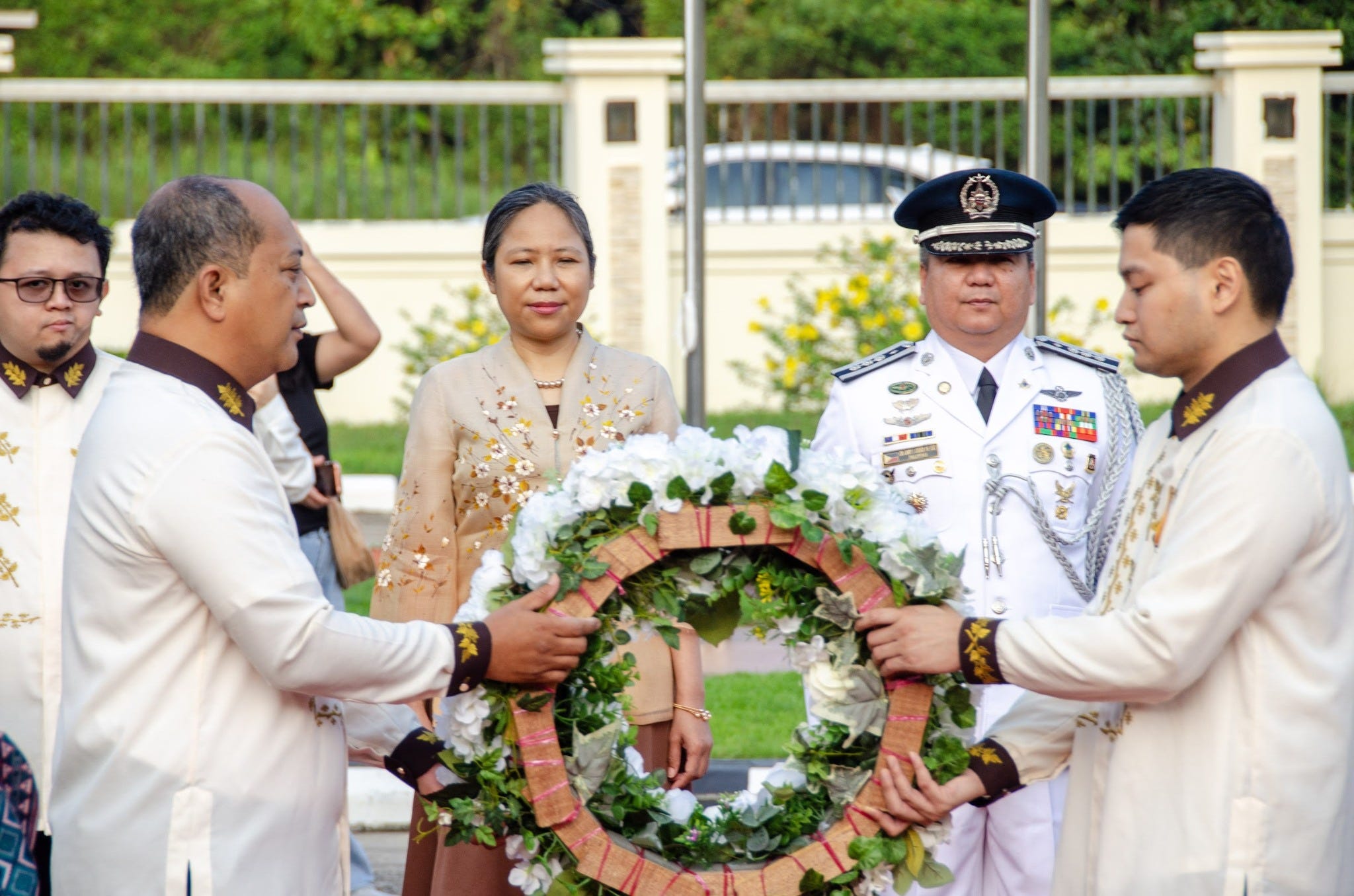
Main Event: A wreath-laying ceremony was held at the Libingan ng mga Bayani (Heroes’ Cemetery) in Taguig City, led by President Ferdinand Marcos Jr. and attended by government officials, military personnel, and veterans. Flag-raising ceremonies were also held at government buildings, historical sites, and schools.
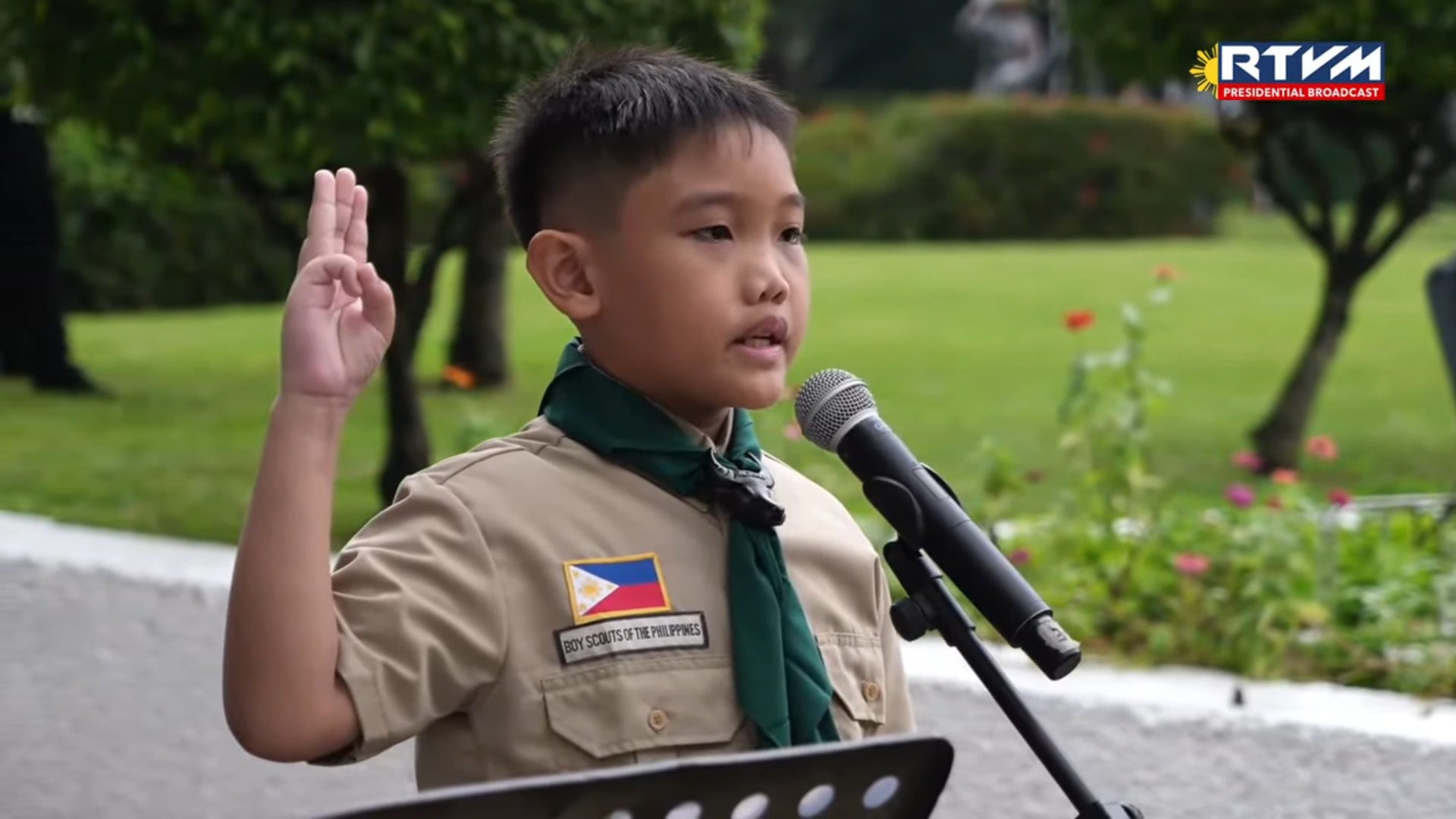
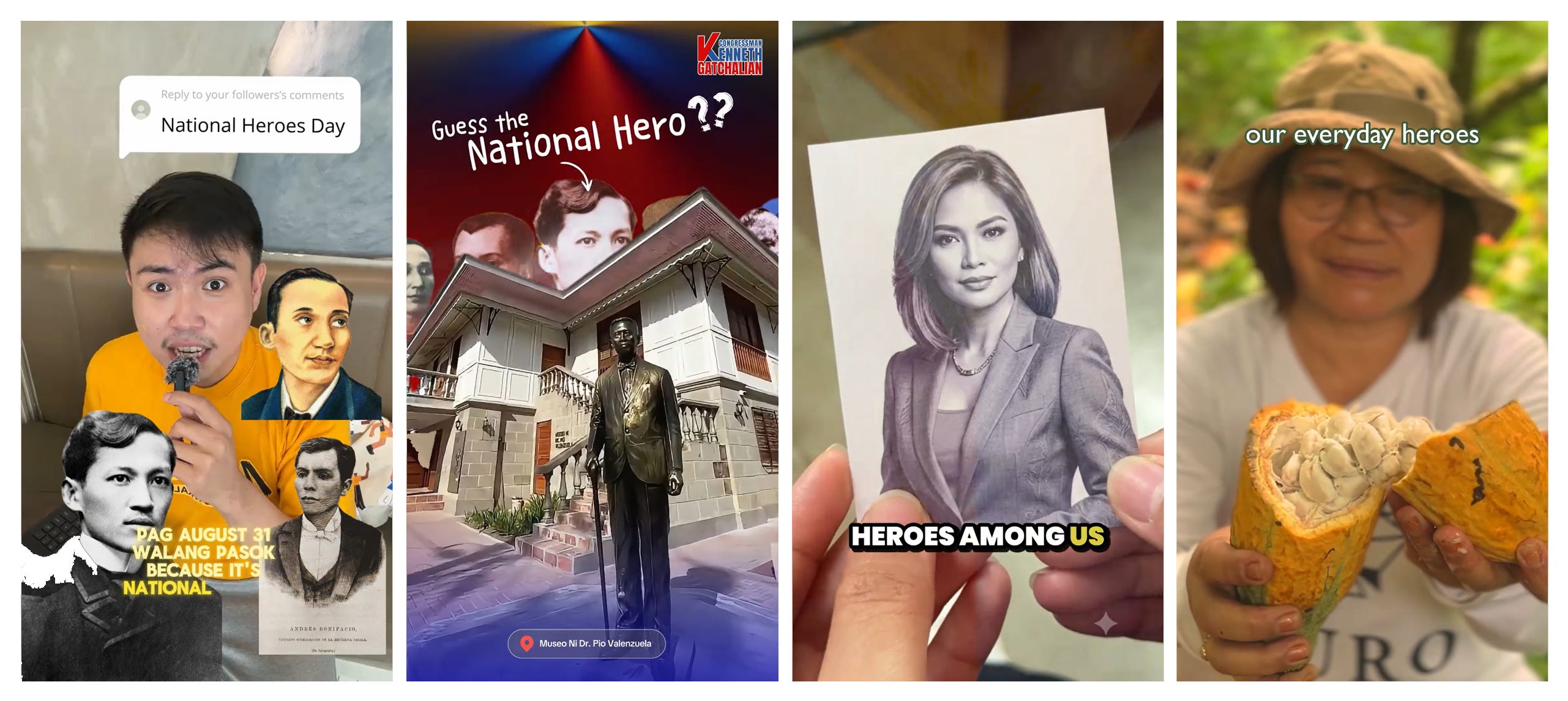
Youths: Schools were closed for the holiday, but students and young people could join commemorative and educational activities, such as attending ceremonies, dressing up as national heroes, creating social media content about past and present heroes, and visiting historical sites.
Filipinos Overseas: Philippine embassies worldwide were closed for the holiday, except for emergency services. Diplomats and ambassadors held flag-raising ceremonies and community gatherings for Filipinos.
Public: The public can visit historical sites associated with national heroes, including Rizal Park, Aguinaldo Shrine, Fort Santiago, Intramuros, and Mount Samat National Shrine.
These activities are expected not only to honour past heroes, but also to help the public, including children and tourists, better understand Philippine history.
📝 Message from the President
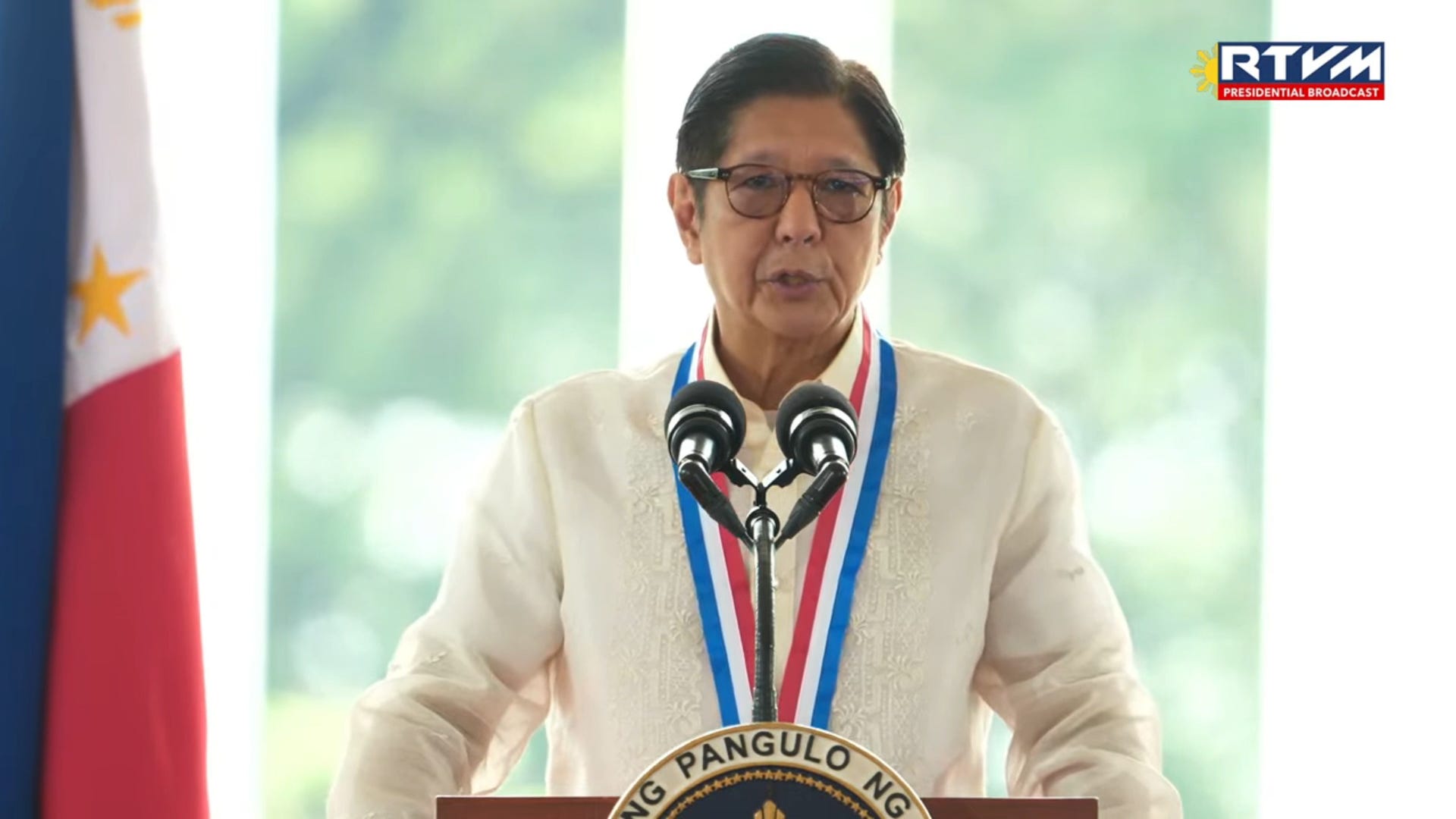
During his speech at the wreath-laying ceremony, President Marcos Jr. shared several messages with Filipinos:
Modern-Day Heroes: He recognised teachers, farmers, fisherfolk, health workers, emergency responders, soldiers, and overseas Filipinos as modern-day heroes who continue to serve despite difficulties.
Government Transparency: He stressed the importance of transparency, accountability, and quality public service to maintain trust in government institutions.
Work Together: He urged Filipinos to work together to build a “Bagong Pilipinas”, where citizens stand strong, institutions serve with integrity, and national sovereignty is protected for future generations.
Protect National Interests: He called for efforts to protect national interests by upholding the rule of law and securing the country’s resources.
Shared Responsibility: He said protecting Philippine territory is everyone’s responsibility, including teaching young Filipinos about maritime rights, promoting the truth, and fighting disinformation across all platforms.
🛡️ The Maritime Security Concern
President Marcos Jr. also highlighted maritime security as a key concern, especially protecting Philippine waters under UNCLOS, as 2026 marks 10 years since the 2016 South China Sea Arbitral Award.
The South China Sea has faced territorial disputes since the 1970s, due to overlapping claims among several countries. These include China, Taiwan, the Philippines, Vietnam, Malaysia, and Brunei Darussalam, leading to frequent confrontations between China and other claimants.
China claimed most of the South China Sea based on a 1953 map showing the nine-dash line. However, neighbouring countries rejected the claim, saying it had no legal basis under international law.
In 2013, the Philippines brought the dispute to the Permanent Court of Arbitration, challenging China’s claims under UNCLOS. China rejected the arbitration process.
In July 2016, the Permanent Court of Arbitration issued the South China Sea Arbitral Award, ruling that China’s historic claims based on the nine-dash line had no legal basis under UNCLOS.
The Philippines therefore gained legal rights over its 200-nautical-mile Exclusive Economic Zone (EEZ) in the West Philippine Sea (which overlaps with the South China Sea), including rights to fishing and natural resources.
However, China does not accept or recognise the ruling, leading President Ferdinand Marcos Jr. to continue focusing on maritime security, providing strong support to Filipino fisherfolk, and protecting them from external threats.
Currently, China and several Southeast Asian countries are still working to resolve the South China Sea dispute, with a Code of Conduct expected to be completed this year.
“The Philippines has a right to fight. Every Filipino has a right to serve. Our sovereignty is a right to defend. This is how we show our patriotism in our time, in recognising our country, in upholding its rights, and in carrying out our responsibility to remain stable, free, and united. Let us shape a new Philippines whose people stand firm against all forms of pressure, where institutions serve with integrity, and where sovereignty remains secure for generations to come.” - Ferdinand Marcos Jr., Philippine President.
🚀 Beyond the Headline
The Philippines was originally called Las Islas de San Lazaro (St Lazarus Islands) when Ferdinand Magellan arrived in 1521. It was later renamed Las Islas Filipinas in 1543 in honour of King Philip II of Spain. The name eventually became the Republic of the Philippines after independence.
The Philippines gained independence from the United States on 4 July 1946, but the date is now known as Republic Day. The country celebrates Independence Day on 12 June, after President Diosdado Macapagal moved the celebration to 12 June in 1962 to honour Emilio Aguinaldo’s declaration of independence from Spain on 12 June 1898.
The Philippines initially celebrated National Heroes Day on the last Sunday of August, starting in 1931. In 2007, President Gloria Macapagal Arroyo moved it to the last Monday of August to create a long weekend, aiming to boost domestic tourism and economic activity.
Although National Heroes Day is a national holiday, the Philippine government requires employers to pay workers 100% of their daily wage even if they do not work. Workers who work on the holiday receive 200% of their daily wage, plus an additional 30% for each overtime hour.
📌 The Bottom Line
National Heroes Day is not just about remembering those who fought for freedom; it is about protecting the freedom they won. Their sacrifices remind Filipinos that freedom comes with a duty to protect the nation and its people.
Heroism is not only about fighting battles; it is about serving others and doing what is right. From teachers and farmers to soldiers, fisherfolk, health workers, and overseas Filipinos, everyday acts of service keep their spirit alive.
From facing colonial rule to facing challenges today, the duty to serve the nation continues. Filipinos can honour the heroes by keeping their legacy alive, working together, protecting the country, and building a better home for future generations.
🔍 Need More Angles?
Britannica, Philippine Revolution
Presidential Communication Office, President Marcos honors modern-day heroes, calls for unity in defending PH sovereignty
SunStar, The Courage That Shaped a Nation: 9 Filipino Heroes to Remember This National Heroes Day
The Diplomat, The 2016 South China Sea Arbitration Award at 10: Its Lasting Significance
Ministry of Foreign Affairs, People’s Republic of China Statement of the Ministry of Foreign Affairs of the People’s Republic of China on the Award of 12 July 2016 of the Arbitral Tribunal in the South China Sea Arbitration Established at the Request of the Republic of the Philippines
(NGO/QOB)