



🎯 The Main Takeaway
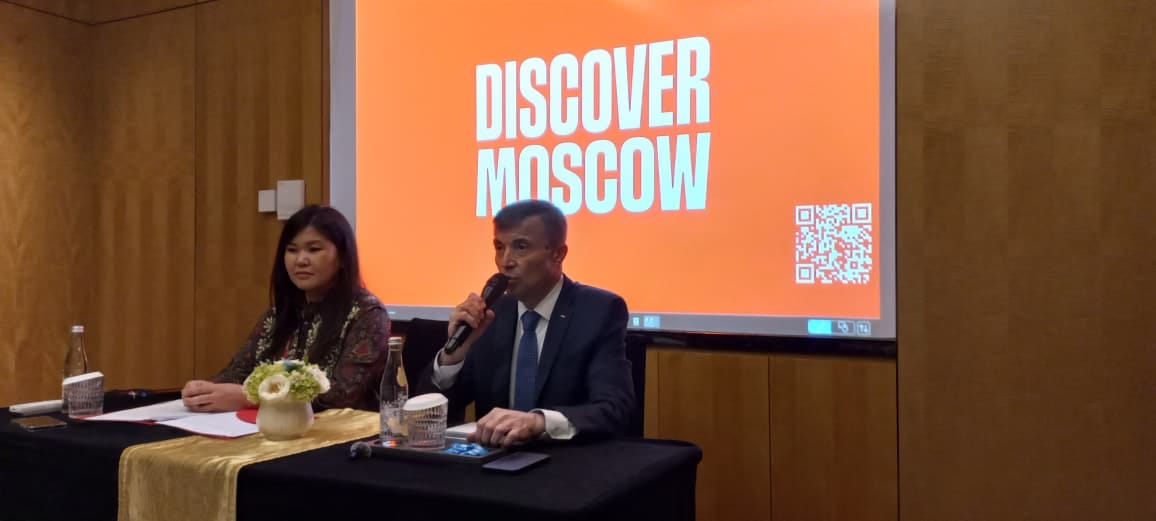
The Moscow City Tourism Committee hosted a massive business mission at The Westin Jakarta hotel on 1 September 2026, bringing together 110 travel companies, including 15 Moscow representatives, for over 1,000 B2B meetings.
The initiative marks a strategic push by the Russian capital to solidify Indonesia as a primary growth driver for Southeast Asian inbound tourism, expanding the bilateral relationship beyond traditional leisure into MICE (Meetings, Incentives, Conferences, and Exhibitions) and the creative economy.
📡 Why It’s on Our Radar
Moscow and Indonesia are cultivating an increasingly intertwined travel and cultural relationship, accelerated by several key drivers:
📈 Surging Tourist Flow: Indonesian arrivals to Moscow are climbing rapidly, jumping from 5,000 in 2024 to 7,500 in 2025. This momentum continued into H1 2026 with 3,600 trips, marking a 12% year-on-year increase.
🛂 Frictionless Entry: A streamlined e-visa system now processes entry approvals for Indonesian citizens in just four days, significantly lowering logistical barriers.
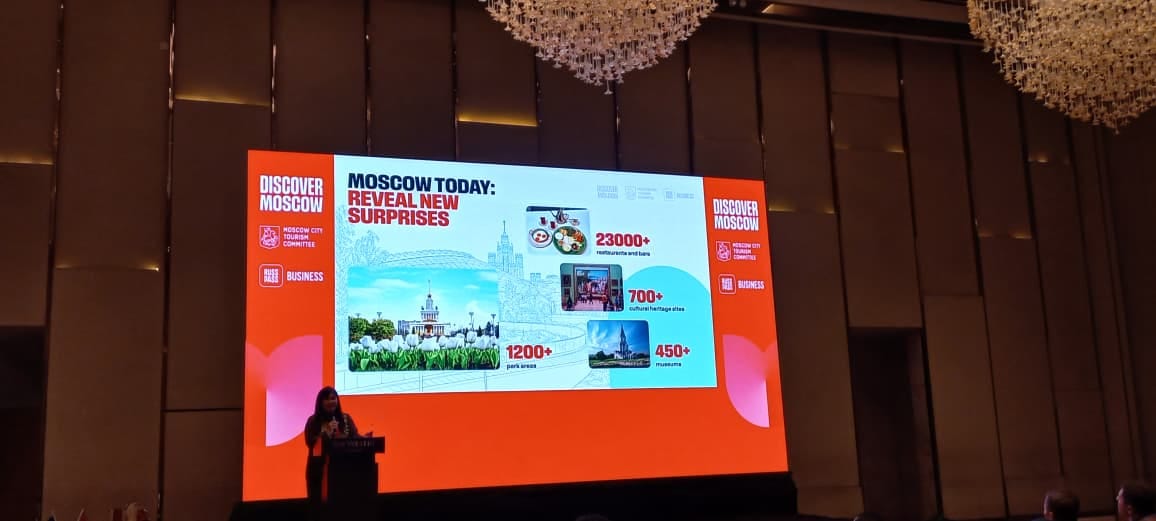
🕌 Halal-Friendly Ecosystem: Moscow is aggressively adapting its hospitality sector for the Indonesian market by launching Muslim-friendly guides, cataloguing halal restaurants and hotels, and deploying over 150 multilingual, certified tour guides.
🌏 Regional Dominance: Of the 63,800 trips made from Southeast Asia to Moscow in 2025, over 80% of the growth was driven by just three nations: Indonesia, Vietnam, and the Philippines.
🏛️ The “Brotherhood” Legacy
The current surge in tourism and business is not a sudden pivot, but the revival of an 81-year diplomatic foundation built on deep mutual trust.
"Indonesia and the Soviet Union were considered brothers at that time because of their closeness. Even when President Soekarno gave a speech at the Kremlin in 1956, the Muslim community came in droves because they felt they were part of Indonesia." - Arief Setiawan, Lecturer of International Relations at Brawijaya University in Indonesia.
🌟 The Golden Era: Relations reached an early peak between 1956 and 1962, highlighted by reciprocal visits between President Soekarno and Soviet leader Nikita Khrushchev. The Soviet Union became a critical ally, funding landmark Indonesian infrastructure such as the Gelora Bung Karno Stadium and Persahabatan Hospital, while providing extensive military and educational aid.
🍽️ Gastronomic & Cultural Diplomacy: Even during political lulls in the late 20th century, socio-cultural ties survived. Today, experts point to “gastronomic diplomacy” and the promotion of shared “eastern values”—such as communal respect and hospitality—as key drivers keeping the societies connected.
🎓 Youth & Academic Networks: Institutions like MGIMO University (which has long taught the Indonesian language) and the Indonesia-Russia Youth Association (IRYA) continue to build direct humanitarian and professional ties, ensuring the historical “brotherhood” translates into modern start-ups, creative projects, and cultural exchanges.
🕰️ Travel Trends & The “Long Stay” Advantage
Figures from tour operators reveal that Indonesian tourists average a nine-day stay in Moscow—noticeably longer than many other international demographics.
"We are seeing tremendous interest from the Indonesian market in Moscow tourism. Currently, the main trends for Indonesian tourists focus heavily on culinary experiences, shopping, and high-quality cultural performances such as ballet, coupled with the experience of enjoying the cityscape via river cruises. Indonesian tourists also consistently prefer group travel with a rather long stay, averaging nine days. This reaffirms Moscow's reputation as a safe, welcoming destination offering diverse experiences." - Maria Pasuginova, Head of the Directorate for Asia, CIS and Latin America, Moscow City Tourism Committee
Whilst group tourism remains the dominant format, demand is diversifying into family trips, private tours, educational travel, and gastronomy.
Visitors are increasingly pairing historic landmarks like the Kremlin and Red Square with modern urban spaces such as Zaryadye Park, the ATOM Museum, river cruises, and luxury shopping districts.
🤝 MICE & Creative Industry Expansion
The strategic alignment is moving rapidly from pure leisure travel into lucrative B2B and creative sectors:
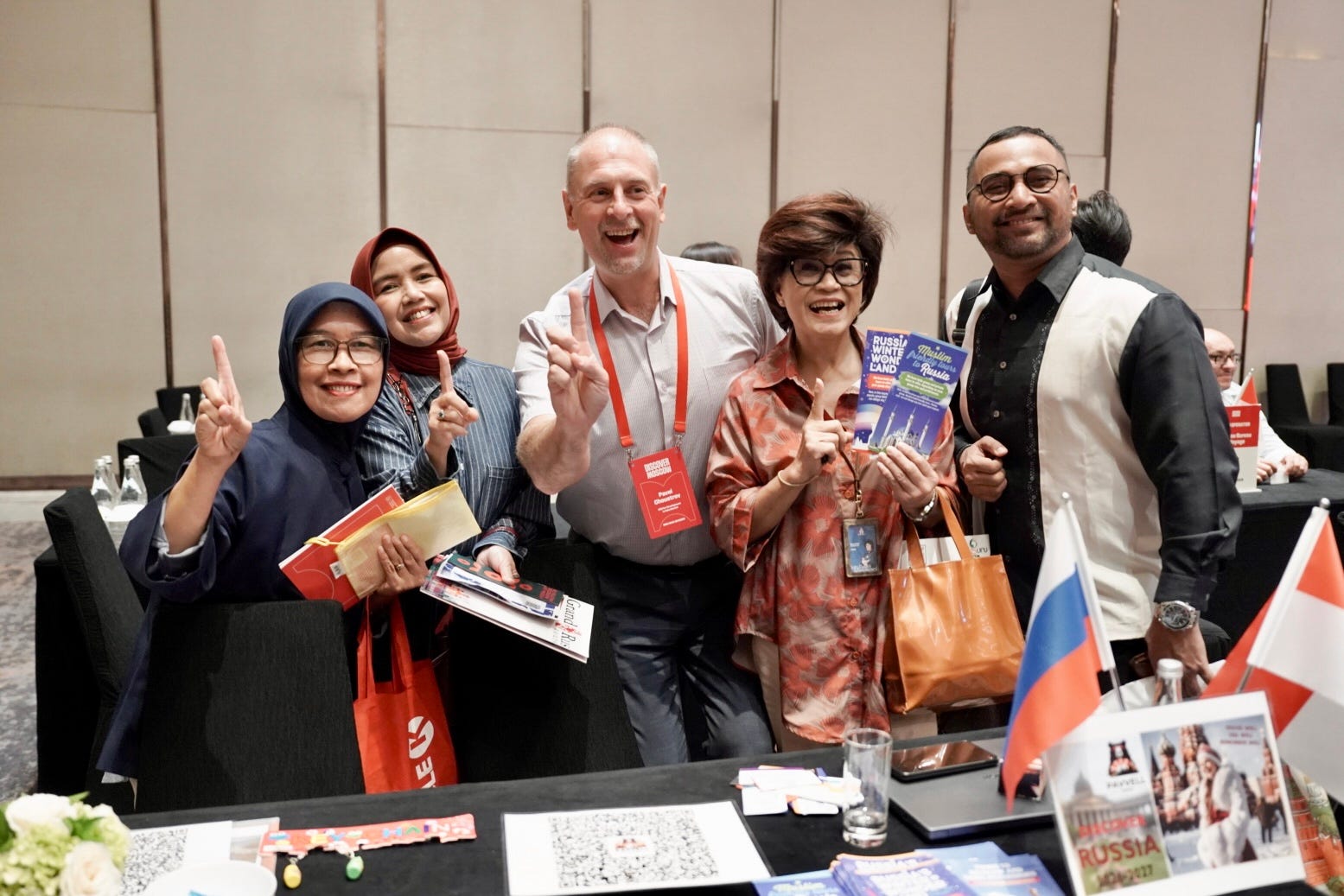
💼 Business Travel: Following a record-breaking 1,800 B2B meetings in Jakarta in 2023, Moscow is leveraging this momentum to drive attendance at the upcoming Meet Global MICE Congress (MGMC) on 16–17 December 2026. The event is set to gather over 3,000 industry players from more than 40 countries, including BRICS and Global South nations.
🎮 Digital & Gaming Ties: The Moscow Agency of Creative Industries has established a foothold in Indonesia. After participating in the Indonesia Game Developer Exchange (IGDX) in Bali, Moscow-based companies secured agreements worth about 130 million roubles.
🎬 Film Sector Collaboration: In July 2025, Moschino Film Park hosted an Indonesian delegation—including executives from Ruang Mantra, Parcstar Assembly Inc., and the Kinosuite International Film Festival—to initiate technology and expertise sharing between the two nations’ film industries.
📌 The Bottom Line
Moscow and Indonesia are rapidly building a multi-dimensional partnership that goes far beyond traditional tourism.
By grounding their strategy in an eight-decade legacy of cultural brotherhood, and aggressively tailoring the modern hospitality ecosystem to Indonesian preferences, Moscow is securing its position as a top-tier, long-term destination and strategic partner for Southeast Asia’s most dynamic market.
🔍 Need More Angles?
Antara Indonesia-Russia: the secrets of brotherhood
(JUN/QOB)