



📌 The Main Takeaway
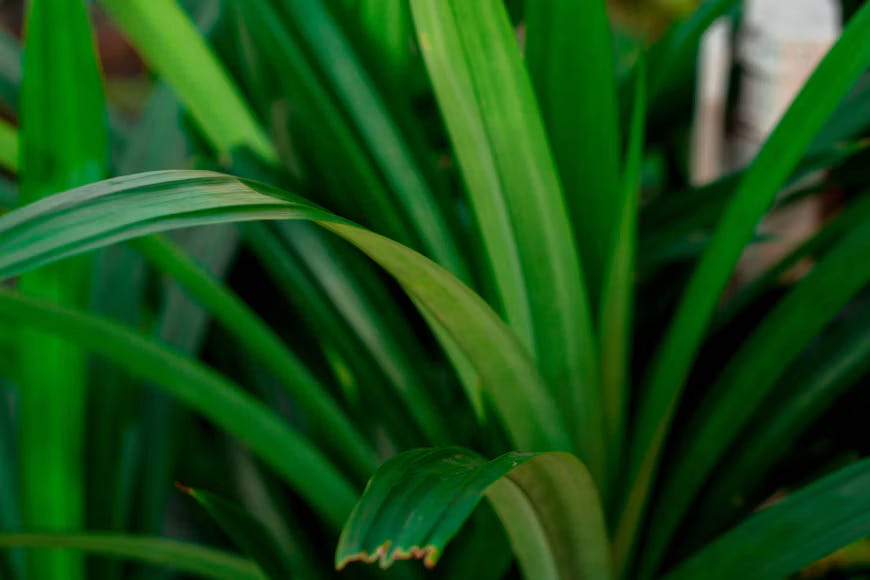
Pandan (Pandanus amaryllifolius) has flavoured Southeast Asian kitchens for generations. Now it’s showing up on international trend lists. The New York Times included it in its 2025 trend predictions, and cafés from Sydney to London are putting it on menus.
With a flavour people struggle to pin down and a natural green colour, pandan gives the region a chance to turn a heritage ingredient into a higher-value export.
A plant with no wild relatives. 🌿 Pandan has never been found growing wild. It’s a true cultigen, meaning people have been growing it for so long that its natural origin is lost. 🌱 The plant is also sterile. It doesn’t set seed, so every pandan plant in the world is a cutting or sucker of another one, passed hand to hand over centuries.
🎯 Why It's on Our Radar
🌿An ancient, untraceable origin:
First identified in Indonesia’s Maluku Islands, pandan has no known wild populations. Every plant today exists because it was passed hand-to-hand across the region through trade and migration.
🍃The “Vanilla of Southeast Asia”:
Its signature scent comes from 2-acetyl-1-pyrroline—the same compound that makes jasmine rice and fresh bread smell so comforting. The flavor delivers a rare, natural blend of vanilla, coconut, and faint floral notes.
🥤 Regional Signatures: The Many Ways Southeast Asia Drinks Pandan
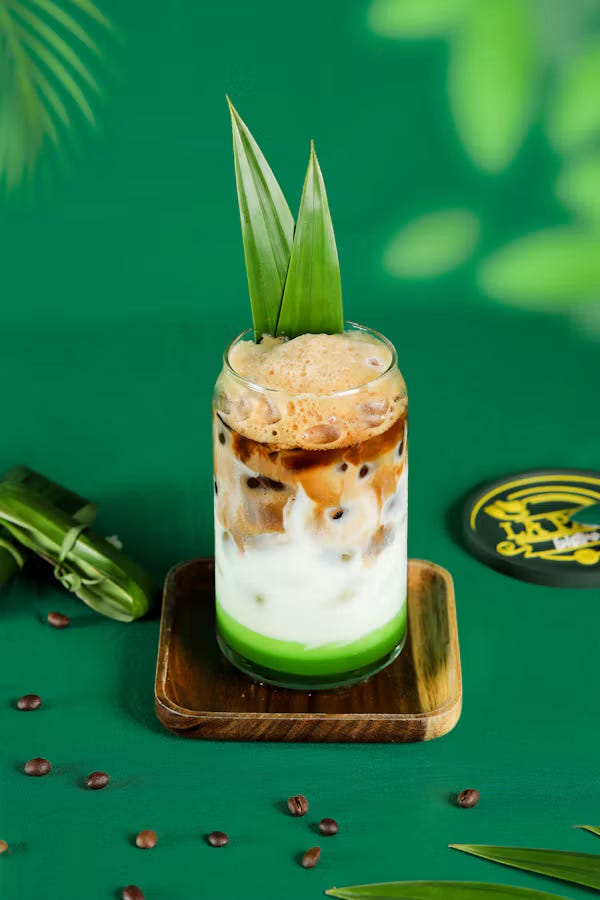
🍧 Cendol: Popular across Indonesia, Malaysia, and Singapore, this traditional iced dessert-beverage combines pandan-flavoured rice flour jellies with coconut milk and palm sugar syrup.
🍵 Nam Bai Toey: A traditional Thai herbal infusion made by boiling bruised pandan leaves directly in water with simple syrup or honey, served hot or iced.
🥥 Buko Pandan: A Filipino dessert-drink of pandan jelly, young coconut, condensed milk and cream.
☕ Pandan Latte: A café creation across the region’s cities, mixing espresso and milk with pandan syrup.
⚖️ What's at Stake
The synthetic trap:
Fresh pandan remains notoriously difficult to source outside Southeast Asia. To meet surging demand, overseas businesses are defaulting to chemical flavourings that flatten the ingredient’s complex profile and erode its cultural integrity.
The matcha warning:
As global matcha demand outruns supply, cheap imitations have flooded the market. Pandan is hurdling toward the exact same authenticity crisis.
The infrastructure imperative:
To secure pandan as a permanent global staple rather than a passing fad, regional producers require aggressive investment in clonal cultivation, cold-chain logistics, and standardised extraction technologies.
🥊 Can Pandan actually beat Matcha?
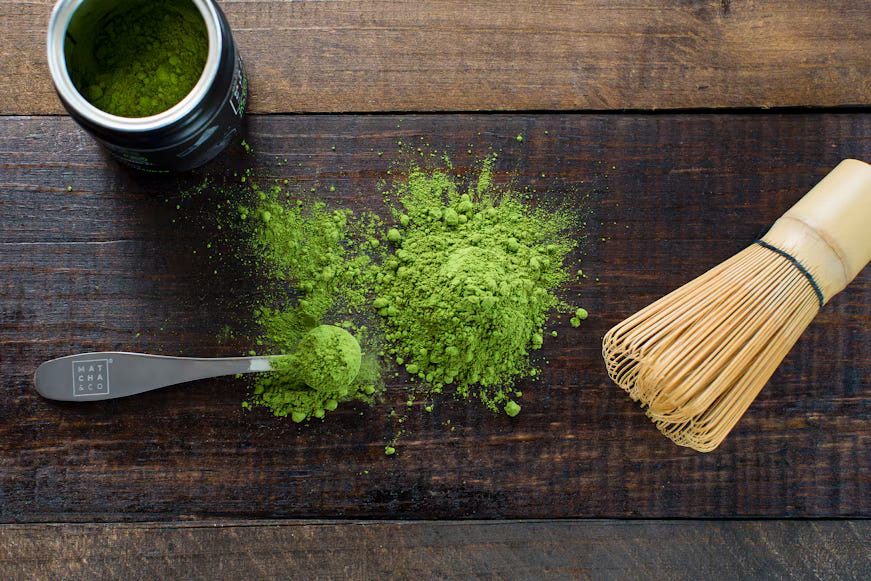
Comparisons are everywhere, but the two work differently. 🍵 Matcha is a powdered whole tea leaf with caffeine. 🌿 Pandan is a caffeine-free aromatic that is usually infused or extracted.
Matcha’s rise is still a useful guide. One industry estimate puts the global matcha market at about US$3.1 billion, with demand outpacing supply. Pandan isn’t there yet, but it’s following a similar path.
🤝🧋 Pandan looks more likely to sit alongside matcha, ube and chai than to replace them, including in hybrids like the matcha-pandan latte.
💡 The Bottom Line

Pandan’s expanding global presence reflects growing international appetite for authentic, heritage-rich Southeast Asian flavours.
The central task for the region's agricultural and food manufacturing sectors is not dethroning matcha, but building resilient, high-quality supply chains capable of supplying global demand while preserving the ingredient's authenticity and cultural integrity.
So what is your favourite pandan drink?
🔍 Need More Angles?
Metro UK Move over Matcha and Vanilla: Southeast Asia is Having a Moment
The New York Times Trends and Predictions for 2025
Northwest Asian Weekly From Southeast Asia to Seattle: Why Pandan is Having a Moment
Perfect Daily Grind Why Pandan is the Next Coffee Flavour Trend
Tea and Coffee Supply Shift and What They Mean for Buyers
(NOV/DHM/ZIL/ARS)