🎯 The Main Takeaway
Lunar New Year in Southeast Asia is both shared and distinct—rooted in Chinese traditions, yet reshaped by local histories, cultures, and everyday life across the region.
🔍 Why It’s on Our Radar
As questions of identity, tolerance, and coexistence return to the public conversation, the Lunar New Year offers a quiet lesson in cultural adaptation.
It shows how traditions can evolve across borders without losing their meaning—or their social glue.
⚖️ What’s at Stake
When cultural celebrations become pure spectacle, their deeper values risk fading.
Beyond decorations and performances, Lunar New Year carries ideas of renewal, family, respect, and communal balance—values that matter in an increasingly fragmented society.
📸 The Big Picture
Lunar New Year is more than a calendar event. It marks continuity—between generations, communities, and memories.
While anchored to the lunar cycle, its significance reaches into family rituals, ancestral remembrance, and shared social rhythms across Southeast Asia.
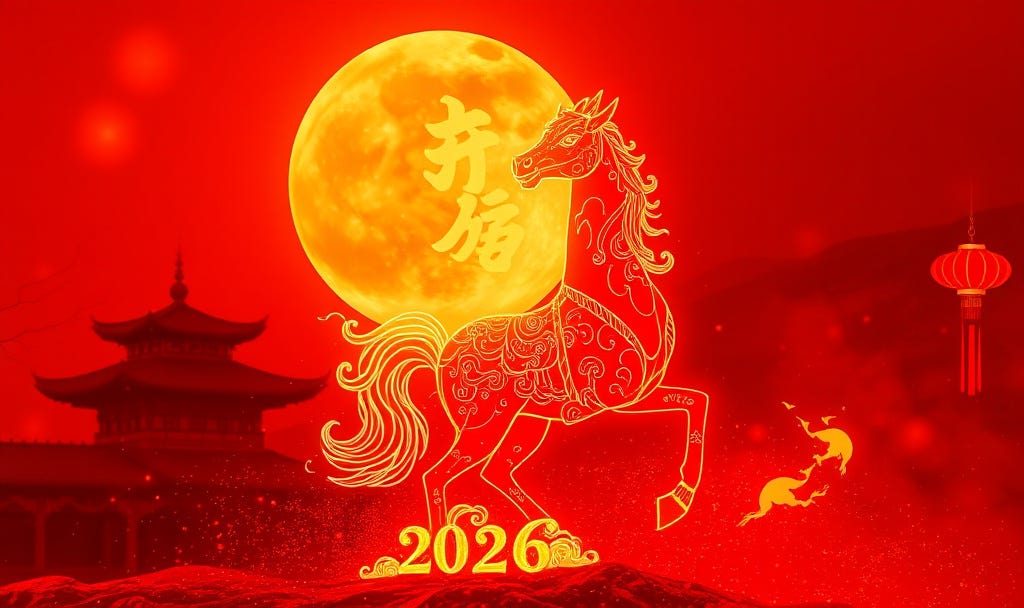
In 2026, Lunar New Year runs from 17 February to 3 March, welcoming the Year of the Fire Horse—a symbol often associated with independence, courage, and restless energy.
❤️ Why This Hits Home
Across Southeast Asia, Lunar New Year is rarely confined to one community.
It appears in shared meals, neighborhood streets, and public spaces—becoming a lived experience even for those outside the Chinese diaspora.
Family reunions, red decorations, symbolic foods like nian gao and oranges, lion dances, and angpao exchanges remain familiar anchors—simple rituals that continue to ground people emotionally.
🌏 The Regional Stakes
Each country adds its own cultural imprint:
🇮🇩 Indonesia blends Chinese heritage with local traditions. Milkfish (bandeng) symbolizes careful prosperity, while events like Grebeg Sudiro in Solo and Tuk Panjang in Semarang turn celebration into a public expression of harmony.
🇸🇬🇲🇾 Singapore and Malaysia elevate the festival into a shared civic moment
From the Yu Sheng prosperity toss to Singapore’s Chingay Parade, the Lunar New Year becomes a multicultural showcase with modern flair.
🇹🇭 Thailand reflects historical depth. Known as Trut Chin, celebrations in Bangkok’s Yaowarat trace centuries of Thai–Chinese trade and settlement.
🇻🇳 Vietnam, which shares the lunar calendar, observes Tết. Distinct traditions such as Bánh Chưng and strong ancestral worship underscore how the festival adapts without losing its core meaning.
Across the region, Lunar New Year travels—changing form, not purpose.

🔎 Beyond the Headlines
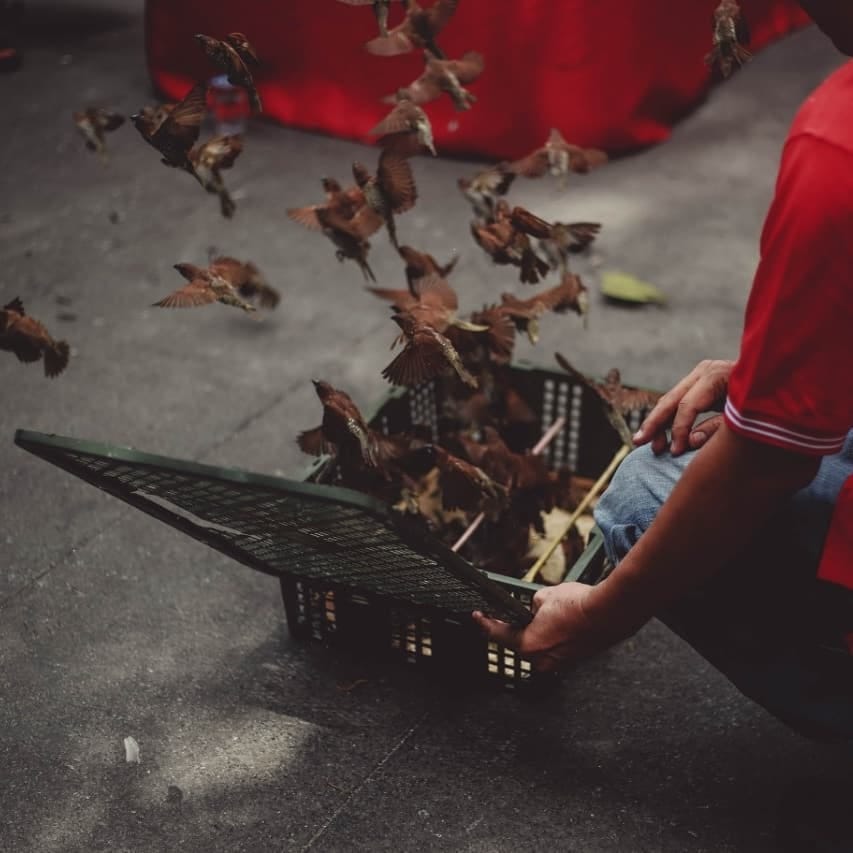
One practice that quietly crosses borders is Fang Sheng—the ritual release of living creatures such as birds or fish.
Rooted in Mahayana Buddhist thought, it symbolizes compassion, renewal, and respect for life, echoing the ethical dimension often overlooked in festive narratives.
🧭 Bottom Line
Lunar New Year in Southeast Asia is a living mosaic.
It shows that tradition doesn’t survive by standing still—but by adapting, absorbing, and making space for difference. In that flexibility lies its strength, and its enduring relevance.