




Sacred Time, Social Form
Human beings are defined not only by desire but by the struggle to discipline it. The impulse to consume, to react, to indulge — even in its most ordinary forms — reveals the complexity of human will.
In Islam, that tension is formalised into a structured act of devotion: fasting during the month of Ramadan, an annual exercise in restraint, reflection, and moral recalibration.
For Muslims worldwide, Ramadan is not symbolic. It is obligatory upon those who have reached maturity (baligh), are of sound mind, physically able, not travelling (musafir), and free from conditions that grant exemption, such as menstruation (haid) or post-natal bleeding (nifas).
As stated in Surah Al-Baqarah (2:185), the month was revealed as guidance for humankind, and fasting is prescribed in it as a form of discipline.
Yet Ramadan does not unfold in abstraction. The obligation is doctrinally fixed; its lived expression is socially embedded. Across Southeast Asia — within ASEAN’s mix of Muslim-majority states, significant minorities, and divergent governance models — Ramadan is prepared, structured, facilitated, and at times regulated. It reshapes public space, reorganises labour rhythms, and recalibrates social exchange.
Here in Southeast Asia, Ramadan is not only a month of piety. It is a lens through which the relationship between faith, community, and state becomes visible.
Before the Crescent: Entering Sacred Time
Across Southeast Asia, Ramadan rarely arrives abruptly. The days before the first crescent sighting are often marked by gestures of moral orientation — acts that prepare not just the body, but memory and intention.
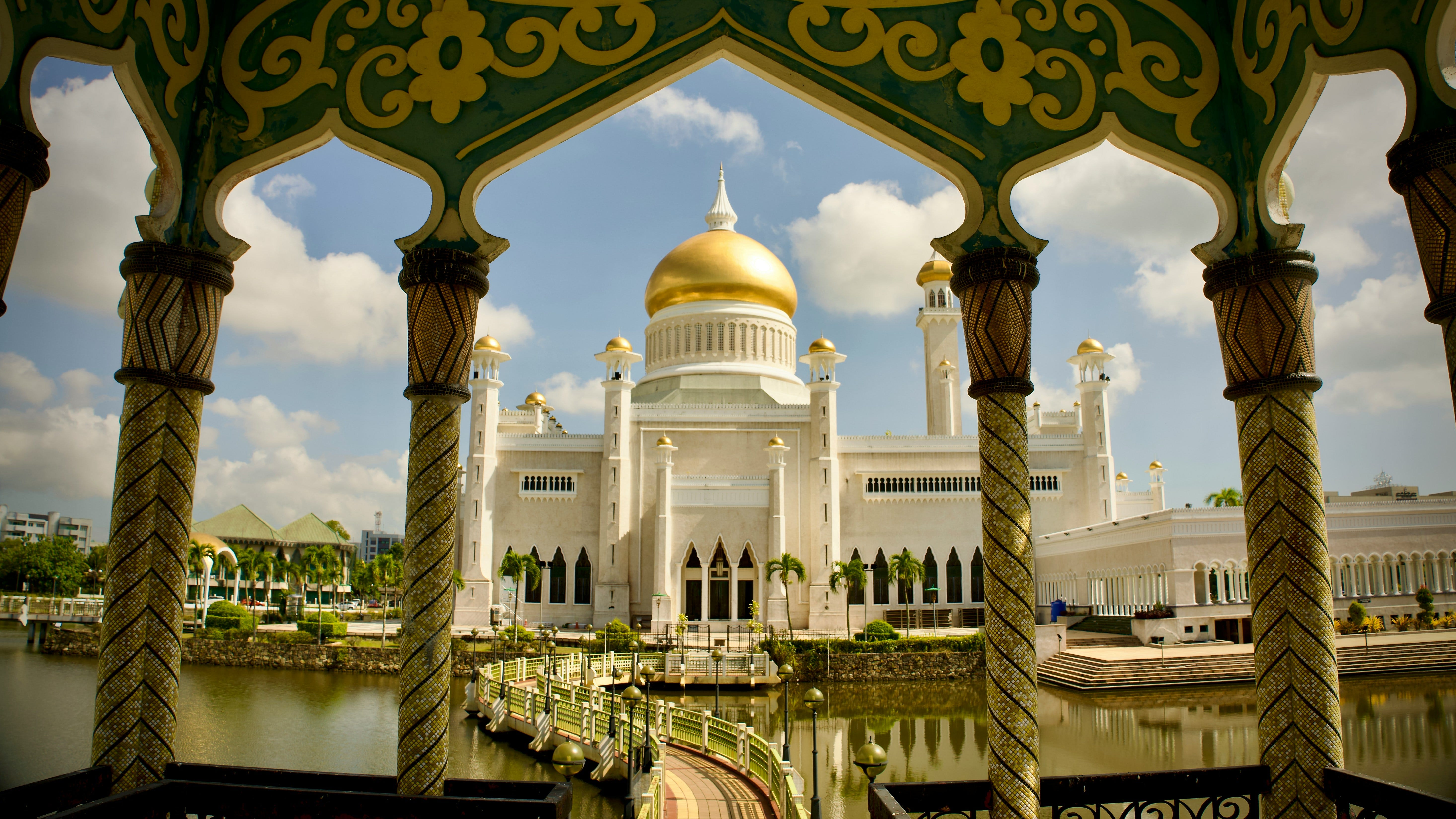
Brunei Darussalam signals the threshold formally. Mosque announcements and state confirmation of the moon sighting define the precise entry into sacred time. Families quietly adjust domestic rhythms — reorganising meal schedules, cleaning homes, recalibrating sleep patterns in anticipation of longer nights. The transition is structured, even when understated.
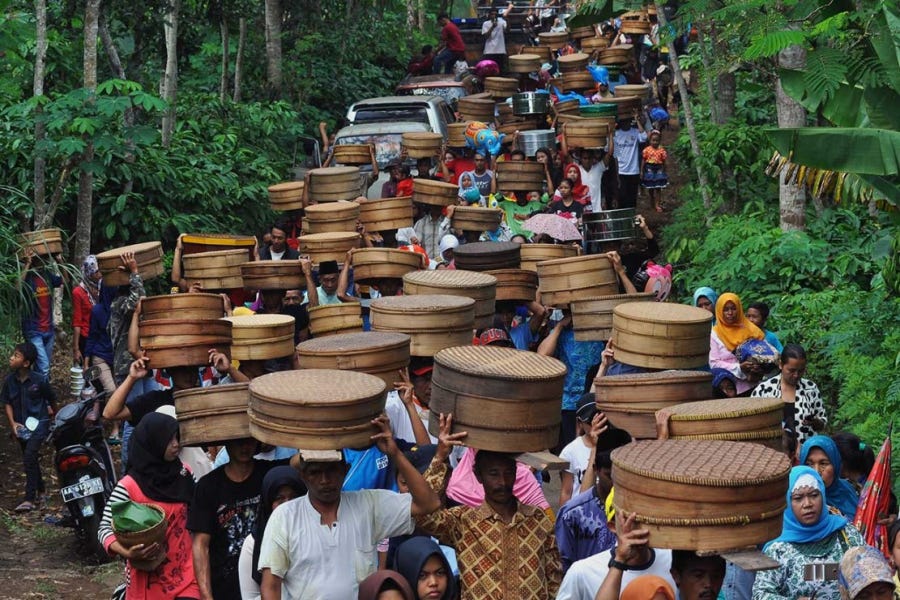
In parts of Java, Indonesia, entry into Ramadan may be preceded by nyadran — collective visits to ancestral graves. Families clean burial sites, scatter flowers, and recite prayers. The act is not merely commemorative; it expresses reconciliation with God, with family lineage, and with unfinished obligations. In some communities, padusan — communal bathing in springs or rivers — symbolises bodily purification before spiritual restraint. While debated among scholars, participants frame it as symbolic preparation rather than a doctrinal requirement.
Elsewhere, anticipation is quieter. In southern Thailand and parts of the Philippines, preparation tends to be domestic: stocking staple goods, coordinating extended family schedules, and planning collective iftar meals. The absence of public ritual does not imply lesser significance. Instead, sacred time enters through the household.
Across contexts, the pre-Ramadan phase performs a similar function: it slows society just enough to mark that something different is about to begin.
The Social Rhythm of Fasting
When Ramadan begins, the most visible transformation is temporal. Daylight contracts into discipline; night expands into activity.
Brunei’s public sphere reflects institutional structure. Food establishments operate within regulatory frameworks shaped by Syariah law, and public eating during fasting hours is restricted. The discipline of the fast is mirrored by administrative order.
In Indonesia, the reorganisation of time gives rise to distinct social practices. Sahur on the Road refers to gathering at approximately 3–4 a.m. to eat the pre-dawn meal (sahur) outdoors with friends, sometimes in near-empty streets. What appears recreational is also adaptive: young people renegotiate urban space at unconventional hours, transforming obligation into shared memory.
Meanwhile, roadside distribution of takjil — light foods prepared for breaking the fast — temporarily reorders the street. Volunteers hand meals to delivery riders, commuters, informal workers, and others caught in traffic at sunset. It is not a transaction but a redistribution. Those who normally buy become recipients; those who prepare give without exchange.
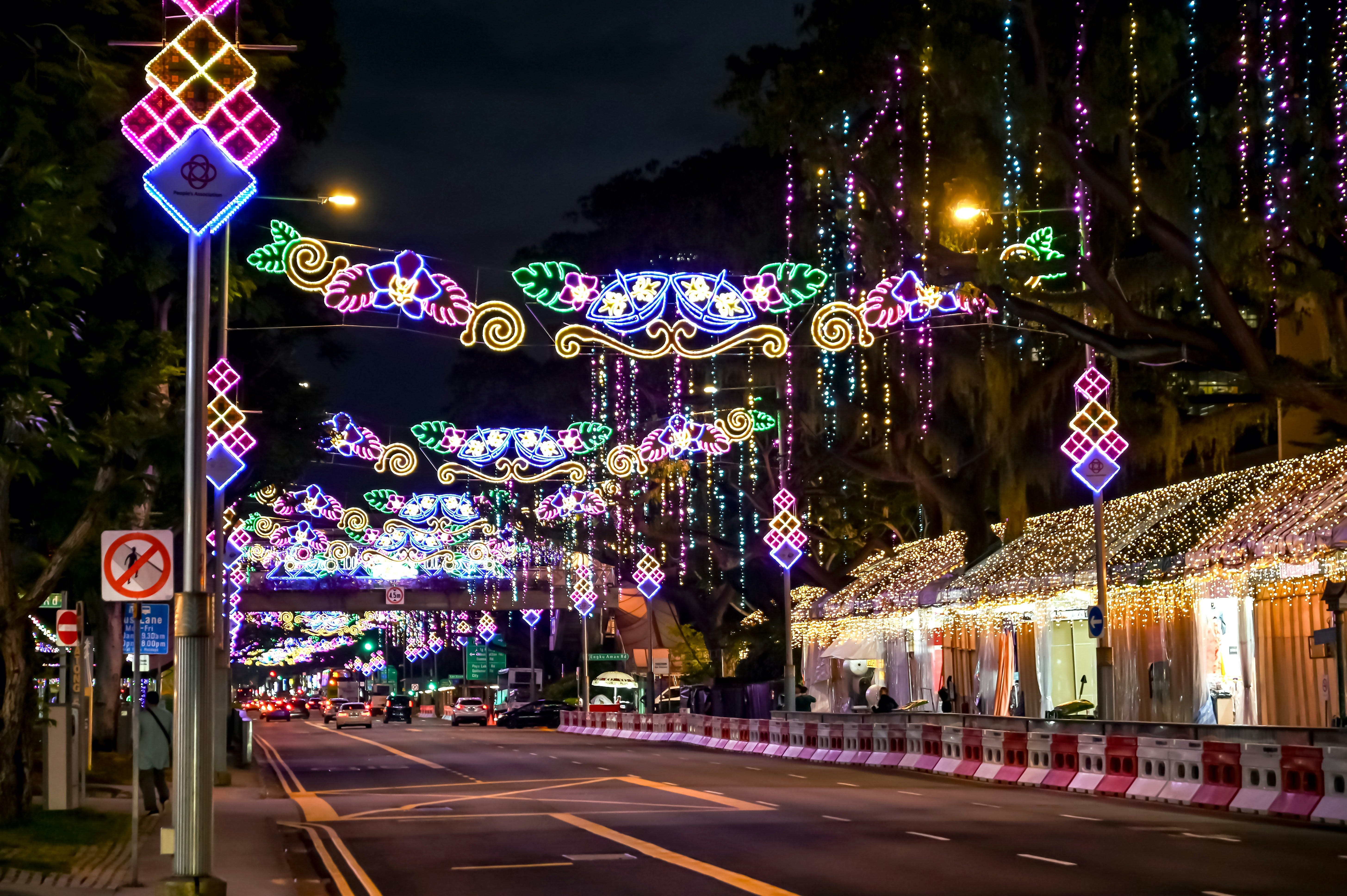
Malaysia and Singapore witness similar adjustments in rhythm. Mosques expand evening programming, while large Ramadan bazaars emerge as nocturnal gathering points. In Myanmar’s Muslim communities — including Rohingya and Indian-Muslim populations — communal cooking often ensures access to iftar amid structural uncertainty.
In Cambodia and Vietnam, where many Muslims trace their heritage to the Cham people, Ramadan unfolds primarily at the village and mosque level. Evening prayers lengthen, Qur’anic recitation intensifies, and shared iftar meals reinforce both ethnic and religious identity. The scale may be local, but the cohesion is pronounced.
In Lao PDR and Timor-Leste, where Muslim populations are small and largely urban, mosques function as compact centres of gravity. Congregants gather not only to break the fast, but to reaffirm community continuity within overwhelmingly non-Muslim national contexts.
By day, restraint. By night, intensified exchange. Ramadan here is not simply abstention; it is the reallocation of time, attention, and presence.
Breaking Fast and Building Community
Sunset is the axis around which Ramadan revolves.
In Brunei Darussalam, breaking the fast — sungkai — often takes place in structured communal settings. Mosques host organised meals before Maghrib prayer, reinforcing both devotion and collective rhythm. Later in the evening, moreh — light refreshments shared after Tarawih prayers — extends social presence into the night. The mosque functions not only as a sacred site but as a nocturnal social infrastructure.
Across Indonesia, buka bersama (collective iftar) has become an annual mechanism for reconnection. Workplaces, alumni groups, neighbourhood associations, and extended families schedule gatherings throughout the month. Attendance signifies continuity. The fast creates a recurring obligation to reassemble.

Malaysia institutionalises generosity through mosque-based food preparation, particularly bubur lambuk, a spiced rice porridge cooked in large quantities and distributed freely. Singapore mirrors this pattern on a smaller scale, where mosque-based meal distribution reinforces minority cohesion within a secular urban framework.

In Southern Thailand and the Philippines, iftar often centres on the household, though markets adjust to meet evening demand. In parts of southern Thailand, families prepare khao yam, a herb-rich rice salad whose ingredients require careful and often time-intensive preparation. Certain components can be assembled in advance and stored for use throughout the month, allowing domestic labour to adapt to Ramadan’s altered rhythm. Sacred time here reshapes not only prayer schedules, but kitchens.
In each context, breaking the fast remains both intimate and public — domestic tables coexisting with organised distribution systems.
Supporting Micro-Enterprises
Ramadan activates micro-economies across ASEAN.
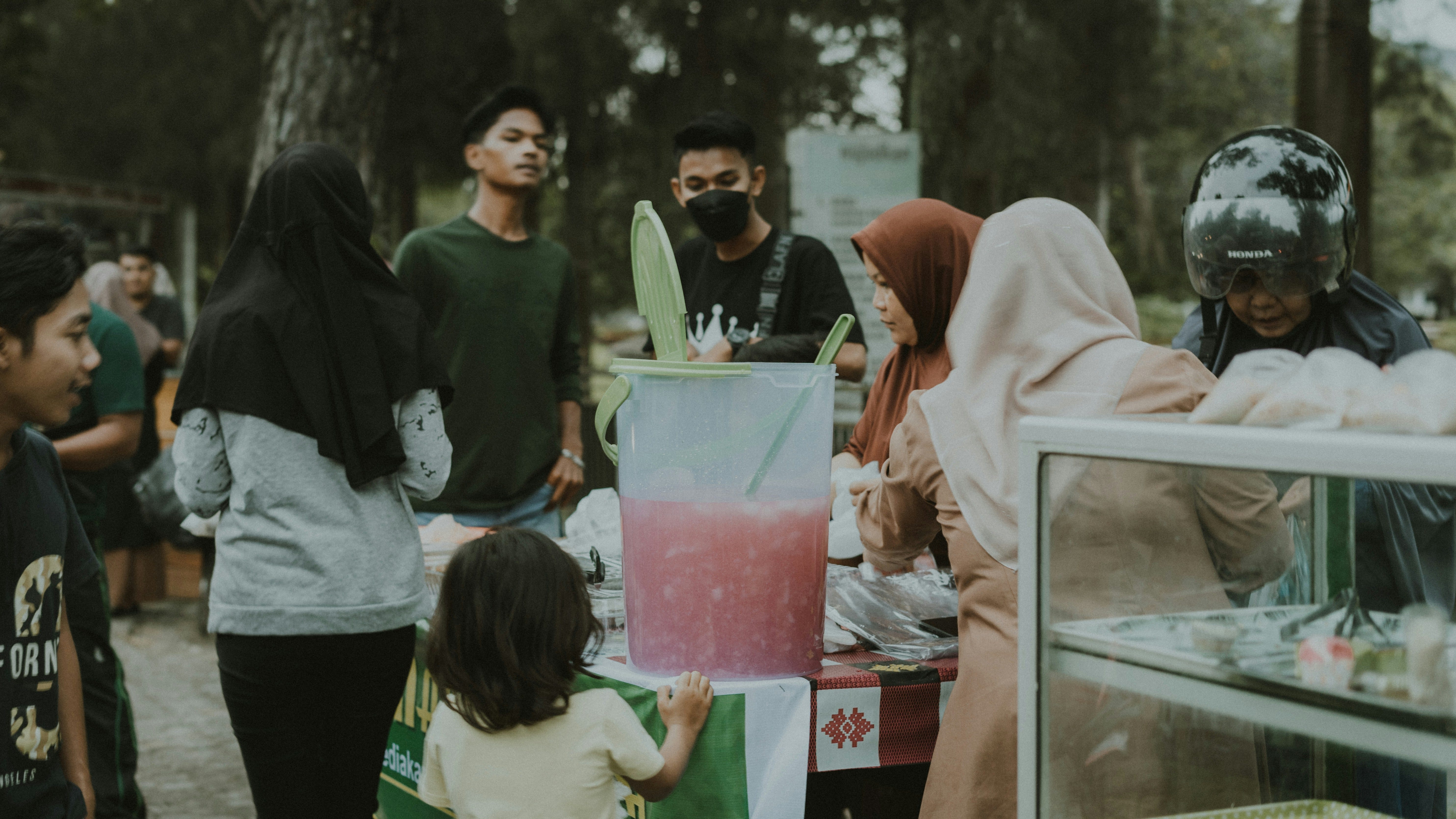
Temporary bazaars in Malaysia and Singapore draw large crowds, offering traditional dishes alongside contemporary variations. Indonesia’s roadside vendors experience seasonal income spikes from iftar sales. For many small-scale entrepreneurs, Ramadan contributes a significant share of annual earnings.
Brunei’s organised bazaars operate under regulatory oversight, balancing commercial activity with public order. In economically fragile parts of Myanmar and southern Thailand, the scale may be smaller, yet the impact remains meaningful. Increased demand for staple foods supports local suppliers and informal vendors.
In Cambodia and Vietnam’s Cham-majority villages, Ramadan markets tend to be modest, community-based affairs rather than commercial spectacles. Food preparation is often collective, and economic exchange remains largely intra-community. In Lao PDR and Timor-Leste, economic activation is minimal in scale, but mosque-centred meal provision still redistributes resources within tight social networks.
Critiques of Ramadan commercialisation often frame consumption as a contradiction. Yet within much of Southeast Asia, Ramadan circulation coexists with redistribution. Obligatory almsgiving (zakat) flows alongside market exchange. Support for small and micro-enterprises becomes part of how communities sustain one another during sacred time.

The Night Before Eid
As Ramadan concludes, restraint gives way to expansion.
Across Indonesia, the eve of Eid al-Fitr is marked by takbiran — processions chanting takbir in praise of God. In many neighbourhoods, this takes the form of torch parades (pawai obor), accompanied by drums (bedug). Sound and light fill the streets, publicly signalling the end of fasting.
Malaysia illuminates homes with pelita raya — rows of oil lamps lining pathways and courtyards. In the Philippines, particularly in Mindanao, decorative lanterns echo similar themes of illumination. Light becomes both ornament and declaration.
Movement intensifies as well. Indonesia’s mudik — large-scale homecoming travel — reshapes national mobility patterns. Families cross islands and provinces to reunite.
Monetary gifting completes the cycle. In Indonesia, elders distribute Tunjangan Hari Raya (THR) to younger relatives, reinforcing kinship hierarchies while redistributing liquidity within households. Employers are legally required to provide THR bonuses, embedding religious festivity into labour policy. Malaysia’s duit raya, Brunei’s family-based gifting, and Singapore’s green packets reflect parallel customs. In Thailand and the Philippines, practices vary in scale but similarly centre on intergenerational giving.
Eid concludes Ramadan through sound, illumination, mobility, and money — a sacred time expanding outward into society.
Faith and Governance
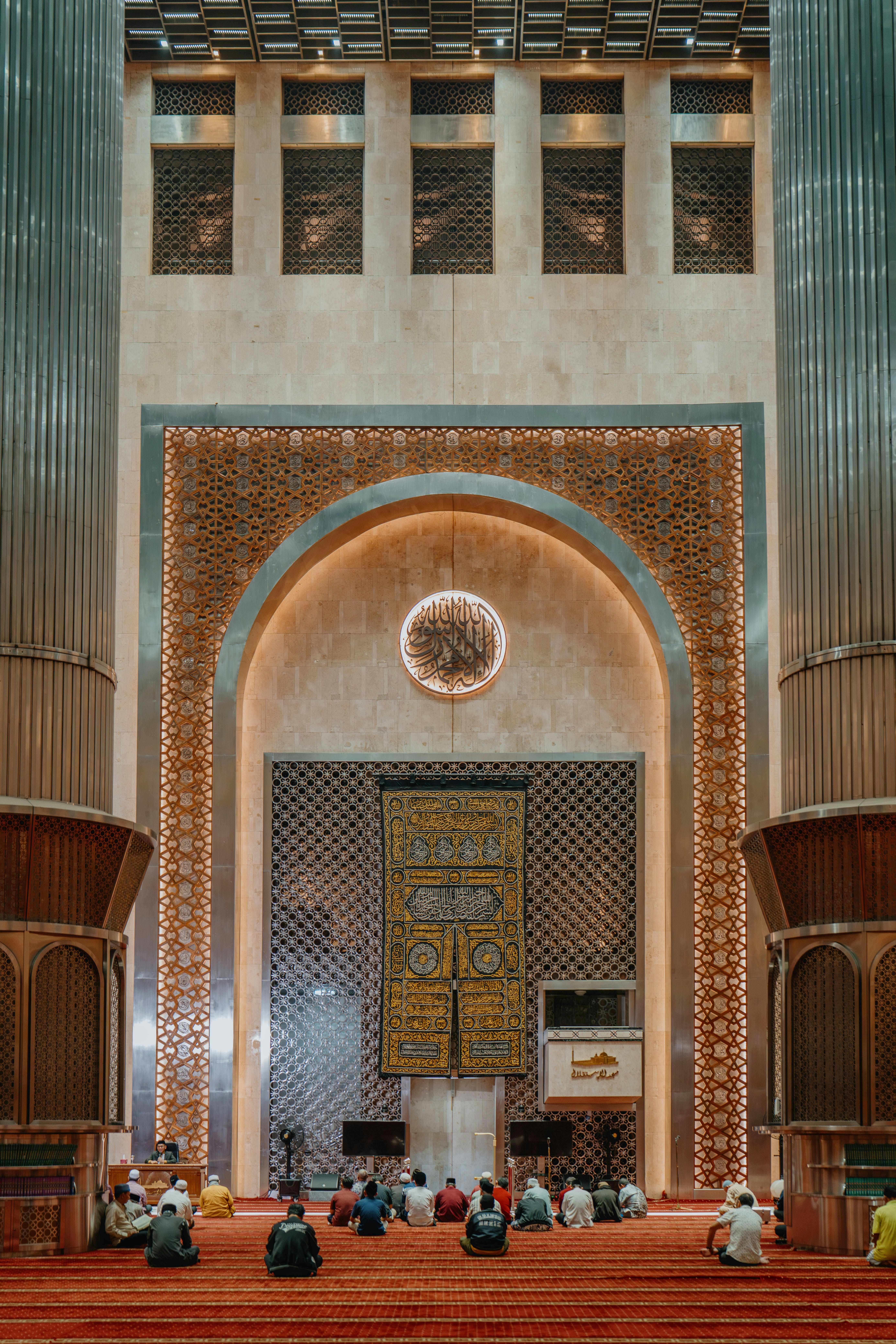
Ramadan within Southeast Asia also reveals how states position religion within public life.
Brunei Darussalam integrates Syariah-informed regulation into daily operations during Ramadan, structuring public consumption norms. Malaysia balances Islamic institutional authority with plural governance. Indonesia, constitutionally secular yet demographically Muslim-majority, facilitates Ramadan primarily through social momentum rather than uniform state enforcement.
Singapore demonstrates calibrated accommodation within a secular framework, supporting mosque activities while maintaining civic neutrality. Thailand and Myanmar, where Muslims constitute minorities nationally (though majorities in certain provinces), exhibit varied degrees of local autonomy and constraint.
Cambodia and Vietnam formally recognise Islam as a minority religion, allowing Ramadan observance within community boundaries while maintaining secular state structures. In Lao PDR and Timor-Leste, Ramadan unfolds with limited state intervention — neither prominently facilitated nor systematically restricted.
The fast remains religiously defined; its public environment, however, is shaped by governance models.
Majority and Minority Contexts
Demography alters scale but not devotion.
In Muslim-majority societies such as Brunei, Indonesia, and Malaysia, Ramadan reorganises the national tempo. School schedules adjust; media programming shifts; marketplaces reorient.
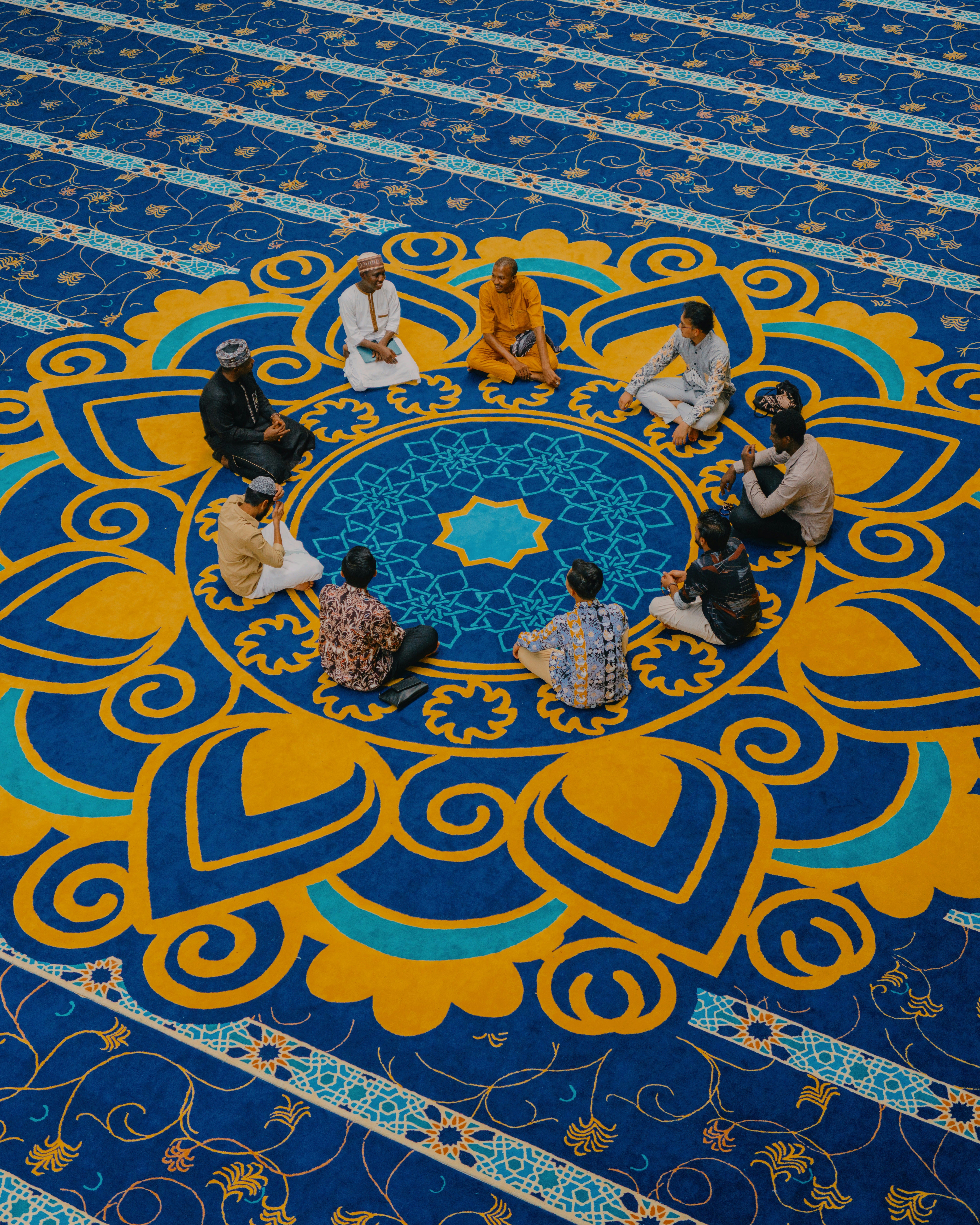
In minority settings — Singapore, Thailand, Myanmar, The Philippines, Cambodia, Vietnam, Lao PDR, and Timor-Leste — Ramadan operates at different scales. In Cham communities of Cambodia and Vietnam, the month reinforces both faith and ethnic continuity. In Laos and Timor-Leste, compact congregations sustain observance through mosque-centred solidarity. Public space may not transform nationally, yet communal bonds intensify locally. Shared meals, extended prayers, and collective charity reinforce internal cohesion.
The distinction is not between stronger and weaker practice. It is between different social architectures.
Is There a Southeast Asia Ramadhan Pattern?
Across these diverse contexts, a recognisable rhythm becomes visible. Ramadan begins with preparation — moral, domestic, communal. It moves into restraint during daylight hours. Nights expand into gathering. Economic activity intensifies alongside religious devotion. The month concludes in redistribution and celebration.
Qur’anic recitation runs through it all. Whether heard in Brunei Darussalam’s regulated mosques, Indonesia’s neighbourhood surau, Malaysia’s organised programmes, Singapore’s minority institutions, Cham villages in Cambodia and Vietnam, or small congregations in Lao PDR and Timor-Leste, the text remains the quiet anchor.
Ramadan in Southeast Asia is neither uniform nor incidental. It is structured, yet socially textured. It reorganises time, labour, kinship, and exchange.
The obligation to fast may be singular in doctrine, but its lived architecture is shaped by governance models, demographic realities, inherited customs, and collective memory. Perhaps that is the deeper discipline at work, which is not only the restraint of appetite, but the annual rehearsal of how a society recalibrates itself under sacred time.
(HAR/JUN/BRZ/CCL/QOB/ELS)