



🎯 The Main Takeaway
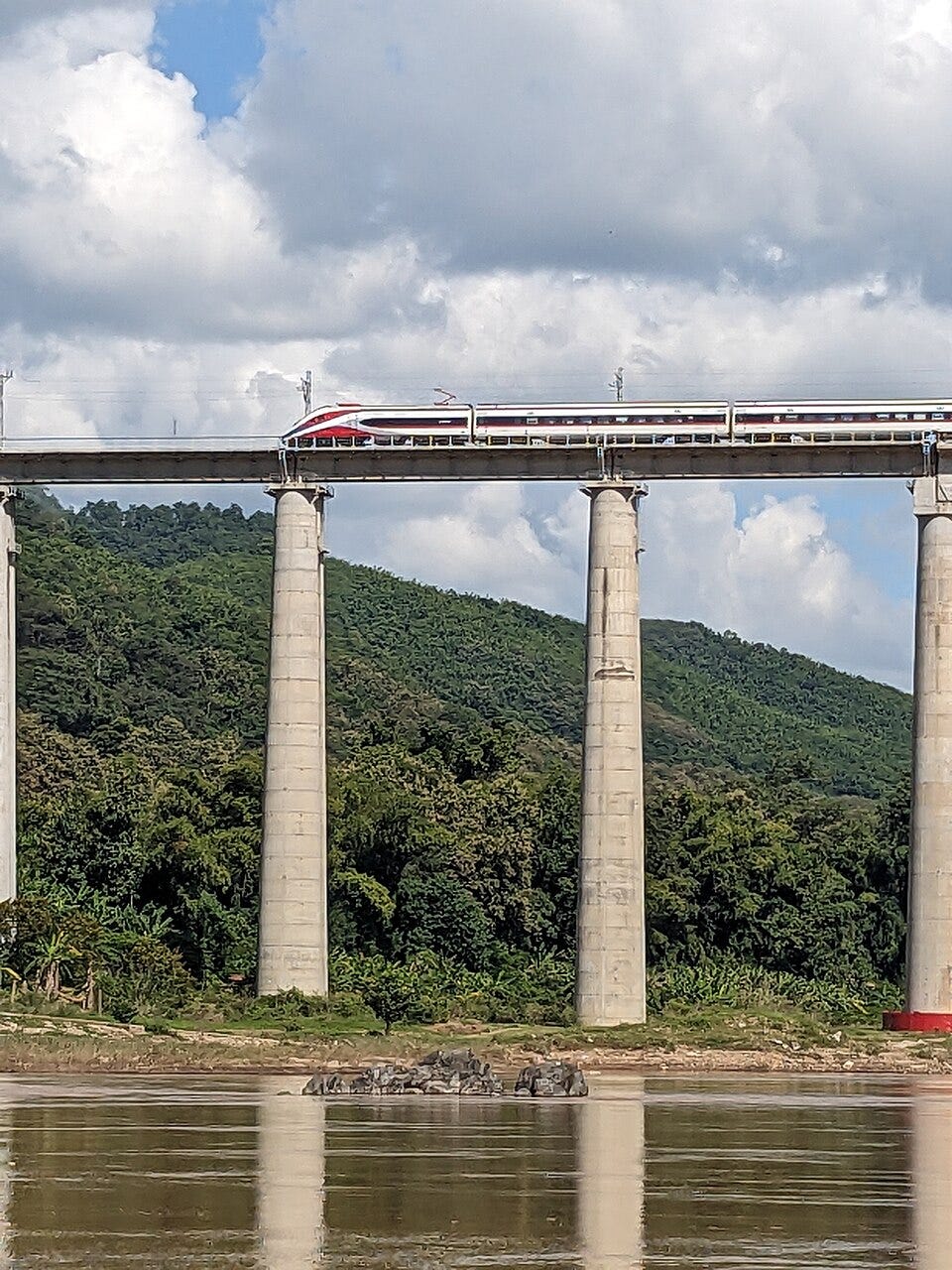
The Laos-China Railway (LCR) is operating at record-high levels in early 2026, transforming land logistics across mainland Southeast Asia.
Marking the 65th anniversary of bilateral diplomatic ties, the total cargo on the 1,035-kilometer line has officially surpassed 80 million tonnes, while cross-border trade alone increased by a massive 62.7% in the first quarter of 2026.
📝 The Backstory
Historically, high shipping costs and poor roads isolated Laos from neighboring markets.
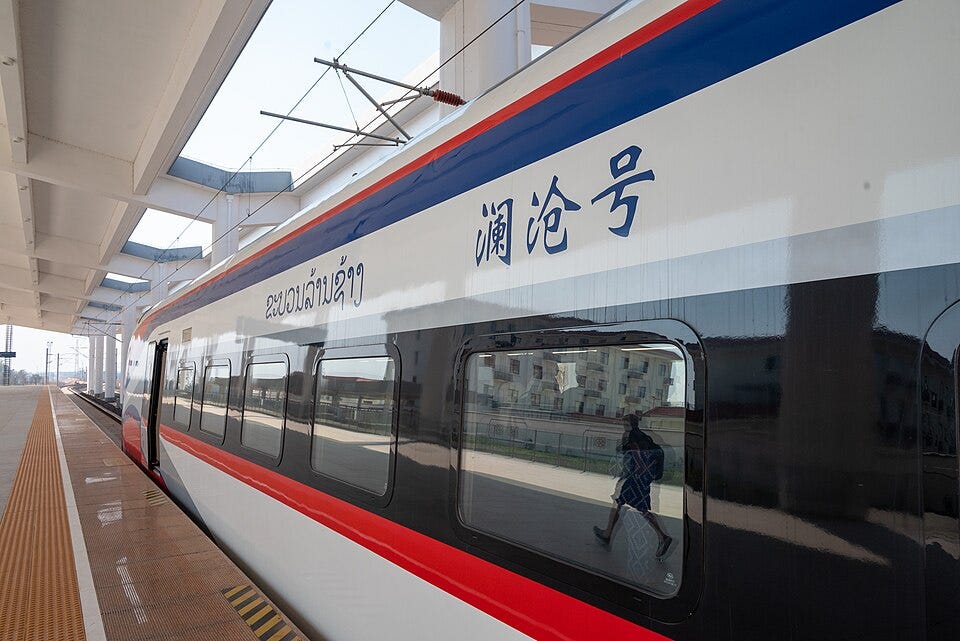
The introduction of the Laos-China Railway helped remove these obstacles and created a more efficient trade route that links regional suppliers directly to major global networks.
📈 Record Trade Volumes: In Q1 2026 alone, cross-border rail trade reached 6.81 billion yuan ($992 million), split dynamically between regional agricultural exports heading north and Chinese electronics moving south.
💸 Zero-Tariff Agribusiness: The introduction of advanced cold-chain refrigerated wagons enables Lao durian, rubber, and polished rice to reach Kunming's wholesale markets with 100% zero-tariff access.
✈️ Tourism Rebound: International passenger trips topped 70 million by the end of March 2026, bringing thousands of visa-free Chinese travelers directly to UNESCO sites like Luang Prabang every week.
🌳 The “Green Corridor” Shift: A major structural development in 2026 is the railway’s emergence as an eco-friendly industrial artery. New Energy Vehicles (NEVs) manufactured in major industrial hubs like Chongqing, China, are now reaching Vientiane via rail in as little as five days—down from the 20 to 30 days previously required via traditional maritime and road routes. This has slashed automotive logistics costs by 30% to 50%, positioning land-linked Laos as a strategic regional distribution node for electric vehicles entering the Indochina subregion.
🗺️ The Growth Map
The rapid development of LCR is pushing Laos to actively expand its physical infrastructure footprint far beyond a single rail line.
To take advantage of this corridor, the Lao National Assembly recently approved a multi-billion-dollar railway expansion directly to Vietnam, linking Thakhek to Vietnam’s Vung Ang seaport.
At the same time, cross-border single-window customs clearance systems have been upgraded at the Mohan-Boten Economic Zone.
These strategic infrastructure changes ensure that Laos can handle thousands of different product categories smoothly, without severe border blockages or long regulatory delays.
To handle the surge in traffic—which has seen daily cross-border cargo services skyrocket more than tenfold from just two trains at the line's inception to 23 trains per day in 2026—customs authorities have implemented digital documentation and container pre-clearance algorithms.
However, domestic economic experts emphasize that for Laos to maximize this layout, immediate further investments are required in localized cargo distribution centers and modern sorting, packing, and international-standard grading systems at key provincial stations.

👩✈️ The Human Payload
The LCR isn't just moving heavy freight; it is driving a massive boost in high-skilled employment for local Lao youth who previously had no access to careers in heavy-rail engineering.
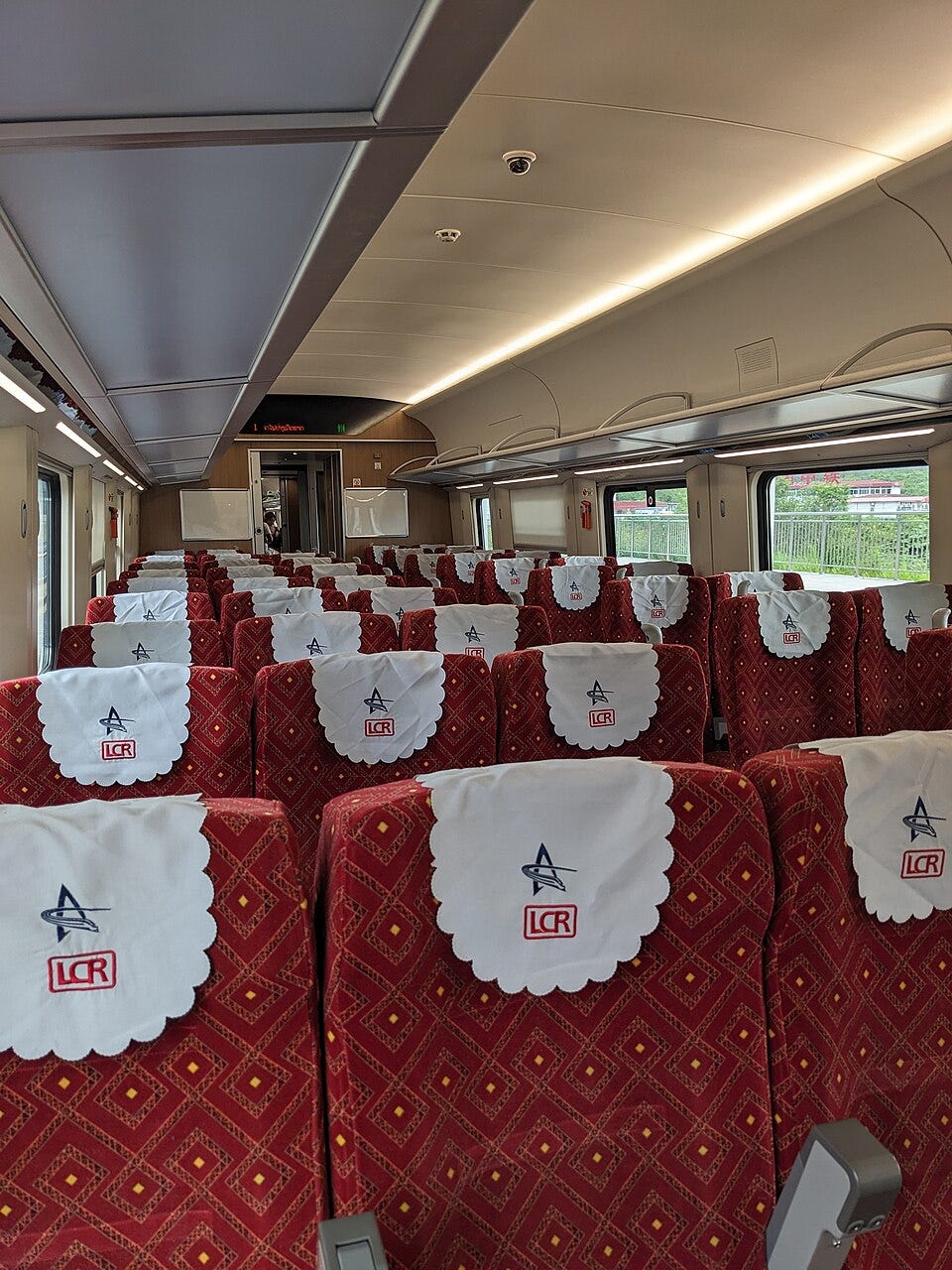
📚🎒 The Educational Roadmap: To sustain operations, the Lao Ministry of Education and Sports established the Lao Railway Vocational Technical College in Vientiane. This 14-hectare campus serves as the nation's primary pipeline for localizing the railway workforce.
🚧👩🔬 Removing the Technical Gap: Thousands of young Lao students are undergoing specialized work-based training across six foundational disciplines—spanning professional train driving, locomotive scheduling, track maintenance, and automated electrical repairs.
👷♀️👷 Frontline Shifts: Local professionals are successfully transitioning directly into critical, day-to-day operations under the joint-venture operator. This institutional knowledge transfer has effectively localized 70% or more of frontline station and maintenance roles, transforming a historically agrarian workforce into modern technical professionals.
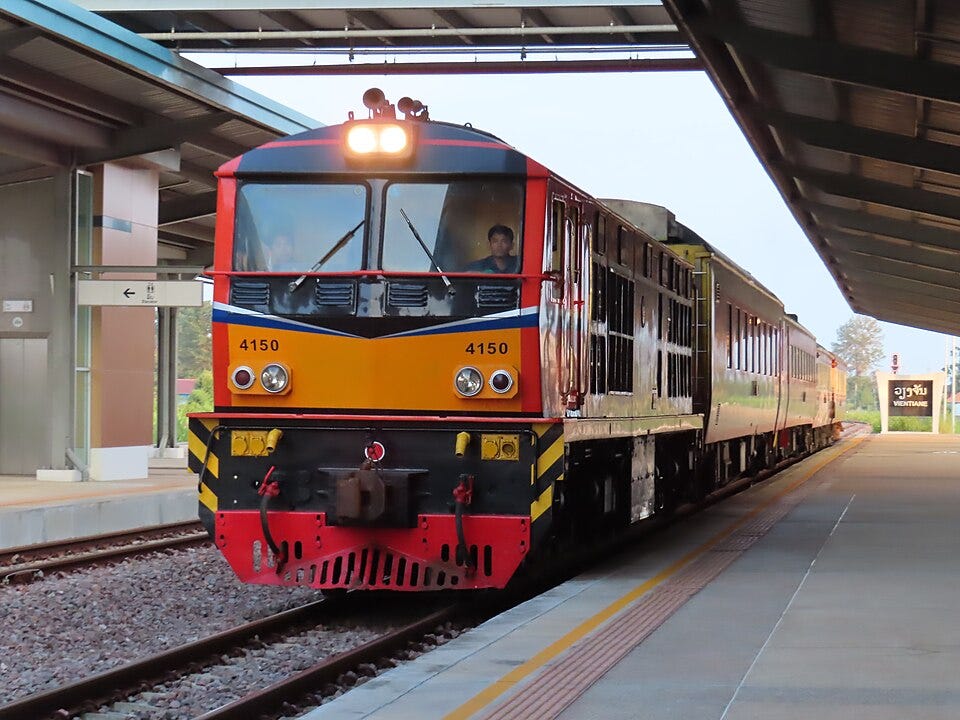
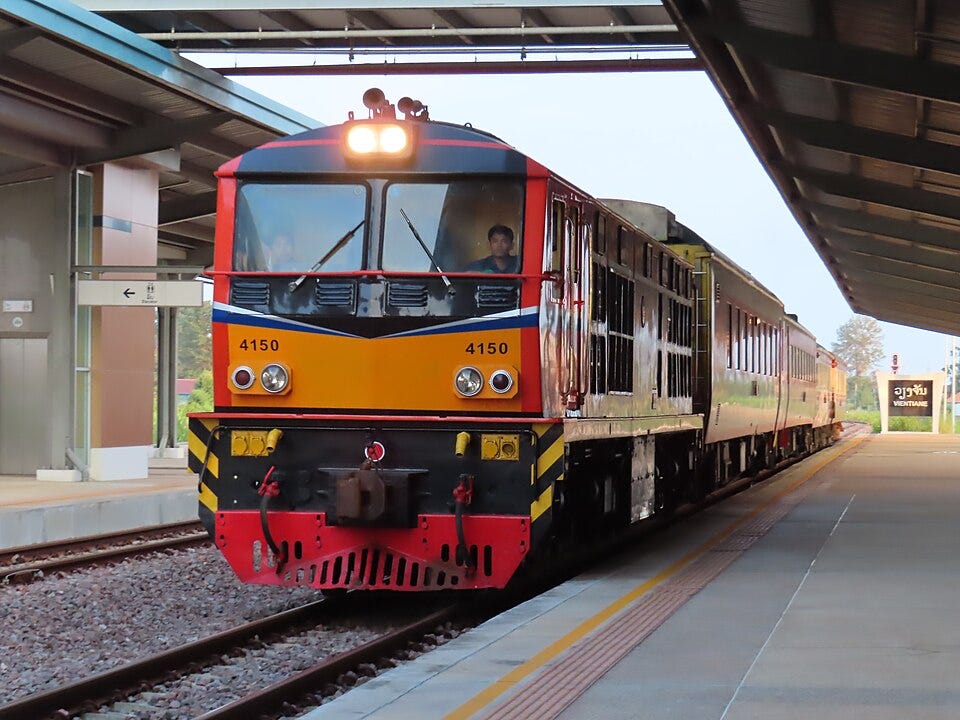
The train approaching Vientiane Railway Station (Khamsavath), Vientiane, Laos. This train returns as a rapid 134 to Bangkok (Krung Thep Apiwat) (Photo: Wikimedia Commons)
🏡 Why This Hits Home
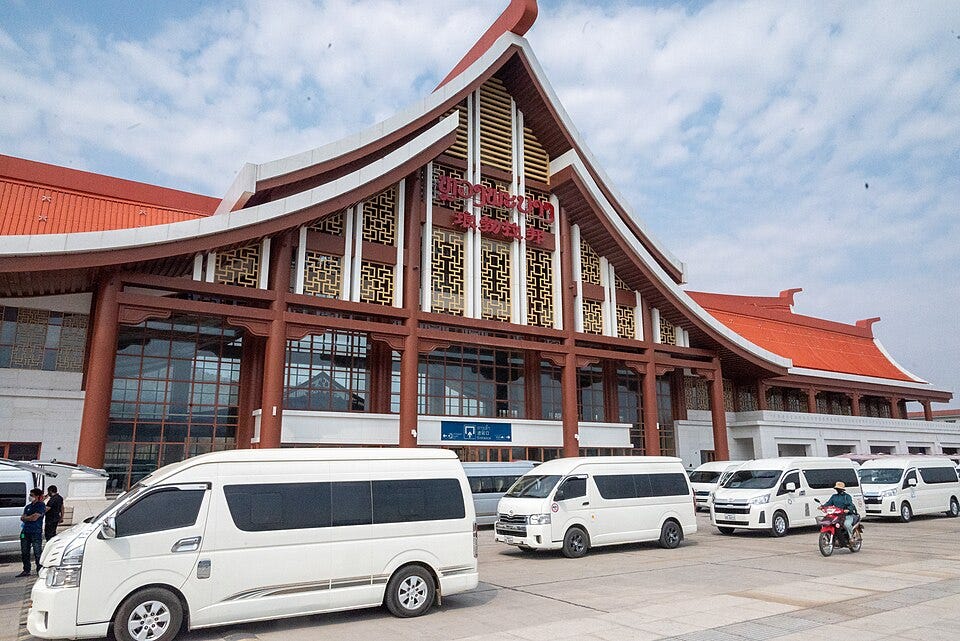
The transformation of the LCR resonates because it shifts the narrative of infrastructure development in developing ASEAN states from “debt trap dependency” to real local economic equity.
Local Lao farmers and cooperative traders are gaining direct, high-value market access, helping cut out costly middlemen rather than merely watching foreign trains pass through their farms.
Seeing a local agricultural container clear international customs in just five minutes proves that a focused layout and policy changes can successfully bridge wealth gaps and create sustainable regional livelihood options.
🌏 What’s Next for the Region
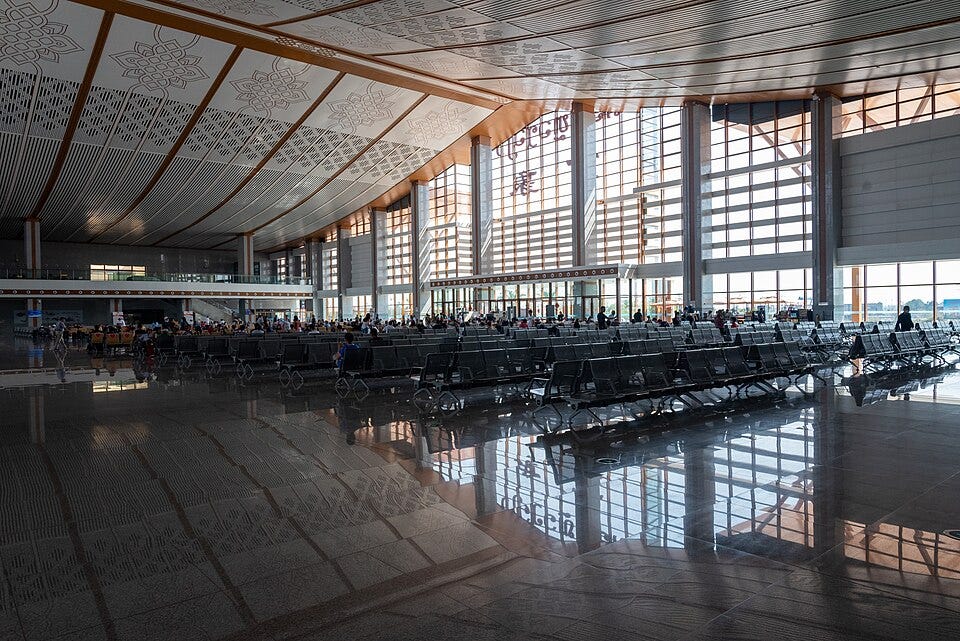
2026 is proving to be a historic year for the Pan-Asian rail integration. The LCR is no longer operating as an individual bilateral experiment but is now the starting point for the wider Kunming-Bangkok rail corridor.
Current multi-state negotiations are aiming for unified, through-ticketing operations across Thailand by 2027.
Such high-level logistics integration is essential for the Mekong subregion to develop resilient supply chains able to withstand the impact of volatile maritime shipping costs.
🧭 The Bottom Line
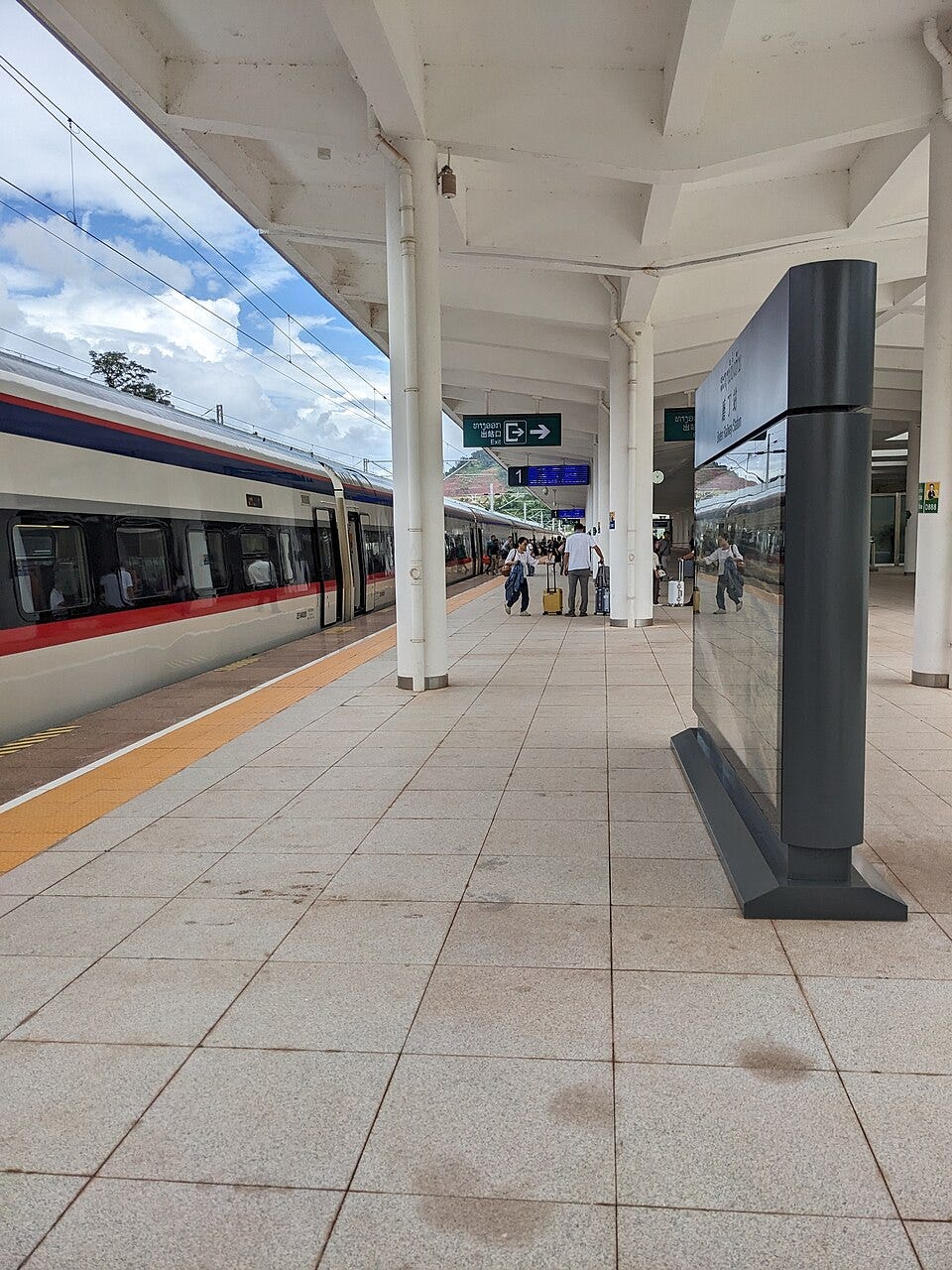
Laos has provided a clear structural blueprint for the rest of the region.
The 2026 performance figures show that with proper logistical integration, a landlocked nation can effectively navigate fierce global competition to capture sustainable economic growth.
Need More Angle?
AMRO Asia Railways Help Landlocked Laos Embark a Journey Beyond Borders
China Daily L̲a̲o̲ ̲r̲a̲i̲l̲w̲a̲y̲ ̲t̲r̲a̲i̲n̲i̲n̲g̲ ̲c̲o̲l̲l̲e̲g̲e̲ ̲o̲f̲f̲i̲c̲i̲a̲l̲l̲y̲ ̲o̲p̲e̲n̲s̲
HKTDC Research LAOS: Railway Linkage to Vietnam Approved to Improve Trade
Lancang-Mekong Cooperation China-Laos Railway handles over 18 mln tonnes of cross-border cargo
Lao News Agency (KPL) Laos-China Railway trade jumps 62.7% in early 2026, reaching record level
Xinhua News Agency China–Laos Railway surpasses 70 million passengers as nations mark 65 years of ties
(AKO/QOB)