



🎯 The Main Takeaway
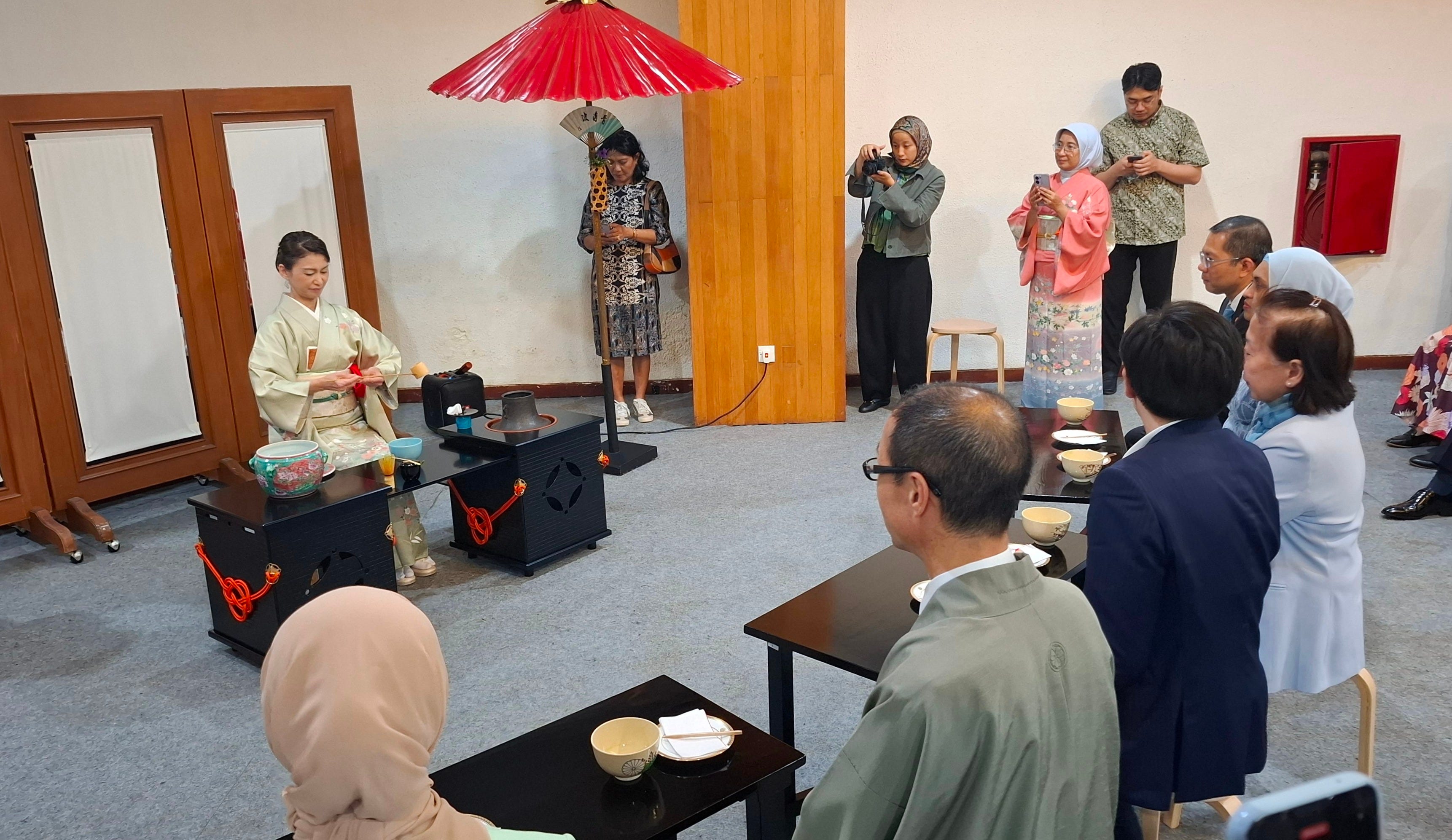
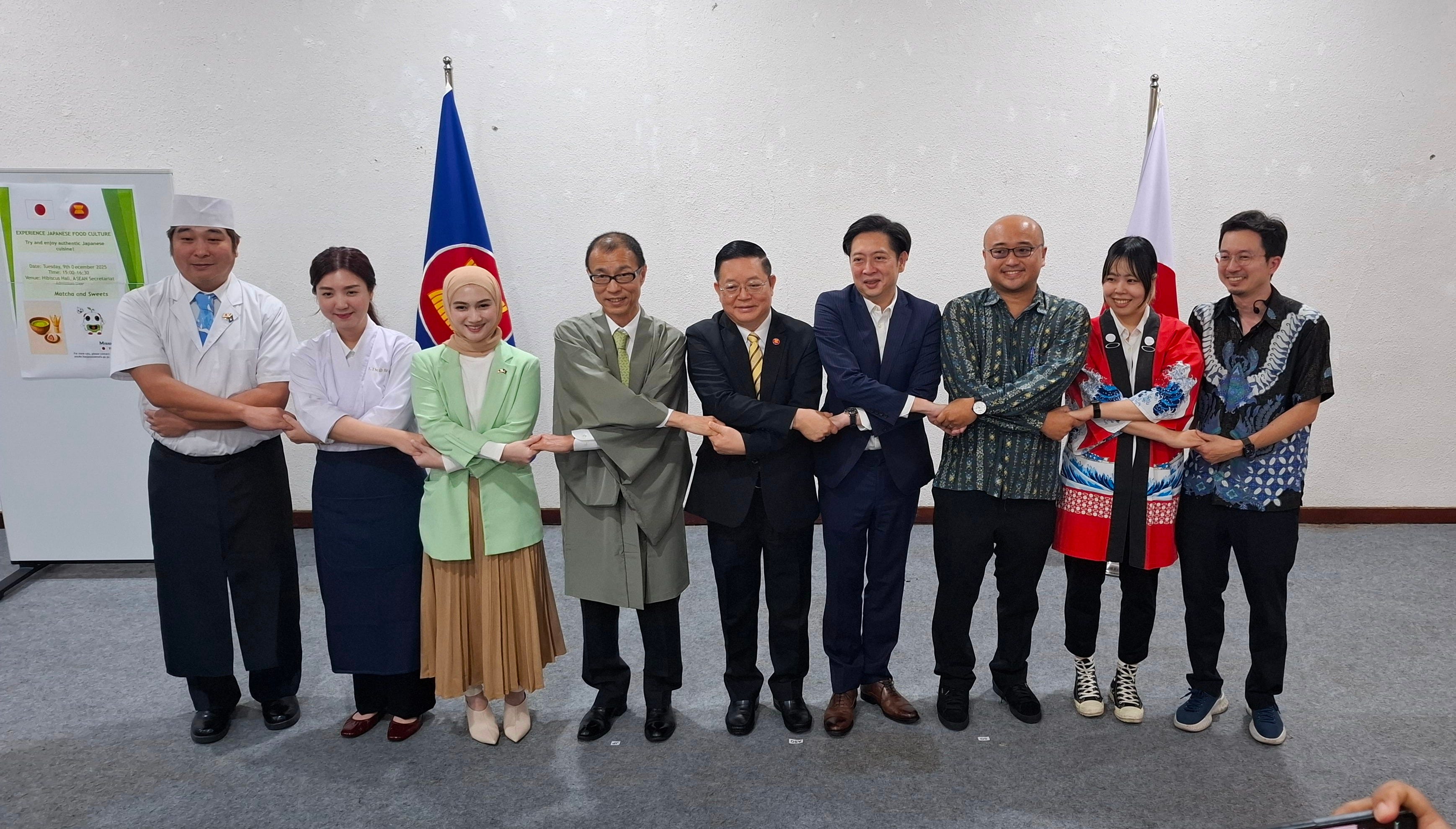
The Mission of Japan to ASEAN held the “Experience Japanese Food Culture 2025” event on Tuesday (12/9) at the ASEAN Secretariat in Jakarta.
Around 30 ASEAN officials, ambassadors, permanent representatives, and diplomats attended to strengthen Japan–ASEAN ties through food diplomacy, especially by enjoying Japanese tea known as “matcha”, and experiencing a matcha tea ceremony called “Chado”.
“Chado represents a spirit of respect for others by sharing a peaceful moment in the same room, among all who take part in the tea ceremony. I believe that the spirit of Chado, Way of Tea, has in common with the vision that we share among ASEAN and its partners, the wish to contribute to the peace and prosperity in the region and beyond.”
~Yonetani Koji, Ambassador of Japan to ASEAN~
🍵 What is Matcha?
Matcha is a Japanese green tea powder made through several steps:
Tea plants are shaded from direct sunlight for up to a month to reduce bitterness.
Fresh buds and leaves are then hand-picked, steamed to stop oxidation, and dried for a few hours.
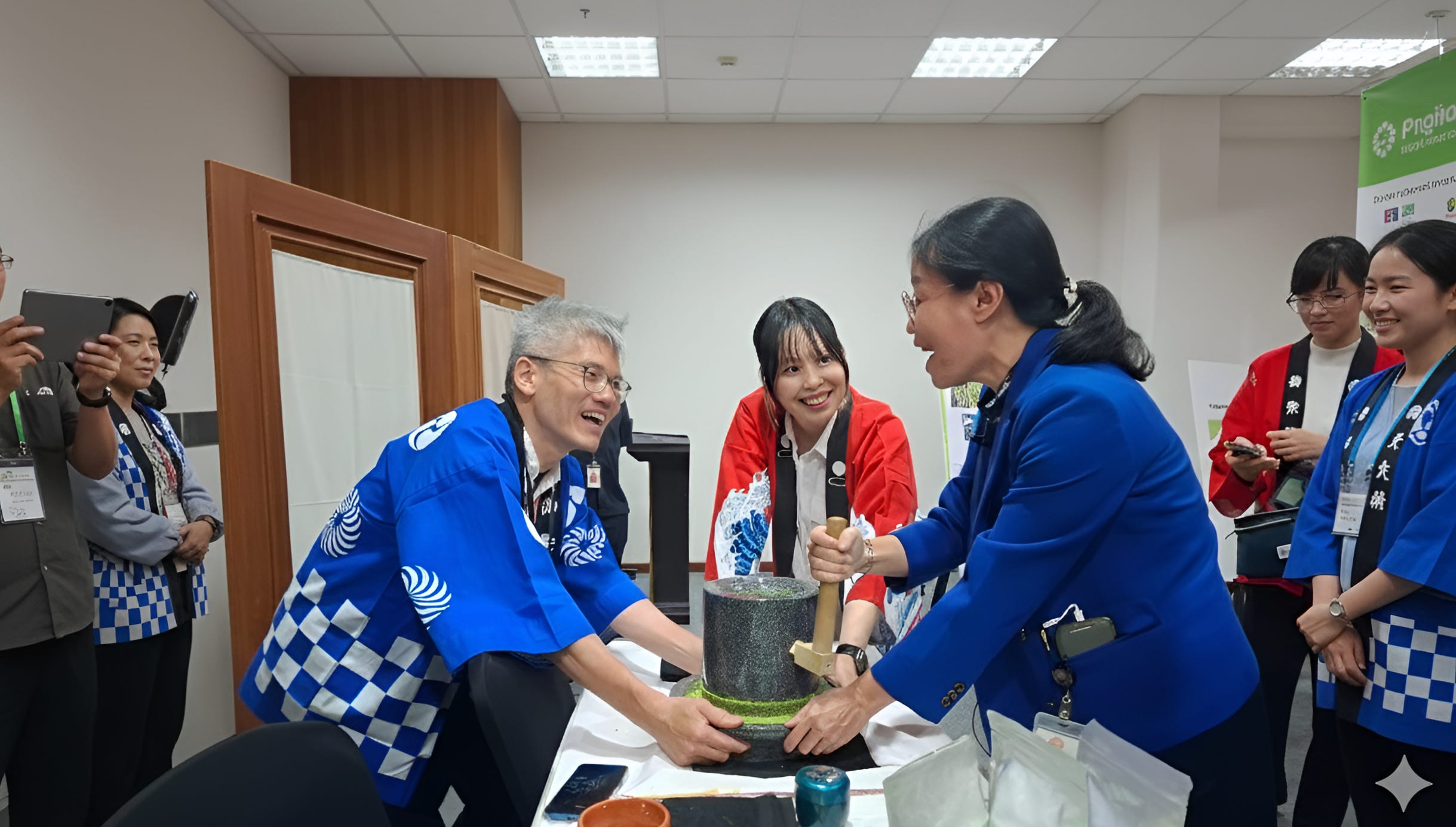
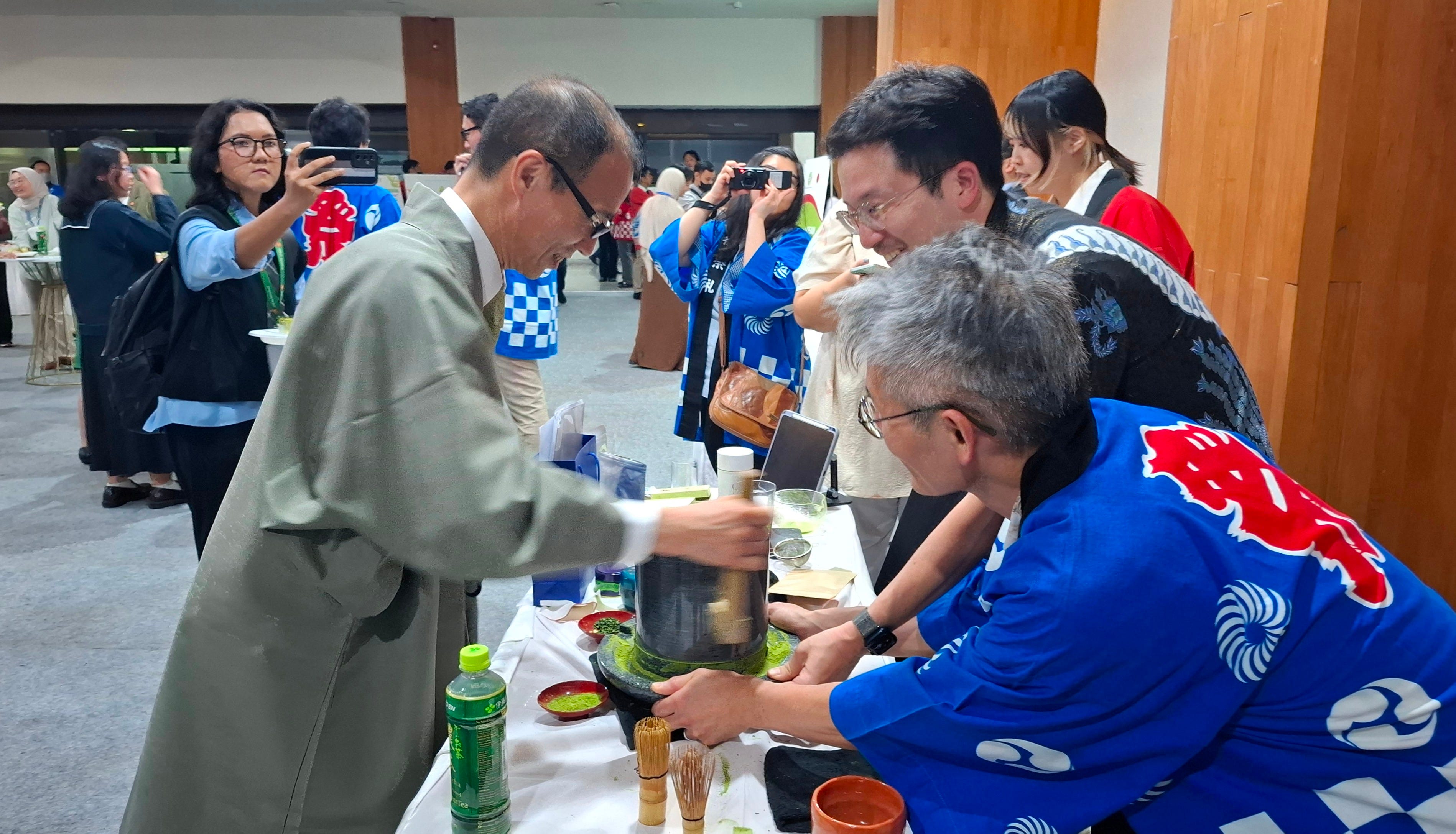
Stems and veins are then removed, and the remaining leaves are stone-ground into fine matcha powder, ready for consumption.
This powder is more nutritious than regular tea, with higher levels of antioxidants, amino acids, and vitamins A, C, and E.
“Matcha costs more because it requires a longer, more complex production process, especially when ground by hand, as it yields only about 30 grams per hour.”
~Moeno Kuniyoshi, Marketing Manager Klik-Eat Indonesia~
🍡 What are Matcha Products?
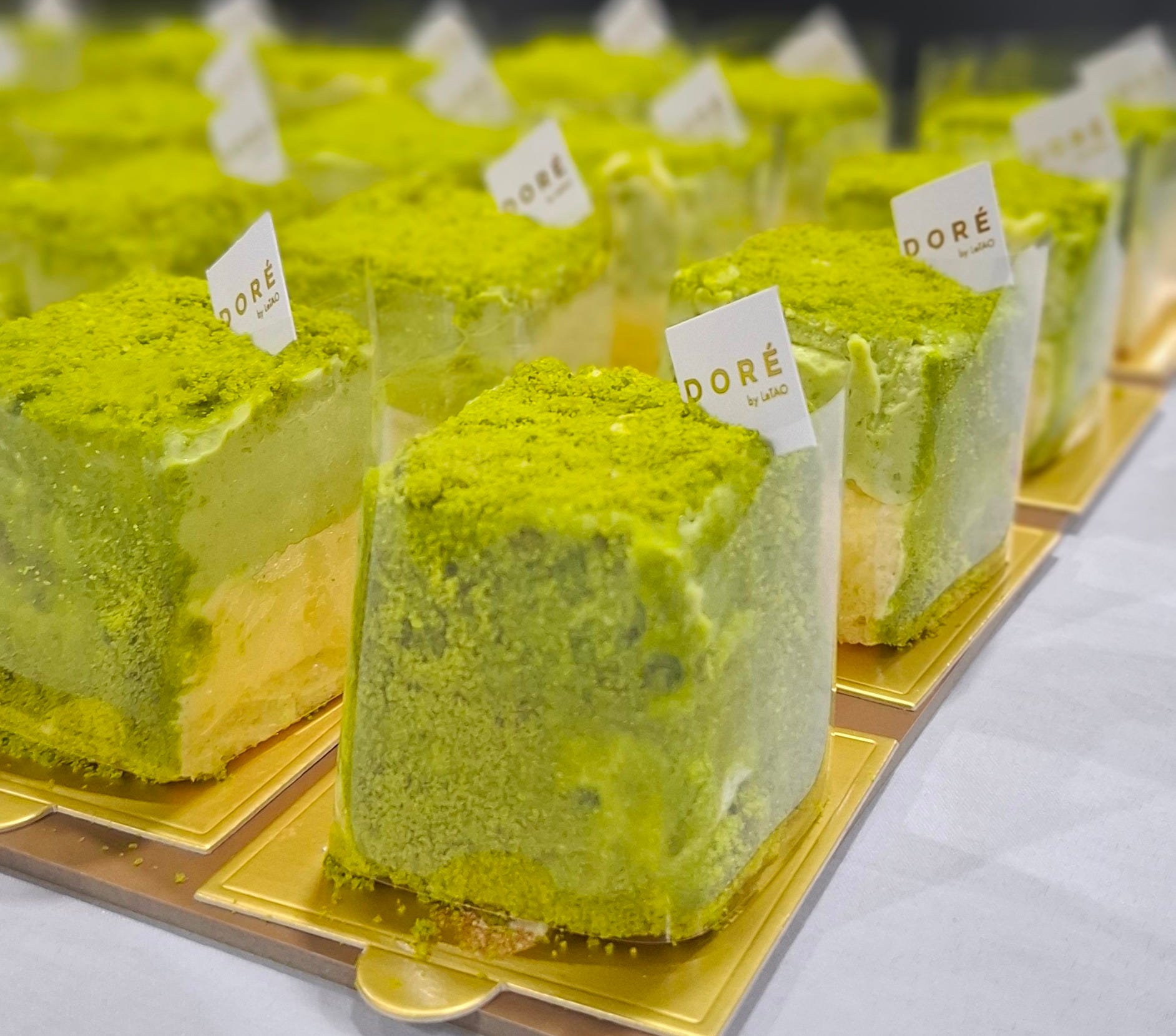
Matcha could be made not only into traditional tea but also into other products, such as a matcha cheesecake.
A matcha cheesecake is a fusion dessert that bridges Western confectionery with traditional Japanese flavors. It replaces or infuses the traditional vanilla or lemon flavoring of a standard cheesecake with Matcha.
This particular version is typically known as the Matcha Fromage. It is distinct from a standard New York-style baked cheesecake. This version signature style features:
Double Layering: It is famous for having two distinct textures—a bottom layer of baked matcha cream cheese with a more solid-sponge-like texture and a top layer of no-bake matcha mascarpone mousse.
Texture: This combination creates a sensation that is “melting in the mouth” (a signature of the LeTAO style) rather than being heavy or dense.
The Exterior: The cake is coated in fine matcha sponge crumbs, giving it a soft, fuzzy green appearance rather than a smooth or crusty exterior.
☕ How is it Different from Regular Tea?
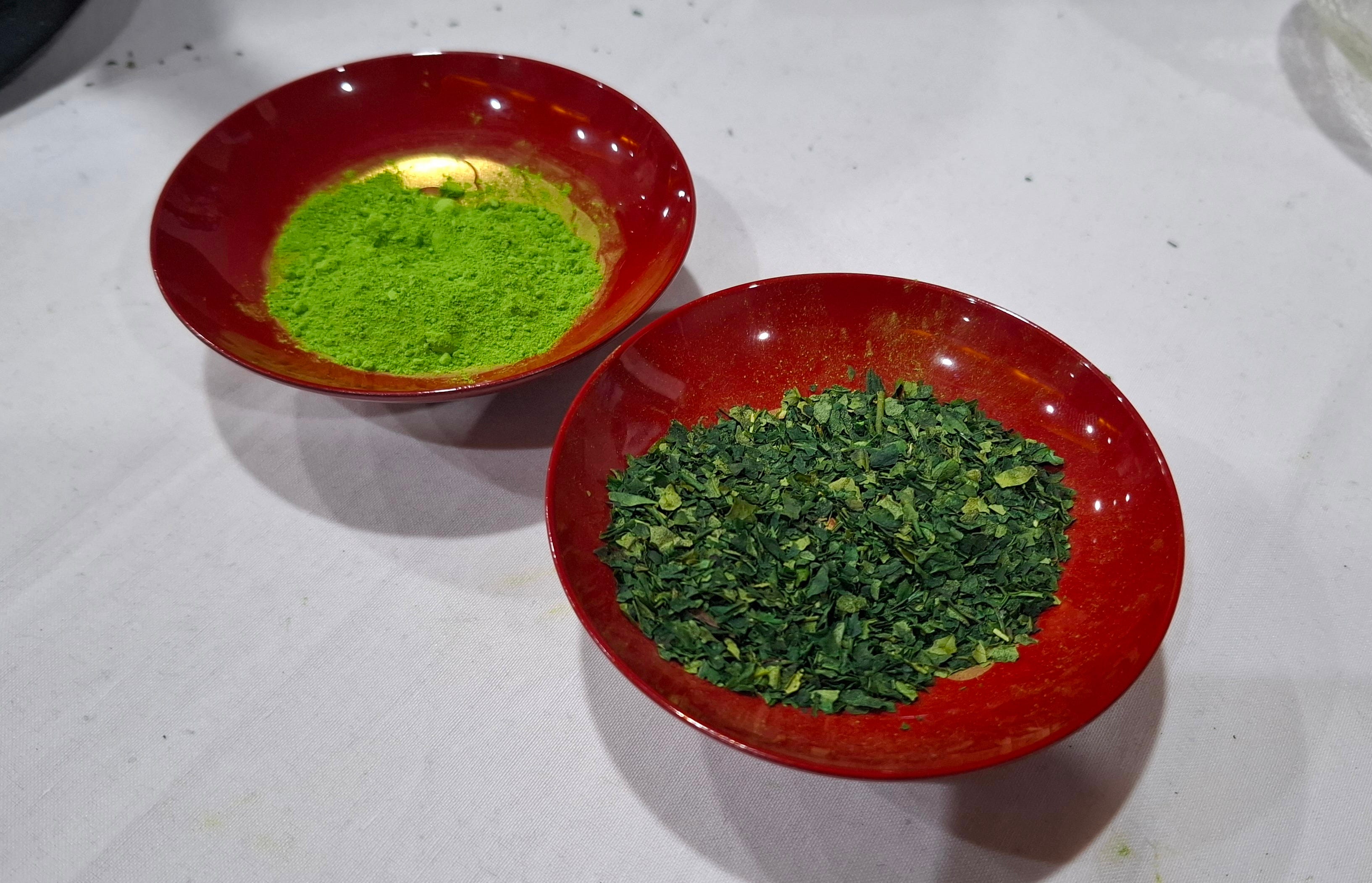
Regular tea is prepared differently from matcha:
The tea plants grow under direct sunlight, giving a more bitter taste.
Hand-picked buds are dried for several days without steaming, allowing the leaves to oxidize.
The dried leaves are then crushed into smaller pieces and packed for consumption.
It is mostly mass-produced, making it cheaper than matcha.
Matcha is prepared by whisking its powder into hot water until fully blended, while regular tea is made by steeping tea leaves to draw out their flavor.
🏮 What is Chado?
Chado is a Japanese tea ceremony for enjoying matcha, created in the 16th century by the tea master Sen no Rikyu.
The ceremony is usually held in a traditional room surrounded by a garden, where fewer than 10 guests sit on tatami mats, to create a more personal and intimate experience.
It is now an important part of Japanese culture, emphasizing harmony, respect, purity, and tranquility between humans, tools, and nature.
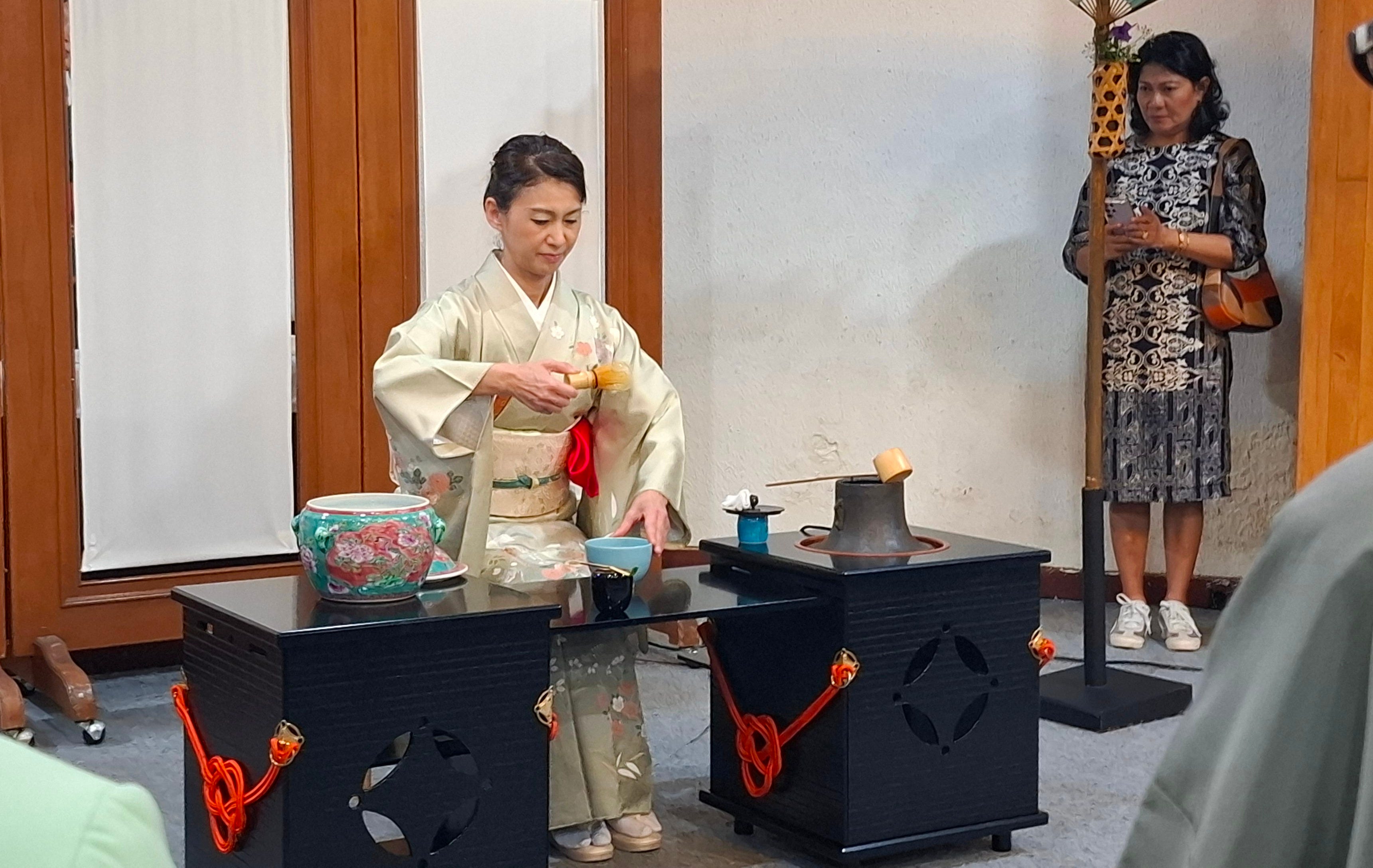
🎎 How is the Ceremony Carried Out?
There are several steps the host performs in front of the guests during the tea ceremony:
Cleaning: The host rinses the tools—mainly the tea bowl and bamboo whisk—with hot water. This symbolizes cleansing the body and mind and preparing to drink tea calmly.
Making: The host prepares and brews matcha using only matcha powder from Japan to maintain the ceremony’s authenticity.
Eating: Japanese sweets are served by the host for guests to enjoy while waiting for the matcha, helping to balance its bitterness and umami.
Serving: The host serves the matcha in a tea bowl on the tatami mat. The guest picks it up with their right hand and places it on their left palm.
Sipping: The guest first admires the design on the bowl, then turns it 90 degrees clockwise so the design doesn’t face them. They drink the matcha in a few sips and place the bowl back on the tatami mat.
Bowing: Guests bow to the host as a sign of respect and gratitude after drinking the matcha.
“When we receive the tea bowl, we admire the design. Before drinking, we turn the bowl so our lips don’t touch the design, as a sign of respect and honor for the artist, and to keep the artwork looking nice.”
~Suwarni Widjaja, Chado Instruction of Urasenke Indonesia~
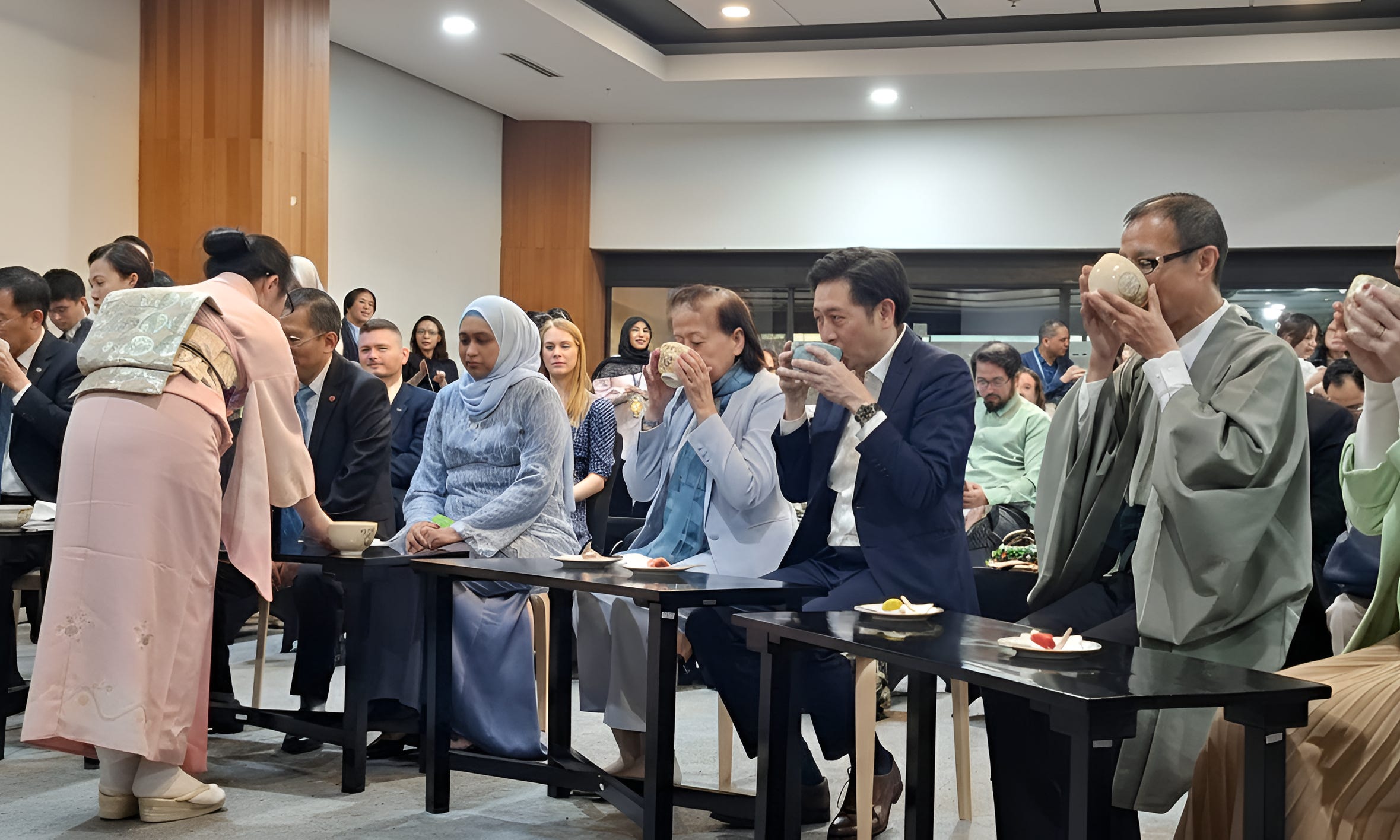
✨ What Do They Think?
Guests agreed that the event added “texture” to the Japan–ASEAN partnership, showing that the relationship is built not only on policies but also on shared experiences and cultural appreciation.
Beyond flavors, food diplomacy has a special role because it reflects heritage, identity, and tradition. It helps connect people, bring them closer, and deepen mutual understanding in the modern world.
“This is the kind of thing we want to promote between ASEAN and Japan—something from our heritage that we can modernize and make relevant and useful for today’s world.”
~Gerard Ho, Permanent Representative of Singapore to ASEAN and Country Coordinator of ASEAN-Japan relations~
❤️ Why This Hits Home?
Tea has a long history in Southeast Asia and remains central to ASEAN’s traditions, economies, and daily life—reflecting culture, shaping rituals, and bringing communities together.
“The tea ceremony is a mirror of the heart. It reminds us that in every gesture, from preparing the tea to serving it, we are invited to embody sincerity, mindfulness, and harmony. Tea teaches us to slow down, appreciate the moment, and strengthen the bonds that connect us.”
~Kao Kim Hourn, ASEAN Secretary General~
📈 Matcha’s Economic Potential
Matcha is one of Japan’s key export products due to rising global demand.
In 2024, Japan exported 5,092 tonnes of matcha, worth about JPY 27.2 billion (~USD 185 million), up 25.9% year-on-year, mainly to the United States. (Japan’s Ministry of Finance)
Exports to ASEAN reached USD 33 million, with Malaysia (USD 8.2 million) and Thailand (USD 7.6 million) as the largest markets. (UN Comtrade)
⚠️ Matcha’s Challenges
Global demand for matcha is rising, but Japan is facing domestic shortages due to:
In Japan, matcha is not a casual daily drink, and only about 6% of tea production is tencha (unground matcha leaf).
Japan’s tea farms have sharply declined over the past 20 years, from 53,687 in 2000 to fewer than 12,000 in 2024.
More than 70% of matcha farmers are over 65, highlighting the need for younger generations to sustain the tradition.
📜 The Tea Traditions in ASEAN
From families to communities, from street stalls to palaces, from ordinary people to aristocrats, tea is a part of daily life in every ASEAN member state:
🇧🇳 Brunei Darussalam: Tea symbolizes Bruneian hospitality and is often enjoyed with kuih and pastries in the morning, at weddings, family gatherings, and religious celebrations, offering a moment of relaxation before continuing daily activities.
🇰🇭 Cambodia: Tea is part of the Cambodian Khmer wedding ritual called Sien Doan Taa, where the bride and groom offer tea to honor their ancestors, and invite their spirits to join the celebration.
🇱🇦 Laos: Tea has long been part of Lao culture, with one of the world’s oldest tea plantations located in Phongsaly province, where the Phuoy people have handpicked tea for generations. Drinking tea is also a way to appreciate nature for the fertile soil that produces high-quality tea in the country.
🇮🇩 Indonesia: Indonesia’s diverse culture has many tea traditions, including:
“Patehan” from the Yogyakarta Sultanate, a tea ceremony for honoring guests and family during important events.
“Nyaneut” tea ritual from Garut, West Java, which Sunan Gunung Jati used to help spread Islam in Java.
“Nyahi” tea tradition from the Betawi in Jakarta, where people bite a piece of palm sugar first, then drink plain tea afterward.
🇲🇲 Myanmar: Shan State in Myanmar has a long history with tea. The Paluang and Wa tribes have grown tea for thousands of years in the mountain areas of the state, and they also have a tea ritual in which they offer laphet (fermented tea leaves) to deities and spirits to ensure good harvests and protect their farms.
🇹🇭 Thailand: Thailand has a traditional tea ceremony called Khruang Cha, where tea is brewed and served in small cups. Guests take three sips, symbolizing pleasure, enjoyment, and reflection.
Thailand also has a unique blue tea made from butterfly pea flowers, called nam dok anchan, often served with a little lemon and honey. It is traditionally used as a remedy to promote relaxation and reduce inflammation.
🇵🇭 The Philippines: In the Philippines, tea is often used as medicine, such as salabat (ginger tea) for coughs and sore throats, and sambong tea for kidney health and body cleansing. Over time, tea has also become a modern social drink enjoyed together.
🇹🇱 Timor Leste: In Timor-Leste, people drink coffee more than tea in daily life. However, there is a tea called ai-manas, made from lemongrass and ginger, which is usually served after meals.
🇲🇾 Malaysia, 🇸🇬 Singapore, 🇻🇳 Vietnam: Influenced by Chinese traditions, tea is a key part of wedding ceremonies in these three countries, symbolizing the union of two families and the start of the couple’s new life. During the ceremony, the couple kneels to serve tea to ancestors, elders, and parents as a sign of respect and gratitude, then serves other family members, relatives, and guests.
🧭 Beyond the Headlines
Japan and ASEAN have partnered for 52 years, built on trust, cooperation, and mutual respect.
Japan has been ASEAN’s 4th largest trade partner over the past five years, with total trade reaching USD 236.4 billion in 2024, up 6.2% from 2023. (ASEAN Stats)
Japan is also ASEAN’s 5th largest source of FDI, reaching nearly USD 18 billion in 2024, as many Japanese companies use ASEAN as a hub for their global supply chains. (ASEAN Stats)
This is all thanks to the ASEAN-Japan Comprehensive Economic Partnership (AJ-CEP) and the Regional Comprehensive Economic Partnership (RCEP), which provide strong platforms for trade and investment between the two countries.
🔎 Need More Angles?
ASEAN-Japan Center MATCHA EXPORT TO ASEAN FROM JAPAN
ASEAN Stats ASEAN Statistical Highlights 2025
Cambodia Travel Wedding Ceremony in Cambodia
Firsdtea Global Matcha Production and Export Status: 2025AUG26
Guide To The Philippines Guide to Tea in the Philippines: Local Flavors, Farm Tours, Tea Brands
Japan Guide Tea Ceremony
Just A Tina Bit Our Vietnamese Wedding Tea Ceremony
Kraton Jogja Patehan, Tempat Minuman Keraton Yogyakarta Berasal
Ooika 11 Facts about the Matcha Shortage You Should Know
The Edge Malaysia Zafrul: Asean-Japan two-way trade hit US$236b in 2024
The Street Food Guy Timor-Leste Cuisine: Simple Flavors and Local Ingredients
Tourism Laos Laos Celebrates Its Ancient Tea Legacy on International Tea Day
White Coconut Thai Restaurant MA Thai Food: Exploring Thai Tea Culture
(AJI/NGO/QOB)