



🧭 The Main Takeaway
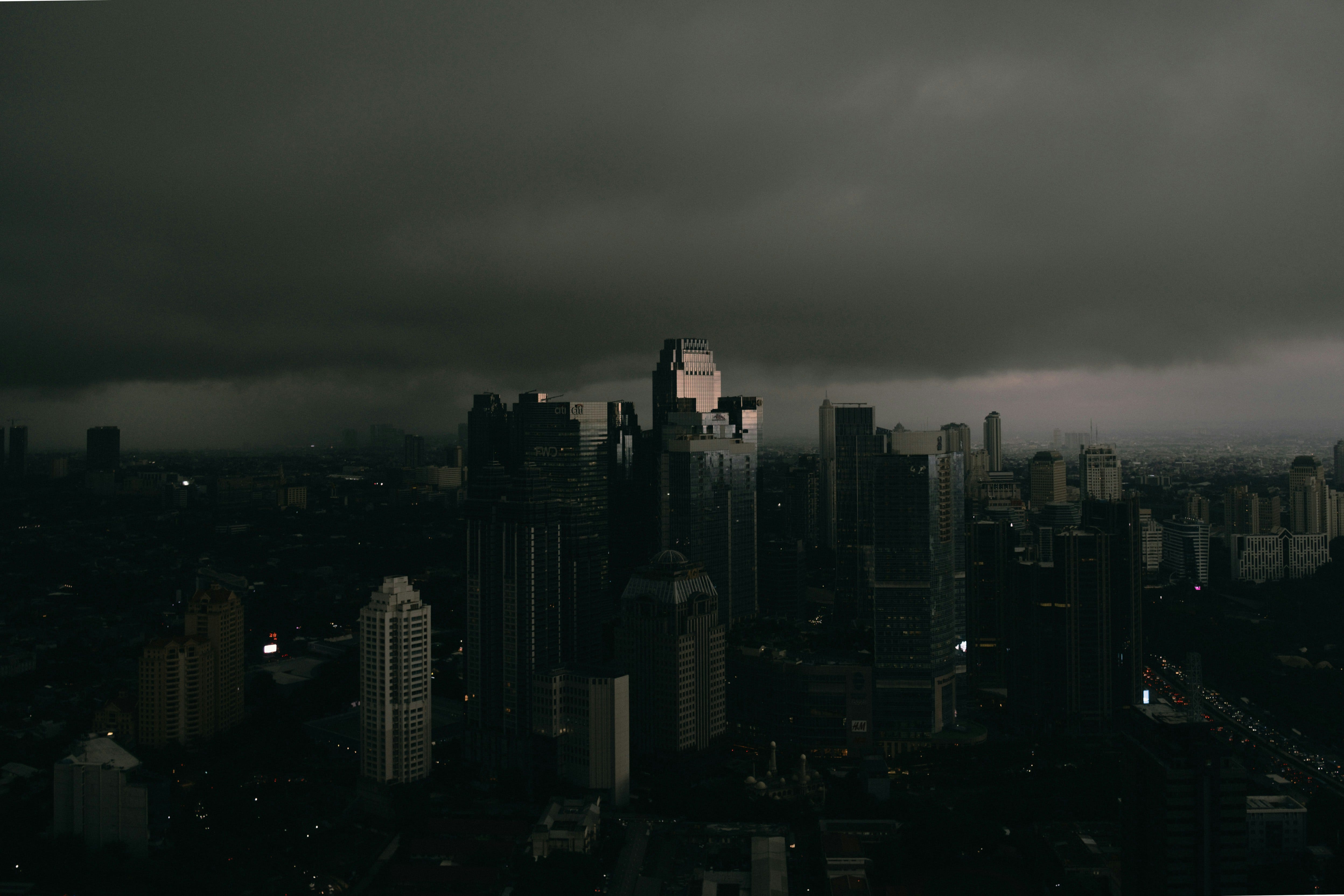
Authorities are warning of elevated hydrometeorological risks in Jakarta as the city enters the Christmas and New Year holiday period, with forecasts indicating heavy rainfall, strong winds, floods, and landslides through late December and into January. The risks are linked to the peak of the rainy season and regional weather systems affecting western Indonesia, prompting heightened preparedness by city agencies.
📊 Weather Outlook
Indonesia’s Meteorology, Climatology and Geophysics Agency (BMKG) has forecast heavy rain and strong winds between December 19th and 22nd, with wind speeds recorded at up to 55 km/h, exceeding typical conditions for Jakarta on average of below 30km/h. The weather is influenced by the peak rainy season, a tropical cyclone over the Indian Ocean, and two cyclones seeds that are expected to intensify rainfall in Jakarta and other parts of Indonesia.
📡 Why It’s on Our Radar
Jakarta’s exposure to recurrent flooding and land subsidence makes seasonal weather developments a recurring regional concern. Year-end travel, public activity, and logistics are often affected during periods of intensified rainfall in the capital and surrounding areas.

⚠️ What’s at Stake
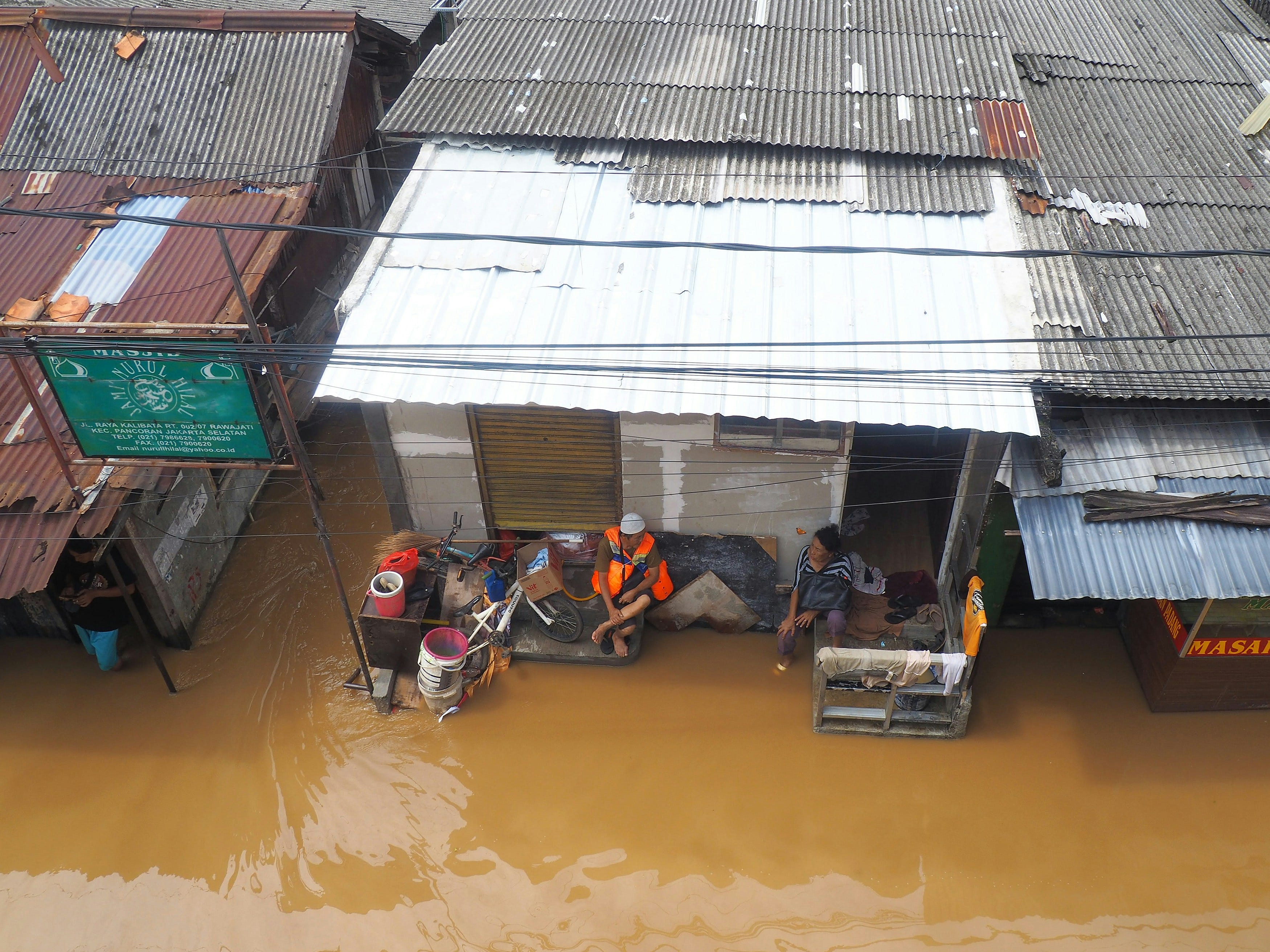
Jakarta’s low-lying geography, combined with land subsidence and dense river networks, increases the risk of flooding during prolonged or intense rainfall.
Jakarta National Disaster Mitigation Agency (BPBD) has identified:
12 districts vulnerable to landslides particularly in South and East Jakarta
Tidal flooding risks in Coastal Areas in North Jakarta, especially near popular amusement park Ancol Dreamland during periods of high tide
Dangers of loose/fallen trees
The city would require stronger mitigation efforts during the year-end holiday season, when more people are expected to travel in and out of the city. As fallen trees are not just causing traffic, but also endangered civilians.
🚨Preparedness Measures
The Jakarta administration has urged city authorities to step up early warning systems and increased inter-regional coordination to manage potential flood impacts. The Jakarta Water Agency and Jakarta Provincial Government have prepared several actions. Amongst the effort being carried out includes:
590 mobile water pumps have been prepared. Supplementing 612 permanent pump houses across the city.
Authorities are monitoring landslide-prone zones
Expediting the construction of a seawall in the West Ancol area in North Jakarta. As at Dec 19, around 90 per cent of the 2.1km seawall had been built, according to Jakarta Governor Pramono Anung.
dredging rivers, continuing the normalization of the Krukut and Ciliwung rivers, and enhancing the readiness of field personnel.
These precautionary actions are in accordance with the earlier warning from the Meteorology, Climatology, and Geophysics Agency (BMKG), which indicated that Indonesia entered the rainy season in November 2025. Awareness must be increased as the peak period of the rainy season is anticipated to occur from December 2025 to January 2026.
🌲Urban Conditions
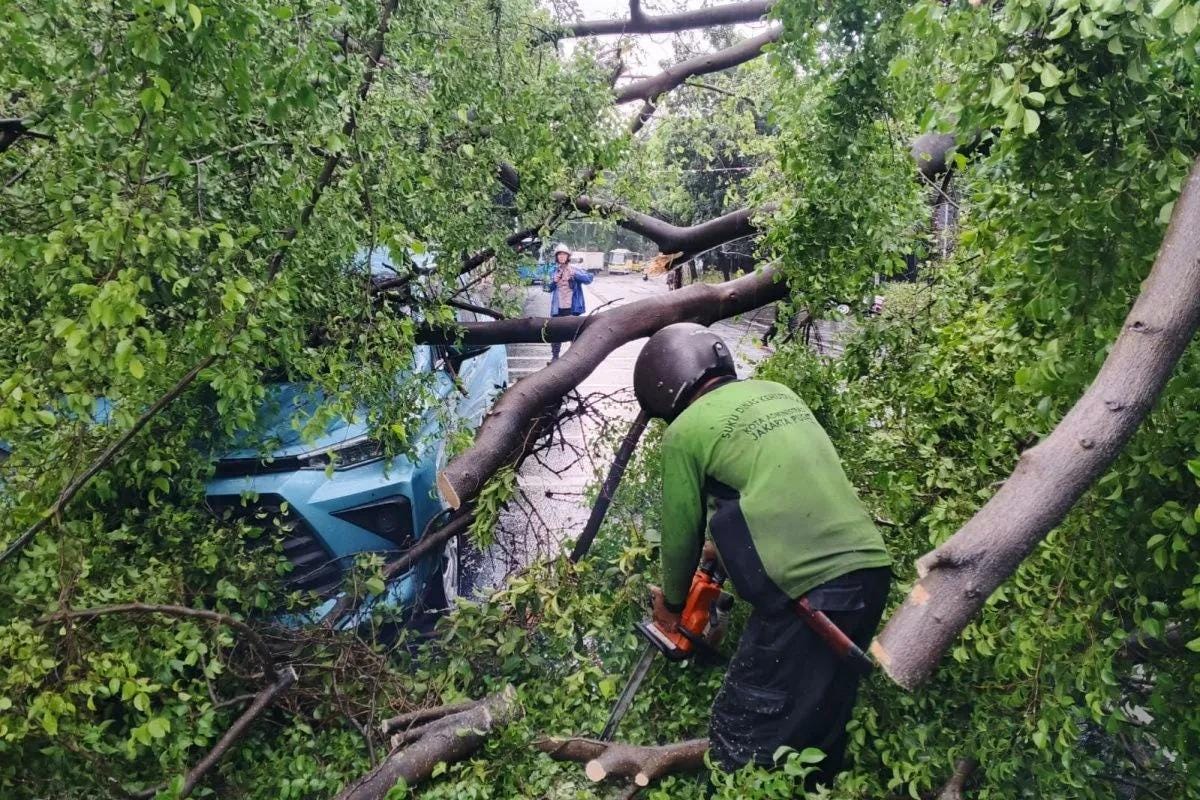
Recent extreme weather has caused trees to fall in several areas of Jakarta, disrupting traffic and posing safety risks. In November, two people died in separate incidents in South Jakarta involving falling trees during heavy rains. The latest reported incident occurred on Dec 15, when an ageing tree fell and injured one person in South Jakarta. In response, the Jakarta Parks and Forestry Agency has carried out tree pruning and replacement efforts, reporting that approximately 70,000 trees have been maintained in recent months to reduce risks associated with strong winds.
🌍Regional Stakes
Direct cyclones are rare in Southeast Asia — but neighboring storms still bring heavy rain and strong winds during monsoon season.
🌧️ Spillover effects from cyclones in the Philippines, Vietnam, the South China Sea, and the Bay of Bengal can intensify Malaysia’s rainfall and winds.
🌊 Monsoon surges are often strengthened by storms in the Andaman or South China Sea — even if they don’t hit Malaysia directly.
🌀 Cyclone Senyar (Nov) showed how rare near-Equator systems, combined with monsoon surges, can cause prolonged heavy rain across Malaysia, Singapore, Indonesia and southern Thailand.
⛈️ Separate, stronger typhoons — like one that recently hit the Philippines and Vietnam — show regional storm risk remains high while Malaysia faces indirect impacts.
In short: Malaysia may avoid direct hits, but climate patterns and neighboring cyclones mean serious monsoon weather is still a major threat.
🏠 Why This Hits Home
The peak rainy season coincides with holiday travel and increased urban movement, raising the likelihood of disruptions to transport, residential flooding, and emergency responses. For millions of residents in Greater Jakarta, hydrometeorological conditions remain a key factor shaping daily safety and mobility during the year-end period.