



🎯 The Main Takeaway
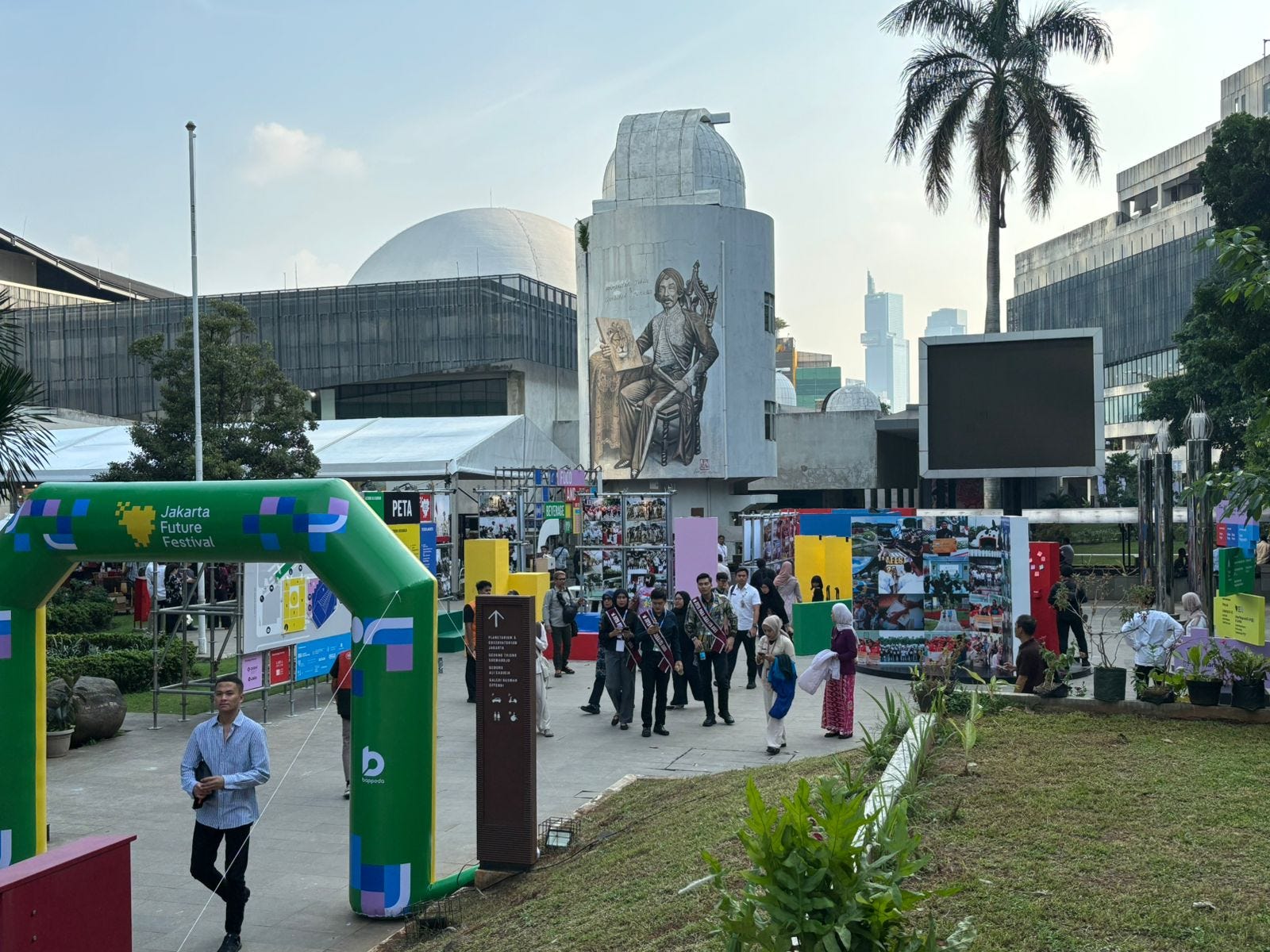
From June 5–7, Jakarta hosted the Jakarta Future Festival (JFF) 2026 at Taman Ismail Marzuki (TIM), bringing together more than 500 collaborators from government agencies, universities, research institutions, businesses, communities, media organizations, and the creative sector under the theme “Navigating Resilience.”
Organized by Jakarta’s Regional Development Planning Agency (Bappeda DKI Jakarta), the festival was designed as a platform for citizens and stakeholders to discuss the future of the capital as it approaches its 500th anniversary in 2027.
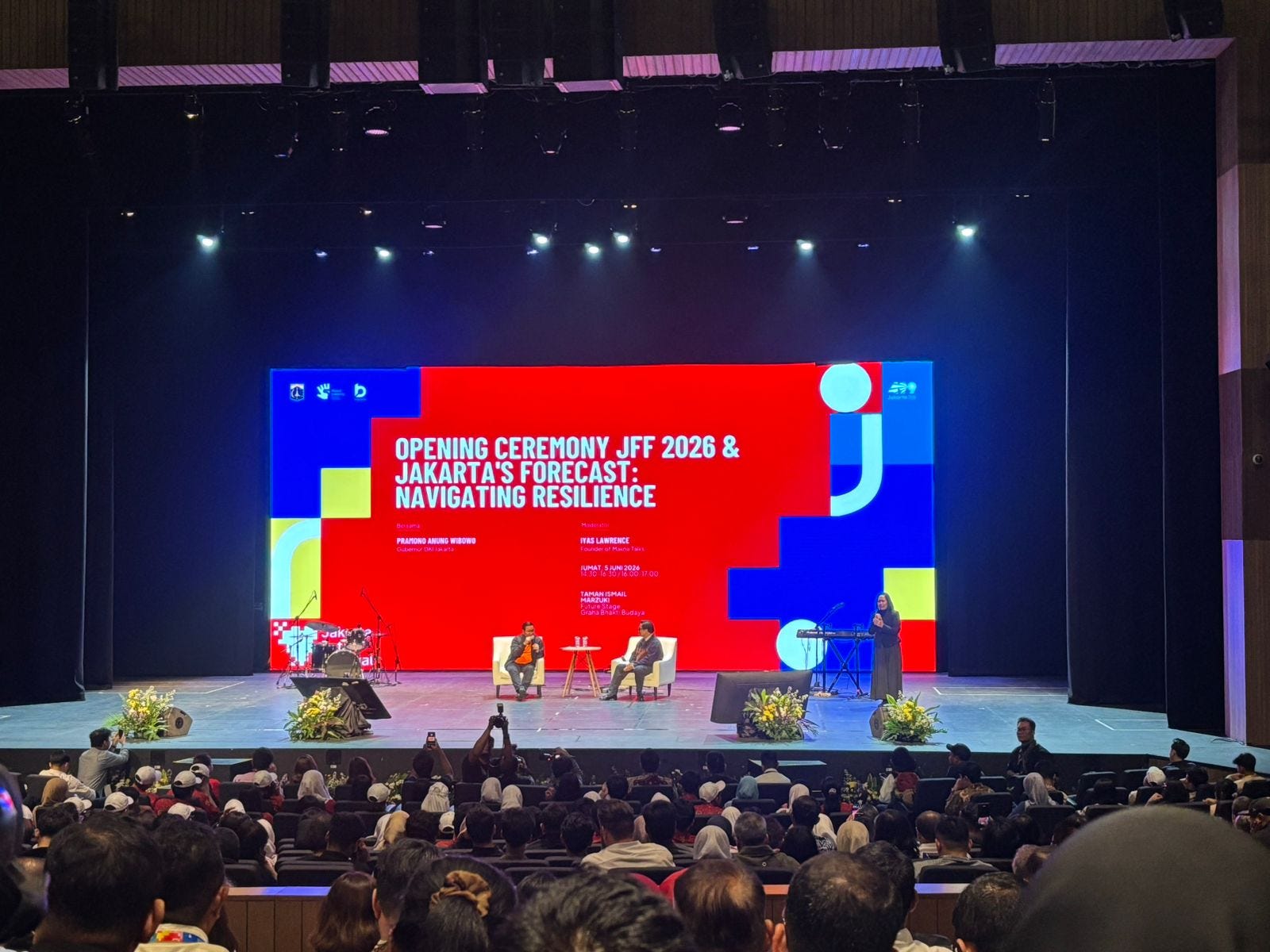
The event was officially opened by Jakarta Governor Pramono Anung at Graha Bhakti Budaya, TIM. During the opening ceremony and subsequent press engagements, organizers emphasized that resilience is no longer simply about surviving crises, but about adapting, innovating, and collaborating in response to global challenges such as geopolitical uncertainty, climate change, technological disruption, and social transformation.
Atika Nur Rahmania, Head of Bappeda DKI Jakarta: “Resilience is not merely about enduring challenges, but about how we adapt, innovate, and continue moving forward amid uncertainty.”
Bappeda Head Atika Nur Rahmania stressed that building a resilient city cannot be achieved by the government alone. Instead, it requires active participation from residents, academics, businesses, civil society organizations, and policymakers working together to shape Jakarta’s long-term future.
Over three days, the festival attracted more than 80,000 visitors and featured over 52 discussion sessions involving more than 250 speakers and moderators from Indonesia and abroad. Topics ranged from urban governance, housing, healthcare, and education to digital transformation, creative industries, sustainability, and the future of public spaces.
Beyond policy discussions, JFF 2026 featured more than ten thematic programs, including Jakarta Forecast, Urban Talks, Urban PolicyLab, Urban Workshop, Urban Study Case, Community Playground, Research and Innovation Booth, Urban Market, and Sound of the City. Public activities included free health screenings, children’s programs, community engagement initiatives, innovation showcases, and performances by leading Indonesian artists, including Kahitna, Barasuara, Yura Yunita, Endah N Rhesa, and Maliq & D’Essentials.
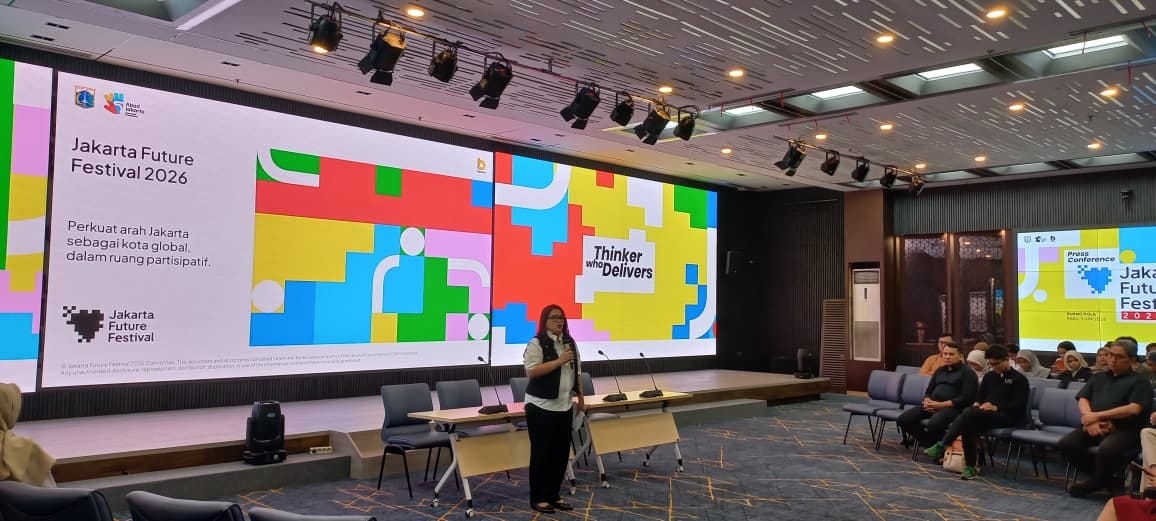
The festival forms part of Jakarta’s broader effort to strengthen its Urban Knowledge Management Ecosystem and encourage a shift from traditional top-down policymaking toward a more collaborative approach to city-building. Organizers framed the event around four key pillars: Shaping, Deliberating, Showcasing, and Engaging.
🏙️ What Is Jakarta Future Festival?
Jakarta Future Festival (JFF) is an annual public forum and innovation festival initiated by the Jakarta Provincial Government through Bappeda DKI Jakarta. The event serves as a platform for dialogue, collaboration, and knowledge-sharing among policymakers, academics, businesses, communities, and citizens on issues shaping Jakarta’s future.
The festival was launched in 2024 as part of Jakarta’s efforts to strengthen its Urban Knowledge Management Ecosystem and adopt a more participatory approach to urban development. Rather than functioning solely as a policy conference, JFF combines public discussions, exhibitions, workshops, cultural performances, and community activities to encourage broader civic engagement.
JFF was conceived against the backdrop of Jakarta’s ongoing transformation as it prepares for its post-capital era following the relocation of Indonesia’s national capital to Nusantara. The festival also supports Jakarta’s long-term vision of becoming a globally competitive, inclusive, and sustainable city ahead of its 500th anniversary in 2027.
Each edition of the festival focuses on future-oriented themes and brings together local and international stakeholders to discuss emerging challenges and opportunities related to urban governance, economic development, technology, sustainability, and social resilience.
📡 Why Is It on Our Radar?
Jakarta Future Festival reflects the city government’s growing ambition to position Jakarta as a globally connected, resilient, and future-ready metropolis.
During the opening ceremony, Governor Pramono Anung highlighted the importance of transportation, connectivity, and regional integration in supporting Jakarta’s future development.
Pramono Anung, Governor of Jakarta: “Connectivity between Jakarta and its surrounding cities has reached 93%, demonstrating the importance of regional integration in supporting mobility and economic growth.”
Key updates shared during the event included:
Regional Connectivity: Integration between Jakarta and neighboring cities—Bogor, Depok, Tangerang, and Bekasi—has reportedly reached 93%.
Affordable Public Transport: Fourteen intercity public transportation routes currently connect Jakarta with surrounding regions, with fares ranging from Rp2,000 to Rp3,500.
Regional Standing: Jakarta is currently ranked second among Southeast Asian cities and eighth in Asia for connectivity.
Future Infrastructure Projects: The provincial government plans to continue strategic transportation developments, including rail access to Jakarta International Stadium (JIS) and the expansion of mass-transit infrastructure.
These initiatives are intended to strengthen Jakarta’s role as the economic and mobility hub of the Greater Jakarta region while improving accessibility and quality of life for residents.
⚠️ Why It Matters?
As Jakarta prepares for its 500th anniversary in 2027, the city faces mounting challenges, including climate risks, urban congestion, and economic transformation and demographic change.
JFF 2026 demonstrates how Jakarta is addressing these issues through a more participatory governance model. Rather than relying solely on government-led planning, the festival encourages collaboration between policymakers, researchers, businesses, communities, and citizens.
The event also reflects a broader trend among global cities: an increasing use of public forums, innovation festivals, and civic engagement platforms to crowdsource ideas and build consensus around long-term urban development strategies.
🏙️ What Happened at the Festival?
The festival featured more than 52 sessions and discussions covering a wide range of urban issues, including:
Urban governance and public policy
Housing and sustainable development
Healthcare and education
Digital transformation and artificial intelligence
Creative economy and cultural industries
Climate resilience and environmental sustainability
Public spaces and community engagement
More than 250 speakers and moderators participated, representing government institutions, academia, industry, civil society organizations, and international partners.
🎭 Beyond Policy Discussions
Unlike traditional policy conferences, JFF 2026 combined public engagement with policy dialogue.
Visitors could participate in:
JFF for Kids
Free health screening services
Community-led activities
Research and innovation exhibitions
Urban Market showcases
Cultural and music performances through the Sound of the City program
The entertainment lineup featured prominent Indonesian musicians, including Kahitna, Barasuara, Yura Yunita, Endah N Rhesa, and Maliq & D’Essentials, helping attract broader public participation beyond policy and academic circles.
🏡 Why This Hits Home?
Jakarta is home to more than 10 million residents and serves as the center of a metropolitan region of over 30 million people. Decisions made today regarding transportation, housing, climate adaptation, public services, and economic development will shape the city’s future for decades.
By bringing together government officials, experts, businesses, and ordinary citizens in a single forum, Jakarta Future Festival seeks to foster a shared conversation about what Jakarta should look like in the next century.
The festival also signals the city government's effort to make urban planning more transparent, inclusive, and responsive to public aspirations.
📌 The Bottom Line
Jakarta Future Festival 2026 was more than a public event—it was a large-scale experiment in collaborative city-making.
With more than 80,000 visitors, 500 collaborators, and 250 speakers, the festival showcased Jakarta’s ambition to become a more resilient, connected, and globally competitive city ahead of its 500th anniversary.
While festivals alone cannot solve complex urban challenges, JFF demonstrates how Jakarta is combining policy innovation, public participation, and knowledge-sharing into a single platform to shape the city’s future.
As Jakarta looks toward 2027 and beyond, the success of that vision will depend not only on infrastructure projects and government policies, but also on how effectively the city can engage its residents in building a more inclusive and resilient urban future.
(JUN/FRD/QOB)