



🎯 The Main Takeaway
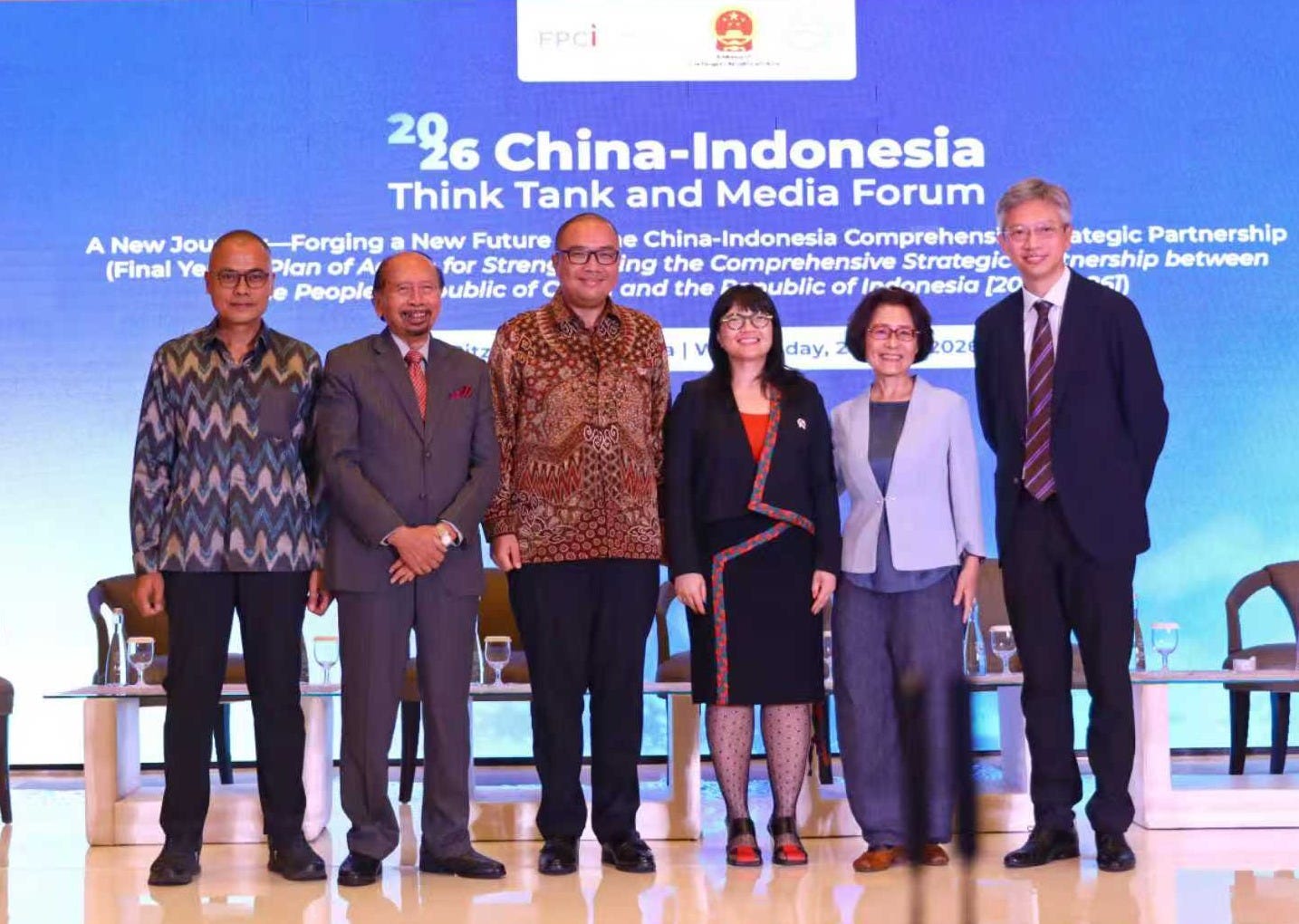
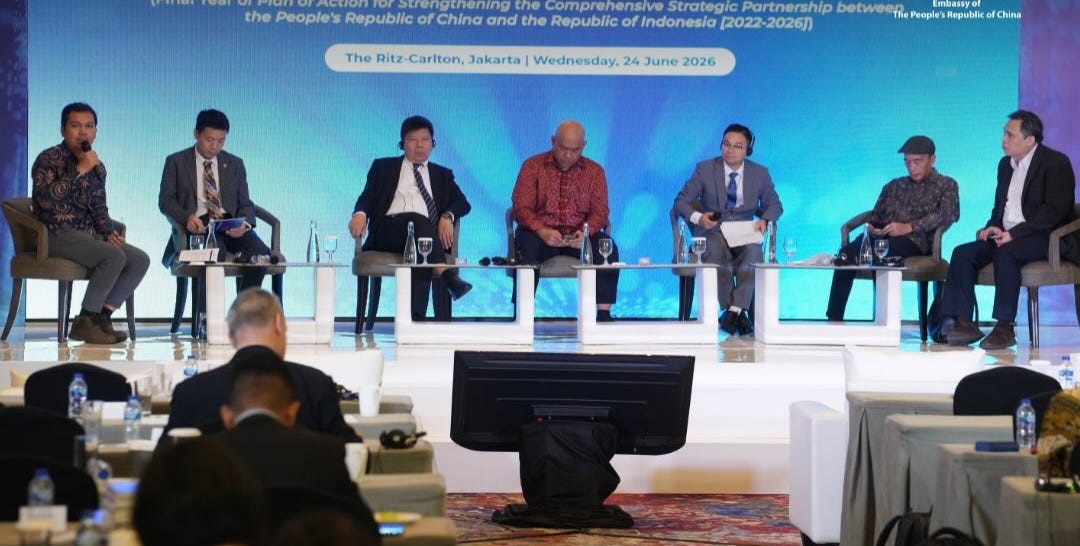
On 24 June 2026, diplomats, policymakers, and academics gathered in Jakarta for the China-Indonesia Think Tank and Media Forum, co-hosted by the Foreign Policy Community of Indonesia (FPCI), the Chinese Embassy, and the China Public Diplomacy Association (CPDA). Key speakers included Vice Minister Prof. Stella Christie and Ambassador Wang Lutong, who emphasised a strategic shift toward human capital development as the next pillar of bilateral cooperation.
To bridge the gap between large-scale investment and domestic capability, Indonesia is pursuing industry-matched vocational education and the “Sekolah Garuda” talent pipeline—with China offering 50 scholarships to top Indonesian students at elite universities, including Tsinghua.
Currently, 1,146 active academic agreements exist between Indonesian and Chinese institutions, providing a solid foundation for sustainable growth.
Read more: Russia's deepening partnership with Indonesia.
📡 Why It’s on Our Radar
This forum signals a fundamental shift in the China-Indonesia relationship—moving beyond infrastructure and raw materials toward human capital development, technology transfer, and shared regional governance. For Southeast Asia, the partnership offers a potential blueprint for South-South cooperation, balancing economic growth with ASEAN Centrality.
The emphasis on vocational education aligned with industrial needs and direct scholarship pathways reflects Indonesia’s push for economic sovereignty. Meanwhile, media cooperation and party-to-party dialogue suggest an expanding relationship that touches politics, security, and information flows—with implications for the broader region.
As Indonesia navigates great power competition, how it manages this partnership will influence ASEAN’s collective posture toward China. The forum’s outcomes will likely shape investment patterns, educational exchanges, and diplomatic alignment across Southeast Asia in the coming years.
💸 The Evolution of Economic Cooperation
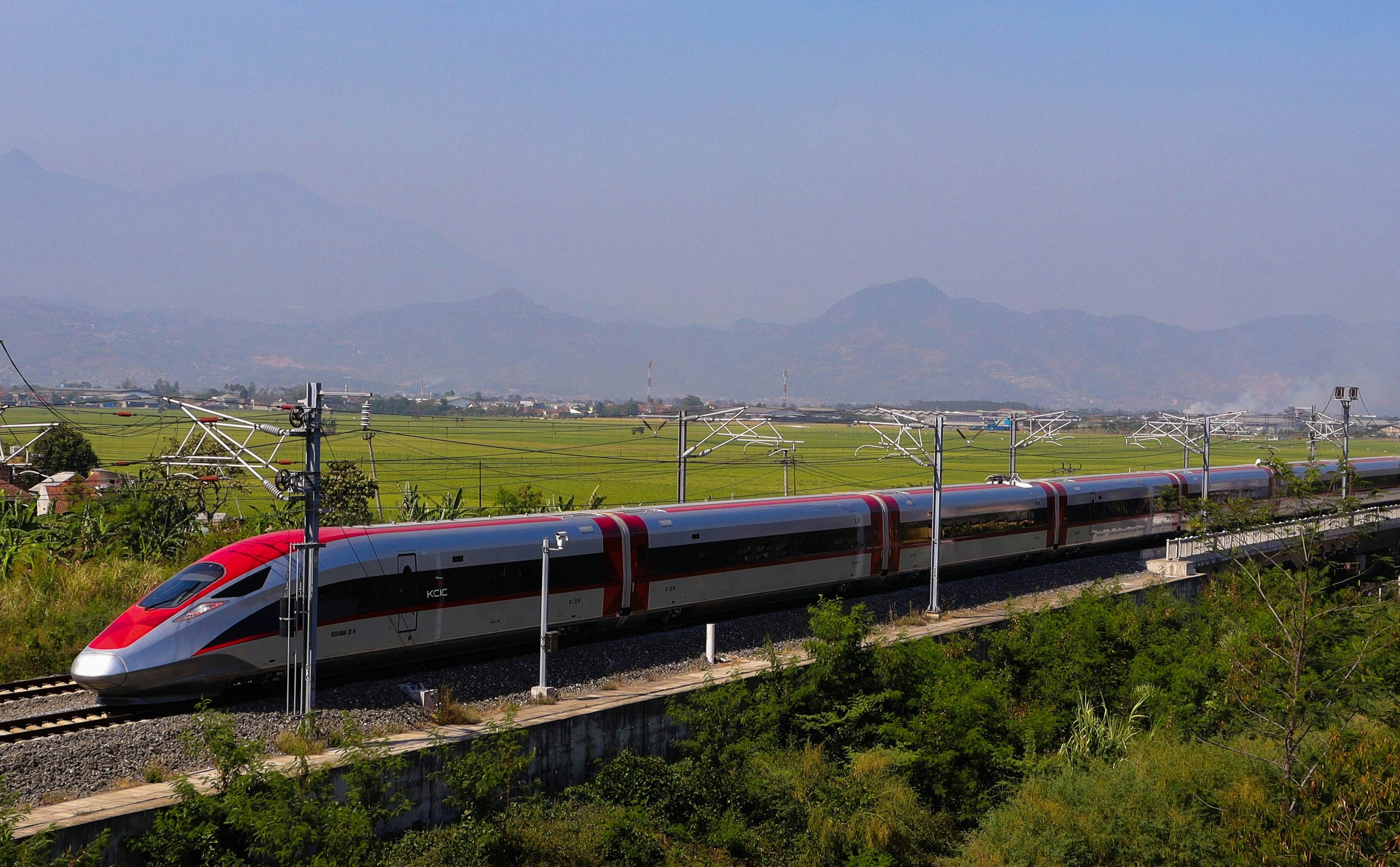
While the Jakarta-Bandung High-Speed Railway remains the pioneer of China-Indonesia relations, speakers emphasised that the economic relationship must evolve. Over the past two years, cooperation has expanded beyond raw mineral processing into energy transition (green economy), food security, maritime development, and digital technology.
However, Indonesian delegates raised persistent friction over value chains. While Chinese commerce has traditionally focused on raw imports, Indonesia is strongly advocating for a partnership of equals.
Indonesia expects future investments to prioritise local manufacturing and protect its economic sovereignty. To achieve a win-win solution, both sides agreed to lean into massive university-industry partnerships, taking a page out of China’s book, where tech and innovation hubs now drive 13.4% of its GDP.
🤝 Political and Geopolitical Alignment
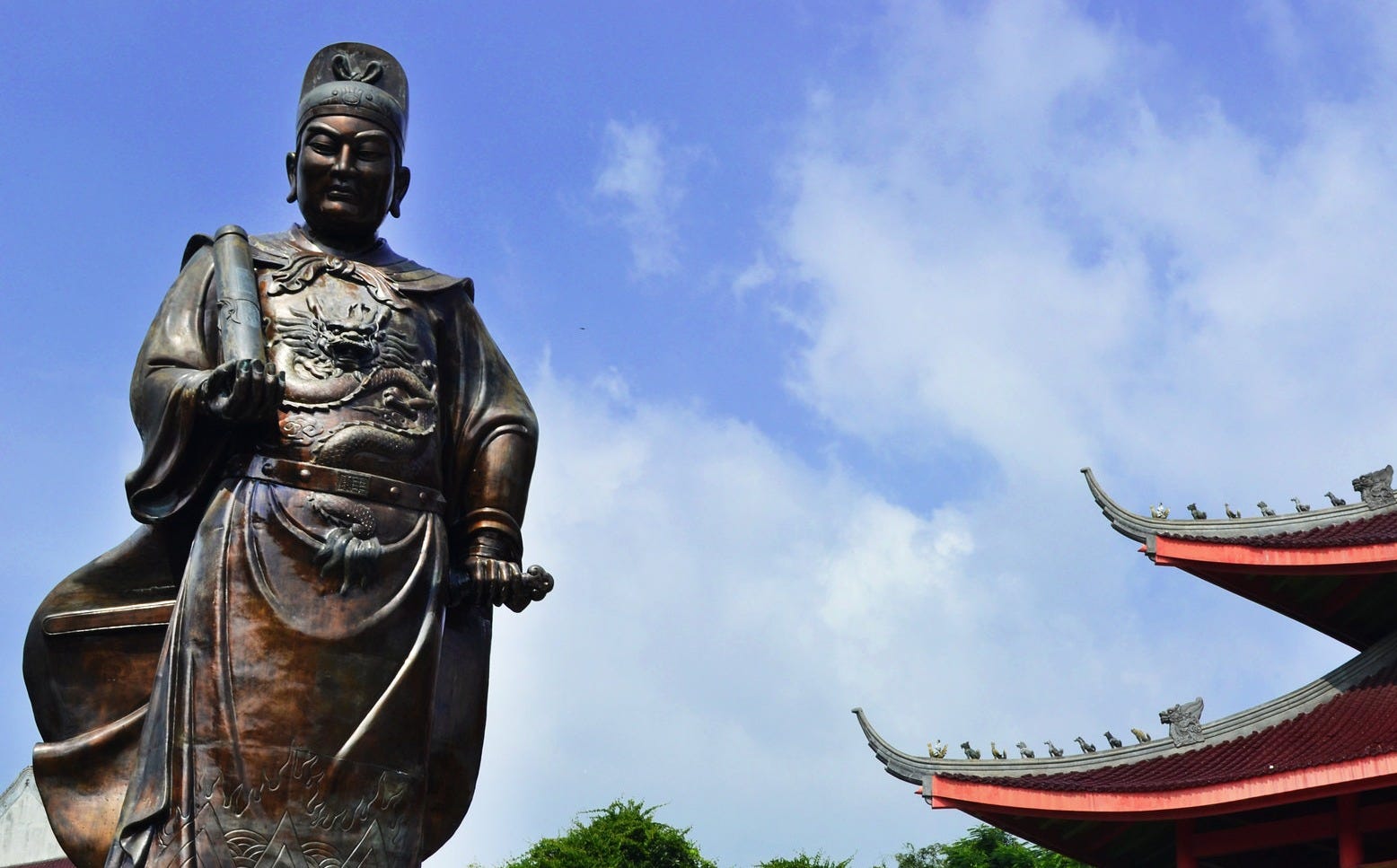
The forum looked back at a long history of connection, pointing to the ancient Maritime Silk Road, the Spice Routes, and Admiral Zheng He’s historic expeditions. Because both nations share the history of overthrowing colonial rule, they have mutual respect for each other’s independence. Speakers noted that their shared values resemble Indonesia’s own motto: Bhinneka Tunggal Ika—Unity in Diversity.
Key agreements include:
Party-to-Party Dialogue: The Communist Party of China (CPC) maintains active institutional dialogue mechanisms with major Indonesian political parties, including PDIP and Gerindra. These dialogues are strictly oriented toward “public service”—focusing on poverty reduction and anti-corruption strategies.
Comprehensive Security: Cooperation has matured to include joint efforts in ecological preservation, green energy development, traditional military security (defense equipment/alutsista), and anti-terrorism.
Global South Leadership: The partnership aims to serve as a blueprint for South-South cooperation, actively consolidating ASEAN Centrality amid shifting regional dynamics.
📰 Media Cooperation: Beyond News Coverage
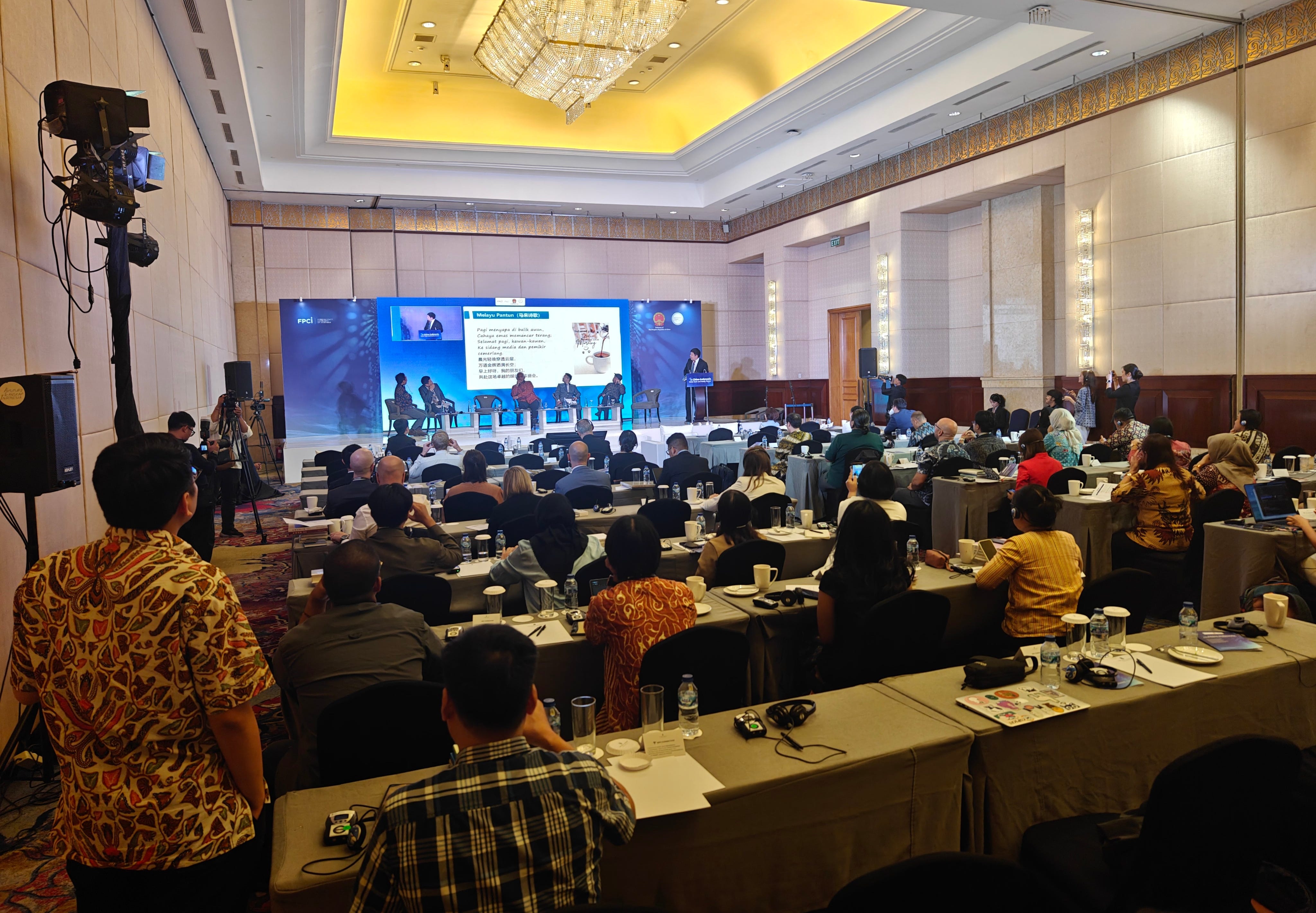
Media cooperation is central to the evolving partnership. Chinese Ambassador Wang Lutong described the media as a “communication bridge” between societies, essential for reducing misunderstandings and building trust. This can be achieved through journalist exchanges, content collaboration, fact-checking, and institutional partnerships.
Veteran journalist Bambang Harymurti added that the dominance of Western narratives in international news is weakening, creating space for Asian media to present regional perspectives. The goal is not to replace one narrative with another but to foster a greater diversity of accurate, fact-based reporting.
The expansion of cooperation between Indonesian and Chinese media organisations through joint coverage projects, journalist training, and regular dialogues has become essential in line with deepening bilateral ties.
🤝 ASEAN Centrality and Regional Stability

Stronger Indonesia-China ties should reinforce ASEAN’s centrality, not undermine it. ASEAN remains the main platform for dialogue and conflict management in the Indo-Pacific, with Indonesia playing a key role in maintaining this strategic position.
China supports ASEAN’s central role and views Indonesia as a vital partner for peace, stability, and inclusive development. Bilateral cooperation must align with broader regional priorities: economic resilience, connectivity, green development, and maritime cooperation.
Rather than framing the partnership through great power competition, both sides should focus on collaboration that benefits the entire region and creates shared opportunities for all ASEAN member states.
🏡 Why This Hits Home
Indonesia’s relationship with China is entering a new phase. Infrastructure projects marked the first stage; future cooperation will focus on education, technology, and talent development. For Indonesia, the challenge is to ensure this partnership builds long-term domestic capability, not just attracts investment.
As Southeast Asia’s geopolitical landscape grows more complex, Indonesia can leverage its strategic position to strengthen ASEAN Centrality while deepening ties with key partners. Balancing economic growth with regional stability will remain a top priority.
🔮 The Bottom Line
The 2026 forum marks a fundamental shift in the bilateral relationship—away from a reliance on hard infrastructure and raw material exports toward human capital, high-tech manufacturing, and shared regional governance.
Indonesia’s core objective is to convert Chinese investment and academic opportunities into lasting domestic capability and economic sovereignty. The challenge is to ensure this alliance strengthens, rather than compromises, ASEAN stability.
(AKO/DHM/ELS)
I rode twice on the WOOSH Train, and it is a flagship project of Indonesia-China cooperation, the Jakarta-Bandung High-Speed Railway symbolizes not only past achievement but also the promise of future collaboration across technology, education, and sustainable development. But, while there last November of 2025, Indonesia was refusing to help finance the lagging sales of rides on a system that had mostly tourists riding from Jakarta to Bandung and back and not commuters that it was designed for. Fast, smooth ride but stopped short of both Jakarta downtown or airport and the Bandung airport was still a 45-minute ride to the city center. Without going to where commuters want to go to, it is just a novelty ride that the Indonesian Government does not want to subsidize since the Chinese said it would be self-sustaining like in China, but in China, it is sustained by packed ridership to town centers everywhere.
What also comes to mind is the exclusion of any persons, of Chinese Descent, from political office, judicial roles or military service in the Government active employee roles. This has been the case since the 1963 Communist China "instigated" uprising of the Indonesian communist party that did not represent all Chinese residents but was blamed on all of them and still has government influence 63 years later in the segregation from public service. The hatred of the Chinese population reared its ugly head in 1998 again with looting and burning of Chinese business and homes that led to a large migration of Chinese ethnicity Indonesians to other countries to flee the violence.