



🎯 The Main Takeaway
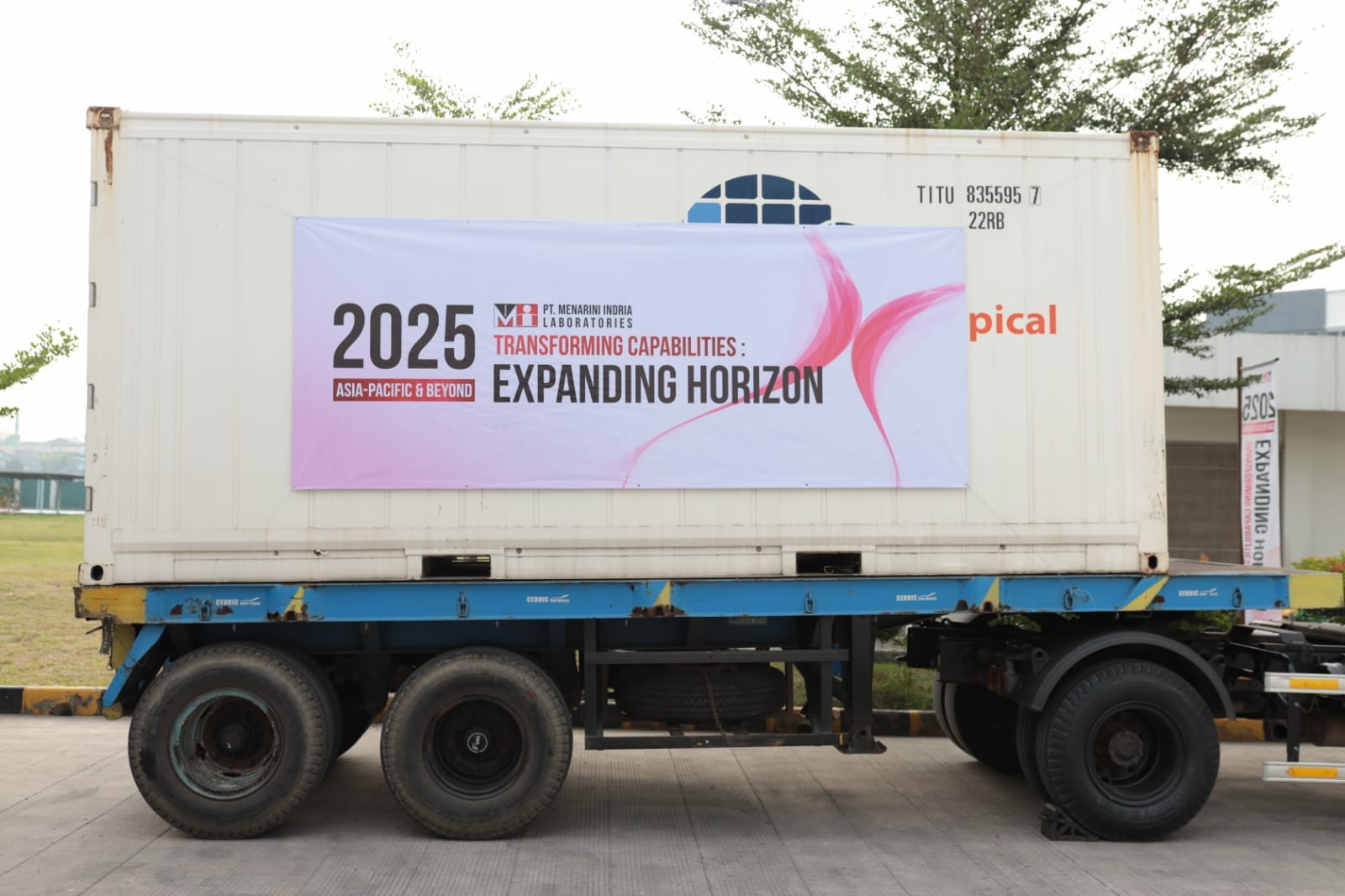
PT Menarini Indria Laboratories (MiLab) has begun exporting Dermatix products to China, its 12th international market, with shipments projected to reach nearly 700,000 units by the end of 2025.
🔎 Why It’s on Our Radar
China is among the world’s most tightly regulated and competitive pharmaceutical markets.
Indonesia’s entry—through a locally manufactured dermatology product—signals growing confidence in domestic production standards, quality control, and regulatory compliance.
⚖️ What’s at Stake
If sustained, pharmaceutical exports could:
Strengthen Indonesia’s trade balance
Support higher-value manufacturing jobs
Position Indonesia more clearly as a regional production hub, not just a consumer market
But long-term gains depend on scaling capacity, supply chain resilience, and regulatory consistency.
📸 The Big Picture
Based in Cikarang, West Java, MiLab shipped its first container of Dermatix Ultra and Dermatix Ultra Kids to China on 4 December 2025.
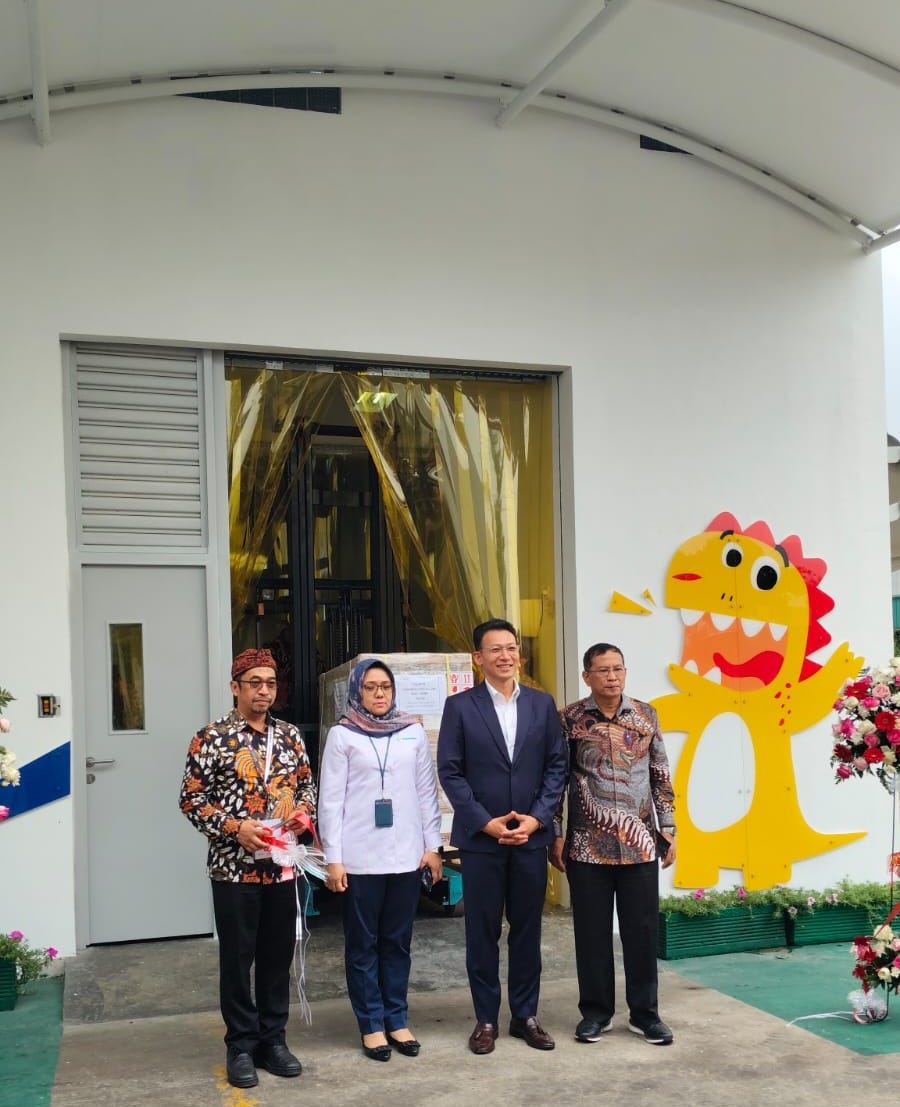
The export launch was attended by officials from the Ministry of Investment/BKPM and the Ministry of Health, reflecting close coordination between industry and government.
China now joins MiLab’s export destinations, which include South Korea, Singapore, Australia, Hong Kong, Taiwan, Vietnam, and several Southeast Asian markets.
By 2030, the company projects annual exports of 9.3 million units, with total production capacity expected to reach 14 million units.
❤️ Why This Hits Home
Pharmaceutical exports represent more than commercial growth.
They reflect a gradual shift in Indonesia’s role—from importer and end-market toward producer and supplier, with potential spillovers for skills development, local suppliers, and health-industry resilience.
📰 Beyond the Headlines
MiLab has expanded its Cikarang facilities, adding warehousing and upgrading production lines to improve efficiency.
The plant holds ISO 14001, ISO 45001, and ISO 50001 certifications, covering environmental, safety, and energy management standards.
President Director Idham Hamzah noted that production began in 2020, scaled domestically in 2022, and entered export markets in 2023—starting with South Korea, one of the world’s most regulated dermatology markets.
BKPM continues to promote a triple-helix model (government–industry–academia) to support innovation and downstream growth.
President Director Idham Hamzah said production began in Indonesia in 2020, scaled up for domestic demand in 2022, and entered export markets in 2023 — starting with South Korea, one of the world’s most tightly regulated dermatology markets.
Saribua Siahaan, Director of Investment Promotion for Southeast Asia, Australia, New Zealand, and the Pacific at the Ministry of Investment and Downstream Industry/BKPM, said the government is promoting the Triple helix model—a collaboration between government, industry, and academia—to drive innovation and Indonesia’s economic growth.
In addition, the government continues to provide the golden visa facility. This golden visa can be obtained as long as the investment value exceeds USD 2.5 billion. However, it should be noted that the golden visa is designed to position Indonesia as a second home.
🌏 The Regional Stakes
As Indonesia expands pharmaceutical manufacturing, it could help rebalance Southeast Asia’s supply chains, reducing dependence on imports and strengthening regional health security—if scale, inputs, and logistics keep pace.
🚧 What’s Holding the Industry Back
Structural constraints remain:
Heavy reliance on imported active pharmaceutical ingredients (APIs)
Logistics challenges for time-sensitive medical products
Regulatory incentives that are still complex and uneven
To address these, the government is prioritizing domestic API development, simplifying licensing, and streamlining approval pathways for locally sourced inputs.
⏳ Why This Matters Now
With foreign direct investment reaching US$14.39 billion in Q1 2025 and industrial reforms accelerating, pharmaceuticals are emerging at the intersection of industrial policy, health security, and export strategy.
In this space, execution matters as much as ambition.
(VBD/QOB)