



🎯 The Main Takeaway
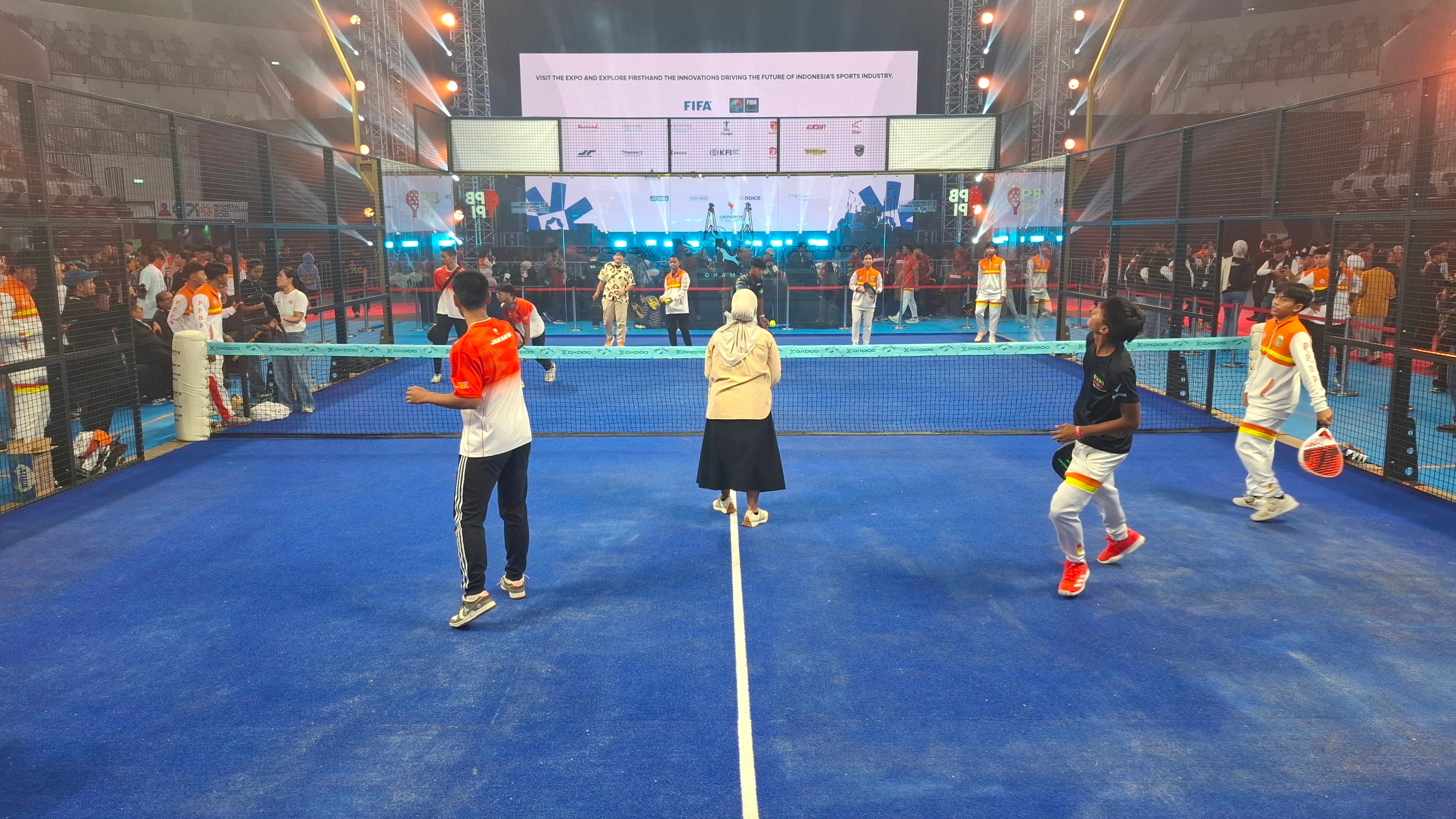
Indonesia hosted the Indonesia Sports Summit (ISS) 2025 on 6–7 December at Indonesia Arena, Jakarta — gathering 20 speakers and 100 partners from government, industry, and sports to map the country’s sports and sports-tourism strategy.
The goal: align stakeholders and push Indonesia’s sports sector from informal enthusiasm to structured economic growth.
🔍 Why It’s on Our Radar
Global trends are creating a high-value moment for sports and tourism:
Sports industry
Worth USD 521B in 2024, half from event revenues. (Morgan Stanley)
Growing 8% per year, with potential to hit 25% annually with tech/AI adoption.
Sports tourism
Worth USD 618.7B in 2024, rising to USD 2.09T by 2032. (Fortune Business Insight)
Driven by tournaments, digital booking, and social media travel culture.
Fan mobility
44% of sports fans travel internationally, mostly aged 16–34, spending USD 1,500+ per trip. (Expedia)
Translation: this is big money, young audience, and cross-border engagement.
⚠️ Why It Matters
Indonesia is not yet capturing the global sports boom:
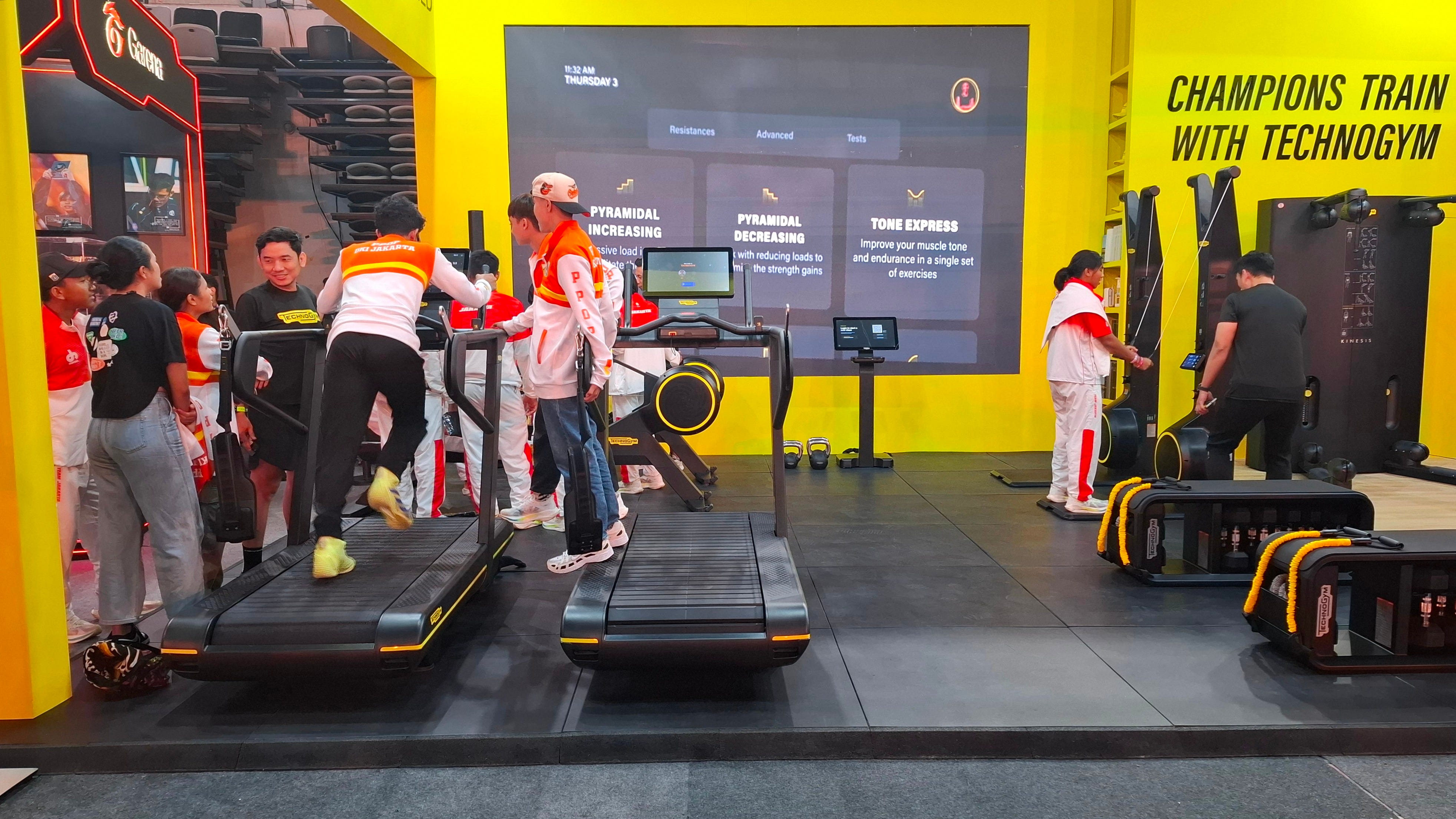
Sports industry grew from IDR 37.3T to IDR 39.4T in 2024
(~0.19% of GDP), driven by merch, events, travel, venues.Sports tourism reached IDR 18.8T from events like Marathons, MotoGP, and F1 Powerboat.
For a country of 280M people, those numbers are small — but growing fast.
❤️ Why This Hits Home
Indonesia has structural advantages others would love:
🇮🇩 280M people — 40% of ASEAN’s population.
💰 Targeting 8% GDP growth by 2029.
🏢 56M MSMEs, with 128 exporting sports equipment globally.
🛒 Government sees sports spending = stronger domestic demand.
But scale requires coordination, investment, and local production.
⚖️ What’s at Stake
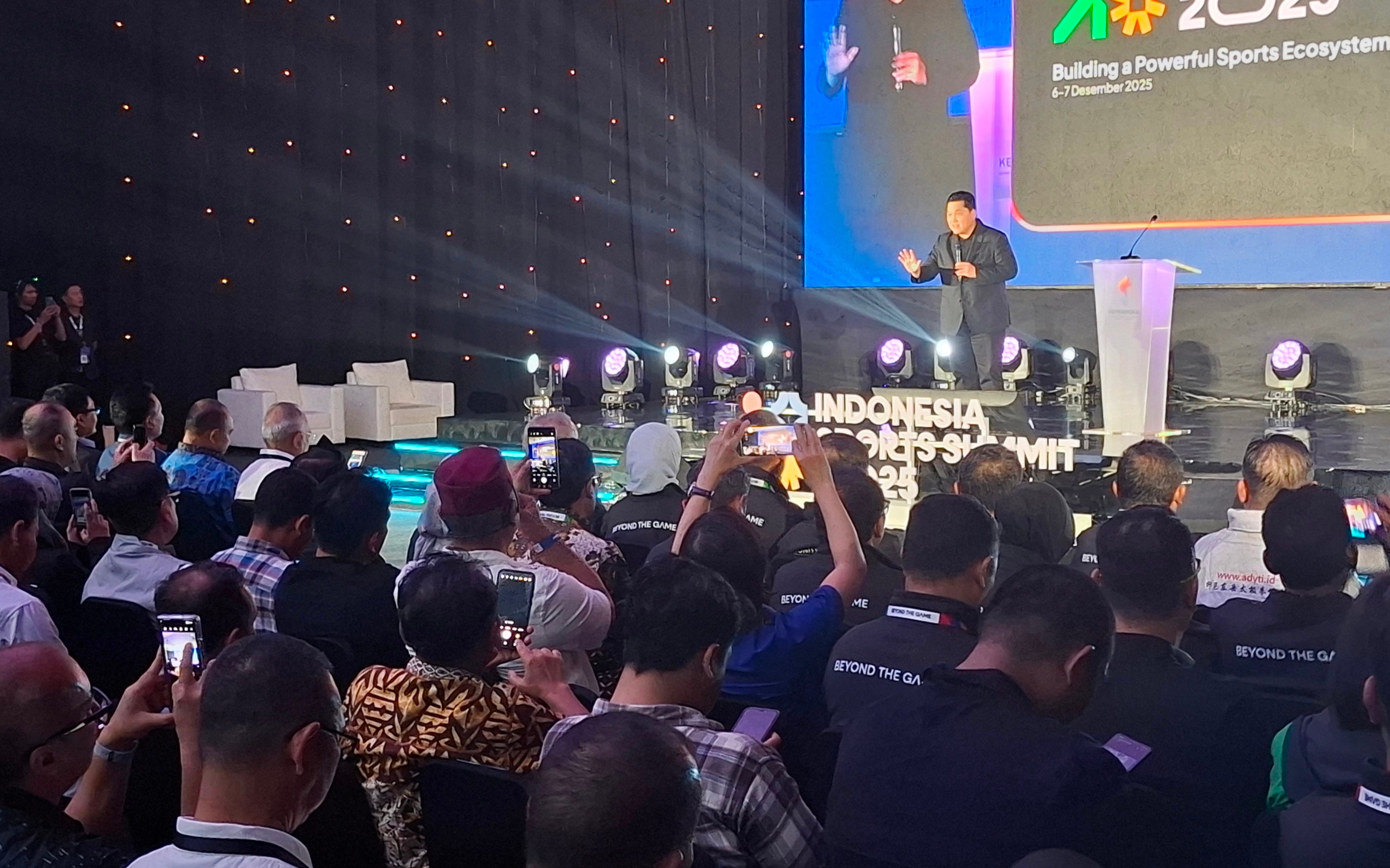
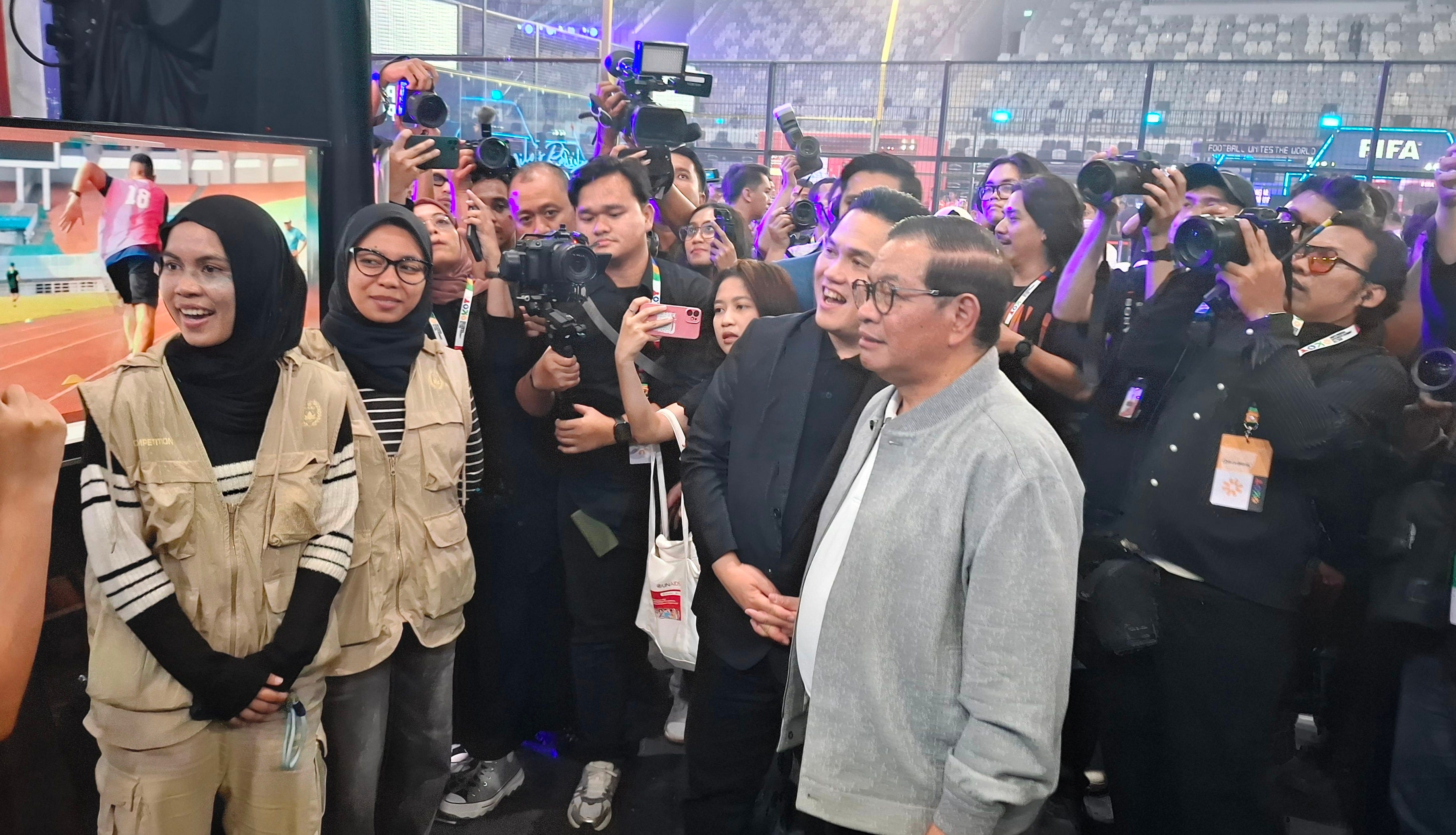
Minister Erick Thohir outlined a multi-stakeholder playbook:
Central gov’t: maintain facilities, support training, invest in priority sports.
Local gov’t: revitalise venues, host events, improve transport, use creative financing.
Policymakers: simplify rules, ensure transparency, reduce corruption risk.
Private sector: invest, co-develop facilities, expand factories and jobs.
Athletes: grow skills to compete globally.
Public: participate, support events, maintain facilities.
Schools: offer up to 4 priority sports for athlete development.
“Regional and central government assets that are not being fully utilized can be partnered with the private sector or sports clubs, ensuring proper maintenance, and if there is profit, it can be shared. At the same time, the government must spend wisely and efficiently, but we also hope to attract investment from the private sector, communities, or anyone else, which will eventually boost public consumption.”
~Erick Thohir, Minister of Youth and Sport~
📸 The Big Picture
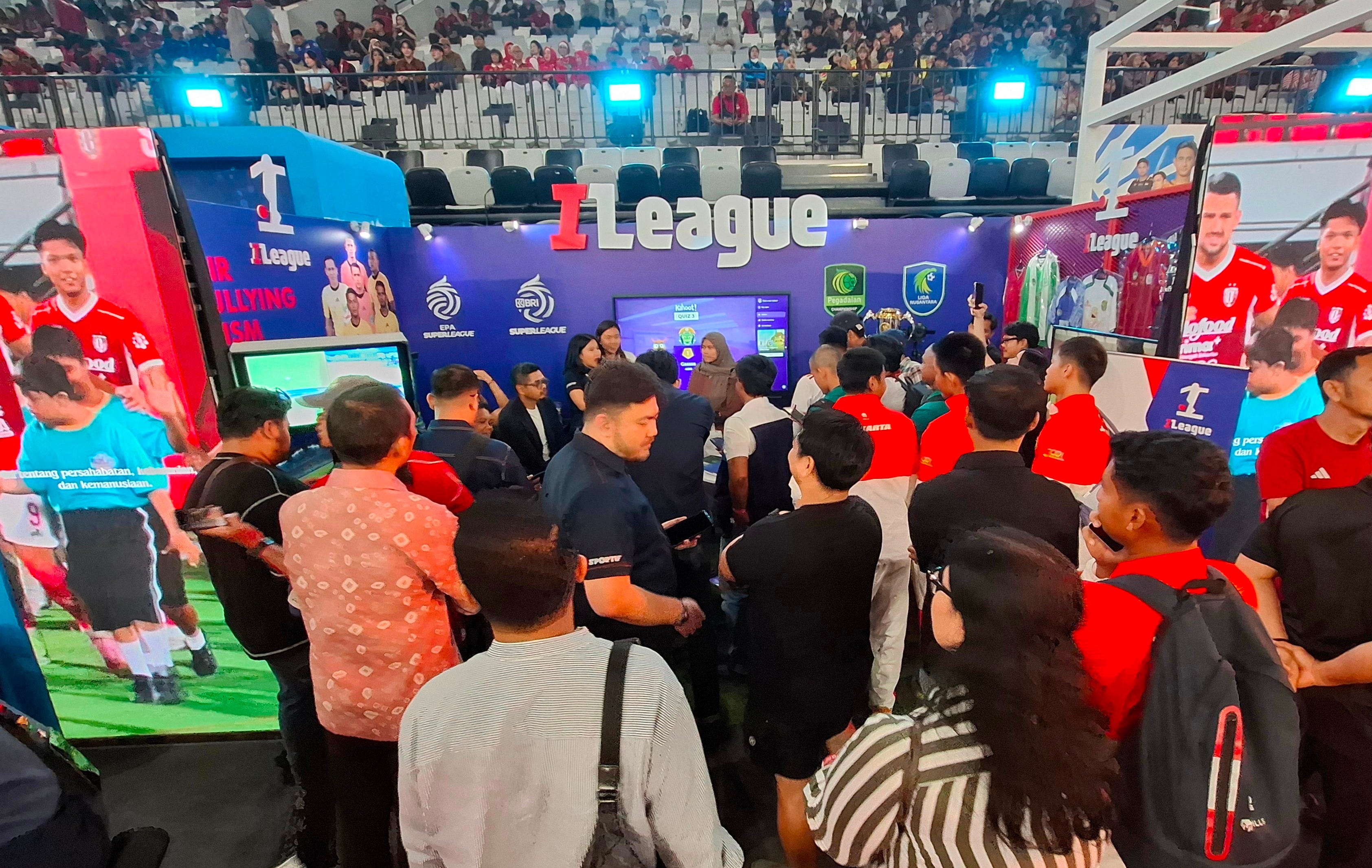
ISS 2025 showcased:
Panel discussions
Industry exhibitions
Sports fashion shows
Jakarta Governor Pramono Anung signalled readiness to host more global events and revitalise parks and stadiums.
Targets:
40,000 runners by 2026
50,000 runners by 2027
Bigger prizes, more tourism, higher MSME spend
“If this collaboration works, Jakarta’s sports scene will become more vibrant. So I invite any international sports events that can support Jakarta’s development and bring financial benefits, to use Jakarta as their host.”
~Pramono Anung, Governor of Jakarta~
🏆 What Indonesia Wants to Achieve
Government targets include:
📜 Cut Youth and Sports Ministry policies from 191 → 4
📈 Boost GDP by 0.75% per year
💸 Reduce inflation by 0.6%
🏆 Improve competitiveness in sports and tourism
Translation: fewer rules, more spending, faster growth.
🌏 Regional Lens
ASEAN is turning sports + tourism into economic engines — at different levels of maturity:
🇸🇬 Singapore: 16.5M tourists, USD 23B revenue, F1 + global events.
🇹🇭 Thailand: 35.5M tourists, USD 48.4B revenue, hosting SEA Games in Dec.
🇲🇾 Malaysia: 37.9M visitors, USD 26B tourism, USD 37.7M sports tourism.
🇻🇳 Vietnam: 17.5M visitors, USD 33B revenue, major international events.
🇵🇭 Philippines: 6M visitors, USD 13.1B revenue, expanding event calendar.
🇧🇳 Brunei, 🇰🇭 Cambodia, 🇱🇦 Laos: small but active in marathons and niche events.
🇲🇲 Myanmar, 🇹🇱 Timor Leste: limited capacity due to instability and data gaps.
Insight: Region is investing — but Indonesia is not yet a leader.
🧭 Beyond the Headlines
Indonesia is hosting big sports events — and attracting big capital from sports:
MotoGP Mandalika 2024
121,000 spectators, IDR 4.8T (~USD 288M)
F1 Powerboat 2024
70,000 spectators, IDR 2T (~USD 120M)
Football investments
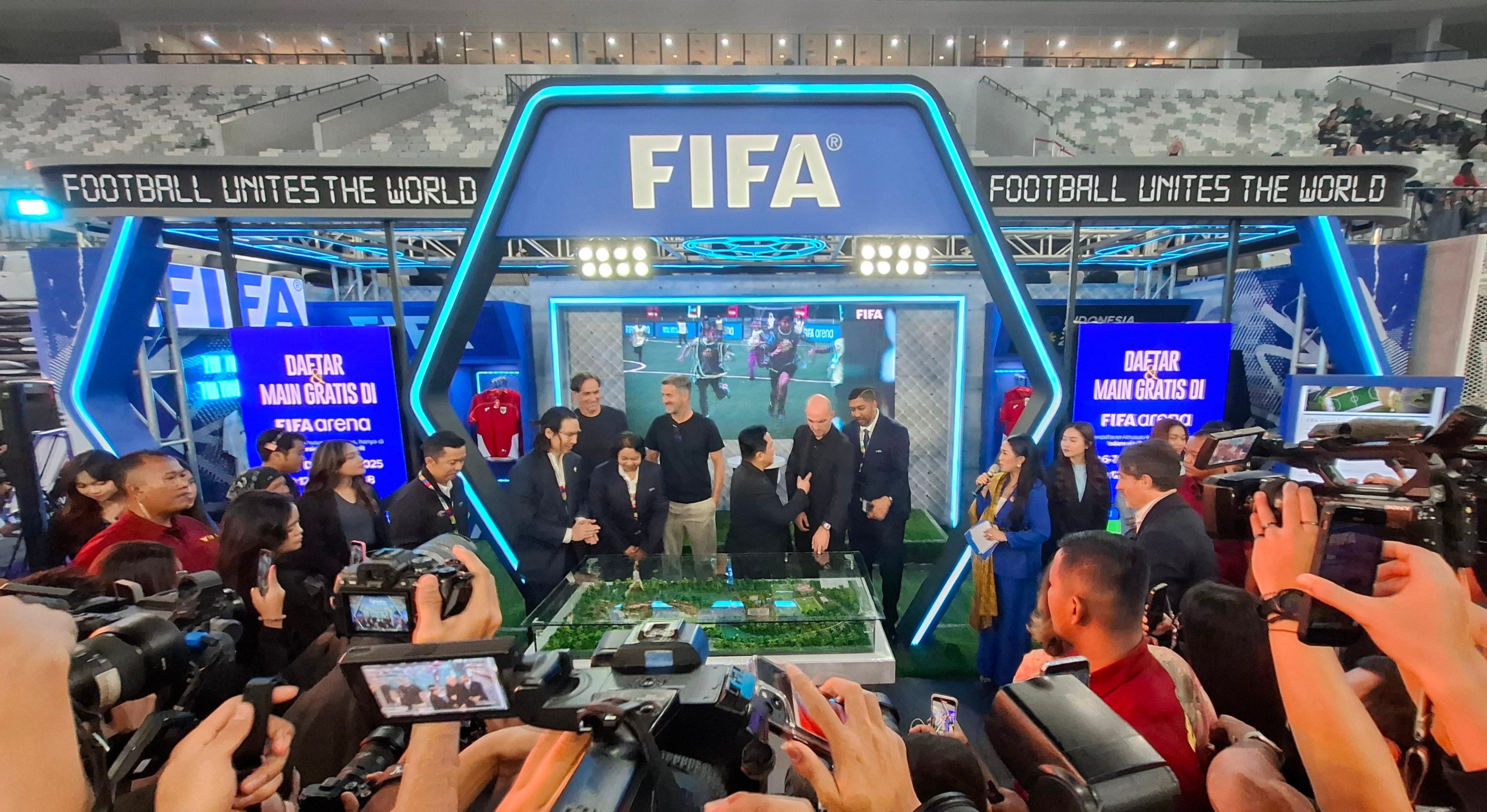
FIFA funded IDR 85.6B (~USD 5M) to build a National Training Center in Nusantara.
FIFA + Saudi Fund for Development committed USD 1B in 2025 to develop stadiums nationwide.
Industrial performance
Exports: USD 275M (2024), surplus USD 51M
Main markets: US, South Korea, Japan, Netherlands
🧾 The Bottom Line
Indonesia’s sports economy is small but accelerating — with huge upside if:
Policy is simplified
Investment flows
Local manufacturing scales
Cities modernise
Athletes deliver
The opportunity is not just national pride — it’s jobs, industry, and tourism revenue.
Need More Angles?
Data Bridge Market Research Singapore Sports Apparel Market to 2032
ISN TECH & BUSINESS INSIGHT An Overview of E-Sports Industry in Malaysia
Lao News Agency Laos Tourism Boom Surpasses Expectations in 2024
Ministry of Primary Resources and Tourism Brunei Tourism Performance Report 2024
Morgan Stanley The Sports Industry’s $130 Billion Ticket
Research and Market Sports Tourism Market Report 2025
Tourism Malaysia Malaysia Tourism Statistics in Brief 2024
(NGO/ELS)