



🎯 The Main Takeaway
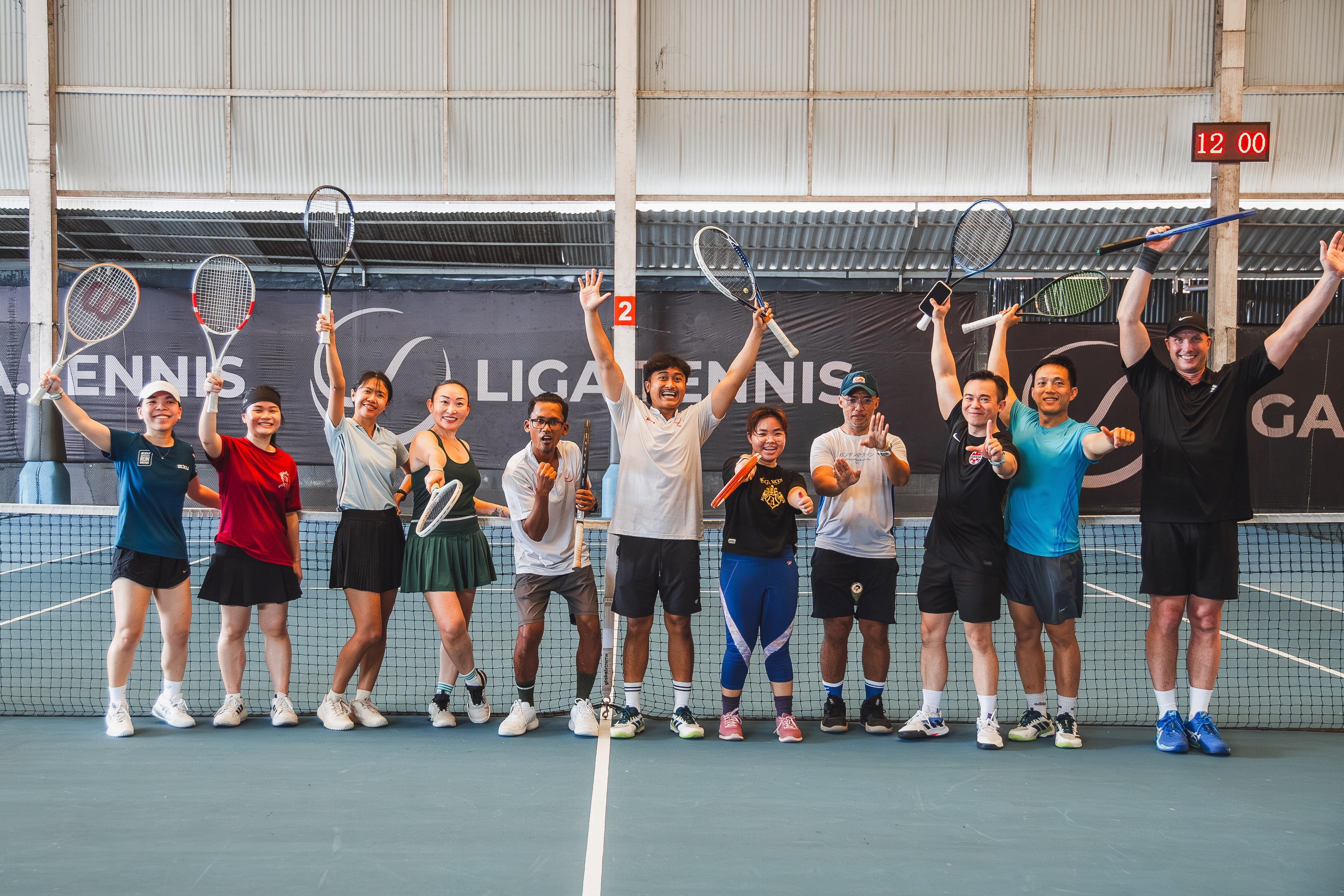
Indonesia is experiencing a significant boom in racquet sports, driven by rising popularity of padel and pickleball alongside established tennis. According to a comprehensive report by sports network platform Liga.Tennis, which analyzed real-user behavior from eight operating clubs across January to December 2025, racquet sports now attract a diverse, young and increasingly international participant base. Bali has emerged as a key epicentre for padel growth, fuelled by the island’s middle-to-upper class, productive-age population and status as a global tourism destination.
“We are seeing a significant shift in sports participation patterns, where community-based activities and social experiences are becoming increasingly dominant.”
— Dima Shcherbakov, Founder of Liga.Tennis
📡 Why It’s on Our Radar
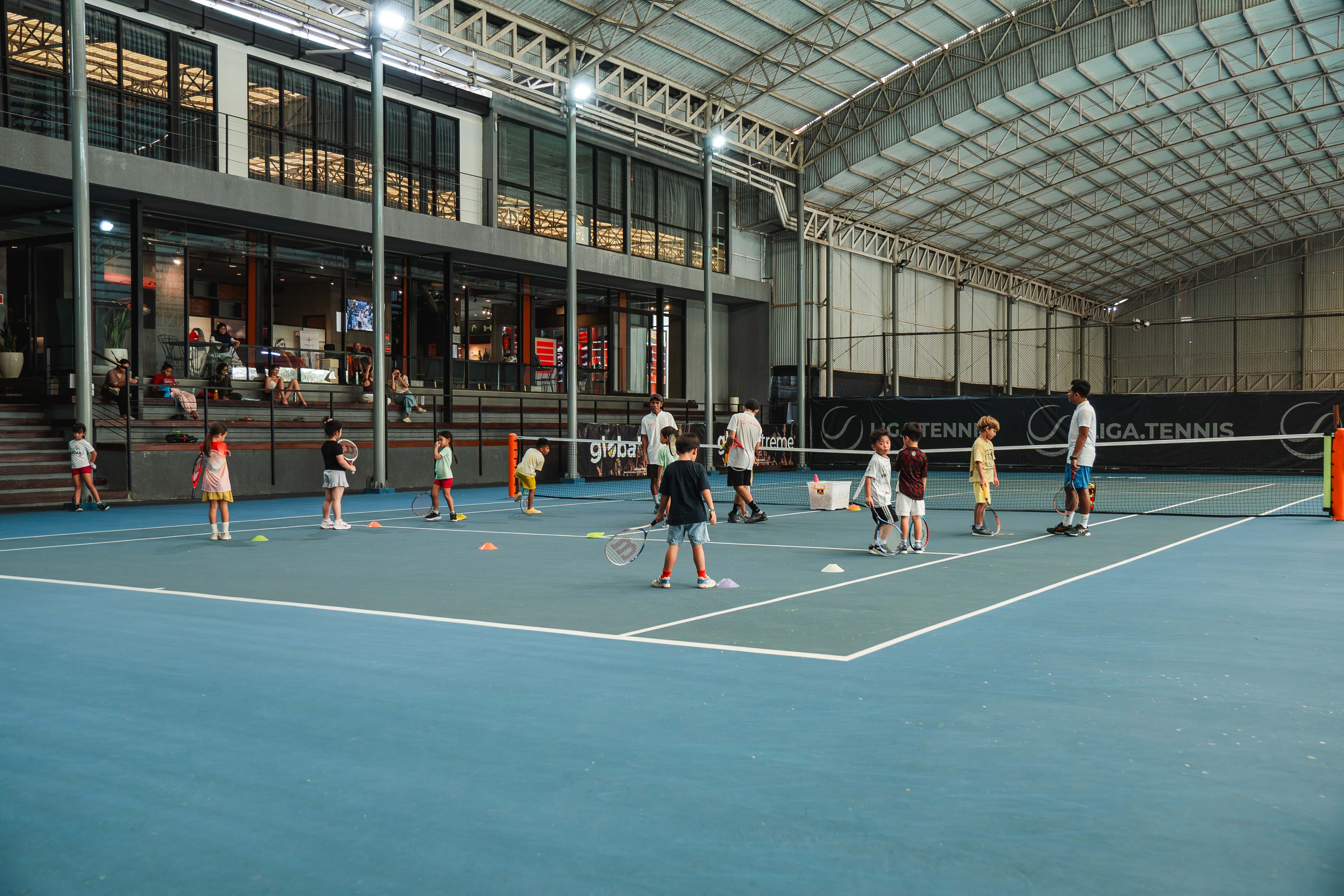
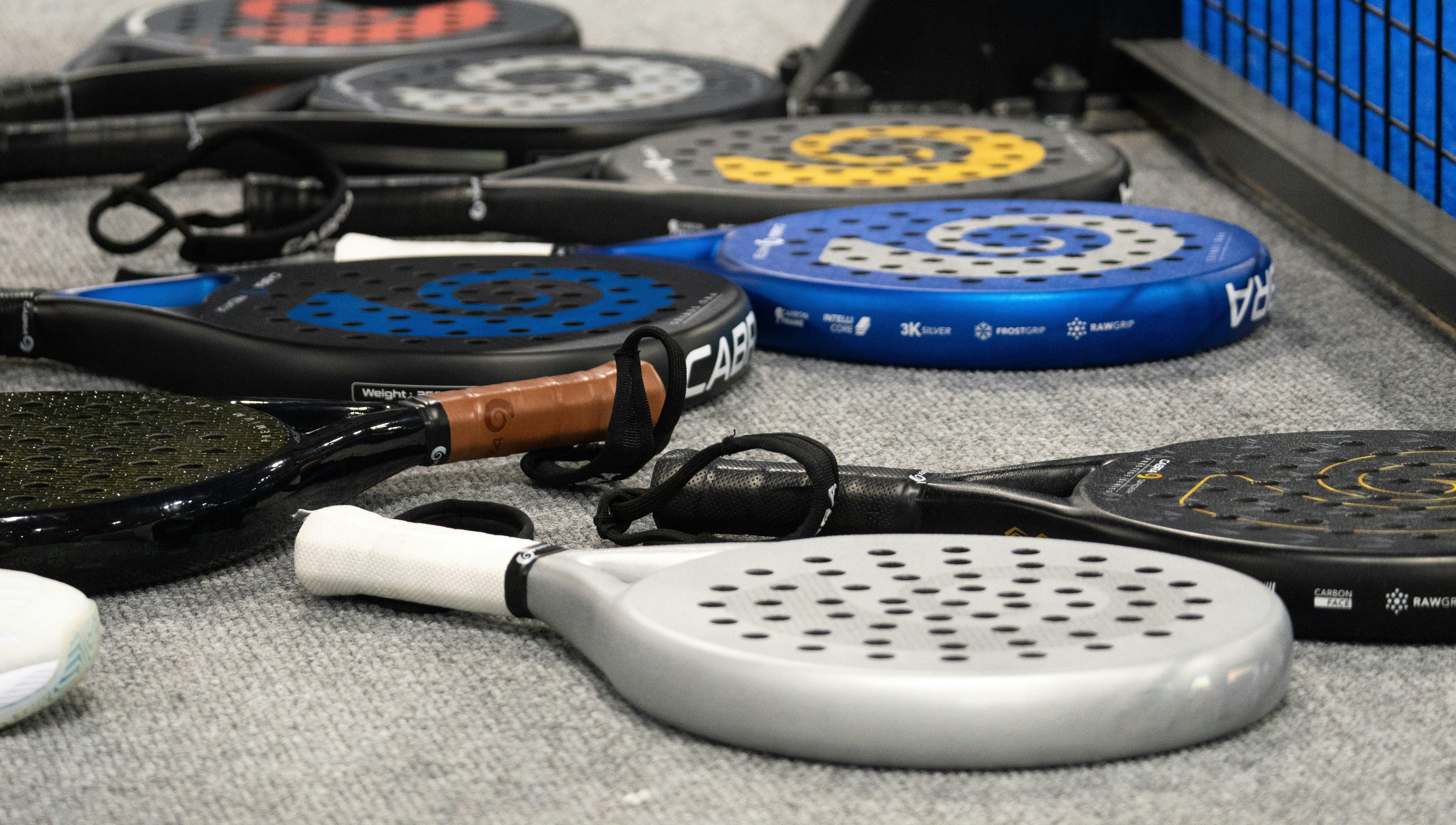
The rise of padel and pickleball reflects broader shifts in how urban Indonesians pursue fitness: social, accessible and space-efficient. Unlike traditional tennis, padel is easier to learn, beginner-friendly and requires less court space, making it ideal for dense urban environments. With average occupancy rates for racquet sports reaching 70%, this is not a niche trend but a fast-growing commercial and cultural movement with implications for sports infrastructure, tourism and investment.
📊 Key Insights from the Liga.Tennis Report
The report reveals that racquet sports are experiencing strong demand across Indonesia. The average occupancy rate for all racquet sports combined sits at 70% , indicating consistently high court utilisation.
Among the four sports tracked, tennis leads with the highest occupancy at 80% , followed closely by padel at 75%. Pickleball trails at 41%, while squash records the lowest at 18%.
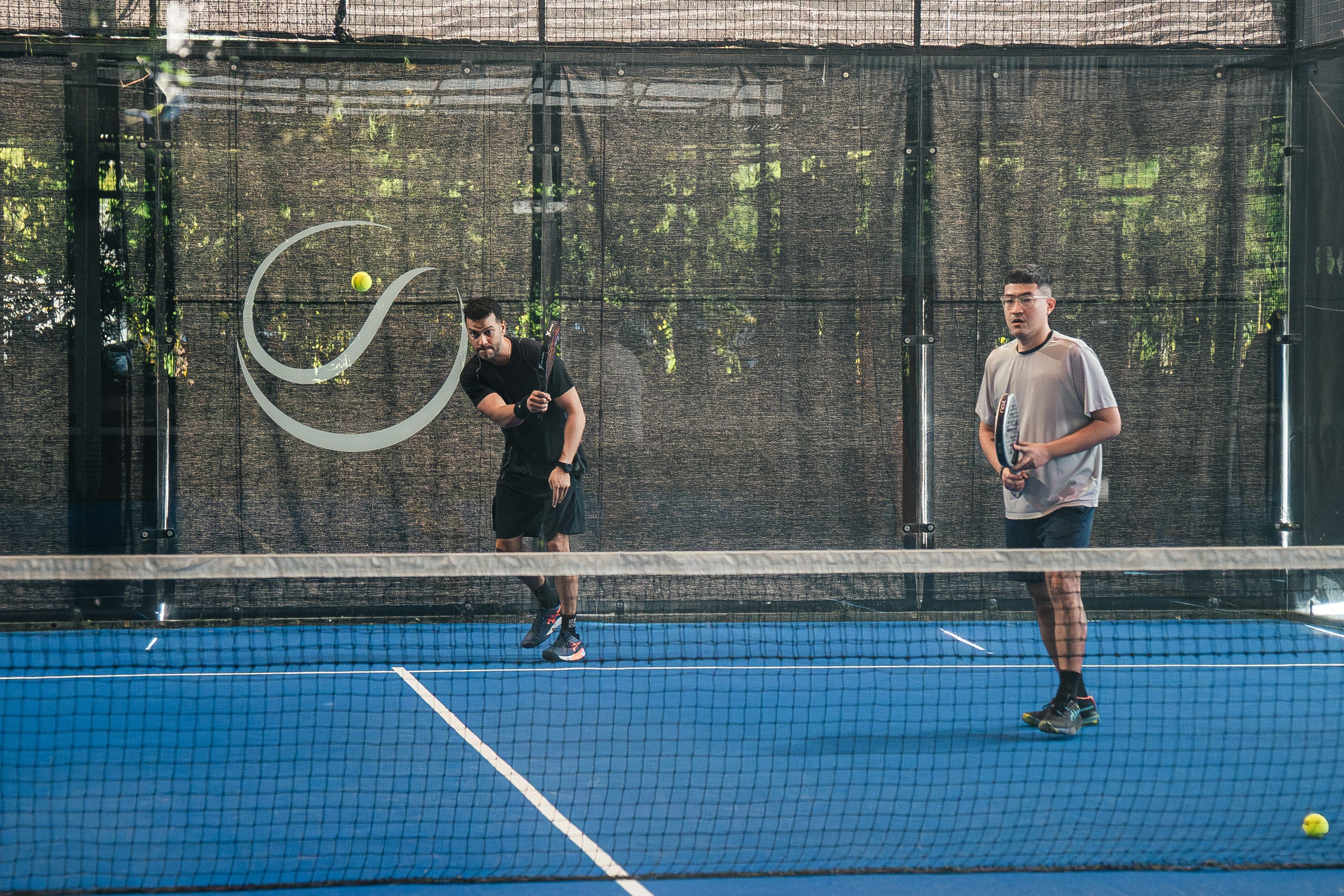
Young adults aged 21 to 40 are the primary growth driver, accounting for 61% of total participants across all racquet sports. This demographic values social engagement, fitness efficiency and accessible learning curves, qualities that padel and pickleball offer in abundance.
In terms of market origin, Indonesia accounts for 40.78% of total users, while the remaining 59.22% come from international markets. The top three foreign countries represented are:
🇷🇺 Russia: 10.09%
🇨🇳 China: 5.33%
🇦🇺 Australia: 5.28%
Spending behaviour is also notable. Users spend an average of IDR 400,000 per visit on sports activities, with an additional IDR 50,000 on food and beverages, suggesting that racquet sports facilities can generate meaningful ancillary revenue from on-site hospitality.
👥 Demographic Snapshot
Participation in racquet sports is not limited to any single age group or gender, though some patterns are clear.
Gender breakdown:
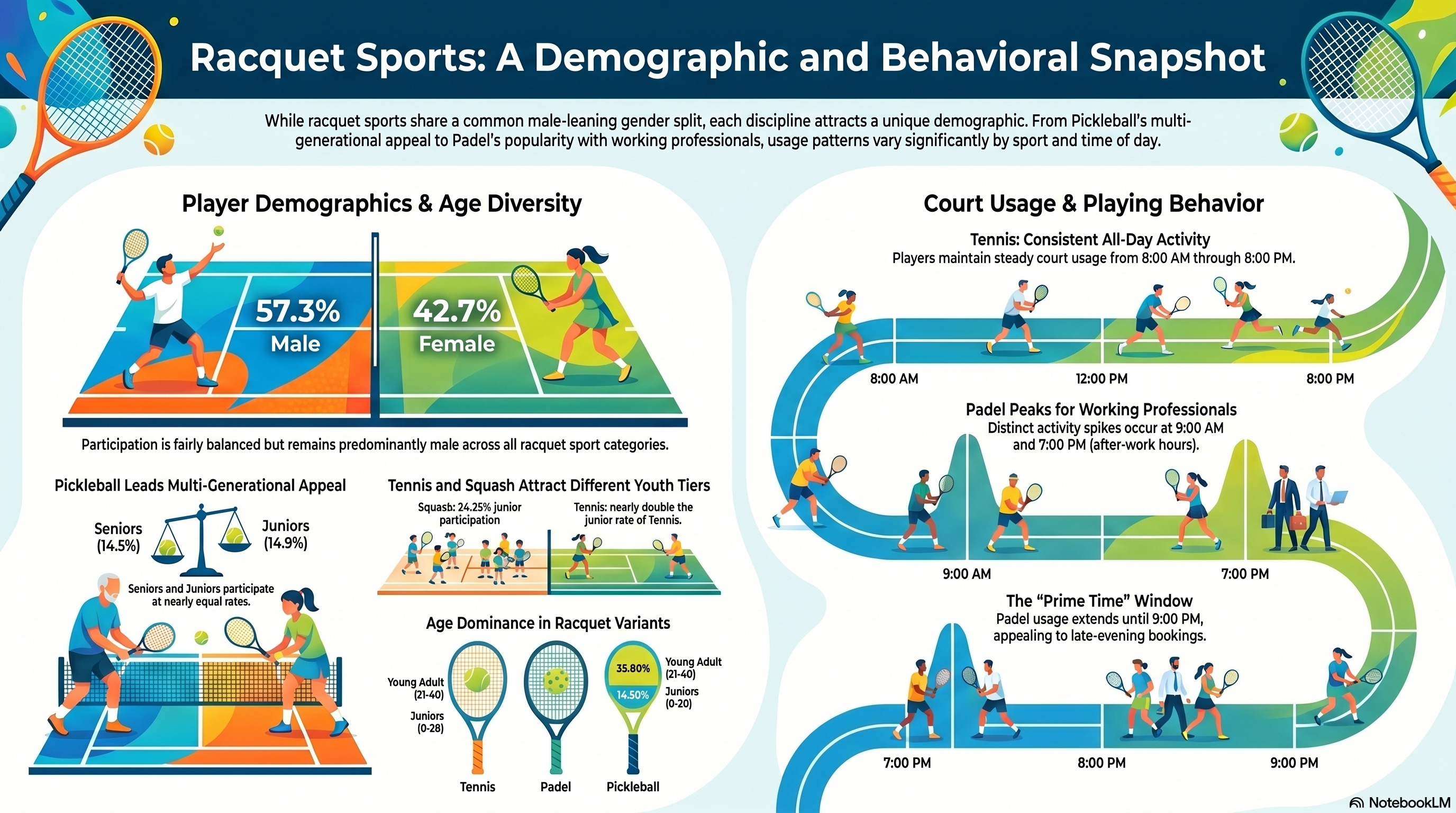
Male participants: 57.3%
Female participants: 42.7%
Age composition varies significantly by sport:
Tennis: Predominantly played by young adults (21-40) at 65.31% , followed by adults (41-60) at 20.42%, juniors (0-20) at 12.59%, and seniors (61+) at just 1.86%.
Padel: Young adults still dominate at 58% , with adults at 20.70%. Notably, teens (0-20) make up 19.50%, a higher proportion than in tennis.
Pickleball: This sport has the most balanced age distribution. Young adults account for 35.80%, adults for 34.80%, while seniors (61+) represent 14.50% —nearly equal to junior participation at 14.90%. No other racquet sport comes close to this level of multi-generational appeal.
Squash: Children and teens (0-20) make up 24.25% , approaching the number of adult players (23.59%). However, young adults still dominate at 49.83% .
Playing behaviour also differs between tennis and padel:
Tennis users play consistently from morning to evening, with peak activity between 8:00 AM and 8:00 PM.
Padel shows distinct peak hours at 9:00 AM and 7:00 PM, with increased activity during after-work hours up to 9:00 PM, suggesting it appeals strongly to working professionals who book evening slots.
🔮 The Bottom Line
Indonesia’s racquet sports ecosystem is at an inflection point. Tennis remains the anchor, but padel and pickleball are driving new participation from younger, more diverse and increasingly international audiences. With average occupancy at 70% and strong per-visit spending (IDR 450,000 including F&B), the commercial case for investment is clear.
For urban Indonesians seeking social, accessible and space-efficient fitness, racquet sports are no longer an alternative—they are becoming the default. The question now is not whether the ecosystem will grow, but how quickly infrastructure and investment can keep pace with demand.
🔎 Need More Angles
Liga.Tennis Racquet Sports Report 2026
(ADE/ELS)