



The Main Takeaway 📝🐔
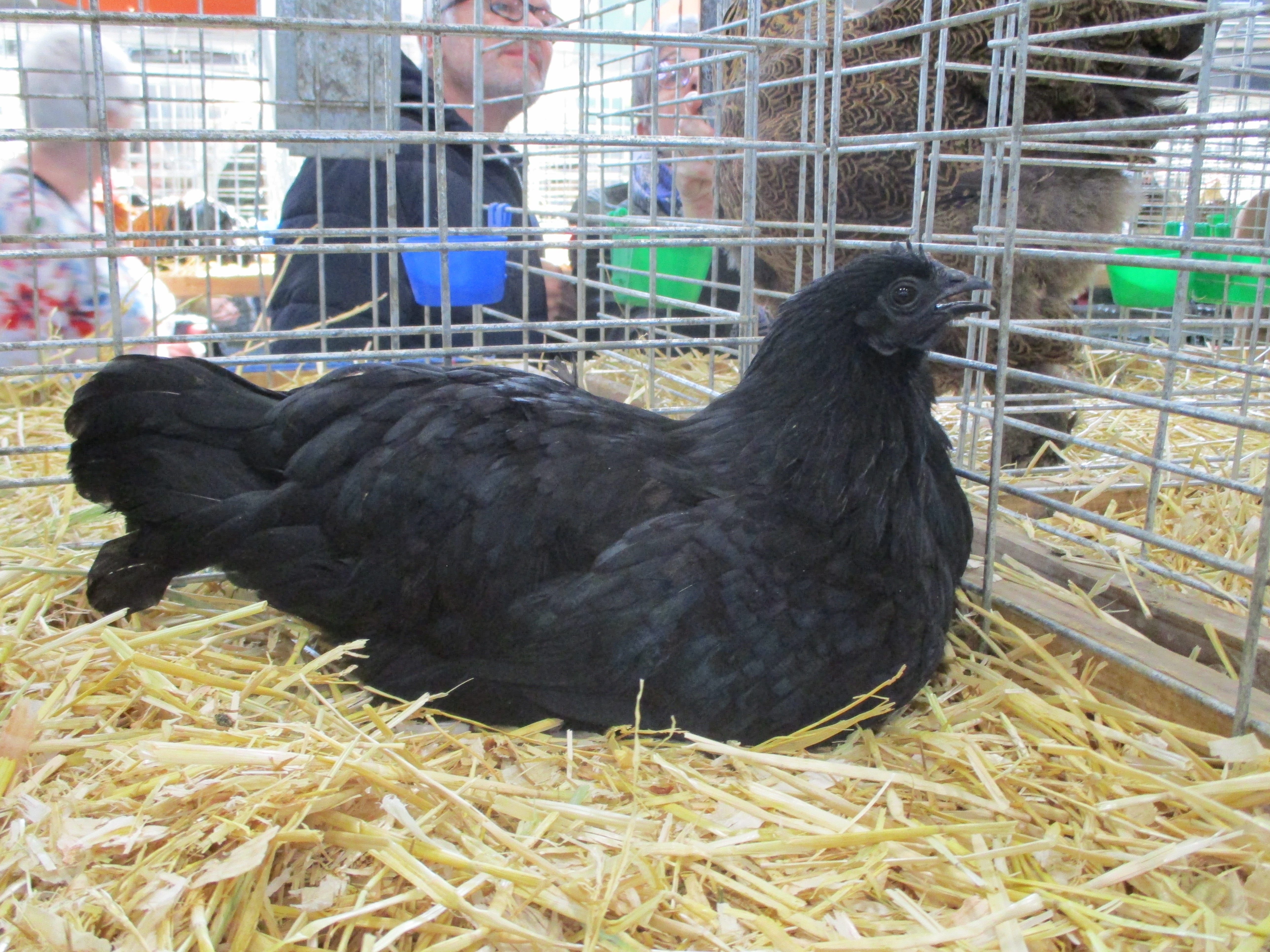
Indonesia’s Ayam Cemani, once deeply rooted in Javanese rural traditions, has transformed into one of the world’s most sought-after exotic chicken breeds. Its distinctive all-black appearance has turned a local cultural asset into a premium international commodity. 🌏📈
While Indonesia continues to recognize Ayam Cemani as part of its cultural heritage, international markets increasingly view it as a rare collector’s animal valued for its uniqueness, rarity, and exclusivity. 🖤🐓✨
Why It’s on Our Radar? 👀🌏
The rise of Ayam Cemani reflects a wider shift where unique Southeast Asian heritage products are gaining recognition in global niche markets. 🌱🌐
It highlights how local traditions, biodiversity, and cultural identity can create new economic opportunities beyond conventional industries. From specialty agriculture to cultural tourism, Southeast Asia’s unique assets are finding new audiences worldwide. 🚀
🐔⚫️What’s at Stake?
Global demand creates opportunities for breeders, local communities, and Indonesia’s cultural recognition. 💰🌍
However, it also raises important questions about preserving genetic authenticity, maintaining the breed’s cultural meaning, and ensuring that communities connected to its heritage benefit from its growing international value. 🛡️🌱
The challenge is not only making Ayam Cemani successful globally, but ensuring its story and origins remain protected. 🇮🇩✨
The Big Picture 🌐🧬
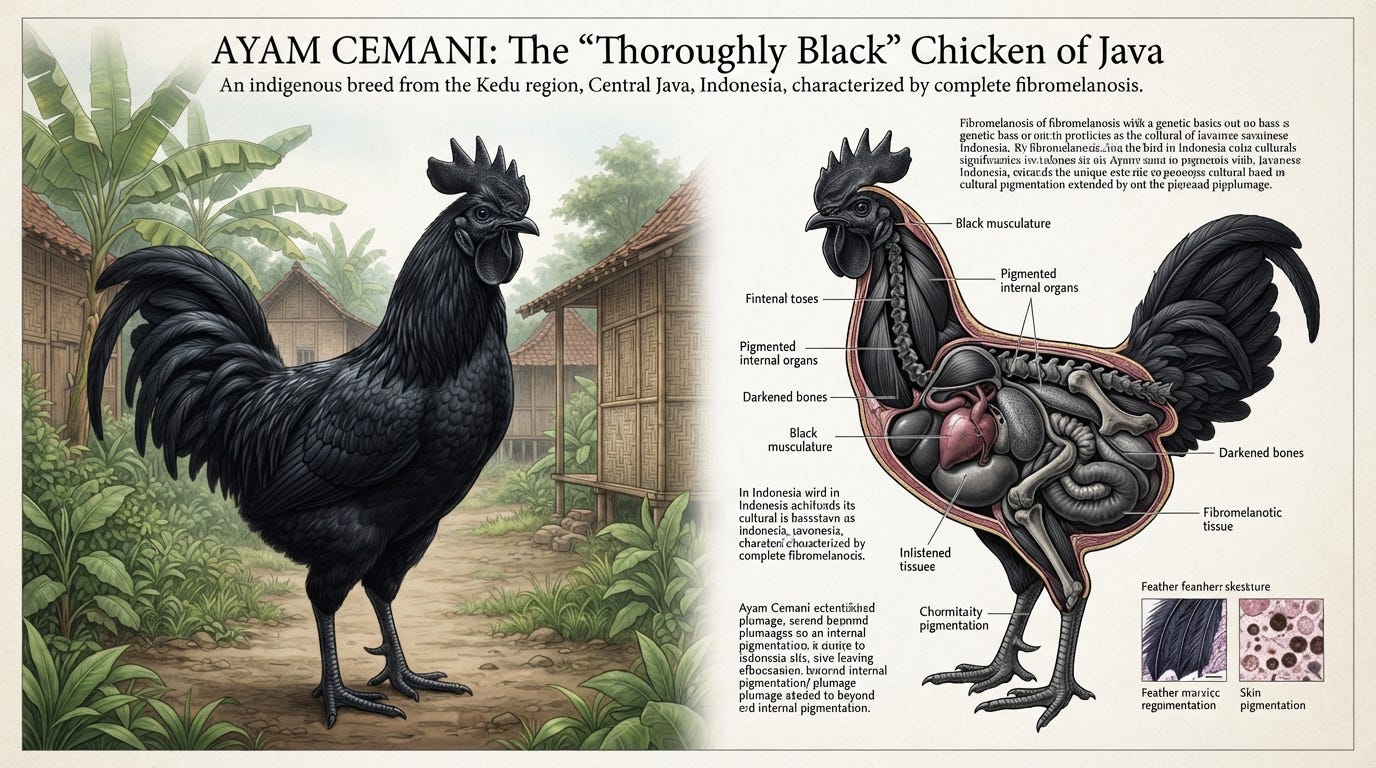
Ayam Cemani means “thoroughly black chicken,” combining ayam (“chicken” in Indonesian) and cemani (a Javanese word meaning completely black). 🐔⚫
Originating from the Kedu region of Central Java, the breed is recognized for its rare fibromelanosis condition—a genetic trait that causes extensive pigmentation throughout much of the bird’s body. 🧬🔬
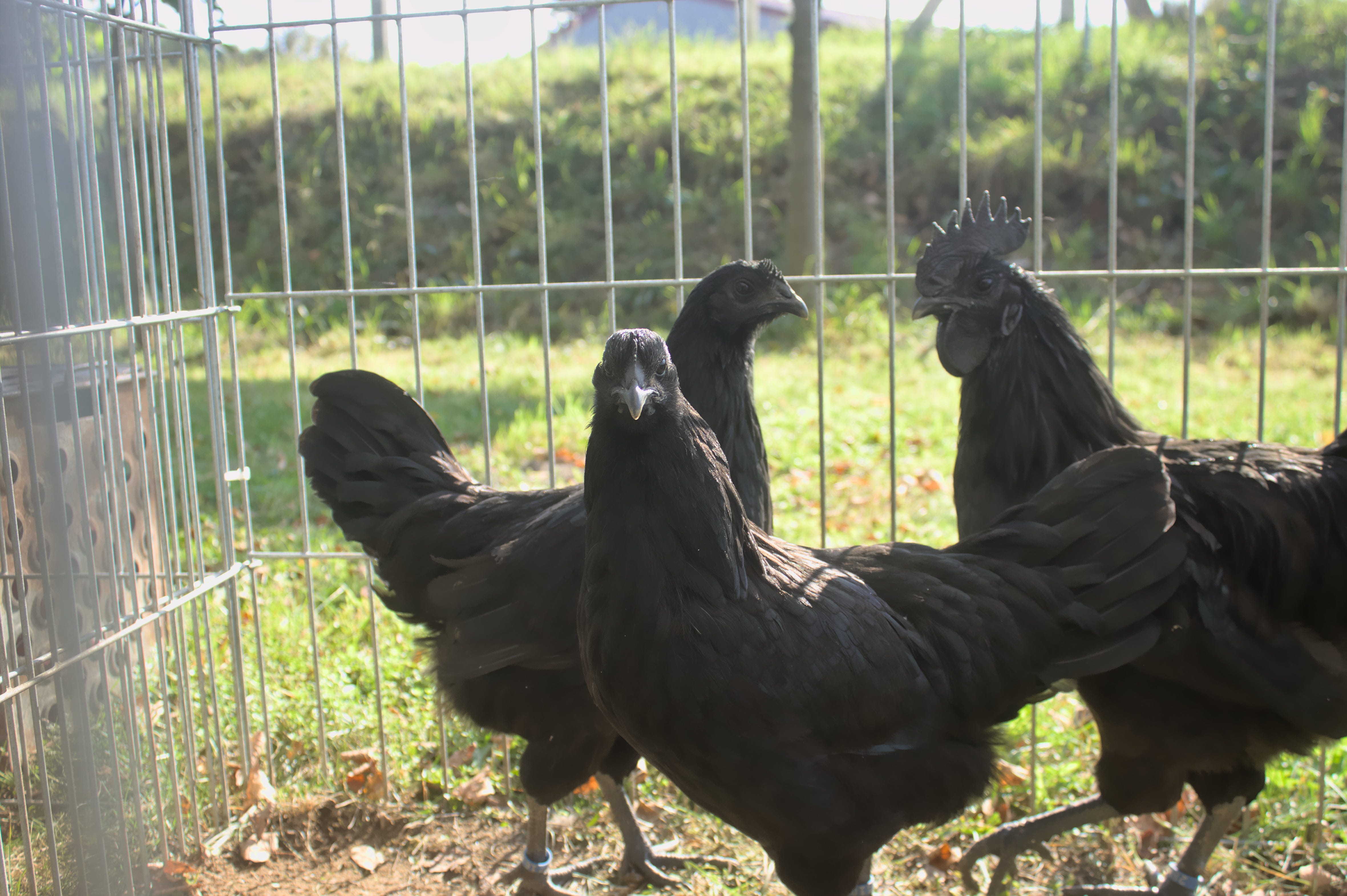
Unlike ordinary black chickens, Ayam Cemani has black feathers, skin, comb, legs, tongue, and even many internal tissues, making it one of the most visually distinctive chicken breeds in the world. 🖤🐓
Within Indonesia, Ayam Cemani has historically carried cultural significance beyond its appearance. Since at least the 12th century, it has been associated with traditional beliefs, rituals, and symbolic meanings connected to protection, strength, and spiritual connections. 🏡🙏
Beyond cultural practices, the breed has also attracted attention for its biological characteristics. Research has explored its nutritional profile, including higher protein and lower fat content compared with some other local chicken varieties. 🍗🔍
🌏 Going with a different vibe globally
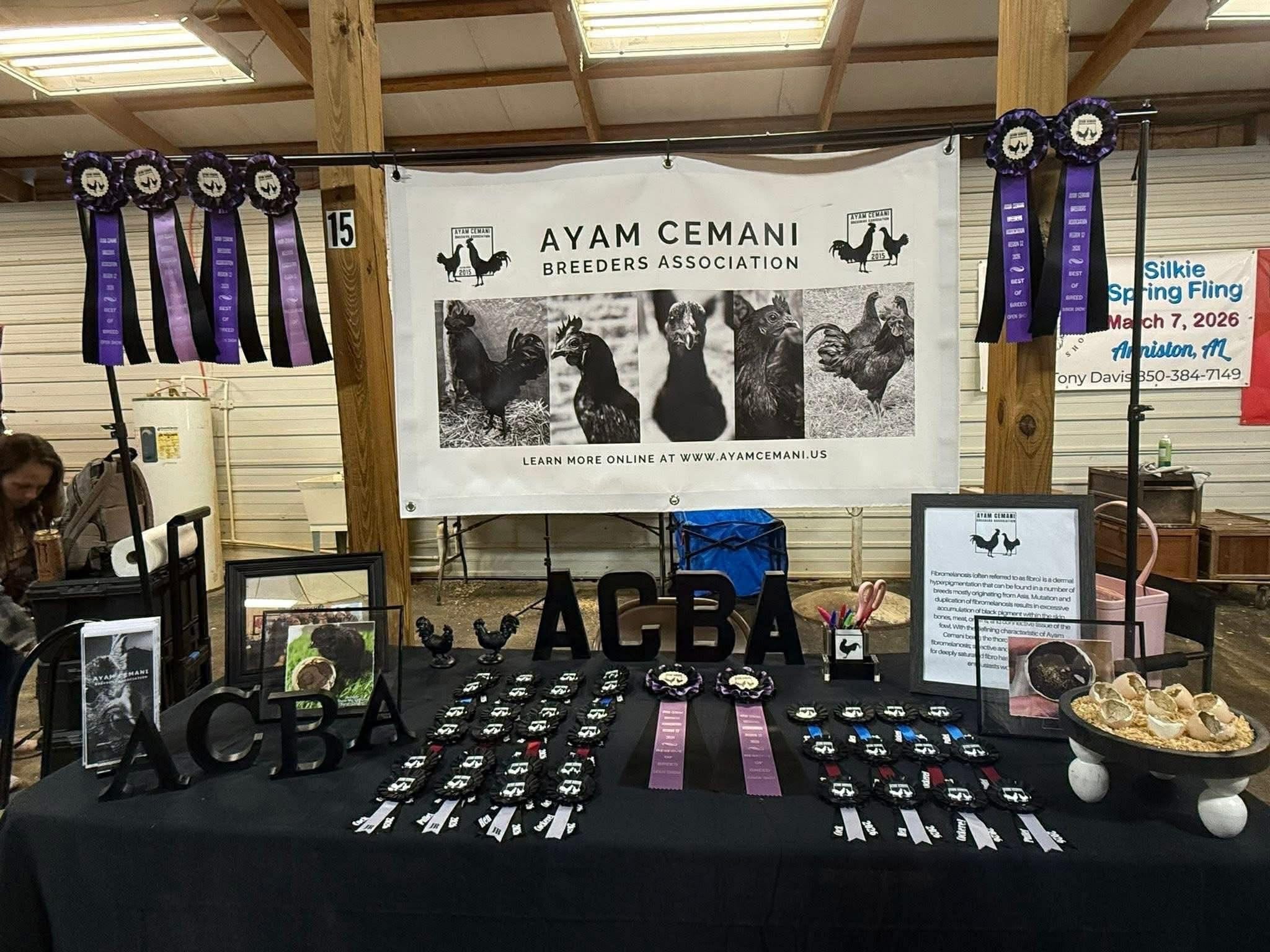
First imported to Europe in 1998 by Dutch breeder Jan Steverink, Ayam Cemani is often marketed as the "world's rarest chicken" or the "Lamborghini of poultry." Individual breeding pairs can sell for hundreds or even thousands of dollars depending on lineage, while hobby breeders and collectors actively seek genetically pure birds with certification.
Rather than cultural symbolism, international buyers are typically attracted by its extraordinary appearance, rarity, and prestige within exotic poultry communities. Ayam Cemani frequently appears at poultry exhibitions, specialty breeding farms, and online collector forums, where owning the breed represents exclusivity
This shift demonstrates how globalization can reshape the meaning of a cultural product. What began as a locally significant heritage breed has evolved into a premium luxury pet in international markets.
🔍The Region Lens
The rise of Ayam Cemani can be seen as a sign that global recognition no longer depends on appealing to the general mainstream. For Southeast Asia, it shows that in the interconnected world, niche cultural products and local heritage can find a dedicated international audience that is willing to pay a premium price for authenticity and rarity.
As an unconventional cultural product, this is not the era of “too local” or “too unusual,” where nowadays people compete to have the most unique, authentic, scarce, and backed by a compelling story as a prized possession. Southeast Asia can view them as an opportunity not only for cultural diplomacy but also as a source of economic growth that no other region can offer. Speciality agriculture, creative industries, traditional craftmanship, or cultural experience can be identified as hidden strengths, building sustainable industries that allow local communities to benefit from growing global appeal.
🔮 The Bottom Line
Ayam Cemani’s journey from a village heritage breed in Central Java to a globally recognized luxury animal demonstrates the hidden potential of Southeast Asia’s cultural assets. 🐔🌏
It’s success showcases Indonesia’s rich agricultural heritage while reminding us that global commercialization must go hand in hand with cultural preservation, genetic responsibility, and community benefit.🤝
The future of local heritage may not only depend on keeping traditions alive—but also on finding thoughtful ways to share their value with the world. 🌍✨