



🎯 The Main Takeaway
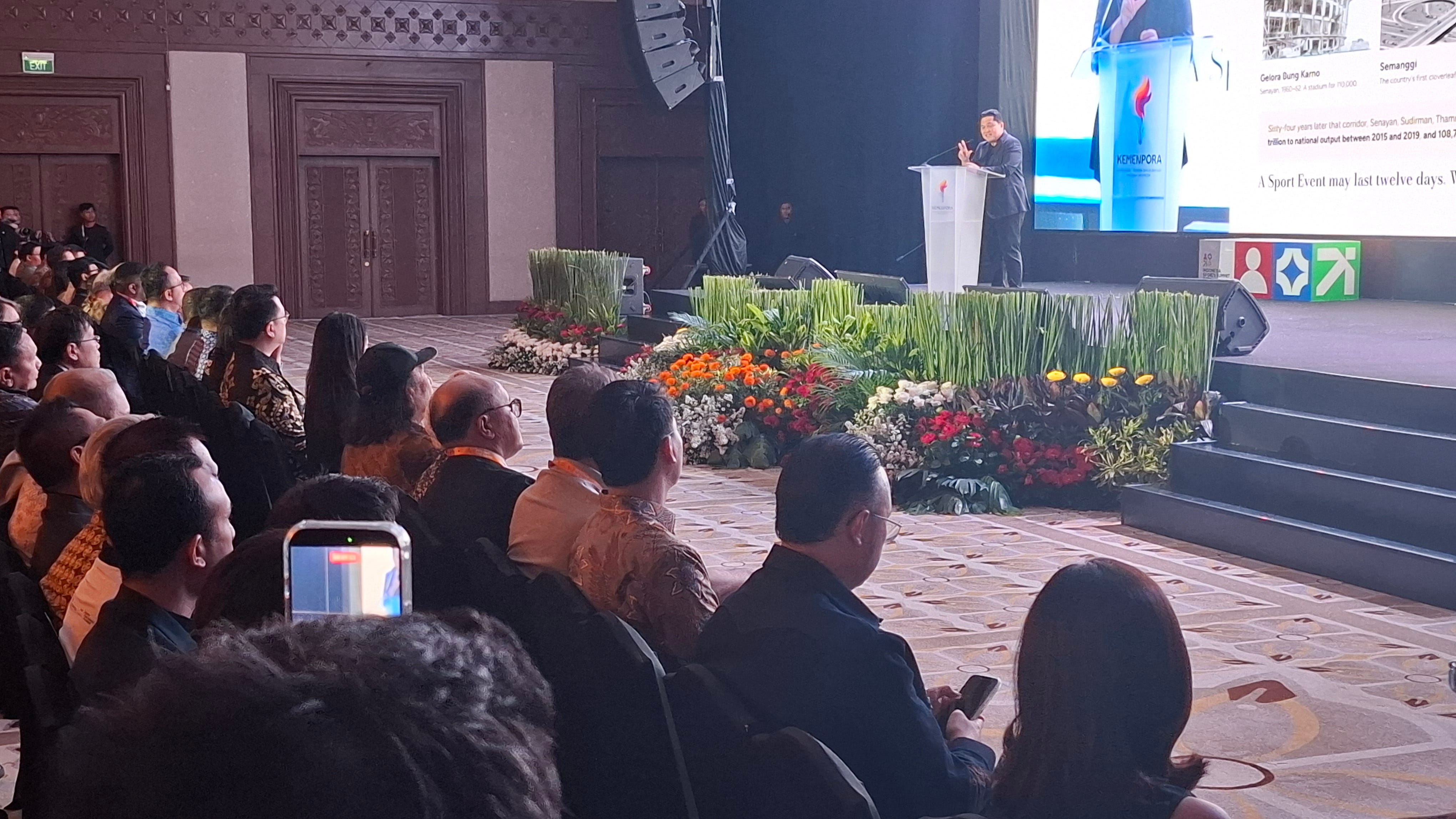
Indonesia is looking to turn sport into a bigger national industry through the Indonesia Sports Summit 2026, held from 11 to 13 September at the Jakarta International Convention Centre (JICC), within the Bung Karno Sports Complex in Jakarta.
Under the theme “Beyond the Game 2.0: From Nation Building to Global Industry,” the second annual summit brought together key players from the sports sector to promote collaboration, innovation, and new opportunities for Indonesia’s sports industry.
More than 20 speakers, along with 80 global and national partners from government, companies, organisations, sports federations, and the private sector, joined the three-day event. They shared ideas, showcased products, and introduced sports activities to visitors.
The summit also aimed to strengthen partnerships across the sports sector, create more jobs in sports tourism ecosystems, and support the growth of a sustainable sports industry. These efforts are also expected to contribute to Indonesia’s economic growth.
📡 Why It’s on Our Radar?
The sports industry and sports tourism are growing globally, with strong economic potential:
Sports Industry: The global sports industry was worth around USD 521 billion in 2024. About half came from event revenue, which is expected to grow by 8% annually. The growth could reach 25% per year with the use of AI.
Sports Tourism: The global sports tourism market was valued at USD 609 billion in 2024. It is expected to reach USD 680 billion in 2025, USD 721 billion in 2026, and USD 958 billion by 2031.
⚠️ However…
Indonesia has not yet fully captured the growth of the global sports industry and sports tourism, with the following figures:
Sports Industry: According to the Ministry of Youth and Sports, the industry grew from IDR 37.3 trillion in 2023 to IDR 39.4 trillion (~USD 2.56 billion) in 2024. The growth was supported by sports merchandise, events, venues, and travel.
Sports Tourism: The Ministry of Tourism reported that the sports tourism sector reached around IDR 19 trillion (~USD 1.23 billion) in 2023 and 2024, mainly driven by international sporting events such as MotoGP Mandalika, F1 Powerboat, and marathons.
With a population of around 280 million, Indonesia’s figures are still small compared with the global market. While both sectors tend to grow each year, Indonesia needs to find the main challenges and solutions to unlock their full potential.
💡 The Problem and Solutions
According to the Ministry of Immigration and Correctional Affairs, complex regulations are one of the main challenges holding back Indonesia’s sports industry and sports tourism, especially when organising international events.
The Ministry of Youth and Sports alone has 191 regulatory points and around 1,500 articles. Some of these rules involve different ministries and stakeholders and can overlap, making it harder and slower to organise events, attract investment, and support sports development.
“One of the difficulties we often hear from businesses, especially event organisers, is the difficulty of organising events. There are many stakeholders and ministries involved before an event can be held, including sporting events.” — Hendarsam Marantoko, Director General of Immigration, Ministry of Immigration and Correctional Affairs.
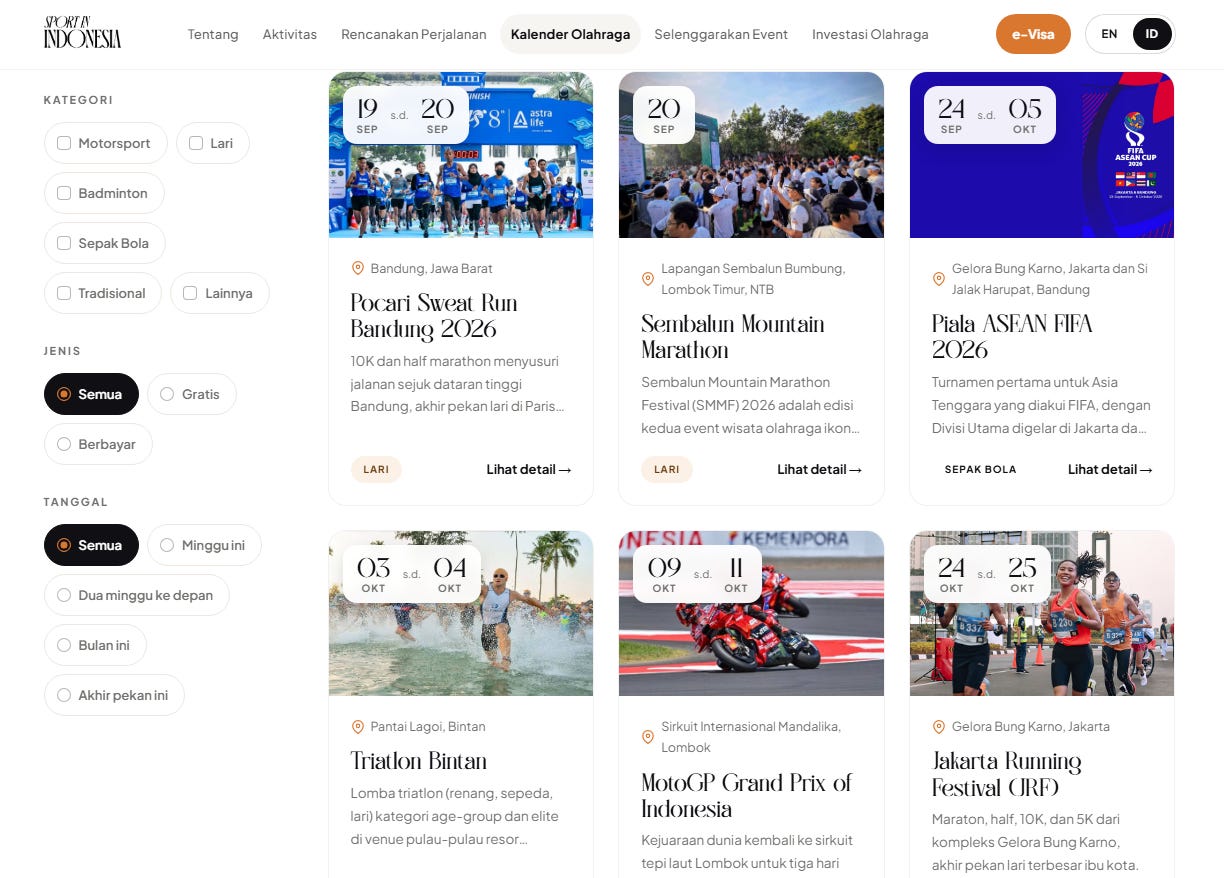
To solve the issue, the Ministry of Youth and Sports cut the regulations from 191 to four, covering around 600 articles, effective from April 2026. It also launched sportinindonesia.id, an online platform that makes sports-related services easier to access.
These changes are expected to make sports programmes more efficient, speed up athlete development, attract more investment, and attract more visitors to Indonesia’s sports industry and sports tourism.
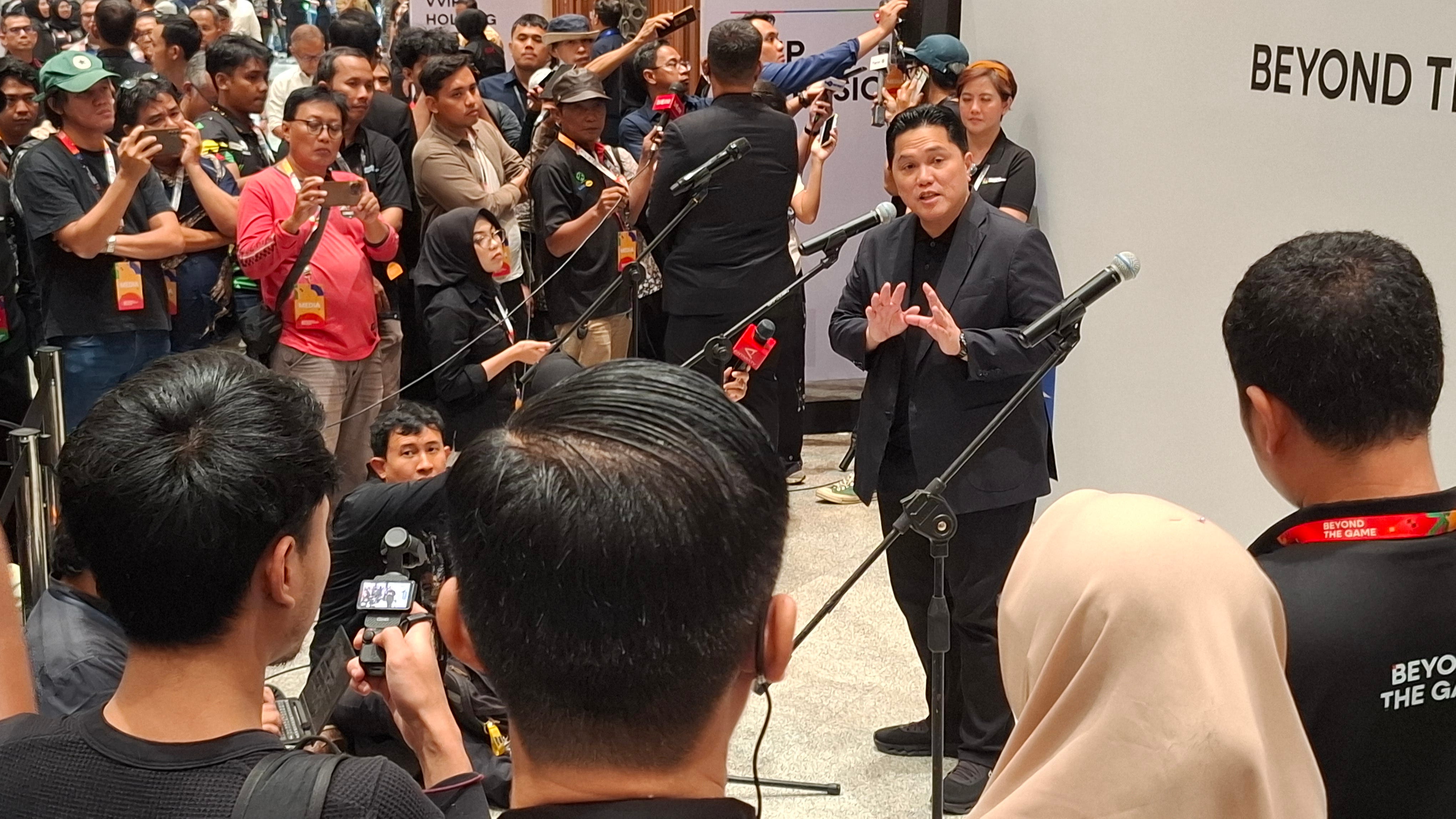
“We are trying to build an ecosystem and create one door for all portals, covering investment, events, visas, and other needs. We must believe and agree that sport is not a cost, but an investment. This growth can only happen through cooperation between the government, private sector, and society.” — Erick Thohir, Minister of Youths and Sports.
🌐 About the Website
Minister Erick Thohir launched the website on Friday (9/11) in Jakarta. It offers several features, including:
Sports History: Facts about Indonesia and the history of sports events held in the country since independence.
Event Information: Information about past, current, and upcoming sports events and tournaments in Indonesia, from traditional to international events.
Trip Planning: Information on planning a trip to Indonesia, including international entry points, transport, accommodation, local rules, and travel tips.
Event Calendar: A list of upcoming sports events, sortable by sport, ticket payment, and date. Users can also connect events to their phones as reminders.
Event Organiser: Information for promoters planning to host events in Indonesia, including requirements, procedures, venues, capacity, processes, government services, and FAQs.
Investment Opportunities: Information for government and private investors interested in Indonesia’s sports industry and tourism, especially infrastructure, hospitality, equipment, training, scholarships, and broadcasting.
Visa Application: Information on applying for Indonesian visas, including visa-free entry, visa on arrival, and sports visas, with details on eligible countries, duration, costs, and requirements.
All these features are connected to relevant ministries, agencies, and ticket sellers, allowing users to complete processes more easily and reducing overlapping procedures between institutions.
📸 The Big Picture
The website is expected to help Indonesia and the government achieve several key targets, including:
Venue Management: Indonesia has thousands of sports venues across the country, owned by the government and private sector. Some can host international events, while others are no longer used. The government plans to identify, restore, and better manage these venues through cross-sector cooperation.
Athlete Development: Indonesia has around 125 million people aged 13–30, offering a large pool of potential athletes. The government plans to identify young talent in elementary school and begin training them in junior high school. Starting next year, the government will also provide around 100 scholarships to support their development.
Event Selection: The ministry will select sports events to be featured on the website based on their consistency, responsibility, long-term commitment, and economic impact on local communities around the venues.
Event Promotion: Indonesia hosts several international sporting events, including the FIFA ASEAN Cup. The website is expected to help promote these events and attract more audiences and foreign visitors to Indonesia.
In conclusion, the website is expected to help the public, businesses, and investors take a more active role in Indonesia’s sports industry and tourism. It also aims to promote the idea that sports is an investment, sports can generate revenue, and sports is not a cost.
“We register events that have continuity. We do not want to register one-off events, unless they are endorsed by an international sports organisation, such as FIFA ASEAN Cup or a world championship.” — Erick Thohir, Minister of Youths and Sports.
🌏 The FIFA ASEAN Cup
The FIFA ASEAN Cup is a new regional football tournament initiated by FIFA for Southeast Asian national teams, with invited teams from outside the region also able to take part. The tournament is planned to be held every four years.
The tournament will feature 14 teams from 11 ASEAN member states, along with three invited teams from Bangladesh, Hong Kong, and Pakistan. The teams will be divided into two divisions, with matches hosted across two countries.
“We have Hong Kong who is hosting, and we have Bangladesh and Pakistan, just to give a little bit of spice in the competition, so we bring other countries from Asia, and let them play with each other, and bring a little bit of interesting factor to the competition.” — Lavin Vignesh, FIFA’s Lead Regional Office for East and Southeast Asia.
The championship is also included in FIFA’s international match calendar for the September–October window, meaning that a win, draw, or loss can affect the participants’ points and potentially increase or decrease their global rankings.
🧑🤝🧑 The Matches
Indonesia will host the Premier Division, featuring eight countries divided into two groups of four. The group matches will run from 25 September to 2 October 2026, followed by the bronze final and final match on 5 October.
Group A includes Indonesia, Malaysia, Singapore, and Bangladesh, with matches at Bung Karno Stadium in Jakarta.
Group B features Vietnam, Thailand, Pakistan, and the Philippines, with matches held at Si Jalak Harupat Stadium in Bandung, West Java.
“We discussed internally, obviously Indonesia has a lot of experience hosting many events, FIFA events, U17, AFC events, AFC Futsal recently, so they have the experience. The population is also here, so we thought that for the first edition, at least, maybe we try it out in Indonesia, and we see where we go after this.” — Lavin Vignesh, FIFA’s Lead Regional Office for East and Southeast Asia.
Hong Kong, China, will host the Challenge Division, featuring six countries divided into two groups of three. The group matches will run from 24 September to 3 October 2026, with the final also taking place on 3 October.
Group A consists of Hong Kong, Laos, and Brunei Darussalam, while Group B features Cambodia, Myanmar, and Timor-Leste. Both groups will play at Mong Kok Stadium and Kai Tak Stadium, depending on the match schedule.
🏆 The Trophy
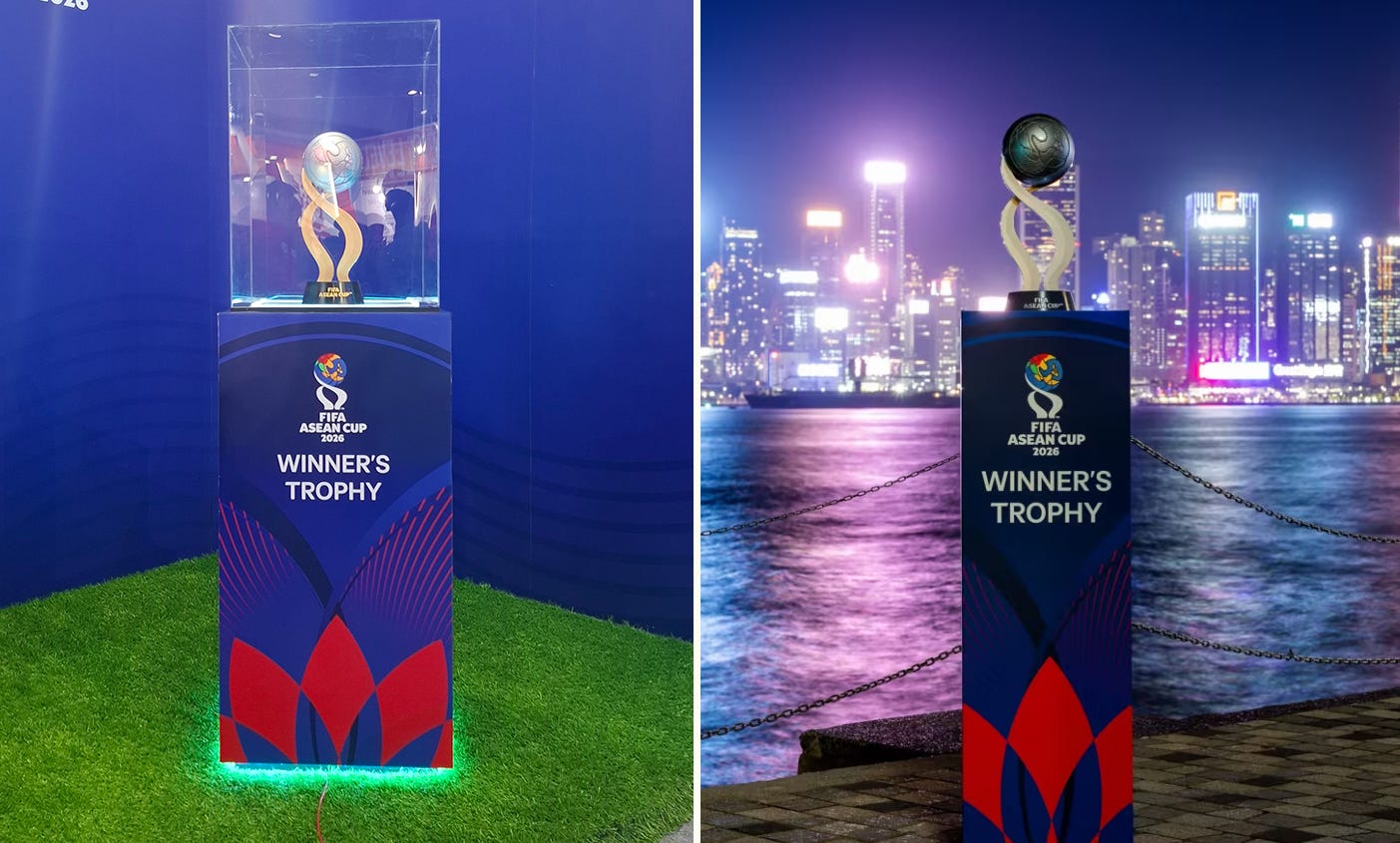
The tournament also features two trophies, one for each division.
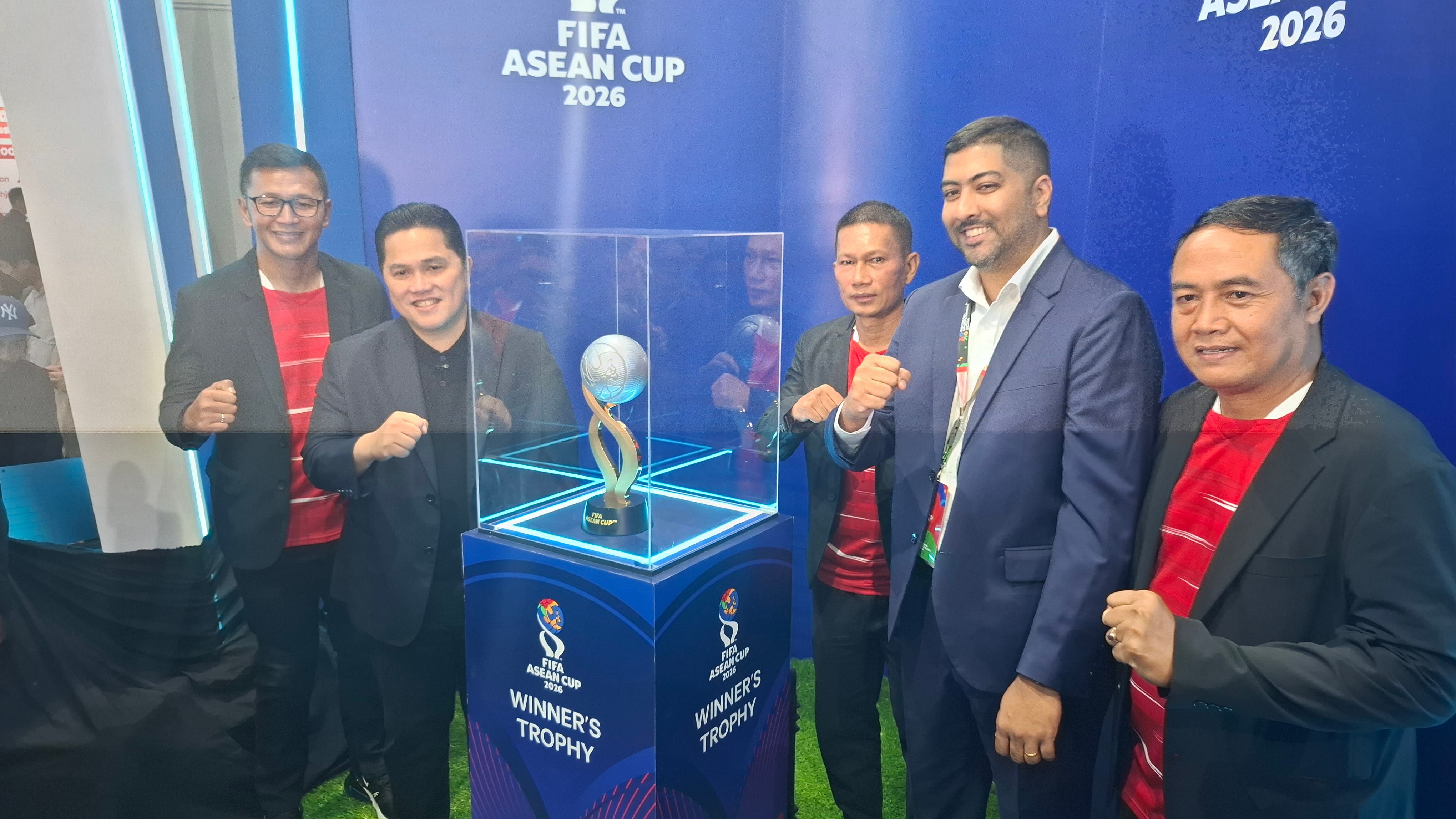
The Minister of Youth and Sports, Erick Thohir, unveiled the first trophy with the FIFA Lead Regional Office for East and Southeast Asia, Lavin Vignesh, on Friday (9/11). It will be awarded to the winner of the Premier Division, hosted by Indonesia.
FIFA also unveiled the second trophy, which will be awarded to the Challenge Division winner. It was displayed at Victoria Peak in Hong Kong, China, the tournament's other host.
By taking part in the tournament, FIFA aims to improve the performance of Southeast Asian national teams and help more countries in the region qualify for the FIFA World Cup in the future.
“I think what I can comment on is the gap. Last time when Indonesia played Australia, maybe the scoreline was a little bit bigger. But now Indonesia can go and win against Saudi, can go and win against Australia, same with Thailand, Vietnam, Malaysia as well. So the gap is slowly closing. And this is the whole idea of having more competition, more competitiveness. So yeah, just a matter of time, one of our countries in the region will qualify for the World Cup, and hopefully the next edition.” — Lavin Vignesh, FIFA’s Lead Regional Office for East and Southeast Asia.
💪 Indonesia’s Readiness
Minister Erick Thohir said FIFA, as the tournament organiser, will prepare the rules, trophies, prize money, venues, training grounds, and accommodation.
As the host country, Indonesia will prepare the facilities, especially the stadiums, as well as transportation for the teams competing in the tournament.
Head coach John Herdman will fully manage the selection of Indonesia’s national team players, team formation, strategy, and training. The players have also shown their commitment to representing the Garuda since their recruitment.
“I am confident that as long as our national team players are not injured, they will be happy to fly the Indonesian flag. From the beginning, when we recruited players from Indonesia or the diaspora, we always asked whether their hearts were with the Red and White. They share the same commitment, and hopefully, with better preparation, our national team can give its best in the FIFA ASEAN Cup.” — Erick Thohir, Minister of Youths and Sports.
➕ In Addition…
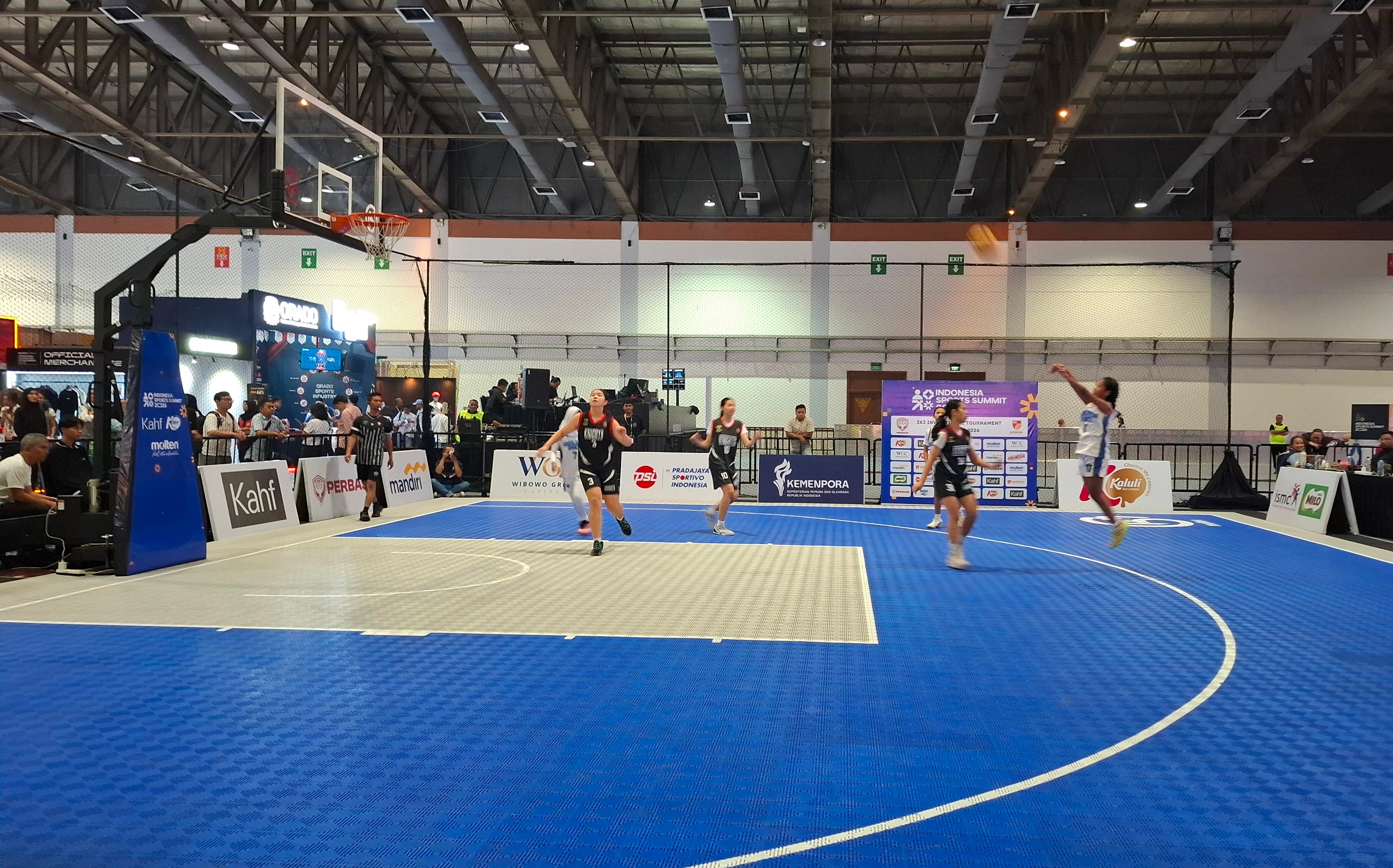
Besides the Sport in Indonesia website launch and the FIFA ASEAN Cup trophy unveiling, several other activities were held during the exhibition, including:
Sports Awards: The Indonesia Sports Award 2026 recognised companies and foundations that actively support Indonesia’s sports industry. Recipients included Djarum Foundation for its badminton scholarships and support for women’s football and Supersoccer Arena; Indofood CBP Sukses Makmur for its 10-year support for Indonesian badminton, football, basketball, and volleyball; and Bank Rakyat Indonesia for six years of support for the Super League.
MoU Signing: PSSI and AFC Ajax signed a strategic partnership to support local youth football development and create pathways for talented young Indonesian players to potentially join the prestigious Ajax academy.
Mini Competitions: Visitors could take part in competitions such as 3x3 basketball, taekwondo, and wall climbing.
Traditional Sports: The exhibition also introduced visitors to Indonesia’s traditional sports, including pencak silat.
Job Fair: Various state-owned and private companies opened booths offering job opportunities in the sports industry and tourism sectors.
📌 The Bottom Line
The Indonesia Sports Summit 2026 shows that sport is not just about games and competition, but also about building a bigger sports industry. Indonesia wants to use sport to create new opportunities for businesses, athletes, workers, and the tourism sector.
Sport is not only entertainment, but also an investment. Through the Sport in Indonesia website, international sporting events, athlete development, and sports tourism, Indonesia is looking to create more jobs, attract investment, and grow the economy.
The summit is not just a three-day event, but also part of Indonesia’s long-term plan to grow its sports industry. With every stakeholder working together, sport can be not only a source of national pride, but also a source of economic growth.
🔍 Need More Angles?
ASEAN Football FIFA ASEAN Cup 2026 Offers Record Prize Money!
FIFA FIFA ASEAN Cup: Everything you need to know
Indonesia Sport Summit Membangun Ekosistem Olahraga Inklusif di Indonesia Sebagai Platform Kolaboratif
Morgan Stanley The Sports Industry’s $130 Billion Ticket
Research and Markets Sports Tourism - Global Strategic Business Report
Research and Markets Sports Tourism Market Report and Forecast 2025-2034
Tempo Potensi Sport Tourism Indonesia Capai Rp18,7 Triliun pada 2024
(NGO/QOB)