



🎯 The Main Takeaway
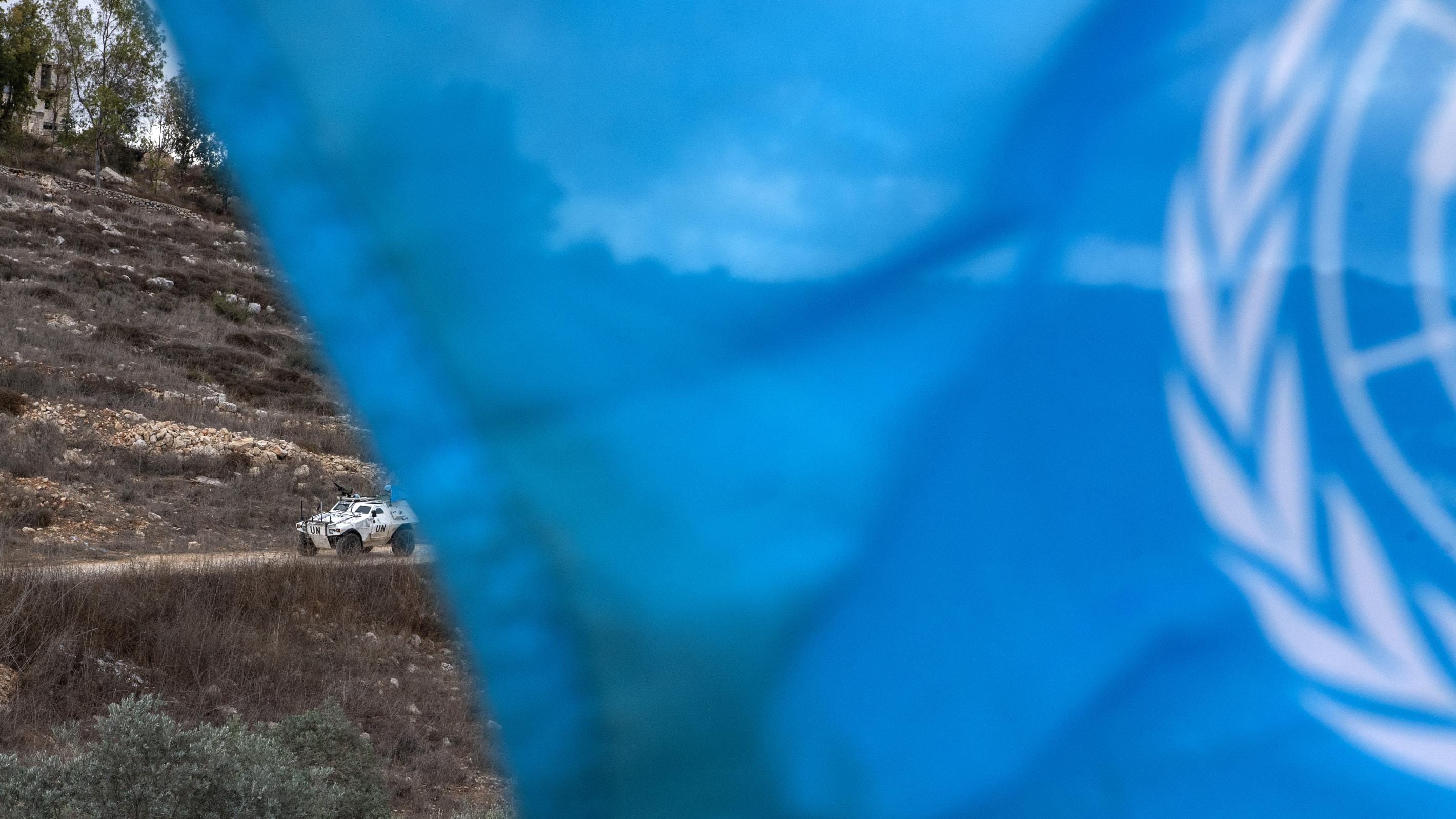
💥 Three Indonesian peacekeepers were killed within 48 hours in southern Lebanon — not in combat, but while carrying out logistical and humanitarian duties under the United Nations Interim Force in Lebanon (UNIFIL), as hostilities escalate between Israel and Hezbollah.
⚠️ The incidents — a base explosion in Ett Taibe (29 March) and a convoy strike in Bani Hayyan (30 March) — signs that peacekeeping missions are now operating inside active conflict zones.
🧭 The contradiction is stark: a mission meant to preserve peace is operating where peace no longer holds — with Southeast Asia’s personnel increasingly on the frontlines of that shift.
⚠️ Why It Matters
⚖️ Legal implications: attacks on UN peacekeepers constitute grave violations of international humanitarian law — and potentially amount to war crimes.
🪖 Operational limits: peacekeeping mandates are built around ceasefire environments, not sustained hostilities — exposing personnel to risks beyond their design.
🌍 Systemic strain: the erosion of neutrality on the ground reflects growing pressure on the credibility of UN-led conflict management frameworks.
🏥 Healthcare collapse: hospitals and medical facilities are being forced to shut down or evacuate as strikes intensify — cutting civilians off from essential care.
🚑 Civilian vulnerability: attacks increasingly affect not only combat zones but also humanitarian infrastructure, placing medical workers and patients at risk.
🔍 Why It’s on Our Radar
💥 Humanitarian scale: over 1,200 killed, more than 1 million displaced, and at least 200,000 crossing into Syria since early March — signaling a rapidly expanding crisis.
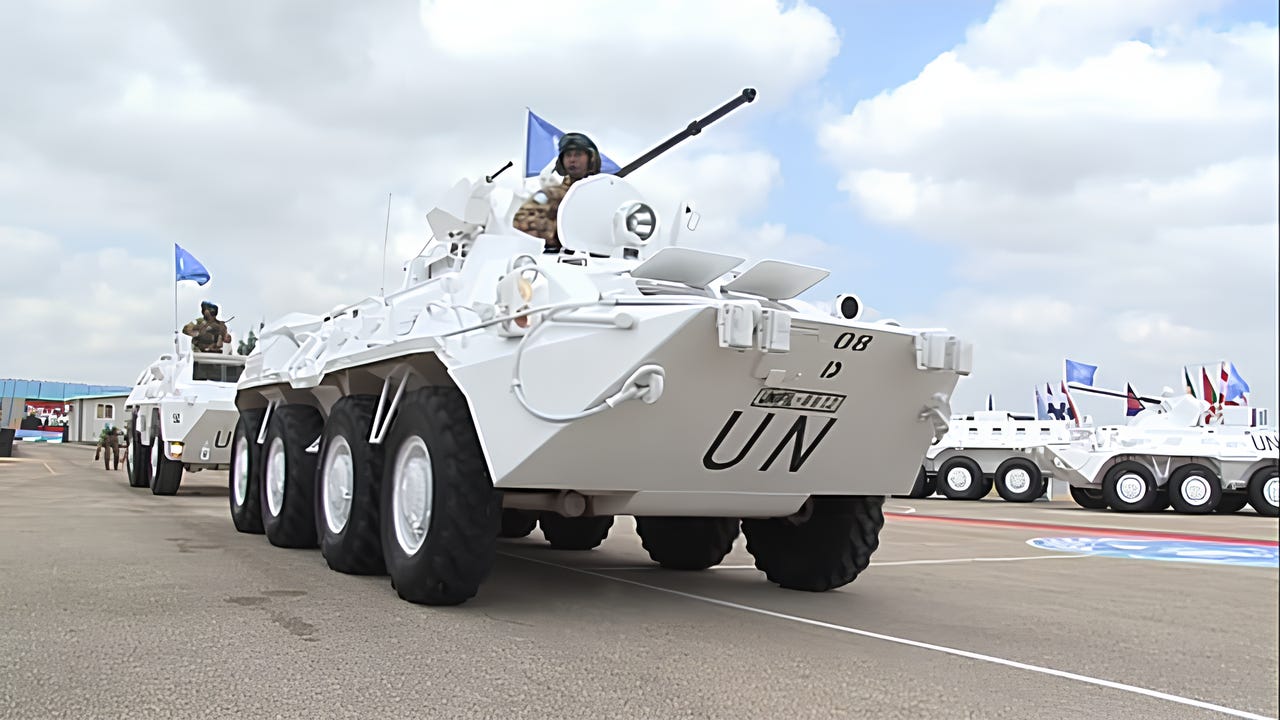
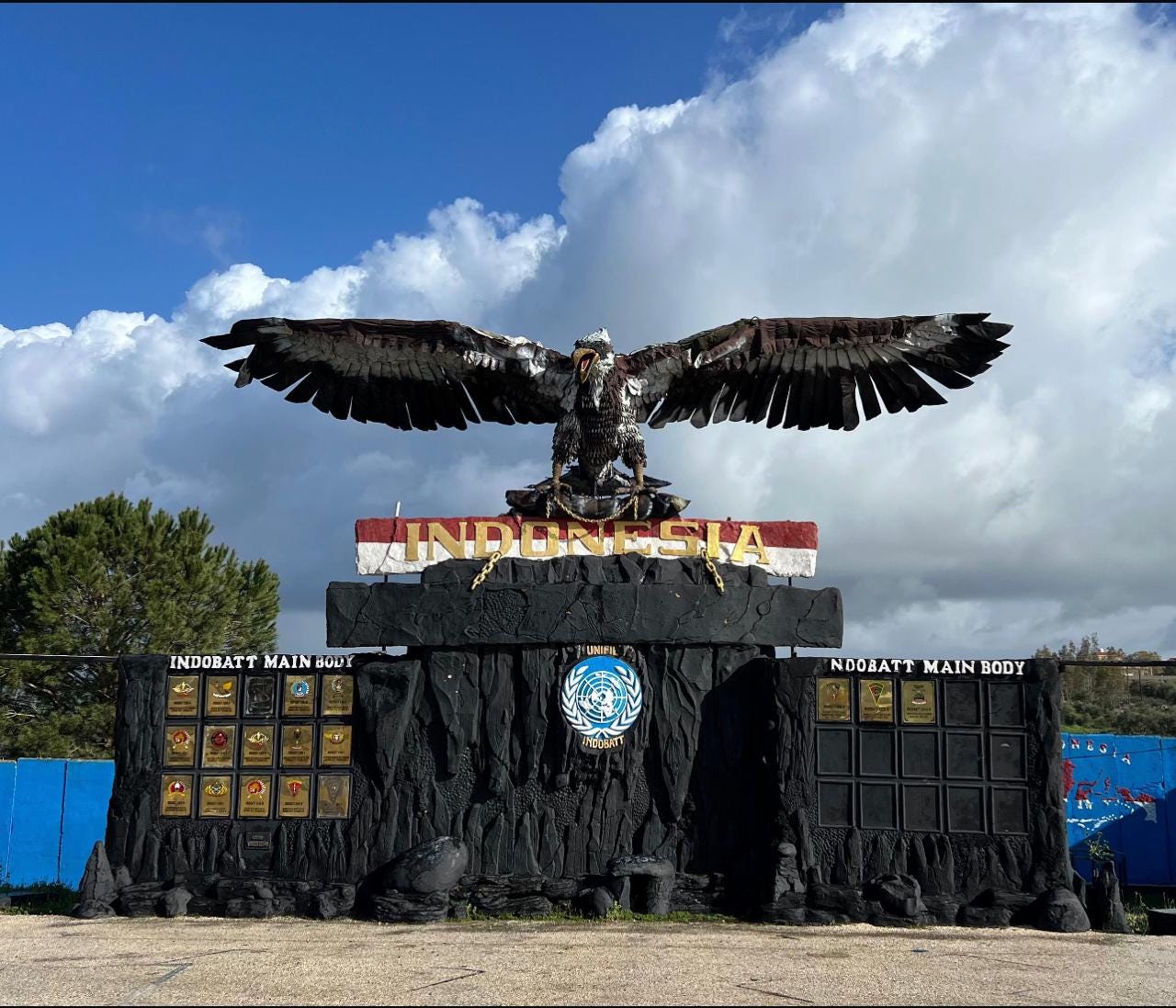
🪖 ASEAN countries presence on the ground: Southeast Asian peacekeepers form a significant part of UNIFIL — including Indonesia (743 troops, 13 staff officers), Malaysia (511 troops, 5 staff officers), Cambodia (180 troops, 1 staff officer), and Brunei (21 troops) as of January 2026 — placing regional personnel directly within the escalation
🚢 Global spillover: maritime traffic through the Strait of Hormuz has dropped by up to 95%, with implications for trade, inflation, and energy markets.
🪖 Mission exposure: UNIFIL’s recent fatalities underscore how quickly peacekeeping environments can transition into high-risk operational zones.

📌 Key Highlights: What Happened on the Ground
📅 Timeline:
29 March: explosion inside a UNIFIL base in Adchit Al Qusayr.
30 March: a six-vehicle logistics convoy was struck near Bani Hayyan.
📦 Mission context: On 30 March, the convoy was escorting logistics and transporting a coffin — underscoring that even non-combat tasks are no longer insulated from violence.
🚁 Operational constraints:
Medical evacuation: injured personnel were airlifted to Beirut.
Access: fallen soldiers could not be immediately evacuated due to ongoing hostilities.
🕊️ The soul who fell:
Zulmi Aditya Iskandar, Major Infantry, 33 years young — killed while leading a logistics convoy.
Muhammad Nur Ichwan, First Sergeant, 25 years young — killed in the same convoy attack in Bani Hayyan.
Fahrizal Rhomadhon, Corporal, 27 years young — killed while serving at a UNIFIL post in Adchit Al Qusayr.
🏥 Five other injured:
Captain Sulthan Wirdean Maulana
Corporal Rico Pramudia
Corporal Arif Kurniawan
Corporal Bayu Prakoso
Private Deni Rianto
⚖️ Investigation status: UNIFIL investigations are ongoing, but responsibility remains unclear — with limited access to sites and conflicting narratives complicating attribution.
🇮🇩 Demands for the Fallen Soldiers
Indonesia’s response centers on three priorities:
🔍 Accountability: a full, transparent UN-led investigation.
⚖️ Protection: guarantees that all parties comply with international law and ensure the safety of UN personnel.
⚰️ Dignity: swift repatriation of the fallen and comprehensive medical care for the injured.
“We cannot accept these killings… We demand investigation by the United Nations, not excuses from Israel.” — Umar Hadi, Permanent Representative of Indonesia to the United Nations.
🌍 International Response
Global reactions reflect both urgency and division:
🕊️ Ceasefire push: UN Sec. Gen. António Guterres has reiterated calls for an immediate halt to hostilities.
🪖 Operational warning: USG for Peace Operations Jean-Pierre Lacroix stressed that “peacekeepers must never be a target” and that “there cannot be a military solution.”
🗣️ Investigation constraints: Spokesperson for the Sec. Gen. Stéphane Dujarric noted that inquiries are ongoing under difficult field conditions.
🌏 Security Council dynamics:
Attribution: Israel blames Hezbollah
Caution: The United States urges restraint in assigning responsibility
Warning: China signals risk of broader escalation
Pressure: France demands concrete safety guarantees
🌏 The Regional Stakes
For Southeast Asia, the implications extend beyond solidarity:
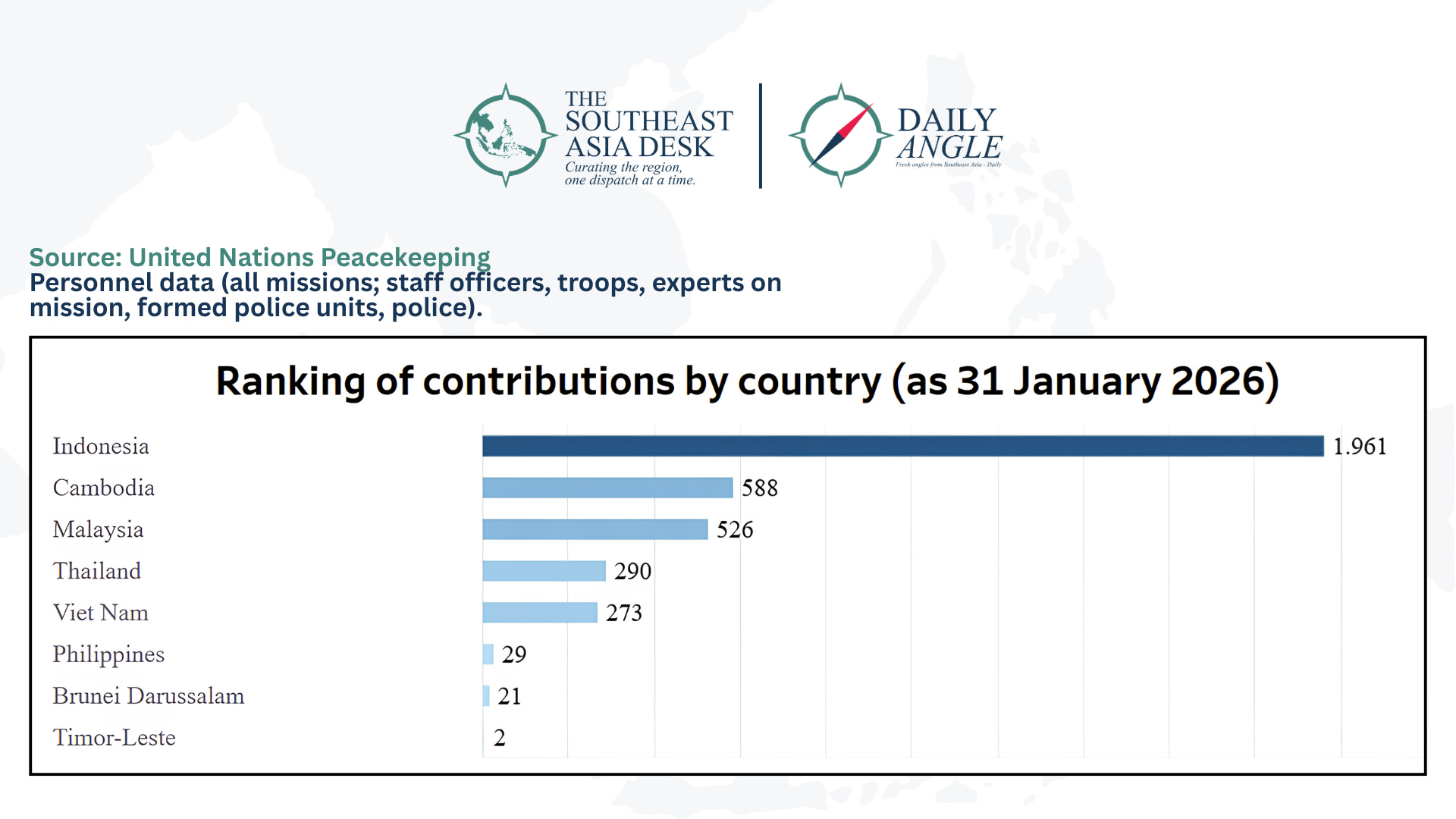
🪖 Exposure: ASEAN personnel are deeply embedded in UN missions — led by Indonesia (1,961 personnel), followed by Cambodia (588), Malaysia (526), Thailand (290), Viet Nam (273), and others.
🌐 Positioning: these deployments reflect ASEAN member countries' growing role in global security, despite the absence of a unified military framework.
⚠️ Risk shift: Lebanon illustrates a new reality — Southeast Asian peacekeepers are no longer operating at the periphery of conflict, but within its most volatile zones.
🧭 Endurance: the challenge for Southeast Asia nations is no longer willingness to contribute, but how long it can sustain that role as cycles of violence outpace efforts to contain them.
🌍 The Bigger Picture
The crisis highlights a widening gap between mandate and reality:
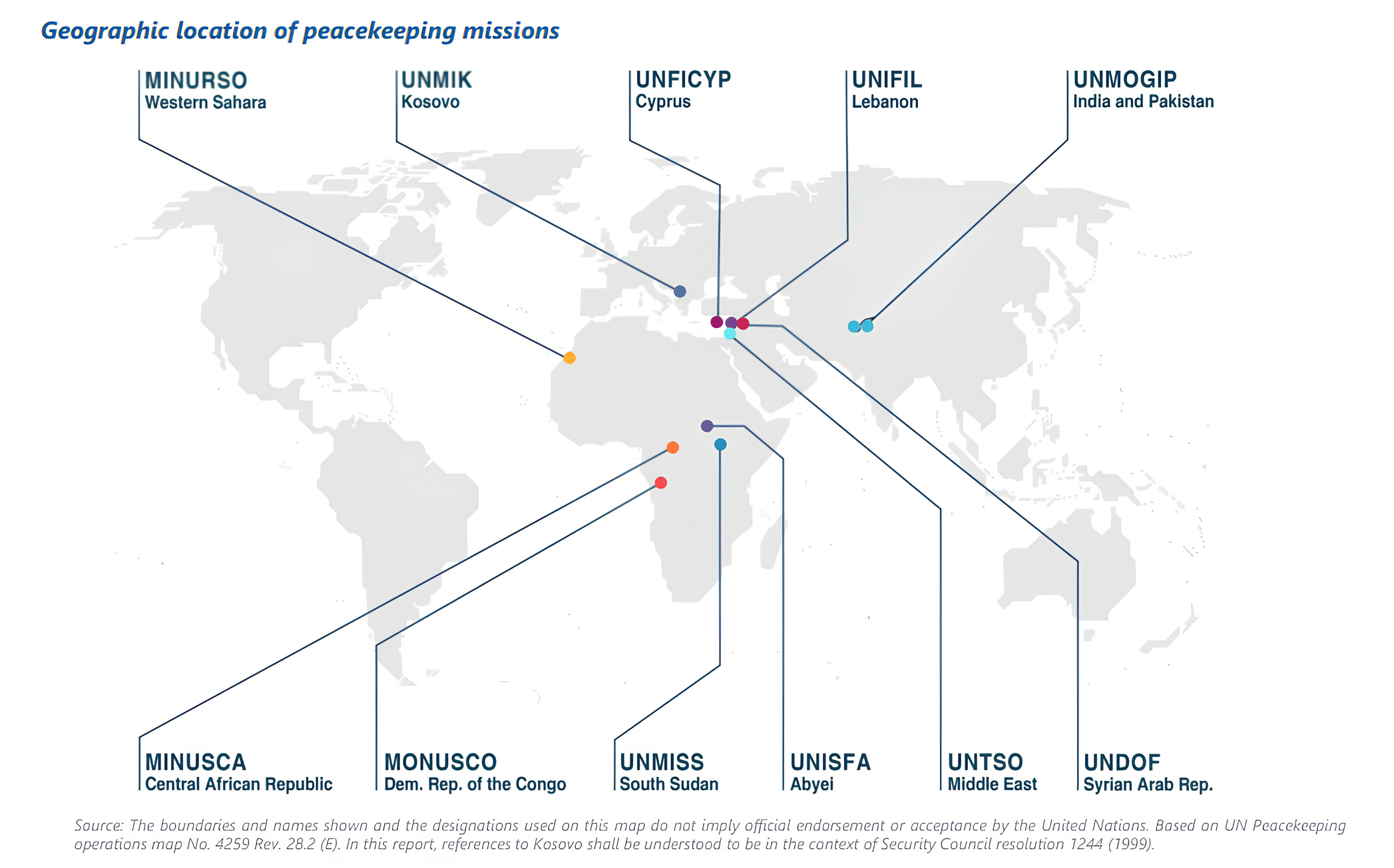
⚖️ Framework: UNIFIL operates under Security Council Resolution 1701 — designed to maintain a ceasefire and prevent escalation.
🔁 Violations: repeated cross-border strikes, military presence, and attacks on UN personnel indicate a “multiplicity of violations,” as noted by Jean-Pierre Lacroix.
🧠 Strategic limit: the persistence of hostilities reinforces a core conclusion — there is no viable military solution, only a political one.
🧱 System breakdown: beyond the battlefield, essential civilian systems — especially healthcare — are deteriorating, signaling a broader collapse of protection mechanisms.
“There cannot be a military solution. There has to be a political solution… We have a multiplicity of violations of resolution 1701.” — Jean-Pierre Lacroix, Under-Secretary-General for Peace Operations.
🧭 Beyond the Headlines
📦 Operational paradox: peacekeepers were killed during logistical and humanitarian tasks — not combat — blurring the line between support roles and frontline exposure.
⚠️ War on systems: the conflict is no longer confined to military targets — it is disrupting access to healthcare, aid, and basic survival.
🔄 Institutional shift: peacekeeping missions are increasingly adapting to conditions of sustained insecurity, rather than post-conflict stabilization.
❤️ Why This Hits Home
Across Southeast Asia, these losses are not distant headlines but shared grief — lives sent to keep the peace, yet lost to war, far from home.
For a region increasingly present in global peacekeeping, the question is no longer abstract: how much risk can Southeast Asia bear in conflicts where peace itself no longer holds?
👉 The Bottom Line
When those sent to keep the peace are no longer safe, ceasefire, protection, and accountability become urgent — not optional.
What’s at stake is no longer just one mission, but whether the system built to contain conflict can still hold.
📰 Need More Angle?
Médecins Sans Frontieres People in Lebanon are being cut off from care as Israeli attacks intensify
Indonesia's MoFA Indonesia Strongly Condemns the Series of Deadly Attacks on Indonesian Peacekeepers in Southern Lebanon
UN Peacekeeping Action for Peacekeeping - 8th Progress Report
UN Peacekeeping Troops and police contributors
UN Peacekeeping Data
(BRZ/NGO/ARS/ADE/ELS/QOB)
We're angry!