



🎯 The Main Takeaway
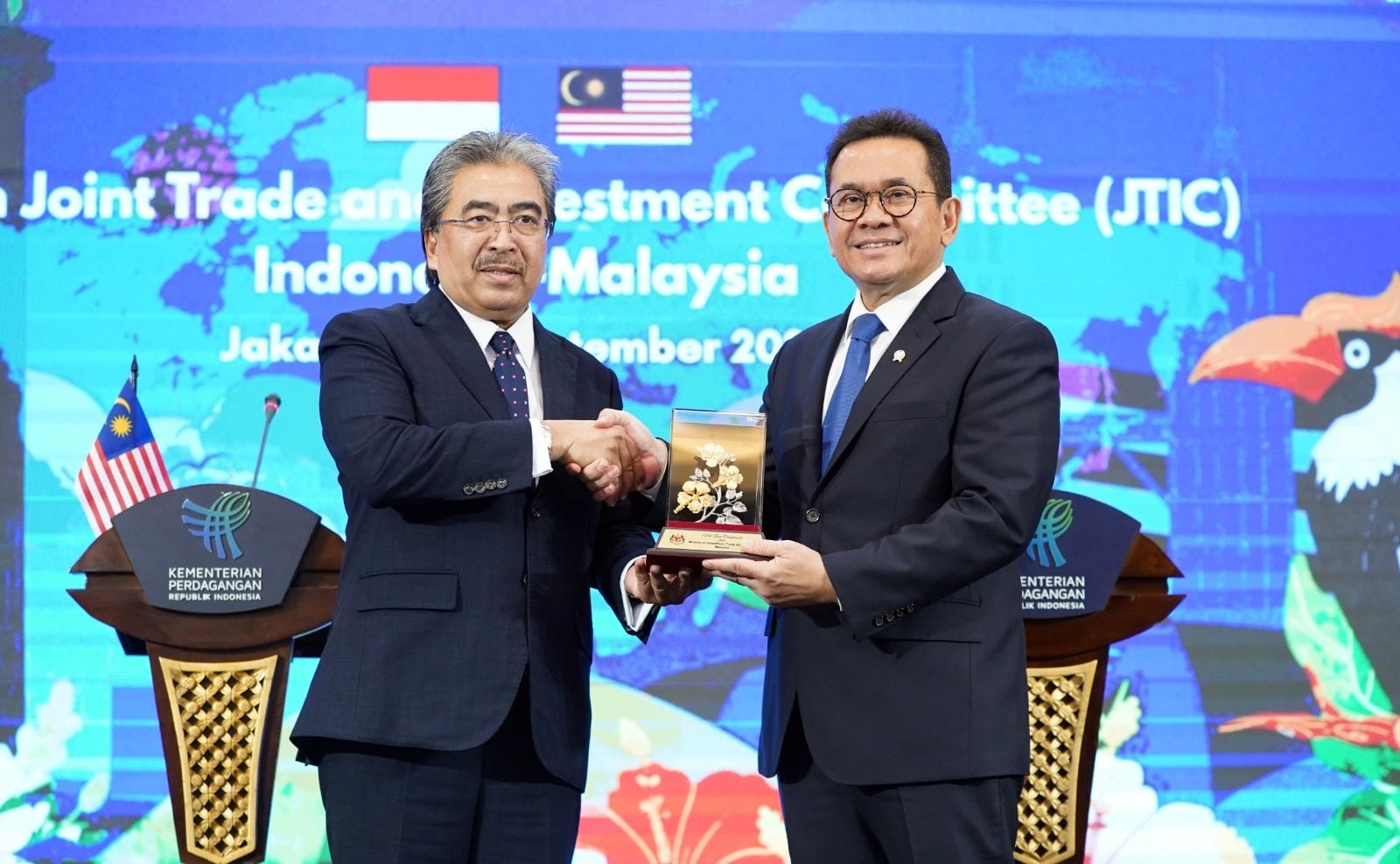
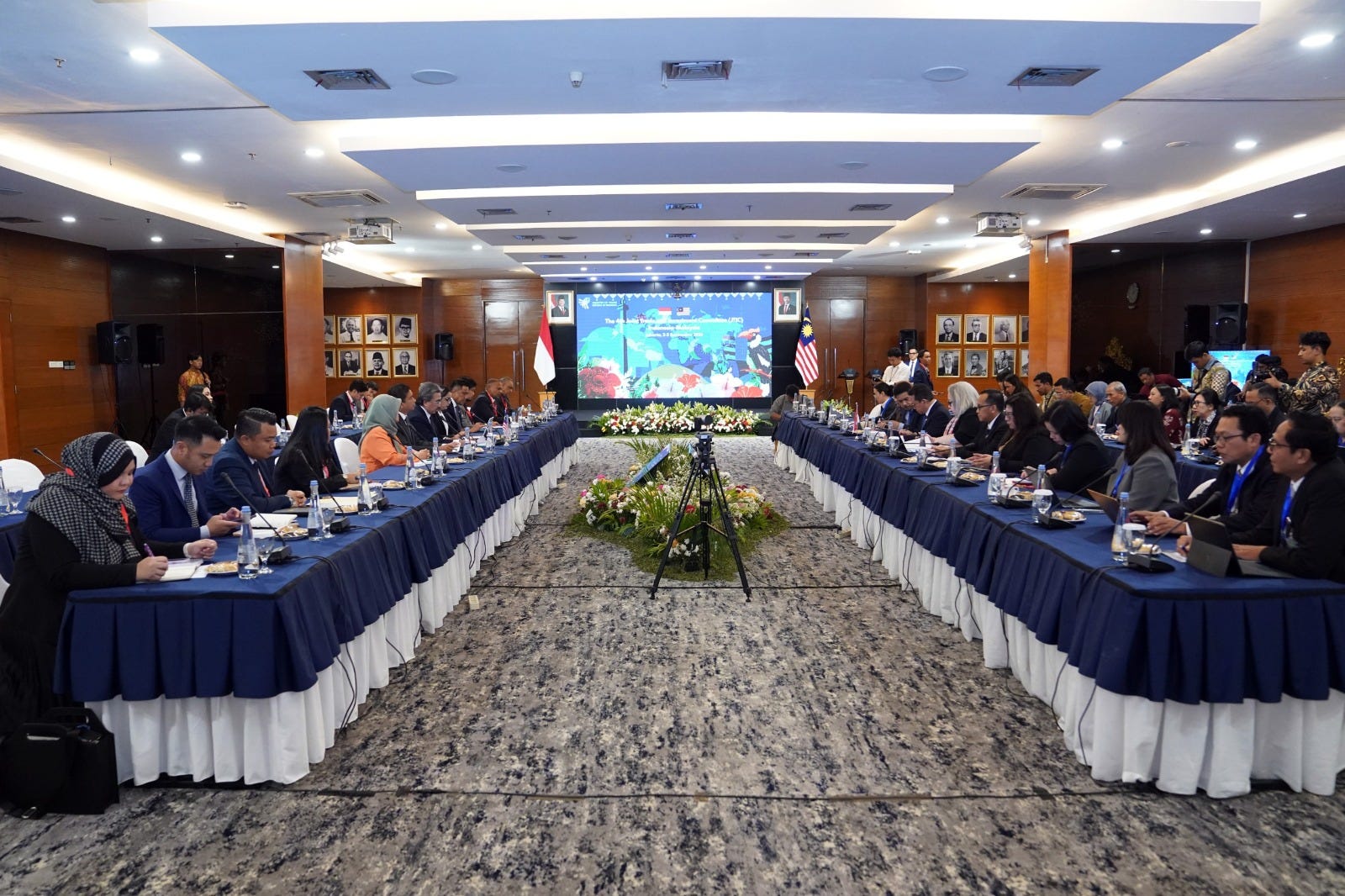
Indonesian Trade Minister Budi Santoso, along with Malaysian Investment, Trade and Industry Minister Johari Abdul Ghani, held the 4th Ministerial Meeting of the Indonesia-Malaysia Joint Trade and Investment Committee (JTIC) on Thursday (9/3) in Jakarta.
During the meeting, both ministers discussed key issues, challenges, and opportunities in bilateral relations, while agreeing on follow-up actions to ensure that agreements and cooperation between the two sides remain on track, are properly implemented, and deliver mutual benefits.
One of the main highlights of the meeting was the shared commitment to strengthen bilateral trade, investment and economic connectivity by optimising the Border Trade Agreement (BTA) and Border Crossing Agreement (BCA), signed by both countries in 2023.
📡 Why It’s on Our Radar?
On 8 June 2023, Indonesian President Joko Widodo made a state visit to Putrajaya, Malaysia, where he held a bilateral meeting with Prime Minister Anwar Ibrahim.
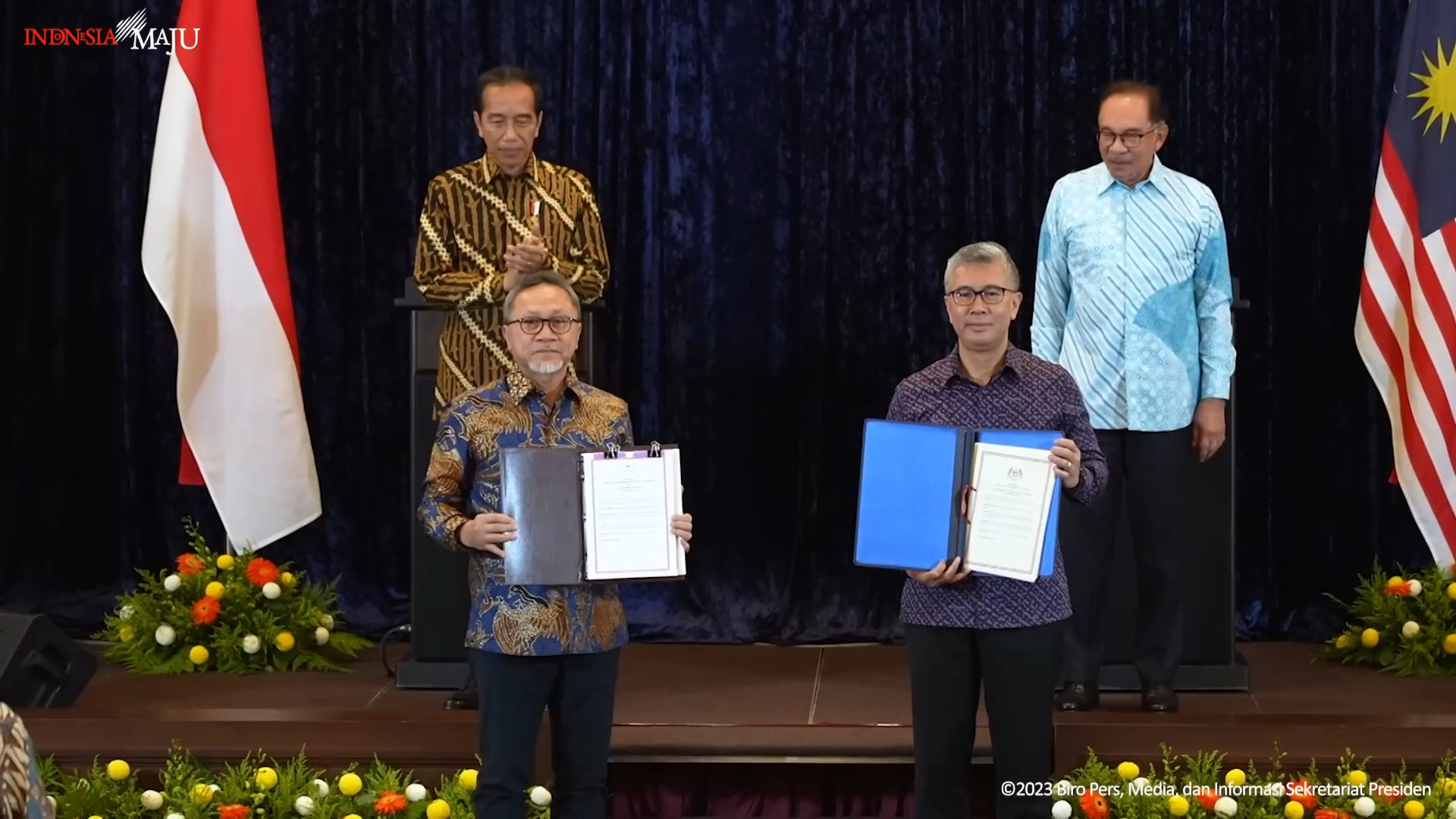
Both heads of state discussed cooperation across various sectors, including cross-border activities, and then signed the Border Trade Agreement (BTA) and Border Crossing Agreement (BCA) to support economic growth in Indonesia and Malaysia.
However, the implementation of the agreements was delayed by three years due to a lengthy ratification and dissemination process, as well as complex internal administrative procedures related to the border that required further negotiations.
📩 The Follow-Up Action
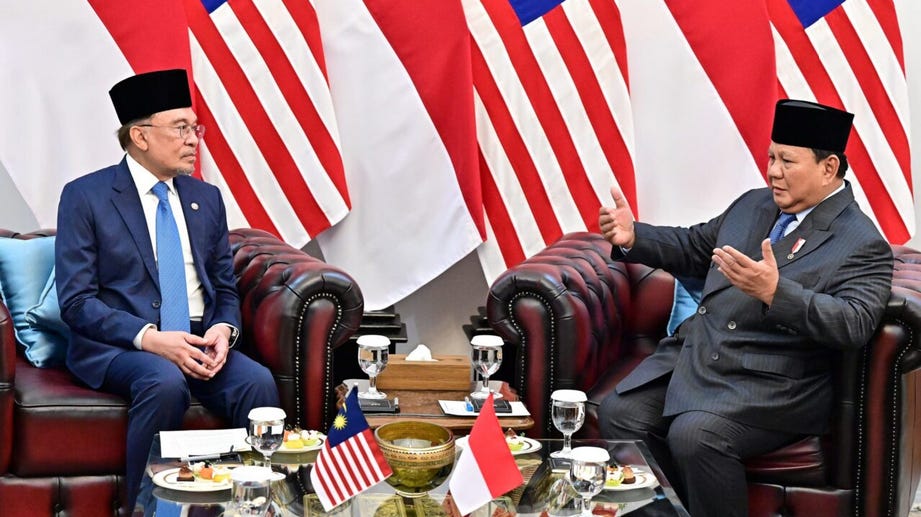
As a follow-up, Malaysian Prime Minister Anwar Ibrahim travelled to Jakarta, Indonesia, to attend the 13th Annual Consultation with Indonesian President Prabowo Subianto on 29 July 2025.
During the meeting, both leaders welcomed their shared commitment to strengthen economic and people-to-people connections along the border, while highlighting the importance of resolving trade and investment issues to deepen economic ties.
Both leaders looked forward to implementing the Indonesia-Malaysia Border Crossing Agreement (BCA) and Border Trade Agreement (BTA) to support local businesses in both countries.
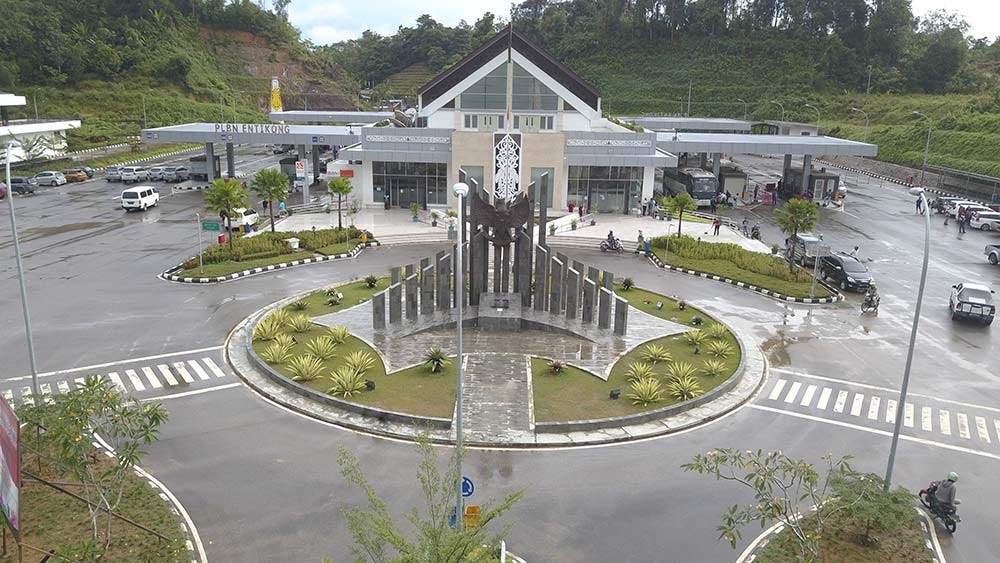
Moreover, officials were urged to expedite internal processes to facilitate the normalisation of trade at the Tebedu-Entikong border, located between Sarawak and West Kalimantan, as soon as possible, in response to strong demand from businesses and people living along the border.
“This reflects our shared commitment to strengthen the implementation of the Border Trade Agreement, facilitate border trade and support economic connectivity. Indonesia is also committed to strengthening coordination with Malaysia to resolve outstanding issues at the Entikong–Tebedu border. This will help ensure that legitimate cross-border trade can operate smoothly and efficiently.” - Budi Santoso, Indonesian Trade Minister.
🚧 The Border Trade Agreement
The Border Trade Agreement (BTA) was signed by Indonesian Trade Minister Zulkifli Hasan and Malaysia’s Investment, Trade and Industry Minister Tengku Zafrul Aziz on 8 June 2023 in Putrajaya, Malaysia.
The agreement aims to establish clear rules and a legal basis for customs authorities to monitor cross-border trade, including the types, categories, values, maximum transaction limits, and designated checkpoints for goods and commodities that border residents may trade.
The BTA is an updated version of an earlier agreement that has been in place since 24 August 1970. It improves management, mechanisms, and supervision to better reflect current conditions and the daily needs of people living along the border.
The agreement finally came into effect on 29 May 2026. The ministers welcomed its implementation, alongside the establishment of a BTA Committee to facilitate border trade and support economic activities in communities along the shared border.
✈️ The Border Crossing Agreement
The Border Crossing Agreement (BCA) was signed by Indonesian Home Affairs Minister M. Tito Karnavian and Malaysia’s Home Affairs Minister Dato’ Seri Saifuddin Nasution on the same day in Putrajaya, Malaysia.
The agreement focuses on improving connectivity and providing a legal basis for immigration authorities to monitor cross-border movement between the two countries, including at entry points, access areas, and security procedures along the border.
The BCA is a revised version of the previous Basic Arrangement of Border Crossing, signed on 26 May 1967. It includes improvements to meet modern needs, especially through digitalisation of document verification, identification and tracking, as well as wider border access.
The agreement was finally implemented on 17 July 2026. Both sides welcomed its effective implementation, which facilitates cross-border movement between Indonesia and Malaysia.
📈 The Target
There are several targets expected to be achieved through these agreements and meetings:
Reduce trade barriers: Simplify bureaucratic procedures to boost trade between Indonesia and Malaysia.
Improve trade: Add more items and increase trade volumes to support the daily needs of communities on both sides.
Expand investment: Attract more bilateral investment to support economic development, and create more job opportunities in both countries.
Prevent transnational crime: Help prevent the smuggling of weapons, drugs and other illegal items, as well as human trafficking.
Together, these efforts are expected to deliver mutual benefits, strengthen economic ties, protect border communities, improve their welfare, and boost economic growth in both countries.
“Hopefully, this agreement will facilitate a lot of economic activities between the two countries. What is important is that we can actually double, triple, quadruple transaction volume if the two countries can strengthen trade facilitation. Because Indonesia wants a lot of our products to go to them, and they also want to export to us. So if the border is efficient, both parties will benefit.” - Johari Abdul Ghani, Malaysian Investment, Trade and Industry Minister.
🚀 Moving Forward…
Both sides reaffirmed their commitment to the continued normalisation and facilitation of international trade at the Entikong–Tebedu border, and urged relevant authorities to take concrete measures, improve coordination and resolve remaining issues to facilitate smoother and more efficient cross-border trade.
The two countries also look forward to continued close cooperation through the 5th Indonesia-Malaysia Joint Trade and Investment Committee (JTIC), which will be held in Malaysia on a mutually agreed date in the near future.
💡 Moreover…
The meeting also covered several other areas:
Business cooperation: The ministers welcomed stronger business cooperation between Indonesia and Malaysia, including between the Indonesian Chamber of Commerce and Industry (KADIN), and the Malaysia External Trade Development Corporation (MATRADE).
Market and trade access: The ministers discussed market access and trade, including agricultural and food products, and encouraged both sides to resolve remaining problems that could delay the plan.
Investment cooperation: The ministers welcomed efforts to create a better investment climate and strengthen investment ties. They also recognised the role of the Malaysia-Indonesia Investment Committee Working Group (MIICWG) in facilitating investment cooperation.
Other areas: The ministers welcomed continued cooperation in e-commerce, agriculture, halal matters and standards, and encouraged both sides to take follow-up actions.
Relevant authorities in both countries were urged to follow up on the outcomes, and ensure they are implemented as planned.
🏡 Why This Hits Home?
Indonesia and Malaysia have maintained diplomatic relations for 69 years, since Malaysia gained independence from the UK in August 1957. Their economic performance includes:
Trade value: Indonesia-Malaysia trade reached USD 16.83 billion from January to July 2026, up 21.01% from the same period in 2025 (USD 13.91 billion). Total trade reached USD 24.18 billion in 2025.
Exports: Indonesia exported USD 8.26 billion in goods to Malaysia from January to July 2026, down from USD 13.06 billion in 2025.
Imports: Indonesia imported USD 8.57 billion in goods from Malaysia from January to July 2026, down from USD 11.12 billion in 2025.
Export Commodities: Major Indonesian exports to Malaysia included mineral fuels, animal/vegetable fats and oils, chemical products, copper, steel and iron.
Import Commodities: Major imports included mechanical and electrical machinery, plastics and related products, organic chemicals, and cocoa and chocolate.
Investment: Malaysian investment in Indonesia reached USD 17 billion cumulatively from 2023 to 2025.
The effective implementation of the Border Trade Agreement and Border Crossing Agreement, is expected to increase trade revenue and attract more investment between the two countries.
📌 The Bottom Line
Cross-border trade is not just about moving goods and people, but also about creating opportunities for businesses and border communities. With the BTA and BCA now in effect, Indonesia and Malaysia can reduce trade barriers, improve border connectivity and boost economic activity.
The Entikong–Tebedu border is not just a crossing point, but a potential gateway for stronger economic growth. By simplifying procedures and resolving remaining issues, both countries can increase trade, support local businesses and improve the welfare of border communities.
The BTA and BCA are not just agreements on paper, but tools to strengthen Indonesia-Malaysia economic ties. Their effective implementation can make cross-border trade and movement smoother, safer and more efficient, while creating greater mutual benefits for both countries.
🔍 Need More Angles?
Kementerian Pendayagunaan Aparatur Negara dan Reformasi Birokrasi, Indonesia-Malaysia Melakukan Pembaruan Border Trade Agreement
Kementerian Perdagangan, Indonesia-Malaysia Berkomitmen Maksimalkan Implementasi Perdagangan Lintas Batas
Ministry of Foreign Affairs Malaysia, Joint Statement of the 13TH Annual Consultation Between President Prabowo Subianto and Prime Minister Dato’ Seri Anwar Ibrahim, Jakarta, 29 July 2025
Bernadeth, et al. via ResearchGate, Analysis of the Border Trade Agreement (BTA) Between Indonesia and Malaysia After Renewal
The Star, Malaysia, Indonesia Closer to Reopening Tebedu-Entikong Trade Route
(NGO/QOB)