



📌 The Main Takeaway
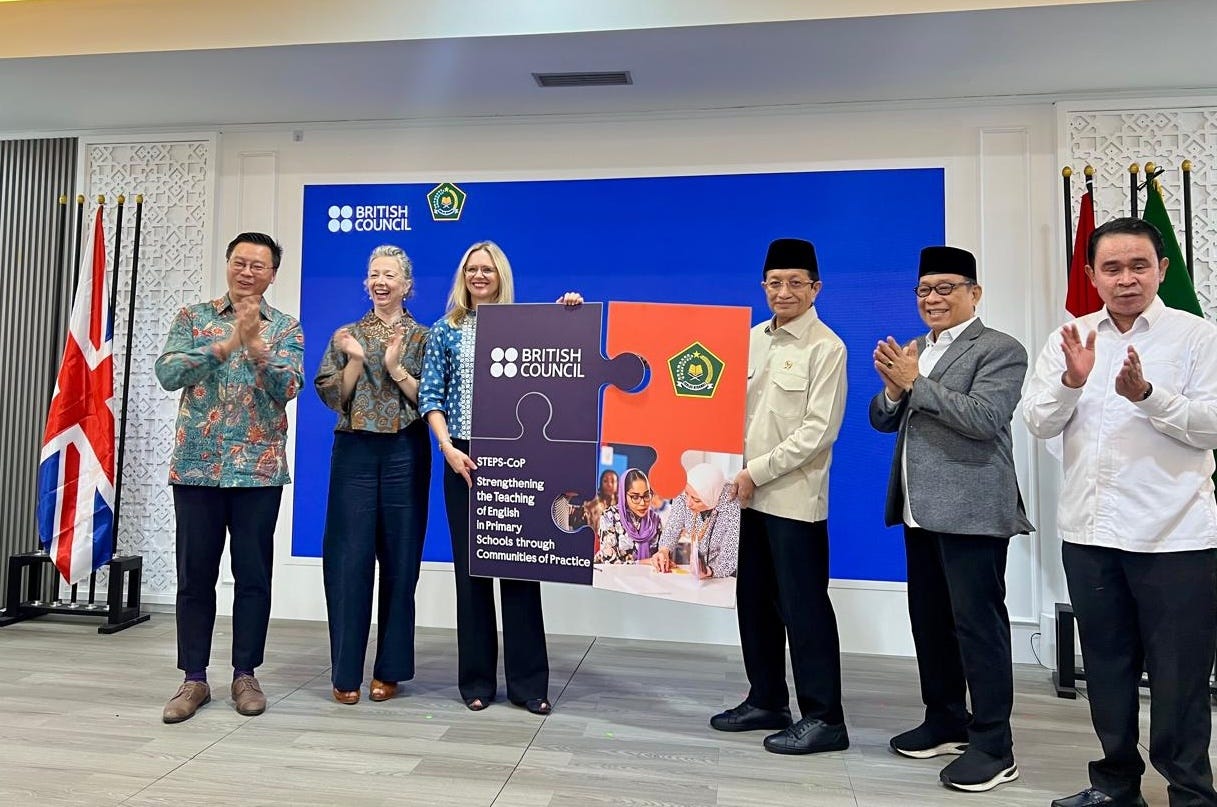
The British Council and the Indonesian Ministry of Religious Affairs have launched the Strengthening the Teaching of English in Primary School through Communities of Practice (STEPS-CoP) programme.
The initiative targets Madrasah Ibtidaiyah (MI) educators ahead of the July 2027 policy making English a compulsory subject for grades 3-6.
By establishing continuous learning communities, the programme shifts professional development away from isolated training sessions toward sustained, peer-led support.
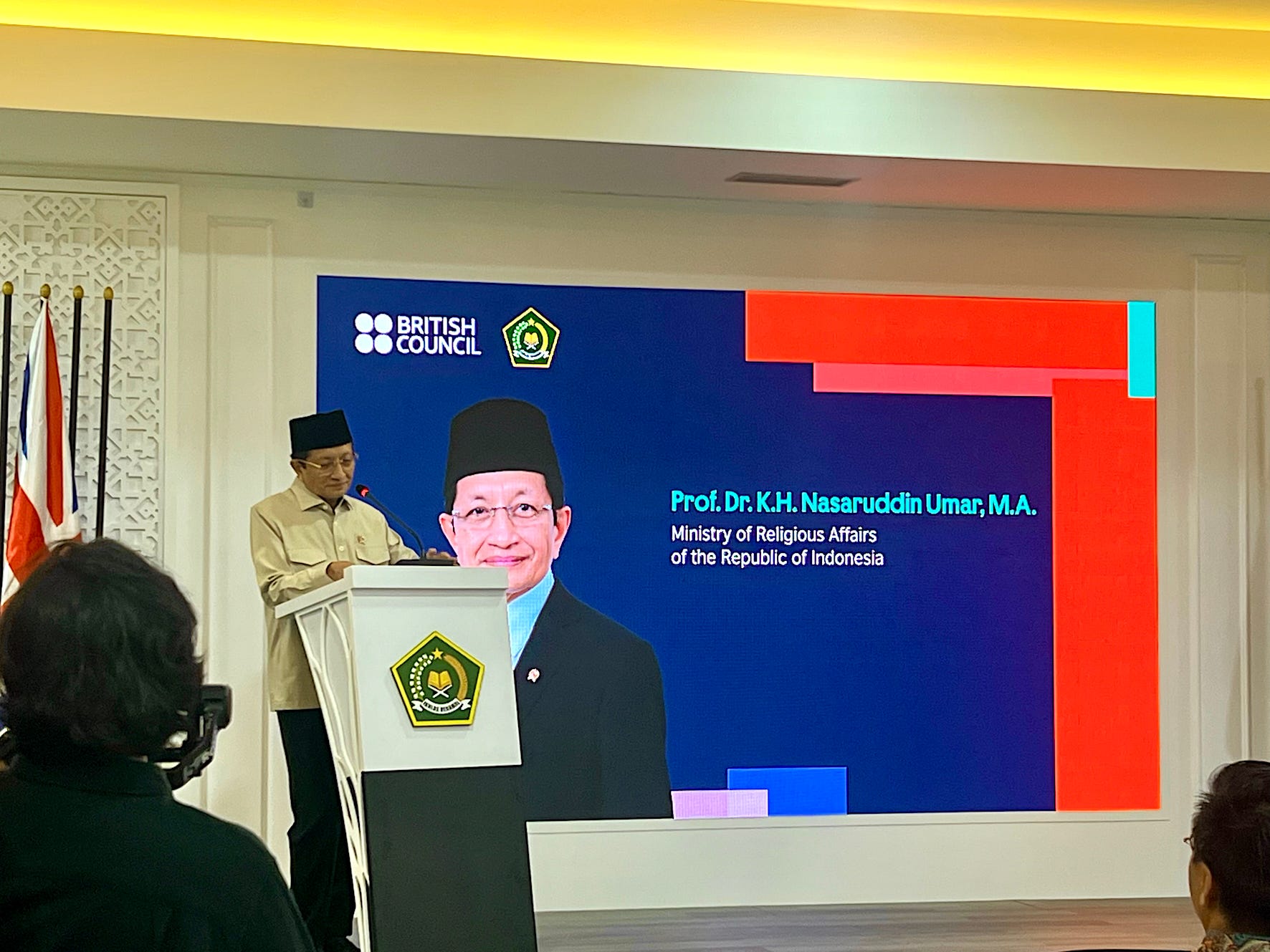
Nasaruddin Umar, Minister of Religious Affairs of the Republic of Indonesia, emphasizes the importance of teacher readiness in preparing madrasah students to engage with an open world while remaining rooted in their values.
📡 Why It’s on Our Radar
Preparing for the 2027 compulsory English mandate requires more than just adding a subject to the curriculum.
The quality of students’ learning experiences hinges on educators' readiness. English proficiency is increasingly recognized as an essential academic skill and a gateway to:
🌐 Global networks
💻 Technological advancement
📚 Unrestricted access to knowledge
“Introducing English at Madrasah Ibtidaiyah is not simply about adding another subject. It is part of our effort to prepare madrasah students with the ability to access knowledge and engage with an increasingly open world, while remaining firmly rooted in their values and character.” - Nasaruddin Umar, Minister of Religious Affairs of the Republic of Indonesia
Indonesia currently has over 26,000 Madrasah Ibtidaiyah across the archipelago.
The STEPS-CoP initiative serves as a foundational model designed for gradual nationwide replication.
📊 STEPS-CoP by the Numbers
The scope of the new initiative and the landscape it serves highlights the scale of the transition:
🏫 26,826 Madrasah Ibtidaiyah across Indonesia (as of mid-2025)
👩🏫 6,000 English and MI teachers participating in the program
📍 34 cities and regencies involved in the rollout
🤝 68 Community of Practice (CoP) Leaders driving peer development.
This targeted launch is intended to build a replicable professional development model.
⚠️ Why It Matters
Traditional teacher training often concludes once a workshop ends, leaving educators to implement changes in isolation.
STEPS-CoP redefines this approach by embedding learning directly into the teaching community. A community-based approach ensures teachers can:
💬 Discuss real-time classroom challenges
🔄 Exchange proven teaching practices
📈 Continuously develop alongside their peers.
When educators can lead change in their own communities, high-quality English education can reach more children, regardless of background.
🔍 What’s Inside the Program
The program relies on data-driven insights and a Training of Trainers methodology. To avoid a one-size-fits-all approach, the initiative uses targeted assessment tools to map starting points:
🗣️ The British Council’s EnglishScore to measure language proficiency
📊 A Self-Assessment Tool (SAT) to evaluate pedagogical competencies.
This ensures professional learning responds directly to each teacher's needs.
“Teachers do not need yet another training programme that ends when the session is over. We need space to continue learning once we return to the classroom — to discuss the challenges we face, share practices that work, and learn from the experiences of fellow teachers.” - Septriani Nidi, School Supervisor and Training of Trainer Facilitator
💡 What Changes in Professional Learning
By treating professional development as an ongoing dialogue, teachers no longer have to navigate curriculum transitions alone. Key shifts in the development process include:
🤝 Transitioning from isolated learning to collaborative community support
🎯 Moving from generalized training to targeted, data-backed development
🔄 Creating a sustainable feedback loop among regional educators
These improvements in teacher competence directly translate into tangible, high-quality learning benefits for primary students.
🚀 What to Expect
Implementing the 2027 policy successfully will require broad ecosystem support. To sustain this momentum, the program requires action from multiple stakeholders:
🏫 Madrasah leaders must give teachers time and space to participate in CoPs.
👨👩👧👦 Parents and communities need to foster positive attitudes toward early English learning.
⚖️ Ecosystems must ensure English is introduced without creating undue academic pressure on young children.
The 6,000 teachers trained in this phase will catalyze wider expansion in the coming years.
🌍 The Bigger Picture
This initiative reinforces education as an essential pillar of the enduring relationship between the United Kingdom and Indonesia.
By combining the British Council’s global expertise with Indonesian educators' local knowledge, the collaboration builds an enduring model of professional development.
When a single teacher strengthens their capabilities, the knowledge and practices they develop carry back into the classroom, multiplying the opportunities created for generations of learners.
🚨 The Bottom Line
STEPS-CoP transforms how madrasah teachers prepare for the 2027 compulsory English mandate.
By making professional learning an integrated, everyday community practice rather than a standalone event, the initiative equips educators with the skills and confidence necessary to open global doors for millions of primary students across Indonesia.
(JUN/QOB)