



🎯 The Main Takeaway
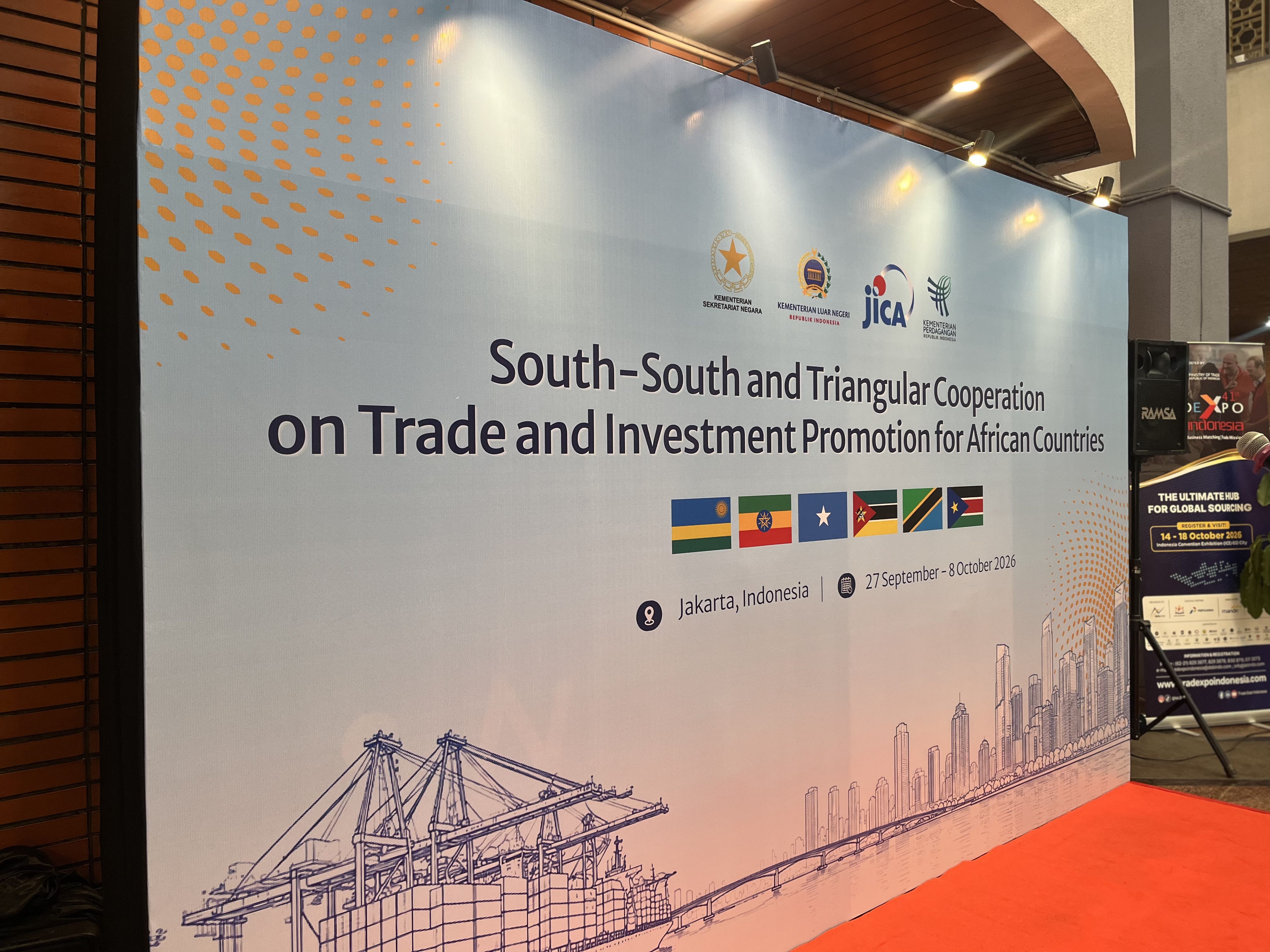
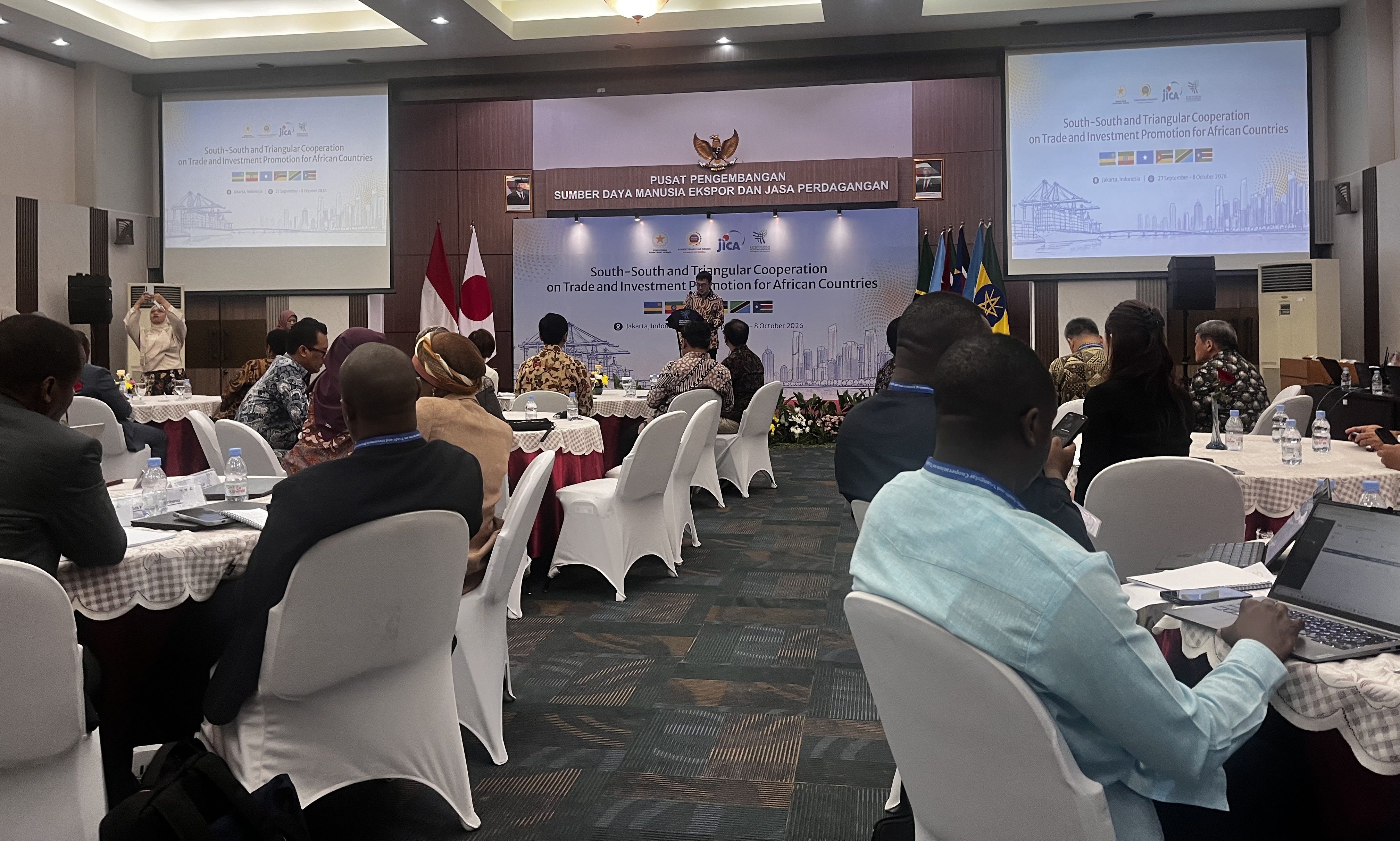
Hosted by the Ministry of Trade of the Republic of Indonesia (Kemendag) through the Export and Trade Services Human Resource Development Center (PPEJP), Indonesia convened the South-South and Triangular Cooperation (SSTC) on Trade and Investment Promotion for African Countries 2026 in Jakarta.
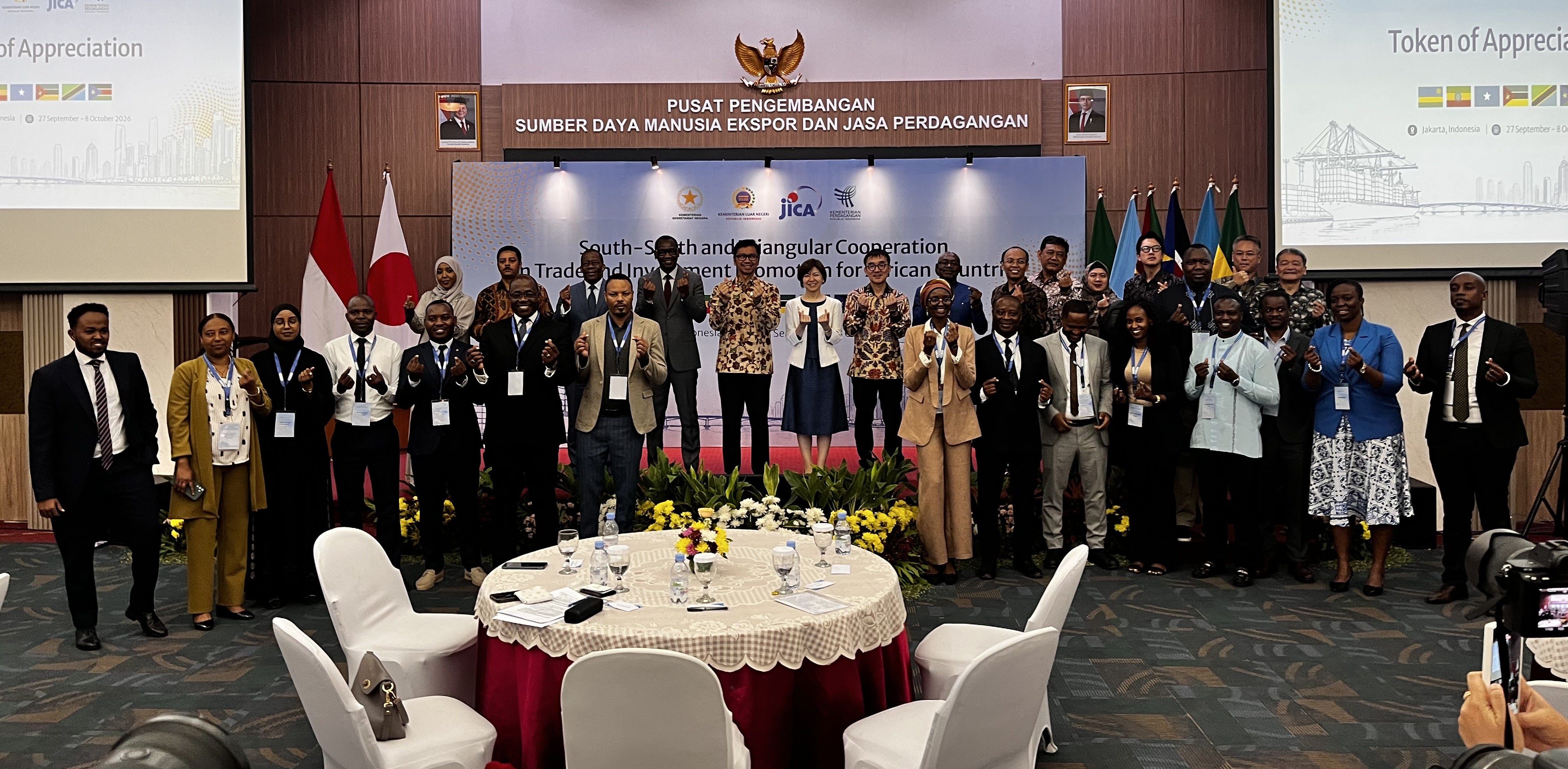
Running from September 28 to October 7, 2026, the program brings together six East African nations—Ethiopia, Mozambique, Tanzania, South Sudan, Somalia, and Rwanda—alongside Japan as the triangular partner via the Japan International Cooperation Agency (JICA).
The initiative aims to equip trade officials and institutions with adaptive supply chain skills, digitalization strategies, export promotion capabilities, and trade negotiation techniques amid ongoing global economic restructuring.
‘As one of the fastest-growing regions in the continent, East Africa plays vital role in driving economic growth, regional integration, trade expansion, and investment opportunities across Africa”, - Takeda Sachiko, Chief Representative of JICA Indonesia
📡 Why It’s on Our Radar
Following the successful launch of the inaugural program on July 8, 2025, the positive outcomes and institutional takeaways formally presented at the 9th Tokyo International Conference on African Development (TICAD-9) in Yokohama validated the strength and necessity of this triangular framework.
This second edition in 2026 underscores Indonesia’s active, multi-year economic engagement with Africa.
Through this sustained effort, Indonesia reinforces its dedication to fostering sustainable growth and shared prosperity across the Global South.
🤝🏻 South-South and Triangular Cooperation
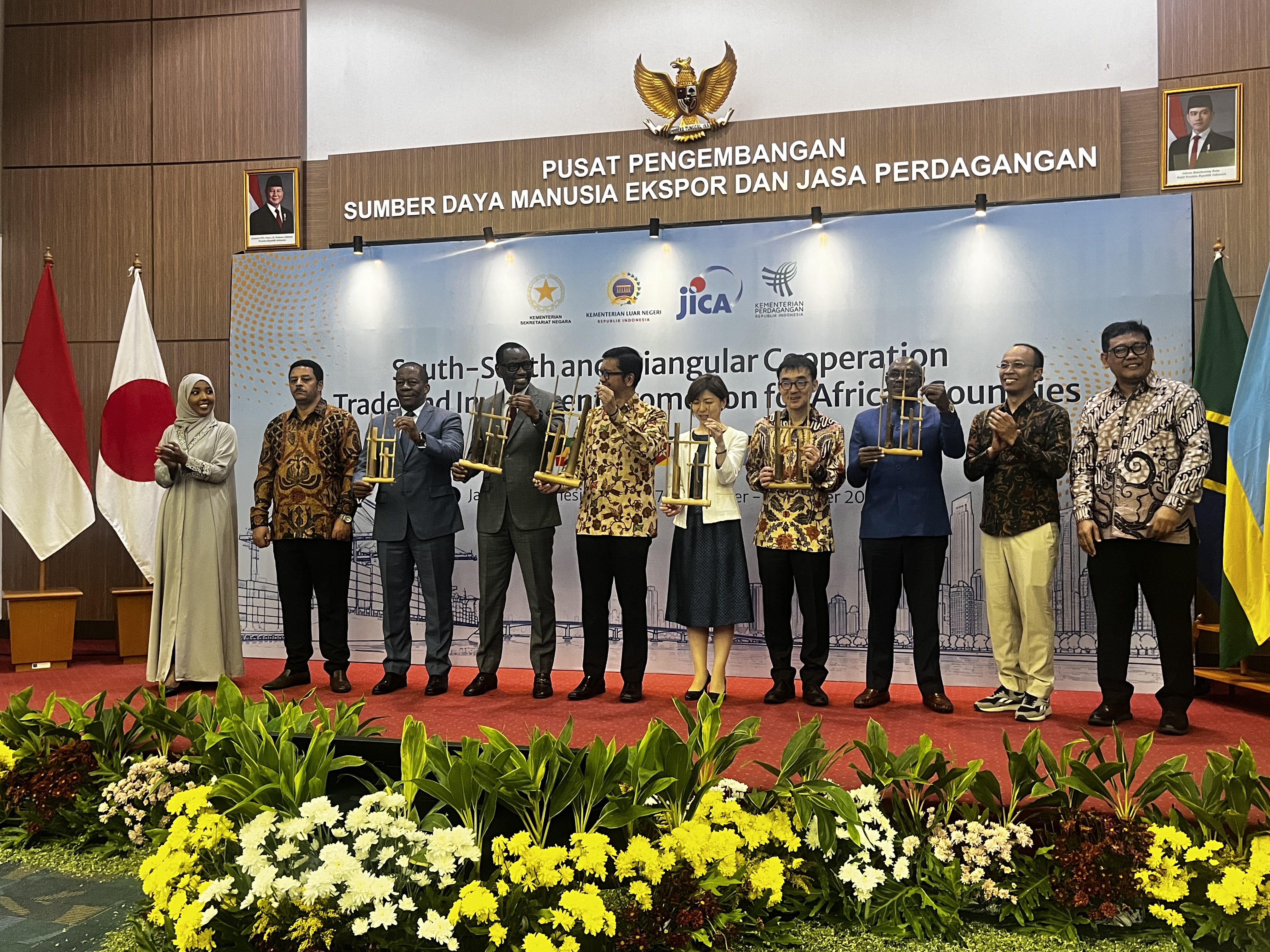
In this program, South-South Cooperation (SSC) refers to technical, economic, and political collaboration among developing countries of the Global South based on mutual benefit, horizontal solidarity, and shared experiences.
It becomes Triangular Cooperation when a traditional developed country or multilateral organization steps in to provide financial, technical, or structural support to further facilitate and strengthen the initiative.
Indonesia: Shares practical experiences in trade promotion, the internationalization of small and medium-sized enterprises (SMEs), digital trade, and investment licensing.
Japan via JICA: Provides technical cooperation, funding, and historical institutional support.
East African Nations: 14 designated participants across government ministries learning to build sustainable, practical trade and investment frameworks.
Regional Observers: Representatives from the African Continental Free Trade Area (AfCFTA) Secretariat and the East African Community (EAC) monitoring alignment with broader regional economic integration efforts.
🇮🇩 Indonesia as the connecting bridge
Relations with Japan: Indonesia and JICA share a long-standing partnership dating back to 1986, when JICA began supporting the PPEJP (then the Indonesia Export Training Center) through Official Development Assistance (ODA) grants and technical projects. The 2026 training program represents the practical implementation of the Memorandum of Cooperation (MoC) signed between JICA and the Ministry of Foreign Affairs of Indonesia during the 2nd Indonesia-Africa Forum (IAF) in September 2024.
Relations with East African Nations: Indonesia’s relationship with Africa is anchored in the legacy and spirit of the 1955 Asian-African Conference in Bandung. Today, historical solidarity has evolved into concrete economic partnerships: bilateral trade between Indonesia and Africa reached USD 13.7 billion in 2023, while the 2024 IAF in Bali recorded deal values totaling USD 3.5 billion—a major surge from USD 568 million at IAF 2018.
📚 How the Program Works
Building on lessons learned from the inaugural cohort in July 2025, the course integrates practical classroom modules with operational field visits:
Classroom Modules: International trade negotiations, ASEAN economic mechanisms, SME development, digital marketing, export promotion, and business licensing.
Site Visits & Expert Sessions: Practical field exposure includes visits to PT Indofood, the Ministry of Trade’s Permanent Trade Exhibition, and the Ministry of Investment and Downstream Industry, alongside policy sessions delivered directly by the ASEAN Secretariat and the Economic Research Institute for ASEAN and East Asia (ERIA).
Action Plans: To complete the program, participants formulate concrete action plans to translate their acquired knowledge into institutional practice within their home countries.
🎯 Aligning Global and Regional Agenda
The program directly advances the UN 2030 Agenda for Sustainable Development and the African Union Agenda 2063: “The Africa We Want” by building human capital, fostering sustainable enterprise growth, and strengthening cross-continental trade institutions.
Indonesia’s decades-long experience within ASEAN serves as a real-world reference point for African nations working toward market consolidation under AfCFTA.
Regional economic integration requires much more than signing trade deals—it demands resilient national institutions, effective trade facilitation, competitive SMEs, pro-investment regulatory frameworks, and adaptively trained human capital.
Shared ASEAN experiences highlight how regional connectivity turns policy commitments into tangible cross-border commercial flows.
🏝️ The Regional Stake
In an era marked by supply chain disruptions, rising protectionism, and geopolitical friction among major powers, this initiative demonstrates how middle powers can use foreign policy agency to act as constructive bridges.
Rather than picking sides or reacting passively, middle powers like Indonesia use technical diplomacy to maintain economic stability, diversify markets, and build resilience across developing regions.
This effort mirrors a broader movement across Southeast Asia, where middle powers deploy targeted technical assistance, trade facilitation, and regional networks across the Global South:
Thailand: Partners with the WHO to host Universal Health Coverage (UHC) training for public health officials from Africa and South Asia, sharing frameworks for affordable UHC, malaria control, and community health worker networks.
Malaysia: Runs the Malaysian Technical Cooperation Programme (MTCP), offering technical training in public administration, Islamic banking, Sharia-compliant financial architecture, Sukuk issuance, and Halal certification systems to officials from Central Asia, Africa, and the Middle East.
Vietnam: Executes Triangular Rice Cultivation Projects alongside the FAO, sending agronomists, seed specialists, and field experts to countries like Mozambique, Senegal, Madagascar, and the Republic of the Congo to introduce high-yield varieties and boost local food security.
🏁 The Bottom Line
The SSTC program is far more than a routine capacity-building effort
Highlights the rising influence of middle powers like Indonesia in international development.
By connecting traditional capital with regional integration experience and emerging markets, Indonesia proves that middle powers can build lasting bridges between nations, paving the way for institutionalized trade agreements, resilient supply chains, and a more balanced global economic order independent of traditional superpower dynamics.
(DEV/QOB)