



🎯 The Main Takeaway
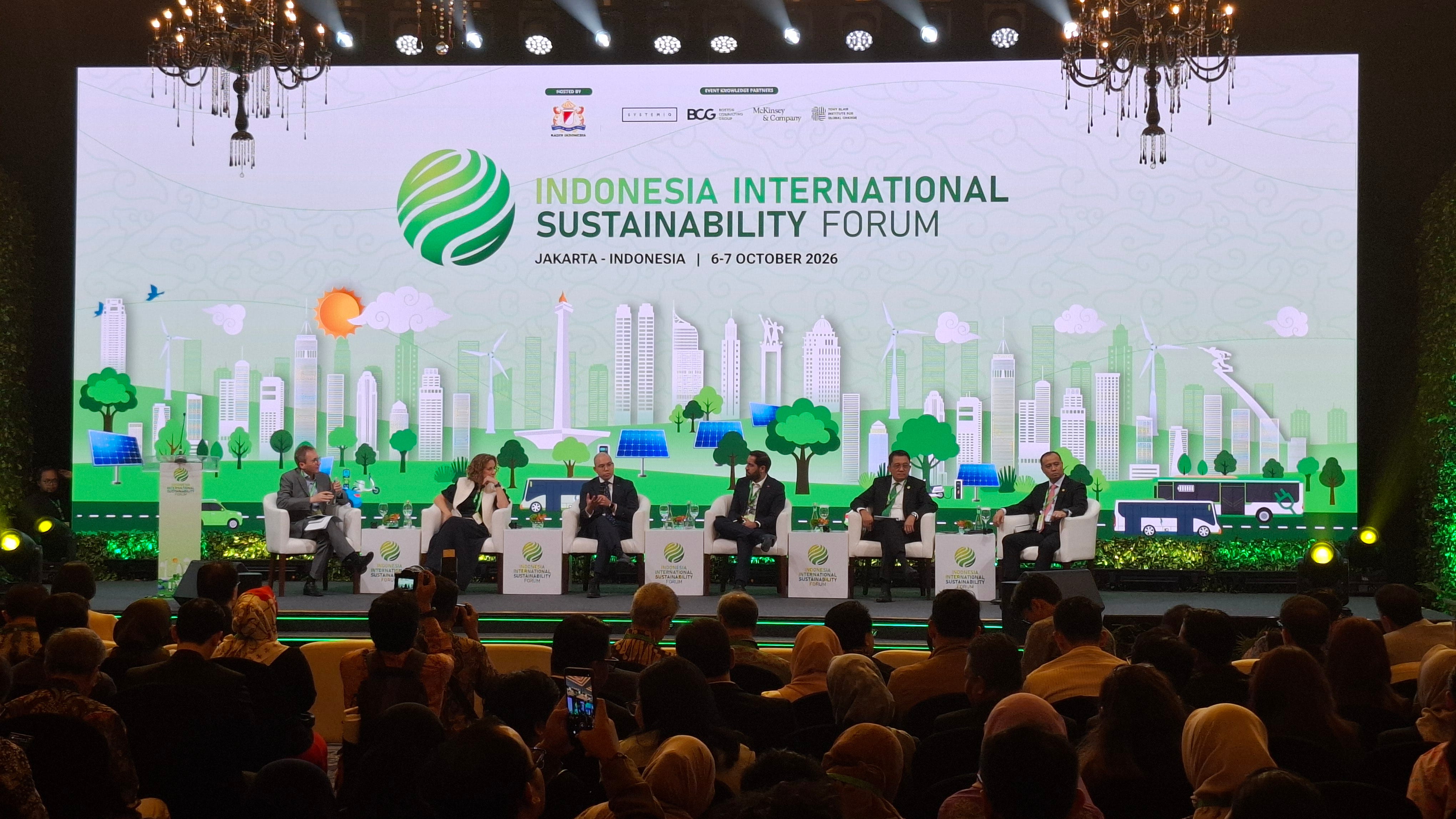
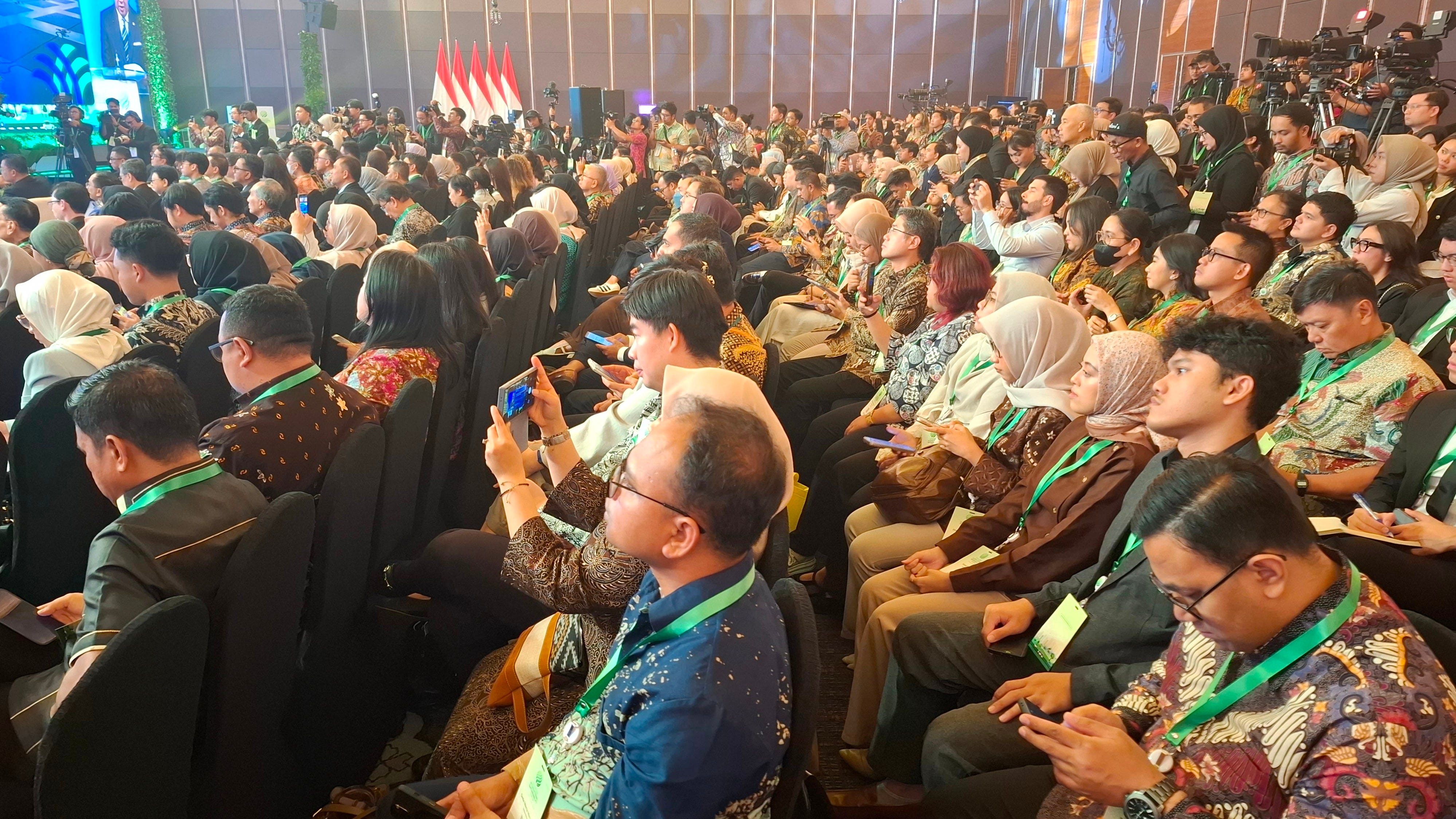
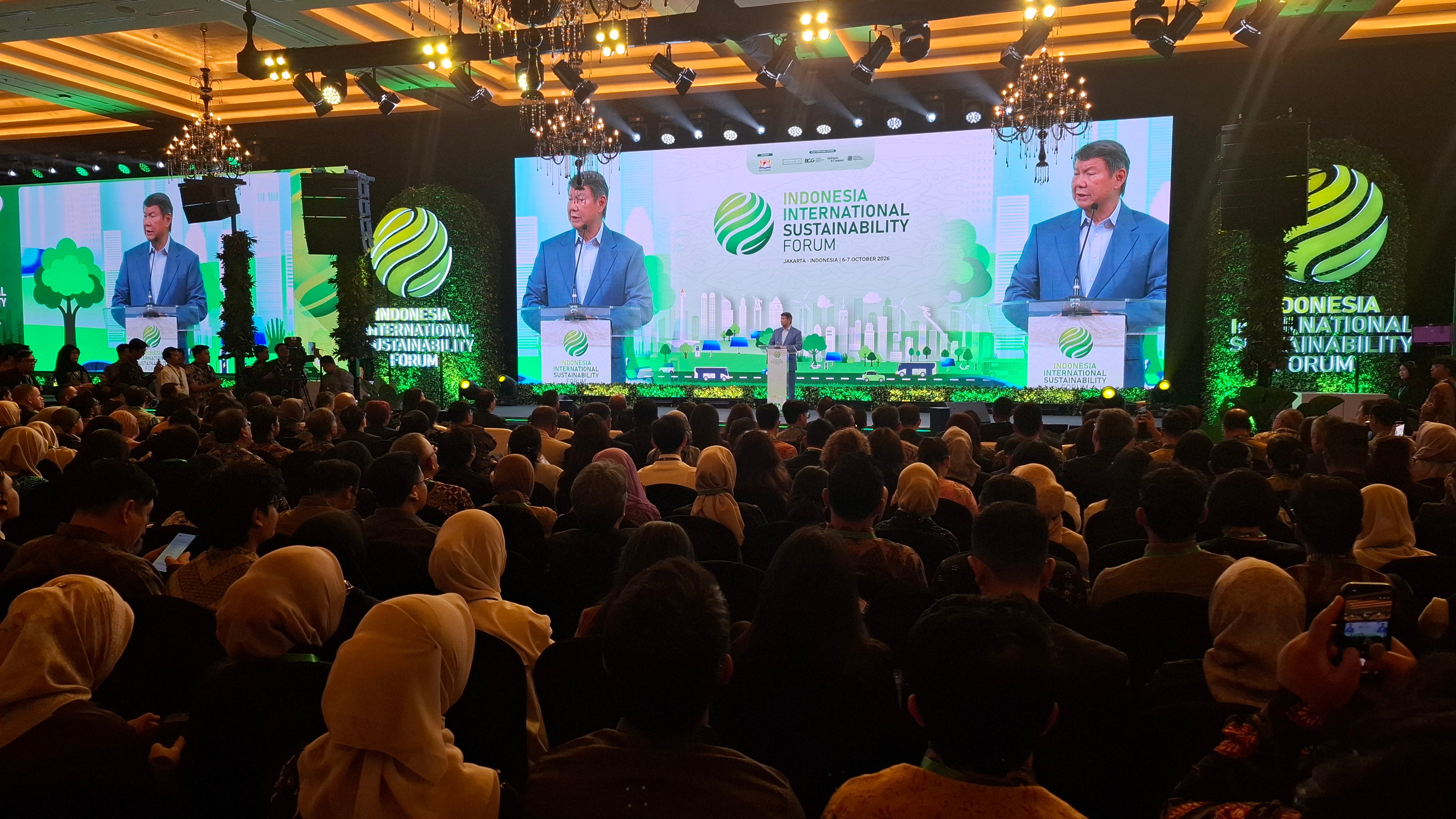
The Indonesian Chamber of Commerce and Industry (KADIN), together with its local and international partners, held the fourth Indonesia International Sustainability Forum (ISF) in Jakarta from 6 to 7 October 2026.
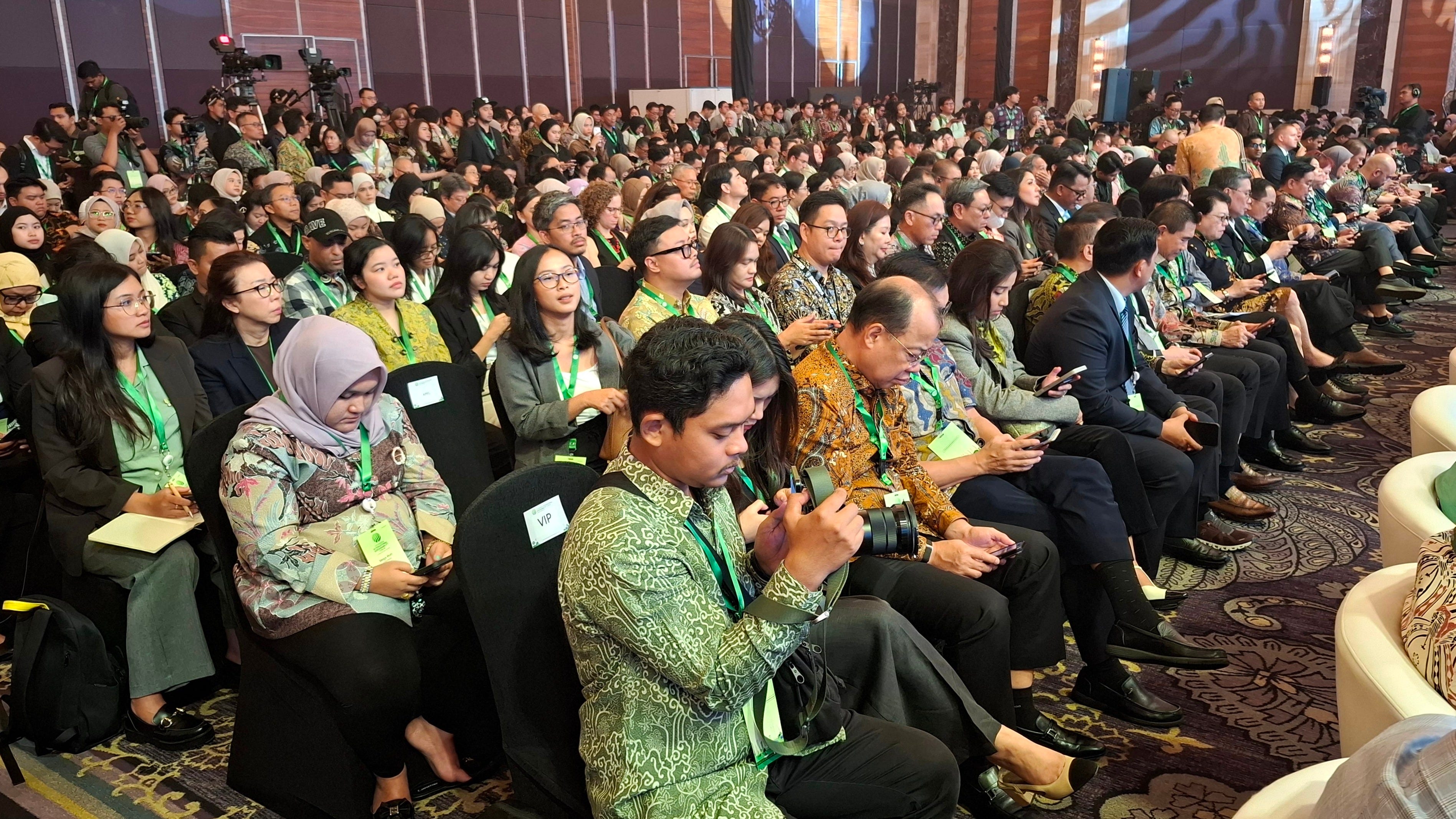
Under the theme “Investing for a Resilient, Sustainable, and Prosperous World”, the two-day forum brought together around 200 speakers and more than 7,000 participants from around the world, including government officials, policymakers, business leaders, investors, academics, and international organisations.
Participants shared ideas and knowledge through plenary sessions, meetings, and roundtable discussions to strengthen cooperation, attract investment, develop policy recommendations, and promote sustainable development at the regional and global levels.
For Indonesia, the forum aimed to strengthen industries, adopt new technologies, improve energy security, create jobs, and boost the country’s role in global supply chains. These efforts will help Indonesia face global challenges and achieve energy independence.
📡 Why It’s on Our Radar?
The United Nations (UN) adopted the 2030 Agenda for Sustainable Development in September 2015, which came into effect on 1 January 2016.
The agenda includes 17 Sustainable Development Goals (SDGs), which aim to protect the planet and improve people’s lives by 2030. It calls on developed and developing countries to work together through stronger international partnerships.
The SDGs have 169 targets that cover key issues such as ending poverty, reducing inequality, tackling climate change, promoting sustainable economic growth, ensuring access to clean and affordable energy, and providing clean water and sanitation.
Three months later, on 22 April 2016, 175 parties, consisting of 174 countries and the European Union, signed the Paris Agreement to address climate change.
The agreement aims to limit global warming to 1.5°C above pre-industrial levels, cut global greenhouse gas emissions by 45% by 2030, and achieve net-zero emissions by 2050.
⚠️ As a Result…
Countries worldwide need to allocate more funding and investment to support the UN Sustainable Development Goals (SDGs), especially by building infrastructure for clean, affordable energy.
According to BloombergNEF, global investment in the energy transition has grown year by year, reaching a record USD 2.3 trillion in 2025, up 8% from USD 2.1 trillion in 2024.
Electrified transport (USD 893 billion), renewable energy (USD 690 billion), and electricity grids (USD 483 billion) accounted for the largest shares.
📉 However…
Progress towards achieving the UN Sustainable Development Goals (SDGs) could be slower due to ongoing regional conflicts, particularly the war involving the United States, Israel, and Iran, which began on 28 February 2026.
The conflict has led Iran to impose strict restrictions on ships passing through the Strait of Hormuz, a vital energy route that carries around 20% of the world’s oil and liquefied natural gas (LNG) supplies, mainly to Asian markets.
The disruption has caused energy prices to fluctuate, with crude oil prices even exceeding USD 100 per barrel. This has driven up commodity prices and disrupted global supply chains.
As a result, countries face growing pressure to prioritise diversifying their energy sources to secure supplies, stabilise domestic energy markets, and accelerate the energy transition.
🇮🇩 How About Indonesia?
Indonesia is among the countries affected by the Middle East conflict, as it still relies heavily on fossil fuels to generate electricity and power most vehicles.
According to Indonesia’s Ministry of Energy and Mineral Resources, the country consumes around 1.6 million barrels of oil per day, but produces only 600,000 barrels per day, leaving it dependent on imports of around 1 million barrels daily to meet domestic fuel demand.
💡 The Solutions
To address these challenges, the Indonesian government has prepared the National Medium-Term and Long-Term Development Plans for 2025–2045, which aim to promote energy independence through renewable energy exploration and innovation.
Moreover, state-owned electricity company PLN has prepared its Electricity Supply Business Plan for 2025–2034, which aims to add 69.5 GW of power generation capacity by 2034, with 76% coming from renewable energy sources.
Both efforts are expected to guide Indonesia in adopting more policies aligned with the UN 2030 Agenda for Sustainable Development and help reduce greenhouse gas emissions to achieve net-zero emissions by 2060.
☀️ Indonesia’s Renewable Energy Potential
According to Indonesia’s Ministry of Investment and Downstreaming, the country has around 3,687 GW of renewable energy potential, mainly from solar energy (3,294 GW), followed by wind (155 GW) and hydropower (95 GW).
However, Indonesia had developed only 16.3 GW of renewable energy capacity by 2026, representing around 0.44% of its total potential. This highlights the need for more investment and partnerships to expand clean energy production across the archipelago.
As a result, Indonesia is seeking around USD 3.8 trillion in investment from 2025 to 2050 to accelerate its energy transition through clean energy downstreaming, achieve its net-zero emissions ambition, and support its target of 8% GDP growth.
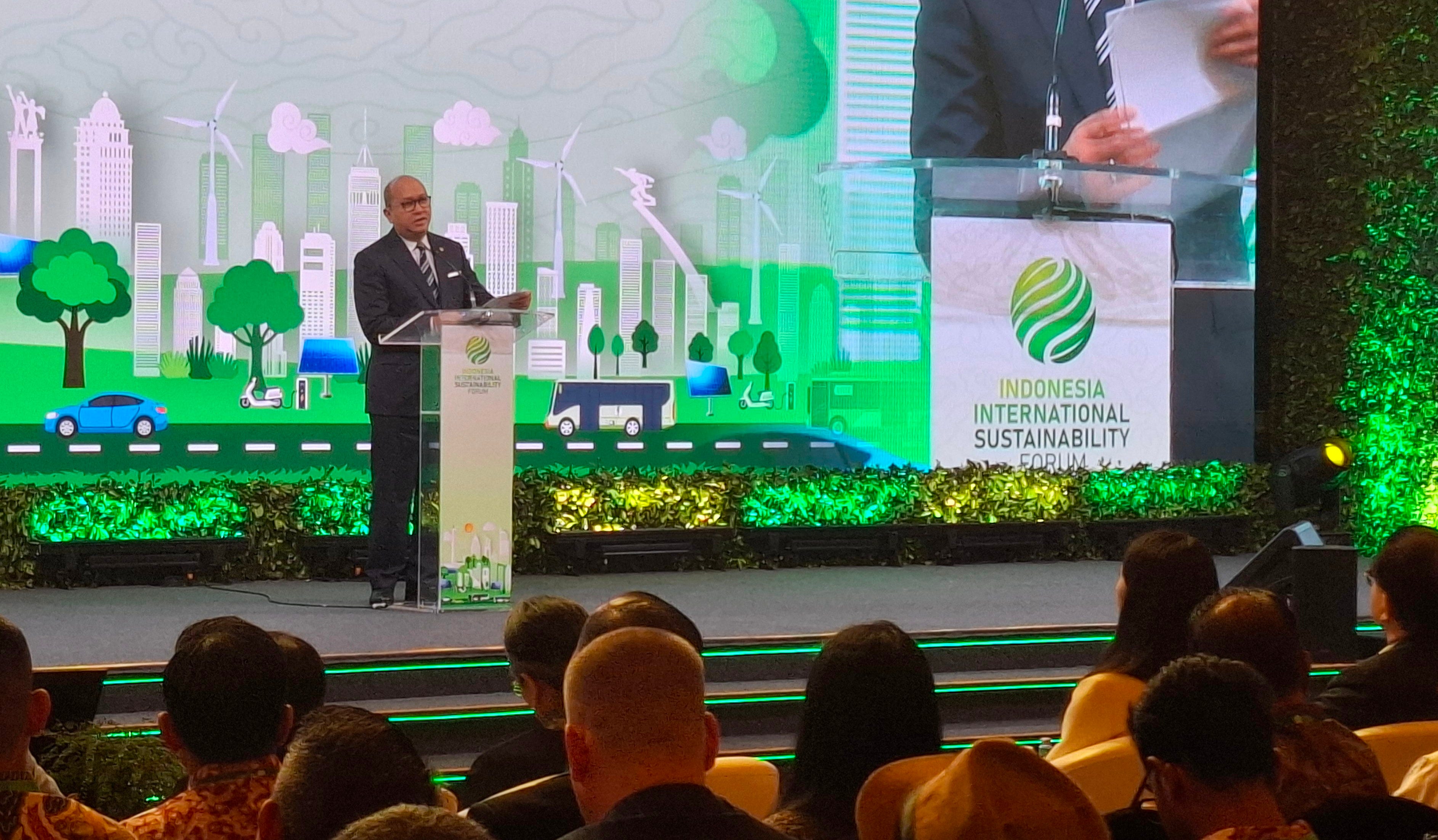
“In this changing landscape, sustainability is no longer a separate conversation from competitiveness. Our direction is clear. Indonesia has placed energy security, industrialization, and downstreaming at the center of Indonesia’s development agenda. Indonesia remains committed to achieving net zero emissions by 2060, or even sooner with the support of our partners.” - Rosan Roeslani, Minister of Investment & Downstream Industry.
📋 The Implementation
One initiative under the development plans is the Solar Power Plant Programme, launched by the Indonesian government on 25 August 2026, to expand clean, renewable electricity supply.
The objective is to build solar power plants with a total capacity of 100 GWp (gigawatts-peak) in stages over three years. The programme also aims to increase Indonesia’s national electricity capacity, currently around 88 GW.
The programme is expected to save the state budget at least IDR 73 trillion (USD 4.1 billion), reduce carbon emissions by around 140 million tonnes of CO₂, and create up to 5.52 million jobs.
To reduce fossil fuel use, Indonesia has started producing electric vehicles (EVs) and EV batteries through partnerships with automakers (Hyundai, Wuling, Chery, and BYD) and battery manufacturers (Hyundai, LG Energy Solution, CATL, and IBC).
Through these efforts, Indonesia produced over 20,000 EVs in 2025, and more than 96,000 EVs in the first half of 2026. Currently, one in six cars sold in Indonesia is fully electric, with more than two-thirds assembled locally. Some are also exported abroad.
In addition, the Indonesian government launched B50 biodiesel in July 2026. This domestically produced fuel blends 50% diesel with 50% palm oil-based biodiesel, aiming to reduce fuel imports and realise Indonesia’s energy independence. and security.
The B50 biodiesel programme is also expected to help Indonesia reduce diesel imports by 18 million kilolitres, save up to IDR 170 trillion (USD 9.5 billion) in foreign exchange by 2026, cut 44 million tonnes of CO₂ emissions, generate an additional IDR 20.9 trillion (USD 1.2 billion) in value from crude palm oil, and create jobs for 2.1 million workers.
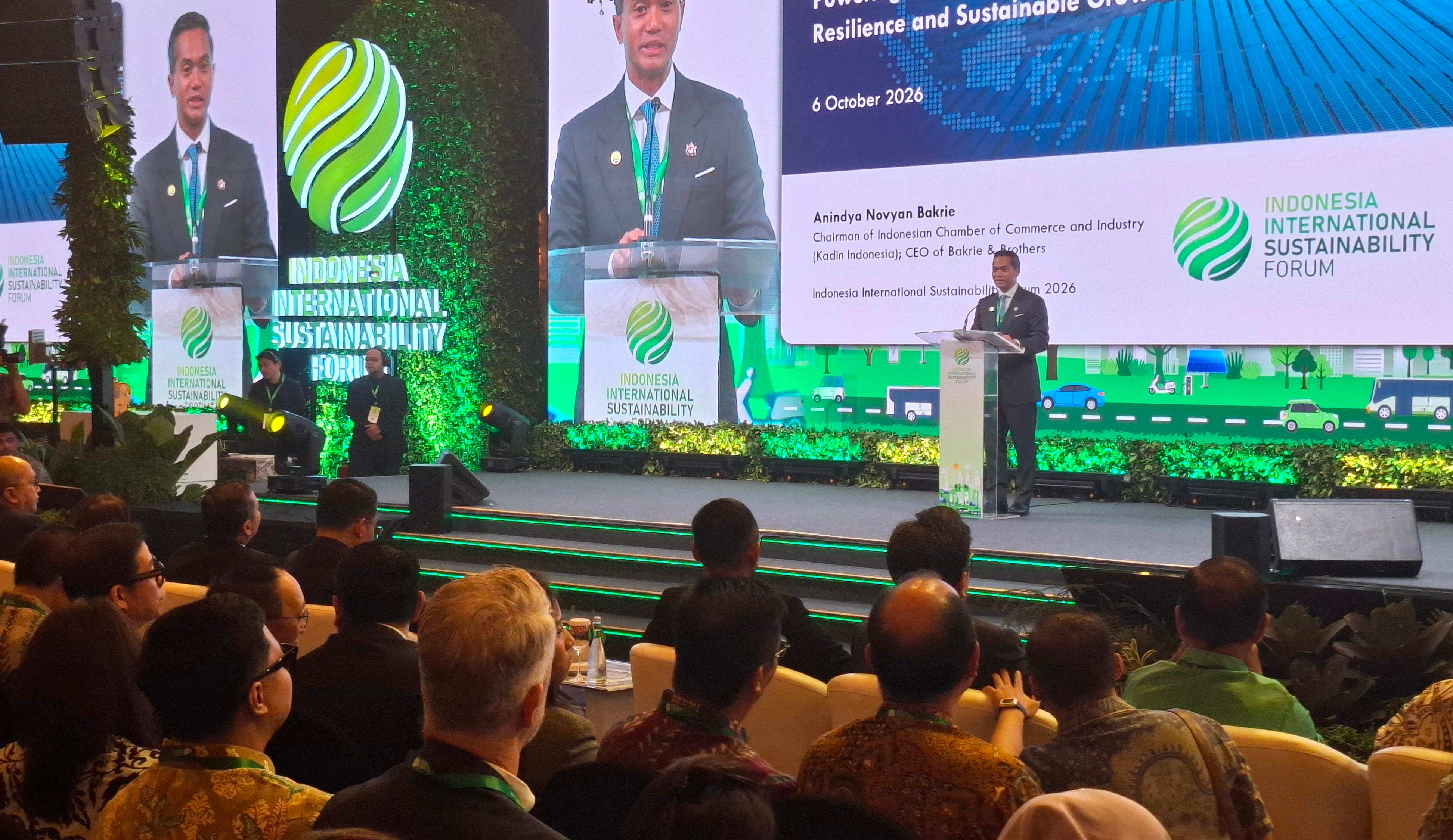
“Despite these global headwinds, nevertheless, Indonesia has the opportunity to strengthen its energy security by accelerating electrification, scaling up renewable energy, and reducing our exposure to imported fuels. Now, strengthening energy self-reliance must be at the heart of Indonesia’s response to today’s global uncertainty.” - Anindya Bakrie, Chairman, Indonesian Chamber of Commerce and Industry (KADIN).
Moreover, the government plans to utilise around 12.7 million hectares of critical land in degraded forests across Indonesia (identified in 2022), to develop palm oil plantations for biofuel production, including B50 and B100.
The plan has sparked controversy as Indonesia has experienced forest fires across several islands, particularly Kalimantan, Sumatra, and Papua, since the beginning of 2026, with fires peaking in August.
The impact is significant, more than 1.3 million hectares of land were burned between January and August 2026, around 59% of which was in forest areas.
☢️ The Nuclear Energy Initiative
Indonesia also plans to build nuclear power plants with a total capacity of up to 7 GW. The plan is included in the State Electricity Company (PLN)’s draft Electricity Supply Business Plan through 2040.
The nuclear power plants will use Small Modular Reactor (SMR) technology and will be developed in stages. The first phase, planned for 2025–2034, will have a total capacity of 500 MW, divided between two locations, with around 250 MW each.
“Indonesia does not want to commit economic suicide by shutting down our coal industry. No. And that means we have to provide our citizens with electricity, with power, so they’ll be able to light their homes so that children can study at night, and that the hospitals and the clinics in the rural areas will have electricity in times of need.” - Hasjim Djojohadikusumo, President’s Special Envoy for Climate and Energy.
Russia has expressed its readiness to help Indonesia achieve its nuclear energy ambitions through bilateral cooperation. This includes developing large and small nuclear reactors, floating nuclear power plants, infrastructure, workforce training, and non-energy applications of nuclear technology.
Alexey Likhachev, Director General of the Russian state nuclear corporation Rosatom, made the commitment during his visit to Jakarta on Monday (12/5), where he met Indonesian President Prabowo Subianto to discuss Russia–Indonesia nuclear cooperation.
“Indonesia has set ambitious goals for developing its nuclear energy sector, so we’re discussing more than just technology - we’re also talking about establishing a long-term partnership focused on developing a new industry, training national personnel, developing new competencies, and strengthening the country’s technological independence.” - Alexey Likhachev, Director General of Rosatom.
As a follow-up, Russian President Vladimir Putin also expressed his support by giving more attention to nuclear cooperation between the two countries during his bilateral meeting with Indonesian President Prabowo Subianto on Saturday (3/9) in Vladivostok, Russia.
The commitment continues. On Friday (16/10), on the sidelines of Russia Energy Week in Moscow, Russian nuclear company Rosatom signed an agreement with Indonesian nuclear company Pembangkit Listrik Nuklir, to supply electricity from floating nuclear power units to consumers in North Maluku.
Under the agreement, Rosatom will deploy two FPU-100 floating nuclear power units, with a combined capacity of 200 MW, to supply electricity to the northern part of Halmahera Island.
The units will provide reliable and low-carbon electricity using RITM-series reactor systems, which have demonstrated their efficiency, reliability, and safety through years of operation aboard nuclear-powered icebreakers.
The floating power units are expected to begin supplying electricity to Indonesian consumers, within five years of the key terms of the electricity supply contract taking effect.
“I would like to emphasize the historic significance of this milestone, the world’s first-ever export agreement for electricity supply from a floating power unit. I am convinced that this will send a strong signal to the global business community. With systematic government support, the private sector is actively taking the lead in initiating nuclear infrastructure projects capable of transforming the country’s economy.” - Alexey Likhachev, Director General of Rosatom State Corporation.
“We firmly believe that providing our people with clean, reliable, and carbon-free electricity is essential to securing Indonesia’s long-term energy future. Nuclear power offers a sustainable solution to meet our nation’s growing energy demands while supporting economic development, particularly in Eastern Indonesia. It is important to emphasize that this project is structured entirely as a business-to-business (B2B) initiative, driven by private-sector investment without reliance on funding from Indonesia’s State Budget (APBN).” - Yudi Utomo Imardjoko, Director of PT Pembangkit Listrik Nuklir.
🚀 Moving Forward…
KADIN Chairman Anindya Bakrie proposed five key priorities to promote sustainable development in Indonesia.
These include accelerating the energy transition to improve energy security, expanding high-integrity carbon markets, helping Indonesian companies achieve net-zero emissions, developing the circular economy and waste-to-energy solutions, as well as promoting sustainable forestry.
Minister Rosan Roeslani also proposed three measures to attract more investment in sustainability sectors.
The measures include providing clear licensing rules and deadlines through the Online Single Submission (OSS) system, speeding up the licensing process so investors can start construction sooner, and building partnerships with capital providers to reduce risks and attract more investment into strategic sectors.
In addition, the UN Under-Secretary-General and UN-ESCAP Executive Secretary Armida Alisjahbana highlighted the importance of regional cooperation, especially among ASEAN member states, to build collective resilience and stabilise regional energy markets.
The private sector was also urged to play a greater role in the energy transition by expanding renewable energy, supporting electrification and developing carbon markets. Businesses can help mobilise private investment, meet sustainability goals and grow clean energy markets.
“By accelerating investment in renewables, energy efficiency, electrification, resilient infrastructure, and regional cooperation, we can together build economies that are more secure, more competitive, and more sustainable.” - Armida Alisjahbana, UN Under-Secretary-General and UN-ESCAP Executive Secretary.
🌏 The Regional Stake
ASEAN leaders adopted the ASEAN Community Vision 2045 in May 2025. The long-term roadmap aligns with the UN 2030 Agenda for Sustainable Development and strengthens the region’s commitment to the Sustainable Development Goals (SDGs).
The vision is built on five pillars: Political-Security, Economic, Socio-Cultural, Connectivity, and Institutional Strengthening. Together, they aim to improve living standards, promote peace and sustainable development, deepen regional integration, and strengthen ASEAN’s centrality, connectivity, and resilience.
Moreover, ASEAN endorsed the ASEAN Plan of Action for Energy Cooperation (APAEC) 2026–2030 at the 43rd ASEAN Ministers on Energy Meeting in Kuala Lumpur, Malaysia, on 16 October 2025.
The plan sets three targets for 2030: 30% renewable energy in total primary energy supply (TPES), 45% renewable energy in installed power capacity, and a 40% reduction in energy intensity compared with 2005 levels.
📌 The Bottom Line
Indonesia’s energy transition is not just about reducing fossil fuel dependence, but also about strengthening energy security. With 3,687 GW of renewable energy potential, the country can expand clean electricity, attract investment, and reduce its reliance on imported fuels.
The transition is not only about protecting the environment, but also about creating jobs and driving economic growth. From solar power plants and electric vehicles to B50 biodiesel and nuclear energy, Indonesia is exploring different ways to support its energy needs while building local industries.
However, ambition alone is not enough; investment and cooperation must turn plans into progress. By improving investment rules, developing technology, and strengthening cooperation with ASEAN and international partners, Indonesia can move closer to energy independence, support its net-zero emissions target, and build a more sustainable economy.
🔍 Need More Angles?
Antara News, Indonesia eyes US$3.8 trillion energy transition investment by 2050
ASEAN Center for Energy, The 9th ASEAN Energy Outlook
Biro Pers, Media, dan Informasi, Pertemuan Bilateral Pemerintah Republik Indonesia dan Pemerintah Federasi Rusia pada Kunjungan Kerja Presiden RI ke Federasi Rusia
BloombergNEF, BloombergNEF Finds Global Energy Transition Investment Reached Record $2.3 Trillion in 2025, Up 8% from 2024
Embassy of the Russian Federation in the Republic of Indonesia, Indonesia, Russia Discuss Nuclear Energy Cooperation
Gaikindo, Automobile Industry Data
International Energy Agency, Key facts on the Strait of Hormuz, oil and gas markets, and the IEA’s response
Kementrian ESDM, Dari Gilimanuk hingga Pulau Rengit, Program PLTS 100 GWp Dorong Kemandirian Energi Nasional
Kementrian ESDM, Menteri ESDM Umumkan RUPTL PLN 2025–2034, Serap Lebih dari 1,7 Juta Tenaga Kerja Baru
Kementerian Kehutanan, Luas Lahan Kritis
Madani, Agustus Kelam: 1,3 Juta Hektare Hangus di Hutan Negara yang Belum Merdeka
United Nations, For a Livable Climate: Net-Zero Commitments Must be Backed by Credible Action
United Nations, Paris Agreement
World Nuclear News, Indonesia and Russia Discuss Nuclear Energy Cooperation
(NGO/QOB)