



🎯 The Main Takeaway
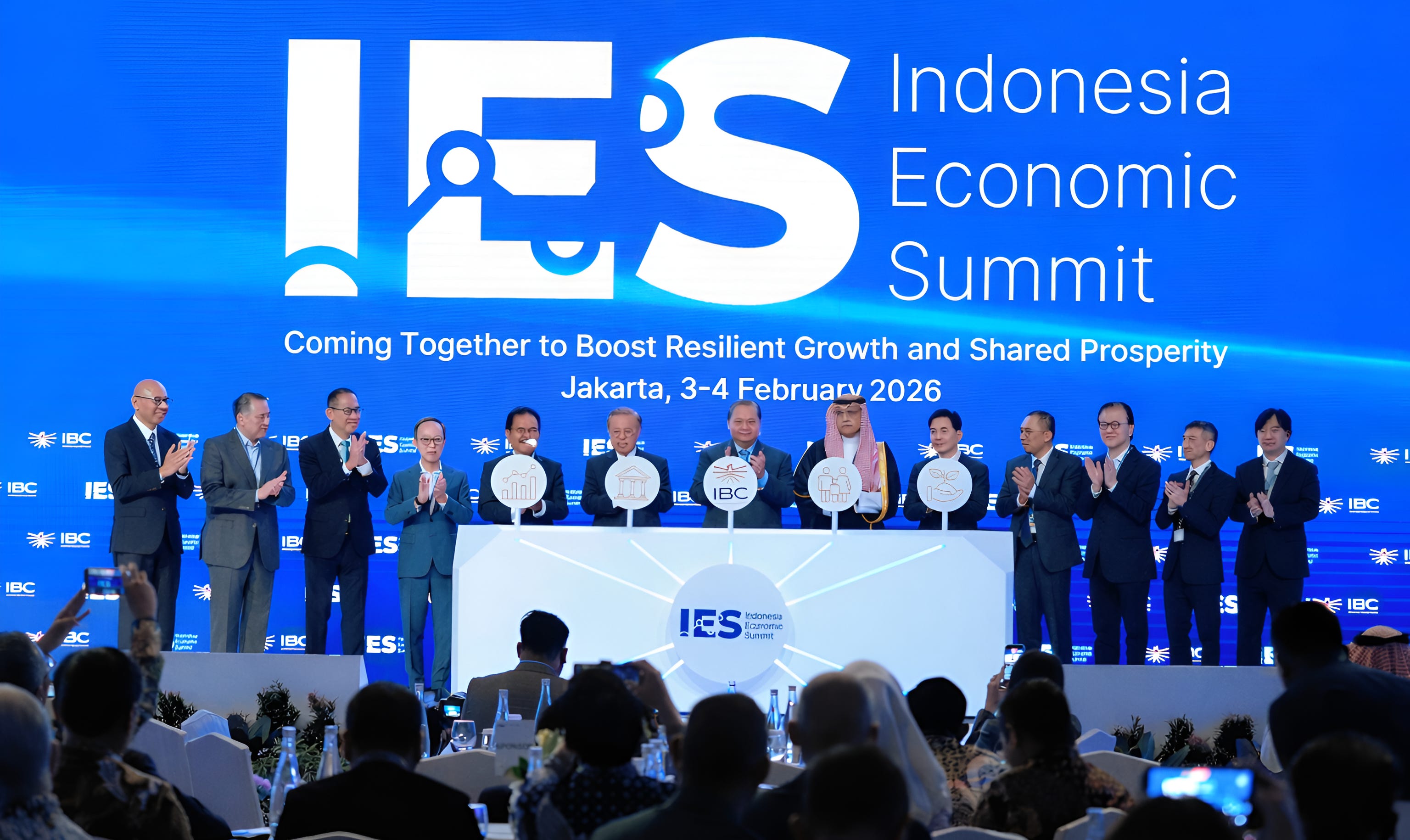
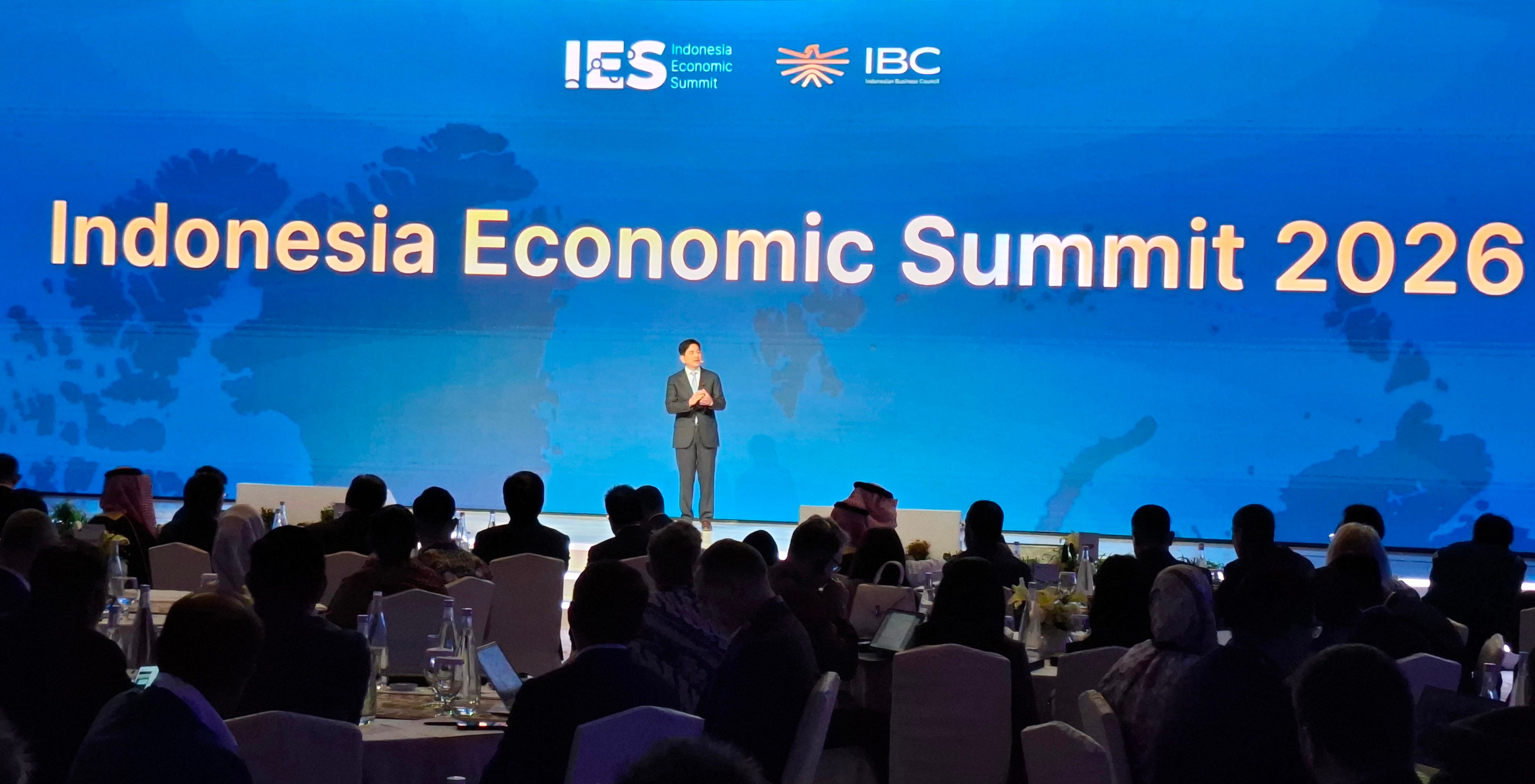
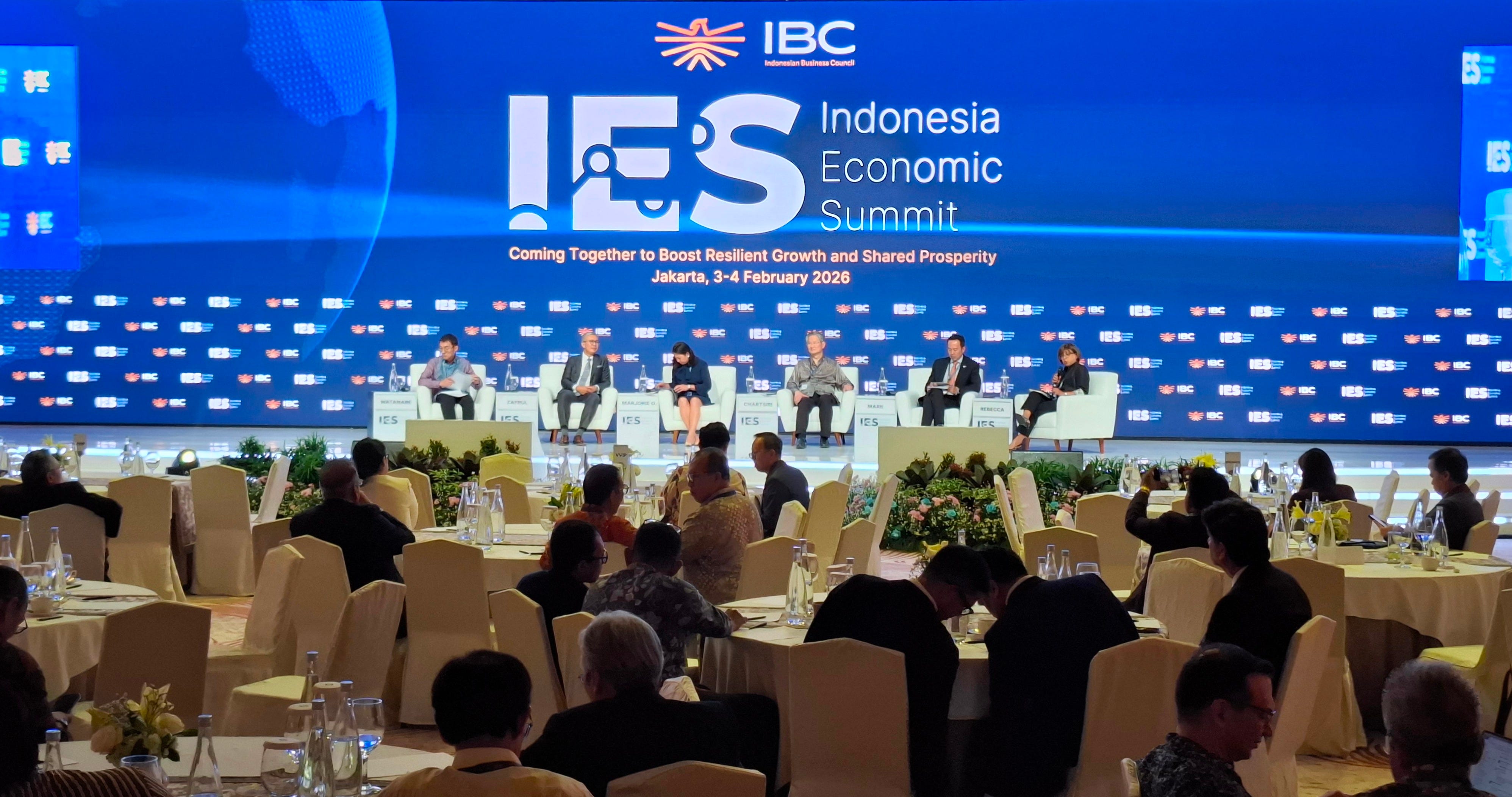
The Indonesia Business Council (IBC) hosted the second Indonesia Economic Summit (IES), held from February 3 to 4 in Jakarta.
Under the theme “Coming Together to Boost Resilient Growth and Shared Prosperity,” the two-day event brought together more than 1,000 participants and 100 speakers from across countries, including government officials, policymakers, business leaders, international agencies, and global thinkers.
The speakers shared insights on Indonesia’s economy, challenges, strategic priorities, and future direction to support inclusive growth and position the country as an emerging global growth hub amid a rapidly changing global environment.
“The summit will catalyze economic reform, policy refinement, and collective action to build a better Indonesia. Our objective is to ensure that Indonesia remains attractive to investment, competitive in the global marketplace, as well as productive in generating inclusive growth.”
Arsjad Rasjid, Chair of the Board of Trustees, IBC
📡 Why It’s On Our Radar?
Several ongoing global crises are raising concerns and pose potential risks to the global economy:
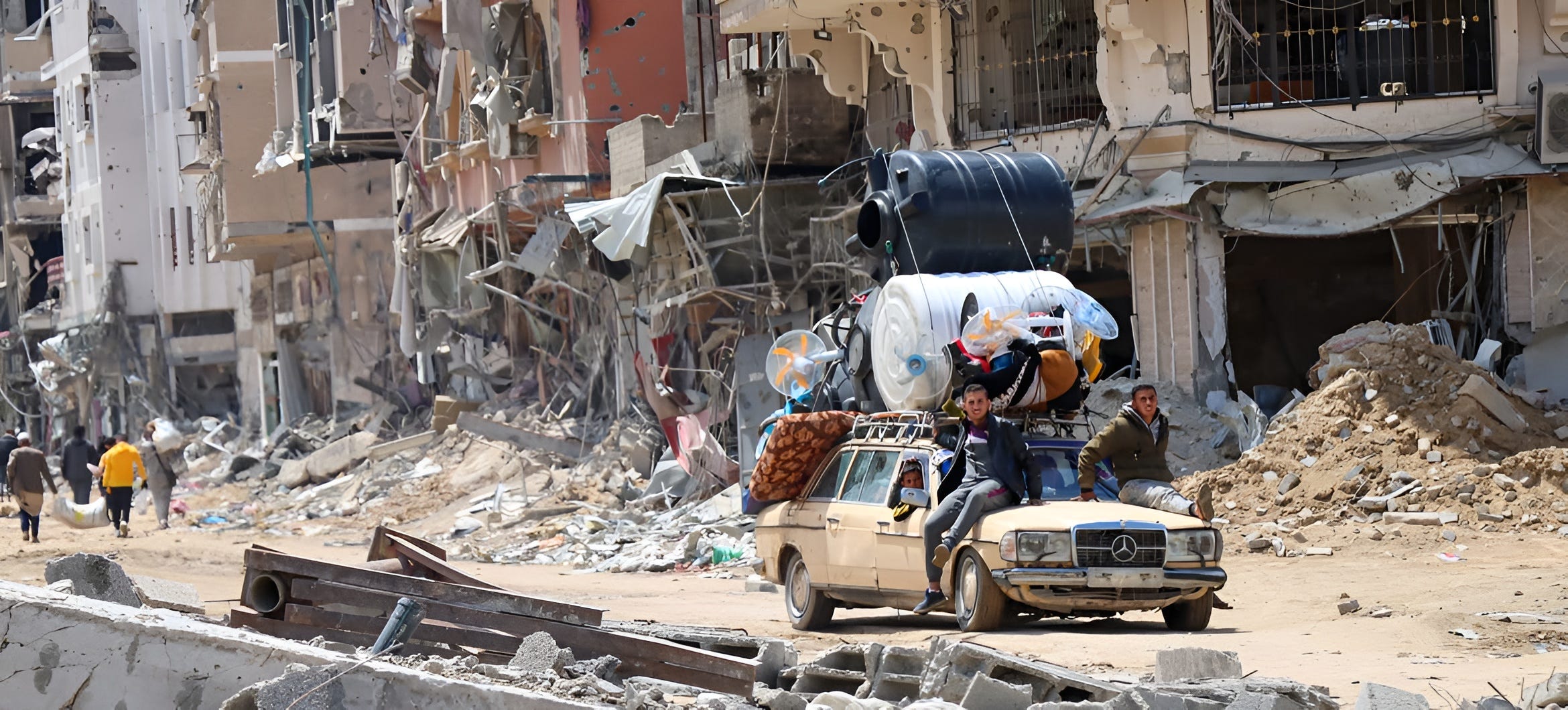
⚔️ Global conflicts: Ongoing conflicts in the Middle East, Africa, Europe, and Southeast Asia have heightened geopolitical instability and caused shocks to global markets
🌍 Global rivalries: The rising power of countries and blocs that challenge U.S. dominance is driving fragmentation in global cooperation on trade and investment.
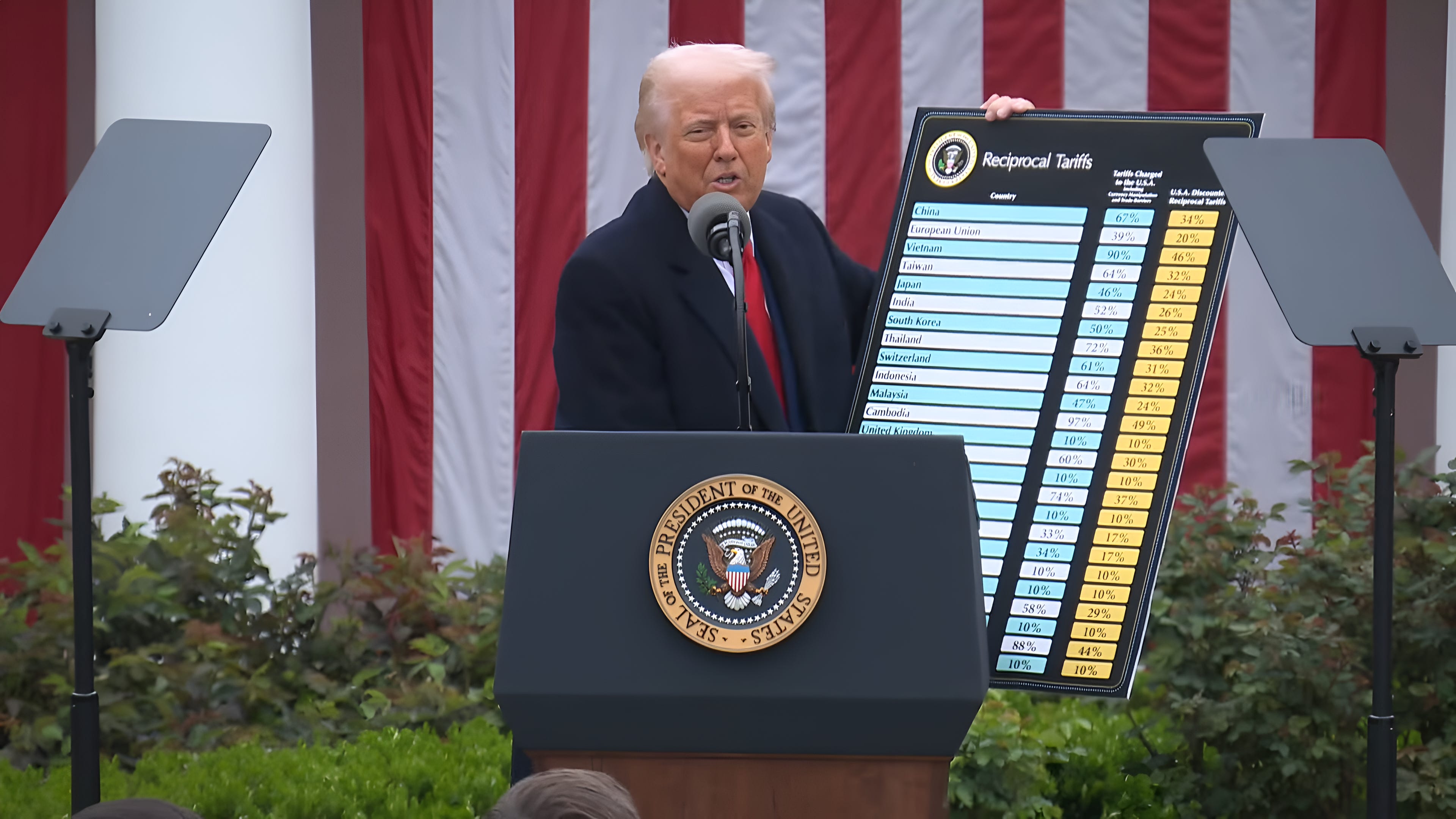
🔥 Trade wars: Ongoing U.S.–China trade tensions and the U.S. reciprocal tariff policy have disrupted global supply chains and trade, increasing uncertainty for businesses and financial markets.
🤖 The rise of AI: Rapid advances in AI are reshaping industries, business models, and labor markets.
🌡️ Climate change: Rising temperatures from greenhouse gases due to human activities, such as burning fossil fuels to produce energy.
In short, global conflicts, economic fragmentation, technological disruption, and climate risks are reshaping the global economy and heightening uncertainty worldwide.
“The relentless pursuit of profit has eroded values, communities, and the environment. We must build a strong framework based on rights and responsibilities—not just profit and loss—across government, business, and civil society.”
Abdullah Saleh Kamel, President of the Islamic Chamber of Commerce and Development
💥 The Impact
Global crises create multiple economic impacts, including:
🚚 Supply chain disruption: Ongoing conflicts force the rerouting of supply chains, increasing delivery costs.
📈 Rising inflation: Higher distribution costs push up commodity prices, raising production costs and reducing purchasing power.
🔀 Trade shifts: Trade wars and geopolitical tensions lead to higher tariffs, prompting exporters to diversify markets.
📉 Lower investment: Geopolitical instability undermines investor confidence, creating business uncertainty and potential capital outflows.
👷 Job displacement: Rapid AI growth and automation may displace workers, raising concerns about employment.
🚨 Environmental instability: climate change is disrupting ecosystems through sea-level rise and extreme weather, which may threaten human existence.
In sum, global crises are reshaping the economy through disruption, uncertainty, and rising systemic risks.
💬 What’s Inside the Forum?
The event featured 30 public, high-level, roundtable, and closed-door sessions discussing various themes, aimed at bridging business actors, government, and policymakers, including:
🤝 Inclusive growth: Identifying growth models that are resilient and effective in a volatile and uncertain global economy.
📜 Policy alignment: Aligning stakeholders to mobilize private capital, strengthen fiscal discipline, boost confidence, remove bottlenecks, and drive growth.
💰 Investment anchor: Positioning Indonesia as a trusted regional anchor to attract global investment and create more jobs.
🌱 Leveraging the green sector: Boosting sustainable sectors, especially energy, to cut carbon emissions and attract greater investment.
👷 Workforce enhancement: Enhancing workforce skills, industries, and national competitiveness to thrive amid AI, global talent, and overseas opportunities.
🌍 Global positioning: Responding to global trends to shape ASEAN and member states’ economic development and strengthen global positioning.
👩🧑 Women & young empowerment: Strengthen the participation of women and youth, ensure their voices are heard, and empower them with the skills and opportunities needed to become decision-makers who drive ASEAN’s innovation and growth.
“IES 2026 demonstrates the private sector’s commitment to driving competitive and sustainable growth, serving as a catalyst for strategic investment and cross-border collaboration to strengthen Indonesia’s role in the global partnerships.”
Sofyan Djalil, Chief Executive Officer, IBC
💡 What to expect?
IES is expected to offer collaborative solutions and actions to help the Indonesian government design policy reforms to improve the following areas:
📈 National productivity: Use national resources to produce high-quality goods and services that support inclusive economic growth.
🏆 Competitiveness: Compete in global markets with quality products, services, and a skilled workforce.
🔒 Investment certainty: Providing certainty to attract investment into businesses and industries to create more jobs, including the special economic zones and Islamic products.
🛡️ Resilient ecosystem: Adapt to global challenges and maintain stable economic activity through strategic diplomacy, diversified partnerships, and ASEAN leadership to strengthen economic resilience.
📊 Market expansion: Expanding trade and supply chain access to larger international markets.
🚫 Reduce poverty: Improve living standards, enhance prosperity, and expand economic opportunities for low-income communities.
🌳 Green economy: Develop nature-based solutions for industry and manufacturing, to reduce emissions and drive growth.
To conclude, IES aims to support policy reforms that boost productivity, competitiveness, investment, resilience, market access, and inclusive growth, thereby increasing public welfare in Indonesia.
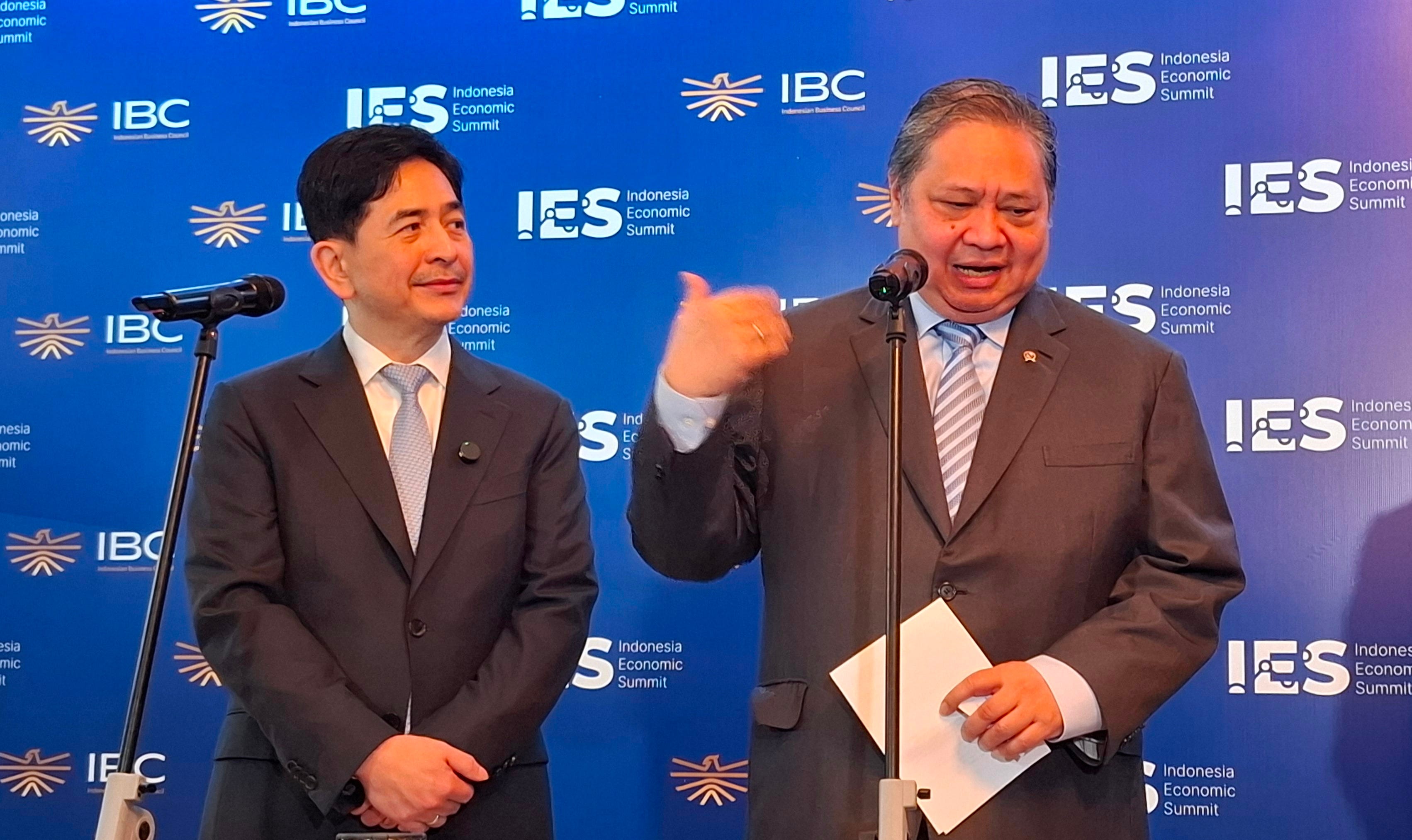
“The current global environment is shaped by power rather than ideology, requiring balance and responsible leadership. As a middle power, Indonesia maintains neutrality while strengthening its economy through diplomacy, trade, and regional cooperation.”
Airlangga Hartarto, Coordinating Minister of Economic Affairs
🏡 Why It Hits Home?
ASEAN is the world’s fifth-largest economy, with a population of around 700 million and a GDP of USD 3.9 trillion:
✅ Trade: Total trade in goods reached USD 3.8 trillion, consisting of USD 1.95 trillion in exports and USD 1.89 trillion in imports. (2024)
✅ Investment: The region also attracted USD 226 billion in foreign direct investment (FDI), an 8.5% increase from the previous year. (2024)
As a result, ASEAN holds a strategic position as a global hub for supply chains and investment.
While Indonesia, home to 280 million people, recorded stable GDP growth of around 5% over the past three years and has both short- and long-term targets":
✅ 2026: 5.4% GDP growth, unemployment reduced to 4.44%, poverty lowered to 6.5%, and IDR 2,175.26 trillion in investment.
✅ 2029: 8% GDP growth, the creation of 19 million jobs, and IDR 13,032 trillion in total investment (2025–2029).
✅ 2060: Achieving net-zero emissions needs greater investment and partnership to develop its 3,687 GW of renewable energy potential.
In conclusion, Indonesia’s development agenda focuses on accelerating growth, job creation, and investment, while building strong partnerships to unlock its vast renewable energy potential to produce green energy.
🌍 The Regional Stake
The event is expected to generate several impacts for ASEAN and beyond:
⚖️ Maintain regional stability: Promoting cross-border cooperation among governments, businesses, and policymakers to reduce risks and keep the region stable.
🌍 Widen market: Enhancing regional cooperation to ensure smooth, reliable, and efficient flows of goods and services amid global conflicts, while expanding markets to create more trade and business opportunities.
🧲 Attract more investment: Creating a stable and competitive environment to attract global and regional investment, generate jobs, and improve living standards and regional prosperity.
🚀 Generate actionable policies: Developing practical and implementable policy recommendations that can be applied effectively by governments and stakeholders.
👑 Prepare future leaders: Empowering youth and women with skills and opportunities to enhance competitiveness and lead regional businesses, industries, social enterprises, as well as policymaking in the future.
In short, the event is expected to strengthen regional stability, expand markets, attract investment, deliver actionable policies, and prepare future leaders—positioning ASEAN for resilient growth and shared prosperity.
“What is required is a new phase of ASEAN integration centered on a new industrial policy. This new industrial policy moves beyond traditional deregulation or low-tech manufacturing to focus more on strategic areas, green energy, semiconductor, AI, digitalization, with deliberate investment in R&D, skills development, and resilient supply chain. Without this shift, ASEAN risks remaining integrated only at the surface level while strategic decisions are made elsewhere.”
Tetsuya Watanabe, President of the Economic Research Institute for ASEAN and East Asia
🧭 Beyond the Headline
There are several side events at IES 2026:
Launch of the Indonesia City Investment Accelerator (ICIA): Aimed at accelerating urban investment and development by strengthening project readiness in Indonesian cities.
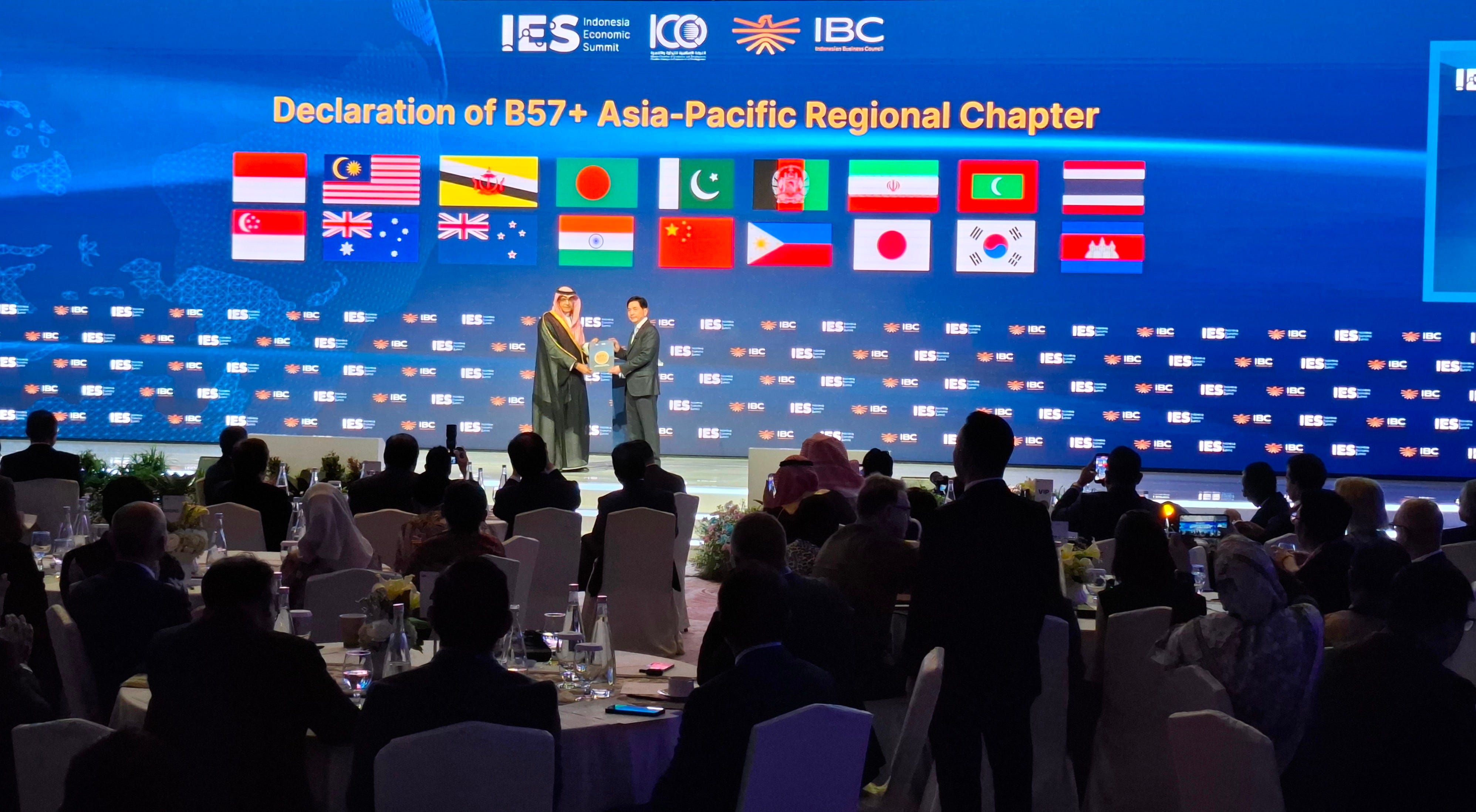
Launch of B57+ Indonesia & Asia Pacific: Designed to support business cooperation among Organisation of Islamic Cooperation (OIC) countries and other regional partners, to strengthen Indonesia’s position as a hub for Islamic sustainable finance in the region and the Global South.
Signing of the Global Ethical Finance Initiative (GEFI): Intended to promote sustainable Islamic finance, strengthen the integration of sharia principles with the ESG agenda, and deepen Indonesia’s Islamic financial and capital markets.
🔎 Need More Angles?
ASEAN Secretariat ASEAN Investment Report 2025
ASEAN Stats ASEAN Statistical Highlights 2025
Indonesia Economic Summit 2026 About IES
Indonesia Economic Summit 2026 Indonesia Economic Summit 2026 Set to Convene, Addressing Growth
(NGO/QOB)