



🎯 Main Takeaway
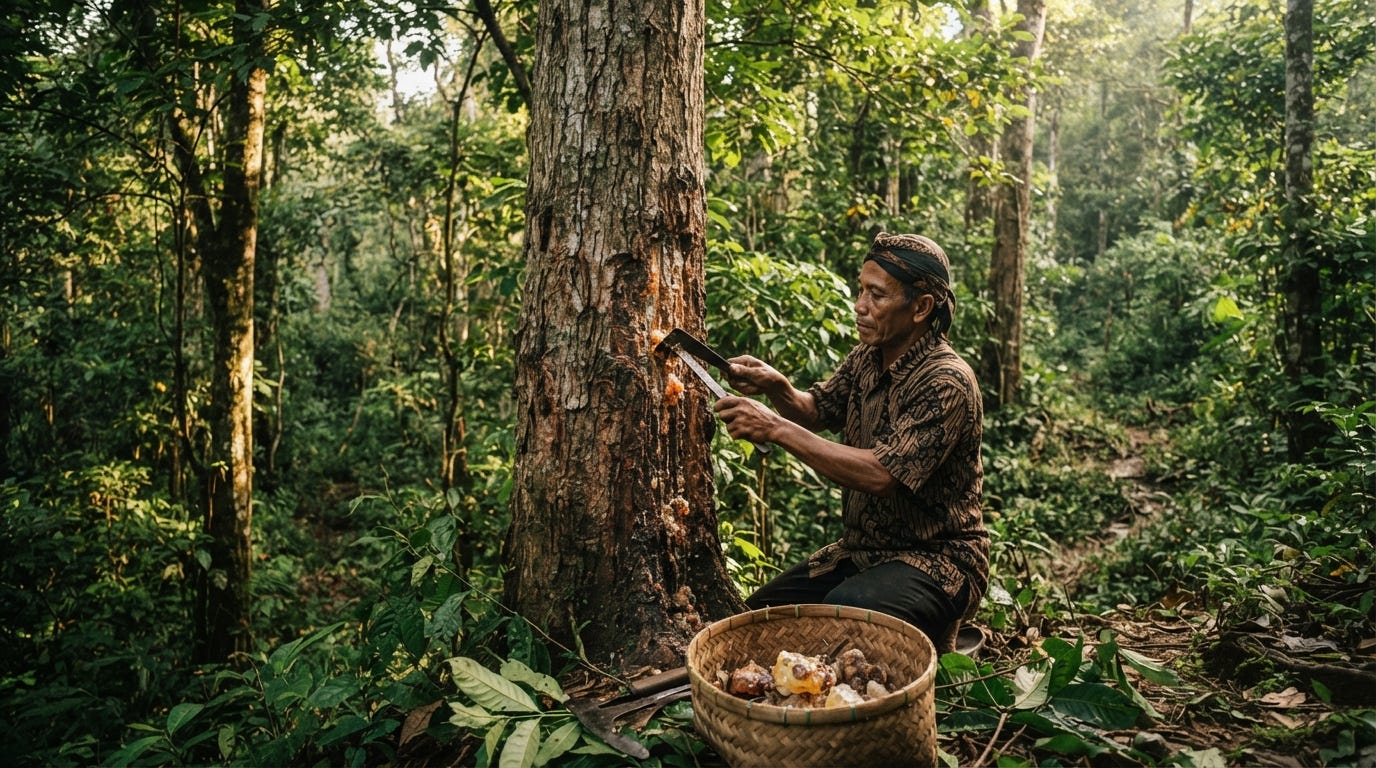
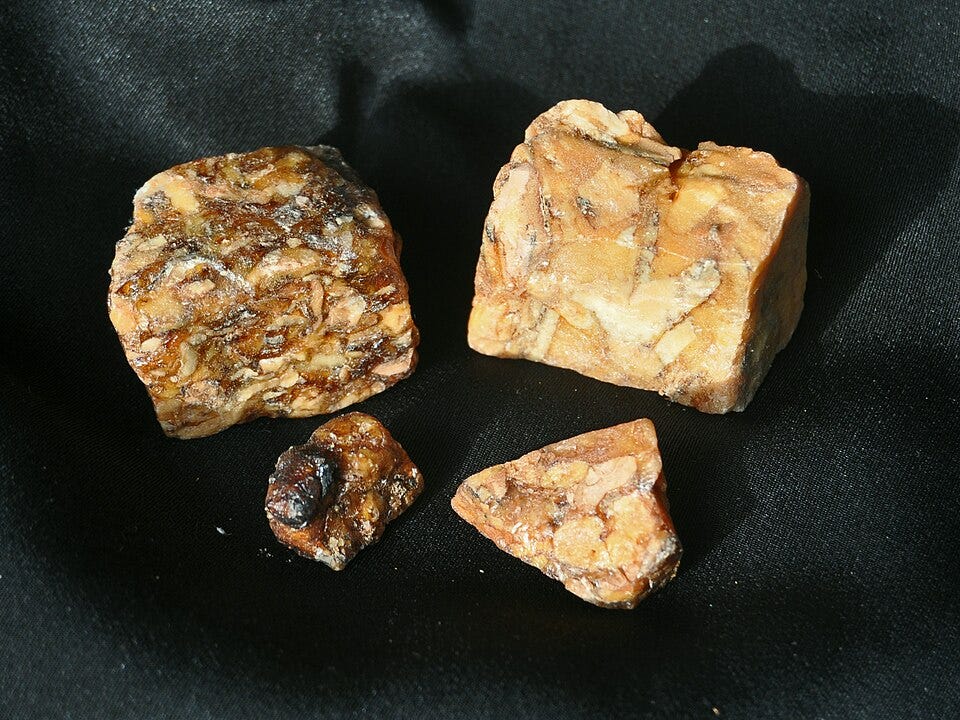
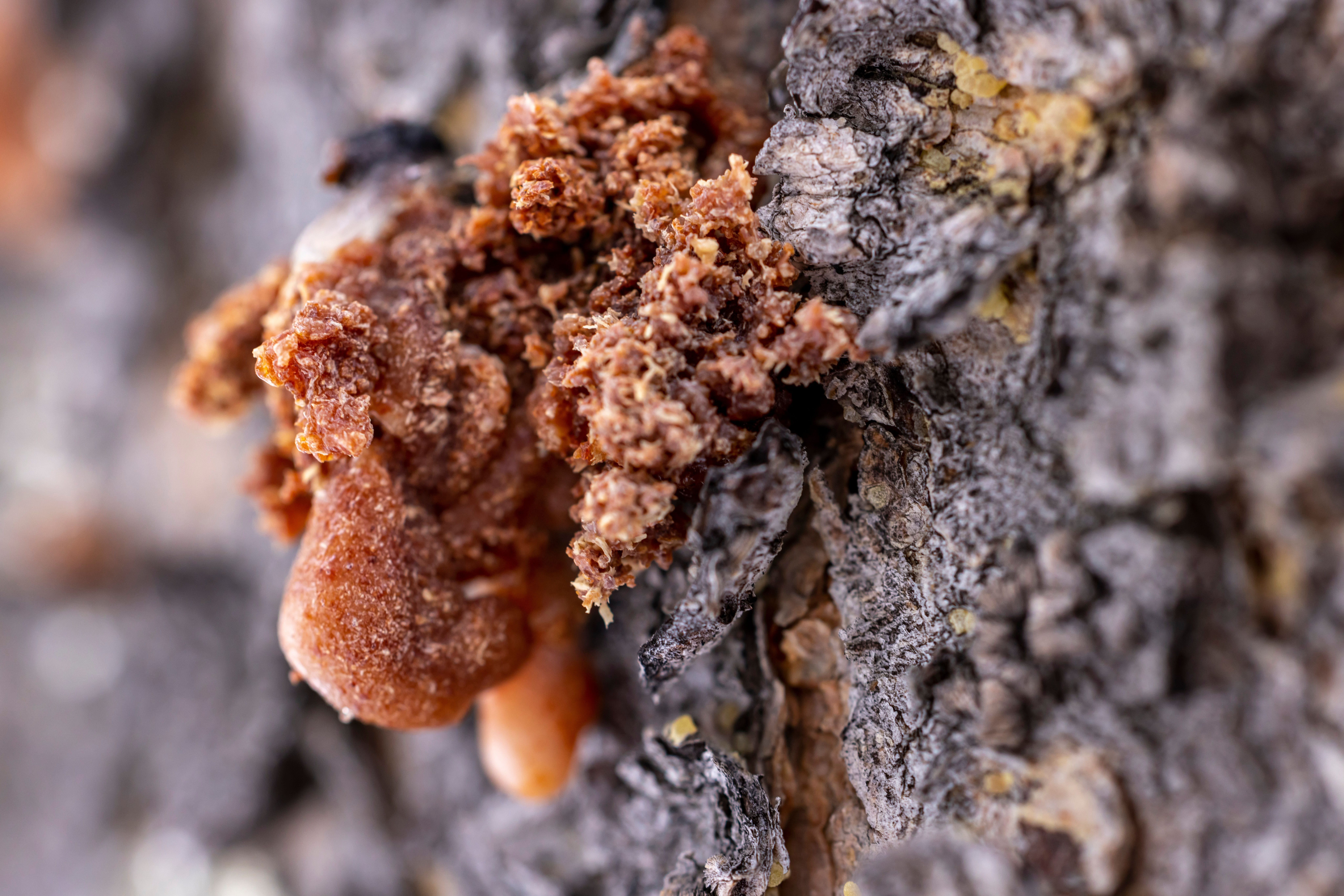
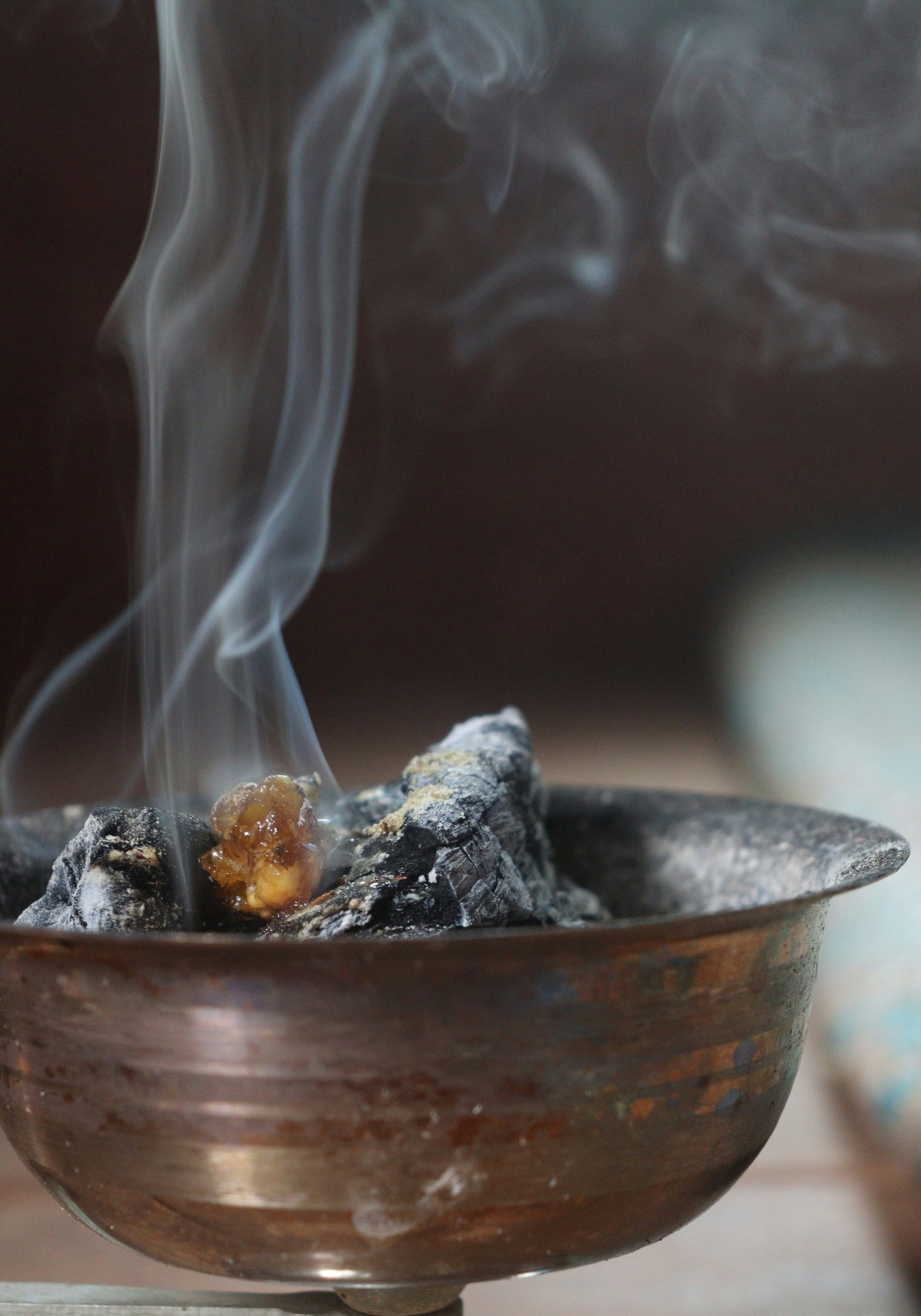
Benzoin, or more popularly known as Kemenyan in Indonesia, is a balsamic resin obtained from the tree bark of the genus Styrax, which is part of the Styracaceae tree family. Three types grow endemic to the Toba Highlands in North Sumatra: Toba frankincense (Styrax sumatrana), bulu (Styrax paralleloneurus), and durame (Styrax benzoin) . In Southeast Asia, there are predominantly two types of benzoin resin: Sumatra benzoin, which is dominantly produced by Indonesia in the region of Sumatra, and Siam benzoin, which is produced more dominantly by Laos and, to a lesser extent, by Vietnam and Thailand.
Locally, kemenyan is seen as something mystical to the average Indonesian. This is due to decades of Indonesian pop culture associating the resin with dark magic—for instance, shamanism—making the scent invoke a sense of uneasiness and worry when in the air.
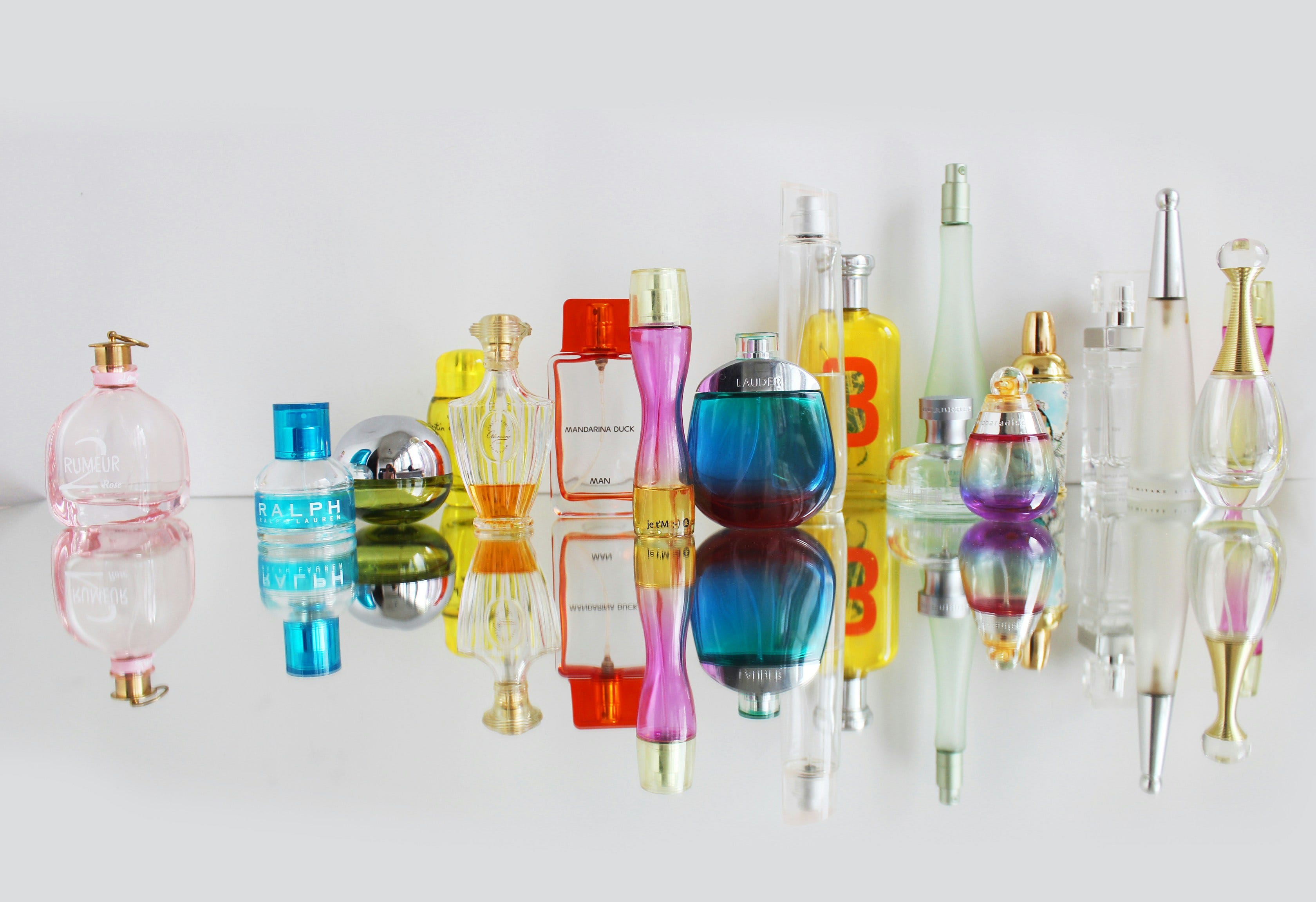
However, internationally, benzoin resin is seen as a crucial commodity as an ingredient for making high-quality perfume. This is because of the properties the resin possesses that allow scents such as floral, wood, and fresh—which are typical in perfumes—to last longer on human skin. It is known in the perfume industry as an effective natural fixative, making the perfume’s scent last longer and smoothing the transitions between layers of scent.
Curious about the region's best tea experiences? Read our guide to Southeast Asia's iconic brews here.
🕰️ The History of Benzoin Resin Trading and Farming from Southeast Asia
Before Indonesia even became a state, the farming and trading of Benzoin Resin or more specifically Sumatran Benzoin has already occurred becoming one of the main sources of income for the local Batak farmers in the area. Trading of Benzoin Resin can be traced back to the 8th - 9th century, when Middle Eastern traders who called it ‘frankincense of Sumatra’ first discovered the commodity. By the 12th century, trading spread to China and India.
The earliest known plantation of benzoin resin in Sumatra was in 1772, when British travelers observed its cultivation. However, plantations could already be established before 1772, as the Batak farmers fiercely defended their homeland, making no foreign traveler able to reach the highlands of Sumatra. It was named as a high-value commodity during Indonesia’s colonial period under the Dutch and, finally in the 21st century, interest in the commodity has renewed with the current Indonesian government.
A note on terminology:
The English word “frankincense” is sometimes used in historical and trade contexts to refer to kemenyan, but this is technically a translation mix-up. True frankincense comes from the Boswellia tree native to the Middle East and Africa. The resin from the Styrax tree is more accurately called benzoin (or Sumatra benzoin) in English. Both are aromatic resins used in incense, perfumes, and traditional medicine, but they come from different trees and regions.
The use of “frankincense” in historical texts often reflects the resin’s similar uses and high value, rather than its botanical origin.
📡 Why It’s on Our Radar
In 2024 alone, Indonesia’s exports of Sumatra Benzoin reached 43.000 tons, which was worth over 52 million USD. This figure can be seen at the potential Benzoin Resin has commercially, as currently Indonesia’s Sumatra Benzoin farming is considered to be underdeveloped, which can be seen from Indonesia’s government efforts to downstream its production as stated by current Vice President Gibran Rakabuming and Chair of the Nation Economic Council Luhut Pandjaitan in 2025.
The core idea regarding down-streaming Benzoin Resin as proposed by Gibran and Luhut centers on creating an industry that refines the commodity within Indonesia. Currently, Indonesia exports Sumatran Benzoin in its raw form, which is sold at a much lower price compared to if it’s already processed, making high brands such as LV, Gucci, and others able to purchase the commodity at a lower price.
The prospect of Indonesia being able to improve its production of Benzoin Resin would greatly increase its capacity to export the commodity. The global market for the commodity is not only limited to perfumery but also skincare, aromatherapy, pharmaceuticals, cosmetics, and more. This makes benzoin resin production a potential economic pillar for Indonesia.
🏝️The Regional Stakes
Commercially, Indonesia holds the most in production and export of Benzoin Resin this is because Sumatra Benzoin, which is derived more specifically from Styrax Benzoin tree’s yields more in volume compared to Siam Benzoin which is derived from Styrax tonkinensis trees despite both types having the same harvesting methods.
This makes it so Sumatra Benzoin more commercialized due to the quantity and being capable of being sold on a lower price. However, this does make Siam Benzoin completely inferior to its counterpart, despite its low yield the purity of Siam Benzoin makes up for it which is higher than Sumatra Benzoin thus it is more commonly found in high end products.
🏠 Why This Hits Home
Commodities such as Sumatran benzoin are mainly produced by local farmers in the region of Sumatra. The downstream processing of frankincense has increasingly become a topic of discussion among regents, ministers, governors, and even Vice President Gibran Rakabuming in recent months, who have stated that “benzoin resin is as valuable as nickel.” As such, the further development of this commodity into becoming one of Indonesia’s specialties in the global market would raise the earnings of these farmers, becoming a stable source of income that would empower not just Indonesia’s rural economic sector but the nation as a whole.
However, the biggest challenge lies in the modernisation and capacity of farmers. Many farmers are elderly and lack interest in rejuvenating incense gardens. As a result, production has declined and there is a shortage of raw materials, even though the potential is enormous.
🏁 Bottom Line
From mass-produced goods to high-end products in the wellness industry, there is a commodity that is dominated heavily by Southeast Asia. Therefore, the development and sustained production of benzoin resin in the region should not be overlooked or be stagnated.
The government’s current downstreaming push is a crucial momentum to shake the global market balance and ensure that the added value long enjoyed abroad now enters Indonesia.
(FRD/ELS)