




🎯 Main Takeaway
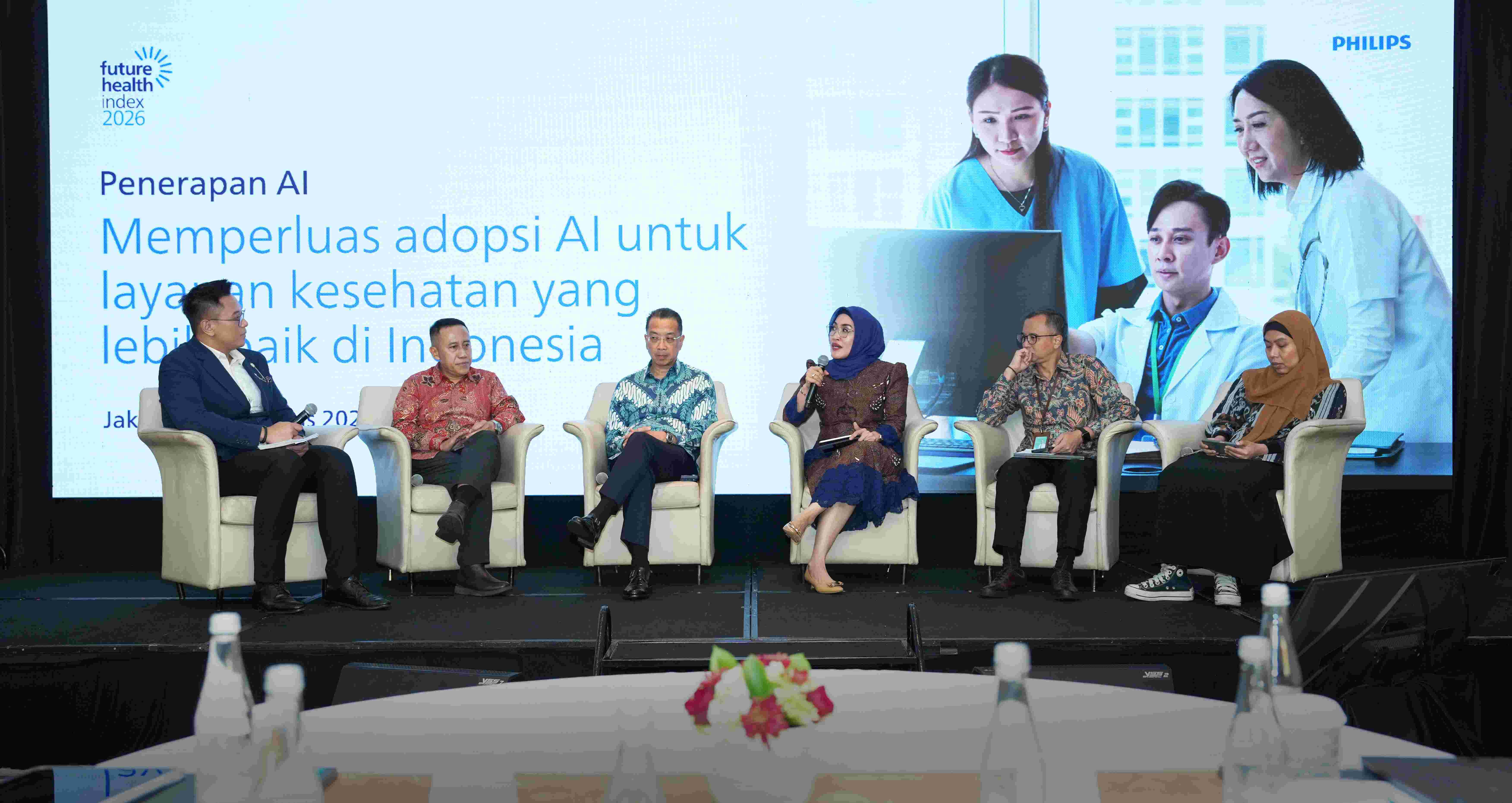
The 11th edition of the Future Health Index for Indonesia 2026 shows how Artificial Intelligence (AI) is improving medical services nationwide.
Philips, a leading figure in the medical technology industry, released the index.
The research used a quantitative method and involved 2,000 medical workers and over 20,000 patients across 10 countries. The index covers many important segments, including:
How AI makes medical services more efficient.
How AI widens the number of patients receiving medical services.
How AI helps medical workers better access patients' data integrated across medical services.
Findings from this research show that Indonesian medical workers are more receptive to AI in the medical field than global data suggests.
The study covers not only how medical workers view AI and how they use it. It also covers the impact AI has had on Indonesian medical services and the challenges medical workers face in adopting the technology.
📡 Why it’s on our radar
This research continues the 2025 Future Health Index, which focused on AI as a promising force in the medical industry; 2026 highlights how that force has developed over the past year.
AI has carved its way into almost every industry and field.
If the technology can further develop and improve medical services in Indonesia, which will always be in high demand due to its population size, it will become one of AI's most important functions.
⚠️ Why it’s important
AI in Indonesia’s medical field is a promising force, favoured by both medical workers and patients, according to the survey. However, it’s important to understand the challenges behind adopting AI.
The research highlights that, in Indonesia, AI adoption is outpacing medical workers' current readiness. 55% of medical workers say training on AI tools is absent, limited, or inconsistent within their organisation.
To expand AI use in the medical field, medical workers and patients need additional support across many areas.
For medical workers, it’s beyond AI training. 50% say they need support with data privacy and legal responsibility. 42% say they need technical expertise, and 40% say they need help checking AI recommendations.
For patients, 82% worry their data could be used without consent, 80% worry medical workers use AI without training, 78% worry AI will make incorrect diagnoses, and 70% worry they aren't informed when and where AI is used in their treatment.
📝 What does the study say?
In Indonesia, the study sampled 201 medical workers and 2011 patients. The survey questions are divided differently for medical workers and patients to capture both perspectives. The results are:
Experience using AI and how trusted the technology is: 82% of medical workers and 72% of patients who use AI are optimistic that AI will improve patient health outcomes.
AI saves time in medical work: 59% of medical workers state that AI has helped them save time. This is mainly by helping with administrative work and workflow, allowing medical workers to focus more on treating patients.
Widening access and capability: 69% of medical workers say AI has helped them care for more patients. 70% of patients agree that AI helps those in difficult positions access medical treatment.
Faster decision-making through AI: 88% of medical workers claim AI has made their work more efficient, with 87% saying they can get diagnostic results faster, higher than the global sample.
AI supports safer medical services: this figure is the lowest, with only 34% of medical workers claiming AI has helped them identify or prevent potential medical mishaps.
From a financial perspective, 43% of health sector leaders report that AI has helped them save money, while 69% claim it has impacted their industry enough to pay back the investment or more.
For many of these figures, Indonesia’s results are significantly higher than the study's global average, signalling that Indonesia’s adoption of AI in the medical field is faster than in other countries.
📚 AI in the health sector
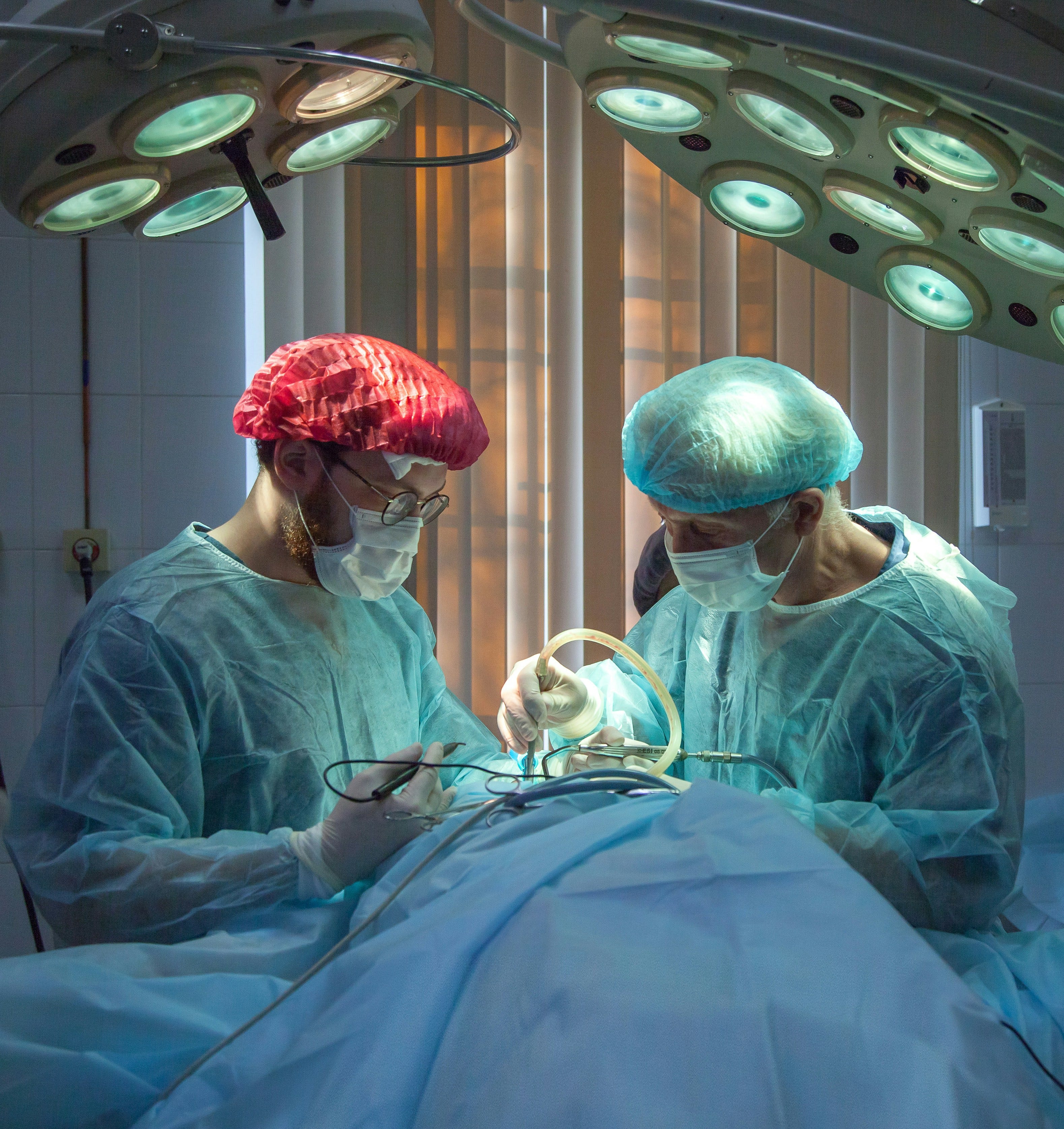
It's important to note that most medical workers use AI not as a decision-maker, but as a partner in supporting their decisions.
Across different types of AI, only chatbot AI (19%), used to discuss clinical matters, and scheduling systems (15%) scored relatively high when medical workers were asked whether these AIs can make decisions on their own.
Patients say generative AI helps them maximise their time with medical workers. However, many figures show the worry both patients and medical workers have about the technology.
80% of medical workers say they have corrected mistakes made by AI, while 40% of patients say they lose trust once they know AI is involved in their treatment.
🏠 Why it hits home
The results suggest that AI in Indonesia’s medical field is still developing. Despite rapid adoption and integration, it still takes time and improvement for both medical workers and patients to fully utilise and trust AI in healthcare.
However, the prospect looks bright; the technology can improve the lives of medical workers, improve their work for patients, and allow more people to access medical services.
For Indonesia a country with over 280 million citizens its an important step to improve the quality and reach of its medical services across the nation.
🏁 Bottom Line
The research concludes with 3 things required for AI to move from adoption to widespread use in the medical field.
These are creating an integrated AI ecosystem, building trusted and trained medical workers for AI, and forming a hybrid medical team.
Achieving this requires collaboration among health organisations, medical workers, policymakers, regulators, and tech partners to connect data, workflows, and medical teams, which are currently fragmented.
🔍 Need More Angles
Philips: Future Health Index 2026 Indonesia.
(FRD/QOB)