



🎯 The Main Takeaway
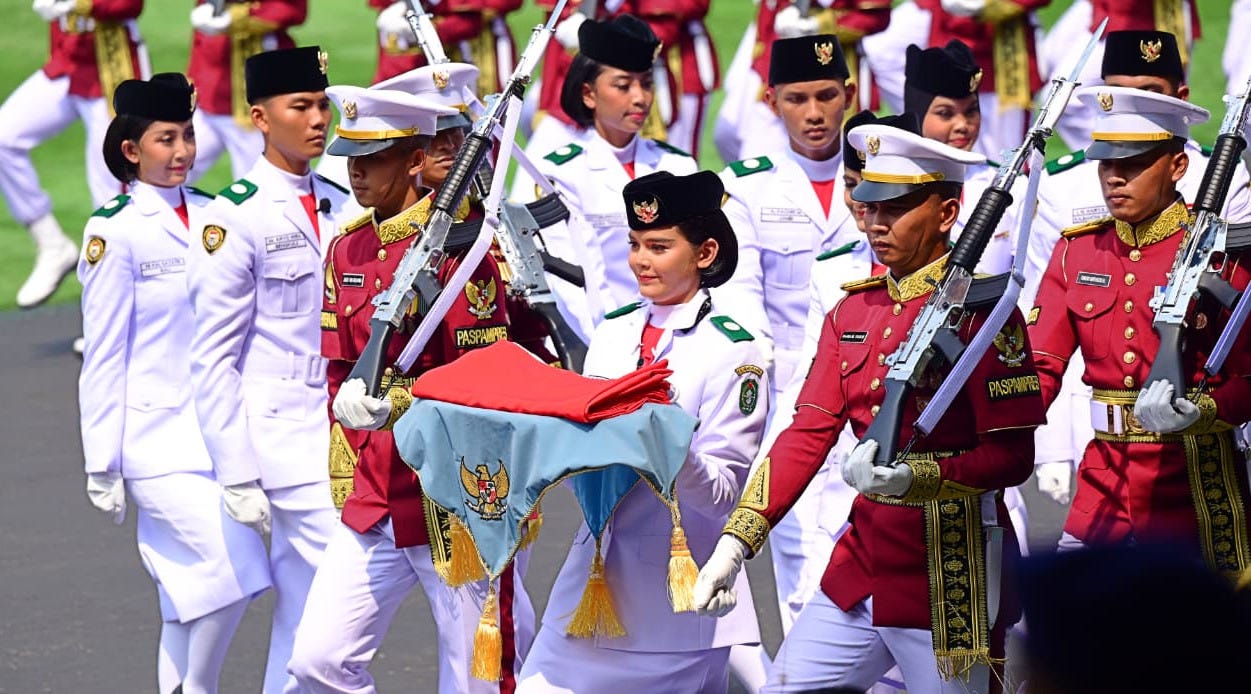
Indonesia commemorated its 81st Independence Day on 17 August 2026 with a markedly sombre tone, as President Prabowo Subianto redirected the nation’s focus from celebration toward compassion for citizens affected by recent natural disasters.
The commemoration was observed across multiple sites: the official ceremony in Jakarta, diaspora gatherings in Southeast Asian cities Yangon, Dili, and Kuching, and a grassroots “People’s Ceremony” in Pati, Central Java.
These distinct events reflected the diversity of how Indonesians, at home and across the region, chose to mark the occasion.
The president’s decision to scale back festivities and prioritise disaster victims highlighted the government’s acknowledgement that national celebration cannot ignore national suffering.
📡 Why It’s on Our Radar
The 81st Independence Day celebrations reflected a nation and a diaspora navigating multiple realities: official commemoration, disaster response, regional diaspora pride, and grassroots critique.
🇮🇩 In Jakarta: A Ceremony of Empathy
President Prabowo, serving as ceremony inspector, urged the nation to honour founding heroes while extending thoughts and prayers to disaster victims.
Several cabinet ministers travelled to Manggarai Regency, NTT, to mark Independence Day directly alongside displaced communities.
The government also adjusted planned evening celebrations: the fireworks display at the HI Roundabout was postponed, and the 360-degree video mapping at the National Monument (Monas) will carry messages of condolence and support.
🇲🇲 Yangon: A Solemn Flag-Raising Among Friends
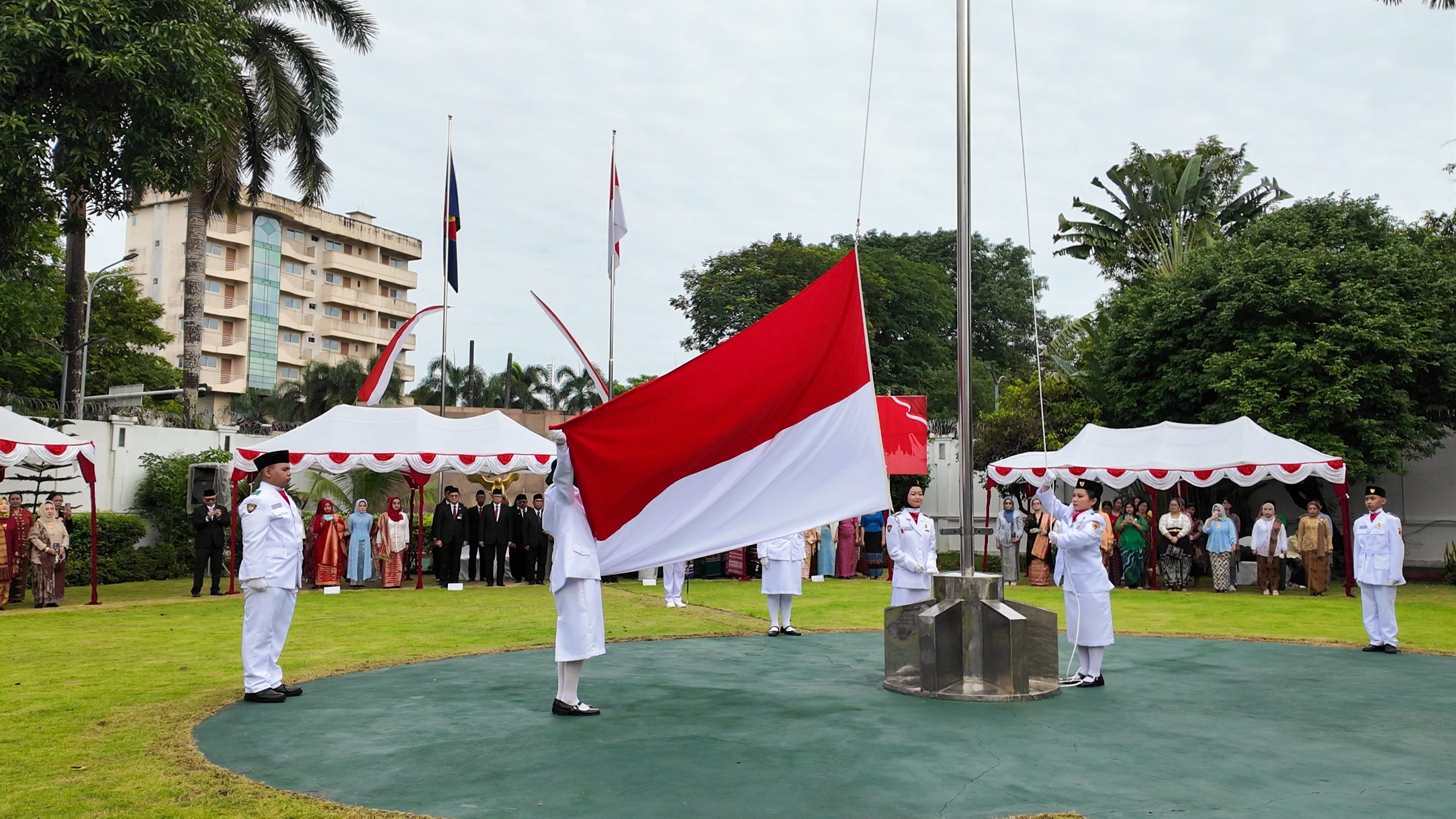
In Yangon, Myanmar, the Indonesian Embassy hosted a flag-raising ceremony on 17 August, attended by Indonesian citizens, students, and Friends of Myanmar. The Chargé d’Affaires ad interim, Novan Ivanhoe Saleh, acted as Inspector of Ceremony.
The flag was raised by a student squad from the Indonesian School in Yangon, comprising seven students who played a key role in fostering nationalism among young Indonesians abroad.
Service awards were also presented to two embassy staff members for 30 and 20 years of dedicated service.
The ceremony strengthened community ties among Indonesians in Myanmar while introducing Indonesian nationalism to the local community.
The flying of the Red and White flag affirmed that the spirit of unity and mutual cooperation remains alive wherever Indonesians may be, including across Southeast Asia.
🇹🇱 Dili: From the Community, for the Community
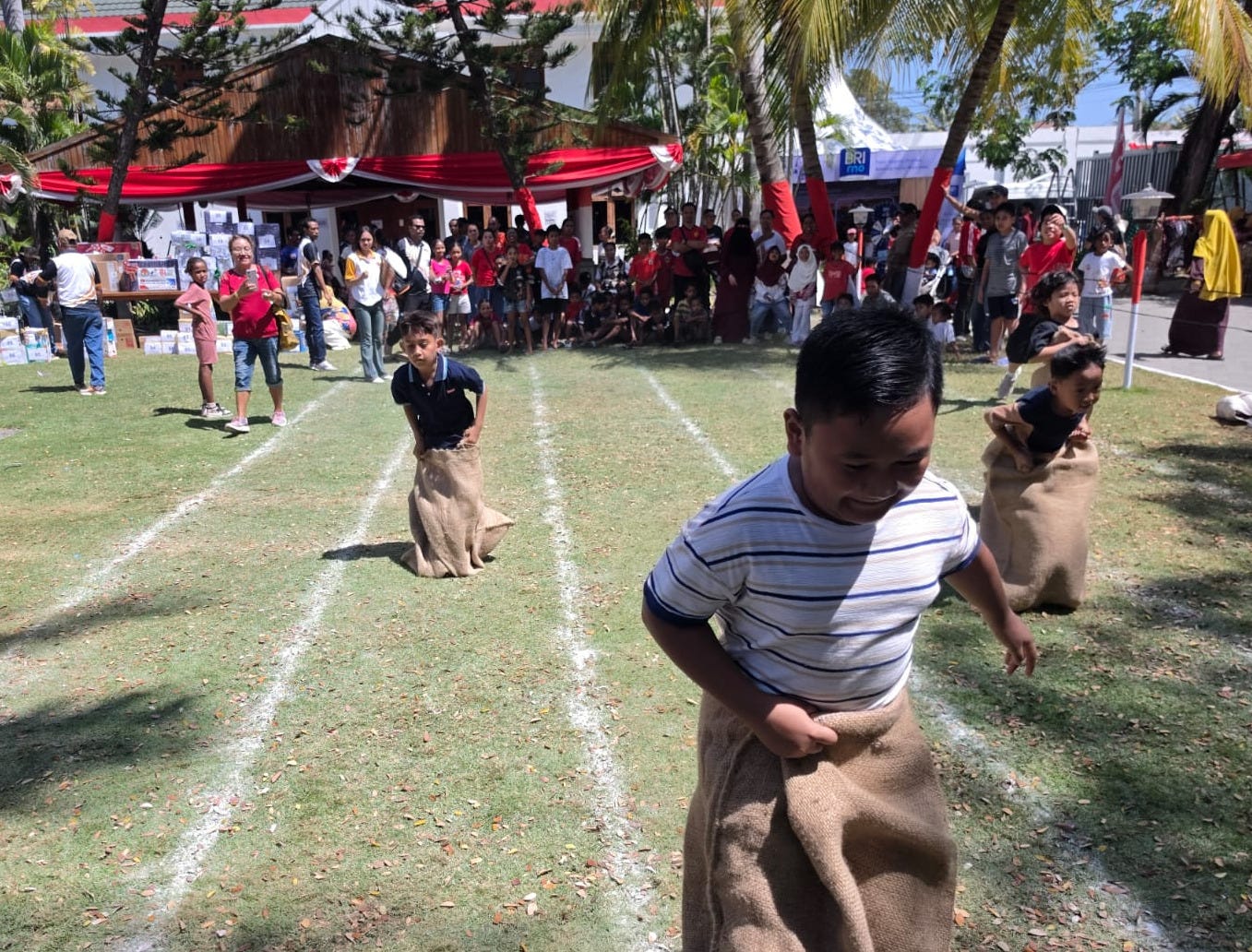
In Dili, Timor-Leste, the Indonesian Embassy organised a series of community-oriented events leading up to 17 August under the theme “From the Community, for the Community.”
The celebrations began with a blood donation drive, badminton and futsal tournaments, and a Community Festival featuring traditional games and competitions.
The Chargé d’Affaires ad interim emphasised the importance of mutual cooperation (gotong-royong), reminding the diaspora that they remain part of one Indonesian family, even far from home.
A solemn tribute was held at the Seroja Heroes Cemetery to honour fallen heroes.
The flag-raising ceremony on 17 August featured a newly inducted Paskibra team and attendees in traditional attire.
The event strengthened social solidarity and fostered harmony between Indonesia and Timor-Leste, demonstrating that the spirit of Indonesian independence is not confined by borders; it extends across the region.
🇲🇾 Kuching: A Community Gathering in Sarawak
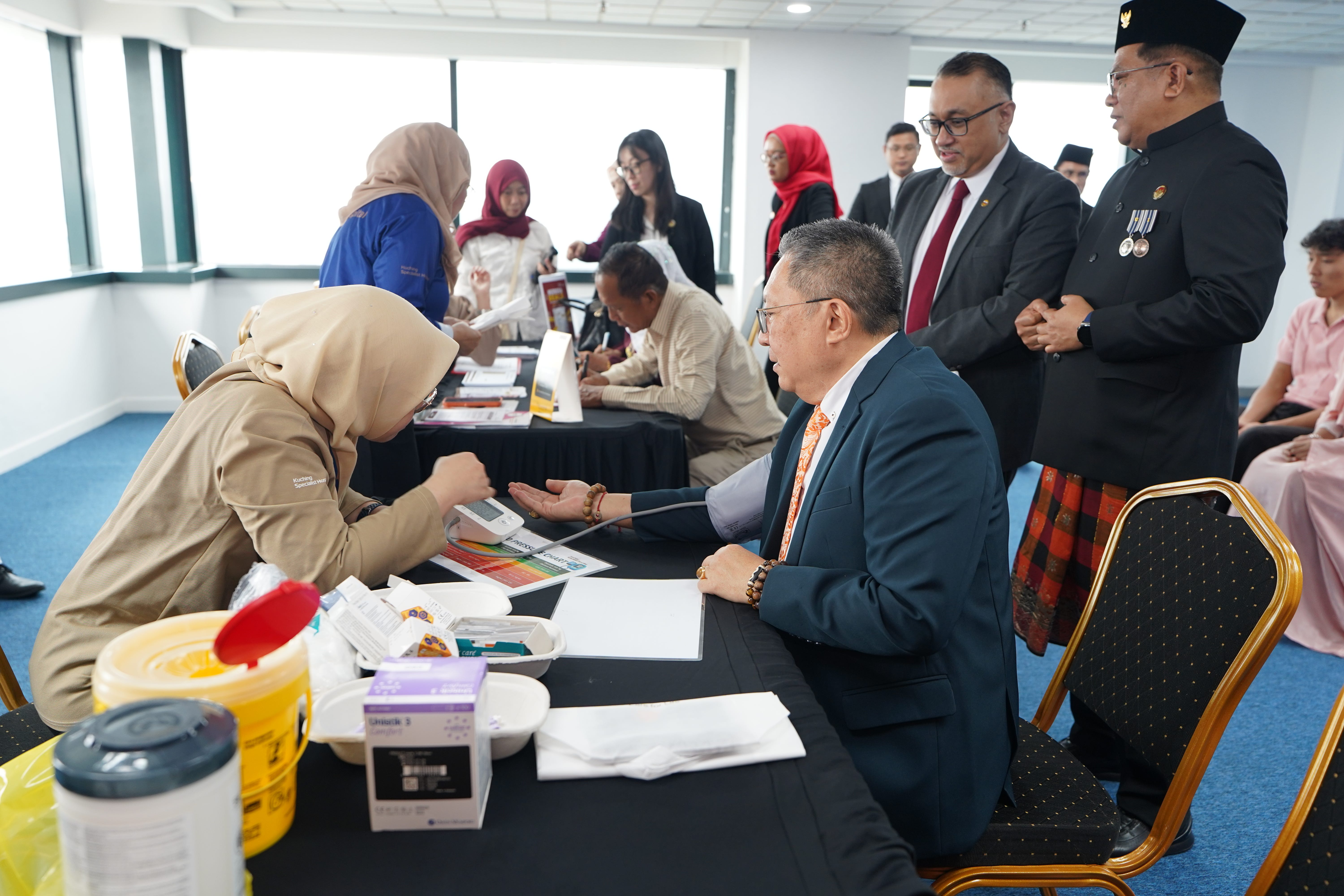
In Kuching, Sarawak, Malaysia, Indonesia’s Consulate General hosted a celebration on 17 August, attended by more than 300 members of the Indonesian diaspora, as well as guests and staff.
The event began with a flag-raising ceremony to the accompaniment of Indonesia Raya, followed by a tumpeng cutting ceremony as an expression of gratitude to commemorate the 81st Independence Anniversary.
The diaspora also had access to free health screenings, including blood pressure, blood sugar, cholesterol, and Body Mass Index checks, reflecting a commitment to the community's health and well-being.
Ratna Wiryawan, 76, an Indonesian citizen who has lived in Kuching for more than 20 years, shared that she has attended the Independence Day ceremony at KJRI Kuching every year.
She said her participation is a way of expressing gratitude to God for the blessing of a long life and a reflection of her enduring love for her homeland.
The gathering in Kuching highlighted the strong ties between the Indonesian diaspora and their host community in Sarawak, reinforcing the spirit of mutual cooperation and cultural pride.
🇮🇩 East Nusa Tenggara: Ministers Mark Independence Day at Disaster Site
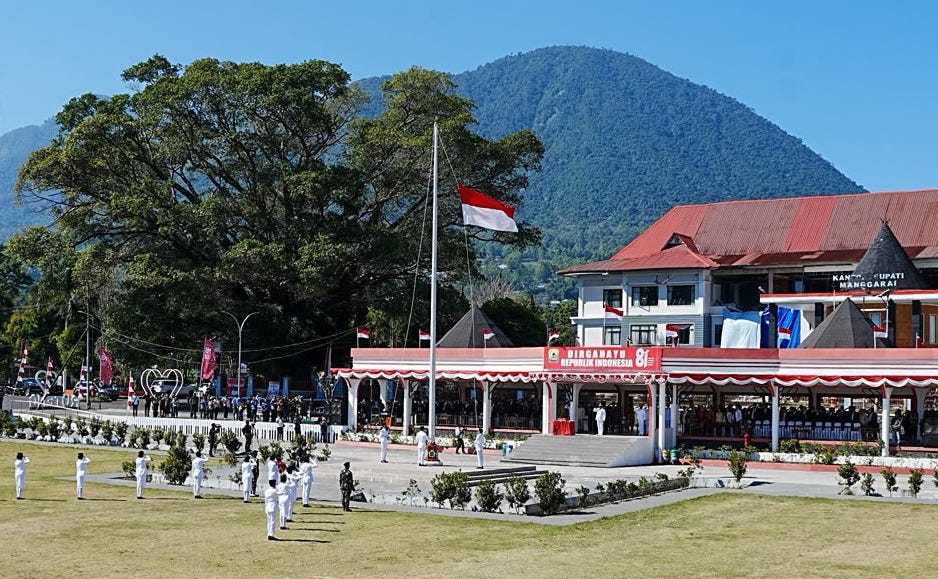
Several of Indonesia’s cabinet ministers skipped the Jakarta ceremony to commemorate Independence Day and instead joined displaced communities in Manggarai Regency, NTT, the epicentre of the recent earthquake.
Coordinating Minister for Human Development and Culture, Pratikno, emphasised that the government’s presence was critical to the ongoing disaster response.
“Since the first day of the event, we have been in NTT to survey the field and discuss accelerating recovery,” Pratikno explained.
BNPB Head Suharyanto confirmed 69 fatalities and instructed local governments to expedite damage assessments, insisting that recovery must begin immediately without waiting for complete data.
The response includes two logistics hubs in Labuan Bajo and Maumere, distributing 50,000 basic food packages personally donated by President Prabowo.
A fleet of over ten aircraft and helicopters has been deployed for medical evacuations and supply drops to remote islands.
⚠️ A Voice from the Voiceless: The People’s Ceremony in Kendeng
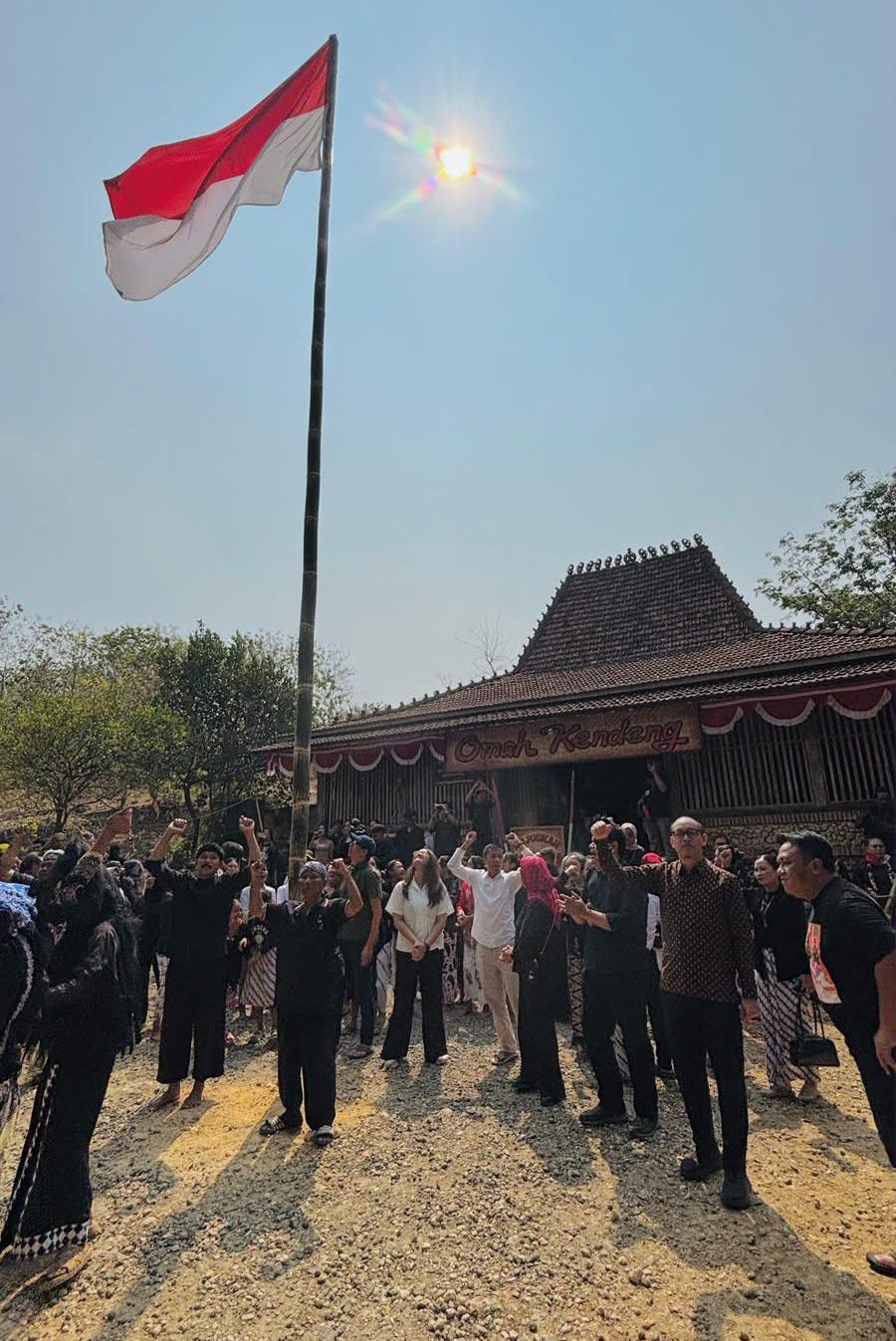
In Pati, Central Java, a “People’s Ceremony” organised by the Jaringan Masyarakat Peduli Pegunungan Kendeng (JMPPK) offered a contrast to official commemorations.
Led by Gunretno, a traditional leader of the Sedulur Sikep community, the ceremony brought together farmers, civil society groups, and academics who have resisted limestone mining in the Kendeng Mountains for more than 20 years.
“This ceremony exists to realise Pancasila so that it does not merely remain text.”
— Gunretno, Sedulur Sikep community leader
Civil society groups in attendance included Kabinet Bayangan (Shadow Cabinet), Konferensi Republik, Forum Intelektual Antar-Disiplin (FIAD), LBH Semarang, and Masjid Nurul Asri.
Participants raised concerns about the allocation of village funds (up to 70% directed to the Red and White Village Cooperative), food poisoning cases in the Free Nutritious Meal programme, civil servants' welfare issues, and inadequate disaster response due to budget constraints.
The ceremony offered an alternative perspective on independence, arguing that freedom is not a historical achievement but an ongoing struggle for land, livelihood, and the right to shape their own future.
🏠 Why This Hits Home
Independence Day is a moment when Indonesians, whether in Jakarta, disaster-stricken NTT, or diaspora communities across Southeast Asia, come together as one.
In Yangon, Dili, and Kuching, the red-and-white flag flew high, carried by students, families, and elders who have kept Indonesia's spirit alive far from home.
The government’s decision to scale back festivities and redirect attention to disaster victims reflected an acknowledgement that national celebration cannot ignore national suffering.
The presence of ministers on the ground in NTT underscored a commitment to action, at least in principle.
Yet the People’s Ceremony in Pati raised a different question: for communities long marginalised by extractive industries, what does independence actually mean?
For the farmers of Kendeng, it means the ability to protect their land, water, and livelihoods from development that benefits distant corporations more than local residents.
The 81st Independence Day, then, was not a single story, but a collection of interpretations of what it means to be free.
🏁 The Bottom Line
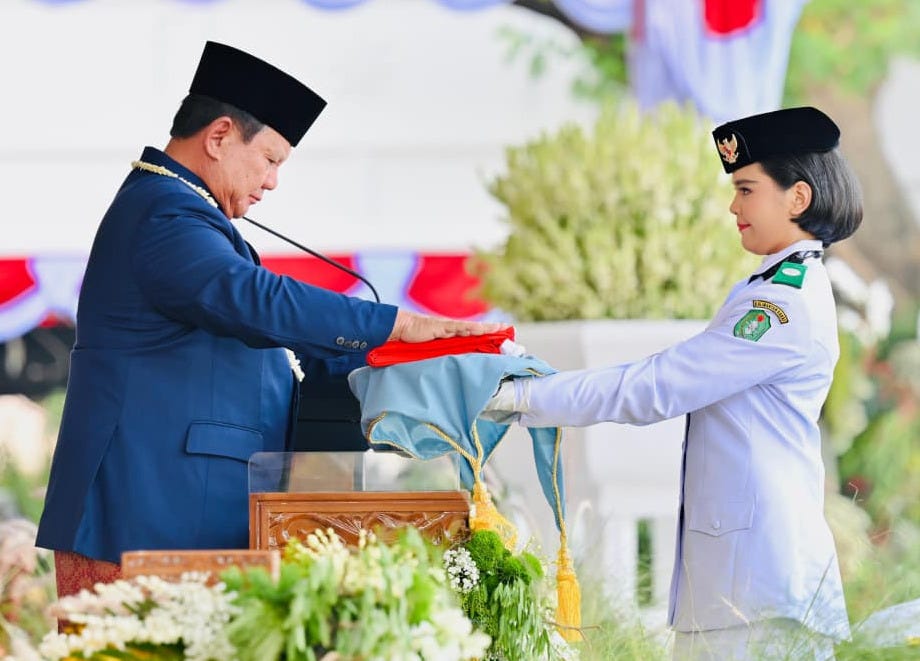
Indonesia’s 81st Independence Day was a study in contrasts.
In Jakarta, the government projected empathy and restraint.
In Yangon, Dili, and Kuching, the diaspora reaffirmed cultural pride and national belonging.
In disaster-stricken East Nusa Tenggara, ministers demonstrated that some official duties are best performed far from the capital.
In Pati, a different kind of commemoration unfolded, one that challenged the official narrative.
For the farmers and activists gathered on Bukit Selo Montro, freedom is not a historical achievement but an ongoing struggle for land, livelihood, and the right to shape their own future.
These competing narratives reflect the reality of a diverse, complex nation marking its 81st year, and they reflect tensions that resonate across Southeast Asia.
Whether the government engages with the voices from Pati as it responds to the earthquakes in East Nusa Tenggara will shape how future Independence Days are perceived.
(TSEAD)