



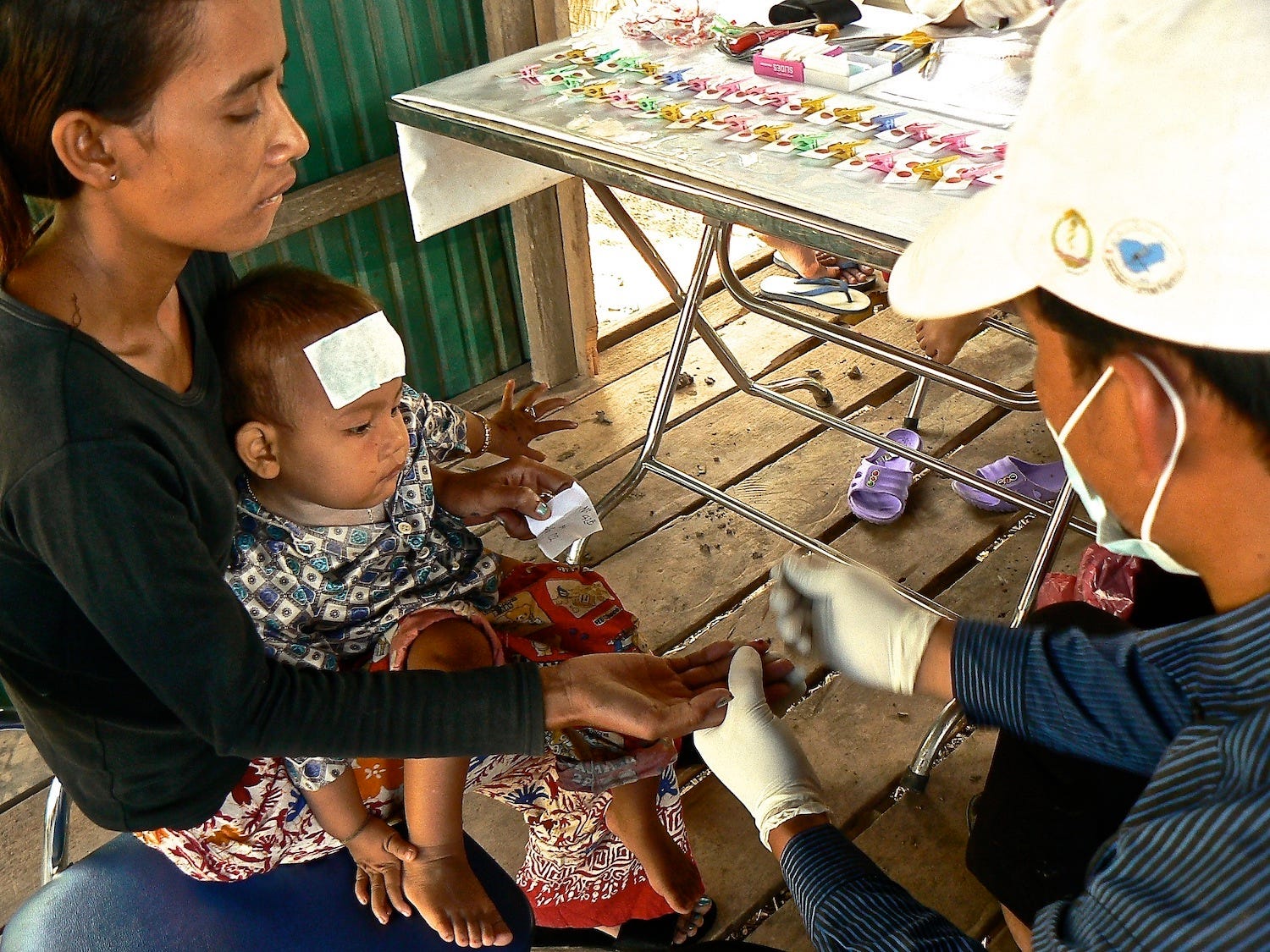
Editorial Notes: This dispatch is published in collaboration with Cambodianess. We are thankful for our colleagues in Phnom Penh and beyond in Cambodia for this article. The original article can also be read here.
🎯 The Main Takeaway
🦟 Plasmodium falciparum — the deadliest malaria strain — has fallen by more than 99% in Cambodia since 2000, bringing the country close to an SDG 3 milestone. However, elimination is not complete.
🔬 As falciparum declines, Plasmodium vivax persists through hidden relapses — complicating the 2030 target in Cambodia and across Southeast Asia, where it remains endemic.
⚠️ The only drugs that might fully cure vivax carry risks for people with G6PD deficiency, common in the region. Without reliable testing, radical cure cannot be safely scaled — slowing elimination across the Mekong and beyond.
🔍 Why It’s on Our Radar
🌏 Health in the margins: Regional discourse in SEA is dominated by geopolitics and economics — disease elimination rarely leads the agenda.
🦠 Malaria still endemic: Vivax persists across the region, including eastern Indonesia (Papua, East Nusa Tenggara, Maluku) and Mekong border zones.
🇰🇭 Proof of possibility: Cambodia shows that elimination is technically achievable — shifting malaria from inevitability to policy design.
⚖️ A shared structural dilemma: Debates over mass drug administration and G6PD testing reflect a broader tension between speed, safety, and sustainability.
📉 A narrowing window: As cases fall, precision — not scale — will determine whether SEA completes elimination or stalls at low-level persistence.
🤒 A Closer Look
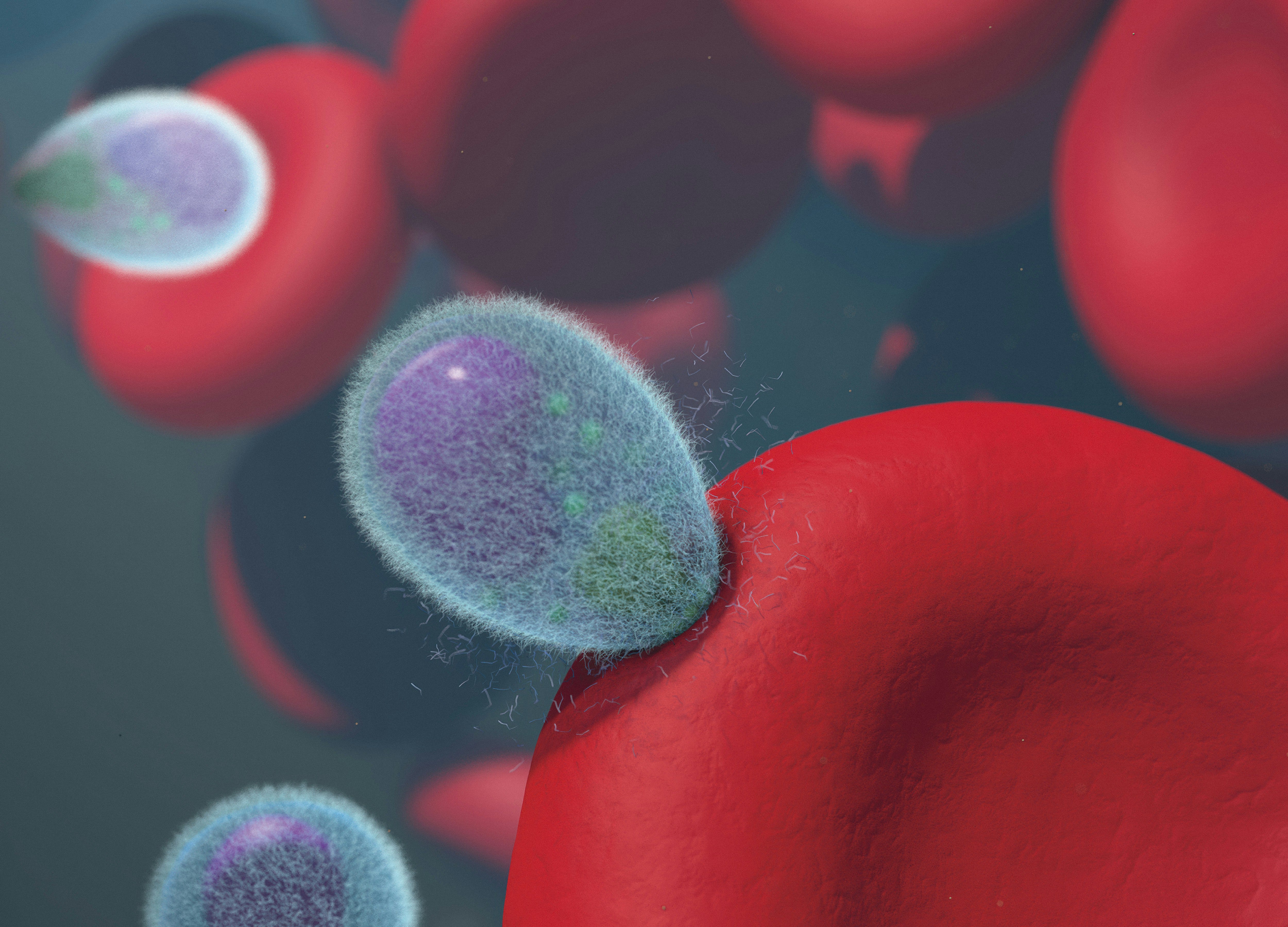
🦠 Five human malaria parasites: Malaria is caused by five Plasmodium species with Falciparum is the deadliest & Vivax is the most widespread.
🧬 A survival advantage: Vivax forms dormant liver stages — hypnozoites — that can reactivate weeks or months after the initial infection. One mosquito bite can trigger repeated illness.
🔁 Relapse-driven burden:
In some endemic settings, over 75% of vivax cases come from relapses, not new bites. Standard treatment clears blood-stage parasites — but not the liver reservoir.💊 Radical cure: Drugs such as primaquine or tafenoquine can eliminate dormant parasites. Without them, infection returns — sustaining transmission.
🩸 The G6PD constraint: Radical cure drugs can cause severe haemolysis in people with glucose-6-phosphate dehydrogenase (G6PD) deficiency, an inherited condition common in malaria-endemic regions.
🫥 Hard to detect: Vivax often circulates at low levels and without symptoms — easy to miss, yet still transmissible.
⚠️ What’s at Stake
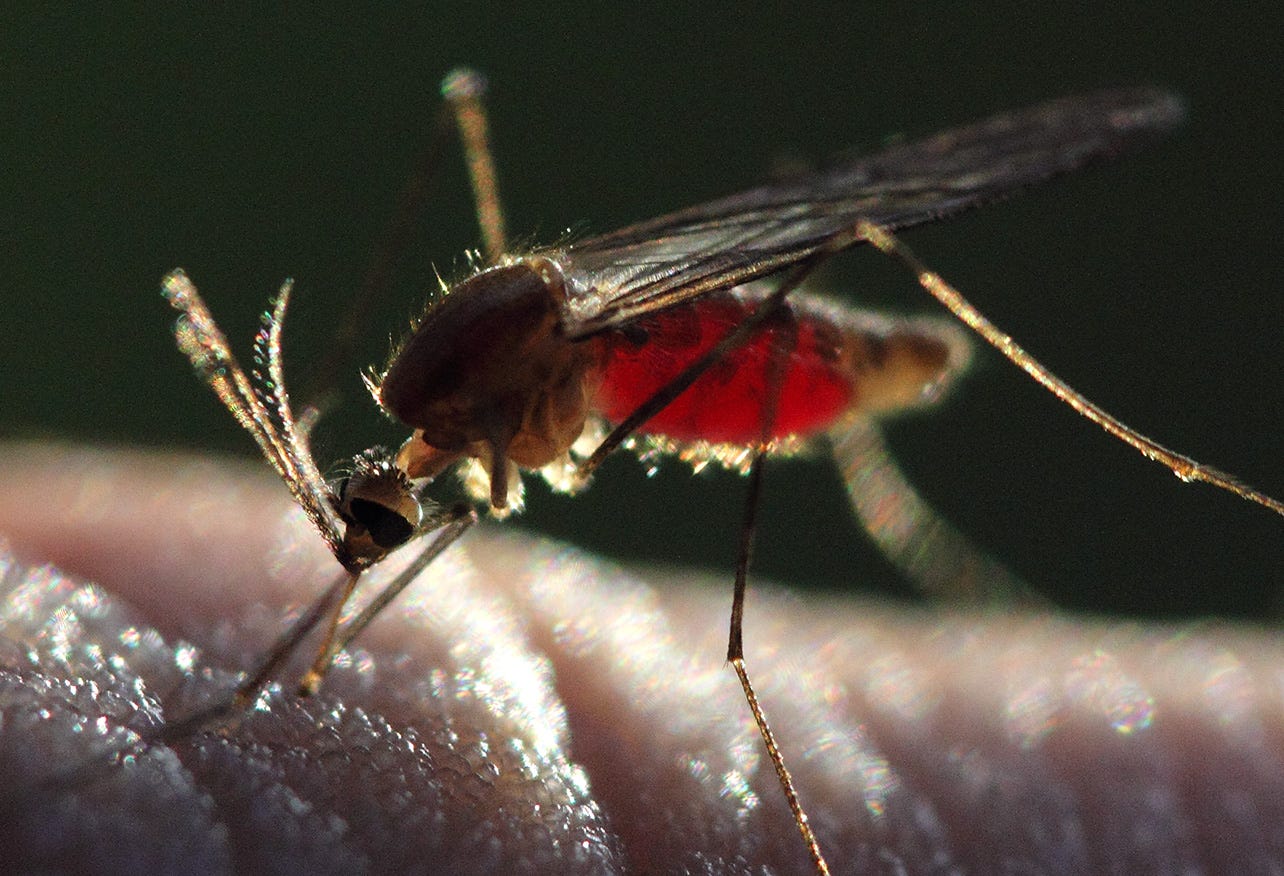
🔁 Cycles, not single episodes: One infection can return multiple times — compounding household and health system strain.
🩺Trust and fatigue: When symptoms fade but parasites remain, communities may feel cured — only to fall sick again.
👥 Community well-being: Repeated illness means lost income, disrupted schooling, and prolonged vulnerability.
🎯 SDG 3 credibility: Ending malaria by 2030 depends on clearing relapse-driven transmission, not just lowering case counts.
🌏 ASEAN’s people-centred test: Elimination is a measure of whether regional commitments translate into real protection for border and remote communities.

🔁 Breaking the Cycle
As relapse sustains transmission in border areas, Cambodia is testing whether targeted drug strategies can suppress the remaining parasite reservoir.
🧪 Testing new operational ground: Researchers are piloting an observational cohort study in northeastern Cambodia, along the Laos and Vietnam borders, where transmission persists.
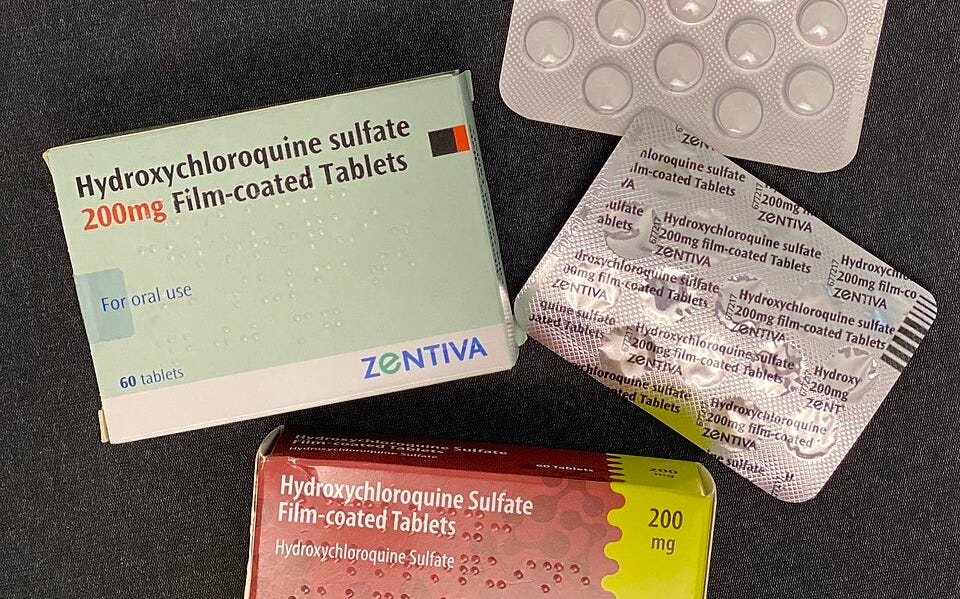
💊 Mass drug administration under review: The study assesses whether repeated rounds of chloroquine can suppress vivax transmission in high-risk zones.
🗺️ Targeted deployment: Four treatment rounds were delivered across nine military sites and six surrounding civilian communities between March and July 2025.
👥 4,333 participants reached: Including 2,997 military personnel — reflecting concentrated risk in mobile, forest-exposed groups.
🪖 Why the military first: security forces remain among the highest-risk populations due to sustained exposure in forested border areas.
The objective is pragmatic: shrink transmission where it is hardest to eliminate.
⚖️ The Chloroquine Paradox
But the strategy is not without debate.
💊 A blood-stage solution: chloroquine clears parasites from the bloodstream — reducing symptoms and short-term transmission. It does not eliminate hypnozoites. Even repeated rounds may leave a substantial liver reservoir intact.
🧬 Dormancy untouched: It does not eliminate hypnozoites. Even repeated rounds may leave a substantial liver reservoir intact.
🗣️ Expert caution: Dr. Nicholas J. White of the Mahidol Oxford Tropical Medicine Research Unit argues that in low-transmission settings, mass chloroquine without radical cure is inefficient — temporary suppression should not be confused with elimination.
🔁 The core concern: without clearing the liver stage, relapse continues — and transmission quietly survives.
🩸 The Radical Cure Dilemma
If chloroquine is incomplete, radical cure presents its own constraint.
💊 Effective but risky: Primaquine and tafenoquine can eliminate hypnozoites — offering true clearance of vivax infection.
⚠️ Safety barrier: Both drugs can trigger severe haemolysis in people with G6PD deficiency, an inherited enzyme disorder.
🧬 Why it persists: G6PD deficiency is relatively common in malaria-endemic regions — partly because it confers some protection against severe malaria. It is more frequent in males due to X-linked inheritance.
📊 Regional prevalence: across the Mekong, an estimated 7–19% of males are affected, with Cambodia often at the higher end.
🧪 Testing as a bottleneck: radical cure is safe only with prior G6PD screening. Where reliable testing is limited, scale-up slows.
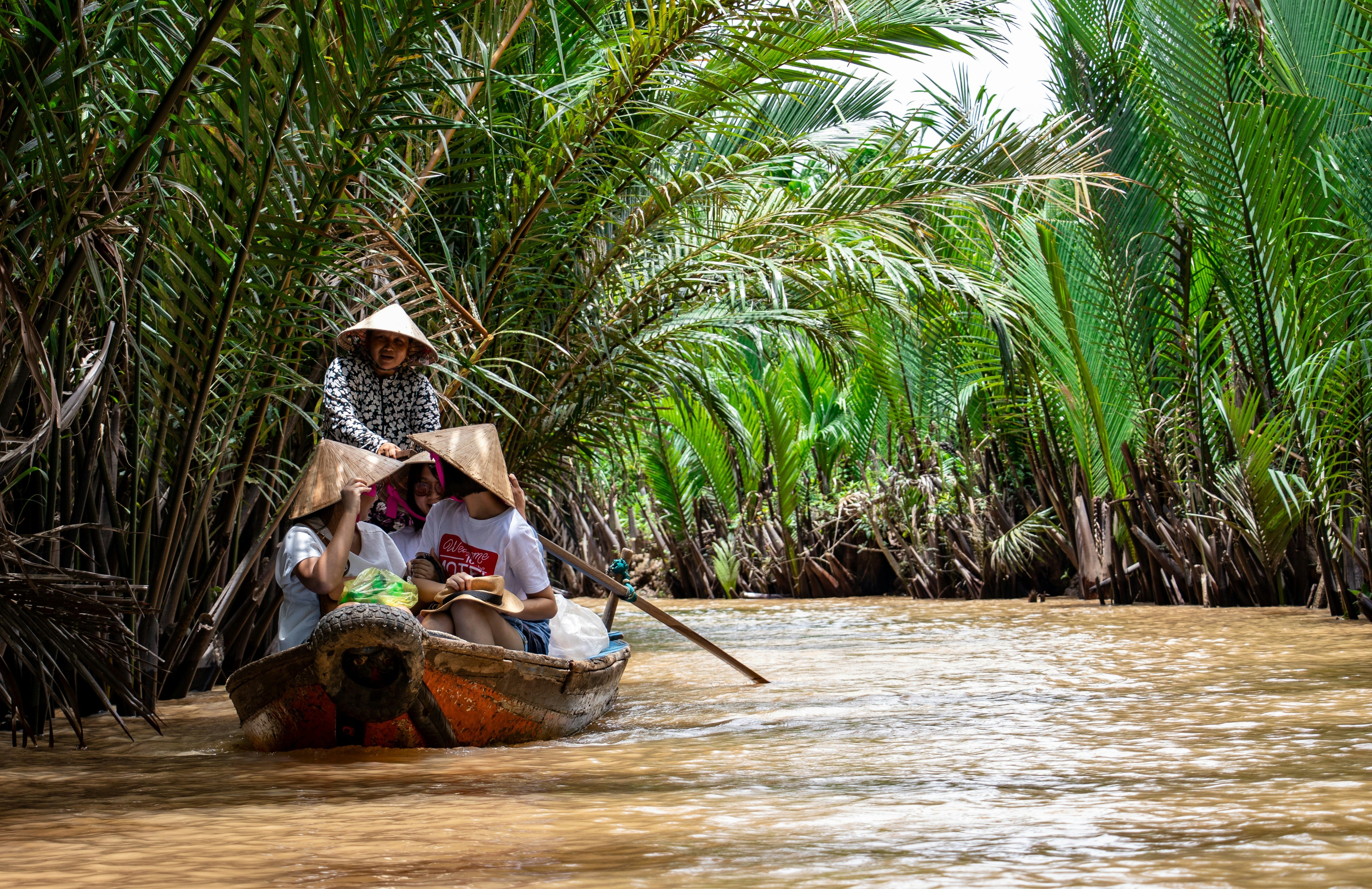
🛖 Why This Hits Home
Malaria is no longer Cambodia’s dominant health crisis — but for the communities still affected, it remains deeply personal.
Chloroquine can clear the fever, yet without preventing relapse, the illness — and its costs — return.
🔮 The Bottom Line
Elimination now depends on safe testing, radical cure, and follow-up that reaches border and forest communities.
As numbers fall, the burden concentrates on the most exposed.
The real test is not only biological. The question is whether health systems — and ASEAN’s commitments — can consistently protect people, not just reduce statistics.
📰 Need More Angles?
Medicines for Malaria Venture (MMV) Plasmodium vivax
Mongabay 25-fold surge in malaria at Indonesia gold frontier raises deforestation questions
(BRZ/QOB/ELS)