



🎯 The Main Takeaway
World Report 2026 from Human Rights Watch, released in February 2026, shows that Southeast Asia experienced structural democratic tensions throughout 2025.
In a number of countries, restrictions on civil liberties, weak accountability, and selective law enforcement indicate that stability, elite consolidation, and economic growth are often prioritized over participatory governance and institutional oversight.
🌏 Why it Matters
📑 A conceptual shift: The 2026 Human Rights Watch report suggests human rights are no longer only about isolated abuses — but about how governance itself is designed.
🚫 “Narrowing civic space”: The focus shifts repression from sporadic incidents to systemic patterns embedded across institutions.
🏛️ Implications for governments: Addressing the issue now requires structural reforms — tackling imbalances in state power, law enforcement, and public participation.
🌏 For the ASEAN: A bloc that champions a “people-oriented community” now faces a widening gap between regional ideals and lived realities.
📉 Across Southeast Asia: Shrinking civic freedoms are testing whether the region’s human rights commitments can keep pace with political realities.
🔎 Key Highlights
Several Southeast Asian countries featured in the Human Rights Watch World Report 2026—covering developments throughout 2025—include:
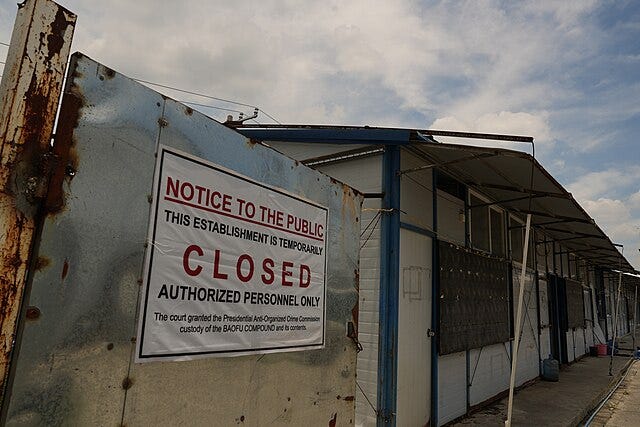
🇰🇭 Cambodia: Political space for opposition remains tightly restricted, with continued scrutiny over arbitrary detention, repression of labor unions and human rights defenders, and the persistence of human trafficking and online scam compounds.
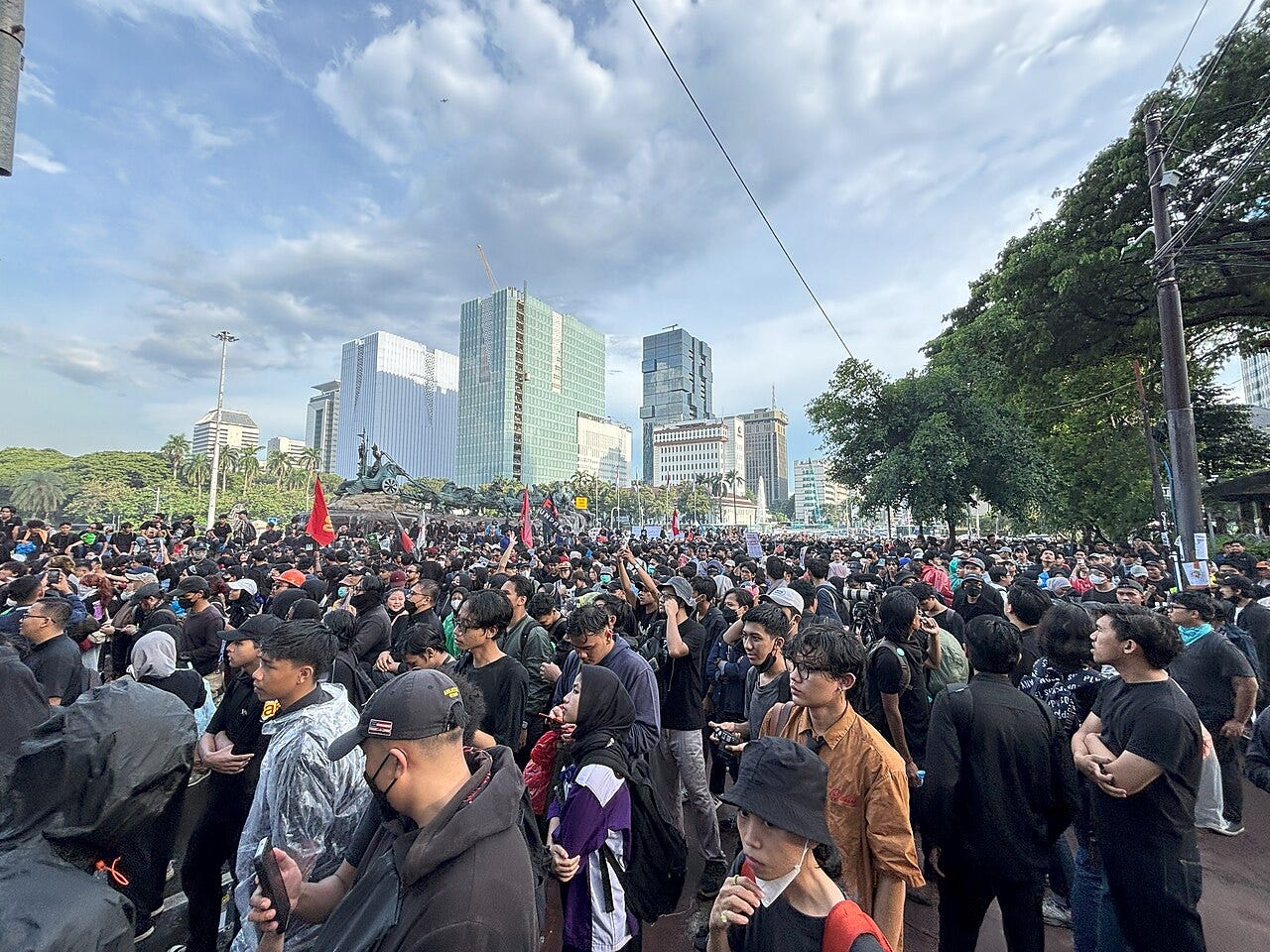
🇮🇩 Indonesia: The current government has faced criticism over economic inequality and policies seen as favoring elites. Large-scale demonstrations in August 2025 were met with heavy police response and mass arrests.
🇲🇾 Malaysia: Authorities continue using security and communications laws to regulate critical expression and shape public debate, while migrants and asylum seekers face detention and deportation despite the country’s active human rights diplomacy abroad.
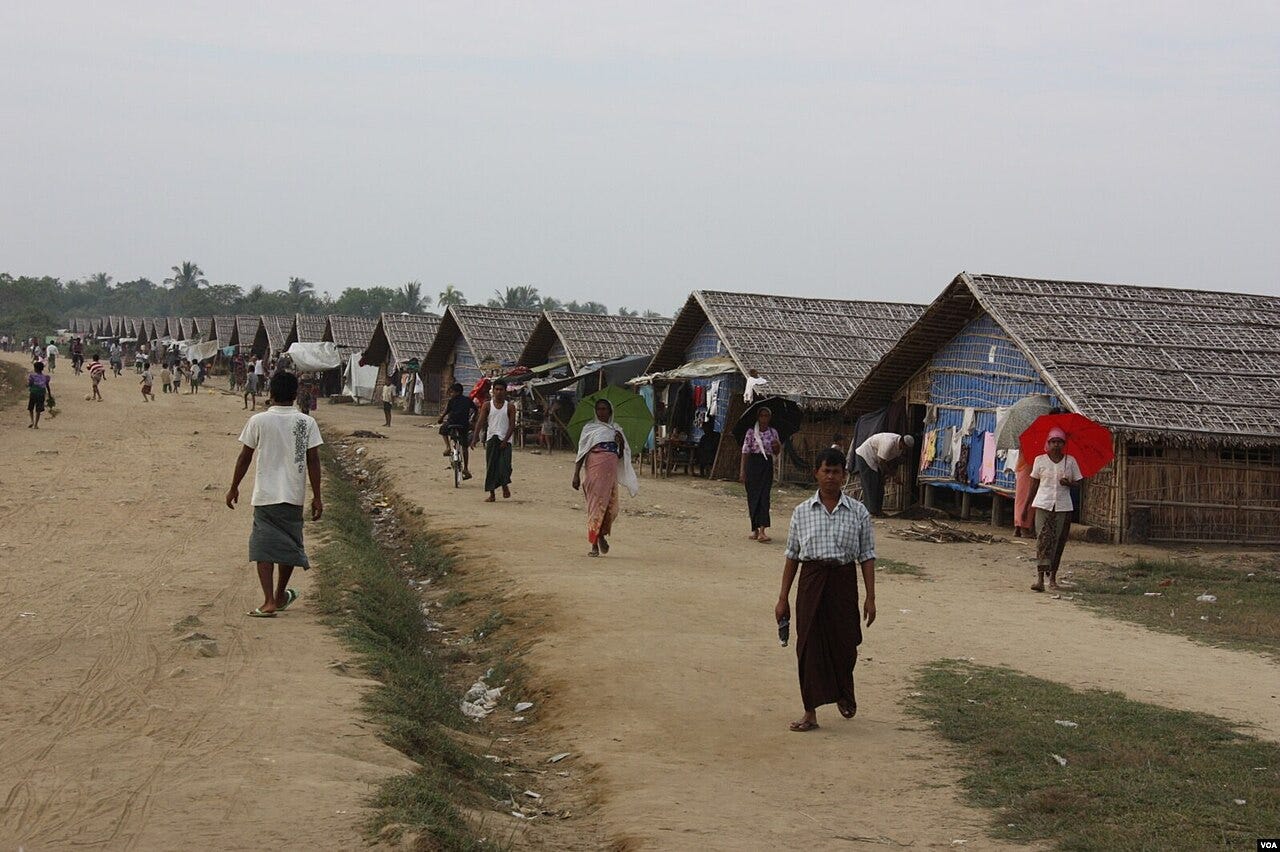
🇲🇲 Myanmar: The military junta continues attacks on civilians, including airstrikes and mass detentions of opposition figures. The humanitarian crisis deepens as conflict drives large-scale displacement and ongoing allegations of war crimes.
🇸🇬 Singapore: The government maintains strict oversight of public discourse through regulations requiring corrections of information deemed false, while capital punishment and tight restrictions on public protests remain in place.
🇹🇭 Thailand: The lèse-majesté provision continues to be used against activists and critics of the monarchy, constraining political debate while democratic reforms progress slowly.
🇵🇭 The Philippines: Extrajudicial killings and the “red-tagging” of activists persist, even as security approaches evolve compared to previous years. Accountability for past abuses remains a major political issue.
🇻🇳 Viet Nam: The one-party government continues prosecuting bloggers, environmental activists, and human rights defenders under national security charges, with press freedom and independent union formation remaining restricted.
Notably, Brunei Darussalam and Timor-Leste are absent from the list of major developments highlighted in the report. This absence may reflect fewer reported large-scale rights controversies during the period, but it also underscores the uneven visibility of human rights monitoring across the region.
⚠️ What’s at Stake
⚠️ A dangerous normalization: If current trends continue, restrictions on freedoms risk becoming embedded in Southeast Asian politics.
📊 Regional evidence: The World Report 2026 highlights tangible human rights pressures across the region.
🇲🇲 Myanmar: Ongoing conflict and attacks on civilians continue to trigger mass displacement.
🇹🇭 Thailand: Lèse-majesté laws continue to be used against activists.
🇻🇳 🇰🇭 Vietnam and Cambodia: Human rights defenders and journalists continue to face detention.
🇮🇩 Indonesia: The harsh response to the 2025 demonstrations signals growing tensions between the state and society.
🚨 The systemic risk: If these patterns persist, authoritarian practices could deepen while public trust in institutions erodes.
👥 Who bears the cost: Vulnerable communities — those with the least legal protection and political influence — remain the most exposed.
📸 The Bigger Picture
🧭 Beyond isolated incidents: Human Rights Watch’s World Report 2026 — based on global field research and documentation — highlights recurring human rights trends across Southeast Asia.
📑 Recurring dynamics: Restrictions on protests, pressure on independent media, expanded use of security laws against critics, and weak accountability for security forces.
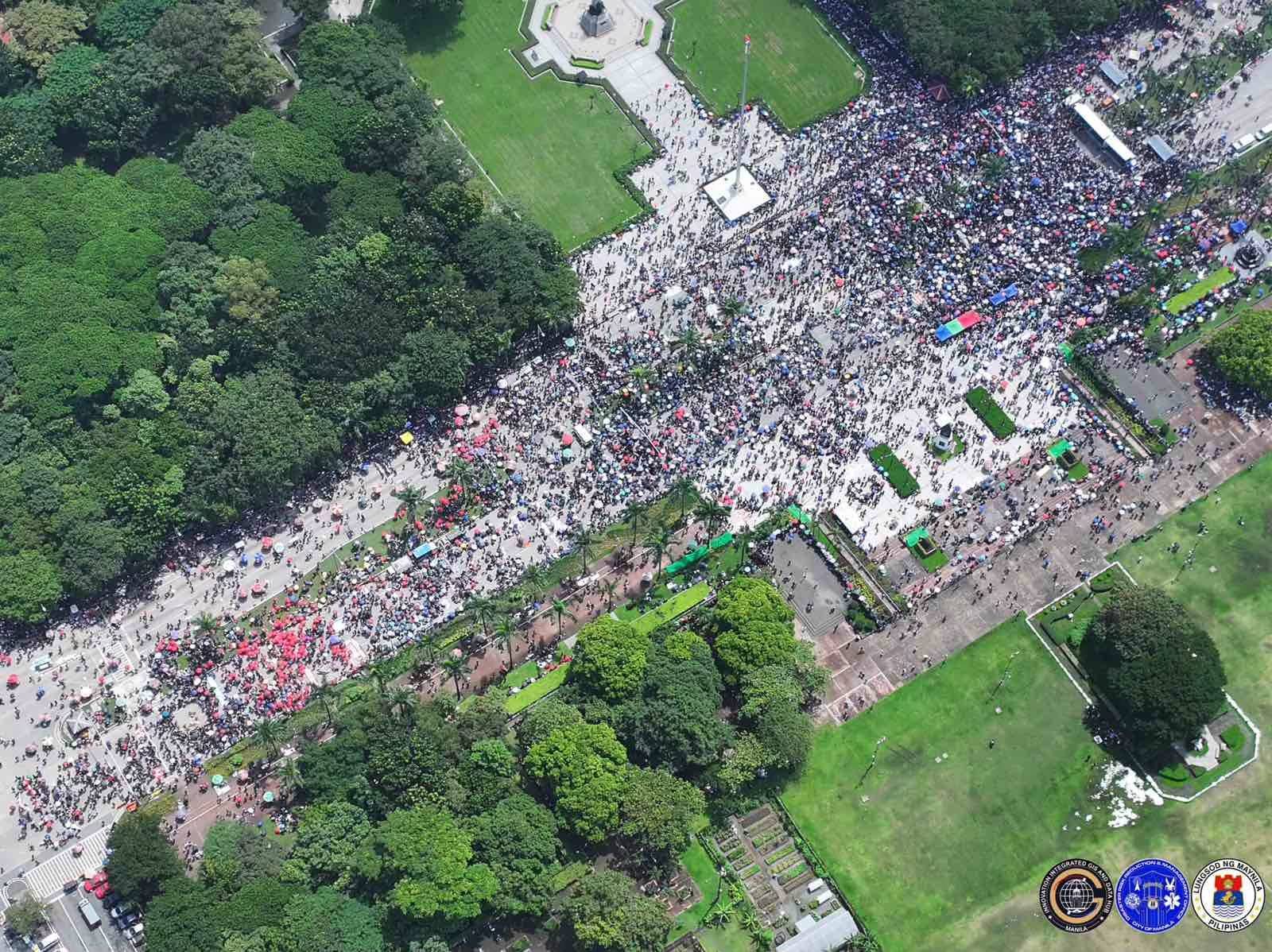
🌏 Country snapshots: Indonesia saw forceful dispersal of large protests; Myanmar’s conflict continues driving mass displacement; Cambodia and Vietnam increasingly prosecute activists and independent journalists.
📊 Regional indicators: Freedom in the World 2025 also classifies several states as “Not Free,” including Cambodia (23/100), Thailand (34/100), and Vietnam (~20/100) — scores measuring political rights and civil liberties.
⚠️ What it suggests: Together, these findings point to fragile democratic institutions and narrowing civic space across parts of Southeast Asia.
🌐 Regional Stake
🌐 Cross-border impact: Weakening human rights protections in Southeast Asia increasingly produce regional spillover effects, not just domestic consequences.
🇲🇲 Myanmar’s conflict: Continued attacks on civilians and armed violence are driving large-scale displacement, creating humanitarian pressure on neighboring countries.
🌊 Mekong vulnerabilities: Weak law enforcement and corruption have enabled the growth of human trafficking networks and transnational cyber-scam operations.
⚠️ A regional security concern: When domestic accountability erodes, the effects extend beyond national borders, affecting stability and governance across the region.
🤝 For the ASEAN: The trend presents a structural challenge to its goal of building a “people-oriented community.”
🏛️ The core test: Without stronger institutions and consistent rights protection at the national level, regional commitments risk remaining largely aspirational.
🏠 Why This Hits Home
Across Southeast Asia, human rights concerns are no longer seen as isolated events but as recurring patterns in how power is exercised — from shrinking civic space to pressure on independent voices.
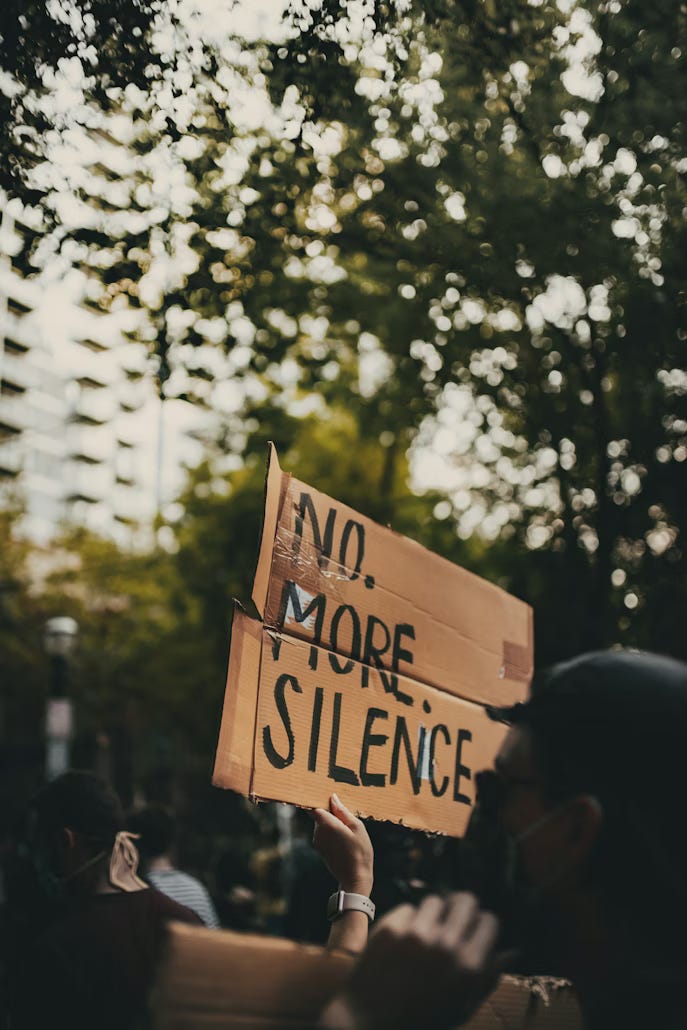
For many citizens, especially younger generations, this reality has sparked growing frustration and waves of mobilization demanding accountability and better governance.
Yet as economies expand and cities modernize, the promise of progress often feels incomplete when stronger institutions and protections for rights fail to grow alongside it.
🧾 Bottom Line
The 2026 Human Rights Watch report affirms that the weakening of human rights in Southeast Asia is not accidental, but the result of governance choices.
The region now stands at a crossroads: allow these patterns to persist, or strengthen inclusive and accountable institutions for long-term stability and credibility.
Need More Angles?
Freedom House Freedom in the World 2025
Foreign Correspondent Club of Thailand Decline of Rights in 2025: Conflict, Aid Cuts, Democratic Backsliding – 2026 World Report Asia Release
Human Rights Watch World Report 2026 - Events of 2025
The Associated Press What a Human Rights Watch report says about the economic toll of backsliding rights in Asia
(DHM/BRZ/ELS)