



🎯 The Main Takeaway
Traditional Southeast Asian cuisine is experiencing a high-tech, cultural renaissance. Driven by food sovereignty and Gen Z pride, "Ancestral Dining" is reviving hyper-local ingredients and near-lost techniques.
🚨 Why It Matters
We are watching a structural shift where authentic regional identity becomes ASEAN’s most valuable export, transforming cultural heritage into a scalable economic driver.
By the Numbers:
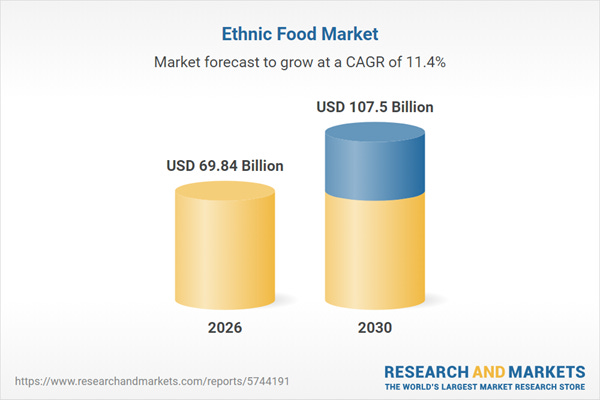
$69.84 billion: Current value of the global ethnic food market (2026).
$107.5 billion: Projected market value by 2030.
The Catch: There is a dual narrative. Virality and TikTok rescue photogenic traditions. Meanwhile, retiring artisans take unglamorous, unphotogenic heritage to the grave.
👨👩👧👦 The Generational Shift

Gen Z is actively reclaiming heritage cooking—choosing the complex, traditional methods for their cultural cachet over globalized fast food.
🍰 Kue Basah Evolution: Indonesian youth are swapping croissants for kue basah (Kue Talam, Lemper) as identity-affirming staples.
🌶️ “Swicy” Revolution: Chili-mango and tamarind infusions are re-engineering Thai and Vietnamese street food for modern, urban palates.
💻 Modernized Fermentation: Tempeh and bagoong are undergoing “Digital Fermentation”—using AI to ensure export-grade safety while protecting regional flavors.
🌾 Heirloom Power: Indigenous grains (Riceberry, Adan Krayan) are displacing imported wheat as premium health choices.
🌏 The Regional Stakes

The ASEAN Geographical Indication (GI) Network is expected to launch fully by late 2026.
How it works: Functioning like France’s Champagne laws, it legally protects authentic heritage names (e.g., Gudeg Jogja, Gỏi Cuốn).
The impact: It grants collective bargaining power, positioning ASEAN traditional foods alongside European luxury goods on the global stage.
🏗️ The Preservation Map
The ASEAN Food Policy Framework (2026) is turning traditional craftsmanship into protected “gastronomic intellectual property.”
🇲🇾 Malaysia: Weaponizing the Durian Cultural Tourism Festival for high-end international diplomacy.
🇵🇭 Philippines: Shifting to the “Slow Food” movement, preserving “Ark of Taste” ingredients like the Batuan fruit.
🇻🇳 Vietnam: Investing heavily in “Standardized Pho” global certifications.
🇸🇬 Singapore: Evolving UNESCO hawker culture into “Next-Gen Hawkerism,” using automation to save labor-intensive recipes.
❤️ Why This Hits Home

The “Western is premium” era is definitively over. For Gen Z, ordering a klepon, Bánh mì, or Bulalo is no longer just nostalgia—it is a deliberate statement of cultural authenticity.
📱 Beyond the Aesthetic: Social media transformed heritage snacks into visual art, but the real impact is structural.
🧑🌾 Empowering the Base: It monetizes heritage, proving to local farmers and elderly artisans that their generational knowledge is a high-value asset.
✊ Cultural Survival: When youth choose a traditional market over a global chain, it is no longer just a transaction—it is a scalable act of preservation.
🧭 The Bottom Line
The resurgence of traditional Southeast Asian cuisine is not a temporary aesthetic trend, but a structural economic pivot.
"Heritage 2.0" proves that ASEAN's most valuable export is no longer just its commodities, but its authenticated cultural identity.
Need More Angle?
ASEAN Secretariat Strategic Plan on Food, Agriculture and Forestry (FAF-SP) 2026–2030
CNA Insider The New Wave: How Gen Z Chefs are Saving Southeast Asia’s Heritage Recipes
Kementerian Pariwisata dan Ekonomi Kreatif RI Indonesia Spice Up the World: Strategic Milestones 2026
Modern Restaurant Management Hyper-Regional Authenticity Is Defining Asian Food in 2026
Research and Markets Global Ethnic Food Market Report 2026: The $4.5B Ancestral Shift
SEARCA ASEAN Food Policy Framework: Reframing Food Security for 2026
Universitas Gadjah Mada Exploring Indonesia Through Taste: GMTF 2026 Showcases Cuisine from Six Islands
(AKO/ZIL/ARS)