



🎯 The Main Takeaway
On 19 September 2026, the Foreign Policy Community of Indonesia (FPCI) once again gathered a global consortium of think tanks, universities, civil society organisations, and international institutions for the seventh edition of Global Town Hall (GTH).
The event carried the theme “Calling for a Global U-Turn: Recentering Development, Reclaiming Humanity, Restoring Justice in a Crazi(er) World.”
The event brought together over 8300 participants from over 120 countries who attended and shared their perspectives in a virtual forum on the current state of the world.
FPCI is growing concerned that the current international system is drifting away from the principles that have long underpinned global peace and cooperation. The forum aims to connect East-West-North-South and elevate the perspectives of citizens and communities whose voices must shape national and multilateral decisions.
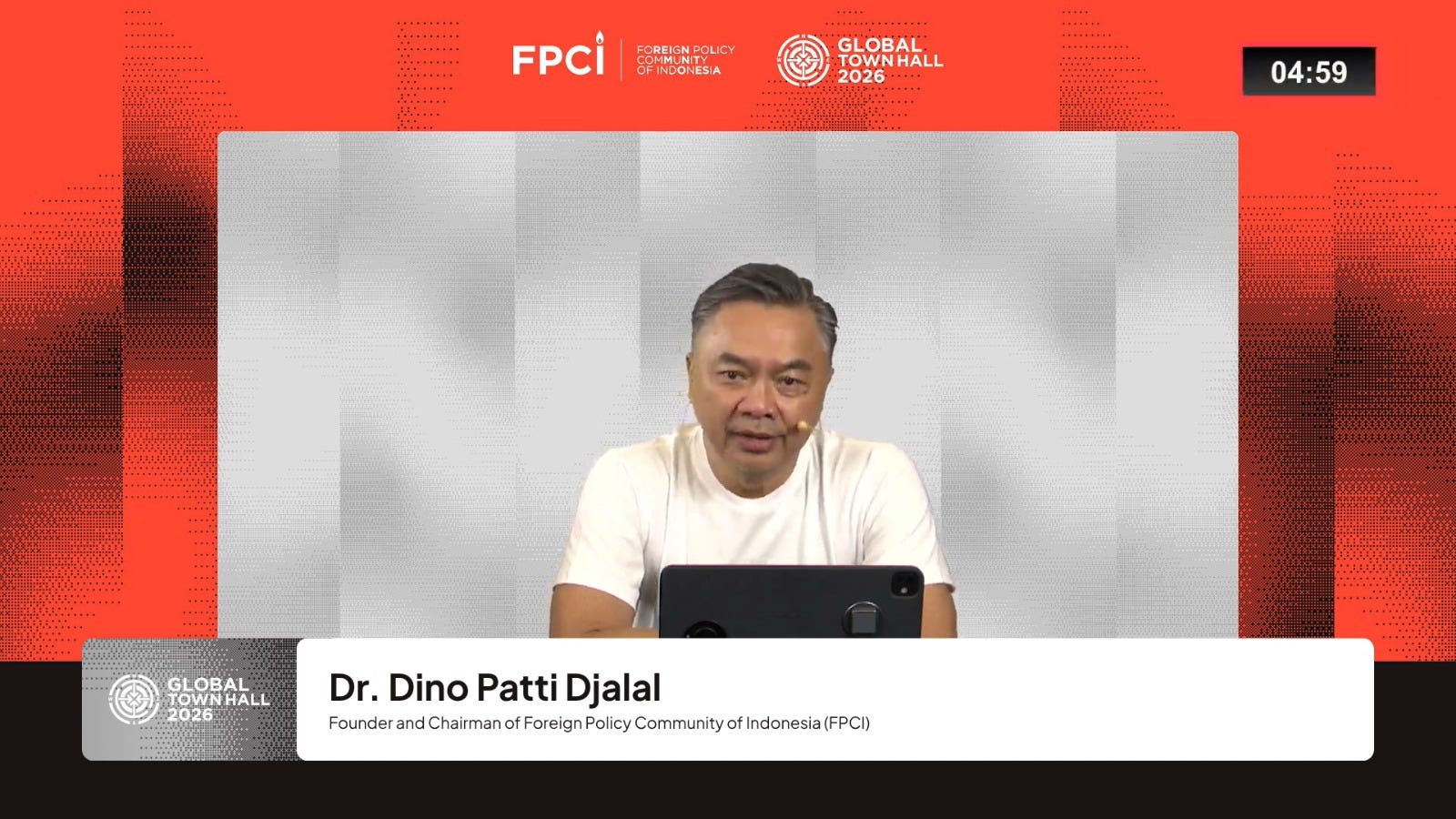
“We feel the world is going in the wrong direction. Rules and international law are easily trampled. Force is increasingly used to determine outcomes […] The UN Charter is in danger of becoming irrelevant. We have the largest number of conflicts since World War II – 65 conflicts across 35 countries last year […] This is not the kind of world we want to live in. Not the kind of world we want our children and future generations to live in. We want them to live in a world enshrined in the UN Charter.” - Dr Dino Patti Djalal, Founder and Chairman of FPCI
🔍 Why it’s on our Radar
Amid shifts in the global order, Southeast Asia is not merely adapting to these changes but also has the scope to help shape their direction.
As a region comprising countries with diverse interests and capacities, Southeast Asia plays a vital role in fostering dialogue, building cooperation, and bridging interests amid competition among major powers.
This makes the topics discussed at the Global Townhall 2026 highly relevant to the region. The issues covered range from shifts in the global order and development and technology to the future of multilateralism and the challenges facing South-East Asia.
ASEAN is not merely a party affected by global changes; it must also help shape the response. These efforts are evident in how countries in the region maintain strategic space, strengthen regional cooperation, and contribute to various international forums.
⚠️ Why it’s important
The global order is changing faster than its institutions
The distribution of global power continues to shift, whilst international institutions face the challenge of adapting to increasingly complex conflicts, geopolitical competition, development disparities and fragmentation.
For Southeast Asia, this is crucial, as the region requires stability, openness, and strategic space to continue cooperating amid competition among major powers.
Development cannot be separated from security
Various conflicts and geopolitical tensions divert attention and resources from the development agenda, while competing interests and limited access to economic opportunities can also make communities increasingly vulnerable.
Therefore, security is not only about conflict and defence but also about creating conditions that enable development and well-being to continue.
Global cooperation is becoming harder when global problems require it most
Climate change, technology, digital security, inequality and cross-border conflicts all require cross-national cooperation.
Yet, diverging interests and increasing fragmentation are making cooperation increasingly difficult.
This poses a particular challenge for Southeast Asia, especially in maintaining spaces for dialogue and cooperation, including regional approaches such as ASEAN Centrality, particularly as global interests become increasingly diverse.
Those affected by global changes need a voice in shaping them
Changes and developments in technology, the economy, security and development will ultimately have a direct impact on communities. However, they do not always have the opportunity to help shape policy.
Therefore, representation and participation are crucial to ensure that responses to global changes are not determined solely at the level of governments or institutions, but also take into account the needs of the communities experiencing them.
🤖 Technology, AI & Information
At the Global Townhall 2026, two sessions highlighted issues related to technology, Artificial Intelligence (AI), and information: ‘Reality Check: How to Live in the Age of Mass Manipulation and Deception’ and ‘Green Lights, Red Lines: How Far Should We Let AI Go?’
In these two sessions, a key point is that information moves faster than institutions can verify and respond to it.
Information is moving faster than institutions can respond: The speed of information makes verification increasingly difficult, while manipulation can shape public perceptions and even justify real-world actions. Credibility and societal resilience are therefore becoming increasingly important.
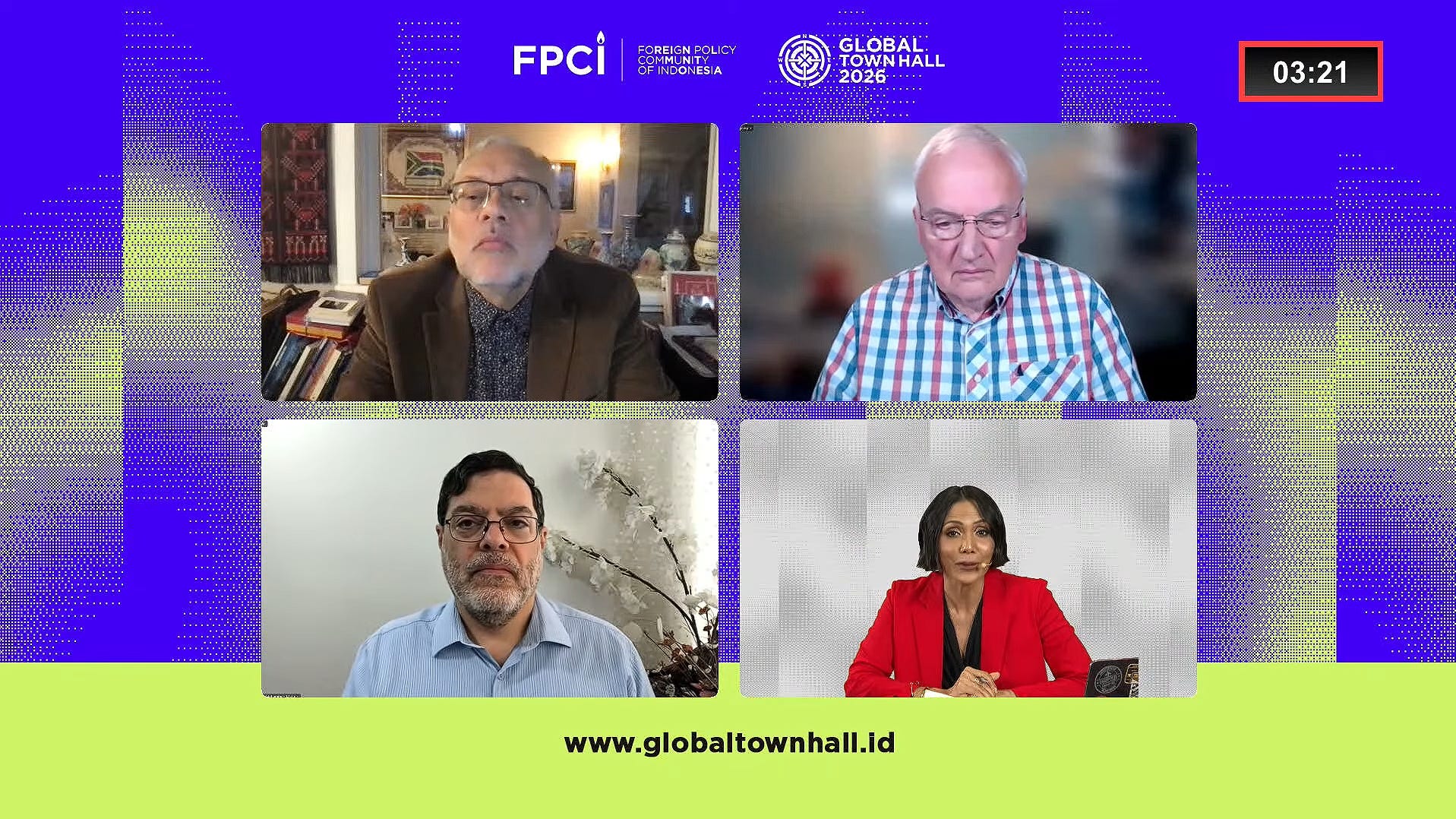
“Manipulation is intentional.” – Ebrahim Rasool, former South African Ambassador to the United States
AI is becoming a governance issue: As AI enters education, healthcare, finance, public services and security, the question is no longer only what AI can do, but who decides how it is used and where its boundaries lie.
AI could deepen existing inequalities: Unequal access to data, computing power, capital and talent could widen the digital divide, while changes in the labour market may leave some groups struggling to adapt. AI also raises questions about how much decision-making should be delegated to systems.
“delegating the power of judgement.” – Dr WU Shenkuo, Senior Adviser to the United Nations on Cybersecurity and Cybercrime
Middle powers have a role in shaping the rules: Rather than simply adopting technologies and regulations developed elsewhere, Southeast Asian countries can coordinate their positions on AI governance, digital inclusion and workforce transition, helping ensure that technological progress does not concentrate benefits and decision-making in the hands of a few.
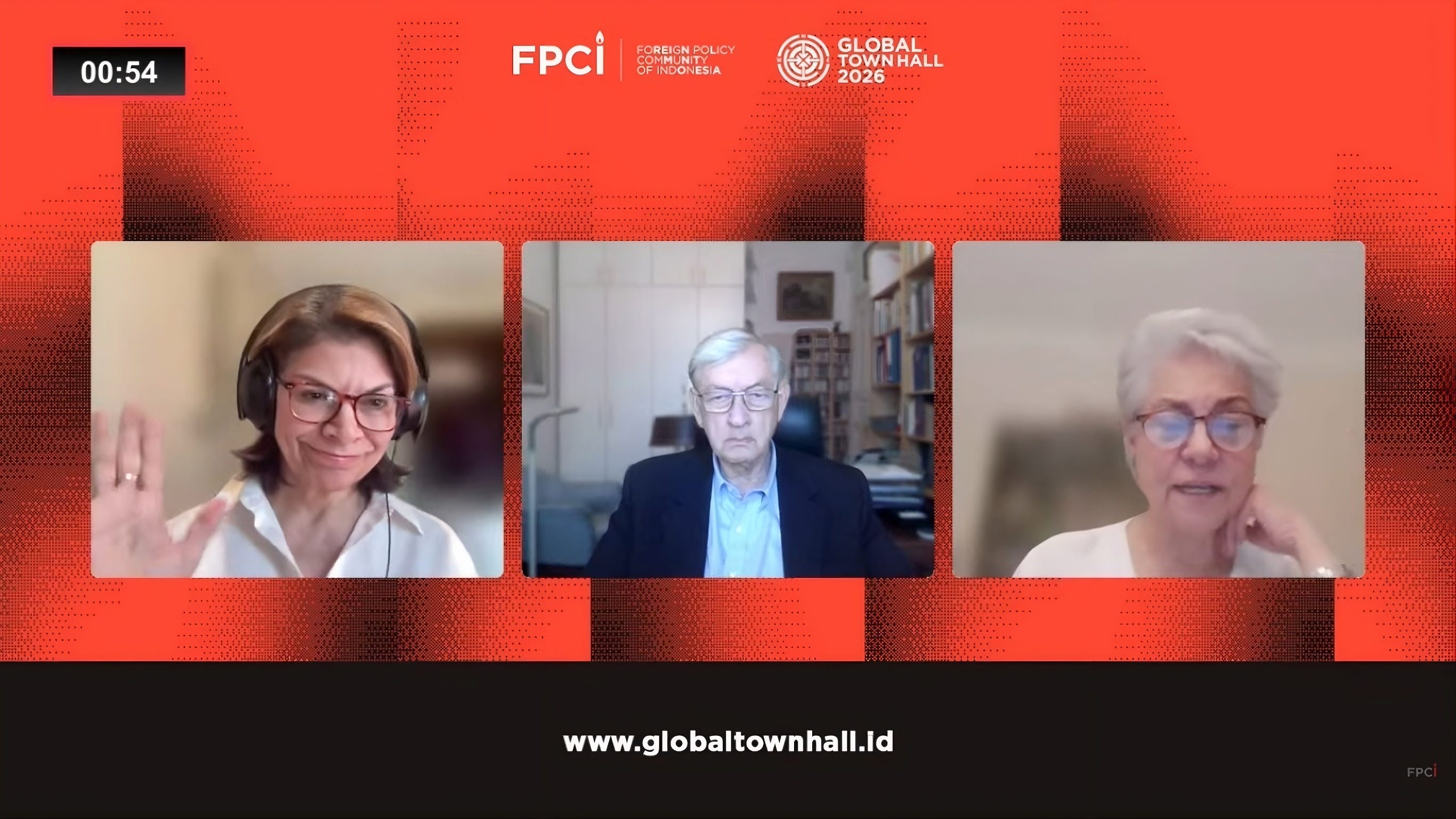
Global Order & Multilateralism
Reforming Multilateral Governance and The United Nations (UN)
Geopolitical Gridlock of the UN: The Security Council is often paralysed because a few powerful nations hold veto power, allowing a single country to block global action during major conflicts and human rights crises. This prevents swift diplomacy and keeps essential technical and humanitarian agencies from operating on the ground and delivering life-saving assistance to millions of people daily.
Priorities and Structural Reform: The UN structure reflects the post-World War II era, which no longer matches today's global landscape. Meaningful reform requires updating the Security Council to include permanent representation for underrepresented regions, reworking the veto, and choosing proactive leadership that mediates peace rather than managing institutional decline.
Inclusive, Transparent, and Financial Autonomy: The UN relies heavily on funding from a small group of wealthy nations, which can disproportionately influence its priorities. Establishing independent funding streams would give the institution financial independence. Decision-making must become more open by directly involving civil society, youth, and local communities rather than relying solely on closed-door government negotiations.
"People lose confidence in institutions when they perceive that they cannot fulfill the functions they were supposed to perform—when decisions appear distant from their lives, and when rules apply differently to the powerful on the one hand and to everybody else on the other." — H.E. Francisco Sagasti, Former President of Peru (2020–2021) & Member of Club de Madrid
Middle Powers, North-South Dynamics, and The Multipolar Order
New Approach: the traditional "donor-recipient" model, where wealthy nations provide aid and set conditions for developing nations, is obsolete. As emerging economies in many countries have developed strong industries, technical innovation, and strategic influence, the world needs a shift toward balanced partnerships based on mutual respect, shared accountability, and equal responsibility.
Connector Countries and Pragmatic Coalitions: When superpowers are locked in rivalry, global consensus slows. Middle powers step in to form coalitions. focus on solving specific, practical challenges—like climate adaptation, trade agreements, and artificial intelligence governance—without waiting for universal agreement.
Exercising Strategic Agency: By maintaining an active, non-aligned posture, smaller and medium-sized countries can build diverse diplomatic and economic partnerships, safeguard their national sovereignty, and help balance global power dynamics, without the need to align themselves exclusively with one major power
“We need to understand that the future of multilateralism cannot be built by the north or the south acting alone. But the only way to confront the challenges we are experiencing is building together this new architecture.” — Laura Chinchilla, former President of Costa Rica
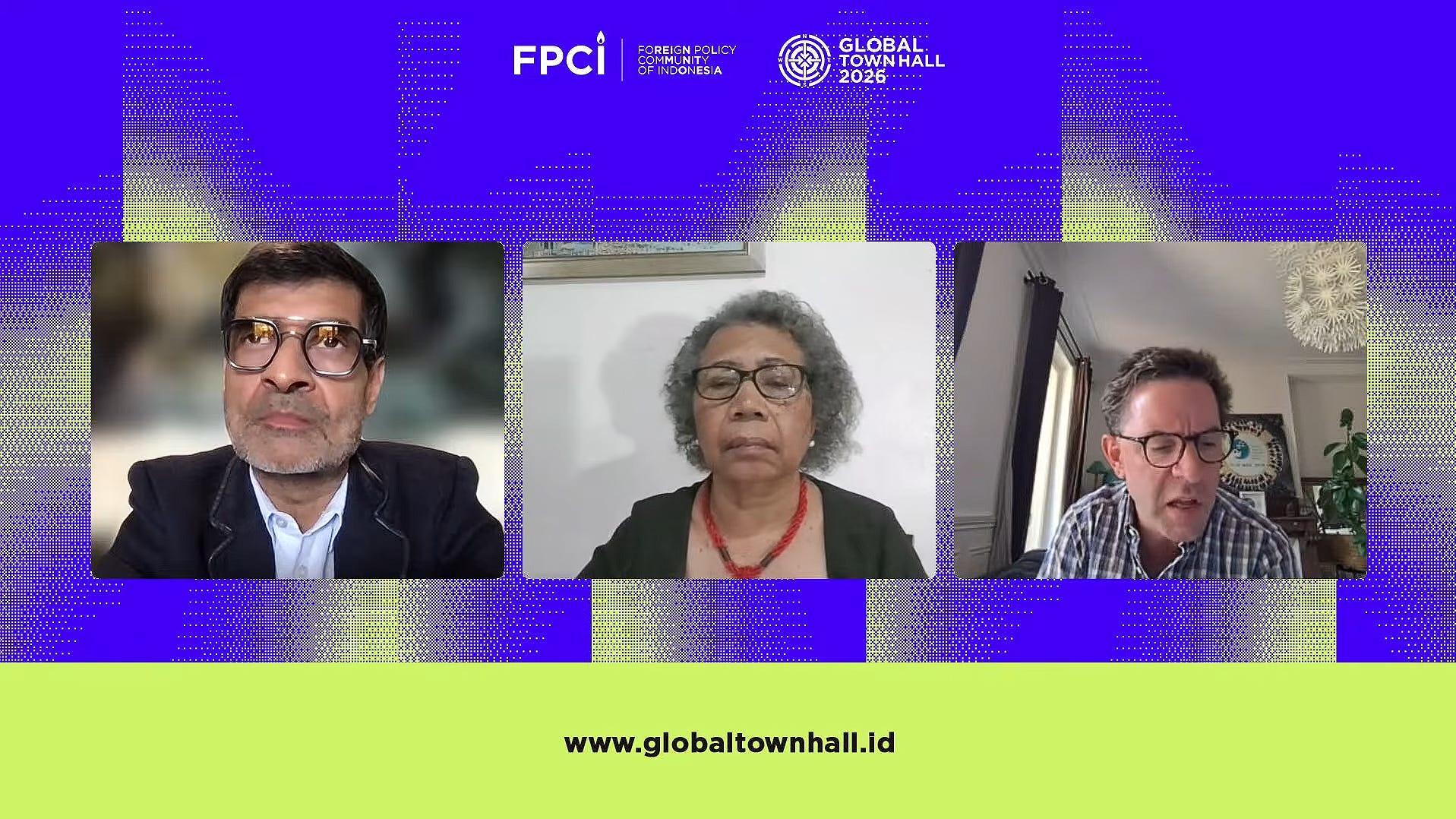
Peace, Justice & Development
Choosing SDGs Over Armaments
The Development Dilemma: Global military expenditure reached $2.9 trillion in 2025, and this rapid militarisation crowds out fiscal space for Sustainable Development Goals (SDGs). Recognising that security and development are mutually reinforcing, it is essential to protect citizens today without undermining the foundations of their security tomorrow.
Human Security Focus: True security requires a comprehensive human security framework that guarantees health, education, livelihoods, and climate resilience are foundations of long-term security. Governments need to balance responding to immediate security threats with protecting the investments that make society safer over time.
Local Empowerment: Weapons cannot protect communities from rising sea levels, severe droughts, or economic collapse, which lead to foreign assistance. Some policies are dictated by the geopolitical interests of major powers rather than the needs of local communities, as essential development aid shrinks or is diverted from basic human necessities.
Middle Power Role: Problems originating outside a country's borders can inevitably spill over as refugee flows, economic disruption, supply chain shocks, and cross-border criminal networks. This strengthens their role in addressing instability, driven by practical self-preservation rather than geopolitical rivalry.
“Development and security are not competing agendas; they are mutually reinforcing. True security is built when people can live with dignity, exercise their rights, and look to the future with confidence.” — Izumi Nakamitsu, UN Under-Secretary-General and High Representative for Disarmament Affairs
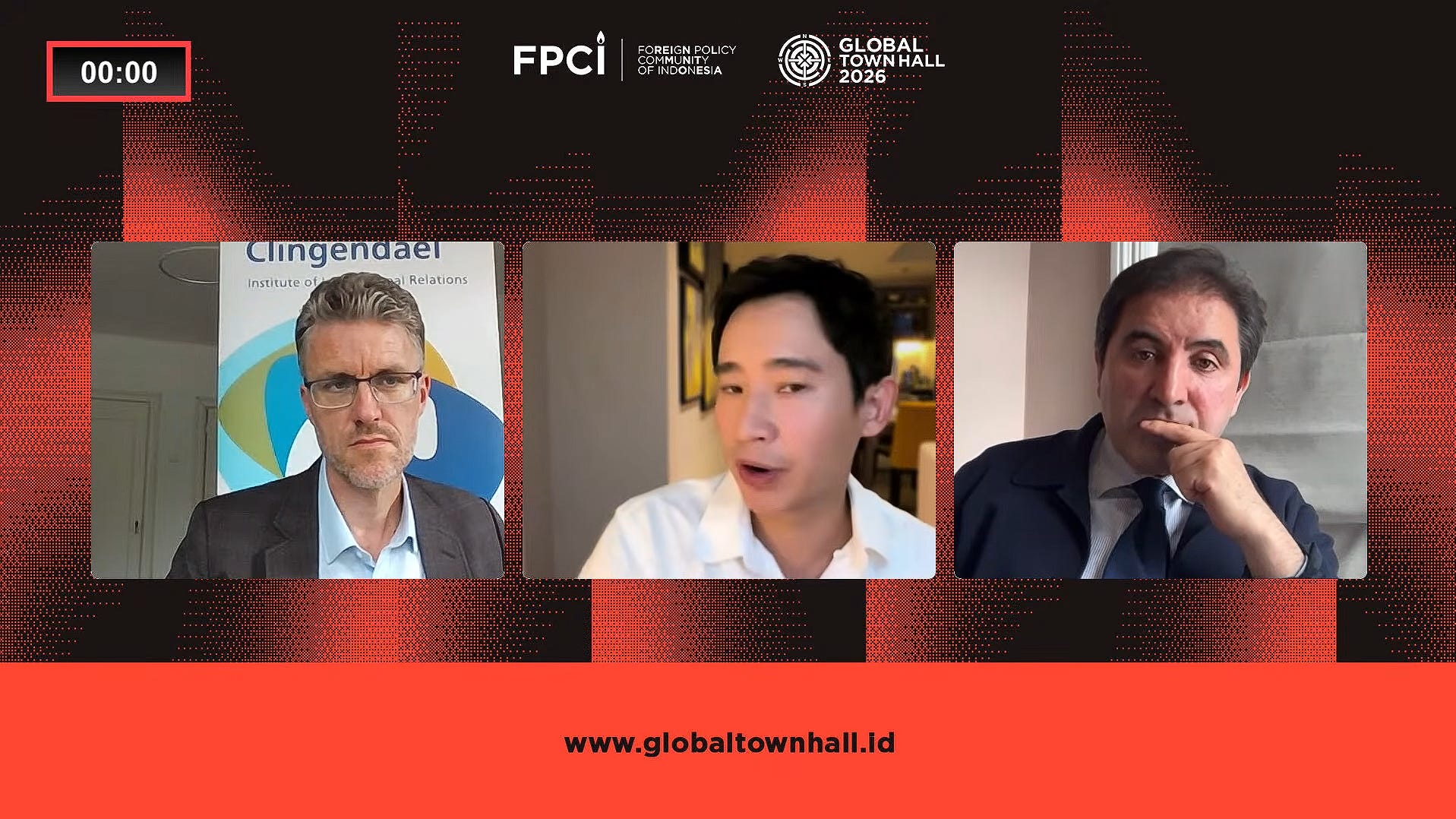
The Foundation of Durable Peace
Spillover and Profitability of War: domestic repression breeds regional instability, influences neighbouring regimes, and feeds transnational security threats such as organised scam operations and human trafficking. Persisting also due to defence industries and political elites who privatise financial gains while diffusing the social costs onto society
Enforcement Gap and Double Standards: While institutions like the International Criminal Court (ICC) and International Court of Justice (ICJ) come under political pressure, contrasting responses to global conflicts such as the case of Ukraine compared to Gaza erode global trust
Power Agency and Minilateral Coalitions: non-superpowers and middle powers must exercise collective agency to prevent the international system from degenerating into a "law of the jungle" where power determines rights. It can collectively impose real costs on norm-violators and protect an equitable, rules-based international order
The 5-Step Peace Framework: Pita outlined a strict 5-step path to legitimate peace: Fact-finding > Amnesty > Compensation > Justice Upheld > Reconciliation. Sustainable peace cannot exist without formal accountability; slower steps should be taken, given the possibility of recurring conflict.
“Peace is not simply the moment when weapons become silent. Peace begins with political courage, makes dialogue possible, and it survives when justice, dignity, and commitments are respected.” — Malik Mahmud Al-Haythar, Wali Nanggroe & Custodian of the State of Aceh
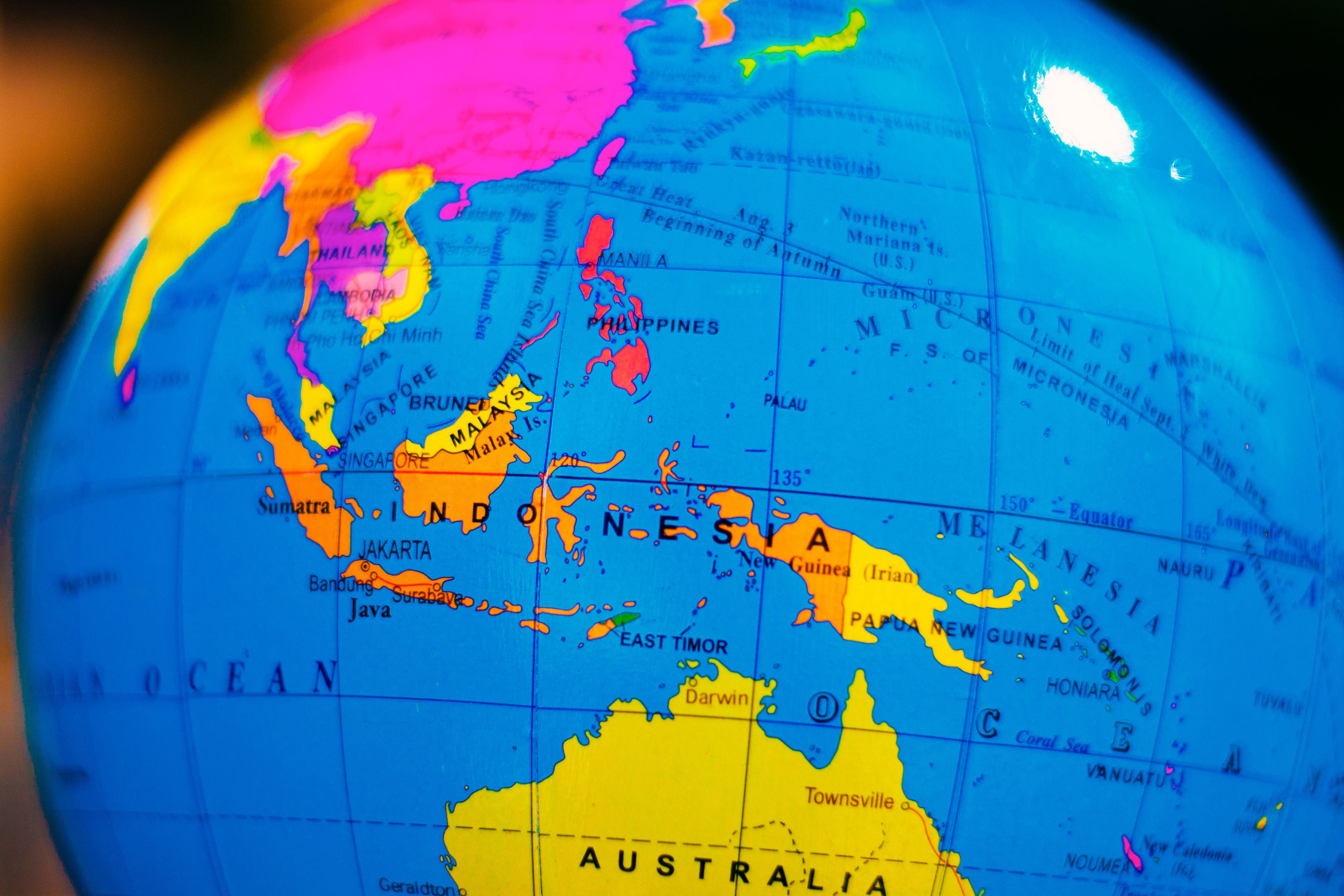
📷 The Big Picture
Southeast Asia stands at a critical juncture in 2026.
While the region continues to lead as one of the world's fastest-growing economic hubs, achieving major strides in basic poverty reduction, health access, and digital connectivity, it faces severe headwinds in climate adaptation, green energy transition, and geopolitical balance.
Regional integration through the ASEAN Community Vision 2045 and the ASEAN Climate Change Strategic Action Plan (ACCSAP 2025–2030) reflects strong policy alignment, but structural implementation gaps remain the primary bottleneck.
Key regional projects driving this progress include:
ASEAN Power Grid (APG) & LTMS-PIP Pilot: Connects cross-border electricity grids (from Laos and Thailand to Malaysia and Singapore) to share surplus renewable energy—such as hydro and solar power
Regional Payment Connectivity (RPC): Links real-time QR payment systems across member states, lowering cross-border transaction fees and expanding financial inclusion for millions of unbanked citizens and small businesses.
ASEAN Digital Economy Framework Agreement (DEFA): Harmonises digital trade, e-commerce, and data flow rules across the region to streamline supply chains and accelerate equitable economic growth.
ASEAN Catalytic Green Finance Facility (ACGF): Provides technical assistance and over $1 billion in loans to help Southeast Asian governments prepare and finance low‑carbon, climate‑resilient infrastructure projects.
🏁 The Bottom Line
From the seventh Global Town Hall, one thing became certain: the current multilateral system built after World War II is straining under the pace of change it was never designed to handle.
AI is rising faster than the governance needed to regulate it, record-high military spending is beating out development budgets, and the UN Security Council remains tied to a few select powerful states.
For Southeast Asia and many of the world’s middle powers, a change is needed to address these issues; instead of waiting for consensus among great powers, middle powers must step up while resisting a global system that pits security against development.
🔍 Need More Angles?
Foreign Policy Community of Indonesia Global Town Hall 2026
(FRD/DHM/DEV/NOV/MHS/ANN/VNS/NIS/QOB)