




The Main Takeaway 🎤
Southeast Asia is no longer just consuming K-pop—it is actively shaping it. 🎧✨ Fandom has evolved into on-stage representation as more regional idols debut globally. 🌍
The big question: 🧐 Can K-pop still be called “Korean Pop” as its lineups diversify? Or are agencies simply hunting abroad as local talent pools shrink?
Why It’s on Our Radar 👀
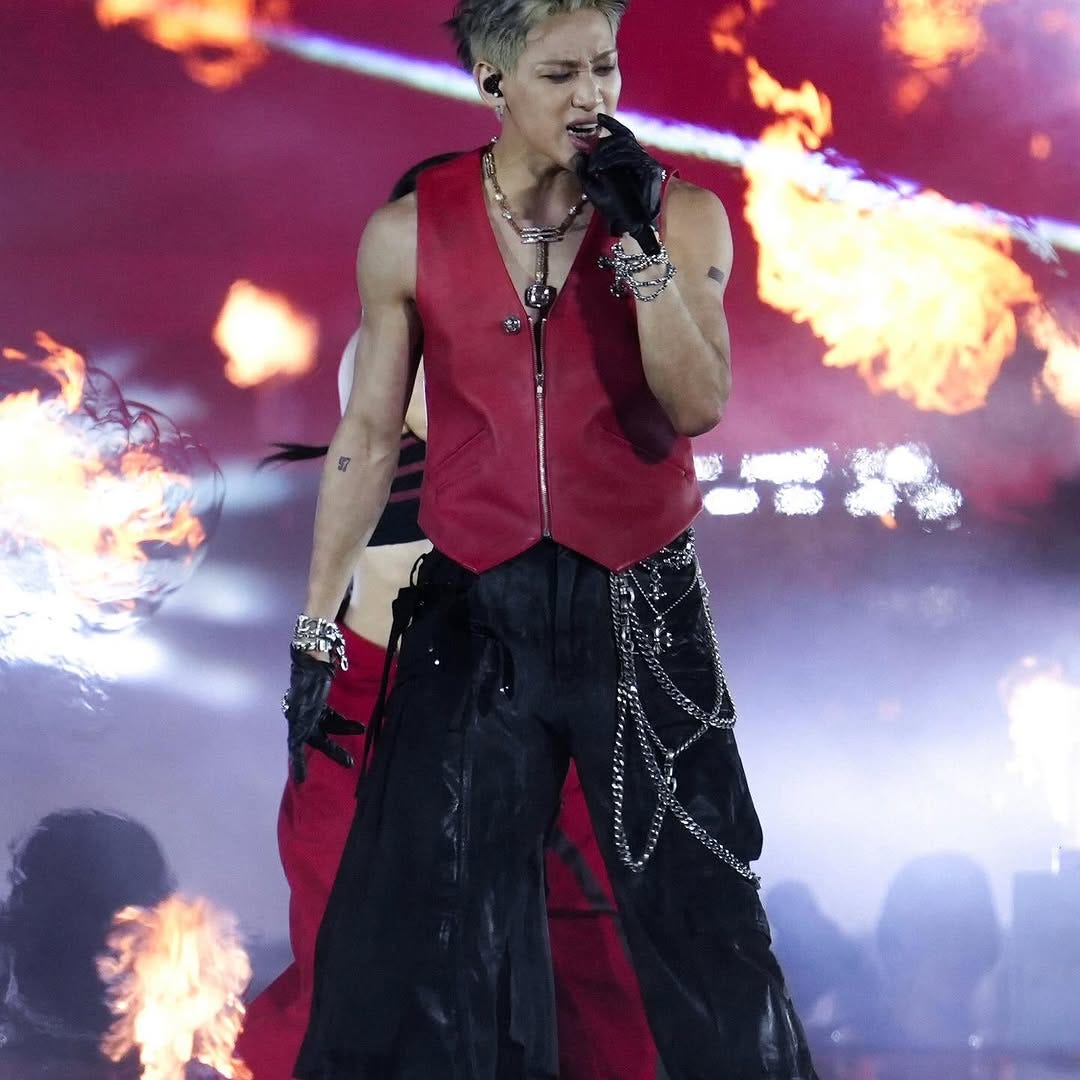
This marks a structural pivot in the K-pop machine. ⚙️🎶
A new talent pipeline: 🚀 Agencies aren’t just looking outward for fans anymore; they are recruiting in the very regions that fueled their global rise. 🌟
The shift: 🗺️ The international fan maps built by SM, JYP, and HYBE over the years have officially become their recruitment maps. 🎯
What’s at Stake ⚖️
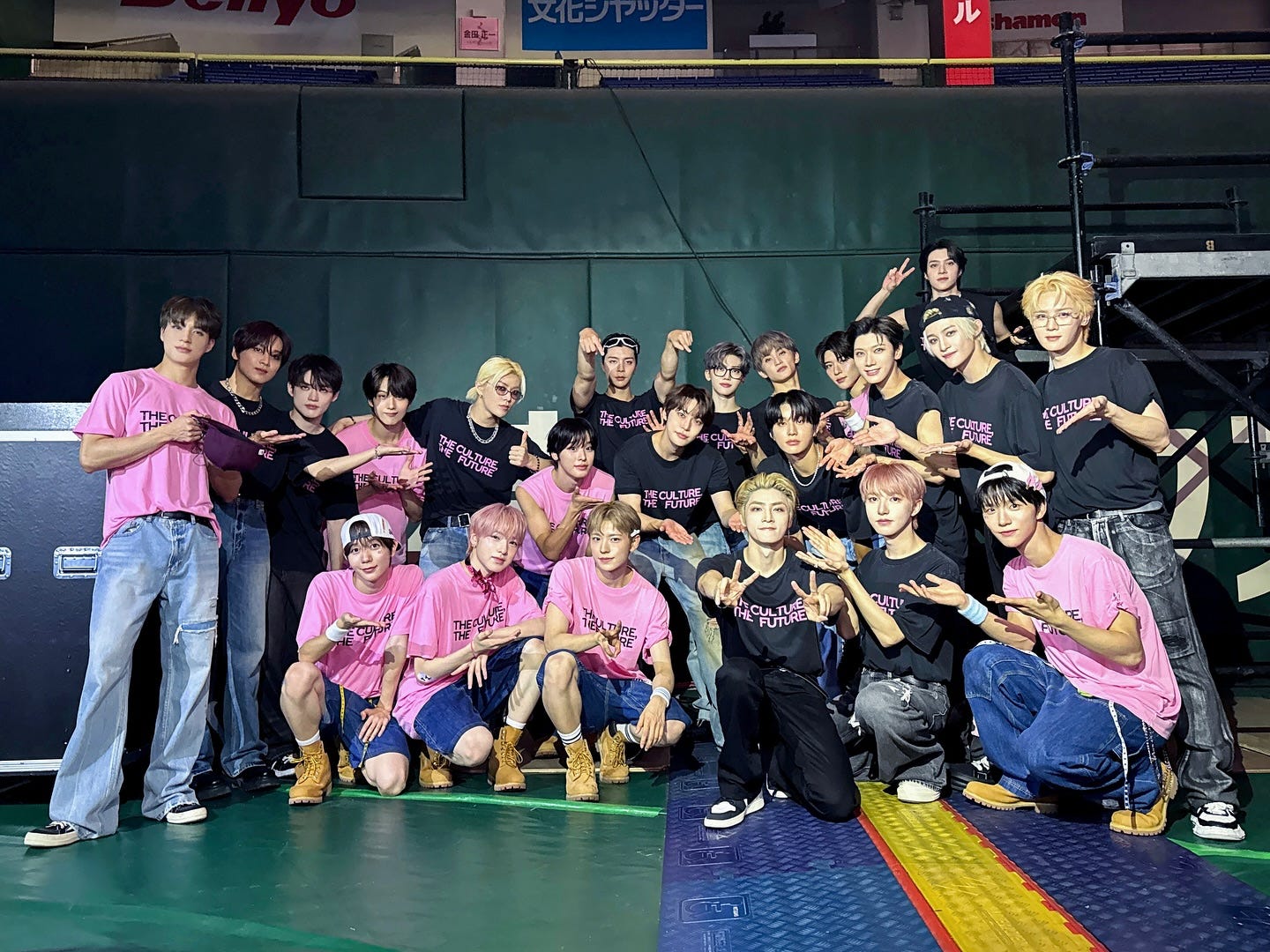
The very definition of K-pop.💡
System vs. Nationality: 🛂 As more Southeast Asian artists debut, the industry is increasingly defined by its rigorous training and production framework, rather than the passports of its members. 🎟️
The tightrope: 🤸♀️ The industry faces a delicate balancing act—remaining culturally Korean while embracing a rapidly globalizing identity. 🌐🤝
The Big Picture 🌏

K-pop’s global expansion didn’t happen overnight. This foreign talent pipeline has been decades in the making: ⏳
Early 2000s: 💿 Agencies recruited from China and the diaspora (e.g., Super Junior’s Han Geng). Simultaneously, TVXQ! broke ground in Japan, proving the Hallyu Wave could travel. 🌊✈️
2008: 🗓️ 2PM’s Nichkhun broke through as a Thai idol, shifting expectations for Southeast Asian talent. 🇹🇭⭐
The turning point: 🔄 Thai idols like BamBam (GOT7), Lisa (BLACKPINK), and Minnie ((G)I-DLE) proved this wasn’t an exception. It was the new rule. 👑🎤
What was once an exception gradually became part of the system.
The Regional Stakes 🌐
By the numbers: 📊 Southeast Asia isn’t just a market; it’s an engagement powerhouse. 💪
128%: 📈 The average annual growth of K-pop streaming in the region—outpacing even the U.S. (per KBS World). 🎧🚀
Top 3: 🏆 Indonesia ranks alongside South Korea and Japan as a top global K-pop market (per K-Pop Radar’s 2025 report). 🇮🇩🇰🇷🇯🇵
Why it matters: 🧠 Mega-fandoms in Indonesia offer coordinated streaming and voting. Agencies see this deep digital engagement as a strategic gold mine for both long-term audience loyalty and future talent. 💎📱
Why This Hits Home ❤️

Visibility changes everything. 👁️✨
The trailblazer: 🌟 BLACKPINK’s Lisa didn’t just top charts; she changed what felt possible. She became a global luxury ambassador 👜, crossed into Hollywood (The White Lotus) 🎬, and amassed 105M+ Instagram followers. Her success created something powerful: visibility.

The ripple effect: 🌊 Lisa’s success paved the way. Dita Karang proved Southeast Asia was a source of talent, and Carmen recently made history as the first Indonesian idol to debut under SM Entertainment—a “Big Four” agency. 🏢🔥
Across the region, doors is opening wider.
Beyond the Headlines ✨
Vietnam and the Philippines are the next major talent pools. 🇻🇳🇵🇭
NewJeans’ Hanni 🐰 puts Vietnamese heritage front and center.
KATSEYE’s Sophia 🐅 proves the Korean idol training system can successfully build global groups with Filipino talent.

The driving force: 🔋 Southeast Asia’s young, digitally native population grew up fluent in K-pop’s language and culture. 💻🎧 They are no longer outsiders; they are participants. What was once a fandom is now a foundation. 🧱💖
The bottom line: 💡 Southeast Asia used to be defined by the sea of lightsticks in the crowd. 🪄 Now, it’s defined by the artists standing under the spotlight. 🔦🎤
From Bangkok to Jakarta, from Manila to Hanoi—the region is no longer just watching the K-pop dream.
🌏✨ It’s living it. 🎉
The question is: 🗣️ Who do you think will be the next Southeast Asian idol to break through? 🚀🌟
(VIL/ARS)
K-pop from other countries should take on their own personalities and Names. Singapore could be S-pop, Indonesia could be I-pop and Thailand could be T-pop. Sung in their own cultural languages, backed by top bands, expands cultural arts and Identities and could include percussion with local historical instruments.