



🎯 The Main Takeaway
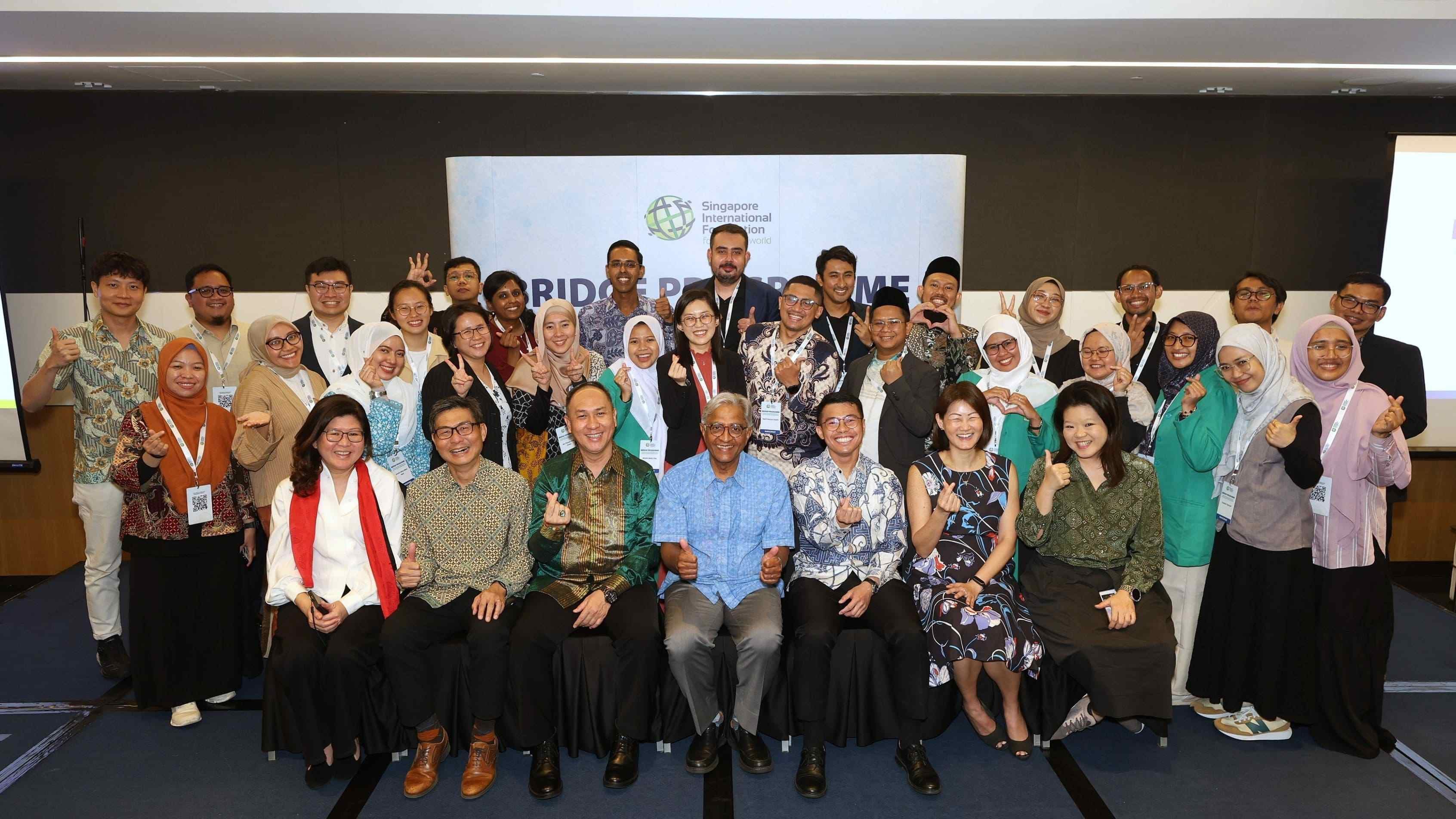
Thirty young leaders from Singapore and Indonesia spent a week doing something quietly radical: practicing how to live with difference.
As part of the BRIDGE programme run by the Singapore International Foundation (SIF), they exchanged ideas, personal stories, shared meals, and difficult questions—testing what diversity, inclusion, and social cohesion actually mean beyond policy language and panel discussions.
🌏 Why It’s on Our Radar
From 12–16 January, 30 young leaders—16 from Singapore and 14 from Indonesia—came together around a single question: how do multicultural societies sustain social cohesion in everyday life.
The BRIDGE programme was structured as an immersive exchange rather than a lecture series. Through dialogue sessions, workshops, and community visits, participants examined how trust, empathy, and long-term collaboration are built in contexts where diversity is not an abstract value, but a daily condition.
📸 The Big Picture
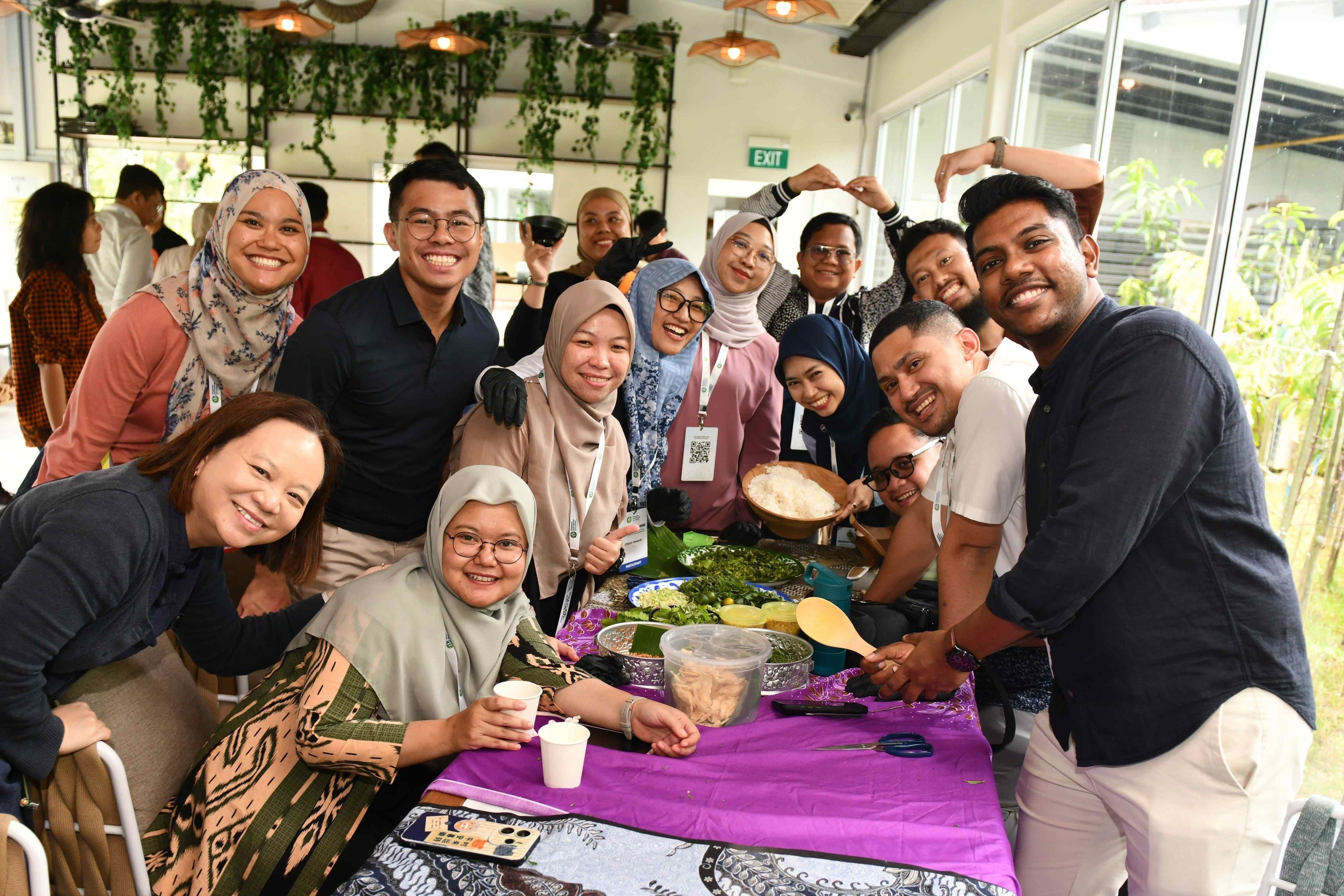
Some of the most substantive conversations took place outside formal sessions—while chopping herbs, sharing meals, and tracing how digital, cultural, and culinary stories travel across differences.
In a hands-on workshop led by social enterprise The Black Sampan, participants examined how food and storytelling function as instruments of connection rather than symbols of tradition. The takeaway was uncomplicated and durable: shared experience lowers the threshold for difficult conversations.
🌐 The Regional Stakes
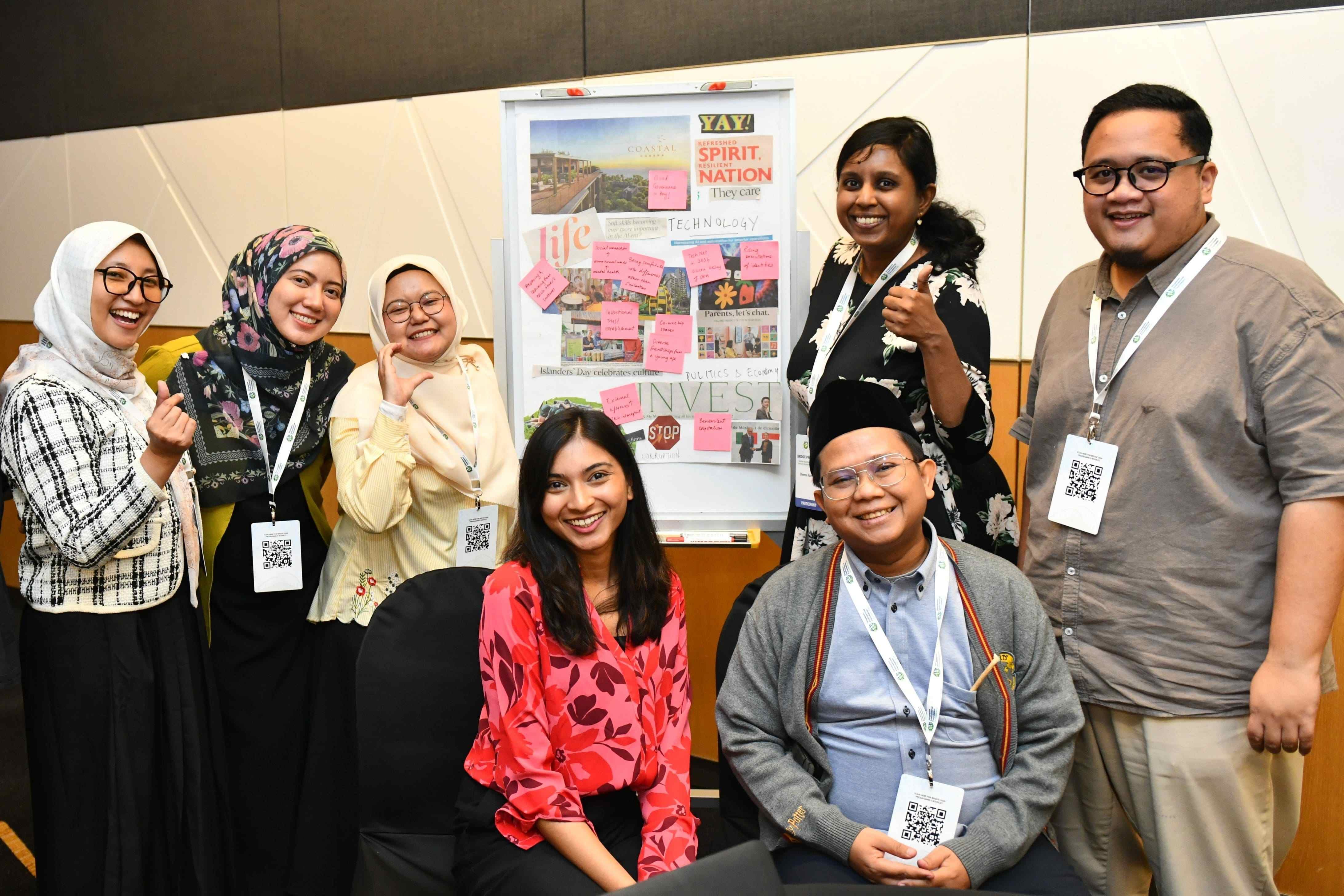
Beyond workshops, participants collaborated to prototype practical ideas for strengthening social cohesion. One notable exercise was the IMAGINE workshop, which asked participants to translate abstract visions of inclusion into newspaper-style articles—compressing ambition into language legible to a general public.
Across panels and facilitated discussions, comparisons across borders surfaced a consistent pattern: different national contexts, similar structural tensions. Issues such as inclusion, interfaith relations, ageing populations, and cultural preservation emerged not as country-specific challenges, but as shared regional pressures.
🏠 Why This Hits Home
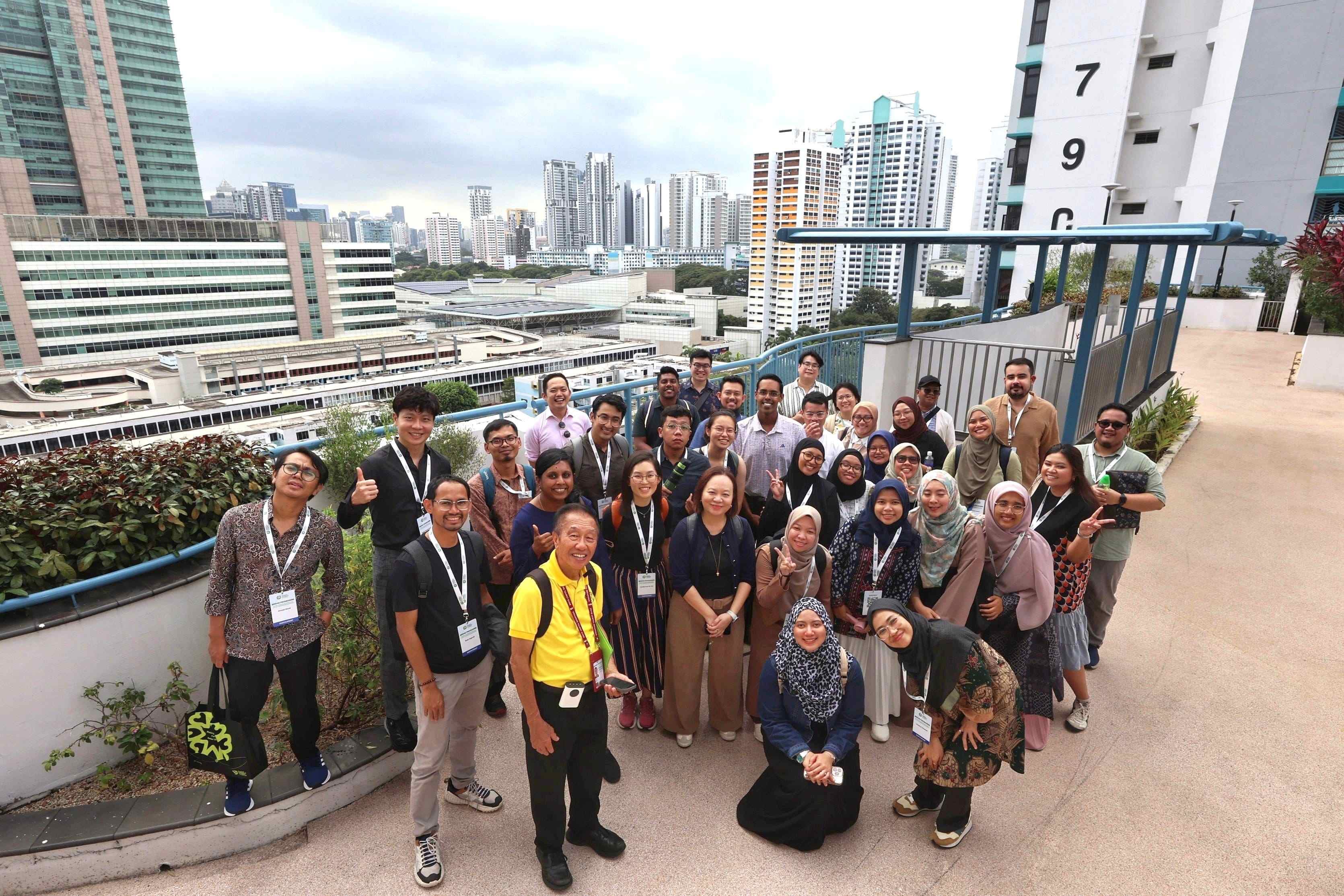
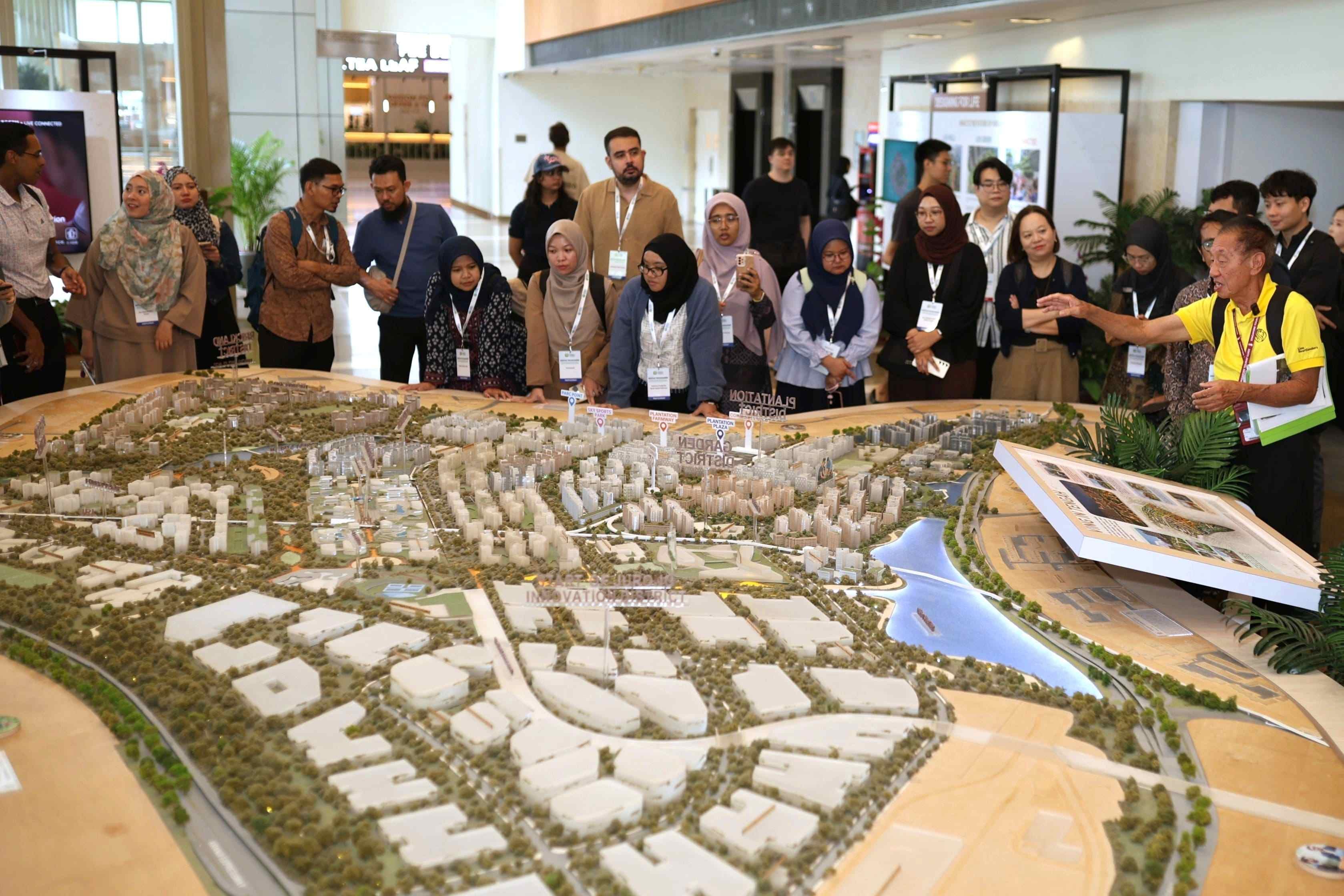
A walk through Toa Payoh—Singapore’s first fully developed public housing town—offered a grounded view of how housing design, community institutions, and everyday routines intersect to produce social cohesion.
Paired with visits to spaces such as the Harmony in Diversity Gallery and neighborhood heritage trails, the programme underscored a recurring insight: cohesion is not the product of slogans or campaigns. It is shaped through planning decisions, shared public spaces, and habits of interaction sustained over time.
As one participant reflected, the experience was less about one-way learning than collective reflection. Different stories, similar aims: building more inclusive and resilient communities, beginning with the willingness to listen.
⚖️ What’s at Stake
As societies across ASEAN become more diverse and more interconnected, the central challenge is no longer coexistence, but cohesion. The BRIDGE programme operates precisely at that point of strain.
Across discussions, participants surfaced a shared reality: issues such as inclusion, interfaith relations, ageing populations, and cultural preservation do not stop at national borders. Despite operating within different political and social contexts, Singapore and Indonesia are confronting parallel questions—now increasingly linked by mobility, media, and regional integration.
Rather than treating dialogue as a conclusion, BRIDGE positions it as infrastructure: a starting line from which understanding is converted into relationships, and relationships into sustained collaboration aimed at building more inclusive and resilient communities.
The Bottom Line:
In cross-cultural settings, cohesion is not produced by agreement, but by the discipline of listening, reflection, and collaboration.