



🎯 Main Takeaway
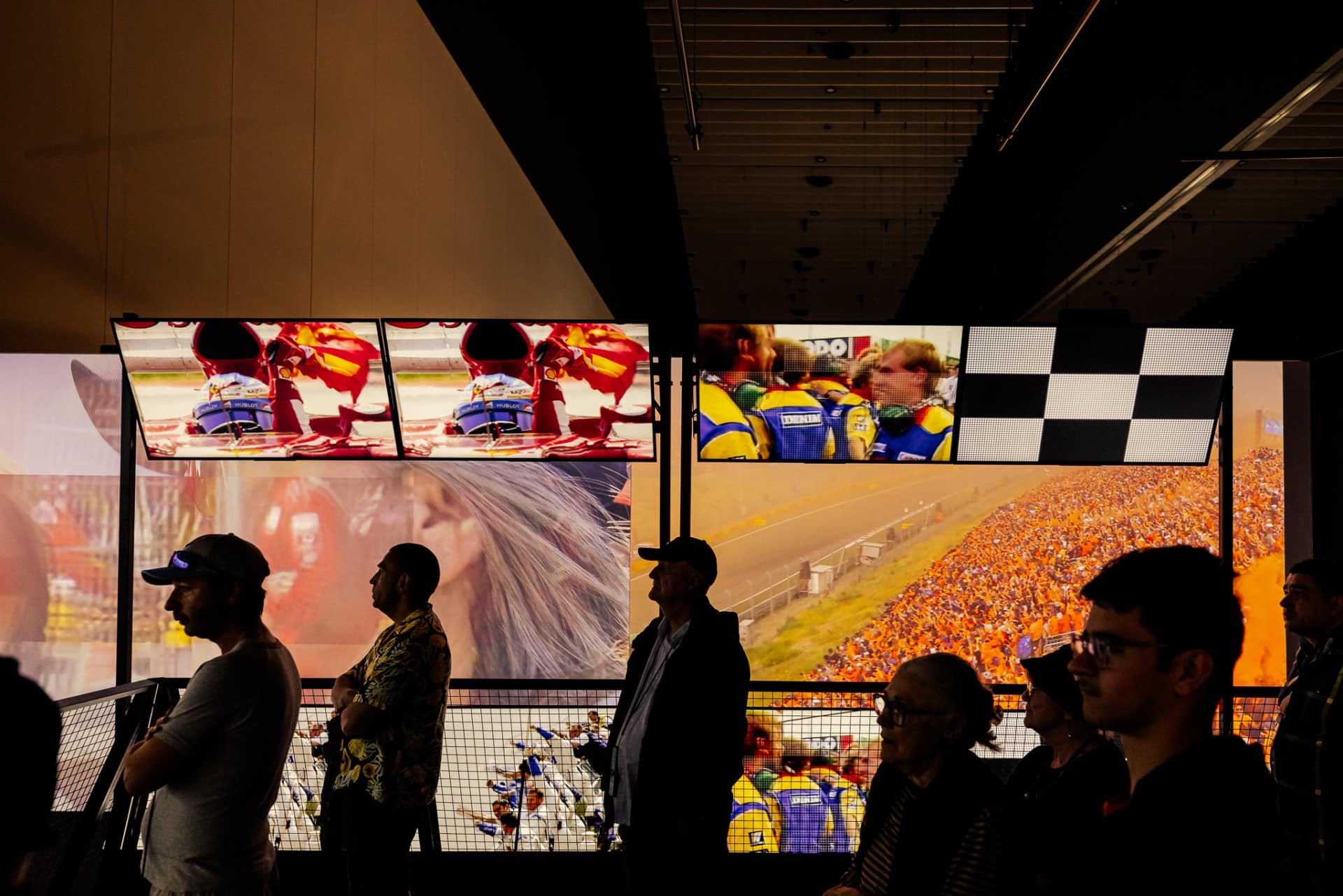
Formula 1 has officially announced the Formula 1 Exhibition at Gardens by the Bay, Singapore, which will run from 23 July to 18 October 2026, marking the debut of the first official Formula 1 exhibition in Asia.
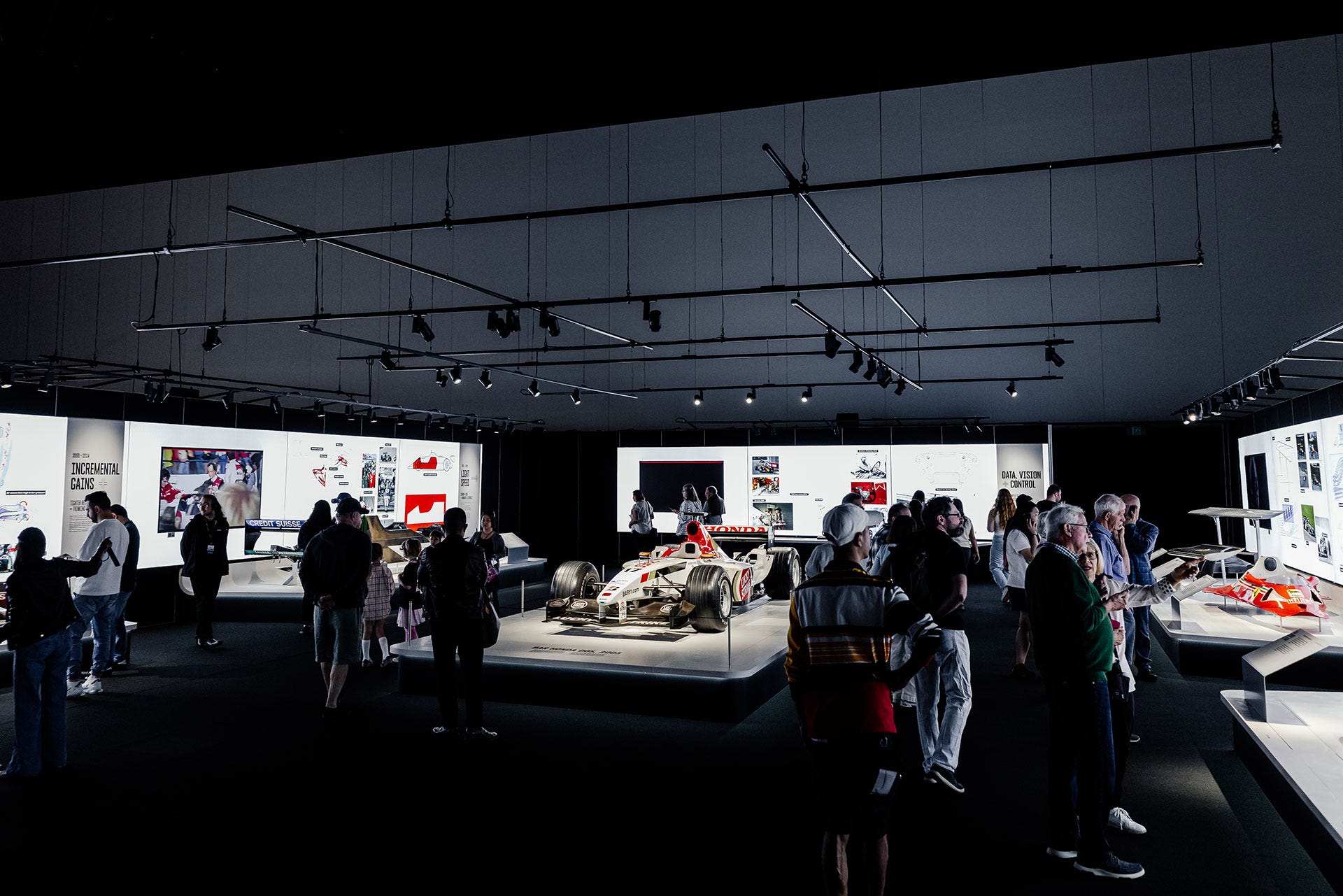
The exhibition will showcase world champion cars, racing simulators, historical artifacts, interactive technology, and the story of Formula 1’s evolution over 76 years.
More than just an exhibition, Singapore's selection as host reflects Southeast Asia’s growing strategic importance on Formula 1’s radar.
With Malaysia set to host an F1 race at Sepang again in October 2026, Thailand planning to host a Grand Prix, and a growing fan base across the region, Formula 1 is positioning Southeast Asia not only as a racing venue but also as a key market for strengthening fan engagement, sports tourism, and long-term business opportunities.
📍 Why Singapore?
🏎️ An Icon of Formula 1 in Asia
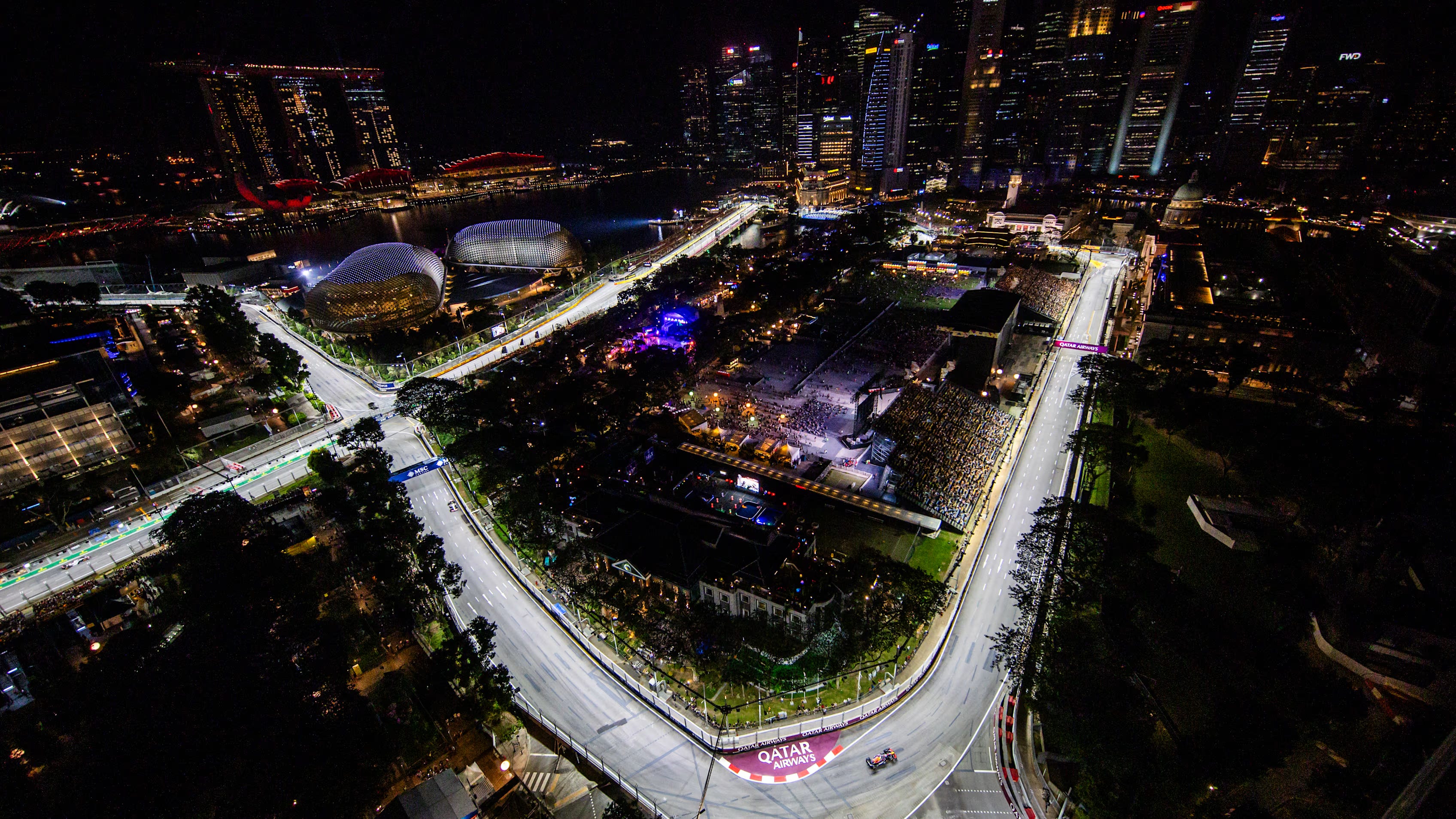
As the host of the first night street race since 2008, the Marina Bay Street Circuit has become one of the most iconic events on the Formula 1 calendar. Singapore has transformed the race into an entertainment experience that combines sport, music concerts, tourism, and lifestyle.
🌆 Infrastructure delivering a world-class experience
Formula 1 describes Singapore as “a global city renowned for its innovation, architecture and world-class visitor experiences, situated at the intersection of sport, culture and technology”. These characteristics mean that the exhibition concept goes beyond simply showcasing racing cars to include interactive experiences centered on Formula 1’s technology, history, and culture.
🌏 A gateway for Formula 1’s expansion in Asia
Having been successfully held in major cities such as Madrid, London, Toronto, Amsterdam, Melbourne, and Buenos Aires, attracting a total of over 1.3 million visitors, Singapore became the first city in Asia to expand Formula 1’s reach into the Asian market.
The exhibition will also overlap with the 2026 Singapore Grand Prix, which will take place from 9–11 October, just days before the exhibition closes on 18 October. This creates a unique opportunity for visitors to experience Formula 1 beyond the exhibition itself, combining an immersive fan experience with a live Grand Prix weekend.
Together, the exhibition and Grand Prix reinforce Singapore’s position as a regional hub for Formula 1, sports tourism, and fan engagement. The choice of Singapore underscores that Formula 1 is no longer simply expanding its racing calendar but is building deeper connections with fans through exhibitions and more immersive interactive experiences.
🏁 Southeast Asia’s Expanding F1 Ecosystem
🇸🇬 Singapore: The Region's F1 Anchor
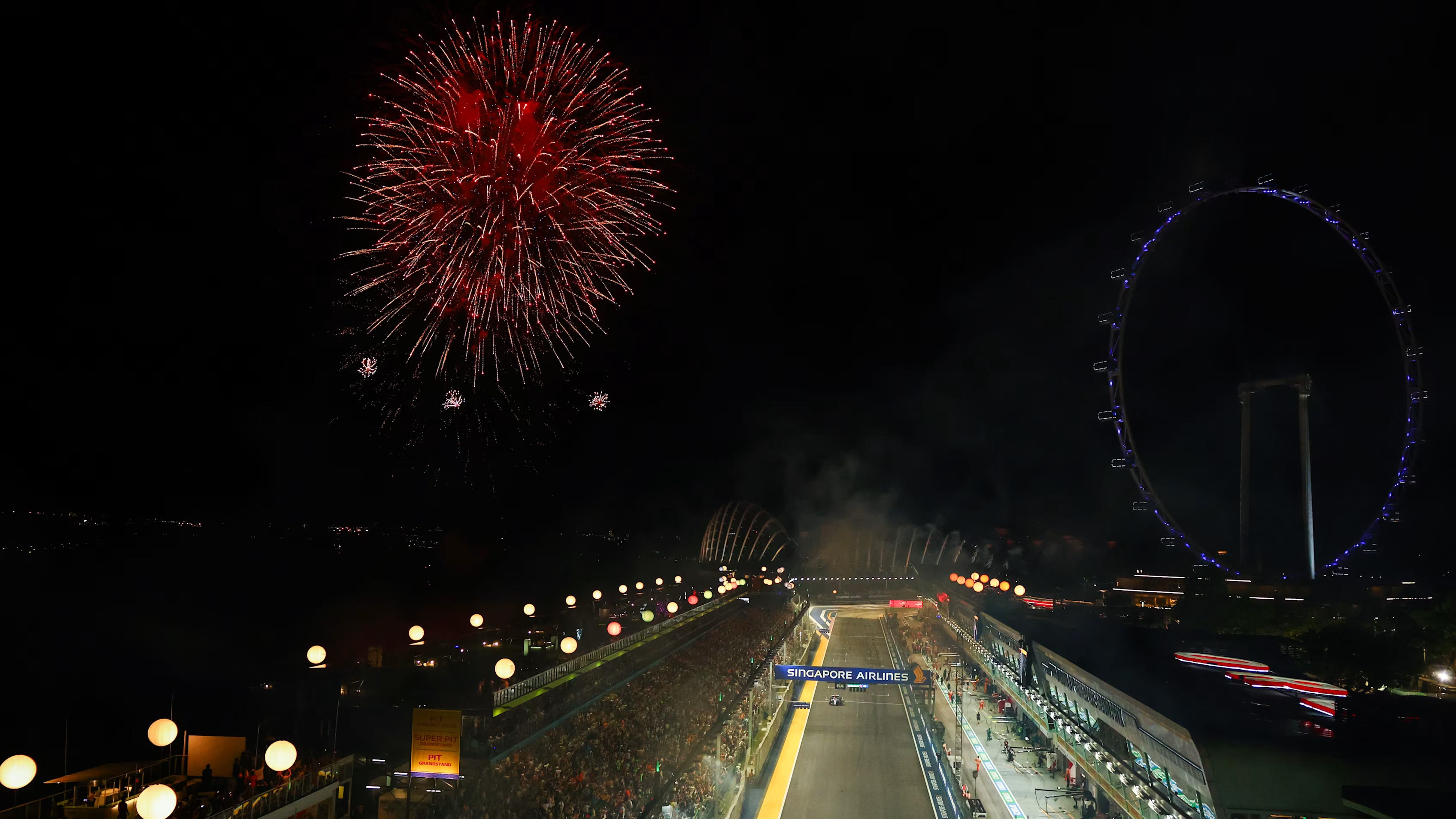
Singapore has become the center of Formula 1 in Southeast Asia. According to the Ministry of Trade and Industry (MTI) in 2022, the Singapore Grand Prix has been the only Southeast Asian country to feature on the F1 calendar since 2008, and has attracted more than 550,000 international tourists and generated approximately S$2 billion in additional tourism revenue per year since it was first held.
The Singapore Grand Prix also attracts more than 30 MICE (Meetings, Incentives, Conferences, Exhibitions) events held in conjunction with the race.
🇲🇾 Malaysia: Sepang’s F1 Comeback
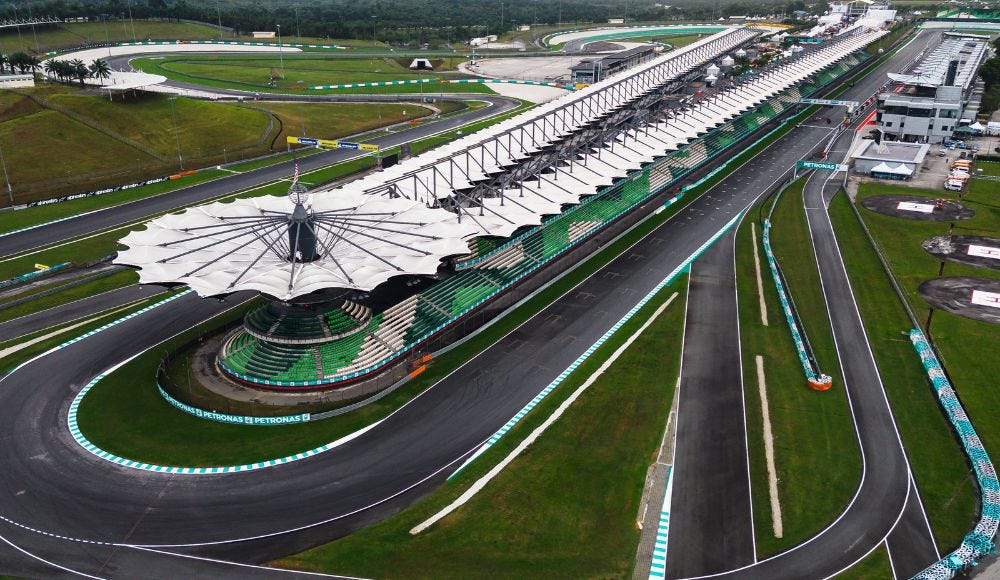
Having hosted the Malaysian Formula 1 Grand Prix since 1999, Formula 1 officially left the Sepang International Circuit in 2017 due to high hosting costs and declining ticket sales. However, the history of the Sepang Circuit is entering a new chapter.
Sepang has been confirmed as the venue for the Gulf Air Bahrain Grand Prix in Malaysia on 2–4 October 2026, as confirmed by Formula 1 and the Fédération Internationale de l’Automobile (FIA).
This marks Formula 1’s return to the circuit for the first time since 2017. The race will take place between the Azerbaijan and Singapore Grands Prix, bringing the championship back to one of Asia’s most iconic circuits.
The return of Formula 1 highlights the strategic value of the racing infrastructure already in place in Southeast Asia. Sepang remains one of Asia’s leading FIA Grade 1 circuits and continues to host a range of major international events, including MotoGP, the FIA World Endurance Championship and other motorsport competitions.
Rather than building a new venue from scratch, Malaysia now has an established circuit that is ready to serve as a platform for the return of Formula 1 to the region, making Sepang a strategic asset in the development of Southeast Asia’s motorsport ecosystem.
🇹🇭 Thailand: Proposed 2028 Grand Prix
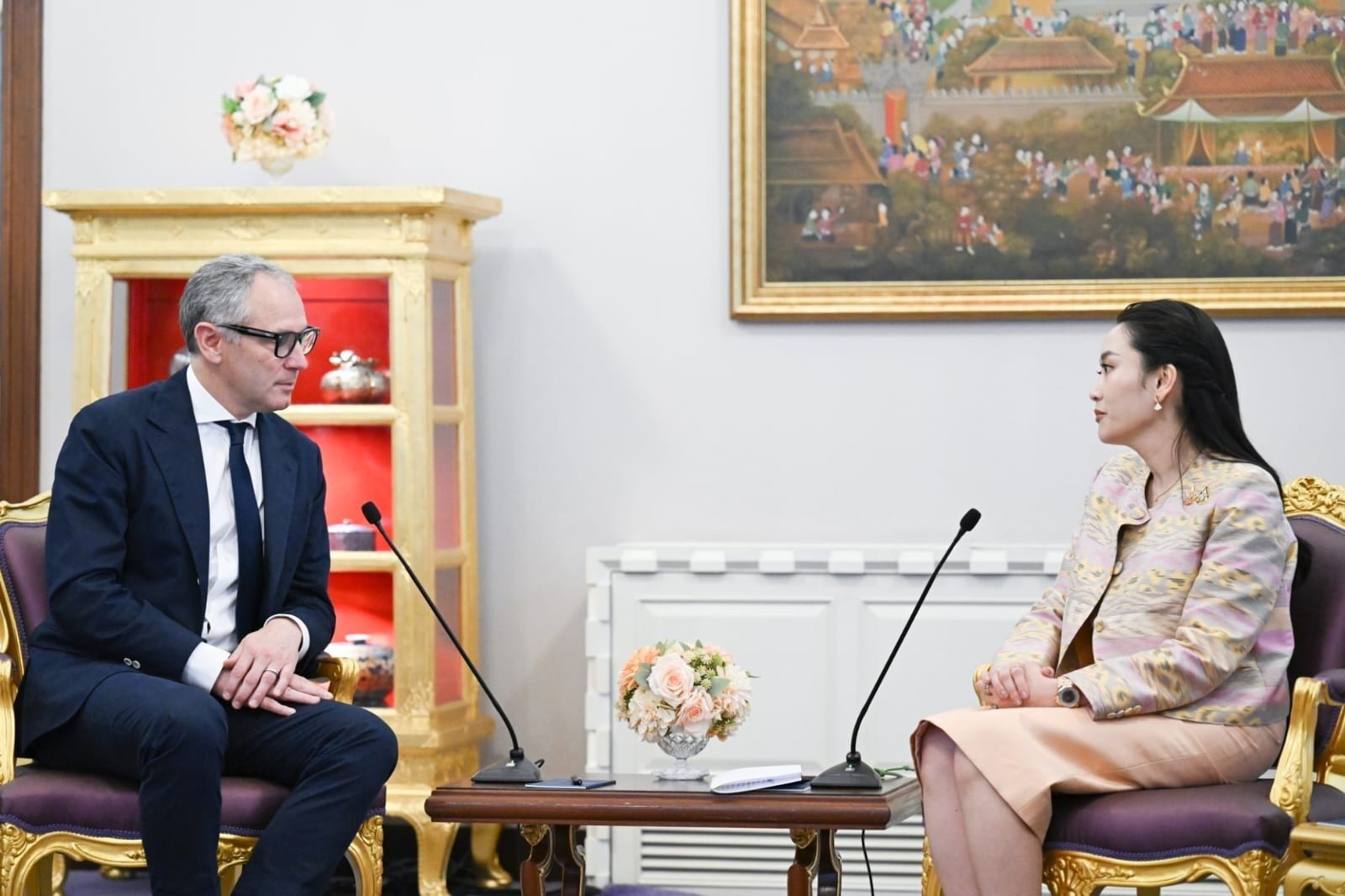
Thailand is a strong contender to expand Formula 1’s presence in Southeast Asia. The Thai government has set its sights on hosting the Bangkok Street Race in 2028 and, last year, approved a US$1.2 billion proposal to stage races until 2032.
The project is seen as a strategy to boost tourism, investment, and Thailand’s reputation as an international events hub.
🇻🇳 Vietnam: An Unfinished F1 Chapter
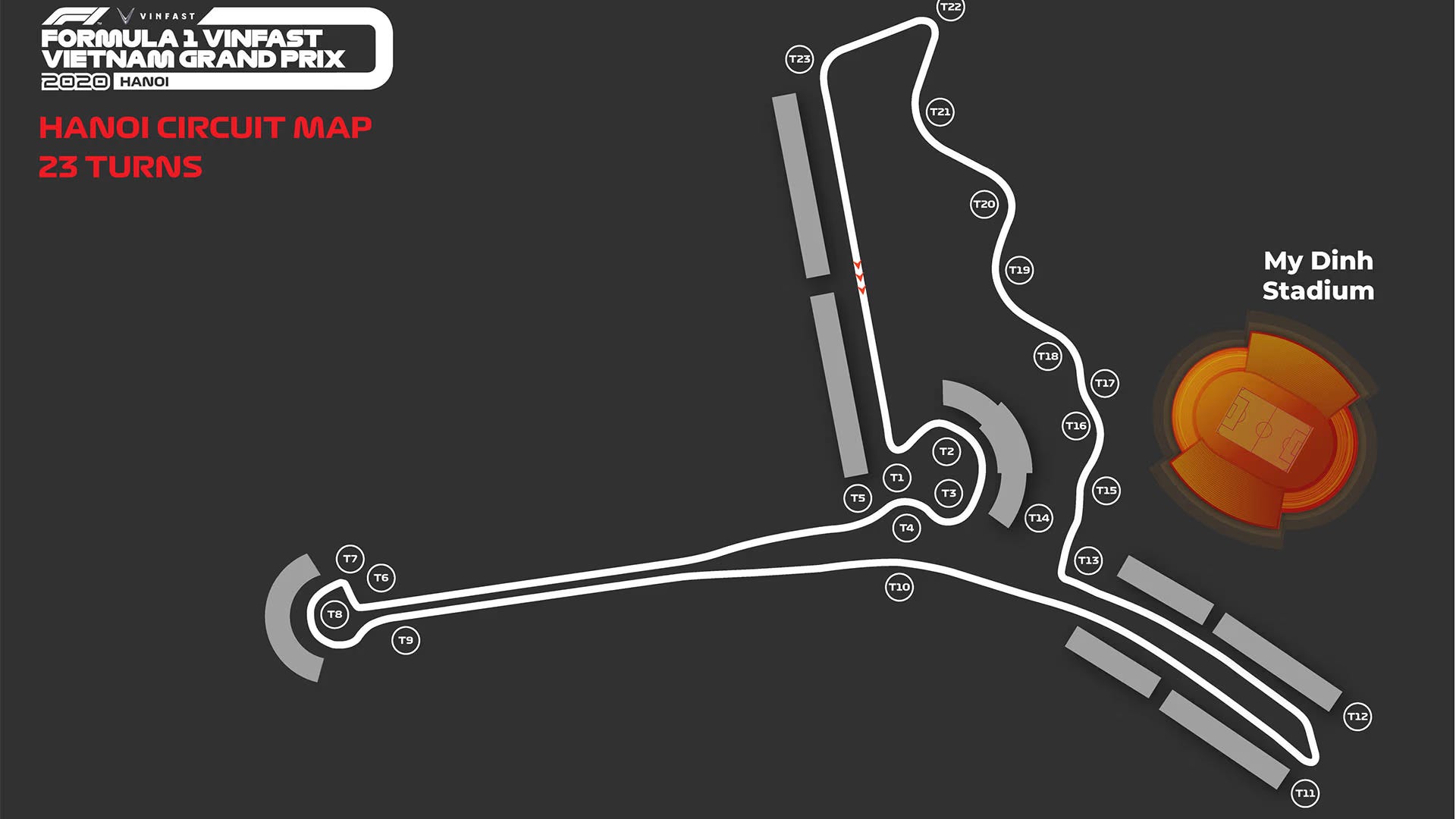
In 2020, Vietnam was set to become a new Formula 1 market with the Hanoi Grand Prix, scheduled to debut that year. However, due to the COVID-19 pandemic and domestic political dynamics, the race was canceled before it could take place.
Currently, the circuit’s temporary infrastructure has been dismantled, leaving the pit buildings and track derelict and unused.
Vietnam has demonstrated that successfully hosting Formula 1 depends not only on the construction of a circuit, but also on policy stability, funding, and long-term support.
📈 More Than a Race: The Business Behind Formula 1's Expansion
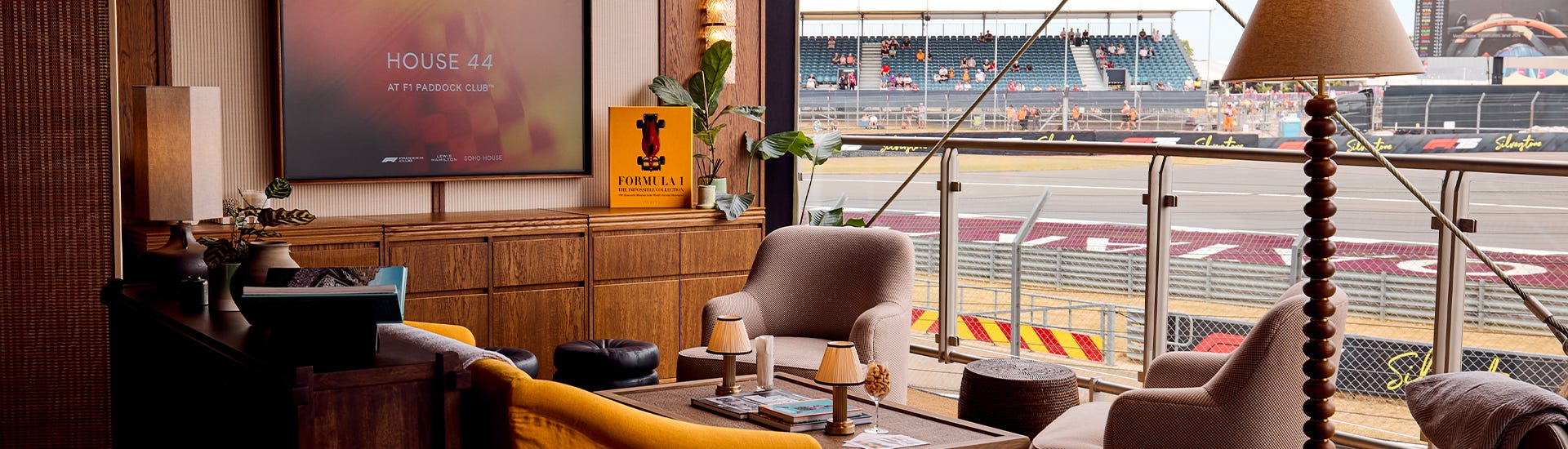
Formula 1 does not rely solely on race ticket sales. Under Liberty Media’s ownership, Formula 1 has evolved into a business ecosystem that generates revenue from promoter fees, media rights, sponsorship, hospitality, licensing, and fan experiences.
In 2025 alone, Formula 1’s revenue reached US$3.9 billion, with the largest sources being broadcasting rights, Grand Prix hosting fees, and global sponsorship.
✈️ Sport Tourism: Driving Visitor Spending
For host nations, Formula 1 serves as a means of attracting high-spending tourists.
The Singapore Grand Prix has consistently generated up to S$130 million in additional tourism spending each year, attracting more than 550,000 international tourists since its first edition in 2008.
Furthermore, this prestigious event acts as a catalyst for the hospitality, restaurant, retail, and transport sectors.
🤝 Sponsorship and Nation Branding
Formula 1 also serves as a marketing platform for a range of global companies, from automotive manufacturers and technology firms to high-end brands. For the host of the Grand Prix, this event is not merely about sport and racing, but also about nation branding.
Singapore’s Ministry of Trade and Industry stated that the 2019 Singapore Grand Prix generated global media exposure worth approximately S$70–S$75 million, whilst reinforcing the country’s image as an international business and tourism destination.
📱 Fan Economy: Building Engagement Beyond Race Week
Formula 1 no longer relies solely on fans watching at the circuits, but is striving to build year-round engagement through exhibitions, social media, digital content, esports, and merchandise licensing.
Southeast Asia itself is an attractive market due to its young, digitally active population; consequently, the Netflix series “Drive to Survive” has also boosted Formula 1’s popularity beyond its traditional fanbase.
The presence of the Formula 1 Exhibition in Singapore demonstrates that Formula 1 aims not only to attract fans during Grand Prix weekends but also to foster year-round interaction with the regional community.
👀 Bottom Line
The Formula 1 Exhibition in Singapore is not merely an exhibition of racing cars or a Formula 1 collection; rather, it signifies how Formula 1 is beginning to strengthen its presence in Southeast Asia through a broader approach that focuses on building engagement with its fan base, rather than simply hosting Grand Prix events.
With Singapore as the regional hub, Thailand aiming to become the next Grand Prix host, Malaysia’s motorsport infrastructure, and the market potential of other Southeast Asian nations, this region is increasingly positioned as one of Formula 1’s strategic growth markets.
🔍 Need More Angle?
Auto Industriya Malaysia’s F1 circuit lights up for night races, 8 Hours of Sepang
Channel News Asia Official Formula 1 exhibition to make Asian debut in Singapore with iconic cars and racing simulators
CNBC Singapore’s F1 race boosts tourism to the island — and other parts of Asia-Pacific
ESPN Thailand aims for F1 street race in 2028 after Stefano Domenicali talks
ESPN Vietnam officially cancels debut F1 race for 2020
Formula 1 Formula 1 Exhibition to make Asia debut in Singapore
Formula 1 How Albon is writing the latest chapter in Southeast Asia’s F1 story
Formula 1 Formula 1 and FIA confirm Malaysia will join 2026 calendar as host venue for Bahrain Grand Prix
The Jakarta Post F1 interested in second race in Southeast Asia - Sports
Liberty Media Liberty Media Corporation Reports Fourth Quarter and Year End 2025 Financial and Operating Results
Singapore Ministry of Trade and Industry Written reply to PQs on F1 | Ministry of Trade and Industry
The Strait Times Thailand plans to submit bid for Formula One race in 2028
(DHM/QOB)