



🎯 The Main Takeaway
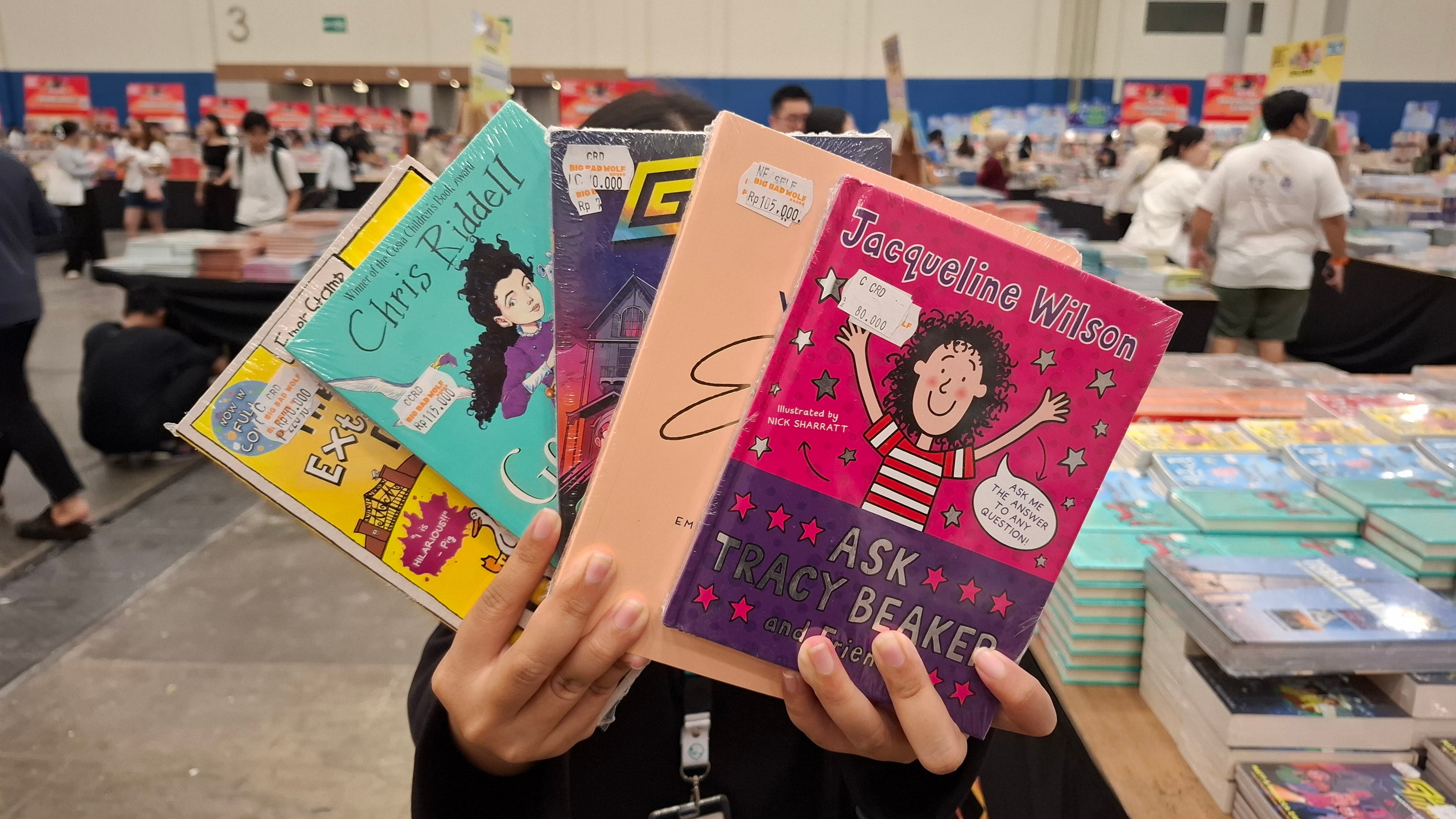
Books are windows to the world—they expand knowledge, spark imagination, and open new perspectives. When people read less, that window narrows, limiting opportunities to learn.
In Indonesia, this is a growing concern. A National Library survey shows the Reading Fondness Index dropped to 54.8 in 2025, down from 72.44 in 2024 and 66.77 in 2023—signaling a decline in reading interest.
Then “jastip” services emerged, making it easier to access high-demand, hard-to-find books while saving time and travel costs. By making books more accessible and affordable, jastip can encourage more people to read again.
💡 What Is “Jastip”?
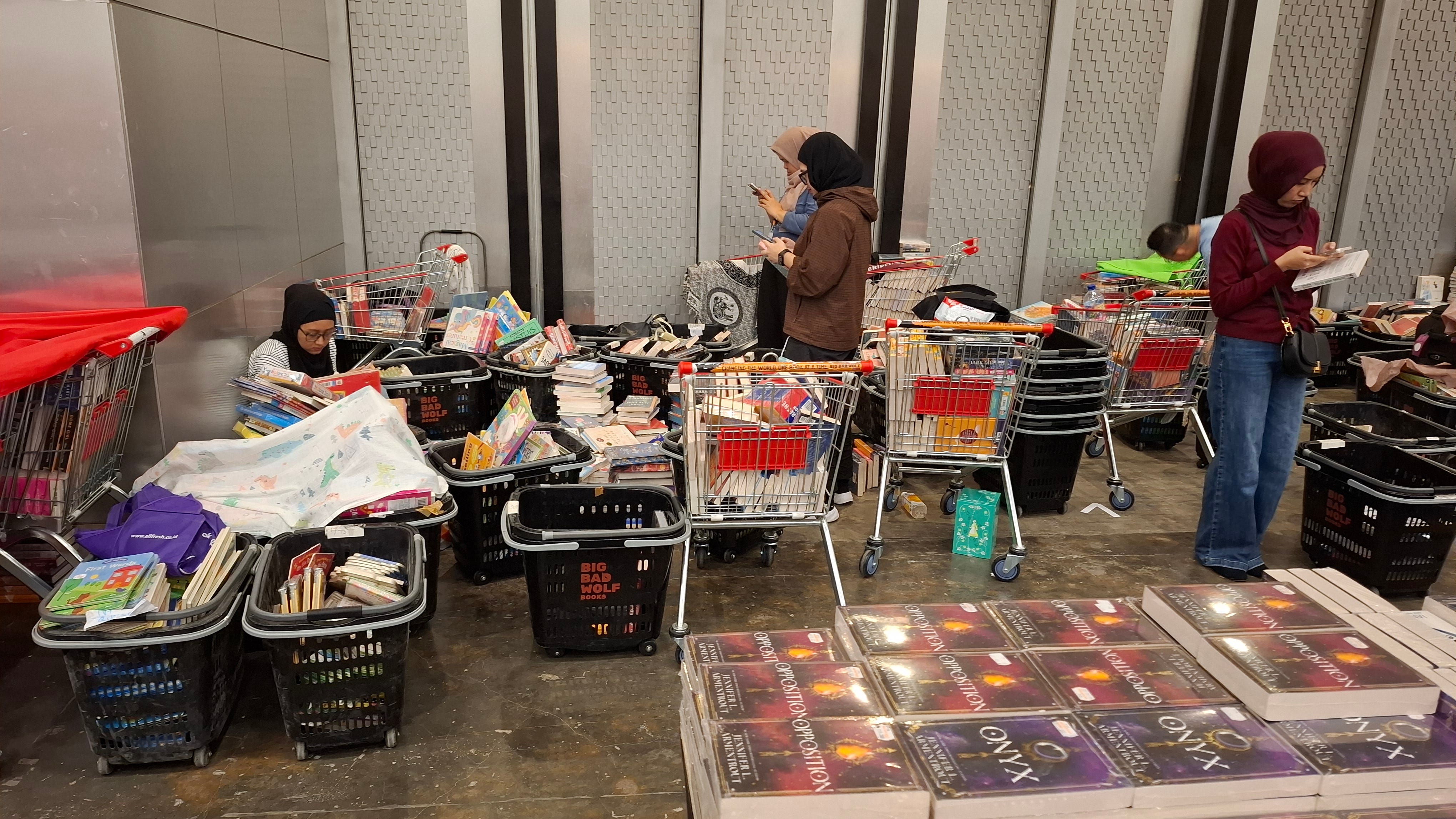
“Jastip” (jasa titip) is a personal shopping service that helps people buy items they cannot easily access on their own. From fashion and gadgets to food, cosmetics, medicines, books, and music albums, jastip makes limited, exclusive, or location-specific products more accessible.
⚠️ Why Jastip Matters?
Beyond convenience, several factors help explain why many Indonesians rely on jastip:
⏳ Busy lifestyles: Per Statistics Indonesia, 51.5% of Indonesia’s population is working — leaving little time to shop in person.
🚫 Limited access: Many in-demand items are only available in big cities or overseas, beyond reach for many in rural areas.
💸 High travel costs: Trips to big cities mean extra spending on transport, accommodation, and meals.
👍 Convenience: Long queues and crowded stores make in-person shopping less practical.
“Since I live quite far away, I prefer using jastip—it’s just more practical. I can request exactly what I need without the hassle or exhaustion of searching for it myself. It’s especially helpful for housewives who can’t easily leave their kids. Even though there’s a service fee, it’s worth it. Instead of going there in person, we can just wait for the items to arrive.”
Agnes Amelia, Personal Shopper Customer.
📦 How Jastip Works
Understanding how jastip works offers a clearer picture of how the service operates and why it has become part of everyday shopping for many Indonesians:
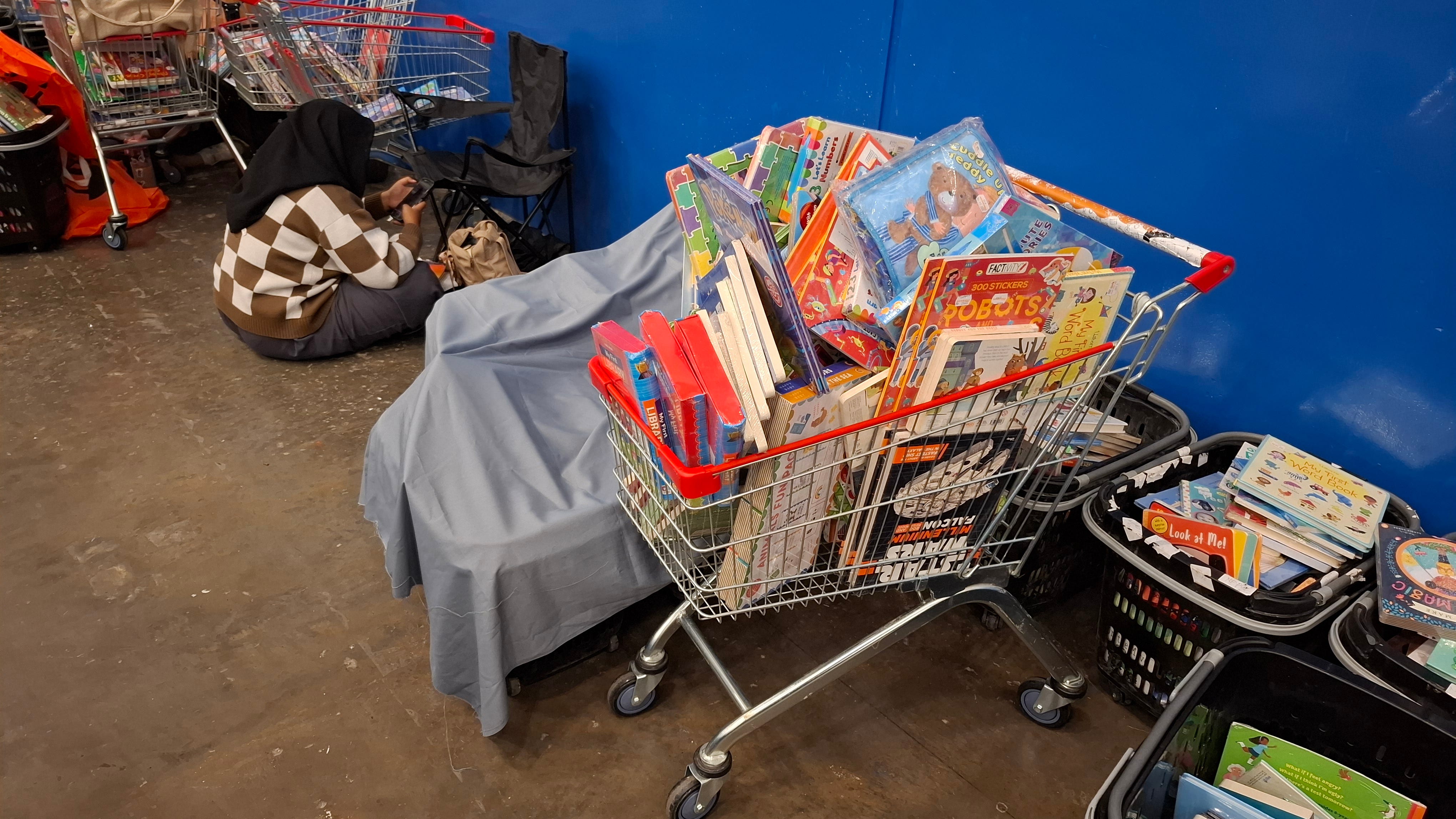
📝 Submit your request: When a jastiper opens a service, customers usually send a list of requested items, especially for limited or high-demand products.
💳 Pay the service fee: Jastipers typically charge a fee ranging from IDR 5,000 to IDR 35,000 per item, depending on the product’s price. For rare or overseas items, fees may be higher depending on demand and negotiation.
🚚 Wait for delivery: After the request is confirmed, the jastiper purchases the items and arranges delivery to the customer.
📈 What Are the Benefits?
For some consumers, jastip may offer several practical advantages:
💸 Lower prices: Many jastipers buy during major discounts, clearance sales, or special events.
⏳ Convenience: No need to visit multiple stores — purchasing and collection are handled by the jastiper.
🛡️ Authenticity: Purchases often come directly from official stores, brands, or trusted sellers.
📚 Wider choices: Access to both new and older titles that may not be widely available locally.
🏡 Why This Hits Home
Jastip is not unique to Indonesia. Similar services are growing across Southeast Asia — including Malaysia, Singapore, Thailand, and Vietnam — reflecting a regional shift toward convenience, speed, and easier access in shopping behavior.
Most jastipers run their businesses on Instagram, TikTok, and WhatsApp, while some expand through freelance platforms such as Fiverr and Fastwork.
This grassroots ecosystem is also mirrored by larger tech players such as Grab (via GrabMart), GoTo (via GoMart), and ShopandBox — which operate in similar cross-border and on-demand shopping spaces across the region.
👩🦰 A Jastiper’s Story
Nabila, a housewife based in Bandung, started jastip business in 2023. She now offers personal shopping services at various events — from children's and adult items to adventure gear and comeback sales.
She mainly focuses on children’s books. Demand is steady, while many of her neighbors are busy with household duties, pregnant, or lack transportation.
“Because, there are babies being born every day, right? So people are always looking for kids’ books—either for themselves, or as a gift for a neighbor who just had a baby. And sometimes, they’ll ask for adult books too, so it’s kind of a win-win solution: the kid gets items, the parents get items, and there’s still a gift for the babies.” — Nabila, Personal shopper.
📚 Where Does She Get the Books?
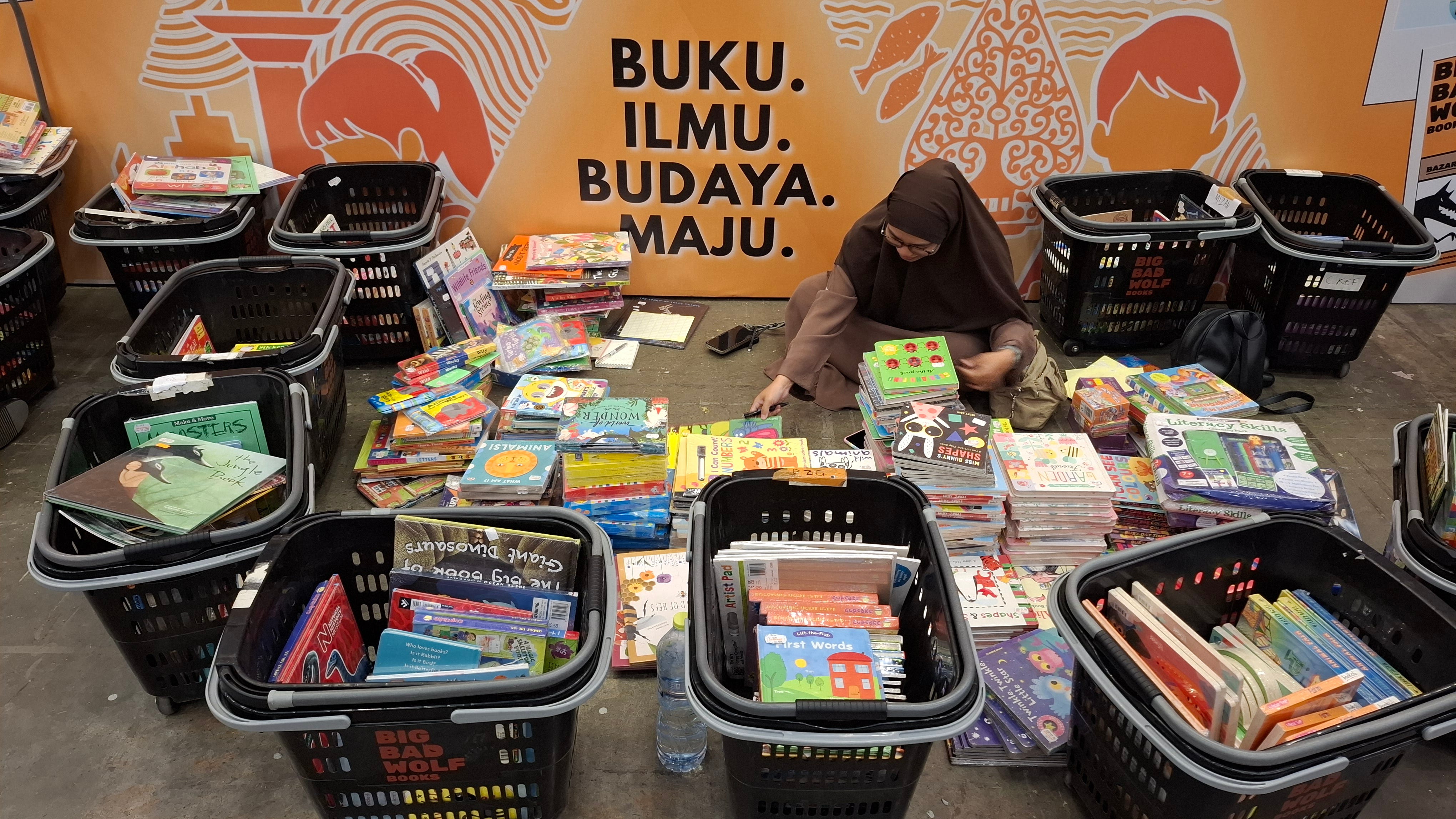
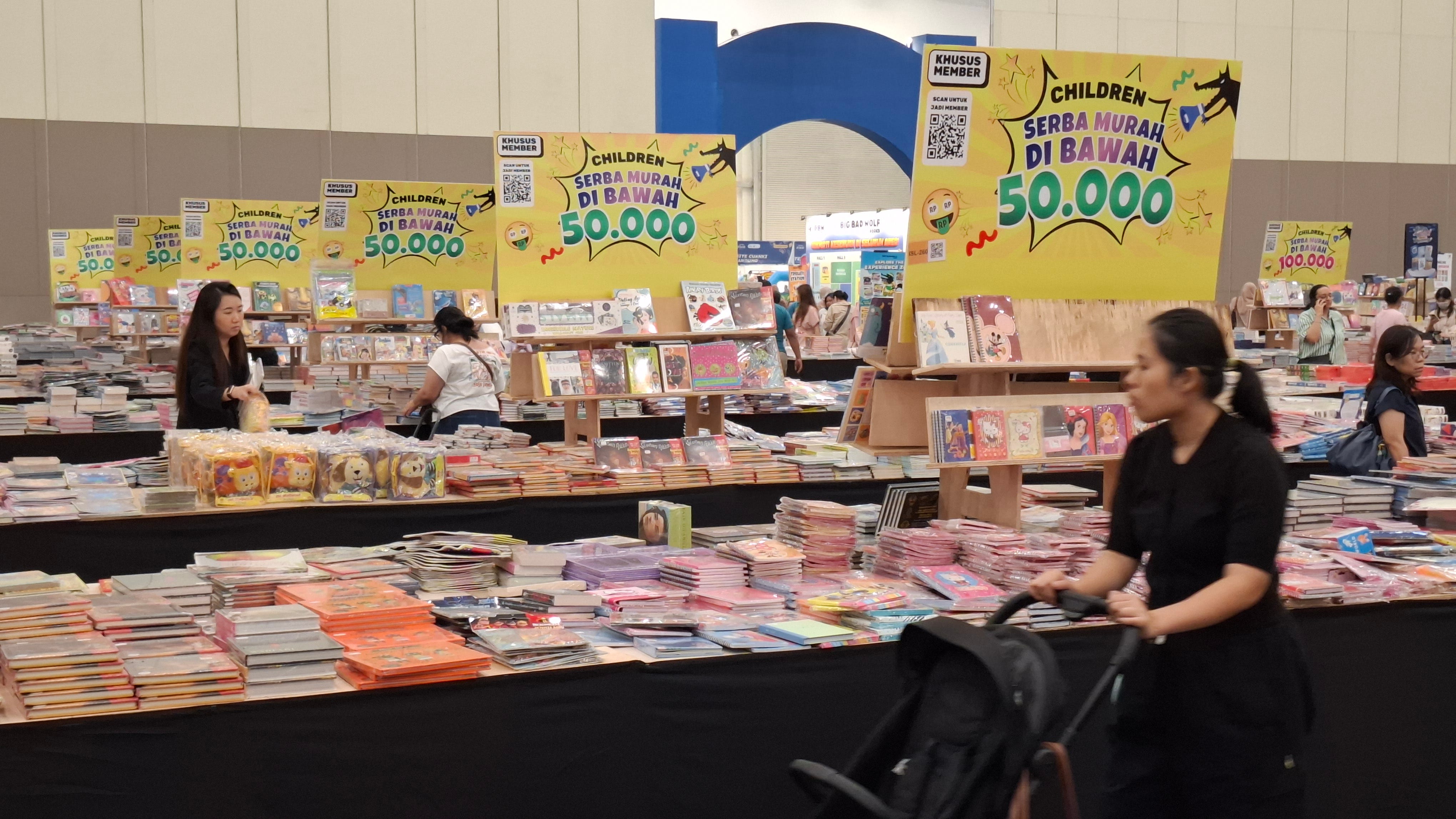
Nabila receives more than 100 requests for children’s books each time she opens her jastip. To meet demand, she sources from second-hand sales, thrift and preloved markets, and large book events like Big Bad Wolf (BBW). These channels help her find affordable, good-quality, and hard-to-find titles.
She earns at least 💰 IDR 1 million per jastip season, making it a steady side income. But it’s not just about money — she also gets a mental boost.
“Because women are impulsive, especially when they’re stressed, their mental state is affected, and they definitely want to shop. Well, this is how I solve it, so every time I open a jastip, my impulsive mental state is channeled, I shop around, I go for walks, I spend money, and the bonus is that we get paid to do all of that.” — Nabila, Personal shopper.
🔥 But It’s Not Easy
Running a jastip service has real challenges — and Nabila feels them firsthand:
💸 Operational costs: Traveling to events — especially in other cities — eats into profits through transport and meal costs.
📦 High delivery costs: Buying hundreds of books at once means heavy shipping or pickup bills.
❌ Risk of lost packages: Lost, stolen, or misdelivered packages often mean refunds — straight from the jastiper’s pocket.
📉 Tight profit margins: Low service fees leave little room for error — one mistake can wipe out earnings.
⚔️ Tough competition: Some jastipers arrive early and grab popular items first. For those like Nabila who sometimes arrive after opening day, sold-out stock is a recurring frustration — and one of the biggest hurdles in fulfilling customer requests.
🐺 Big Bad Wolf as a Dual-Purpose Book Fair
As Nabila noted earlier, one of her regular sourcing points is Big Bad Wolf. For her and many people, the event serves a dual purpose: personal shopping and fulfilling customer requests through jastip.
This reflects a broader pattern. For many visitors, large book fairs have become spaces where personal shopping and informal book sourcing occur side by side—suggesting that demand for affordable, accessible books remains significant in Indonesia.
🐺 What’s Inside Big Bad Wolf
For years, Big Bad Wolf has offered many advantages. But in its 10th anniversary this year, the event also introduces added features:
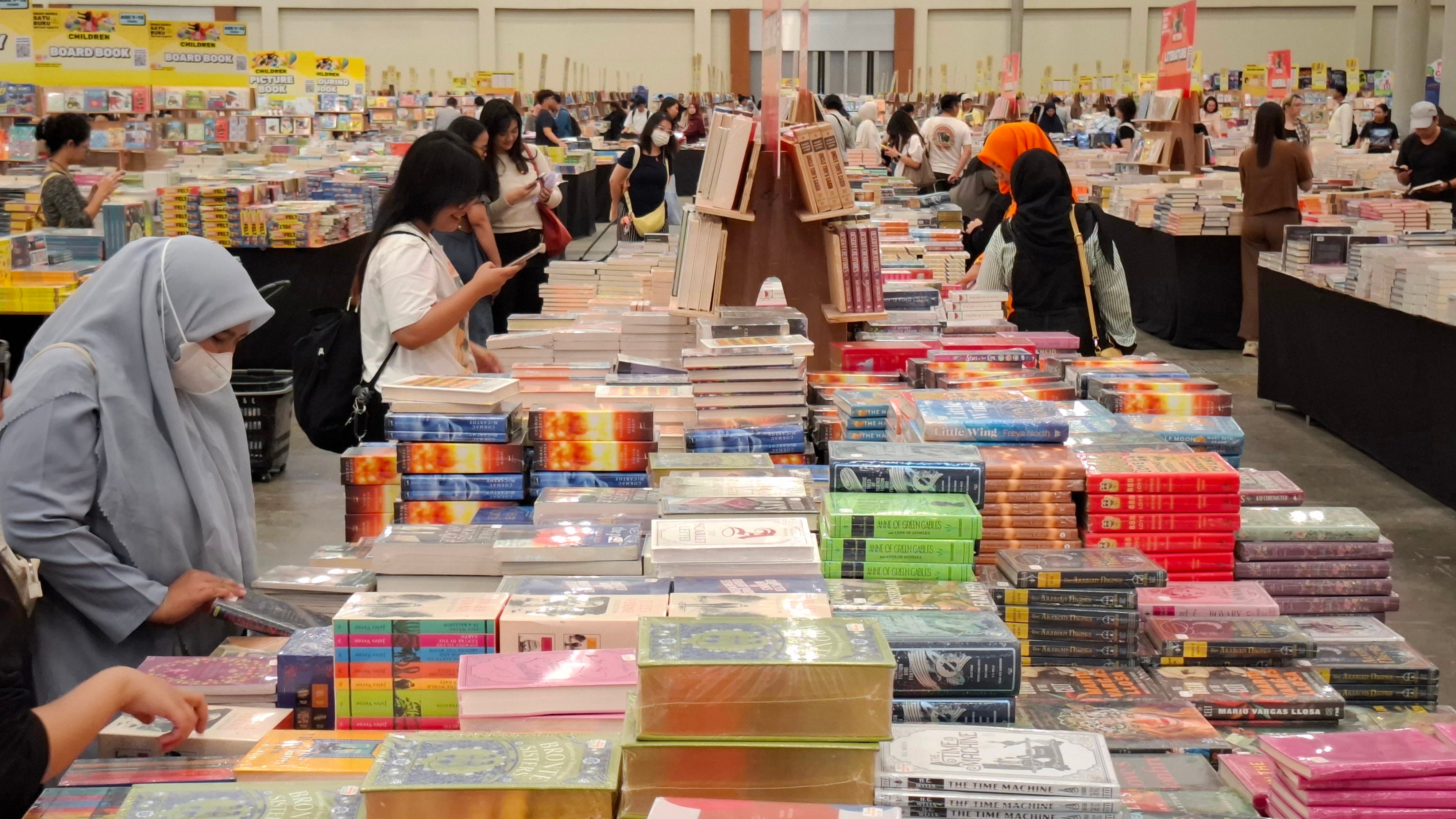
📚 Wider selection: The event features millions of titles from local and international publishers, including common and limited editions for both children and adults. This gives visitors more choices across interests and budgets.
⏰ Extended opening hours: Running 24 hours for 5 days, the event allows visitors to shop at different times, including less crowded hours. This offers more flexibility around work, family, and daily schedules.
🔄 Regular schedule: Big Bad Wolf is held annually in several cities and is now planned to run twice a year. More frequent events also give readers more chances to discover new titles and restock over time.
🌍 International presence: The event operates in 17 countries and more than 50 cities worldwide. This broadens access to books from different markets and publishers.
🎁 Additional promotions: Beyond up to 90% book discounts, visitors may also find bundle offers, free merchandise, and prize promotions from gold to EV. These offers add value for customers and help sustain the event ecosystem.
For jastipers, these features can also make sourcing more flexible by offering a wider choice, greater stock availability, and more opportunities to meet customer demand.

🤔 CEO’s Lens: Big Bad Wolf and the Jastip Ecosystem
Andrew Yap, CEO of BBW Books, sees jastip as a positive force — not a workaround. Each BBW season attracts around 1,000 jastipers, showing how informal book distribution is becoming a real economy.
Looking ahead, Andrew hopes to build a system that supports jastipers, giving them better access to books and helping them grow into small pop-up bookstores.
“They are part of the ecosystem, and they help us move a lot of books. We’re trying to create a system that can support jastip communities to open small bookshops. Imagine if we could turn 10,000 jastipers into 10,000 bookstores across Indonesia overnight—we could reach more readers, even at the grassroots level.” — Andrew Yap, CEO of Big Bad Wolf Books.
Supporting jastipers, in BBW’s view, means expanding book access to more segments of society:
📉 Affordable pricing: Large discounts open access to a wider readership and leave room for resale.
👦 Children’s books focus: Around 70% of titles support early reading habits and family demand.
📔 Physical books priority: Print remains accessible in areas with limited digital infrastructure.
“Many retail stores in Indonesia don’t give enough space to children’s books, while most imported titles target young or adult readers. At the same time, digital formats often present ready-made visuals, whereas physical books allow children to think, imagine, and interpret on their own. That is why we want to create more space for children’s books and encourage early reading habits.” — Mathius Wandi Budianto, Country Director BBW Indonesia.
💥 The Impact
Unfortunately, there’s no direct line between jastip, book bazaars, and literacy outcomes — and one reason is simple: reading-specific data is scarce. Most education statistics track literacy as a binary (can/can’t read), not how often or how deeply people read. Closing that gap is homework for domestic government, regional commitments, and the global community alike.
However, the limited data still tells a story:
🎓 SEA-PLM 2024:
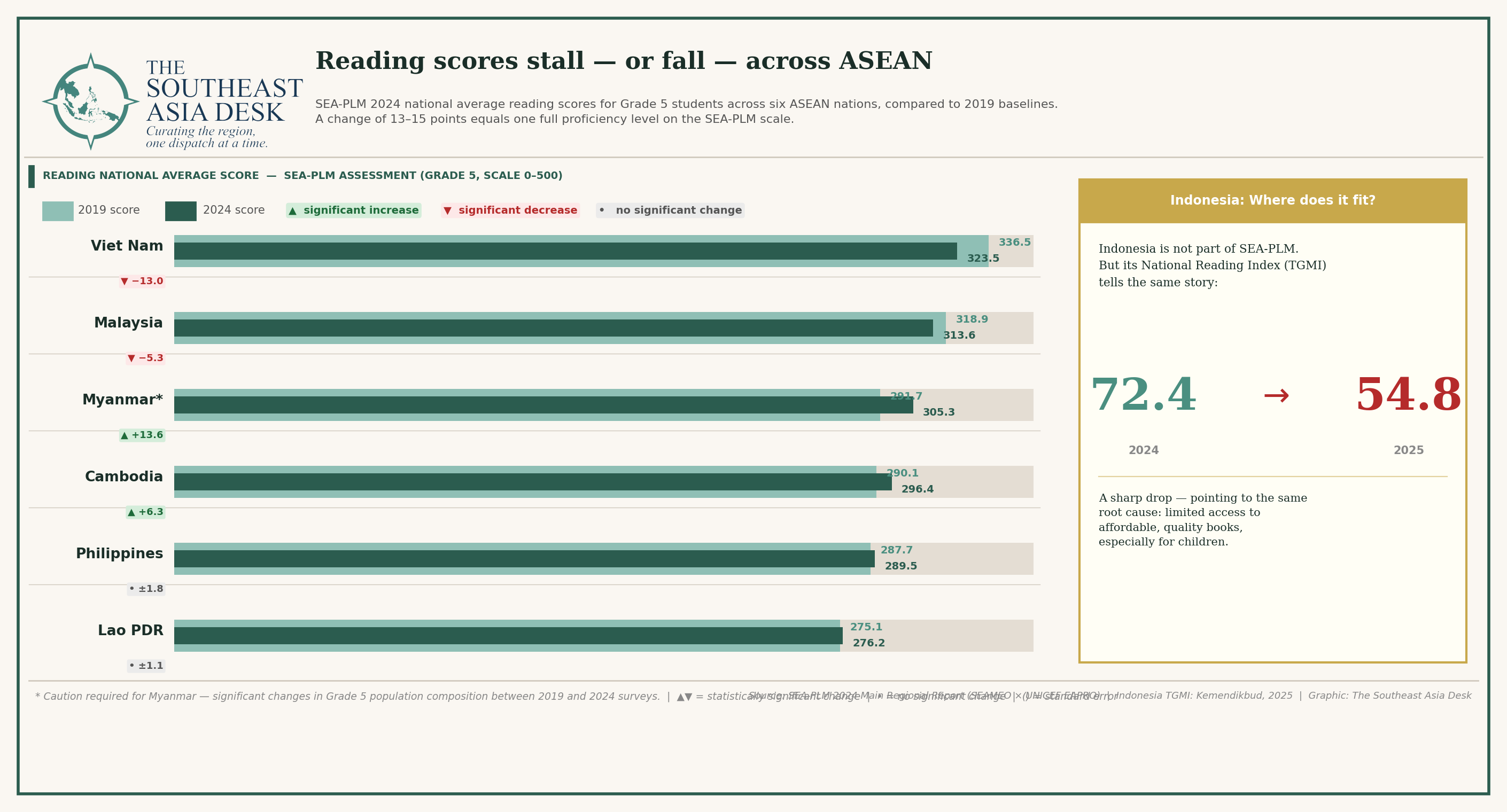
Recent data exposes a significant regression in national reading scores among Grade 5 students (ages ~10–11) across key ASEAN countries — a critical age when children transition from learning to read to reading to learn. Declines at this stage don’t just reflect stagnation; they signal a break in the pipeline before reading habits even form.
Indonesia isn’t part of SEA-PLM. But its own data echoes the same warning: per BPS, the Reading Fondness Index (TGM) dropped from 72.44 (2024) to 54.8 (2025) — a sharp reminder that reading interest, even at the population level, is fragile.
📖 CEOWORLD Magazine 2024 — a survey of adult reading habits across 102 countries:
Indonesia ranks third in Southeast Asia at 129 hours/year, behind Singapore (155) and Thailand (149).
Globally, Indonesia ranks 31st with 5.9 books read per year — reading still matters, but trails fast-developing peers.
That’s where jastip and book bazaars come in. They don’t fix literacy on their own — but they remove one of the biggest barriers: putting affordable books in readers’ hands, especially children’s, before that interest fades.
📌 The Bottom Line
Jastip is not only about a service—it’s about opening access to books for more people. What starts as a simple transaction can grow into a movement that increases literacy and brings reading closer to every community.
🔍 Need More Angles?
Badan Pusat Statistik November 2025: Tingkat Pengangguran Terbuka (TPT) sebesar 4,74 persen dan Rata-rata upah buruh sebesar 3,33 juta rupiah
Badan Pusat Statistik Tingkat Kegemaran Membaca Masyarakat dan Variabel Penyusunnya Menurut Provinsi, 2025
CEO World Magazine Ranked: Countries That Reads The Most Books, 2024
SEA-PLM 2024 Children’s Learning in 6 Southeast Asian Countries
(NGO/BRZ/QOB)