



🧭 Main Takeaway
Hair may grow naturally, so having it cut is common. However, in some Southeast Asian communities, hair holds cultural and spiritual significance.
The Dieng Culture Festival (DCF) in Central Java, Indonesia, illustrates this through the ‘ruwatan anak rambut gimbal’ (Gimbal Hair Purification Ritual), a traditional ceremony for children whose hair naturally forms matted, dreadlock-like strands in Dieng, Central Java.
Similar traditions exist across Southeast Asian communities, though in different forms and with different meanings. From Thailand’s Poy Sang Long to Cambodia’s Kor Chuk, hair-cutting can symbolise a life transition, form part of a religious ritual, and help communities preserve their ancestral heritage.
👀 Why It’s on Our Radar
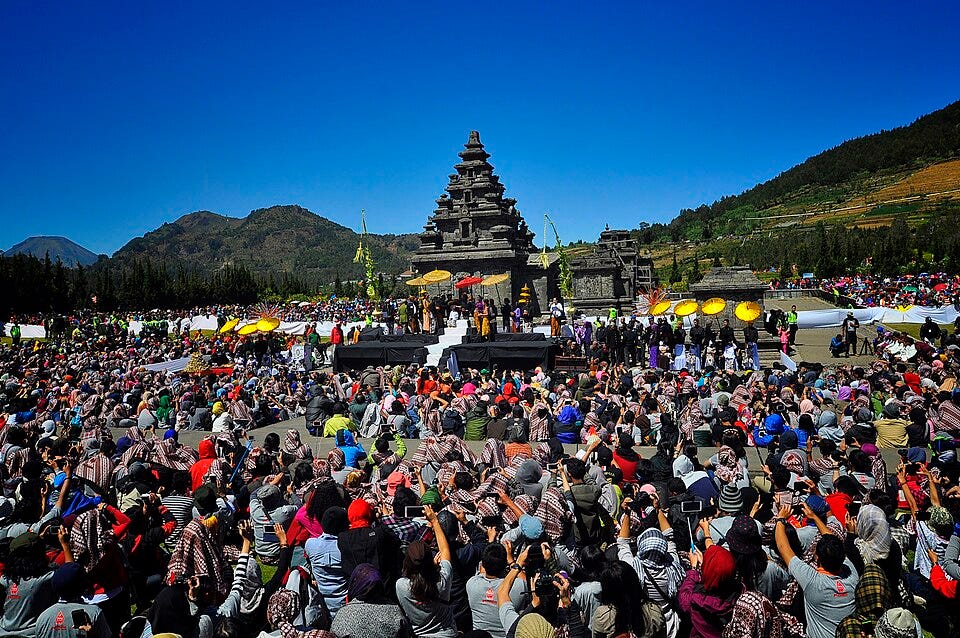
In late August, the Dieng Plateau once again became a meeting point between local traditions and modern cultural festivals.
The 2026 Dieng Culture Festival took place from 28 to 30 August under the theme ‘Spirit of Harmony’.
The festival combined cultural rituals, arts performances, music, environmental activities, and initiatives involving SMEs and the local economy.
The Indonesian government has also included the Dieng Culture Festival among the Top 10 Kharisma Events Nusantara (KEN) 2026.
The Ministry of Tourism describes the Kharisma Event Nusantara (KEN) as a selection of tourism events chosen based on event quality, tourism appeal, and regional impact.
The Dieng Culture Festival itself has the potential to strengthen the image of culture-based tourism whilst providing economic benefits for the local community.
However, one of the festival's most distinctive aspects is not the concerts or performances. Rather, it is a haircut, but one with a much deeper meaning.
⛰️ What is the Dieng Culture Festival?
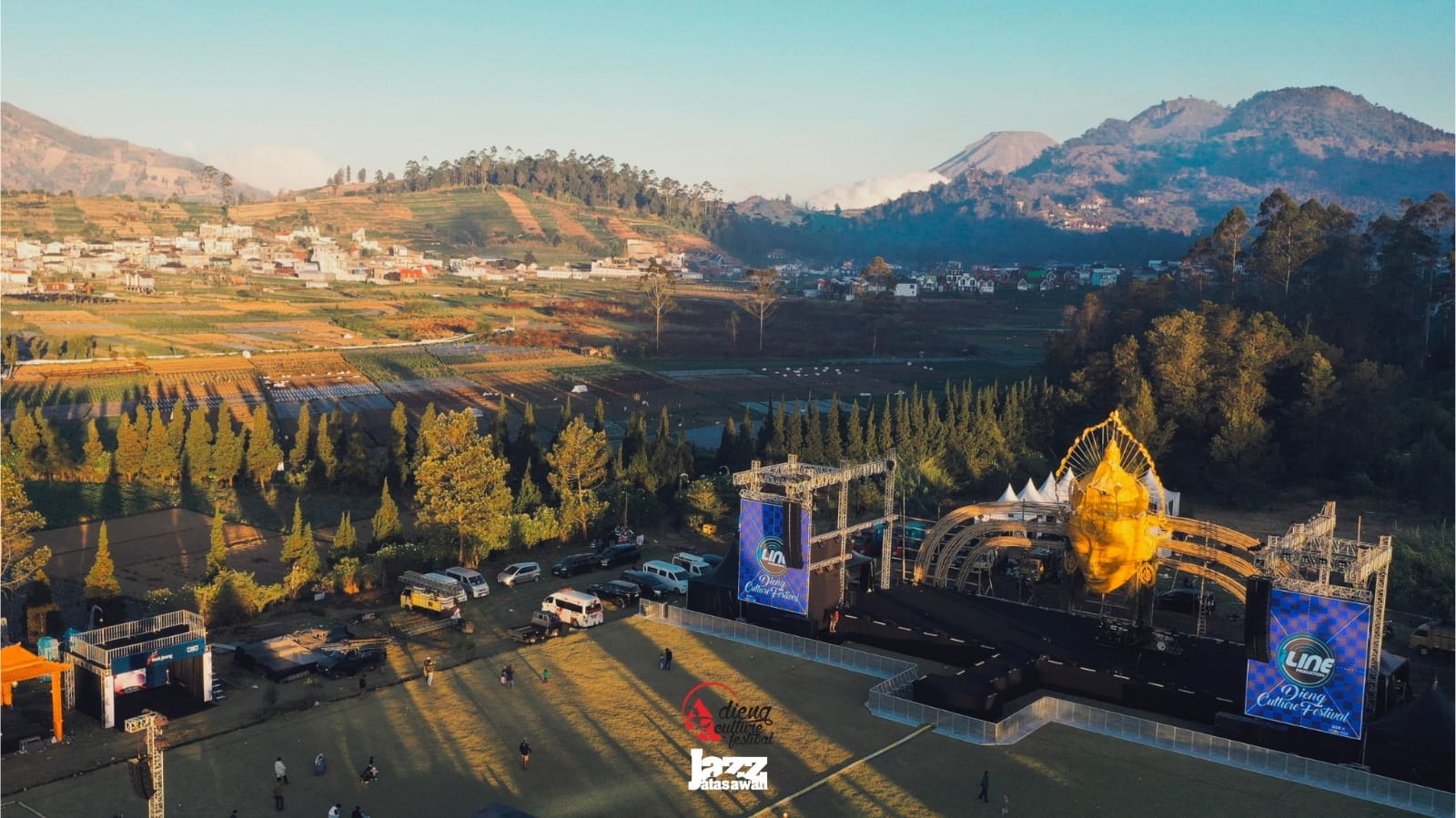
The Dieng Culture Festival is an annual festival that brings together nature, culture, art and the people of Dieng, held in Dieng Kulon, Banjarnegara, Central Java.
First held in 2010, the festival grew from a local cultural celebration into a broader event combining traditional rituals, arts, tourism, and community activities.
In 2026, the festival marked its 16th edition, under the theme ‘Spirit of Harmony’, with local traditions at the heart of the celebrations.
🎪 Key Event: Dieng Culture Festival 2026
☕ Dieng Coffee Festival: Highlighting coffee as one of Banjarnegara’s flagship products, this festival brings together farmers, roasters, baristas and members of the coffee industry. During the 2026 Dieng Culture Festival, the Dieng Coffee Festival recorded transactions totalling around Rp15 billion, demonstrating the significant economic potential of this local commodity.
🎭 Cultural Procession: A cultural procession leading the community and festival participants to the Arjuna Temple Complex, whilst also forming part of the sequence of events leading up to the ruwatan ritual for children with gimbal hair.
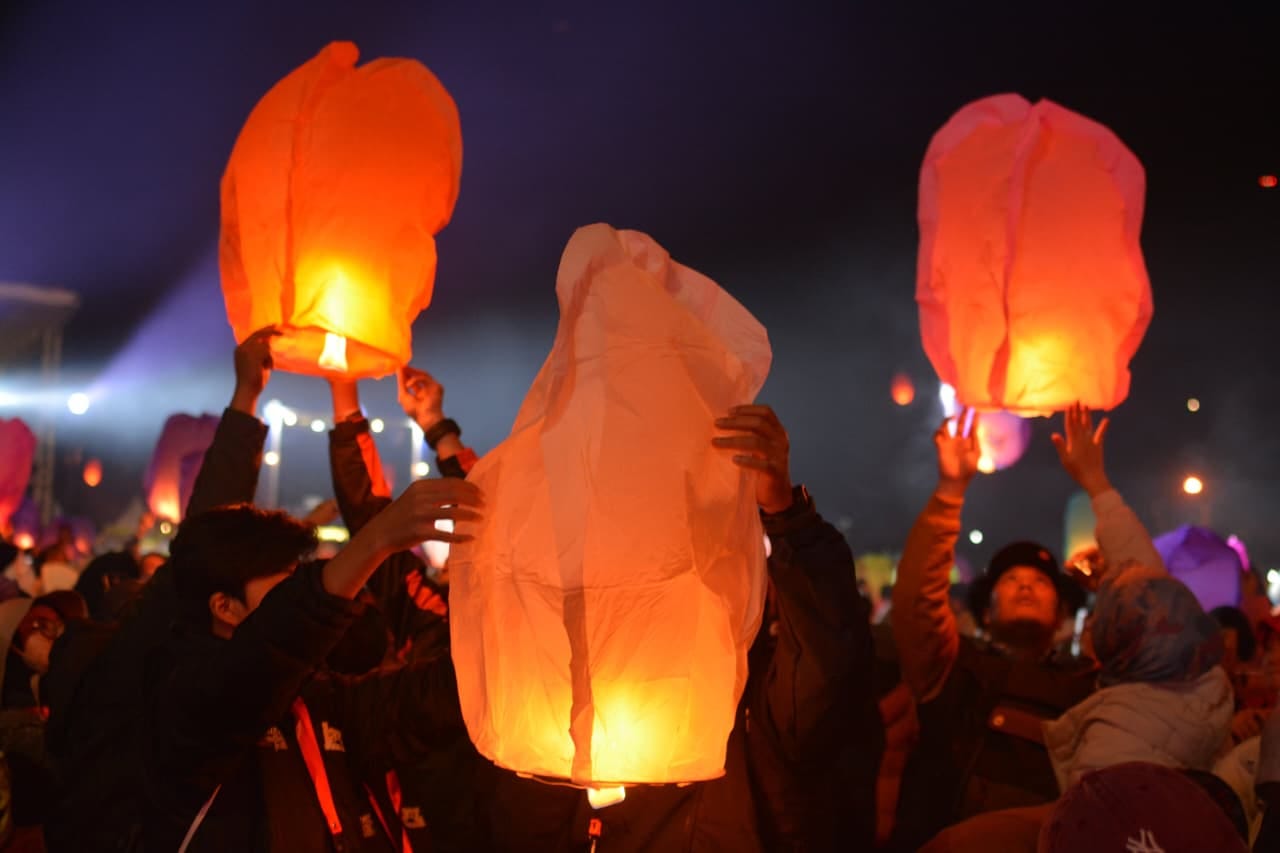
🏮 Lantern Festival: The release of sky lanterns, one of the festival's iconic evening moments, creates a festive atmosphere filled with symbols of hope and togetherness.
🎶 Jazz Concert: The Dieng Culture Festival also blends tradition with contemporary entertainment through musical performances set against the backdrop of the Dieng mountain landscape, making the festival appealing not only to culture enthusiasts but also to the general public.
🌿 Clean Dieng: An environmental initiative encouraging the local community and visitors to keep the Dieng area clean, thereby reinforcing the festival’s message about the relationship between culture, society and nature.
✂️ The Ritual at the Heart of Dieng: Ruwatan Rambut Gimbal
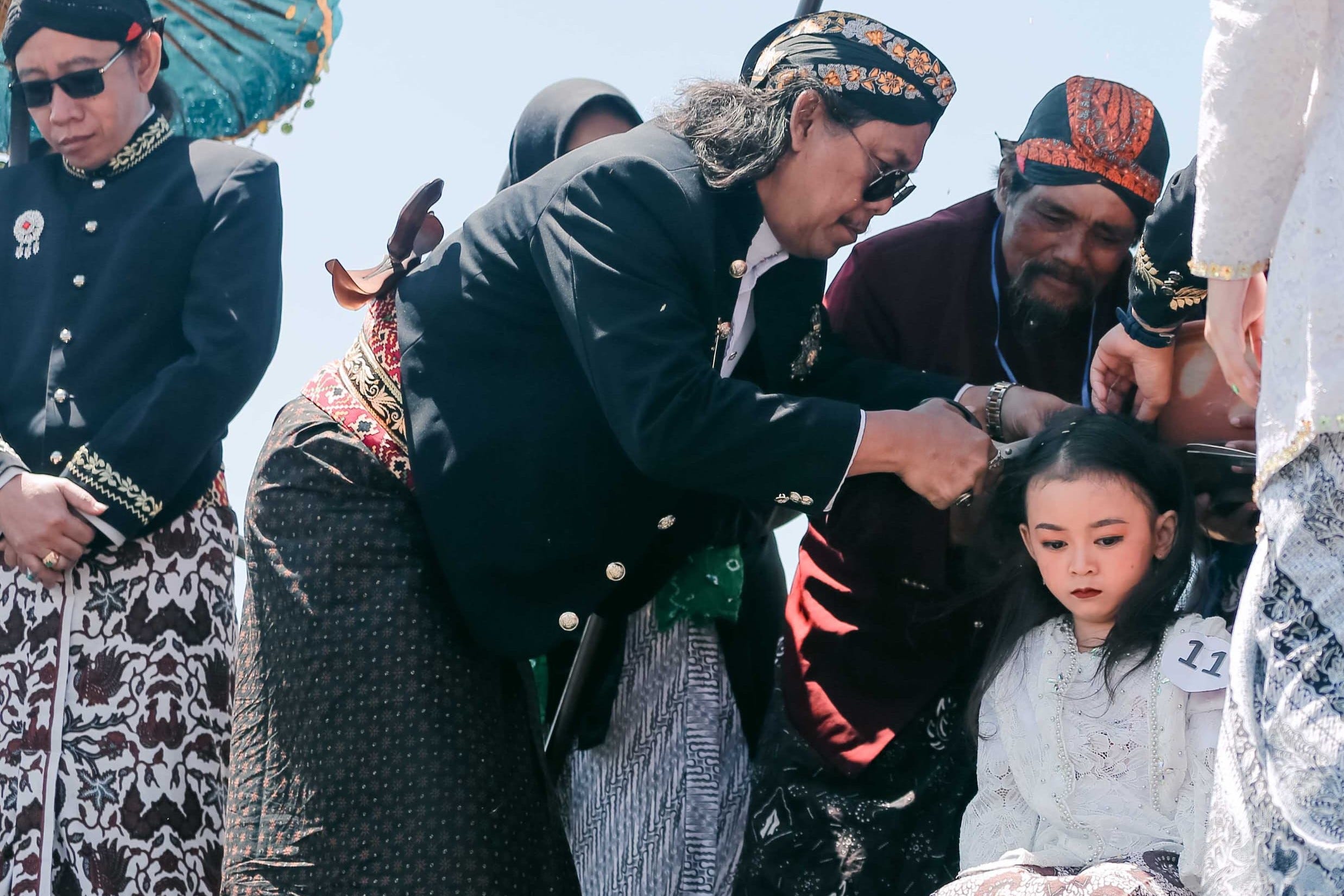
As part of the Dieng Culture Festival, the Ruwatan Rambut Gimbal is one of the most distinctive traditions. The term ruwatan itself derives from the Javanese word ruwat, which refers to the act of releasing or freeing someone from misfortune or harm.
In the Dieng highlands, some children grow up with hair that naturally forms into matted, tangled strands, known as gimbal hair. The people of Dieng usually refer to children with this type of hair as ‘bocah gembel’ or ‘bocah bajang’ children who possess a uniqueness, whether inherent from birth or developing after a certain age.
For the local community, this hair holds special significance and is regarded as ‘sesuker’, something that must be cleansed through the ruwatan ritual and therefore must not be cut carelessly. The ruwatan tradition has been designated as part of Indonesia’s Intangible Cultural Heritage since 2016 and is collectively owned by the people of Dieng.
One key requirement of the ruwatan is the ‘bebana’, a request the child makes before their hair is cut. Once the bebana is fulfilled, the gimbal hair is cut and set adrift as part of the ritual procession, followed by a thanksgiving ceremony to express gratitude once the ritual is complete.
More than a haircut, the ruwatan tradition is a rite of passage for the local people of Dieng. As a rite of passage, the ritual goes beyond removing the matted hair. It marks a transition in the child’s life while reinforcing the community’s connection to its ancestral traditions.
Furthermore, this tradition is linked to efforts to maintain a connection with Kiai Kolodete, an ancestor whom local tradition associates with the origins of the gimbal hair.
🌏 Across Southeast Asia, Hair Has a Story to Tell
In Southeast Asia, Dieng is not the only place where hair holds ritual significance. The traditions may take different forms, but they share a common thread: hair becomes part of rites of passage or the journey towards the next stage of life.
🇰🇭 Cambodia - Kor Chuk: Growing Into Adulthood
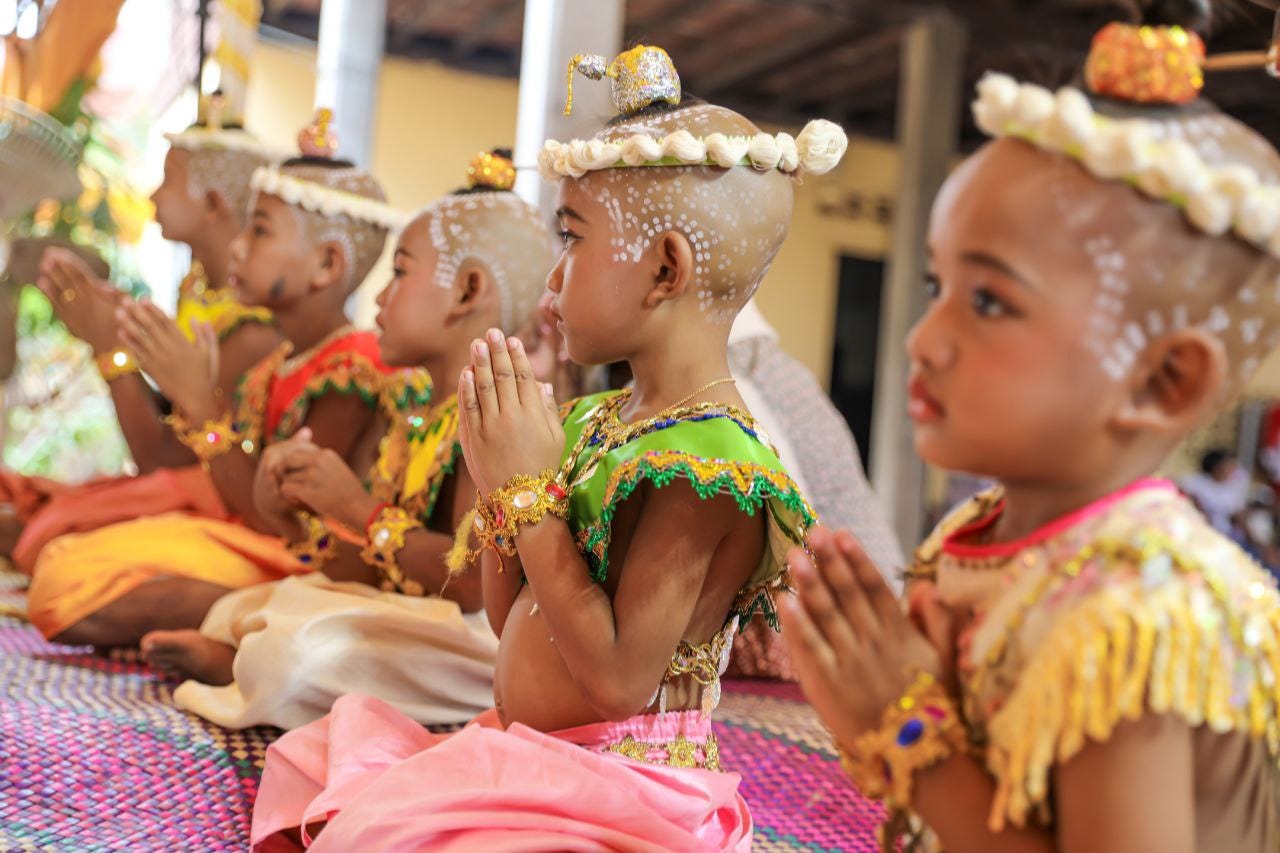
Kor Chuk is a hair-cutting tradition among the Khmer communities around Angkor that marks the transition from childhood to adulthood.
Traditionally, the ceremony can last for two days and one night, involving various ritual stages before the child’s hair is finally shaved and a blessing ceremony is performed.
Today, this tradition is becoming increasingly rare, though some families in the Angkor region and other provinces still uphold it. In March 2026, a family in Siem Reap held a full Kor Chuk ceremony for five boys.
For the local community, Kor Chuk is not merely a family tradition, but a symbol that a child is entering a new stage of life and taking on new responsibilities.
🇲🇲🇹🇭 Myanmar & Thailand - Poy Sang Long: From Child to Novice
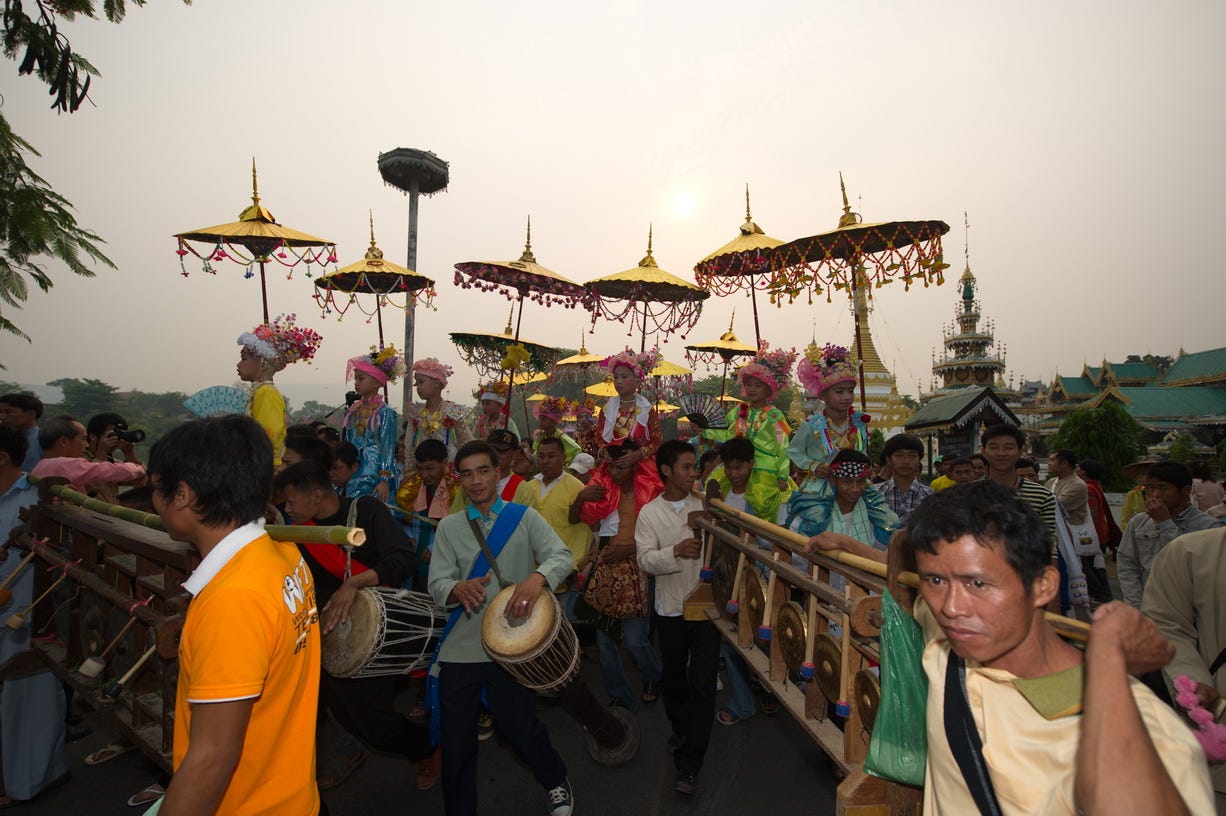
Poy Sang Long is a rite of passage among the Shan (Tai Yai) people, rooted in Myanmar and carried into northern Thailand, particularly Mae Hong Son and Chiang Mai, by Shan communities who settled there. It’s a regional cousin of Shinbyu, the novitiation ceremony observed more broadly across Myanmar’s Buddhist communities.
Boys aged 7–14 take part in a series of ceremonies lasting several days. They are dressed like princes and paraded by their families, after which their hair is shaved before they don their robes and enter monastic life.
The hair-shaving ceremony symbolises a transition: childhood gives way to spiritual learning and novicehood.
As a religious ritual, Poy Sang Long is also a community celebration, where families and villagers gather to accompany the children as they enter a new stage of life.
🔎 Bigger Picture: Different Rituals, Similar Ideas
Hair-cutting traditions in Southeast Asia, such as Ruwatan in Dieng, Poy Sang Long in Thailand, and Kor Chuk in Cambodia, are not the same rituals. Each tradition stems from different histories, beliefs and communities. However, when viewed as a whole, they reveal shared ideas about change, belonging and identity.
🌿 Protection: Within community beliefs, the hair-cutting ritual forms part of an effort to purify oneself, rid oneself of negative influences, or seek protection.
🌱 Transition: Hair-cutting also serves as a sign of change in life stages, such as the transition from childhood or taking on a new role.
👨👩👧👦 Community: These rituals usually involve family, elders, religious figures and the wider community, making them a shared experience rather than merely a personal change.
🧬 Identity: As these traditions are passed down across generations, the rituals also serve as a way for communities to preserve their memories, values and cultural identity.
The rituals may differ, but the idea is familiar: a physical change can mark a much deeper transformation.
🌱 Bottom Line
Hair-cutting rituals in Southeast Asia show that cultural heritage does not always take grand forms; it lives on through simple acts passed down from one generation to the next.
However, traditions can survive only if they remain part of people’s lives. As practices such as Kor Chuk become less common, their future depends on families, communities, and the younger generation continuing to learn, practise, and give them meaning.
The Dieng Culture Festival offers one example of how local traditions can enter a wider public sphere while retaining the essence of the original rituals.
In the future, the festival and the community can continue to serve as a bridge, ensuring that these traditions do not become relics of the past, but remain understood and passed on as part of Southeast Asia’s cultural identity.
Keeping a tradition alive is not simply about preserving the past; it is about giving the next generation a reason to carry it forward.
🧩Need More Angle?
Antara News Dieng Culture Festival 2026 boosts Indonesia's global tourism image
Antara News Festival Kopi Dieng catat transaksi Rp15 miliar selama DCF 2026
Apsa Authority Angkor Heritage: Traditional Kor Chuk Ceremony Still Lives on in the Community- 14 March 2026
Festival Dieng Dieng Cultural Festival
Ministry of Information Cambodia Kor Chuk, a Traditional Ceremony Marking Transition from Childhood to Adulthood
Secret Retreats The Living Grace of Poy Sang Long
(DHM/ZIL/QOB)