



🎯 The Main Takeaway
Travel is a mutual exchange, not a transaction. When in Rome: why adapting to local norms is the Highest Form of Respect🌍🙏🏻.
Recent viral incidents, from an exclusionary run club in Bali and disruptive tourists in Bangkok to a shuttered tech commune in Malaysia and commuter clashes in Rome, highlight the fragility of this balance, and the swiftness of its restoration.
🔍 Why It’s on Our Radar
Cultural etiquette is under intense scrutiny following a run of high-profile clashes:
🇮🇩 Bali, Indonesia

Run club Entourage Bali faced backlash after allegedly rejecting local applicants. Two Dutch organizers were barred from re-entry. The club apologized, paused operations, and is overhauling its registration process.
🇹🇭 Bangkok, Thailand
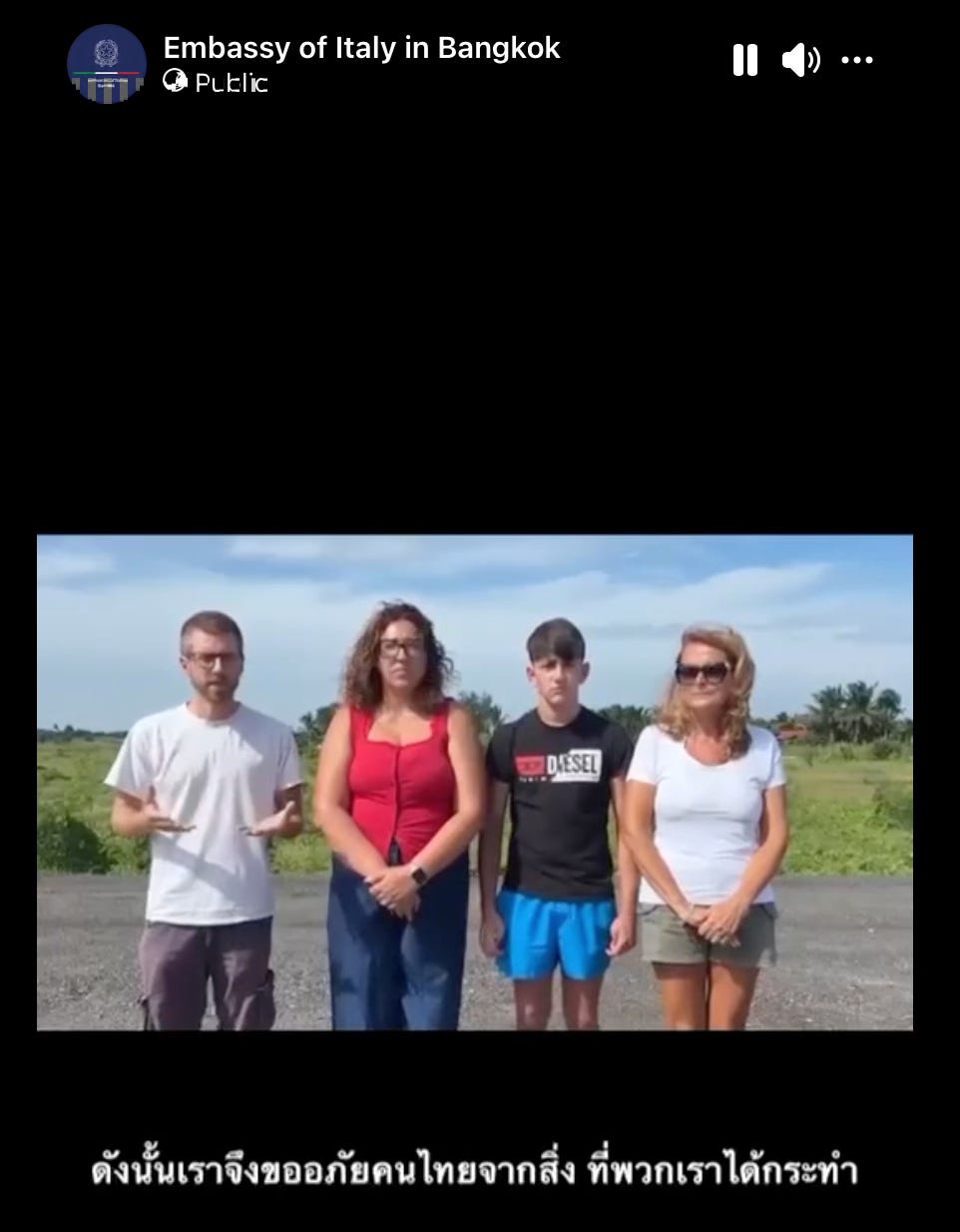
Italian exchange students mocked a Thai commuter who asked them to lower their voices on the BTS Skytrain. Following public outrage, the students were fined, the Italian embassy issued a public apology, and the students apologized in person.
🇲🇾Forest City, Malaysia
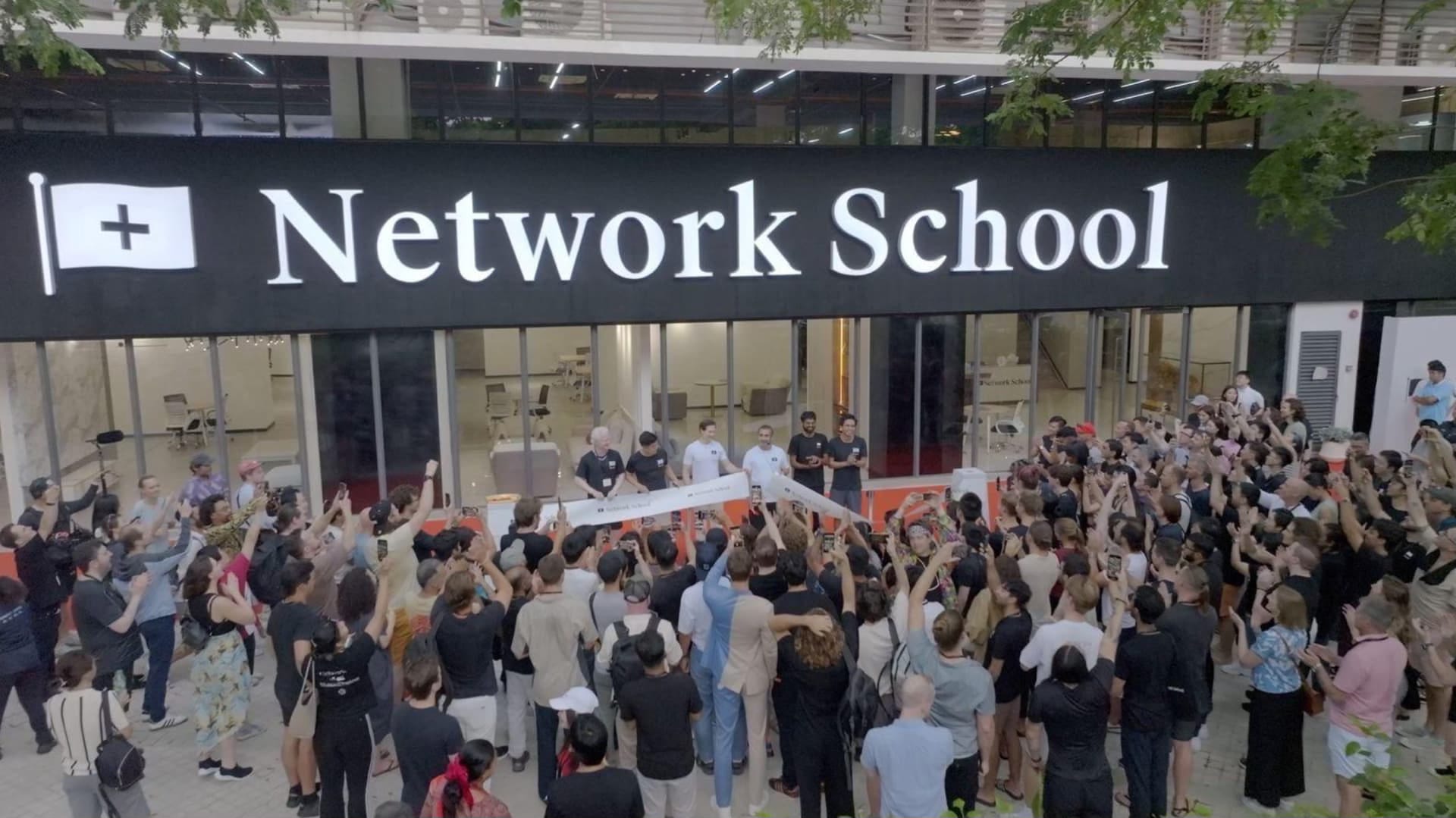
Tech commune Network School was shuttered over claims that Israeli nationals entered using alternate passports. Immigration found no violations, but state authorities backed the closure, citing weak due diligence.
🇵🇭 Italy & the Philippines
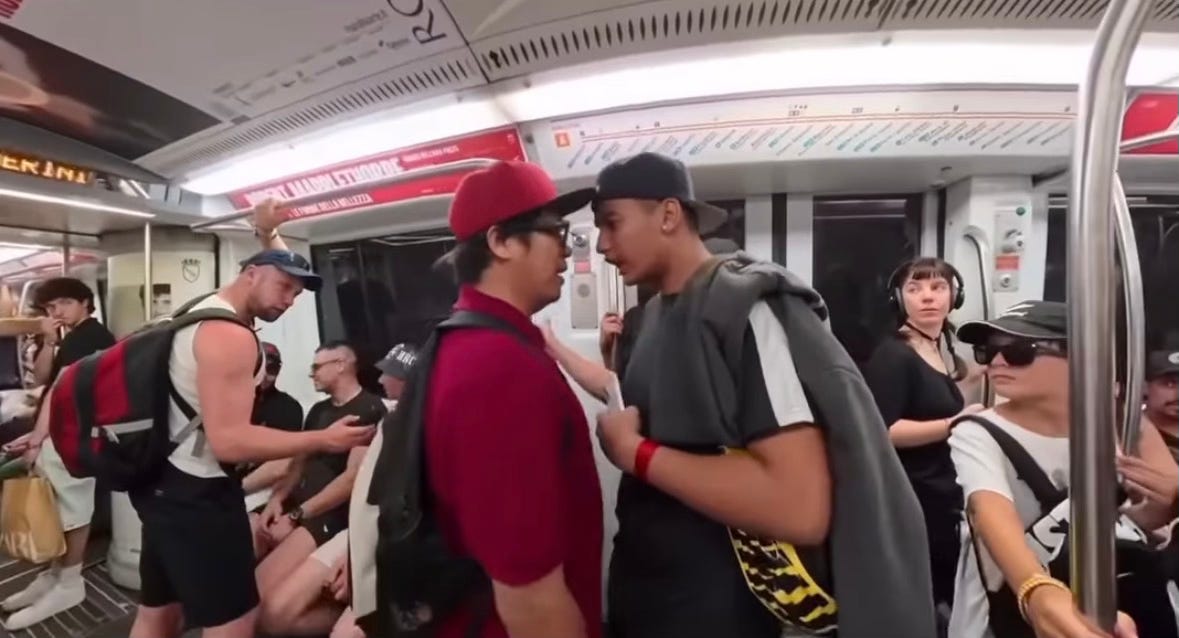
Filipino workers Mervin Dayagro and Jordan Tamayo went viral for fighting off suspected pickpockets on a Rome Metro train, aided by a local Italian. The pair have built a following by confronting thieves in the Italian capital.
⚖️ What’s at Stake
Reputation. Destinations need visitors to feel welcome; visitors must be treated fairly. Public breakdowns yield swift fallout—fines, bans, and closures—but equally swift repairs.
🌏 The Big Picture
These aren't simple morality tales. They are minor frictions—a registration form, a loud carriage, a crowded platform—escalated by camera-ready exposure. The defining factor is the rapid de-escalation that follows.
🏡 Why This Hits Home
Travel friction stems from mismatched expectations, not malice. Assuming spending buys leeway, or assuming foreign groups instinctively grasp local norms, creates a gap. Closing it requires mutual effort, not one-sided blame.
🗺️ The Regional Stakes
Southeast Asian communities are increasingly vocal and organized regarding tourism’s local impact:
Faster accountability: Viral footage outpaces official channels, forcing embassies and authorities to respond in days, not weeks.
Two-way expectation-setting: Hosts demand adherence to local norms; visitors and institutions are responding with genuine apologies rather than defensiveness.
〰️The Bottom Line
Goodwill is the true currency of travel. When it depletes, both sides generally prefer repair over relitigation.
(ZIL/)