



🎯 The Main Takeaway
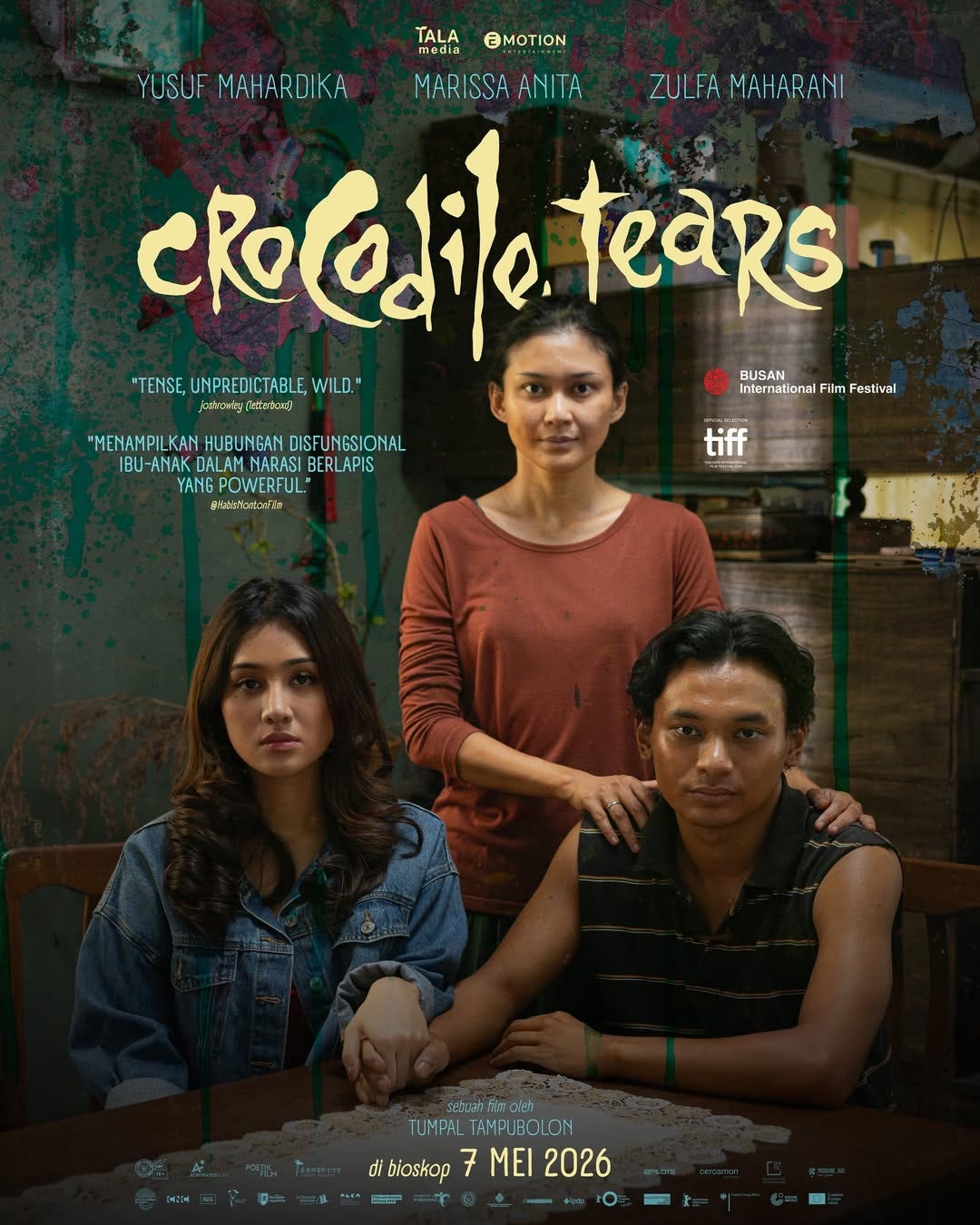
The movie tells the story of a family of two living on a crocodile farm, starring Marissa Anita as Mama and Yusuf Mahardika as Johan, her son. The film explores the emotionally complex bond between a mother and son.
When a girl named Arumi, played by Zulfa Maharani, enters Johan’s life, it further reveals how protective Mama is and how she tries to keep her son to herself, believing it is the only way to protect him from danger.
On IMDb, the movie is listed as a psychological drama and thriller. But once you watch it, the story feels surprisingly familiar. The behaviors, emotional attachment, and conflicts portrayed in the film feel much closer to real life than you might expect.
Here are some takeaways you can get from the movie:
Emotionally Complex Bond Between a Mother and Son
Mama is a single mother who raised Johan alone. She gave birth to him at a very young age while also dealing with the death of her husband. Carrying so much pain and trauma, she raised Johan on a crocodile farm, where it was just the two of them for years. This appears to have created a strong emotional dependency between them.
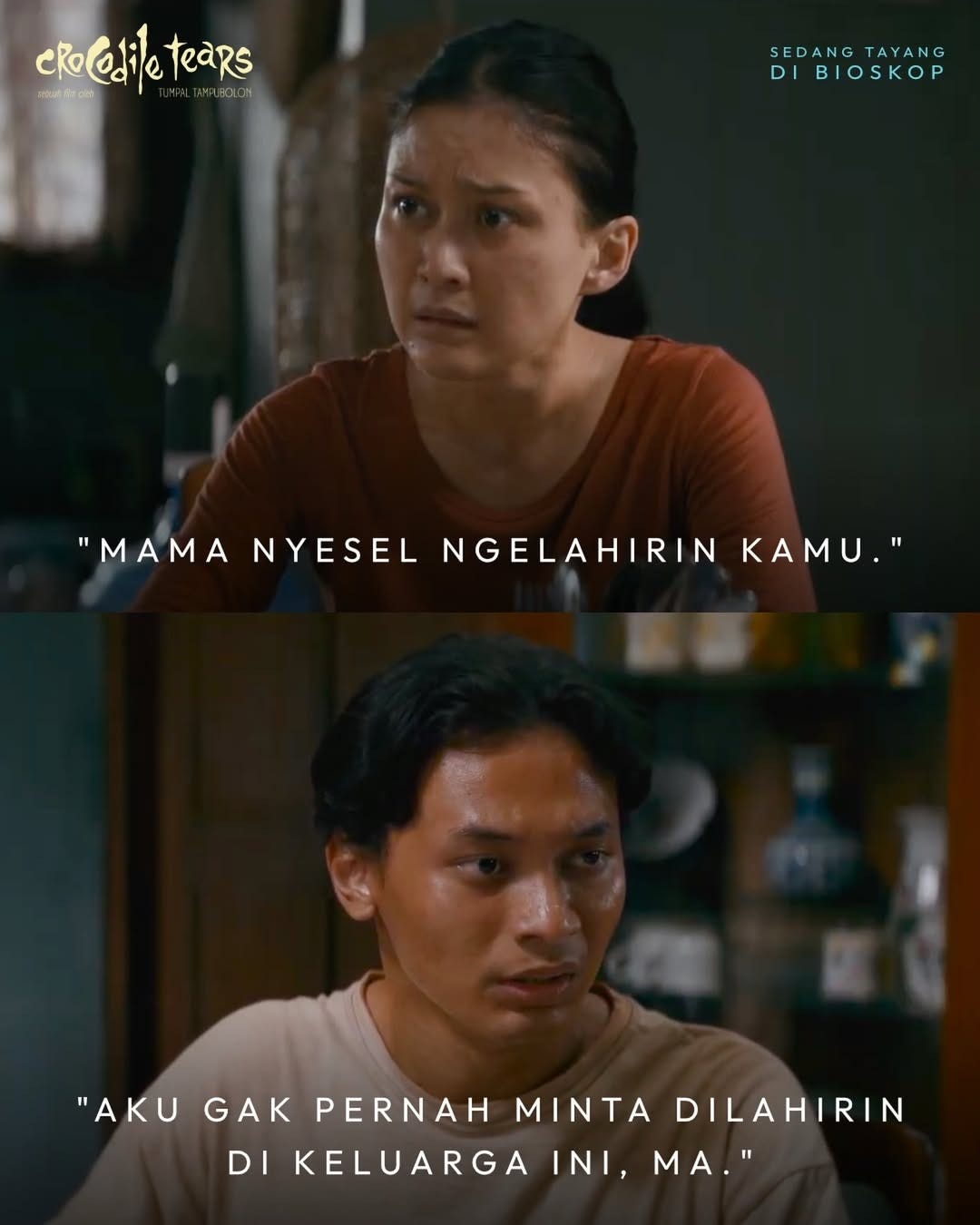
Mama becomes deeply overprotective of Johan, continuing to treat him like a child despite his adulthood. She often interferes in situations Johan faces to keep everything under control, believing that it is the best way to protect him. But this overprotectiveness goes too far, gradually taking away Johan’s independence as an adult.
Mystical Beliefs or Delusion?
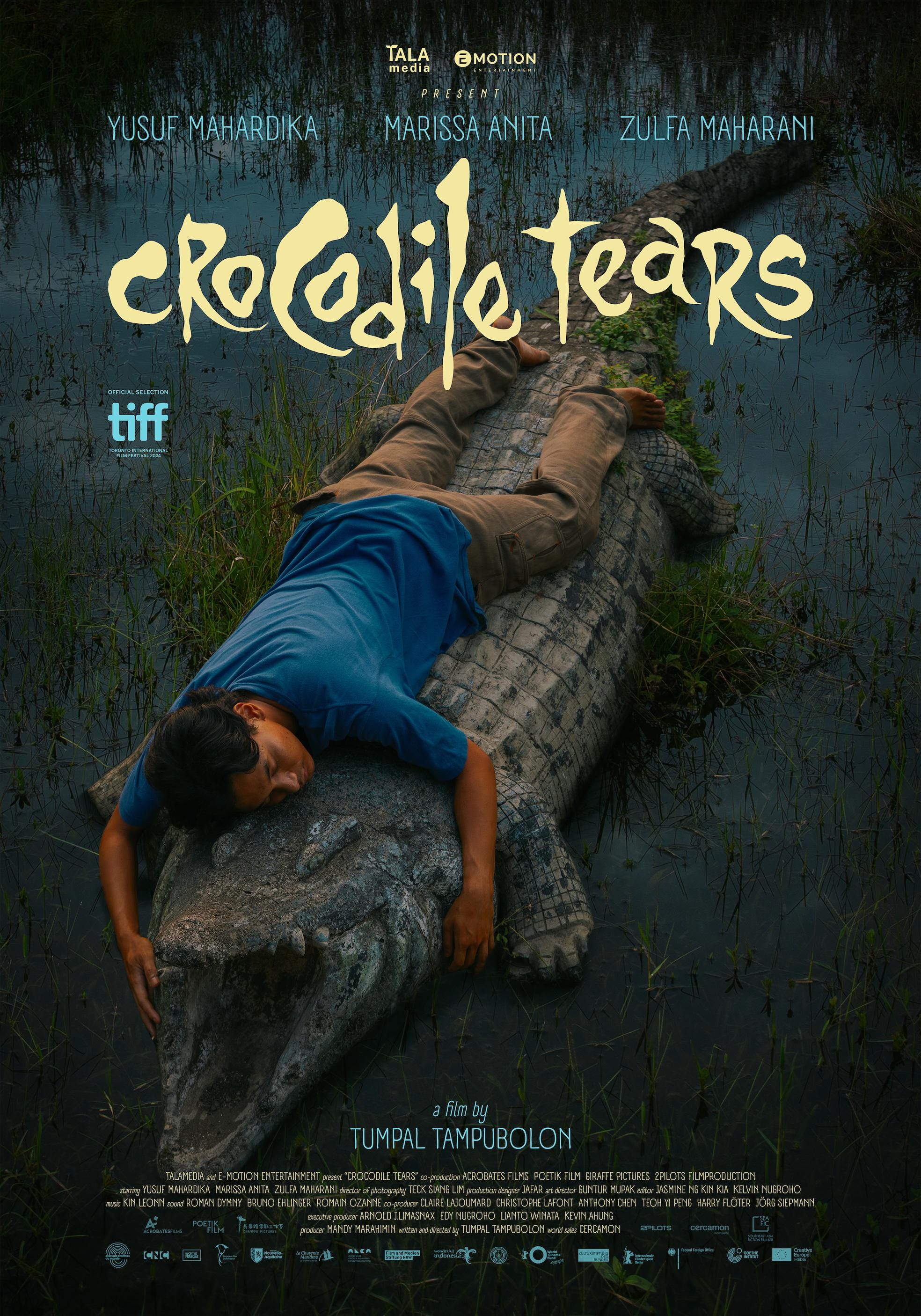
There is a large white crocodile separated from the others in a designated cage, believed to be the reincarnation of Johan’s late father. Mama treats and speaks to the crocodile as if it were her husband, even seeking advice from it.
The movie leaves the interpretation entirely to the viewers: is the white crocodile truly the reincarnation of her husband, or is this belief a manifestation of Mama’s overwhelming grief and inability to cope with his death, leading her into delusion? Which one do you think?
Ignoring the Child’s Needs
Mama continues to treat Johan like a child, limiting his independence as an adult. Not to mention, Johan’s world revolves almost entirely around his mother and the crocodile farm, shaping him into someone socially awkward. Mama dismisses his need to develop socially or discover a life of his own.
As Johan enters early adulthood, his curiosity about the world beyond the crocodile farm can no longer be contained, including his curiosity about sex.
When he meets Arumi, a girl he encounters by chance, the two gradually grow closer. And what comes next is perhaps unsurprising: Arumi becomes pregnant. Again, Mama dismisses Johan’s emotional and personal needs, whether it is intimacy or building a life with a partner, by disapproving of the relationship.
A Mother’s Jealousy Toward Her Son’s Partner
Mama sees Arumi less as Johan’s partner and more as a threat to their bond. Unable to accept the presence of another woman in Johan’s life, she repeatedly crosses boundaries, even endangering Arumi and her baby. Mama believes that it should always remain just the two of them, Mama and Johan, with no one else in between.
🔍 Why It’s on Our Radar
Long before it hit Indonesian cinemas on May 7, 2026, the film had already travelled across the international festival circuit, screening at 33 film festivals worldwide, including its world premiere at the 2024 Toronto International Film Festival.
Back home in Indonesia, the film was also shown at the Jogja-NETPAC Asian Film Festival and Jakarta Film Week, while earning several nominations at the Indonesian Film Festival.
What’s also interesting is that the film is a cross-country collaboration between Indonesia, Singapore, France, and Germany.
“The journey of Crocodile Tears was not a short one, from development to production, involving crew members from four countries. We needed six years before we were finally able to produce the film, and a total of eight years before it could finally be watched by audiences in Indonesia.”
Mandy Marahimin - Producer
❤️ Why This Hits Home
The director, Tumpal Tampubolon, drew inspiration from the relationship between a mother crocodile and its offspring. Crocodile mothers are known to be highly protective and that dynamic becomes the foundation of Mama and Johan’s relationship in the movie. The film repeatedly portrays Mama and Johan as human reflections of crocodiles, from the way they sleep side by side to Mama’s instinct to keep Johan away from “outsiders” she sees as dangerous.
But beyond the crocodiles and psychological tension, the story might feel closer to real life than you’d expect. A mother neglecting her child’s emotional needs, a parent unable to let go and jealousy toward a child’s partner. Sounds familiar, doesn’t it?
Whether we experience it firsthand or hear it through someone else’s story, these dynamics exist around us more often than we realise.
🎥 The Big Picture
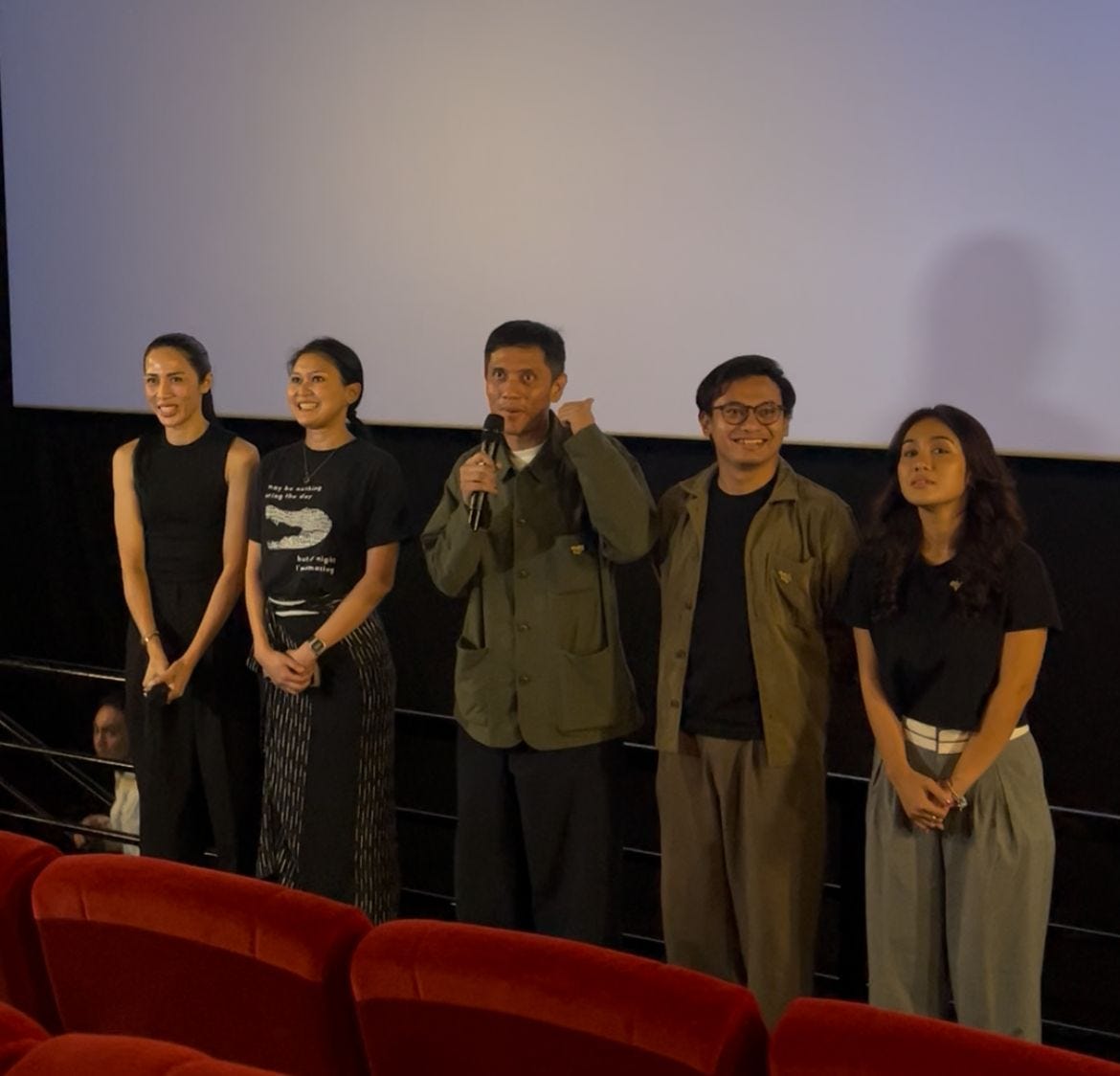
The film’s non-mainstream concept and approach made it difficult to attract local sponsors. Thankfully, the project gained support from art funding programs in France, Germany, and Singapore.
“Through this funding scheme, we were able to maintain the artistic idealism of the film,” Tumpal Tampubolon - Director
Crocodile Tears adds to the growing list of Indonesian films exploring unconventional genres. Minimal dialogue is one of the film’s signature elements, but the message is conveyed strongly through its cinematography and the actors’ expressions
Each scene feels like peeling an onion, revealing layer after layer, and every new layer brings another surprise. The film is also quite intense, and some scenes may feel uncomfortable for certain viewers, making it unsuitable for children.
But if you enjoy movies that challenge you to think and interpret deeper meanings, this is definitely worth watching.
(AKS/VBD)