



🎯 The Main Takeaway
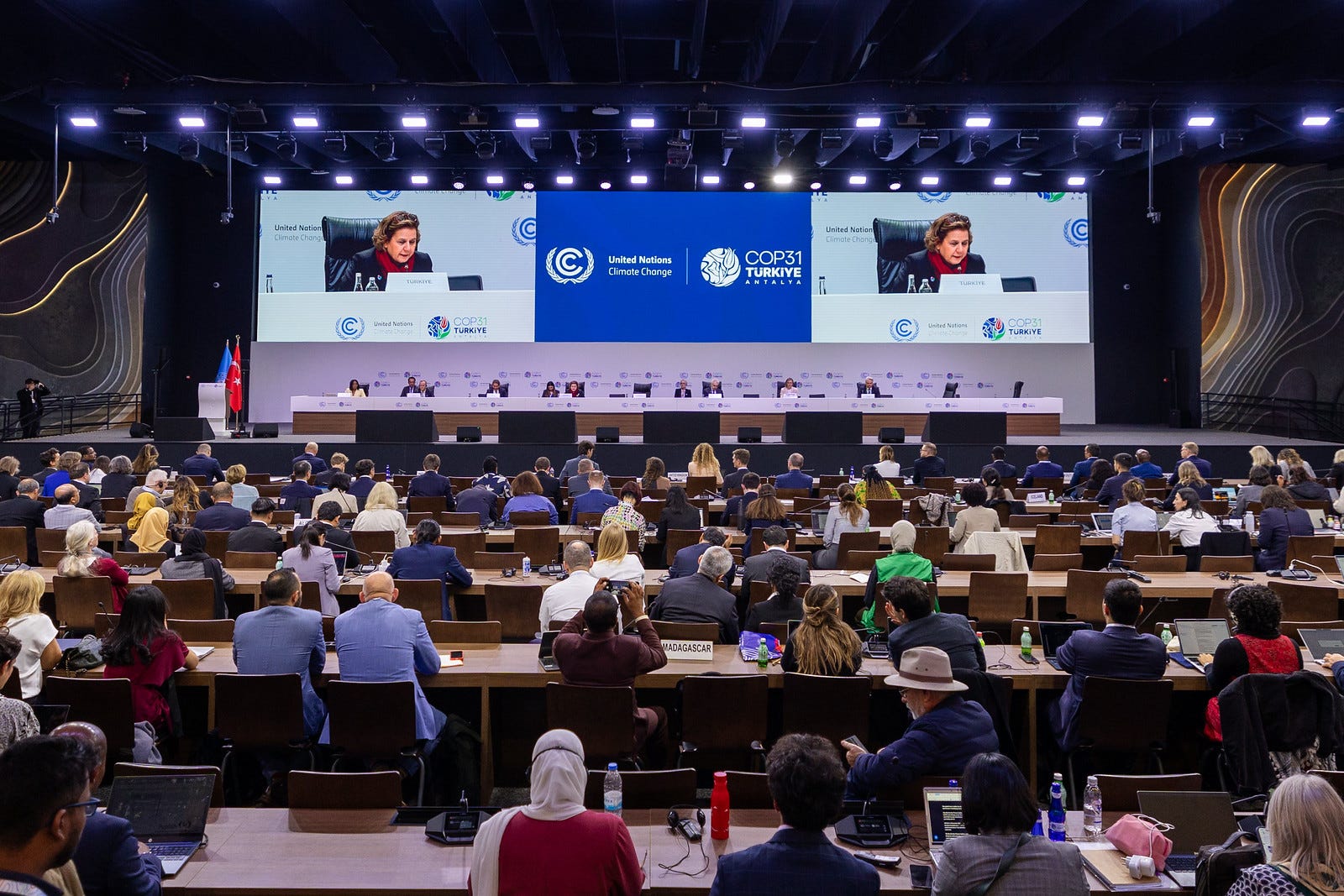
The COP31 UN Climate summit in Antalya, Turkiye, concluded on 22 November 2026 without an overreaching consensus agreement, after countries failed to bridges differences over fossil fuels and climate finance.
While negotiations ended without the presidency-led Antalya Pact, the summit shows progress on several other climate issues and voluntary initiatives, including support for the 35-by-35 Global Electrification Pledge. Around 80 countries backed the goal of increasing electricity’s share of global final energy consumption to 35% by 2035.
The pledge aims to accelerate the shift from direct fossil fuel use towards electricity across transport, buildings, industry. Countries supporting the ambition are encouraged to develop national plans and expand the infrastructure needed to support electrification.
For Southeast Asia, the challenge is ensuring that this new electricity demand is supplied by renewable energy rather than additional coal and gas generation. That will require investment in renewable power, modern electricity grids, energy storage and policies that make clean-energy projects easier to develop.
📡 Why It's on Our Radar
Southeast Asia is one of the world's fastest-growing energy regions, but its dependence on imported fossil fuels exposes economies to international price volatility and supply disruptions.
The International Energy Agency's (IEA) report, Accelerating Electrification in Southeast Asia found that the region's total final energy consumption has increased by more than 30% since 2015. Electricity consumption grew nearly twice as fast as overall energy use.
Electricity accounted for 25% of the region's final energy consumption in 2025, up from 12% in 2000. However, fossil fuels continue to dominate the energy supply: coal and oil each account for around 30% of total energy supply, while gas remains important in several countries.
The IEA also highlights the region's exposure to imported fuel markets. Before the recent Strait of Hormuz conflict, around 60% of Southeast Asia's crude oil imports and one-third of its natural gas imports came from the Middle East.
This dependence leaves countries vulnerable to geopolitical disruptions and higher energy costs.
⚡Does it Mean 100% Decarbonization?

The 35-by-35 pledge creates an opportunity to accelerate the use of electric vehicles, electric appliances and industrial electrification. However, the emissions benefit will reduce depend on whether electricity becomes cleaner.
Southeast Asia's current power mix illustrates this challenge. According to the IEA, coal-fired power met more than 60% of the region's electricity demand growth over the past decade and now accounts for almost half of electricity generation. Gas contributes nearly a quarter, while renewables account for more than a quarter.
This means that replacing petrol-powered vehicles with electric vehicles, or shifting industrial processes from direct fuel use to electricity, will not deliver the full emissions benefits if power generation remains dependent on fossil fuels.
The IEA estimates that under its stated-policy scenario, Southeast Asia's electrification rate could rise from 25% in 2025 to 32% by 2035. Yet fossil-fuel consumption is still projected to increase by 14% over the same period.
Under a higher-electrification scenario, renewable power generation would need to more than triple from current levels by 2035 to meet the additional demand.
The distinction is important: electrification can reduce direct fossil-fuel use in transport, buildings and industry, but the overall emissions impact also depends on the electricity mix.
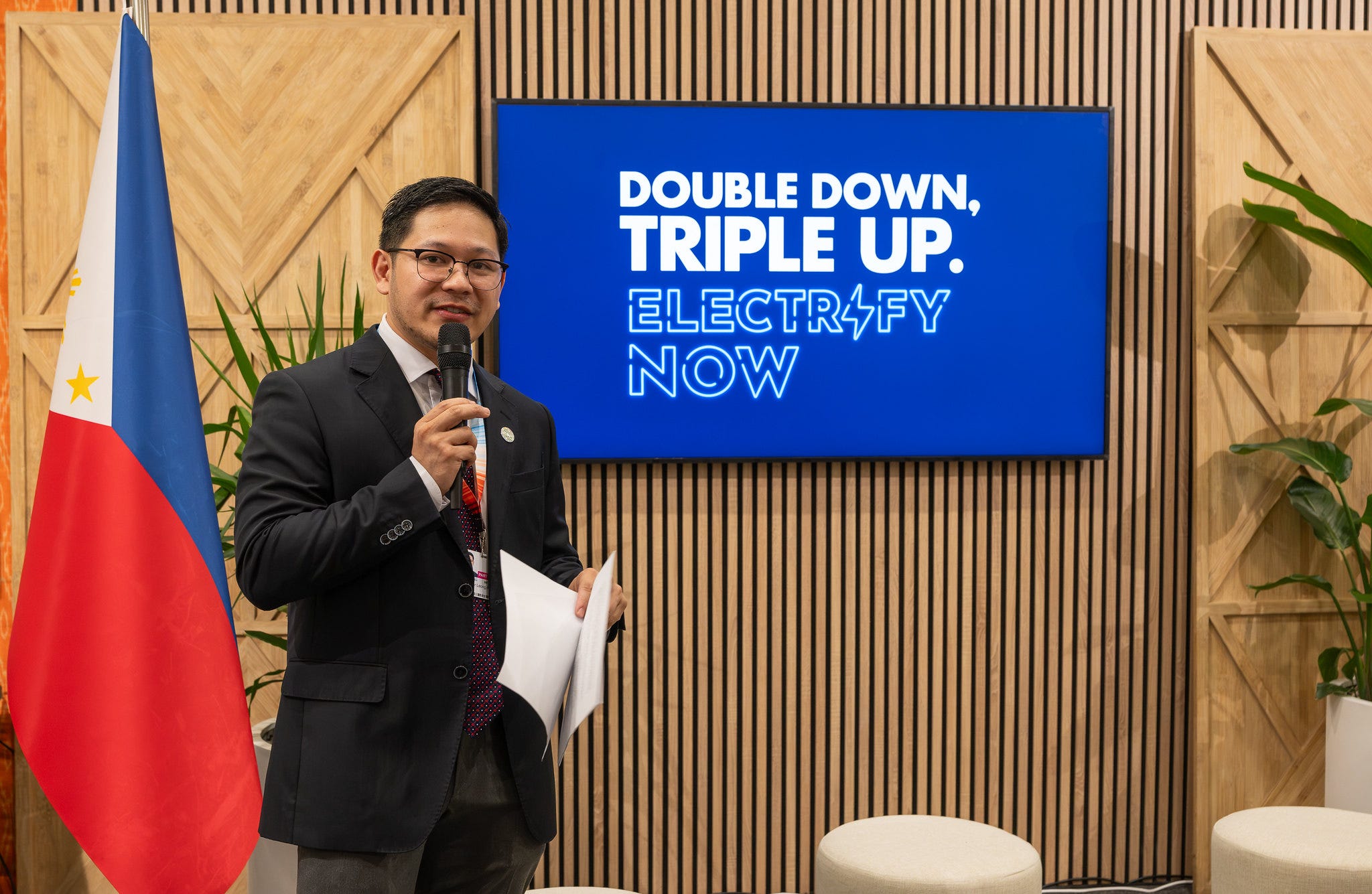
For the Global Renewables Alliance (GRA), the distinction between electrification and clean electrification is central to the region’s energy transition.
“The 35-by-35 ambition is not about every country reaching the same target, but about accelerating a global shift towards electricity as a cleaner, more secure and affordable source of energy. For Southeast Asia, this means reducing exposure to volatile fossil fuel markets while meeting rapidly growing demand from transport, industry, cooling and emerging technology.” Rexor Amancio, GRA’s Regional Lead for Asia-Pacific.
He added that the ambition must be accompanied by renewable-energy expansion, modern and interconnected grids, and energy storage. Predictable policy and regulatory frameworks will also be needed to unlock private investment.
Ultimately, he said, the success of 35-by-35 will be measured by how fast countries turn commitments into reliable, affordable and renewable-powered electricity.
🏗️ The Implementation Challenge: Grids, Storage and Regional Connectivity
Expanding renewable-energy capacity is only one part of the transition. Electricity systems also need the infrastructure to connect new power sources to consumers and manage fluctuations in supply.
Solar and wind projects require adequate transmission and distribution networks, while battery storage and other flexibility measures can help balance electricity supply and demand. Without these investments, renewable-energy projects may face delays in connecting to the grid, limiting their contribution to the wider power system.
The IEA’s Southeast Asia Energy Outlook 2026 estimates that transmission and distribution networks will need to more than double in length by 2050. Investment in grids and storage must increase from around US$13 billion today to US$50 billion in 2050 to meet announced pledges. This includes an estimated US$27 billion by 2040 for planned cross-border interconnections under the ASEAN Power Grid.
The challenge is not limited to infrastructure. Businesses also see grid capacity and slow policy implementation as barriers to electrification.
A global business survey commissioned by GRA found that 72% of businesses believe government policies are moving too slowly on electrification. Meanwhile, 89% support electricity grid upgrades, while 54% identify insufficient grid capacity as a barrier to electrifying their operations. These findings reflect global business sentiment, not Southeast Asia-specific polling.
One regional response is the ASEAN Power Grid (APG), which aims to strengthen electricity connectivity and enable cross-border power trade.
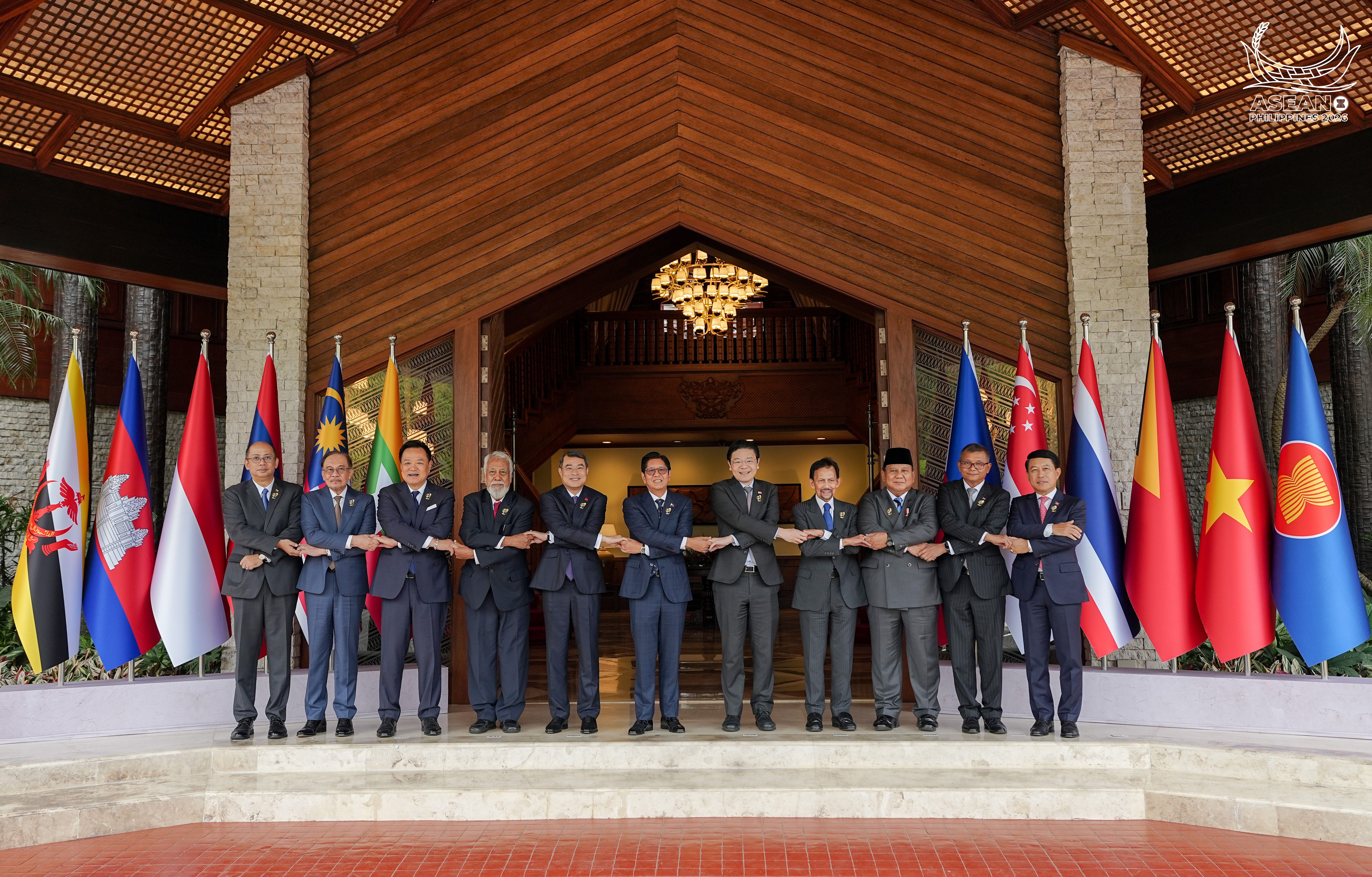
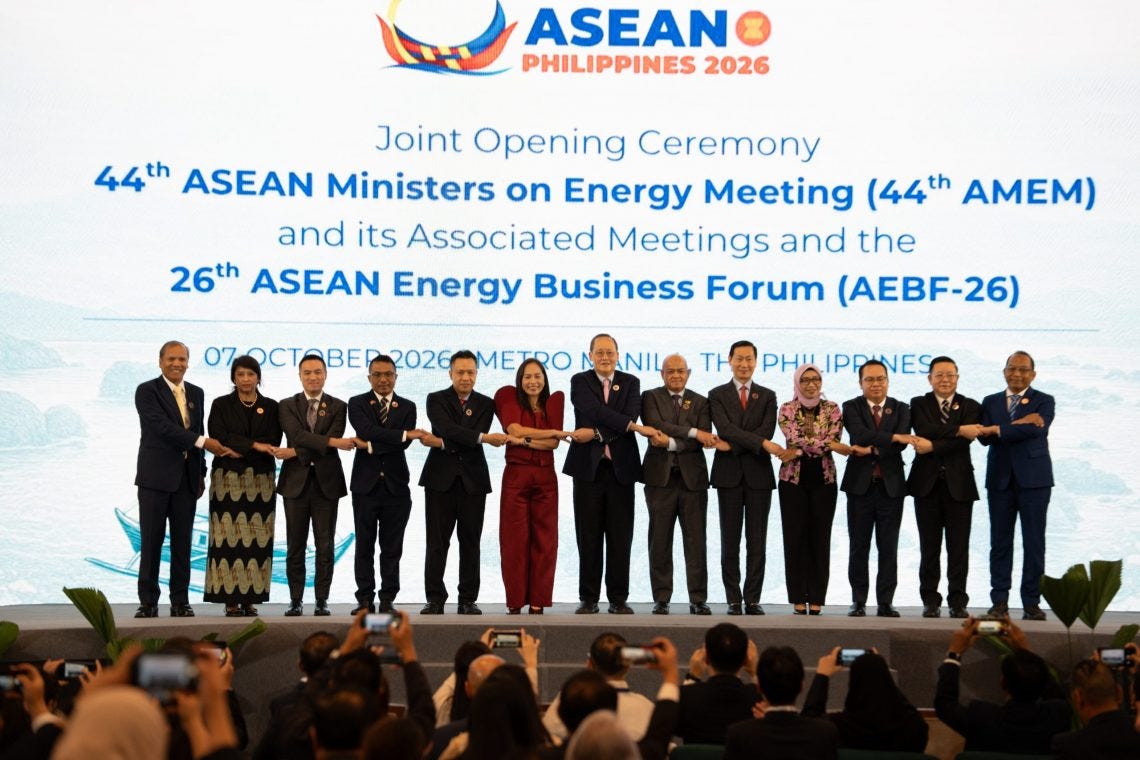
A significant step was taken on 15 November 2026, when all ASEAN member states completed the signing of the Enhanced Memorandum of Understanding on the APG at the 49th ASEAN Summit in Manila.
The agreement strengthens cooperation on infrastructure planning, institutional arrangements, policy and regulatory development, and access to financing. It also provides a framework for developing cross-border electricity trade, including overland transmission lines and subsea power cables.
The potential is significant. Cross-border interconnections could allow countries to share complementary energy resources, move renewable electricity from resource-rich areas to demand centres, and improve power-system resilience.
However, the agreement is a starting point rather than a completed regional grid. Turning it into operational infrastructure will require investment, technical coordination and regulatory frameworks that allow electricity to move across national borders.
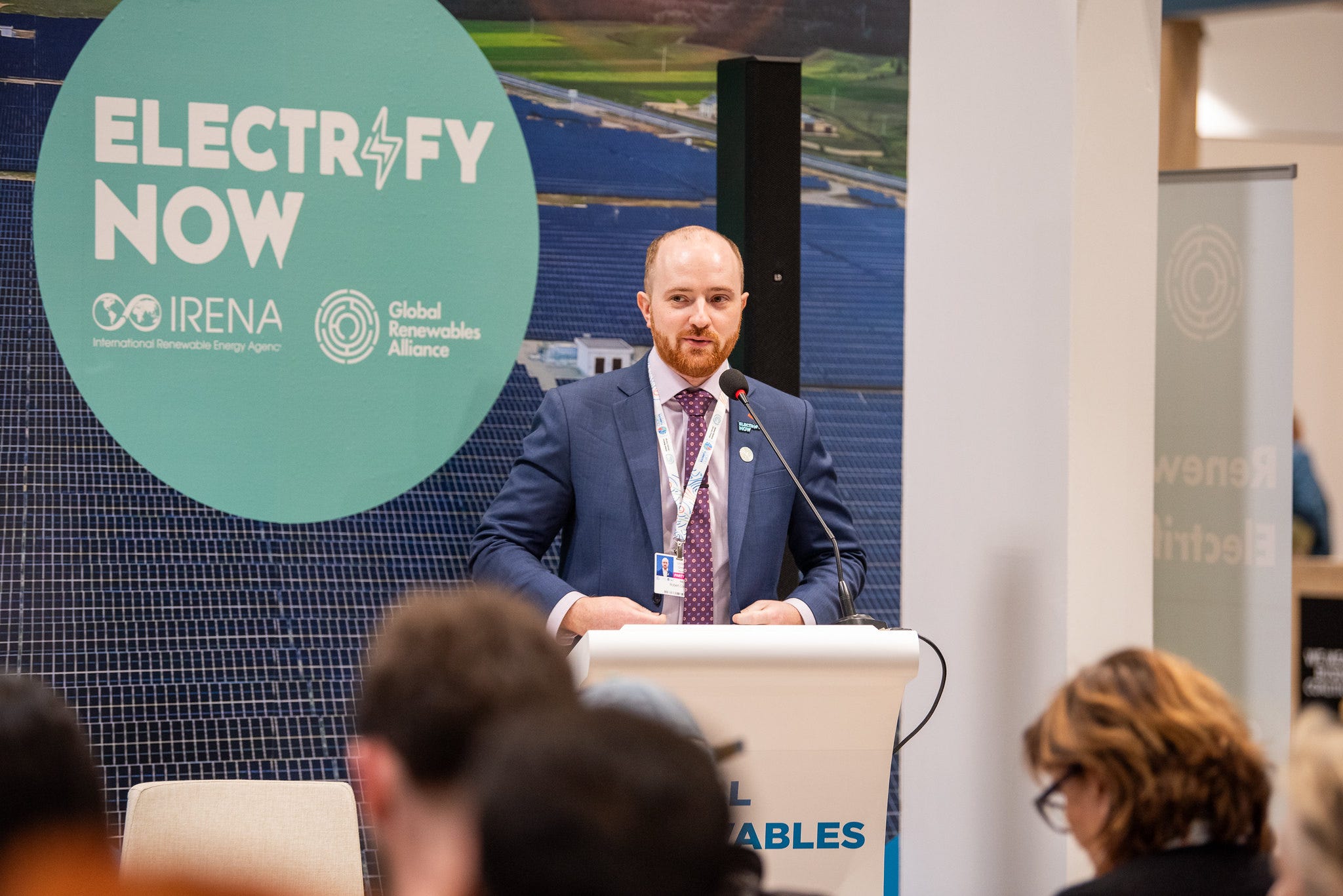
“Turning the ASEAN Power Grid into reality requires sustained political will and long-term vision. While it can be tempting to focus on short-term energy fixes, the real, lasting route to energy independence in Southeast Asia lies in sharing abundant, homegrown renewable energy across borders.” Robert Cooke, Grids and Electrification Advocacy Lead at GRA.
Cooke added that investors need visibility and certainty, supported by clear regulatory and market frameworks, to finance cross-border electricity projects.
💰 Who Will Finance the Transition?
At COP31, several financing initiatives were announced to help address this gap.
⚡ Electrify Now Finance Coalition
One is the Electrify Now Finance Coalition, launched on 10 November 2026. The initiative brings together governments, development banks and private finance groups to help developing countries build investable project pipelines, reduce investment risks and address regulatory barriers. It is designed to operate through COP33 in 2028.
💰 Climate Investment Funds: Mobilizing US$1.2 Billion
The Climate Investment Funds also announced US$94 million in catalytic financing under its AMPLIFi initiative, aiming to mobilize more than US$1.2 billion for clean electrification projects, including renewable power, grids and storage.
Private investment is also emerging.
☀️ Octopus Energy: US$600 Million Asia Electrification Fund
At COP31, Octopus Energy launched its US$600 million Asia Electrification Fund, which aims to mobilize institutional capital for renewable-energy projects across the region. The fund has received an initial US$50 million backing from Japanese investors.
Its first investment is in Manila-based Octali Energy Development, which is targeting 450 MW of solar capacity and 350 MWh of battery storage in the Philippines. The projects could generate enough electricity to supply more than 300,000 homes annually by 2030.
These announcements signal growing investor interest in Southeast Asia’s renewable-energy market. But the scale of the region’s infrastructure needs means that individual funds and financing initiatives will not be enough on their own.
🌏 Beyond ASEAN: What Regional Cooperation Can Offer
Southeast Asia is not the only region looking to strengthen energy security through renewable electricity and regional cooperation.
Across the Pacific, island countries have been developing a shared renewable-energy agenda, recognizing that energy security is closely linked to reducing dependence on imported fossil fuels.
One example is the Pacific Renewable Energy Investment Prospectus, which brings together renewable-energy projects across 14 countries. As of 11 November 2026, the prospectus listed 70 projects with a combined value of approximately US$2.3 billion. Around US$358 million was identified as seeking finance, while an estimated US$13.8 billion is needed over ten years to decarbonize Pacific electricity systems.
While the Pacific and Southeast Asia face different geographical and economic conditions, their experiences highlight a shared challenge: renewable-energy ambitions need coordinated planning, investment pipelines and infrastructure that can support regional energy systems.
For ASEAN, the Enhanced MoU on the Power Grid offers a framework to strengthen that cooperation. The next step is to translate it into projects that improve cross-border electricity trade and make better use of the region’s renewable resources.
🏁 The Bottom Line
Southeast Asia’s electrification push is gaining momentum, supported by global commitments, new financing initiatives and stronger regional cooperation.
But the transition cannot be measured by the growth of electricity consumption alone. If new demand continues to be met by coal and gas, electrification risks reinforcing the fossil-fuel dependence it is supposed to reduce.
The region needs to expand renewable generation while investing in transmission networks, battery storage and cross-border connections. Governments must also create stable regulatory frameworks and financing conditions that allow public and private capital to support these investments.
The 35-by-35 pledge sets a global direction. The Enhanced ASEAN Power Grid MoU provides a regional framework. The challenge now is implementation.
🔎 Need More Angles
Channel News Asia ASEAN Power Grid is an energy security necessity, experts say
The Southeast Asia Desk ASEAN 49th Summit: The missed deadline of the South China Sea code of conduct and Myanmar’s status
The Southeast Asia Desk Southeast Asia's climate-tech bottleneck: Inside Vietnam's 'Missing Middle' funding crisis
(NML/QOB)