



🎯 The Main Takeaway
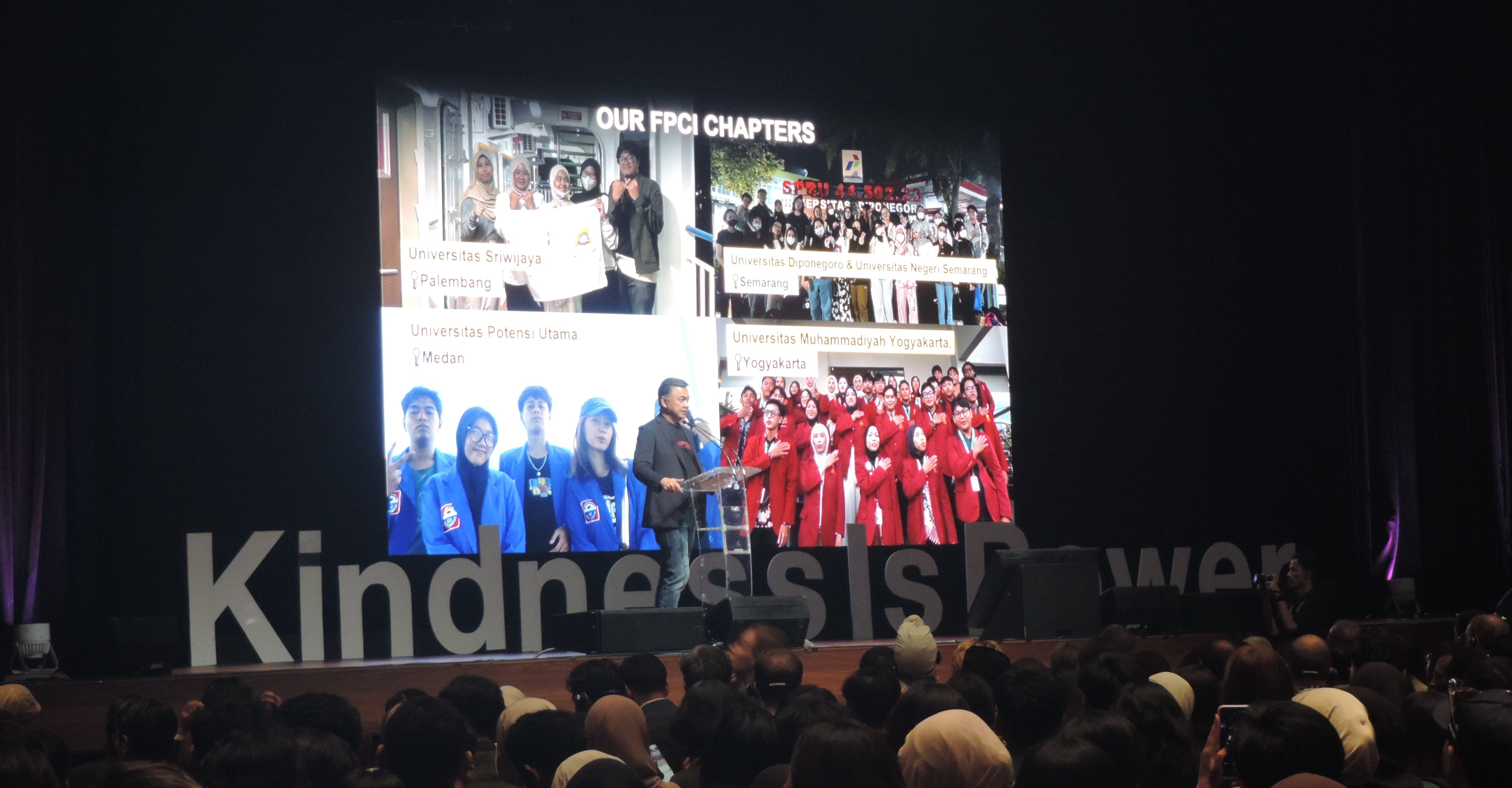
On 21 November 2026, the Foreign Policy Community of Indonesia held its 10th edition of the Conference on Indonesia Foreign Policy (CIFP) with the theme of “Independent and Active Foreign Policy: How to Keep Indonesia and the Next World Order Moving in the Right Direction”, which highlights the main focus of the discussions that followed.
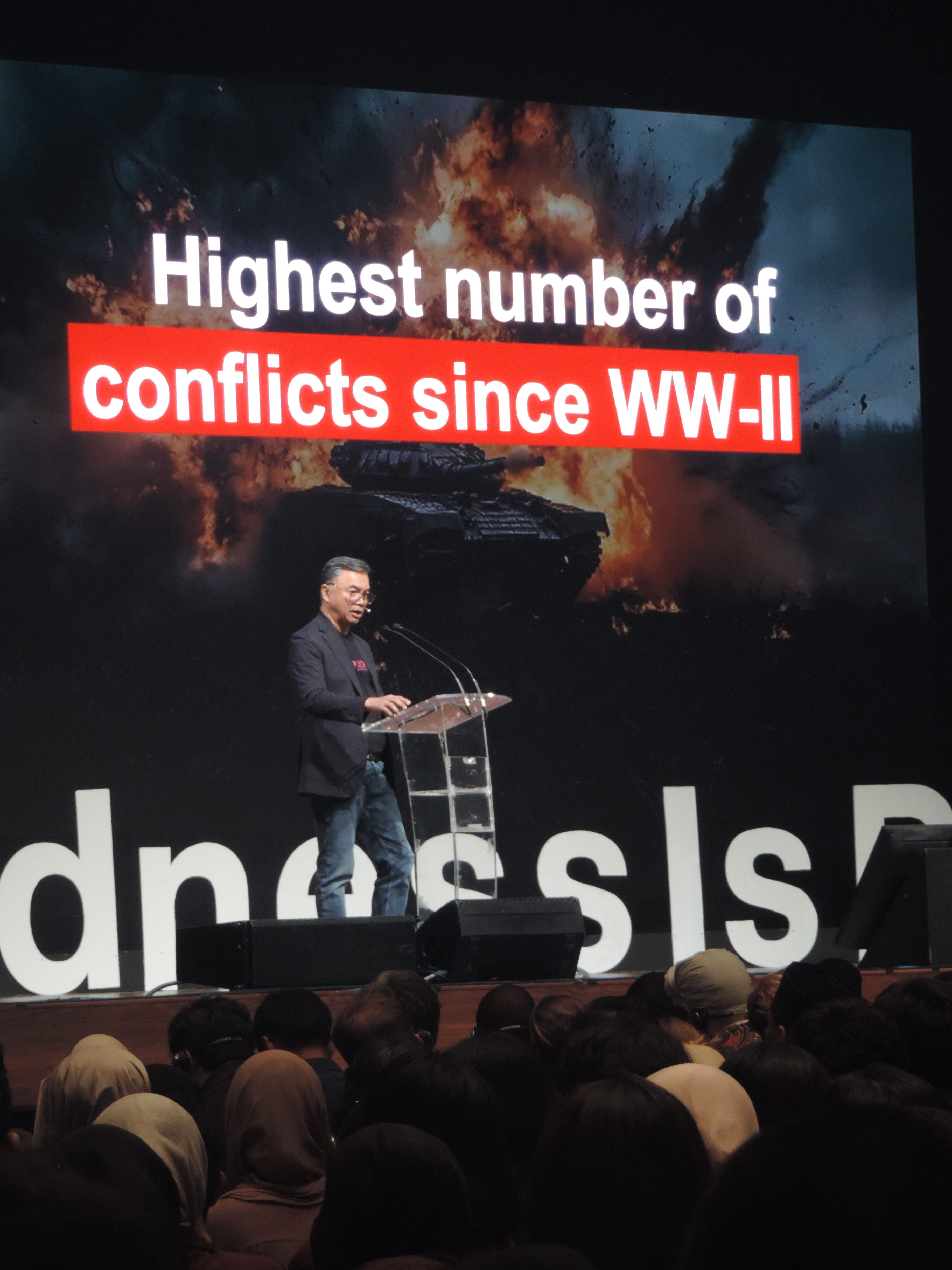
During the opening plenary, Dr Dino Patti Djalal, Founder and Chairman of FPCI, highlighted the importance of voicing opinions despite the current state of the world, which he views as going in the wrong direction, the issue of Artificial Intelligence (AI) and its lack of global governance, the current political state of the world, and how Indonesia should move forward.
⚠️ Why It’s Important
There are many signs that the world is currently heading in the wrong direction, including:
⚔️ Armed Conflicts: The number of armed conflicts has reached its highest level since World War II.
💸 Global Spending: With the rise of armed conflict, global military spending has climbed to a record $2.9 trillion, leaving development projects behind—including those under the Sustainable Development Goals (SDGs), where only 35% are on track.
🌡️ Global Warming & Civil Unrest: Scientists warn that exceeding the 1.5°C global warming threshold is now inevitable, with 107 significant public unrest events occurring across 57 countries in the past year.
With these factors and more, it becomes critical for Indonesia and the wider Southeast Asia region to organize ourselves and find our footing in the current world so we do not set sail in the wrong direction.
⚖️ What’s at Stake?
Beyond external turbulence, Dino emphasized that Indonesia's greatest historical test is ensuring it does not drift off course domestically while the wider world loses its bearings.
He highlighted two critical fronts where clarity and resolve are urgently needed:
🏛️ Indonesia’s "Inner Battle": A fierce domestic contestation between democratic values, ethics, transparency, and the rule of law on one side, and anti-criticism politics, abuse of power, and a win-at-all-costs mentality on the other—a struggle playing out inside the government, parliament, political parties, bureaucracy, civil society, and even within national leaders themselves.
🧭 Operationalizing Bebas Aktif: Moving beyond slogans to answer fundamental strategic questions about what Indonesia wants to build, fix, and champion, who its partners should be, and what concrete vision it brings to the Next World Order.
🧭 Geopolitics and Fracturing Global Order
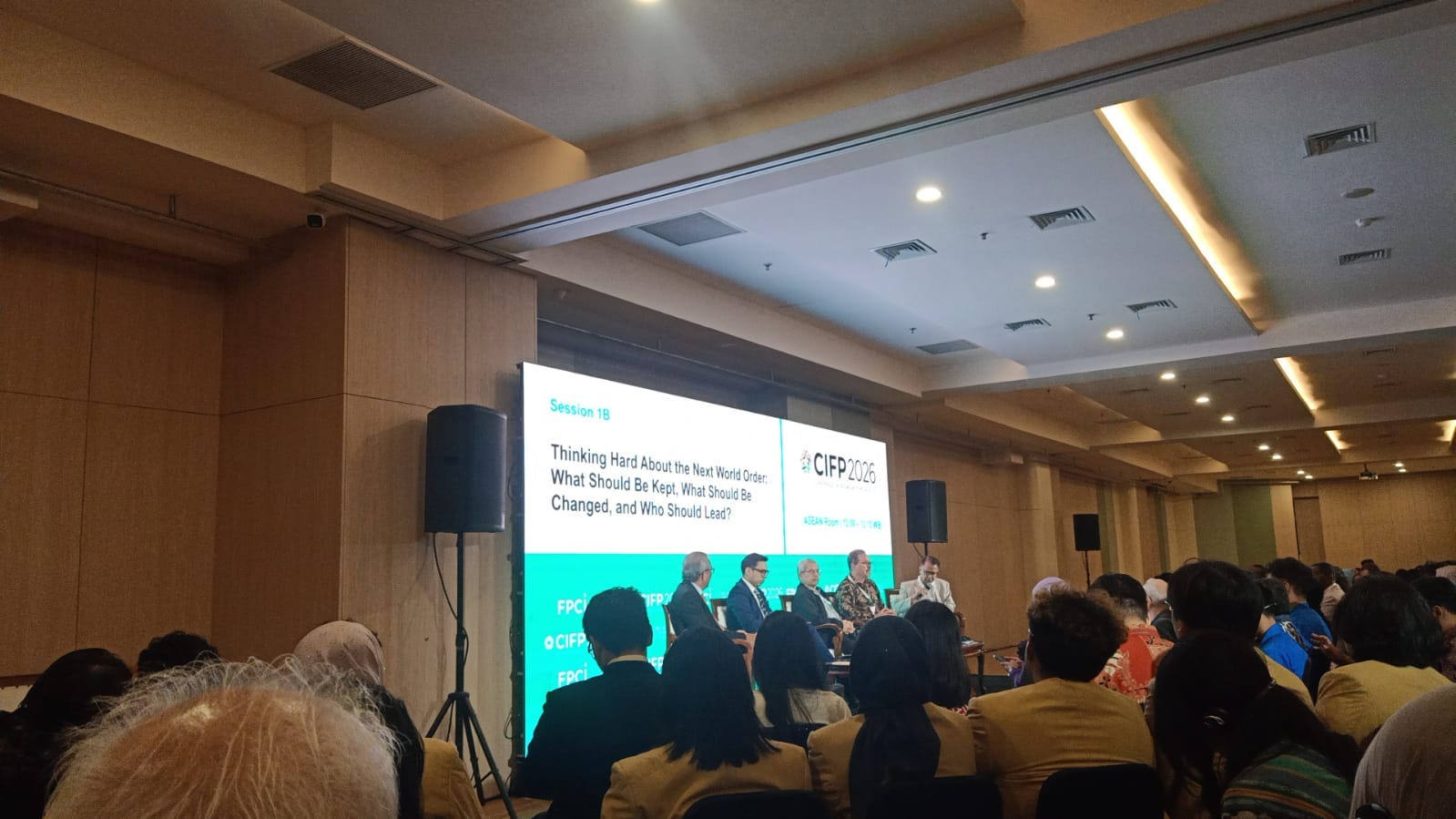
Fracturing Order, Groupilateralism, and Regional Multipolarism: The world is shifting away from universal multilateralism and the post-war model toward competing blocs, unilateralism, and “groupilateralism” (coalitions led by major powers). Amid this shift, regional multipolarism and international hedging offer realistic paths for middle powers to nudge major powers and avoid performative summitry.
“Bandung 2.0” and Moving from Bebas to Aktif: Realizing “Bandung 2.0” requires like-minded middle powers from both the Global North and Global South to bridge global divides and reformulate international cooperation. Achieving this means moving past a defensive use of the bebas (independent) pillar in Indonesia’s bebas-aktif (free and active) foreign policy doctrine and leaning more into the aktif (active) pillar.
Institutional Relevance and Association of Southeast Asian Nations (ASEAN) Mediation: The credibility of international institutions still rests on their capacity to solve crises and uphold shared rules and norms. Meanwhile, the Association of Southeast Asian Nations (ASEAN) and middle powers can act as steady net exporters of stability and impartial mediators without relying solely on blocs like Brazil, Russia, India, China, and South Africa (BRICS).
Strategic Autonomy and National Resilience: Speakers advocated avoiding exclusive bloc lock-in by engaging across multiple frameworks—including the Association of Southeast Asian Nations (ASEAN), the Regional Comprehensive Economic Partnership (RCEP), the Comprehensive and Progressive Agreement for Trans-Pacific Partnership (CPTPP), Brazil, Russia, India, China, and South Africa (BRICS), and the Organisation for Economic Co-operation and Development (OECD)—while placing strong emphasis on strengthening national resilience through global agreements.
“Even though it is relevant, we cannot have self-compliance by saying that it is our historical responsibility. (…) Our job is how to reflect those principles. Those values in our diplomatic undertaking. And more important, to reflect those principles into the Indonesian foreign policy. Historical responsibility should be coupled with moral responsibility.” - Ambassador Darmansjah Djumala, Member of the Expert Council of the Agency for Pancasila Ideology Development (BPIP)
🤖 Artificial Intelligence (AI), Technology, and Competition
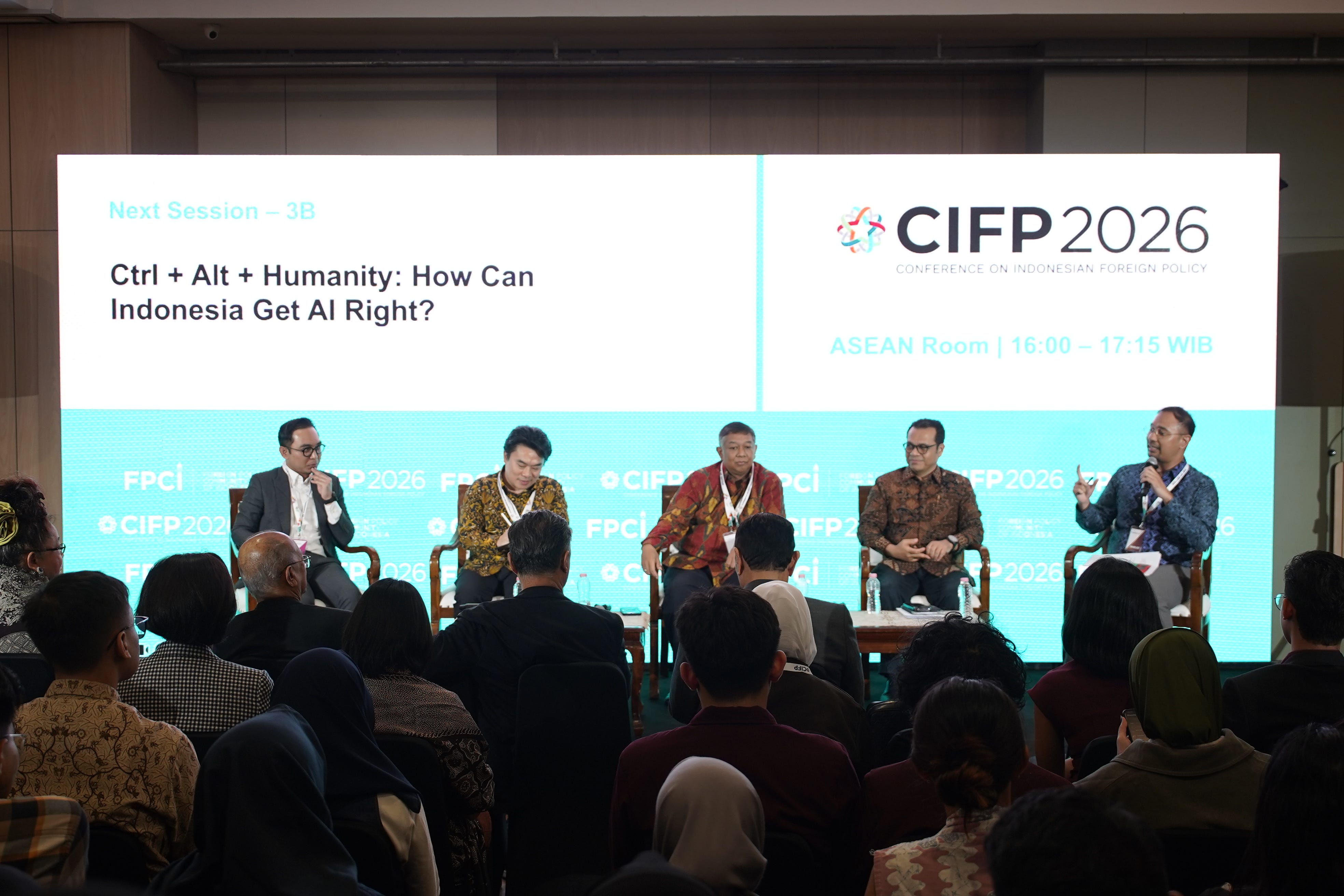
High Adoption and Weak Infrastructure: Data indicates that 54% of Indonesia’s working-age population uses generative Artificial Intelligence (AI), and 80% of digital users interact with Artificial Intelligence (AI) daily—the highest rate in Southeast Asia. However, essential supply-side pillars—such as Science, Technology, Engineering, and Mathematics (STEM) talent, computing infrastructure, data accuracy, safety, and local technology companies—remain the weakest links.
Dual-Use Risks and Governance: While 96% of daily generative Artificial Intelligence (AI) users in a 2025 PricewaterhouseCoopers (PwC) survey reported productivity gains, rising global Artificial Intelligence (AI) incidents—documented by the Stanford Institute for Human-Centered Artificial Intelligence (Stanford HAI) as increasing from 233 in 2024 to 362 in 2025—underscore the urgent need for cybersecurity, privacy safeguards, Artificial Intelligence (AI) governance, and critical human oversight.
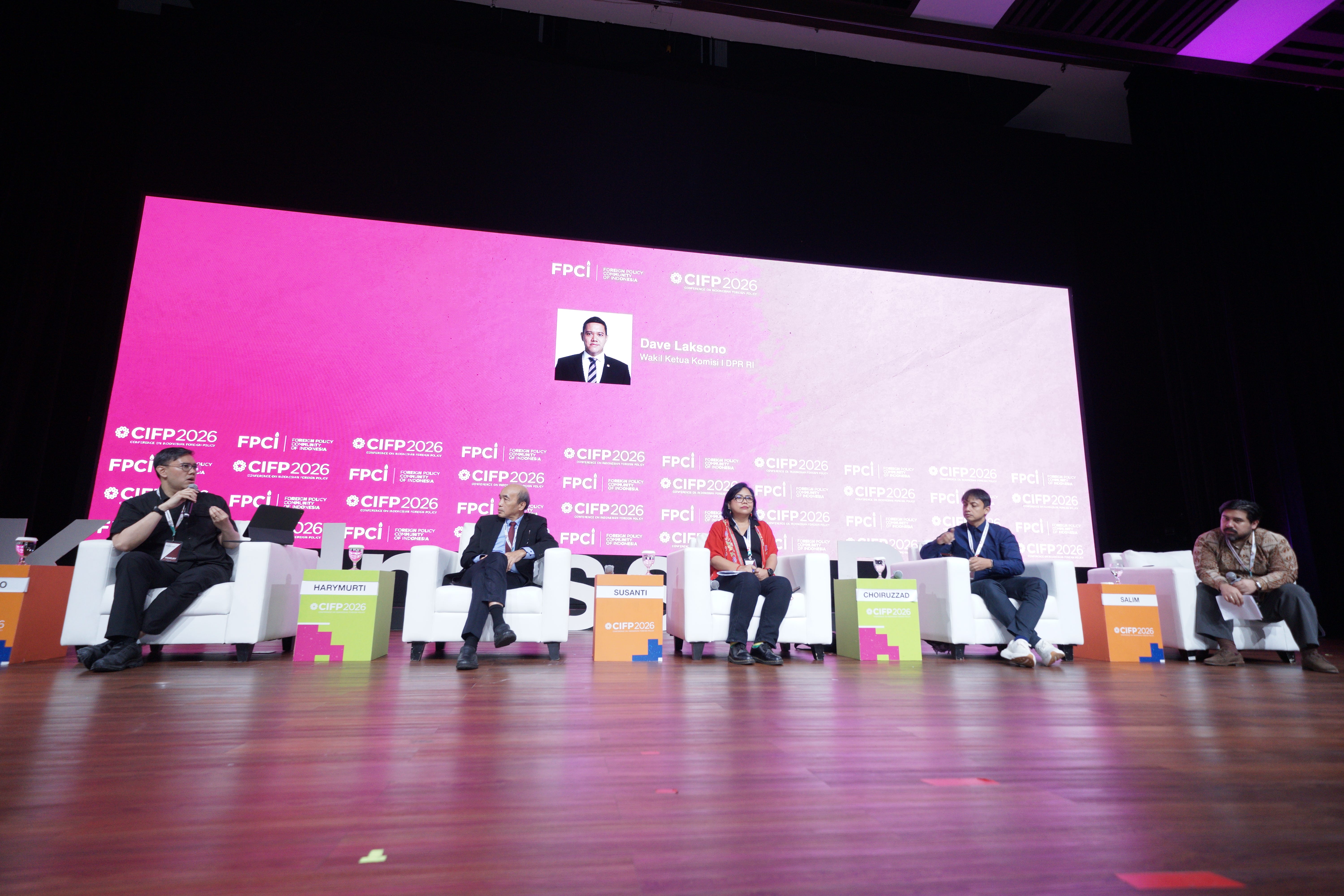
🗣️ Democracy, Public Discourse, and Information Integrity
Combating “Buzzers” and Manipulation: Coordinated “buzzer” (paid social media troll/influencer) campaigns engineered to provoke outrage, drive engagement, and steer public opinion pose a serious threat to democracy. Key recommendations include withholding engagement from provocations, backing credible journalistic outlets, and practicing citizen solidarity (#WargaJagaWarga) to support critical citizens facing pressure.
Deconstructing “Antek-Antek Asing” Labeling: Popularized in recent speeches by Indonesian President Prabowo Subianto, the phrase “antek-antek asing” (foreign stooges) is a politically constructed label used to create an “us versus them” divide and discredit dissent, distracting from the substantive issues behind public criticism.
Self-Correcting Democracy: Anies Baswedan and Professor Gordon Flake emphasized that neutral institutions, separation of powers, free media, and concrete socioeconomic delivery—such as job creation and poverty reduction—are essential to sustaining public trust in the government
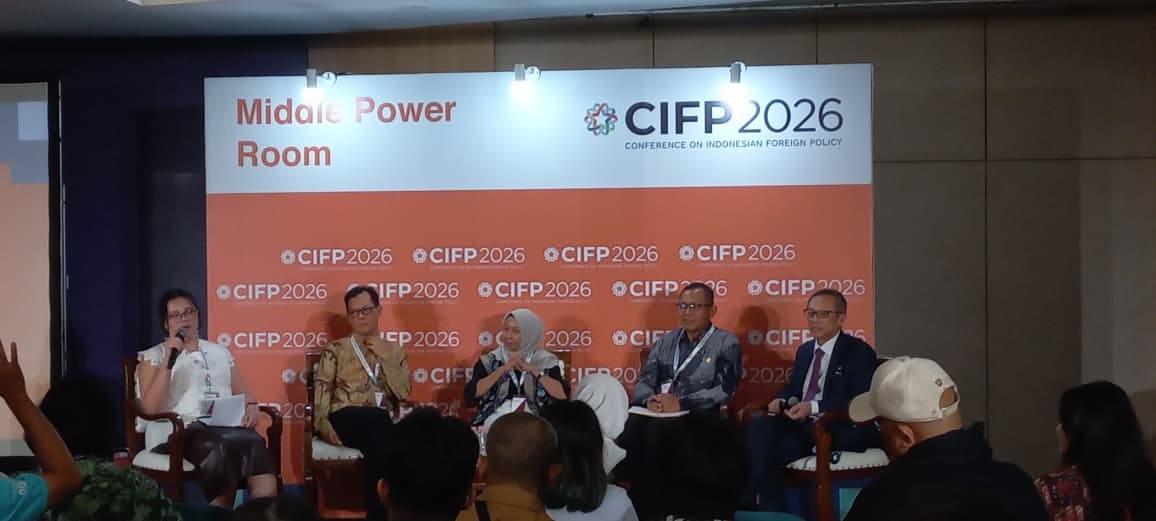
🌫️ Climate Crisis, Environment, and Regional Ecological Cooperation
Recurring Haze Despite Technical Measures: Despite law enforcement, peatland restoration, aerial firefighting, and weather modification—alongside the 2002 Association of Southeast Asian Nations (ASEAN) Agreement on Transboundary Haze Pollution (AATHP), ratified by Indonesia in 2014—severe fires have recurred, pointing to unresolved pre-dry-season root causes and national-level bottlenecks.
International Aid Bottleneck and Accountability: Speakers highlighted that Indonesia’s reluctance to declare a national emergency status keeps firefighting assistance offered by neighboring countries “in limbo,” raising serious questions about government accountability.
Broader Climate Risks: Sessions also flagged rising sea levels, extreme flood-and-drought swings, challenges in keeping global warming within 1.5 degrees Celsius (°C), and global unpreparedness for a “Super El Niño”.
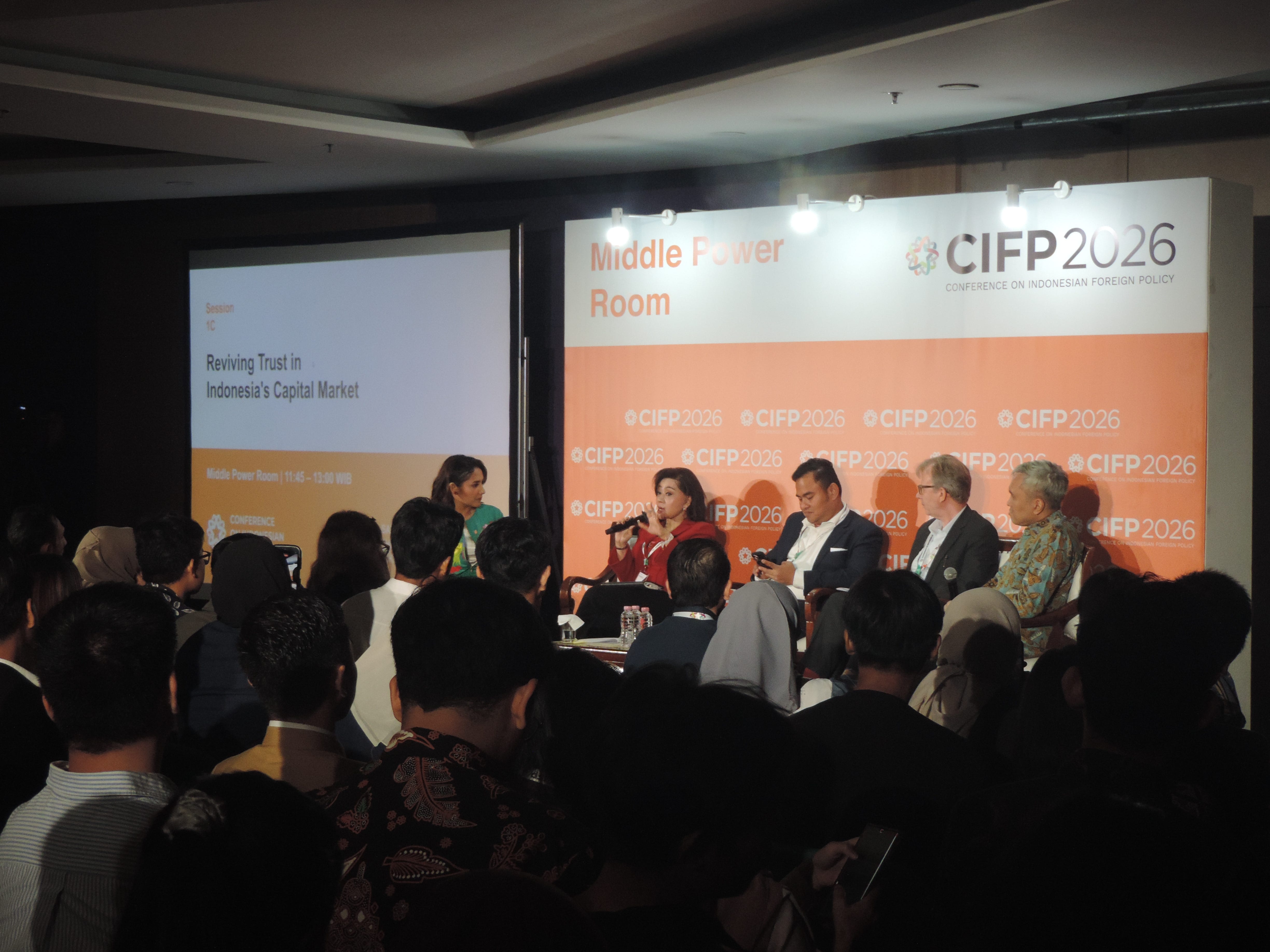
📊 Evaluation of Indonesia's Prabowo Administration Foreign Policy Governance
Diplomatic Flurry vs. Real Implementation: President Prabowo Subianto has conducted 55 foreign visits and pursued high-profile headline initiatives. However, panelists noted that many of Indonesia’s 25 Free Trade Agreements (FTAs) and over 37 economic partnership agreements still lack concrete implementation.
Defense-First and Great-Power Focus: Defense procurement and Minimum Essential Force (MEF) priorities are viewed as a logical extension of Prabowo’s background as Minister of Defense, though panelists noted they could be better embedded into broader diplomacy—especially given the administration’s focus on direct engagement with great powers.
Personalization and Domestic Foundations: Speakers argued that “foreign policy begins at home” and warned against over-personalizing diplomacy around a single leader’s rigid worldview without proper institutionalization or expert consultation, which risks producing colliding policies.
🌏 The Future World Order
For Southeast Asia and the wider Indo-Pacific, the shifts discussed at CIFP 2026 carry immediate, high-stakes consequences beyond Jakarta:
Preventing ASEAN Marginalization & Strategic Drift: As global politics fractures into great-power “groupilateralism” and unilateral deals, ASEAN risks being sidelined or viewed as “too small” if it fails to move past performative summitry and establish itself as an agile, impartial mediator.
Avoiding Exclusive Bloc Lock-In: Caught amid intensifying US–China competition over trade, critical minerals, and technological choke points, Southeast Asian nations face growing pressure to pick sides—making regional multipolarism, international hedging, and engagement across overlapping frameworks (ASEAN, RCEP, CPTPP, BRICS, and OECD) vital to preserving regional autonomy.
Shared Vulnerability to Transboundary & Digital Threats: Neither climate crises—such as recurring transboundary haze and an incoming “Super El Niño”—nor unregulated AI-driven disinformation and cyber threats respect national borders. Without real-time regional data sharing, institutional accountability, and coordinated governance, Southeast Asia risks remaining a passive consumer of external technologies and bearing the brunt of unmitigated environmental and security shocks.
📌 The Bottom Line
Indonesia and Southeast Asia stand at a decisive inflection point: in a world drifting toward power politics, transactional diplomacy, and record conflict, passive neutrality is no longer enough.
To keep the Next World Order moving in the right direction, Indonesia must move beyond headline-grabbing diplomacy and operationalize its bebas-aktif doctrine—matching its global ambitions with real policy implementation, domestic democratic integrity, technological readiness, and active middle-power leadership across the region.
(DEV/JUN/FRED/MHS)