



🎯 The Main Takeaway
Coffee is no longer just a daily drink—it has grown into a lifestyle that brings people together.
From neighborhood cafés to global coffee chains, these spaces have become social hubs where conversations flow, ideas are exchanged, and communities connect.
Beyond its role as a beverage, coffee offers people a moment to pause, reflect, and enjoy everyday life—making it an essential part of how people interact and build connections today.
📡 Why It’s On Our Radar?
Global coffee demand has shown steady resilience, remaining above 160 million 60-kg bags over the past five years despite fluctuations.
According to the International Coffee Organization (ICO), coffee consumption rose by 1.4%, from 172.58 million 60-kg bags in the 2023/2024 season to 175.07 million 60-kg bags in the 2024/2025 season.
Looking ahead, demand is expected to climb further to around 180.2 million 60-kg bags next season, signaling continued growth across global markets.
📈 On the Other Side…
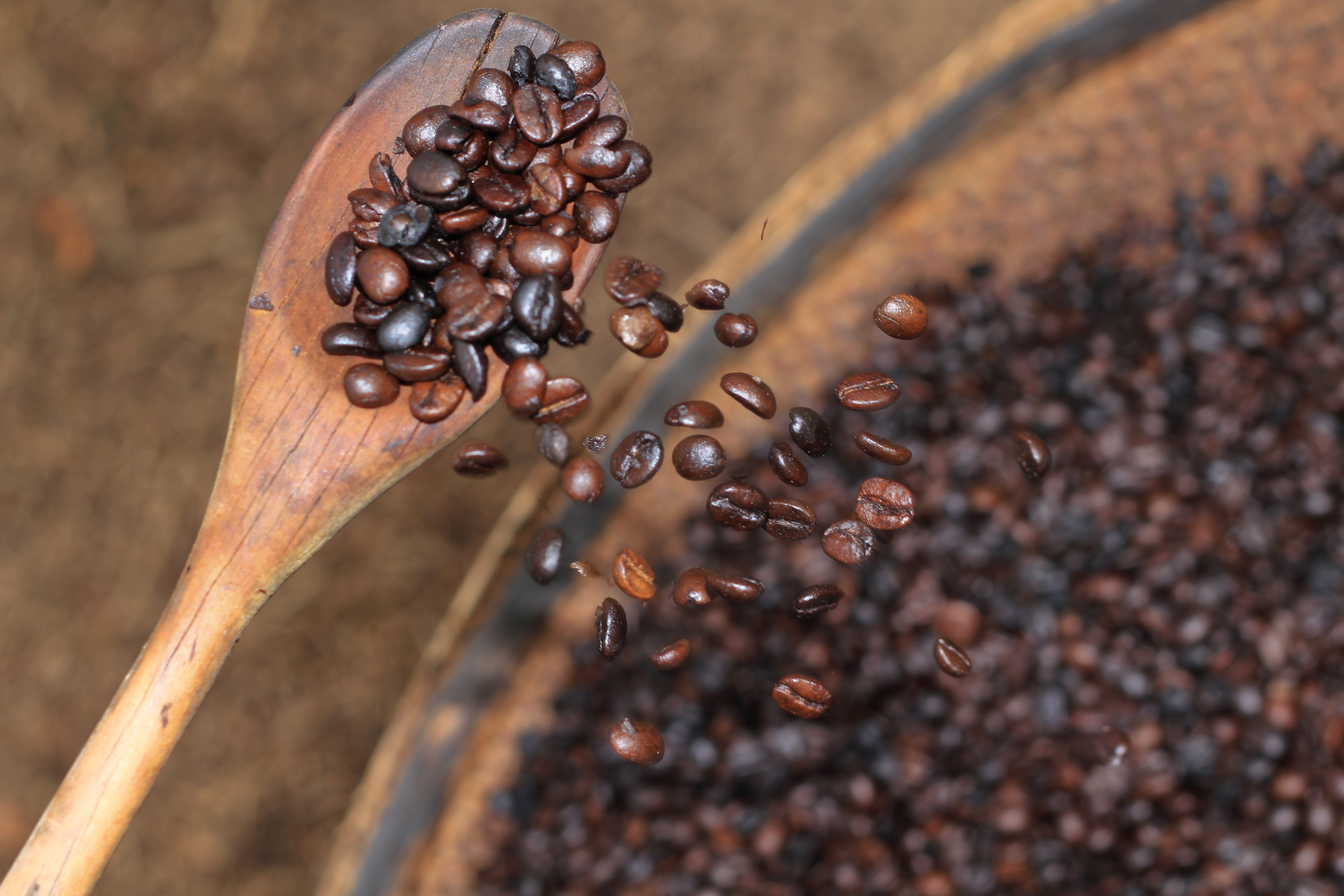
Global coffee production continues to rise, reflecting steady growth in the sector. Data from the United States Department of Agriculture (USDA) shows output has increased by around 1% annually over the past decade, with average production reaching 169.53 million 60-kg bags.
In 2025, production climbed 2% to 178.85 million 60-kg bags, up from 175.32 million 60-kg bags in 2024.
🇧🇷 Brazil remained the world’s top producer with 63 million 60-kg bags, followed by 🇻🇳 Vietnam at 30.8 million 60-kg bags. 🇨🇴 Colombia produced 13.8 million 60-kg bags, while 🇮🇩 Indonesia and 🇪🇹 Ethiopia contributed 12.45 million 60-kg bags and 11.56 million 60-kg bags, respectively.
Combined, these five countries accounted for 73.58% of global coffee production, underscoring their key role in supplying the world’s coffee market.
📦 As a Result…
The global coffee trade remains active, as many countries rely on imports to meet rising demand.
According to the United States Department of Agriculture (USDA), coffee exports reached 150.09 million 60-kg bags in 2025, up 1.8% from 147.37 million 60-kg bags in the previous year.

🏡 Why This Hits Home?
Southeast Asia continues to play an important role in the global coffee trade, led by 🇻🇳 Vietnam and 🇮🇩 Indonesia, which rank among the world’s top producers and exporters.
Together, the two countries produced 43.25 million 60-kg bags last year—accounting for about 24% of global output—and exported roughly 36.77 million 60-kg bags, or 24.5% of global shipments.
On the demand side, 🇵🇭 the Philippines stood out as Southeast Asia’s largest importer, bringing in 6.3 million 60-kg bags over the past year.
☕ Coffee Market in Southeast Asia
Southeast Asia’s coffee market continues to grow steadily, supported by rising demand and expanding digital platforms. According to Momentum Works, the region’s market value reached USD 4.1 billion in 2025, up 20% from 2023.
🇮🇩 Indonesia leads the region with a market value of USD 1.04 billion, driven by its large population and the rapid expansion of modern coffee chains.
🇹🇭 Thailand follows closely at USD 0.94 billion, while 🇻🇳 Vietnam records USD 0.73 billion. 🇵🇭 The Philippines, 🇲🇾 Malaysia, and 🇸🇬 Singapore also show steady growth, with market values of USD 0.54 billion, USD 0.49 billion, and USD 0.33 billion, respectively.
💰 Why Indonesia Leads the Regional Coffee Market?
Several factors have helped Indonesia’s coffee market gain popularity:
📈 Economic stability: Economic growth has remained consistently stable at around 5% over the past three years.
🧑🤝🧑 Large population: The population exceeded 280 million in 2025.
🌱 Extensive plantations: More than 1.2 million hectares of coffee plantations are spread across the country, among the largest in the world.
📦 High production: Ranked fourth globally, production reached 12.45 million 60-kg bags in 2025, ensuring a strong supply for the coffee industry.
🌿 Diverse varieties: Although mainly Robusta and Arabica, each region produces distinct characteristics due to differences in soil, altitude, and processing.
🤝 Strong demand: The USDA predicts Indonesia’s coffee consumption will reach 4.8 million 60-kg bags in the 2025/2026 period.
☕ Many coffee shops: There are 461,991 coffee shops across the country, the highest in the world.
🏪 The Sample
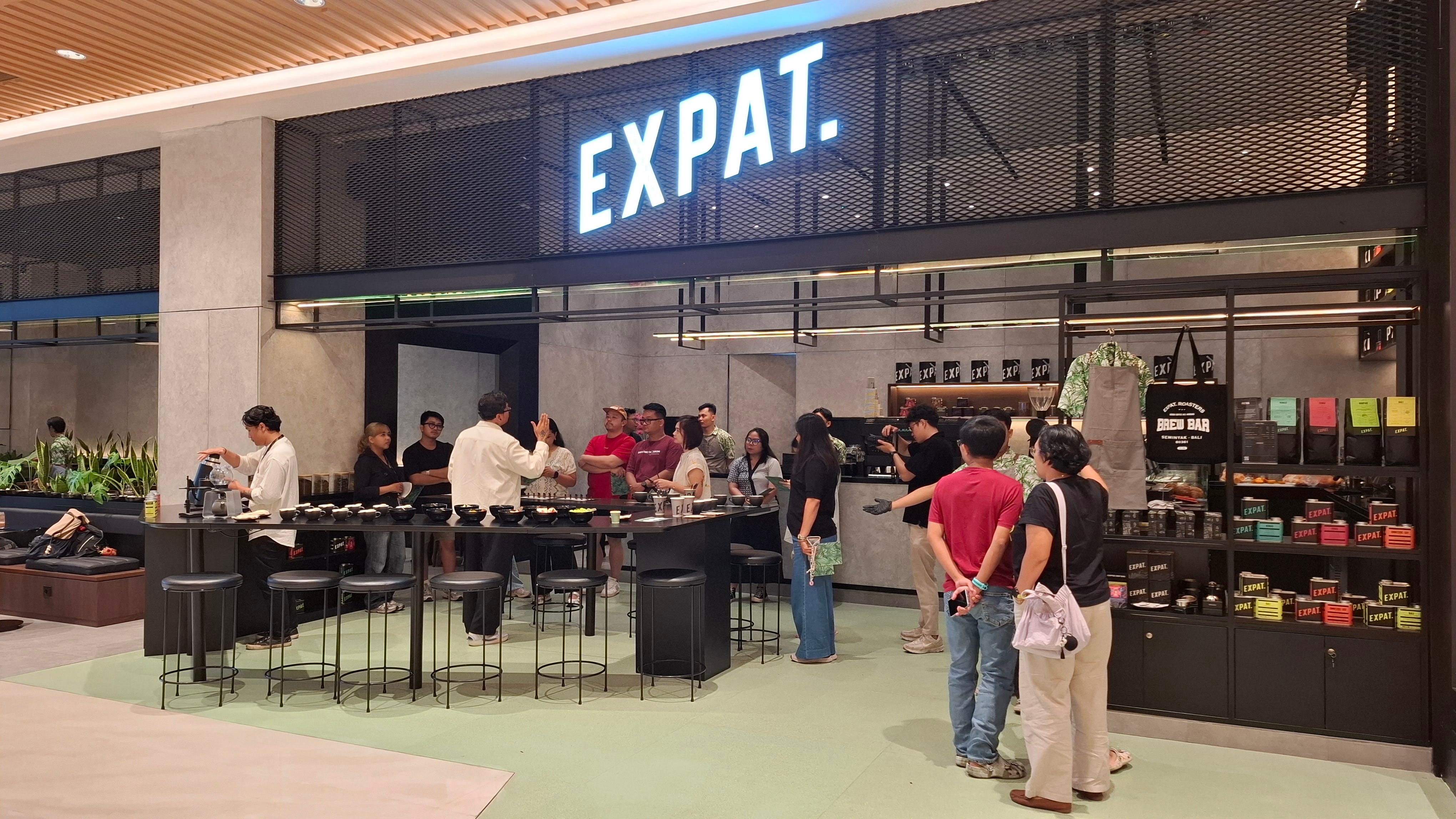
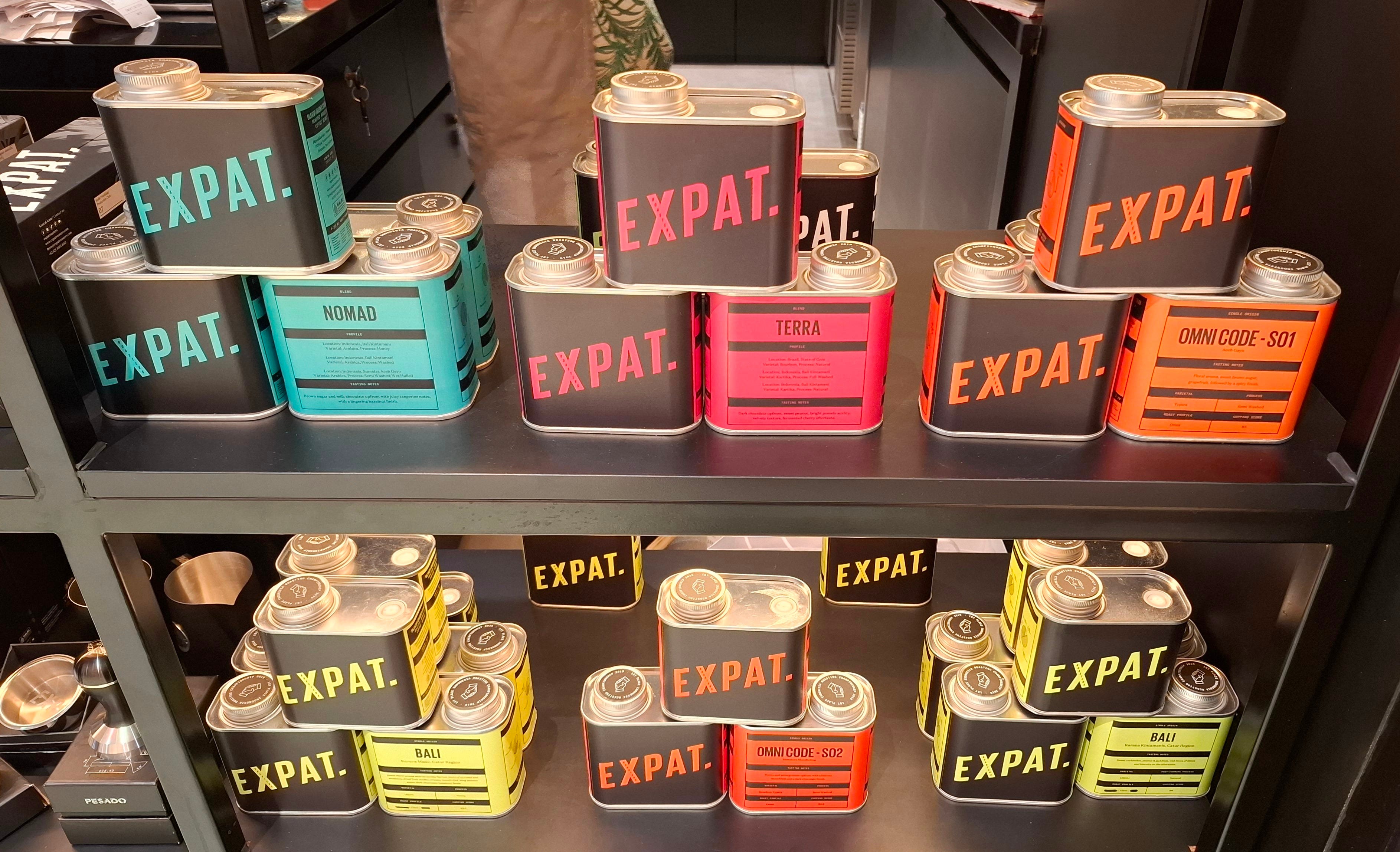
One of the coffee shops that has established its presence in Indonesia is Expat. Roasters, founded in 2016 in Bali.
The brand is committed to delivering high-quality locally sourced coffee beans to both domestic and international customers, with international service standards and experience.
Moreover, the brand consistently collaborates with local farmers and SMEs, and serves at least 12 locally produced coffees, including those from Aceh, Bali, East Java, Flores, Sulawesi, Sumatra, and West Java.
Currently, Expat. Roasters has 10 coffee shops in Indonesia, located in Bali, Bandung, Surabaya, Makassar, Jakarta, and its newest outlet in BSD, Tangerang.
🏙️ Why Choose BSD for a New Shop?
According to Expat. Roasters’ Founder and CEO, Shae Macnamara, BSD, offers several advantages for the business:
📍 Location: Close to Jakarta, and rapidly developing in infrastructure, culture, culinary scene, and lifestyle.
🚶 Better Environment: High foot traffic, with many people visiting the area for shopping, work, sports, or casual walks on both weekdays and weekends, especially in malls.
👦 Young Baristas: The area has many communities of young baristas eager to participate in the industry and grow together.
🌍 Wider Market: Expands the customer base beyond office workers and expatriates to include families and group visitors.
“First, BSD is growing very fast with strong foot traffic. Second, we want to be part of the community and families, as you can see many children everywhere, something you don’t usually see in the city. Third, Tangerang has a very engaged and passionate barista community, giving us access to baristas who want to learn and grow with us.”
Shae Macnamara, Expat. Roasters’ Founder and CEO.
🍽️ What They Offer?
The newest outlet offers several features for customers:
💡 Concept: A compact, modern, and aesthetic coffee store.
🛎️ Service: Warm and welcoming service from its staff, including table-side latte preparation.
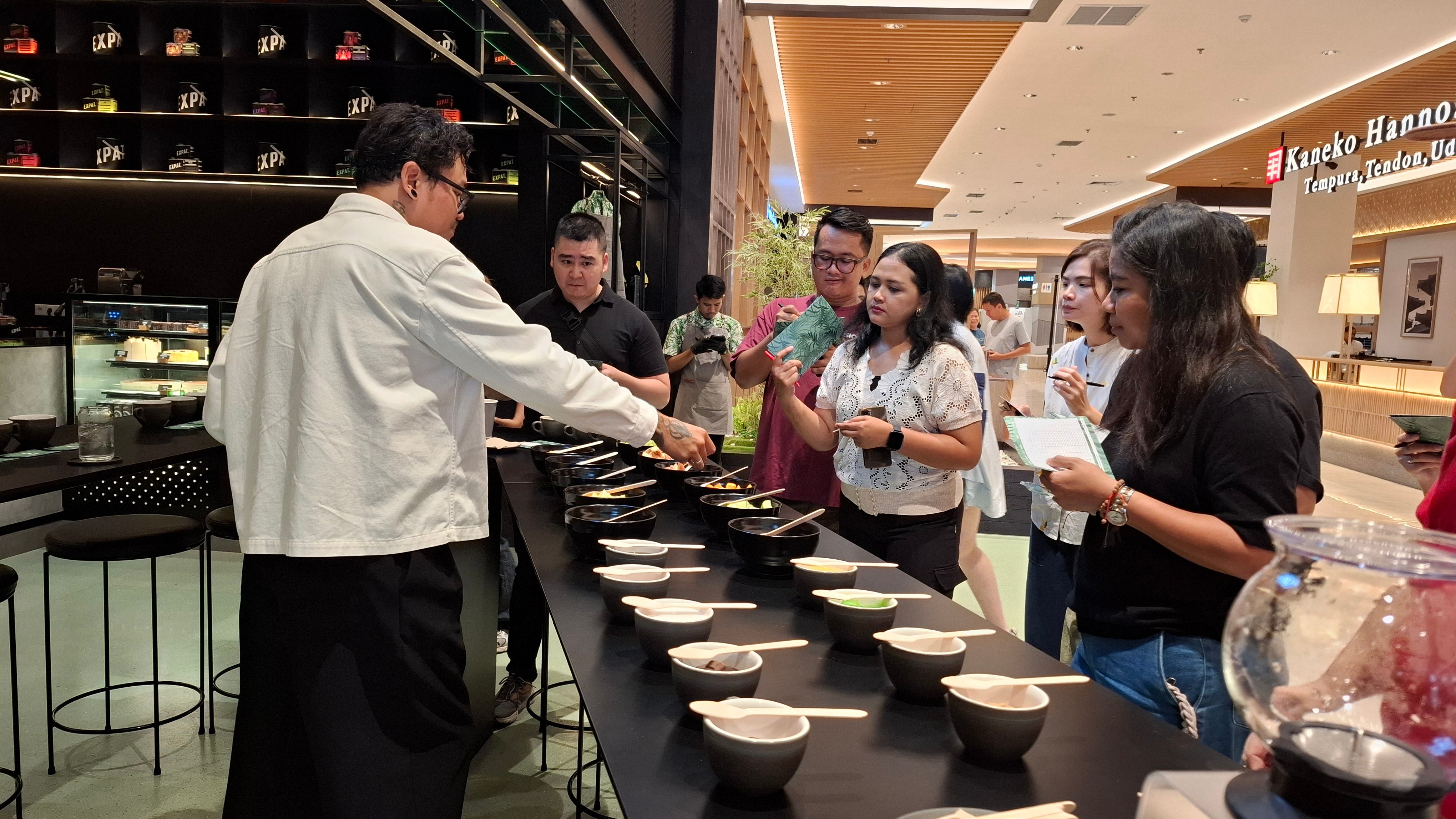
📚 Education: Customers can casually discuss and exchange knowledge about various aspects of coffee with baristas and coffee experts. One of them is through coffee sensory activities.
🎯 Target: To ensure customers can comfortably enjoy their coffee, connect with others, and build communities among coffee lovers that foster ideas, collaboration, and meaningful work.

👅 What is Coffee Sensory?
Coffee sensory is an activity performed by staff to curate coffee beans, identify their characteristics, and maintain the quality delivered to customers.
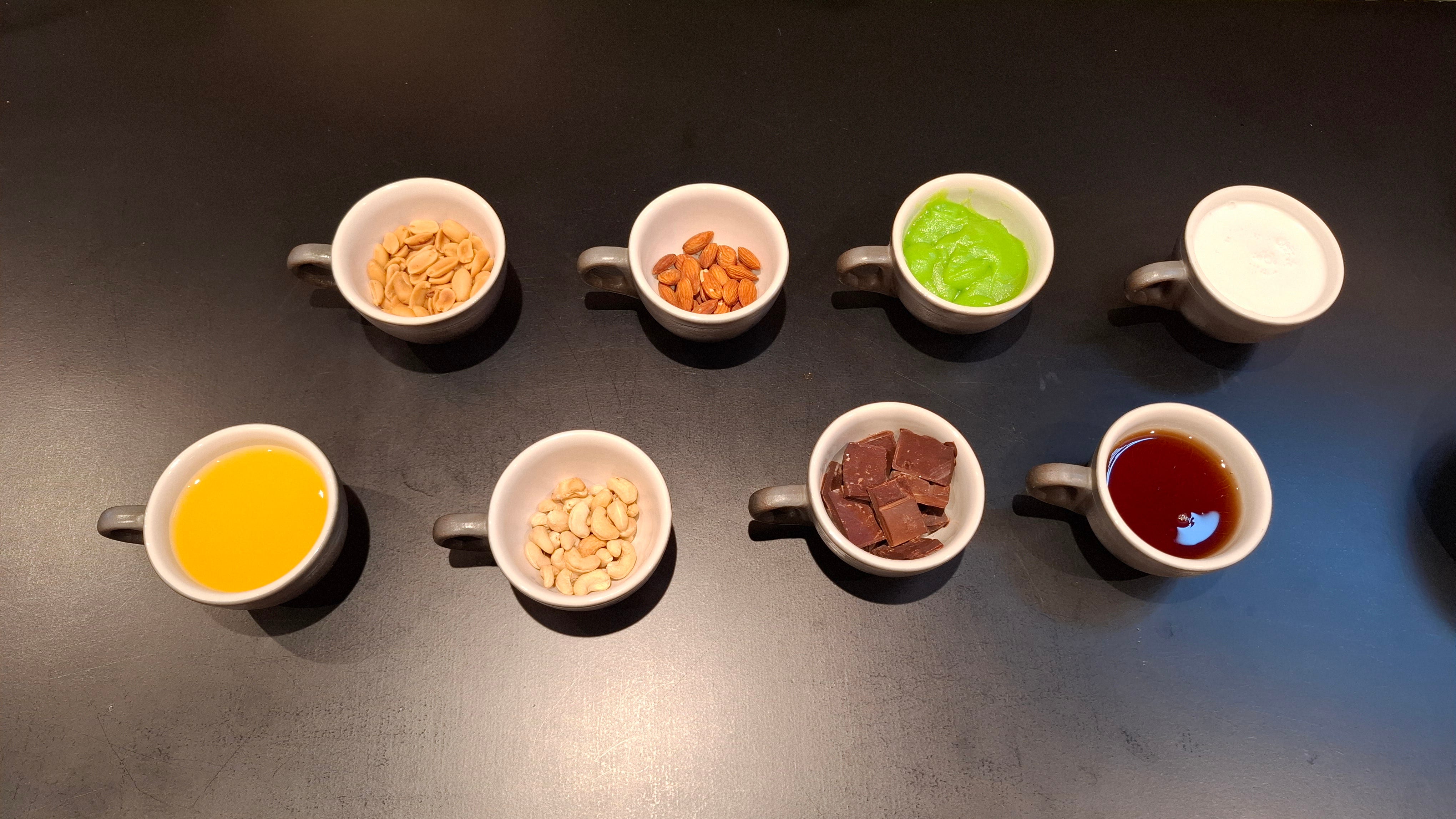
There are several procedures across five stations and over 50 ingredients to train your sensory palate based on aroma, body, sweetness, texture, and aftertaste. Customers can also join the activities by reservation.
🌸 Aroma training: 36 scents from flowers and fruits help you understand aroma.
👅 Taste training: Three types of water (sweet, sour, salty) and three coffees with different acidity levels help you understand body and sweetness.
🥜 Texture training: 15 foods, including fruits, chocolate, jams, and nuts, help you identify texture and aftertaste.
“Through this experience, we aim to bring the quality control (QC) process to customers, helping them understand the steps behind selecting coffee beans and creating transparency in every cup.”
Yande Wirawan, Brand Ambassador and Head of Training and Education at Expat. Roasters.
🔥 The Challenge
Although Expat. Roasters has successfully opened 10 outlets in Indonesia. There are several challenges that need to be addressed:
⚠️Consistency: Maintaining consistent quality standards across all outlets so customers experience the same atmosphere, passion, and service everywhere.
🚢Supply Chains: Landslides and floods in Aceh, North Sumatra, and West Sumatra in November 2025 affected farmers and coffee plantations, leading to higher coffee prices.
“We buy tons of coffee each week from Sumatra and the farming communities there. However, the farmers have been severely impacted, with around 50% of their farms destroyed. As a result, coffee prices have risen while accessibility has declined, making it difficult for us to source high-quality coffee from the region.”
Shae Macnamara, Expat. Roasters’ Founder and CEO.
📌 The Bottom Line
Coffee is no longer just a commodity—it is a fast-growing cultural and economic force.
As Southeast Asia, led by Indonesia and Vietnam, strengthens its role in global supply and consumption, the region’s coffee scene is thriving through innovation, community-building, and expanding markets—despite ongoing challenges in supply and consistency.
🔎 Need More Angles?
International Coffee Organization Coffee Market Report February 2026
Kumparan Indonesia Punya 461.991 Coffee Shop, Tempati Urutan Pertama di Dunia
Momentum Works Coffee and Tea Chains in Southeast Asia
U.S. Department of Agriculture Coffee: World Markets and Trade
U.S. Department of Agriculture Coffee Semi-annual
U.S. Department of Agriculture Production - Coffee
(VBD/NGO/ELS/QOB)