



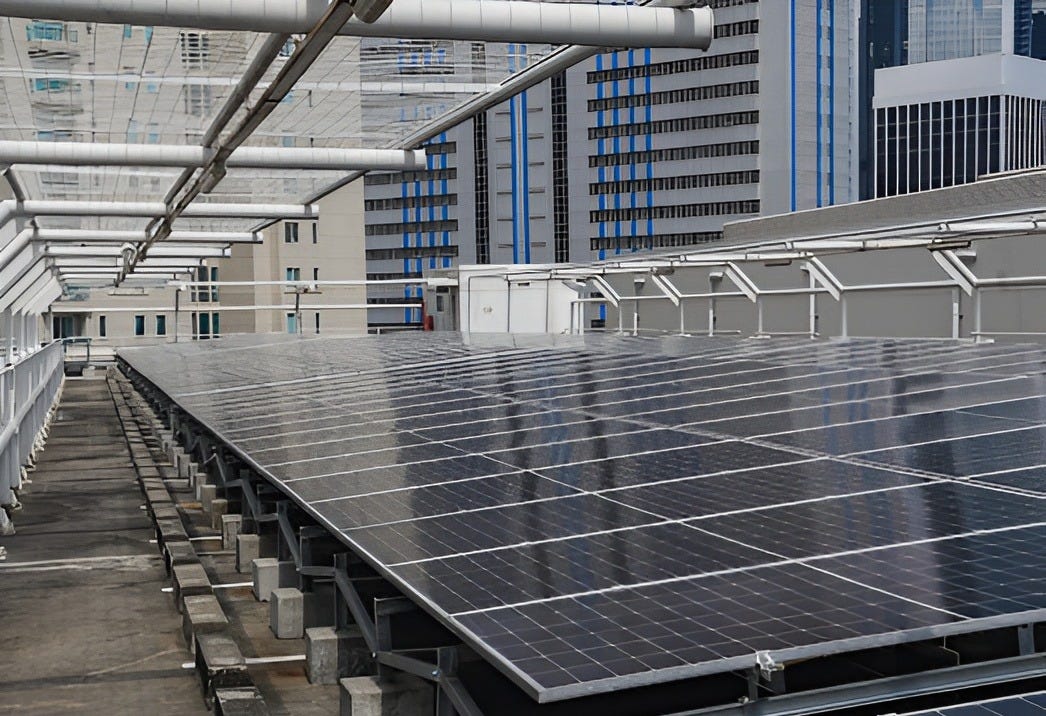
🎯 The Main Takeaway
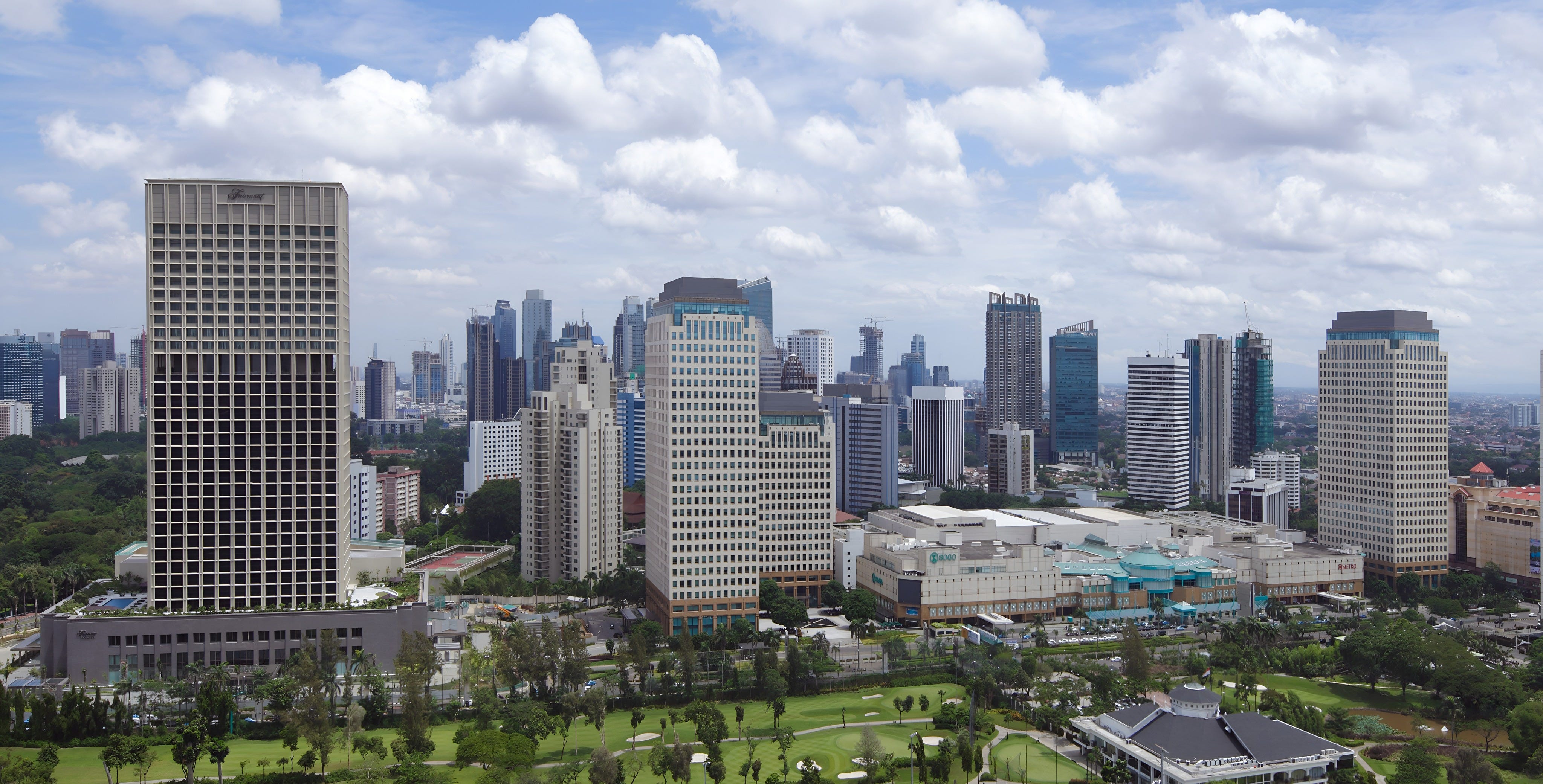
The Green Building Council Indonesia announced that Sentral Senayan I in Tanah Abang, Central Jakarta, has officially achieved the latest Greenship certificate.
The certification was awarded as the building management consistently demonstrates efforts toward eco-friendliness, energy efficiency, and sustainability to reduce carbon emissions.
📡 Why It’s on Our Radar & The Climate Risk
Global energy demand rose just 1.3% in 2025 (slower than 2% in 2024), while electricity demand grew 3% —down from 4.4%—but is projected to accelerate to 3.6% annually through 2030, driven by industry, EVs, air conditioning and data centres.
Where new electricity demand comes from:
Solar PV leads at 27% , followed by natural gas (17%), oil (15%), bioenergy/waste (15%), coal (9%) and wind (9%)
The climate risk:
Energy-related CO₂ emissions rose 0.4% to 38 billion tonnes in 2025 (below 1% growth for five years)
Global temperature reached 1.44°C above pre-industrial levels—dangerously close to the Paris Agreement’s 1.5°C limit
Bottom line: The world is slowly cleaning up its energy mix, but not fast enough. Emissions are still rising, and temperatures are nearing a critical threshold.
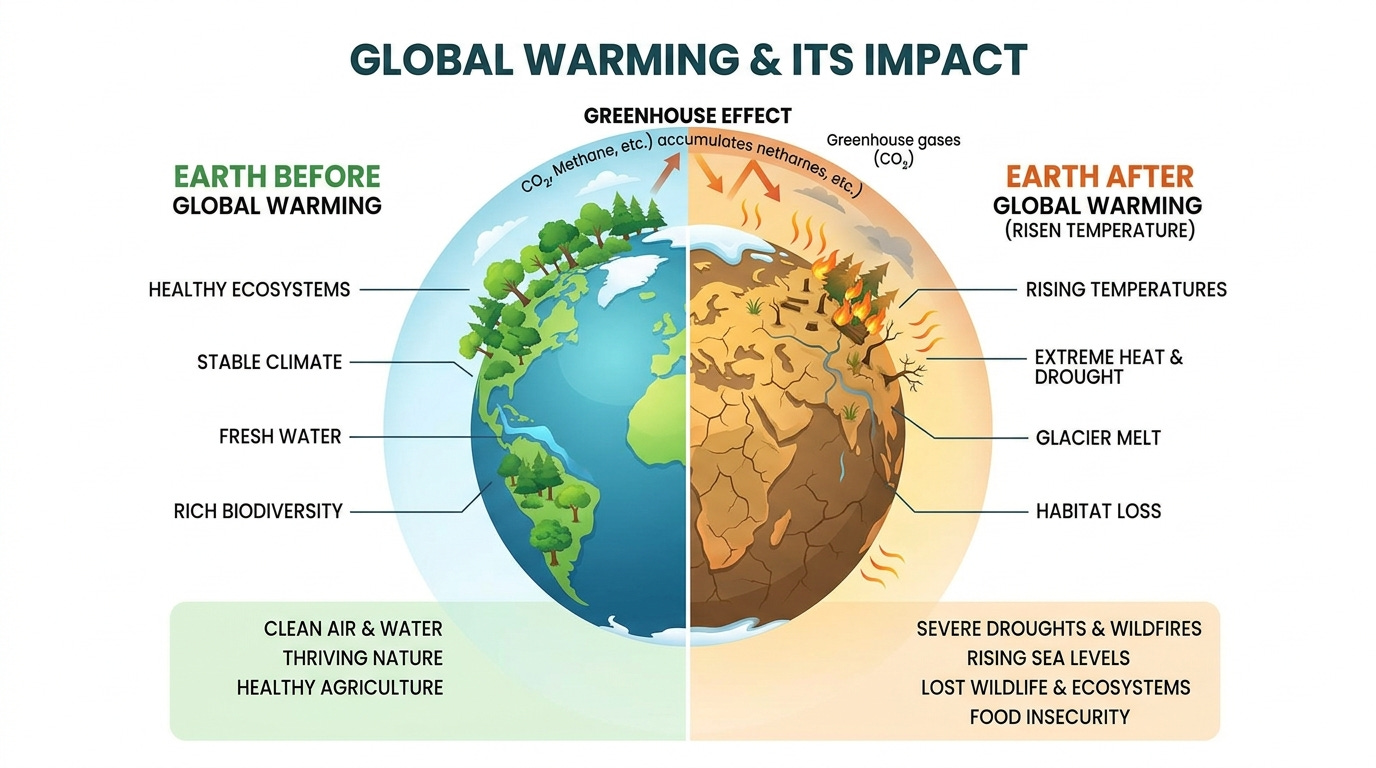
💡 What is the Solution?
Key actions to reduce carbon emissions include reducing electricity use, switching to renewable energy (solar, wind), taking public transport or walking, using electric vehicles, adopting a reduce-reuse-recycle lifestyle, and following green building standards.
🌱 What is Greenship?
Greenship is a certification system developed by the Green Building Council Indonesia, Designed to assess and ensure buildings in Indonesia follow green building principles, promoting sustainable, resource-efficient development, and reducing carbon emission.
There are six criteria used in the assessment to obtain certification:
📍 Appropriate Site Development: Ensure the location is appropriate, accessible, promotes sustainability, and includes at least 30% green spaces and water-absorption areas.
⚡ Energy Efficiency and Conservation: Ensure the building applies energy efficiency by reducing electricity use, and reliance on non-sustainable energy.
💧 Water Conservation: Ensure efficient water use through better monitoring, less waste, rainwater harvesting, and wastewater recycling.
♻️ Material Resource and Cycle: Reuse or recycle waste materials to avoid landfill, or dispose of it using eco-friendly treatment.
😊Indoor Health and Comfort: Reduce indoor air pollution by strictly monitoring equipment emissions to protect our health.
🏩Building Environment Management: Promote sustainable building management, including waste control, system maintenance, and eco-friendly education.
🏦 Which Buildings Can Be Certified?
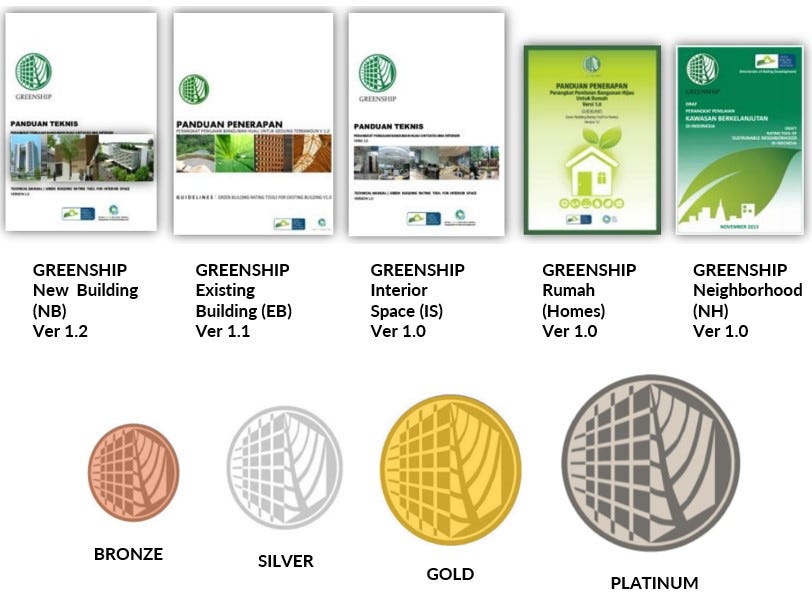
Basically, all types of buildings can be certified, but the council divides them into six categories to simplify the process:
🏗️ New Building: Focuses on the design and construction of new buildings, or major renovations involving at least 90% of mechanical, electrical, and structural work.
🏢 Existing Building: Existing buildings in operation for at least one year, including their management, maintenance, and ongoing improvements.
🛋️ Interior Space: Any rooms or spaces used or leased by occupants, including how users manage eco-friendly practices.
🏠 Homes: Housing for individuals or families that ensures safety, health, and environmental efficiency in water, energy, and waste.
🌆 Neighborhood: Buildings or infrastructure connected to main developments, such as residential areas, central business districts, or industrial estates.
♻️ Net Zero: Programs aimed at achieving carbon neutrality or reducing emissions by maximizing energy efficiency and promoting renewable energy use.
📜 How to Obtain Certification?
There are several processes that must be completed:
🎯 Target Setting: Set clear, measurable sustainability goals to guide building design, construction, and operation.
📝 Registration: Submit a statement of interest and complete forms to start the certification process.
💸Fee payment: Pay certification fees of IDR 40–285 million, depending on building category, size, and use.
🔎 Assessment: A points-based assessment that verifies design and construction practices to determine a building’s green certification level.
🏆 Rating Interpretation: Final rating based on total sustainability points, placing the building into one of four certification levels.
📢 Notification of Achievement: An official report by Green Building Council Indonesia (GBCI) partners confirming a building’s total points and final rating
🏆 The Achievement
There are four rating levels based on assessment results, each with a minimum score and valid for three years:
🥉 Bronze: minimum 35% achieved points.
🥈 Silver: minimum 46% achieved points.
🥇 Gold: minimum 57% achieved points.
💎 Platinum: minimum 73% achieved points.
📈 What are the Benefits?
Key benefits of obtaining the Greenship certificate include:
💰 Property Value: Certified buildings often have higher sale and rental value.
💡 Cost Savings: Green buildings reduce energy and water costs.
🌲 Occupant Health: Better air quality, lighting, and acoustics improve well-being.
🌱 Environmental Impact: Lowers emissions, pollution, and waste.
🏫Company Image: Enhances reputation as an environmentally responsible organization.
🏛️ Government Incentives: Public buildings that apply green building practices may receive additional government funding and be classified as non-standard cost.
🏢 Certification Snapshot: Indonesia’s Green Building Progress
According to the Green Building Council Indonesia, only 5% of around 4,000 developers (about 200) have committed to green certification. As of April 2026, just 504 buildings nationwide hold Greenship certification—each cutting up to 2,000 tons of carbon emissions and reducing operational costs by up to 20% annually. The main challenge: weak regulations and limited incentives.
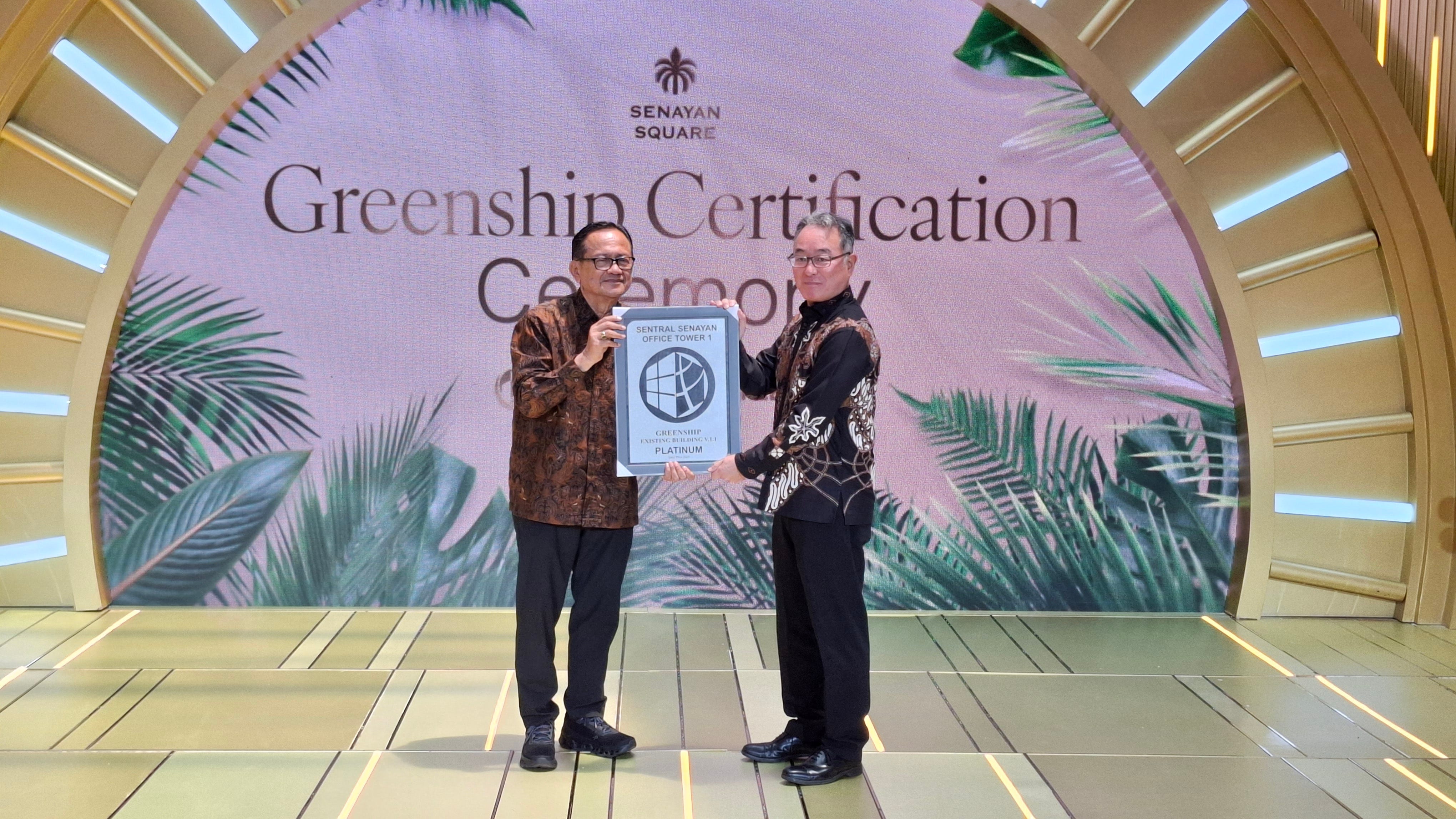
One notable exception is Sentral Senayan I in Central Jakarta. Owned by PT Senayan Trikarya Sempana, it earned Platinum Greenship certification on 15 April with a score of 90 points in the Existing Building category—the highest rating, reflecting sustainability embedded in daily operations, not a one-time effort.
“It sets a clear benchmark of existing buildings. Which represents the largest share of our building stock, because existing buildings are the most energy we have to reduce in Indonesia.”
Ignesjz Kemalawarta, Chairperson of Green Building Council Indonesia.
💪 The Effort
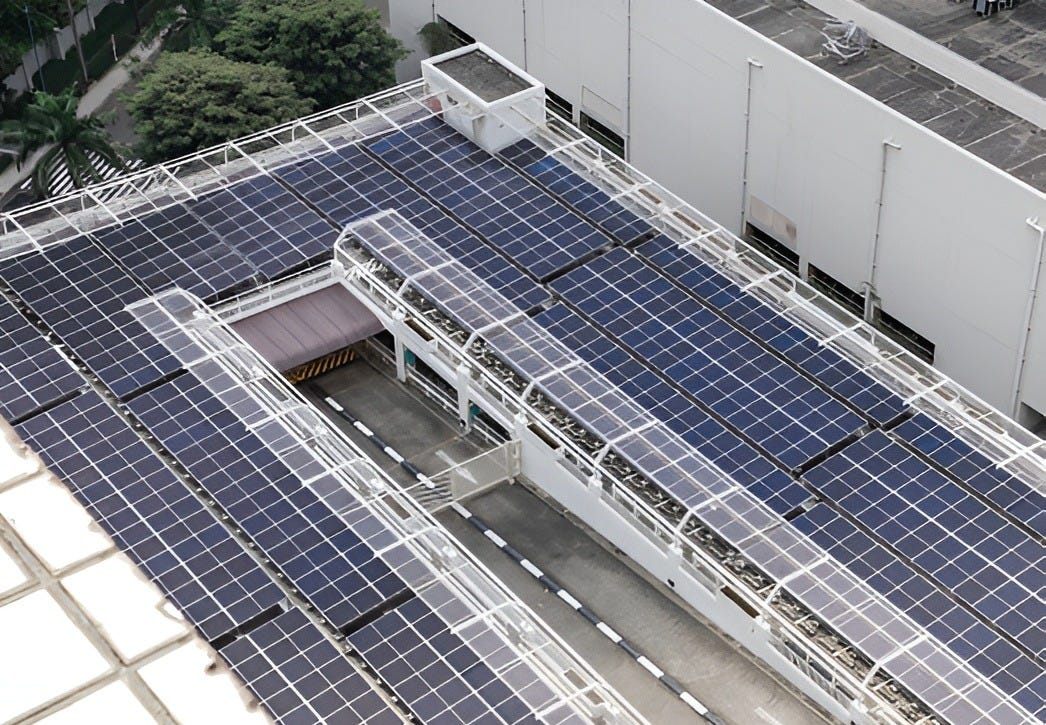
The management has invested around 💰 IDR 20 billion in renewable energy and carbon reduction across the Senayan Square Complex, primarily via rooftop solar panels. The project was developed in three phases: 335 kWp in 2023 for Senayan I and II, 500 kWp in 2025 for Plaza Senayan Carpark, and an additional 300 kWp by April 2026 for Sentral Senayan III.
Meanwhile, Sentral Senayan I upgraded to LEDs (76.9% savings), a new chiller (12.5%), 311 solar panels (15% of power), and eight EV chargers—achieving energy use well below Indonesia's office average.
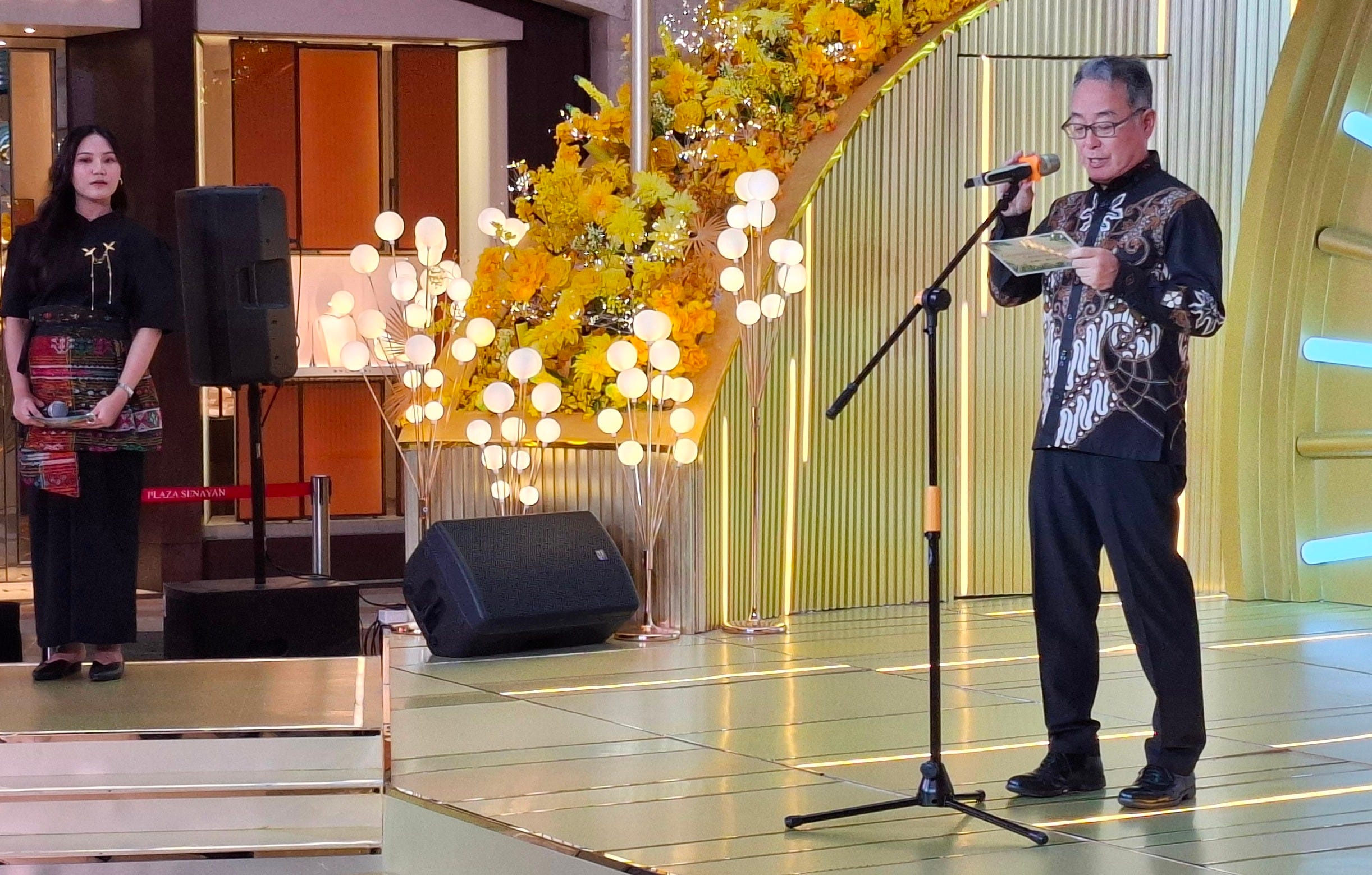
“We hope that this achievement will inspire further collaboration among industry and stakeholders to promote sustainable practices across Indonesia’s built environment.”
Kazuhito Shibuya, President Director PT Senayan Trikarya Sempana
🏡 Why This Hits Home?
The Paris Agreement (adopted by 195 countries in 2015) aims to limit warming to 1.5°C, cut emissions 45% by 2030, and reach net zero by 2050. Eight of 11 ASEAN nations—including Indonesia—target net zero between 2050 and 2065. Indonesia's PUPR Regulation No. 21/2021 requires buildings to manage energy, water and waste efficiently across their entire lifecycle.
🌏 Regional Green Leaderboard
The race for sustainable infrastructure is tightening across Southeast Asia:
🇸🇬 Singapore: Maintains a commanding lead with 2,590+ Green Mark–certified buildings, saving over 4.2 billion kWh annually
🇲🇾 Malaysia: Holds second place with over 1,780 certified properties
🇻🇳 Vietnam: Rapidly reached 780 green buildings
🇮🇩 Indonesia: Ranks fourth with 504 Greenship-certified structures, cutting emissions by over 1 million tonnes
🇹🇭 Thailand: Follows closely with 479 LEED and TREES-certified buildings
While the frontrunners are clear, the significant gap in Brunei, Cambodia and the Philippines suggests a massive opportunity for green investment as the region pushes toward collective net-zero targets.
🔎 Need More Angles?
B-Company The Green Building market in Vietnam
Green Building Council Indonesia About Greenship
Green Building Index Executive Summary as of 31 December 2025
GreenRE Statistics Overview
International Energy Agency Global Energy Review 2026
Kementrian Keuangan Sertifikasi Greenship dan Green Building di Indonesia
Thai Green Building Institute Project Passed
U.S. Green Building Council LEED project directory
Waste 4 Change How Important is Green Building Certificate in Indonesia?
Green Buildings:
The less a consumer uses but gets the same overall benefits and comfort, the better it is for everyone EXCEPT for the UUTILITIES and their neighbors. The utilities base their income on selling electricity by the kilo watt hour to pay for the generation, transmission and distribution of electricity. The utilities successfully argued to the California Public utility Commission that green buildings and rooftop solar "cost shifted" the infrastructure costs onto the poorer properties that could not go to all the expense of going fully sustainable and "cut the compensation" for energy generated back onto the grid by rooftop solar by 75%. Now to compensate and even the "playing field", they have put a $24.00 USD monthly connection charge on all Residential customers with or without the solar or energy upgrades to cover infrastructure upgrades. A fixed fee, but lowering the per kilo watt hour charge, giving the poorer property owners a break but also gave the utilities a fixed source of income to do upgrades in renewable energy storage and distribution. Applauding the work and genius of the builders and designers of going green is great. Getting the utilities out of the hands of the fossil fuel industries will be harder.
Solar Energy is the least costly energy source in the world. Solar panels prices have dropped 82% over the past 15 years. Installation, maintenance and eventual replacement costs that use no outside fuel other than the SUN makes it a real-world winner. The one drawback is the real-world needs power 24/7/365 and that means storage of electricity, for cloudy and nighttime usage need to be integrated. For large commercial systems, that can be built on the site when the utility lines are run to at the time of construction BUT it doubles the cost of building, maintaining and eventual replacement cost can even triple the total cost of an installation over time. A better solution is Utility owned storage that is built and paid for in the tariffs' charged by the utility since it will be an ongoing cost to maintain and replace but also lets the utility decide which electrical sources to divert or use. Midday curtailment (throwing the power away) of solar energy has become a problem in areas where solar has become the dominant source of energy. putting that curtailed energy into battery storage, pumped hydro storage or even Hydrogen generation element storage to use in older natural gas power plants needs to be done by the utilities. This means the utility regulators must make decisions outside the fossil fuel industries demands. Many countries are doing that now, but it means that costs for transmission and distribution system building outlays have increased dramatically. To cover these costs, a monthly service fee is being added to the "Meter Fee" for all customers. This infrastructure cost fee then reduces the per kilo watt hour fee charged for the electricity but is a constant income source dedicated to improving distribution and air quality. The SUN may be free, but the infrastructure to distribute 24/7/365 it is not.