



🎯 The Main Takeaway
Fighting between Cambodia and Thailand has entered its second week, killing at least 12 civilians in confirmed direct attacks, leaving dozens of soldiers dead, and displacing around 700,000 people along their 817-km border.
Despite ceasefire calls, both sides are still using air power, rockets, and naval forces, while ASEAN mediation stalls with talks postponed and pressure mounting for regional intervention.
📊 Why It Matters
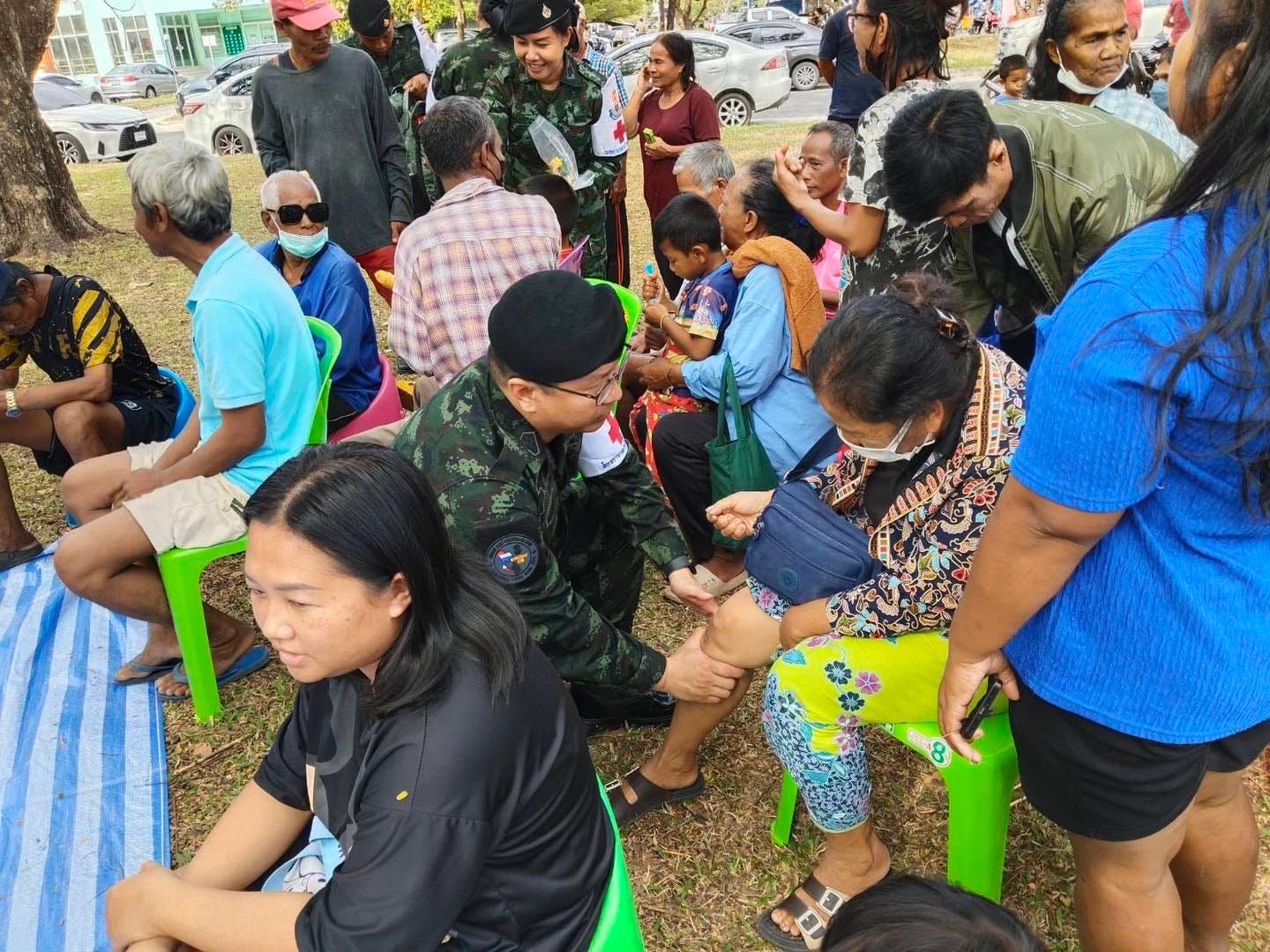
🏠 ~700,000 displaced across border provinces, triggering prolonged evacuations.
🧒 Hundreds of schools closed in Cambodia; education disrupted in multiple Thai districts.
✈️ Tourism at risk: Fighting coincides with peak winter tourism season, a key revenue window for both economies.
🚧 Trade & mobility disrupted: Border closures and curfews affect cross-border labor, food supply chains, and logistics.
📍 What’s Happening Now (as of dec 15)
⚰️ Civilians: At least 33 killed — 11 Cambodian civilians, one Thai civilian from a direct strike; six Thai civilian deaths during evacuations remain disputed.
🪖 Soldiers: 16 Thai soldiers were killed, at least six by rocket shrapnel. Cambodian military casualties remain undisclosed, though there is a report of the death of a 43-year-old pregnant female soldier in Banteay Meanchey.
🏠 Displaced: ~700,000 on both sides as fighting enters a second week across inland and coastal provinces.
🚨 On The Ground
🚀 Rocket vs airpower: Cambodia has deployed truck-mounted BM-21 rocket launchers (range 30–40 km, up to 40 rockets per salvo, low precision). Thailand is conducting airstrikes using F-16 fighter jets, alongside artillery and drones.
⚓ New front at sea: A Thai Navy warship exchanged fire with Cambodian positions in Koh Kong, marking a naval escalation in the Gulf of Thailand.
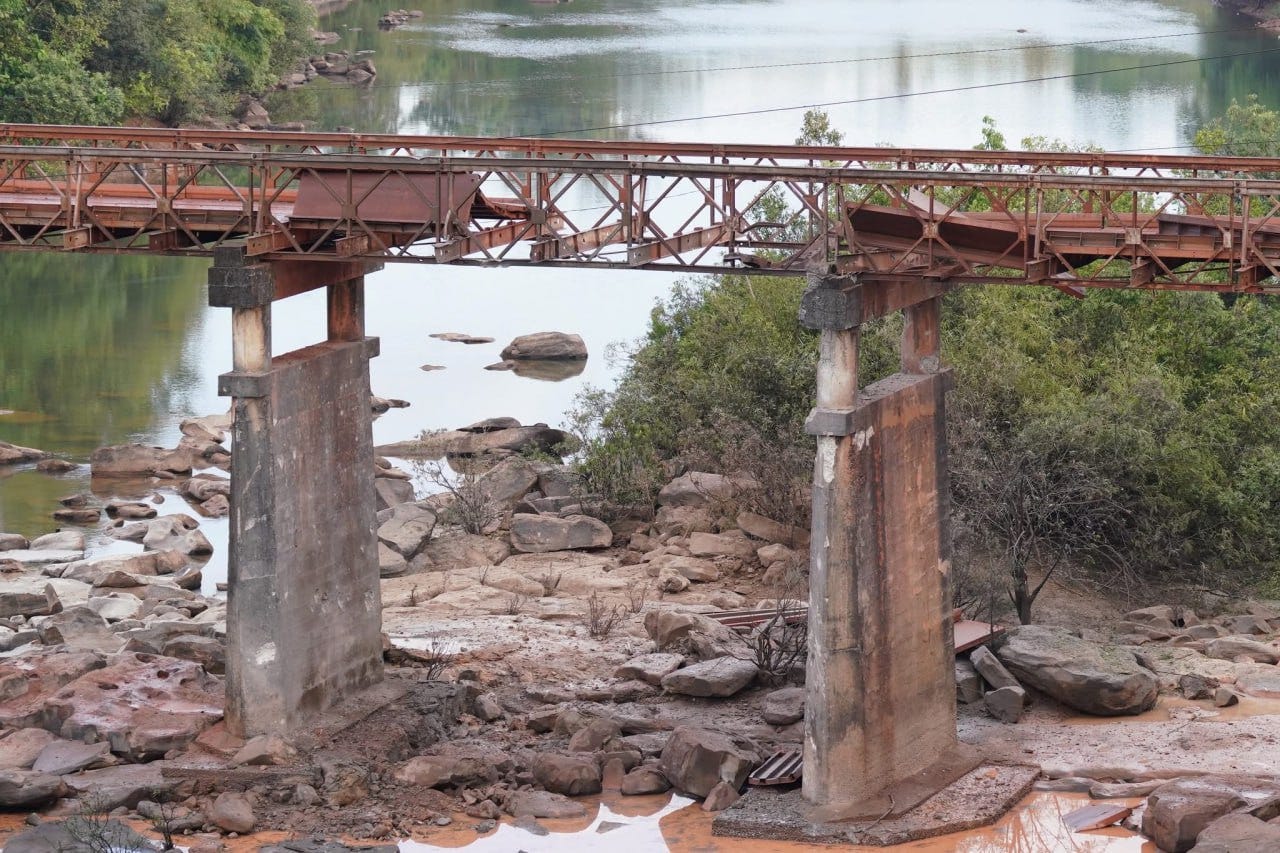
🛑 Terrain & infrastructure targeted: Thai forces say they destroyed a bridge used to move heavy weapons; Cambodia says civilian infrastructure has been hit.
🔫 Weapons seized: Thai troops captured Chinese-made portable guided anti-tank missiles after taking Mount 500 at Chong An Ma pass (Ubon Ratchathani).
🇰🇭 Cambodia: Official Stance & Clarifications
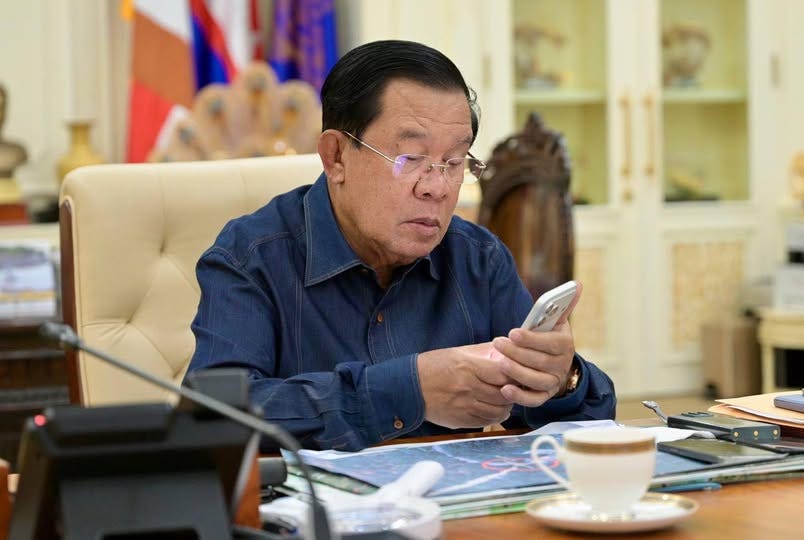
📞 Ceasefire talks: Cambodia PM Hun Manet confirmed discussing a ceasefire with US President Donald Trump and Thai PM Austin, but said no agreement had been finalized.
✈️ Airstrike claims: Cambodia says Thai airstrikes, artillery, and drones continued through the weekend, destroying even bridges, roads, schools and pagodas.
🧭 Border crossings: Senate President Hun Sen said Thai nationals are not banned from leaving Cambodia, noting only land crossings are closed for safety; departures remain possible by air via Phnom Penh or Siem Reap.
🏥 Civilian toll: Cambodia reports 11 civilians killed and 74 wounded since clashes escalated.
🇹🇭 Thailand: Security Measures & Official Position
🚨 Emergency powers: Thailand imposed martial law and curfews in 5 districts of Trat province (7pm–5am), however excluding the tourist islands of Koh Chang and Koh Kood.
🛡️ Military deals: Following clashes, Thailand strengthen its defences by signing a US$108 million deal with Israel Aerospace Industries for the Barak MX air-defence system — its first such upgrade in decades.
💣 Landmine claims: Foreign Minister Sihasak Phuangketkeow cited seven documented cases of landmines allegedly placed by Cambodia, verified by independent observers.
🚀 Rocket fire allegation: Bangkok says BM-21 rockets were deliberately launched toward Thai civilian areas.
👥 Civilians stranded: Thailand estimates 6,000–7,000 Thai nationals remain stuck near Poipet due to border closures.
🗳️ Political context: The conflict unfolds as Thailand heads toward a February 2026 general election, amplifying domestic pressure on security decisions.
⚖️ What’s at Stake
For Thailand
🛡️ Border control → national security: Losing ground along border districts or coastal routes risks prolonged military escalation.
🚨 Martial law → public trust: Expanded security powers may stabilise conflict zones, but strain civil liberties and social confidence.
🗳️ Crisis response → political legitimacy: How the war is managed will shape voter trust ahead of the 2026 election.
For Cambodia
🏘️ Civilian safety → social stability: Continued fighting deepens displacement and disrupts border livelihoods.
✈️ Tourism at risk → fragile recovery: Threats to Siem Reap and Angkor Wat endanger post-Covid economic recovery.
🌍 Escalation → diplomatic costs: Sustained hostilities invite tighter regional scrutiny and diplomatic pressure.
🌏 The Regional Stakes
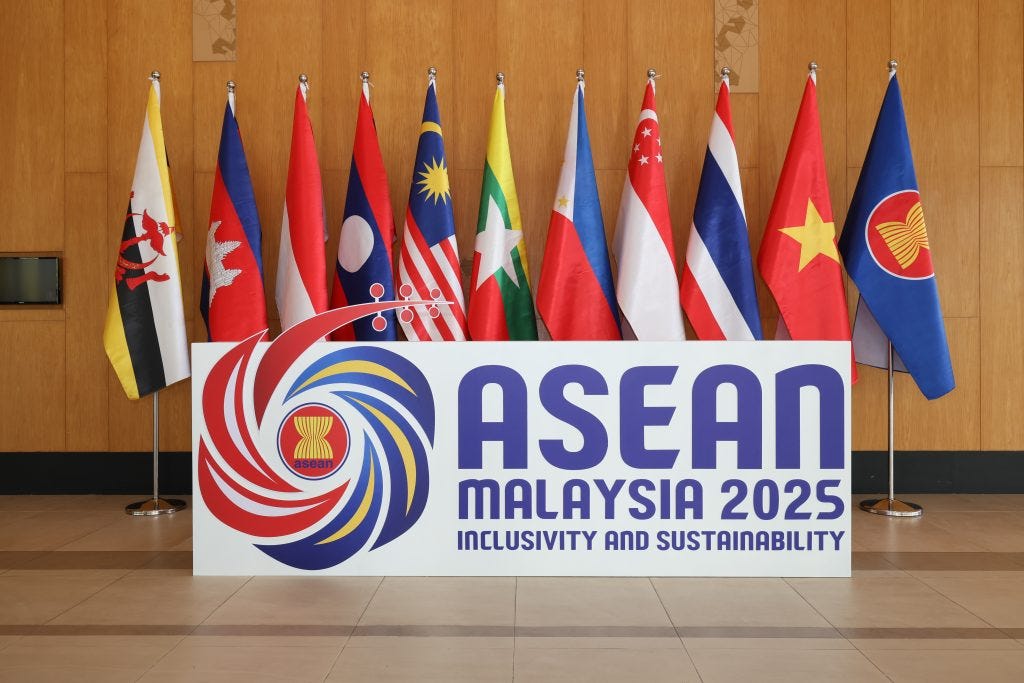
📅 ASEAN diplomacy under strain: The ASEAN Foreign Ministers’ Meeting (AMM) was postponed from Dec 16 to Dec 22 at the request of both sides — delaying collective crisis response as fighting continues.
👀 ASEAN credibility tested: PM Anwar Ibrahim proposed deploying an ASEAN Observer Team (AOT) led by Malaysia’s Chief of Defence Forces, backed by US satellite monitoring. Cambodia agreed; Thailand said ceasefire conditions were not yet met.
⛽ Economic interdependence exposed: Thailand’s proposed blocking of fuel and military supplies via the Gulf of Thailand risks spillover to neighbours — including Laos, and highlights ASEAN-wide supply chain vulnerability.
🚢 Maritime risk beyond borders: Proposed vessel inspections by Thai-MECC — including commercial ships and fishing boats — raise stakes for regional trade routes and civilian livelihoods.
📊 Transparency vs escalation: AOT field findings and satellite data, to be presented at the AMM, aim to provide an “objective account” — but also risk hardening positions if violations are confirmed.
⛽ Looking Deeper to ASEAN Interdependence
🚢 Vessel controls proposed: Thailand’s armed forces asked the National Security Council to authorize Thai-MECC to intercept oil and military supplies headed to Cambodia — including commercial ships and fishing boats — via the Gulf of Thailand.
🛢️ Fuel chokepoints: Thailand halted fuel shipments via Laos after intelligence suggested diversion to Cambodian forces; Bangkok later apologised to Laos to limit spillover impacts.
📦 Supply chains exposed:
🇸🇬 Singapore is Cambodia’s largest refined fuel supplier (~915,000 metric tons this year).
🇹🇭 Thai fuel exports to Cambodia fell to ~30,000 tons, since Thailand’s energy ministry said there had been no exports of oil to Cambodia after July.
🔗 Regional ripple effects: The crisis highlights how ASEAN economies are tightly interlinked, making prolonged conflict costly for the entire region.
📷 The Bigger Picture
🧱 A long-running border dispute rooted in colonial-era mapping and unresolved legal rulings continues to resurface during political and security stress.
👥 Repeated flare-ups turn border communities into cyclical victims of history, not just of current decisions.
🤝 ASEAN’s role is again being tested — between non-interference and the cost of inaction as violence spills across borders.
🕊️ The conflict underscores a familiar regional pattern: ceasefires pause fighting, but not the causes.
🌐 External mediation recurring, but ceasefires remain fragile.
🏛️ Beyond the Headlines
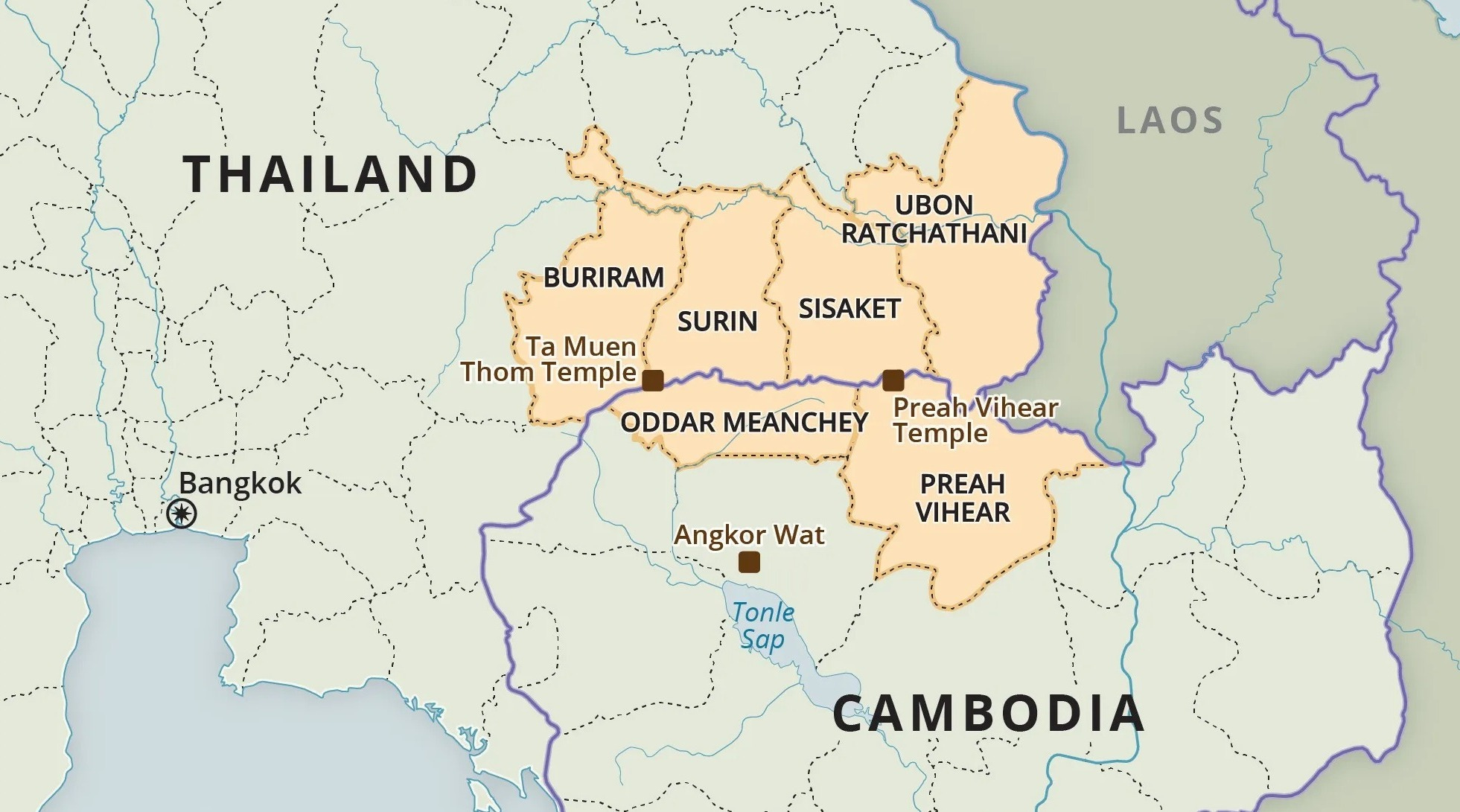
🌏 Rooted in history: The Thai–Cambodian border conflict stems from long-standing territorial disputes.
🗺️ 1907 colonial-era map: Drawn under French rule in Cambodia; Thailand disputes its accuracy.
⚖️ 1962 ICJ ruling: Awarded sovereignty over Preah Vihear to Cambodia; reaffirmed in 2013, still contentious in Thailand.
🔫 2008–2011 clashes: Armed confrontations followed heritage disputes.
🏯 Cultural flashpoint: Both have also fought over claims on cultural products — from boxing, mask dancing, traditional clothing and food.
🤝 October peace deal: Signed in Kuala Lumpur, later suspended after a landmine incident that seriously injured Thai soldiers, and left at least 48 people killed.
📉 End year: July’s clash re-escalated in December — with air, sea, and rocket warfare.
🌐 UNESCO has expressed “strong concern” over nearby fighting and offered technical assistance.
🧍 Human Stories Behind the Numbers
🐄 Some villagers stay behind in Thai border areas—not to fight, but to feed livestock and protect empty homes left behind by evacuation.
🦺 As artillery echoes nearby, local volunteers patrol deserted villages, filling the gap between fleeing civilians and an uncertain ceasefire.
🥛 In Battambang, journalists pooled personal funds to deliver food and essentials to displaced children—small acts of care amid conflict.
🕊️ The Bottom Line
The guns may speak louder than diplomacy today, but without restraint, accountability, and credible mediation, civilians will continue to pay the price.
With airstrikes, naval exchanges, fuel chokepoints, and ASEAN observers now in play, this is no longer a localized border flare-up—it is a test of whether regional cooperation can still hold. Peace remains the only path forward.
Need More Angles?
AP News Thailand says Cambodian rocket fire has caused its first civilian death in new border fighting
AP News The new fighting between Thailand and Cambodia is rooted in old enmity
Bangkok Post ‘Gulf closure’ planned to weaken Cambodia’s warfare capabilities
Bernama Special ASEAN Foreign Minister’s Meeting on Cambodia-Thailand Tensions Postponed - Anwar
Cambodianess A War That Isn’t Meant to End? Why Diplomacy Keeps Pausing—but Peace Never Arrives
Cambodianess Hun Sen Clarifies Cambodia Has Not Banned Thai Departures, Only Land Border Travel Suspended
CNA Thailand declares curfew along coast as border clashes with Cambodia enter second week
Thai PBS Thailand imposes sea blockade to prevent strategic supplies from reaching Cambodia
The Diplomat Thailand-Cambodia Fighting Enters Second Week as Bangkok Spurns Attempts at Outside Mediation
The Phnom Penh Post Journalists distribute aid to displaced children, families
(BRZ/ELS)