



🎵 Main Takeaway
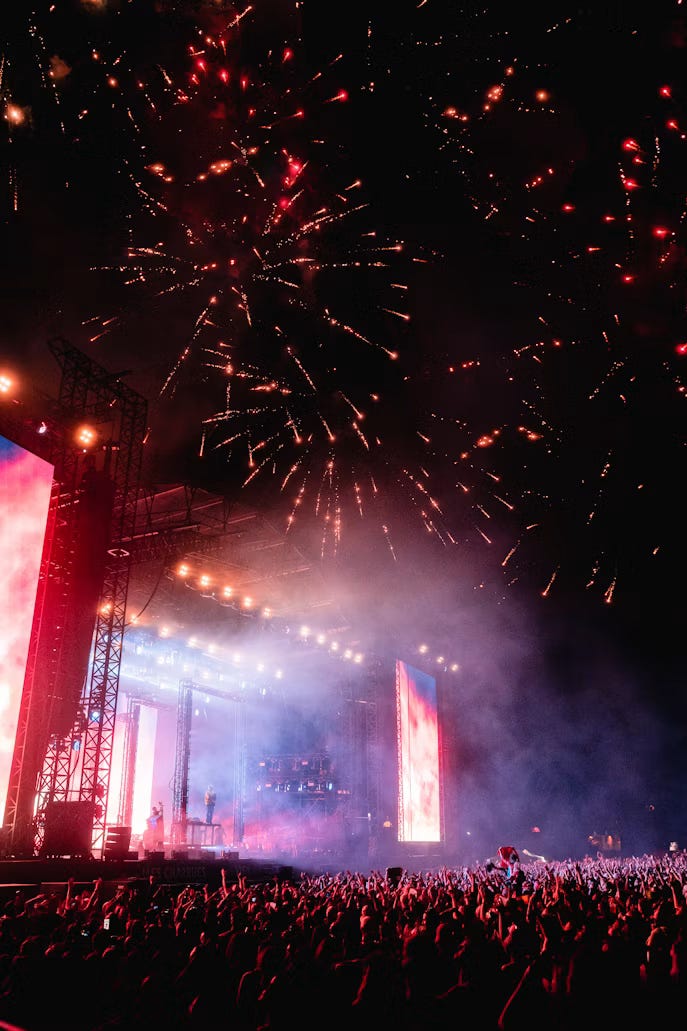
Southeast Asia has a highly diverse music festival ecosystem, with each festival offering different experiences and identities to the audience in the region.
Starting from large-scale festivals with various genres including local music to festivals that combine music with art, culture, nature, and community experiences, music festivals in Southeast Asia showcase the diverse and creative potential of the music industry in this region. Thus, it not only relies on the number of listeners but also creates an engaging live music experience for both local and regional audiences.
🔍 Why it’s in Our Radar
🎧Southeast Asia’s Music Market Continues to Grow
Southeast Asia is a region with a large population of over 700 million people and an increasingly digitised music market. Indonesia, the Philippines, and Thailand are the top three largest music markets in the region, each with different audience characteristics, platforms, and preferences.
The Southeast Asian live entertainment market is estimated to be worth USD 5.97 billion by 2025 and projected to reach USD 10 billion by 2034, with music being the largest segment in the market.
On the other hand, the way audiences discover and consume music has also changed, with YouTube, TikTok, and various streaming platforms becoming an important part of the music discovery process. However, the potential of the music market is not only measured by the number of listeners.
However, amidst the high access to digital music, live experiences offer something that streaming platforms cannot provide—experiences of enjoying music directly with musicians and other audiences. This is where concerts and music festivals become appealing to the audience.
🎪 Festivals Are Becoming More Than Just Music
The development of music festivals shows a change in the way festivals are designed and consumed. Current festivals do not just offer stages and line-ups of musicians, but also provide a broader experience through art, culture, cuisine, wellness, nature, and community activities.
This model is increasingly aligned with the concept of the experience economy, where visitors not only purchase tickets to watch the show but also the experience itself. This development is important because Southeast Asia has a wealth of culture, cuisine, nature, and creative communities that can become part of the festival’s identity.
This means that the strength of Southeast Asian music festivals may not only lie in who performs on stage, but also in the experiences that can only be found at the festival venue.
🎶 Five Faces of Southeast Asia’s Music Festival
Pestapora - 🇮🇩 Indonesia
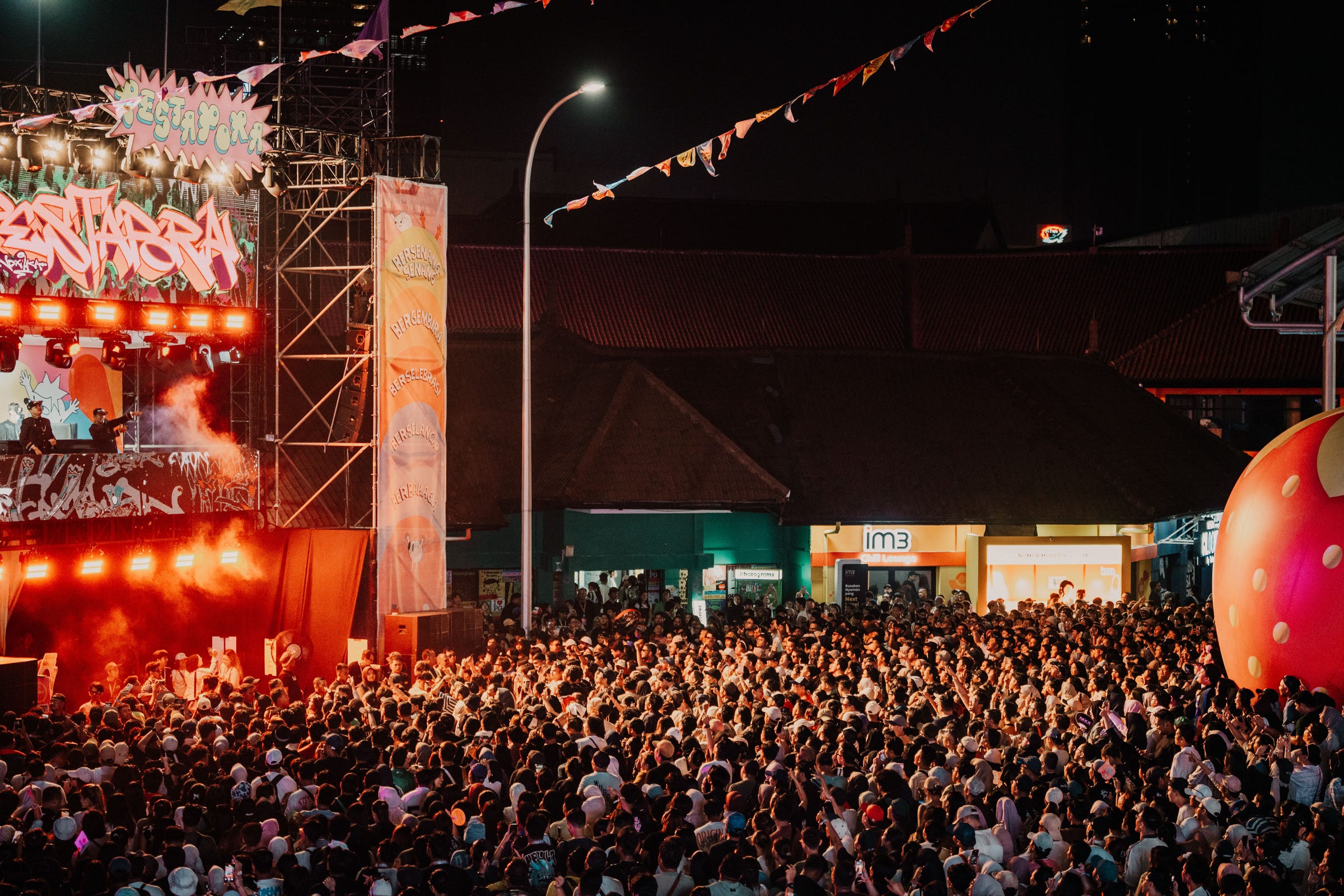
Pestapora is known as one of Indonesia’s large-scale music festivals, with tens of thousands of visitors and hundreds of guest star line-ups from various genres. The 2026 edition will be held on September 25-27, 2026, at the Jakarta International Expo (JIEXPO).
This festival is interesting to observe as part of the Southeast Asian music ecosystem, due to its ability to gather various layers of Indonesian music in one space, ranging from pop, rock, indie, hip-hop, to various forms of local popular music in one festival. In the 2025 edition, Pestapora presents various stages with hundreds of performers representing the diversity of Indonesian music.
Data from Orphiq shows that Indonesia is one of the largest music markets in Southeast Asia, with local music holding a strong position, with pop, dangdut, and indie rock as genres that have a large domestic audience.
This shows that music festivals do not always have to rely on international artists as the main performers, because with a large domestic market, festivals that can combine many music communities can create their own appeal.
The Rainforest World Music Festival (RWMF) - 🇲🇾 Malaysia
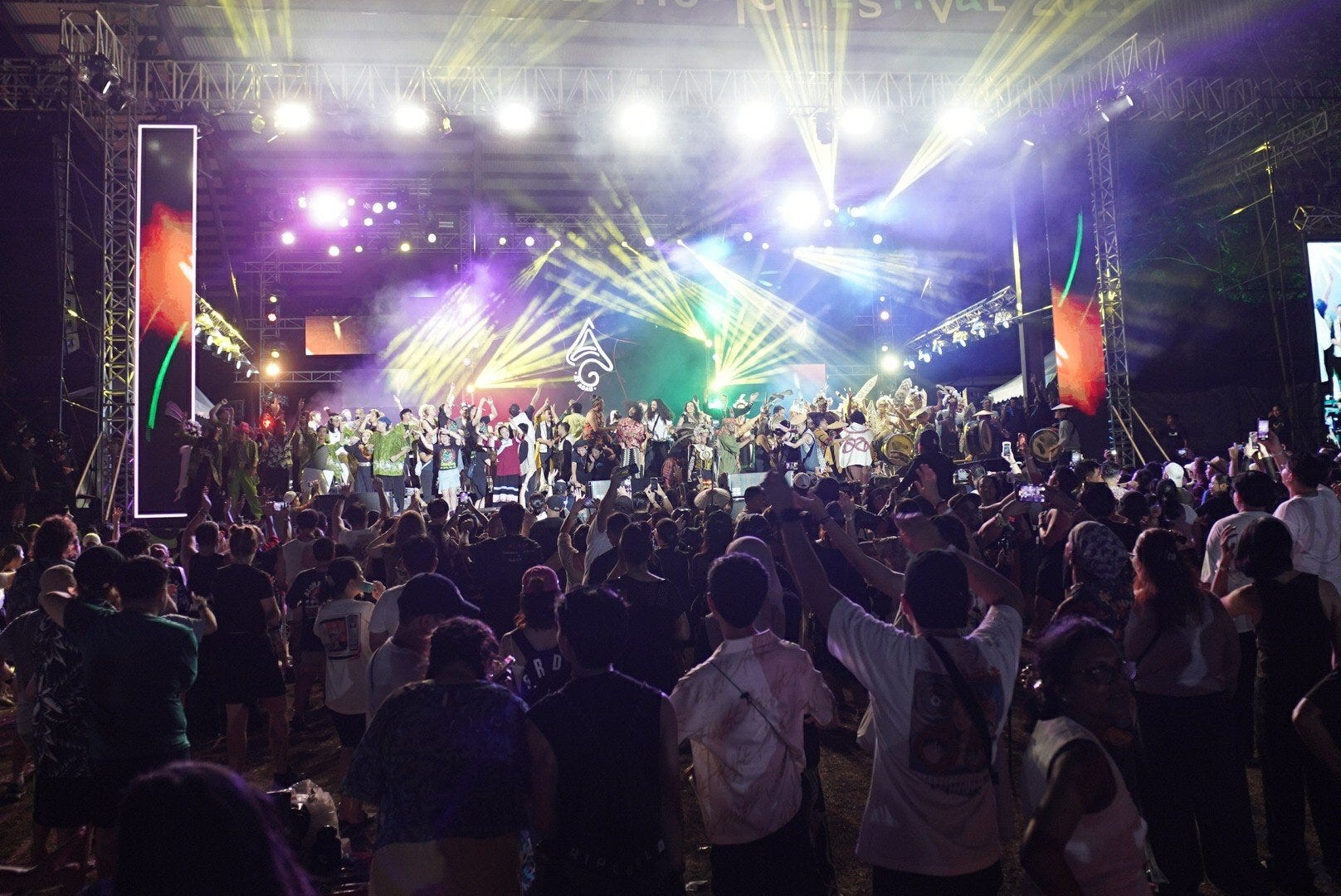
The Rainforest World Music Festival (RWMF) is a festival that has its own uniqueness, as it uses music as a medium for cultural exchange. In 2026, this festival was held from June 25-27 at the Sarawak Cultural Village, Kuching, Sarawak.
Rainforest World Music Festival 2026 carries the theme “Regenerations: Roots & Rhythms,” bringing together global musicians with local traditions in the setting of Sarawak Cultural Village. Combining evening concerts with music workshops, cultural displays, crafts, and food stalls, RWMF demonstrates how a festival can evolve into a cultural tourism asset.
This festival started in 1998 with only hundreds of visitors, and by its 29th edition, it has grown into an international event attracting tens of thousands of visitors each year. RWMF is different from other music festivals because it does not fully rely on the popular music festival format, but instead utilises the diversity of musical and cultural traditions, making it a unique attraction to attend.
Wanderland Music and Arts Festival - 🇵🇭 Philippines
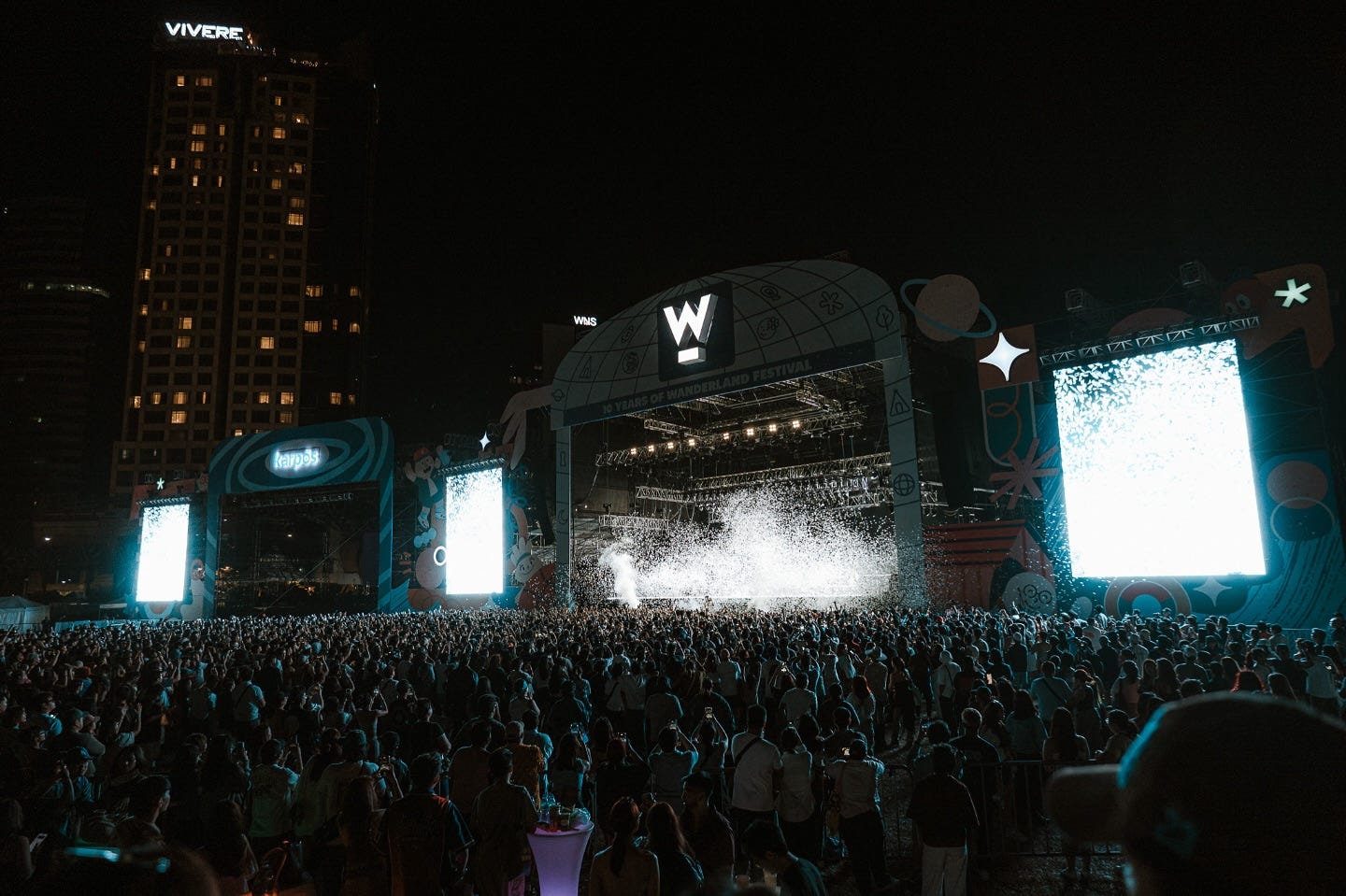
Wanderland Music and Arts Festival is an annual music and arts festival in the Philippines that features indie, alternative, and Original Pilipino Music (OPM), along with large periodic art installations such as live mural art and visual installations by renowned contemporary artists.
However, in 2026, the organisers announced that the Wanderland Music and Arts Festival will not be held. Usually, the Wanderland Music and Arts Festival is held at Filinvest City, Events Grounds in Alabang, Muntinlupa.
Wanderland Music and Arts Festival takes a different approach by combining music and art into one festival experience.
The hiatus of Wanderland’s 2026 event shows that building a music festival is not just about having a strong community and brand, but also requires a sustainable management model.
Baybeats Festival - 🇸🇬 Singapore
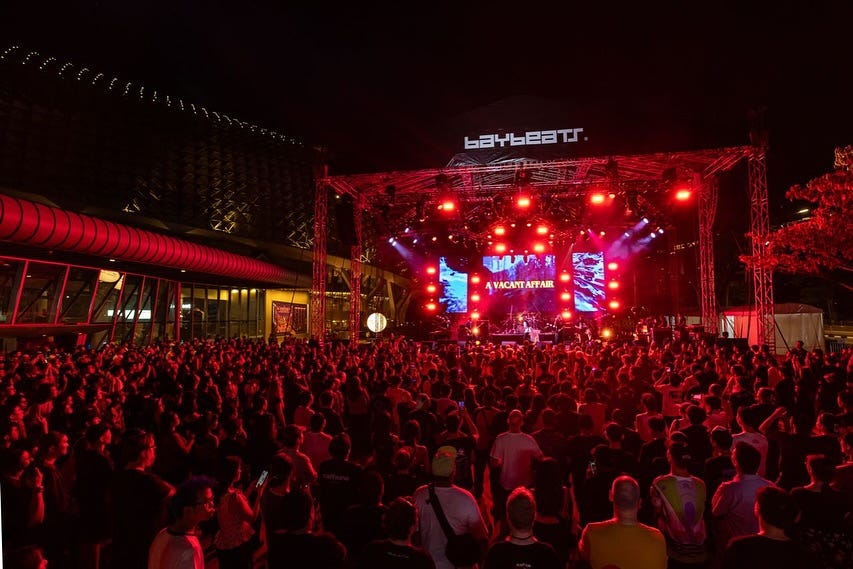
Baybeats Festival is a festival that has a very different scale and positioning compared to Pestapora or Wonderfruit. This is because this festival serves as an important platform for alternative music in Singapore and is known as the largest alternative festival in Singapore.
In 2026, the Baybeats Festival will take place over four days from September 3-6 at the Esplanade, Singapore, with free access for the audience. The value of the Baybeats Festival is not just about the number of spectators or headliners, but this festival paves the way for new artists.
There is the Baybeats Budding Bands Programme, a three-month development bootcamp for independent music bands—providing guidance from music veterans covering live sound, logistics, marketing, and connections with industry professionals. Selected participants also get the opportunity to perform at the Baybeats Festival.
In this case, Baybeats becomes part of the music infrastructure by creating performance spaces, networking opportunities, mentorship, and exposure.
Wonderfruit Festival - 🇹🇭 Thailand
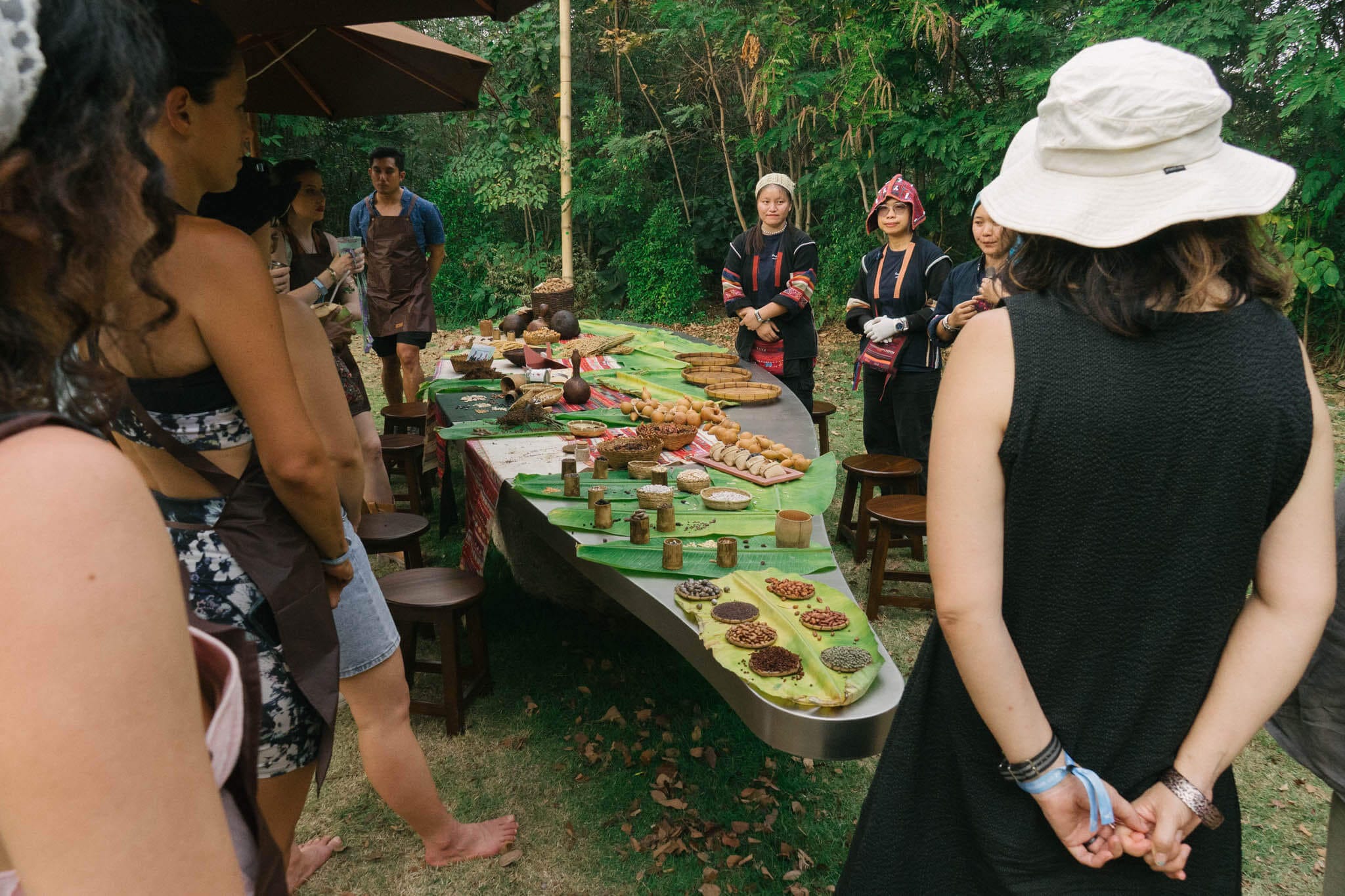
Wonderfruit Festival is also one of the festivals that offers a different experience from typical music festivals. In 2026, this festival will take place from December 3-7 at The Fields at Siam Country Club, Chonburi.
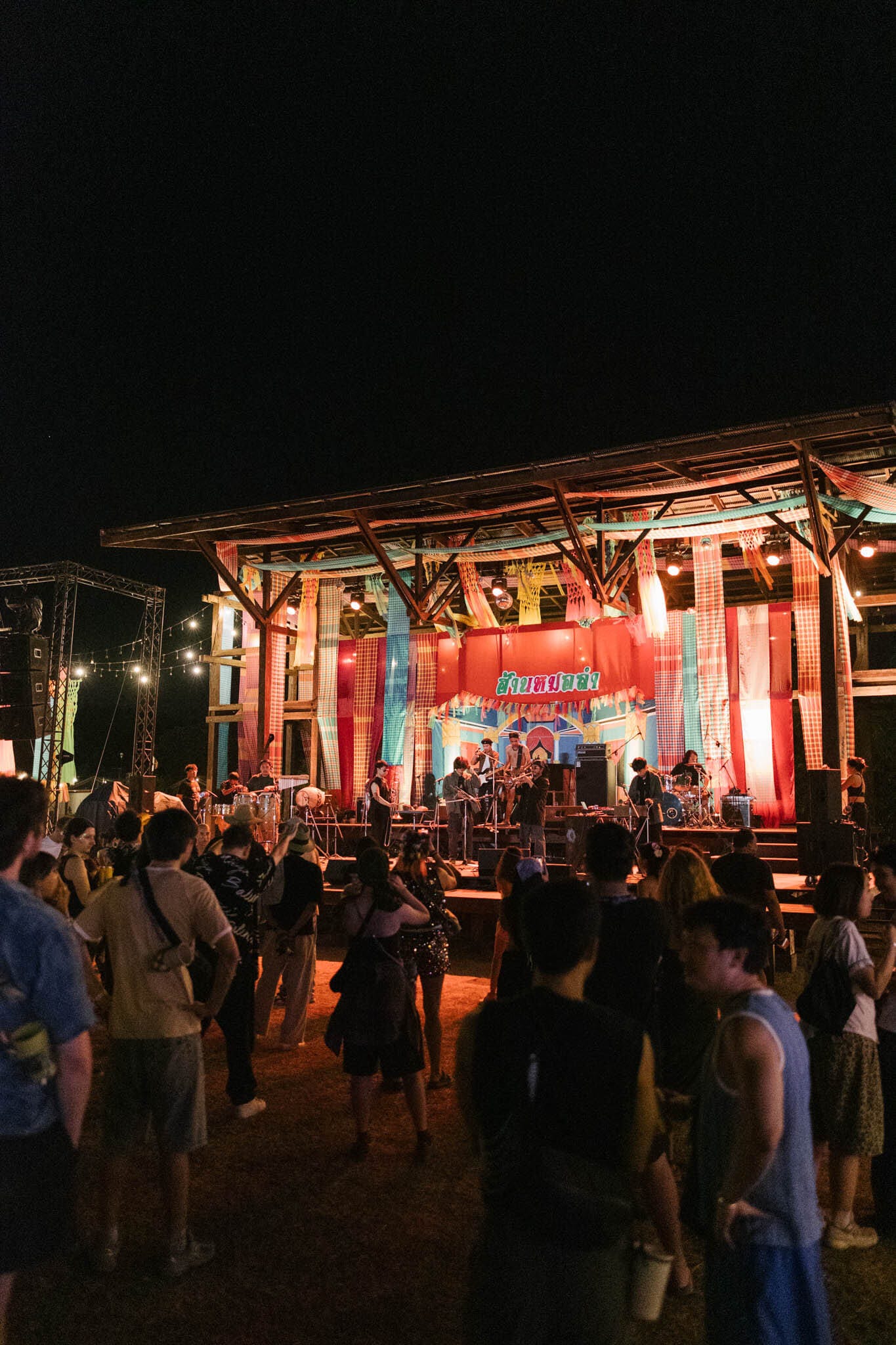
For five days, this festival transformed The Fields in Chonburi into a space that combines music with art, cuisine, wellness, culture, and various community activities. There are various areas such as Solar Village, Sounds of The Fields, and Molam World, which highlight Isaan music and culture.
Not only music performances, Wonderfruit also features art installations, workshops, culinary experiences, wellness practices, and various sustainability initiatives. Wonderfruit also has the Intermission program, which has been a space for unsigned bands and emerging artists to develop since 2015.
Wonderfruit has become a form of destination experience rather than just a music festival, because visitors are not only buying tickets to see the line-up but also buying the opportunity to enjoy an environment designed as part of the festival experience.
🧩 Bigger Picture
Music festivals are no longer just entertainment events; they are also part of the creative economy, tourism, and cultural promotion. With the presence of thousands of visitors at one time, they will boost other sectors such as accommodation, transportation, culinary, and local SMEs—while the festival serves as a stage for musicians and creative industry players to expand their reach.
In Southeast Asia itself, each festival offers a different identity—from the diversity of local music in Indonesia, Thailand offering immersive experiences, cultural exchanges in Malaysia, to development opportunities for independent musicians in Singapore. These diverse unique features become the region’s strength, showing that music festivals are not only places to enjoy performances but also platforms to introduce culture and build destination appeal at both regional and global levels.
🎼 Bottom Line
The development of music festivals in Southeast Asia shows that this region not only has a large audience market but also creative communities capable of creating musical experiences with their own unique identities.
Looking ahead, the challenge is to keep the festival growing while staying true to its local identity. Regional collaboration, support for new talents, and innovation in creating experiences for the audience can be key to making Southeast Asian music festivals more recognised on a global scale. Music festivals are not just about who performs on stage, but how music can be a space that connects communities, cultures, and creativity across the region.
(DHM/VBD)
🔍 Need More Angle?
Deep Market Insight Music Festival Market Size
Esplanade Baybeats 2026
Orphiq Southeast Asian Music Markets: Indonesia, Philippines, Thailand
Pestapora Pestapora
Rainforest Music Festival Rain Forest Music Festival
Wanderland Festival Wanderland Festival
Wonderfruit Music Festival Wonderfruit Music Festival