



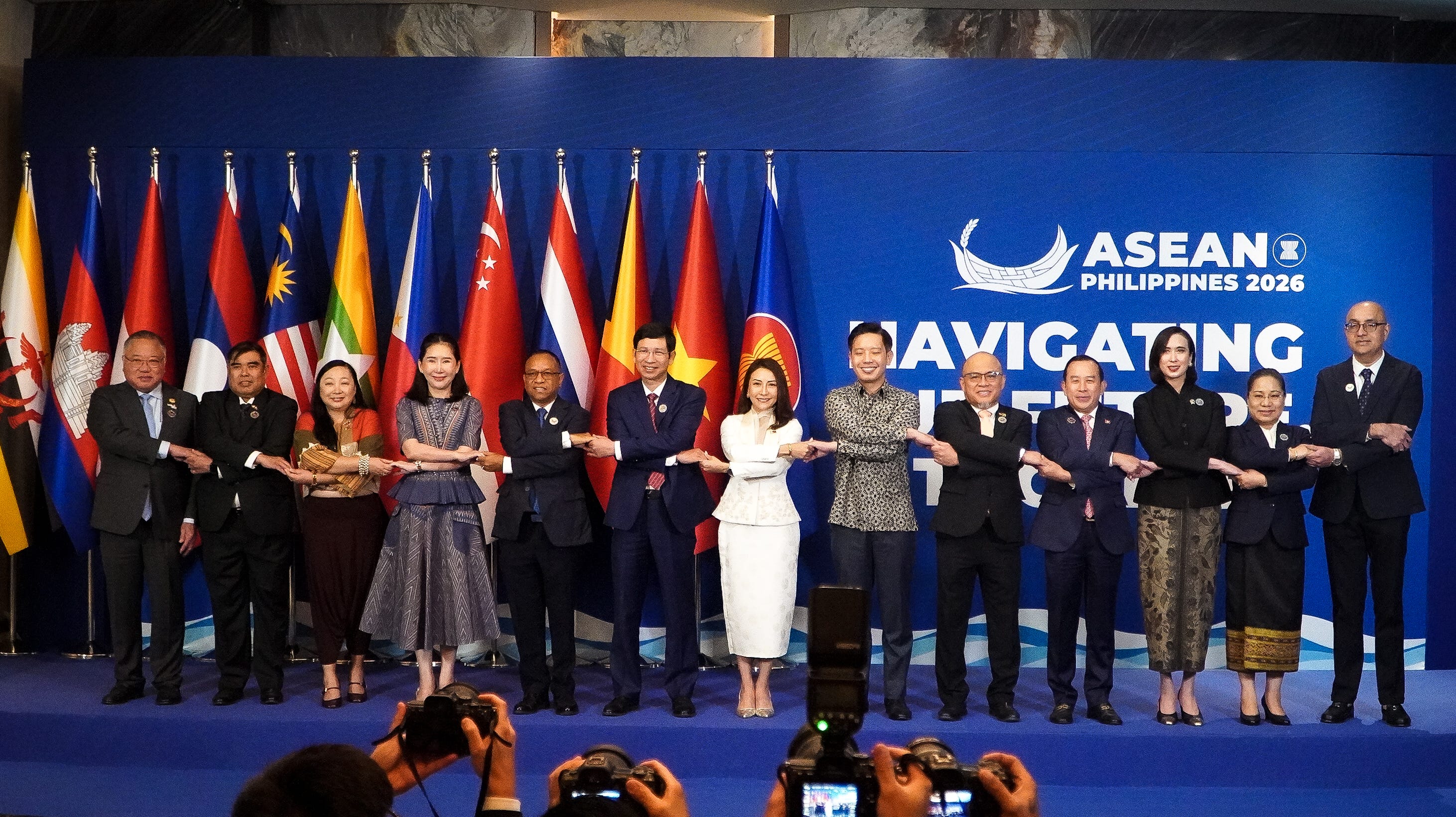
🎯 The Main Takeaway
From January 28–30, the ASEAN Tourism Forum (ATF) in Cebu signaled a transition from crisis management to long-term regional strategy. Under the theme “Navigating Our Tourism Future, Together,” the gathering moved beyond the traditional diplomacy of its ministerial meetings and the commercial scale of the TRAVEX exhibition.
With the backing of Secretary-General Dr. Kao Kim Hourn, the forum reframed tourism as a critical pillar of ASEAN’s economic and diplomatic architecture.
As the region moves past the recovery phase, Cebu’s legacy will likely be measured by how effectively these policy frameworks translate into a more integrated, resilient regional travel market.
⚠️ Why It Matters
Tourism in ASEAN has evolved beyond leisure; it is now a strategic lever for regional statecraft. It serves as a primary driver for:
🌏 Economic Integration: Streamlining regional markets
🤝 Public Diplomacy: Strengthening people-to-people ties
💼 Inclusive Growth: Scaling employment across local borders
🎭 Regional Identity: Defining Southeast Asia’s global cultural footprint
Recent data from the World Travel & Tourism Council (WTTC) underscores this shift, placing the Philippines among the region’s top tourism economies by GDP contribution.
🛰️ In hosting ATF 2026, Manila did more than signal “global readiness”—it leveraged its rising economic weight to strengthen its bargaining position within the bloc. Ultimately, the Cebu forum reinforced tourism as a core element of ASEAN’s collective power, rather than a secondary industry.
🔍 Why It’s on Our Radar
🗣️ This framework rebrands tourism as a diplomatic instrument, prioritizing regional cohesion over parochial competition.
🌐 Central to this is the “ASEAN as a Single Destination” initiative. By positioning the bloc as a unified market, ATF 2026 aims to secure a competitive edge against established global hubs in Europe and East Asia. 🛰️
🤝 The introduction of multi-country itineraries and harmonized service standards is more than just a logistical upgrade; they are deliberate tool for regional identity-building. Through joint marketing, ASEAN is attempting to move from a collection of states to a singular, recognizable brand on the global stage.
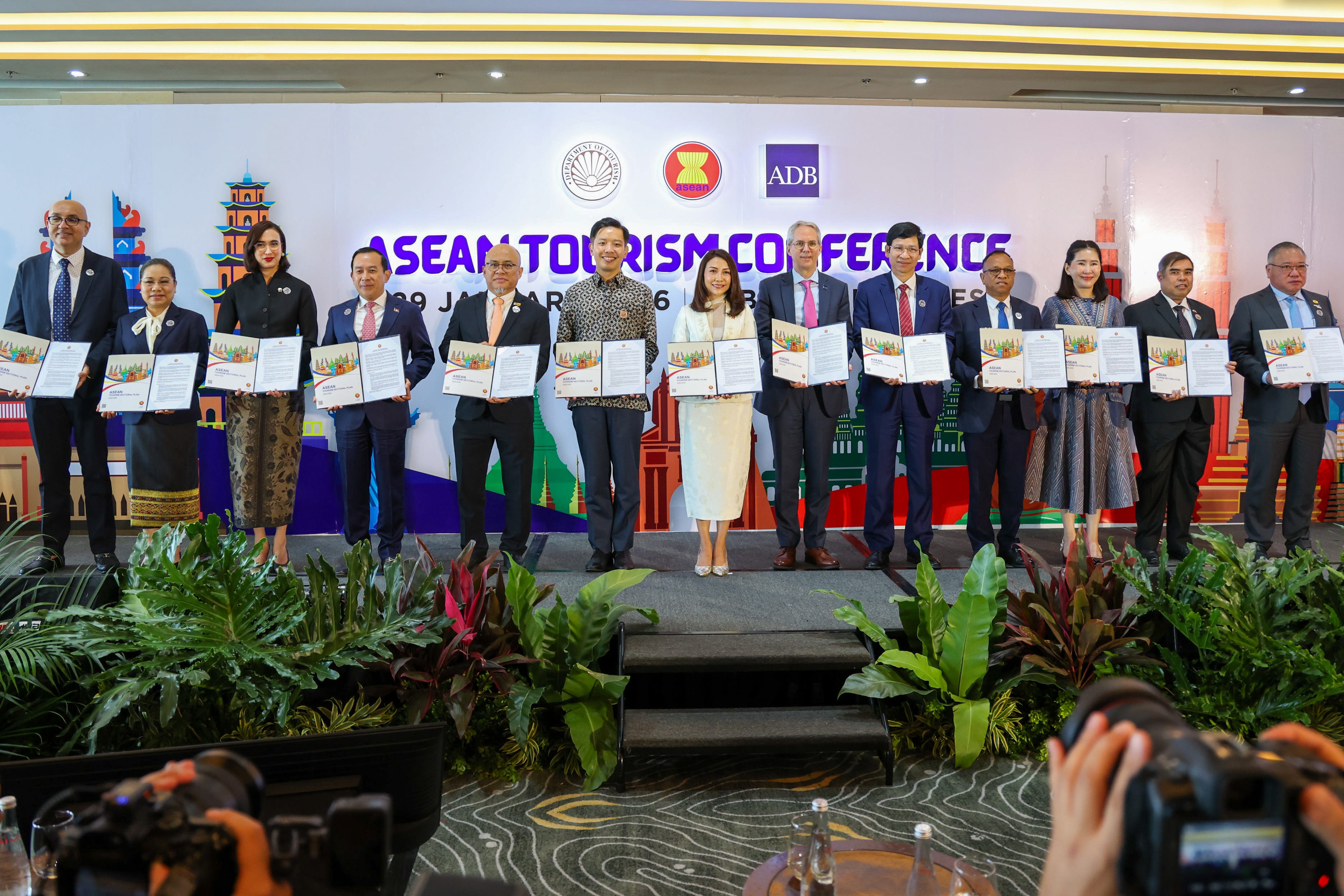
“ASEAN’s strength lies in the unity of our destinations.”
President Ferdinand Marcos Jr. emphasized, through Tourism Secretary Christina Garcia Frasco.
💡 Key Highlight: Tourism as ASEAN Soft Power
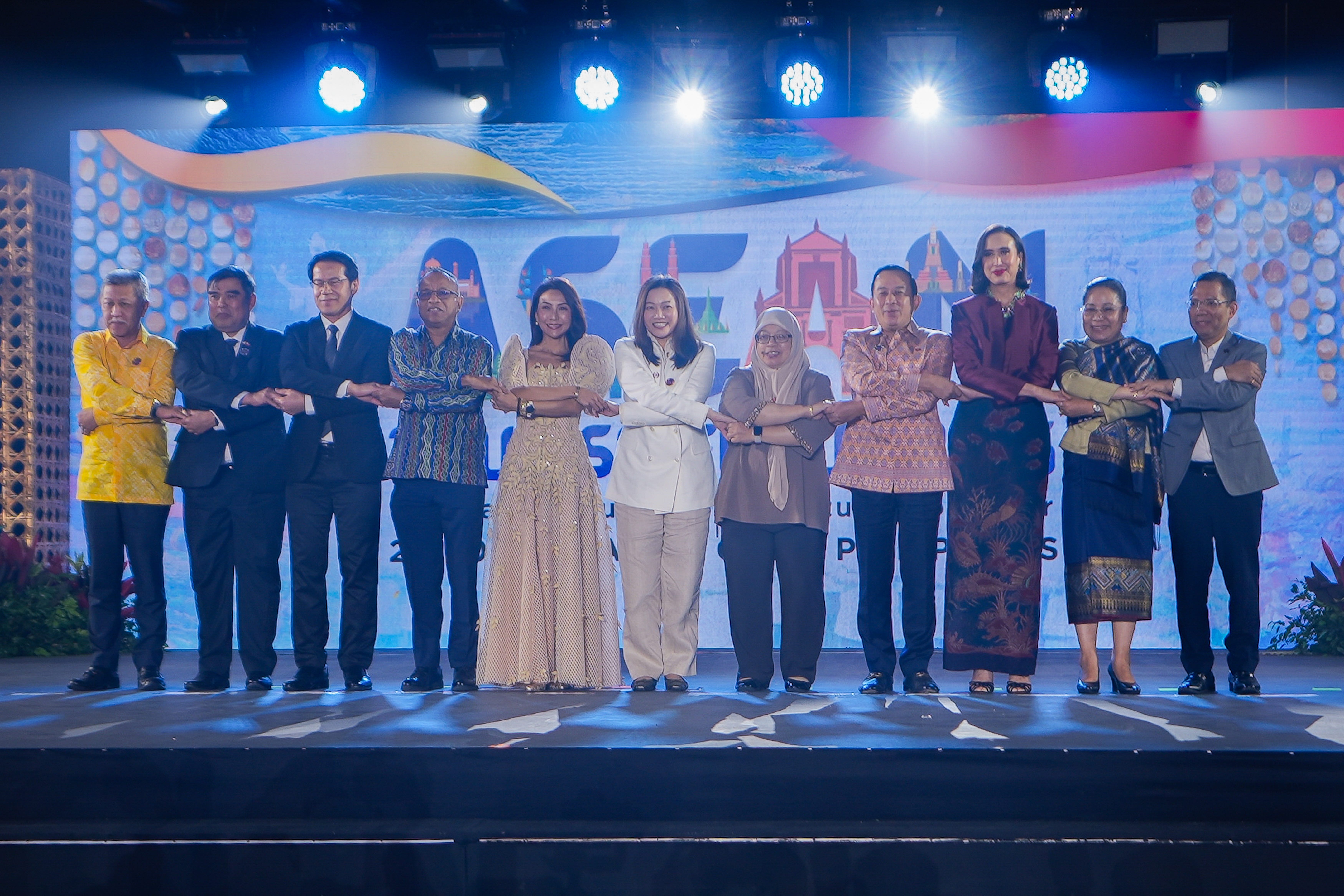
ATF 2026 underscored tourism’s evolution into a critical component of soft-power infrastructure.
🏛️ These forums have matured into diplomatic arenas where member states negotiate regional narratives and global perceptions rather than territory.
🌏 Through collective branding, ASEAN is attempting to pivot from internal competition to a model where diversity is leveraged as a strategic, pan-regional asset. 🛰️
🧠 In this framework, tourism serves as a primary vehicle for exporting Southeast Asian soft power—projecting an image of cultural sophistication and, crucially, political stability to a skeptical global audience.
🧭 Ultimately, the ATF now functions less as a trade fair and more as a central institution for the region’s collective branding.
🌱 Three Strategic Shifts at ATF 2026
🇮🇩 Indonesia’s Pivot: Indonesia steered the agenda away from mass tourism, positioning community resilience and the creative economy as the new metrics for regional success.
🏗️ Cebu’s Maturity: Beyond its resort credentials, the host city demonstrated the institutional muscle—security, logistics, and scale—required to anchor high-stakes diplomacy.
♻️ The Green Mandate: A distinct shift in consensus: member states are finally placing cultural insulation and environmental resilience above raw arrival targets.
🌐 Digital and Economic Ambitions
🚀 Manila’s Leverage: The Philippines utilized the TRAVEX trade floor as a strategic engine, locking in commercial networks to secure its foreign arrival baselines.
💻 Frictionless Borders: The consensus prioritized hard connectivity—accelerating digital visa systems and smart platforms to physically integrate the region’s logistics.
🤝 The Zero-Sum Pivot: Jakarta pushed a distinct regional logic: market circulation over hoarding.
The narrative signals a decisive move away from cannibalizing neighbors for visitor numbers.
🔮 The Bottom Line
ATF 2026 codified tourism as a primary instrument of regional statecraft, elevating the sector from a commercial vertical to a diplomatic dialect.
The summit’s defining achievement was not the agreements signed, but the consensus reached: that ASEAN’s future will be built as much on shared mobility and imagination as it is on trade and security. ✨
Need More Angles?
ASEAN Tourism Forum Philippines ASEAN TOURISM FORUM 2026 Navigating Our Tourism Future, Together
ASEAN Philippines WTTC: Philippines among top tourism economies in GDP contribution and job generation
Association of Southeast Asian Nations Secretary-General of ASEAN attends the Opening Ceremony of the ASEAN Tourism Forum 2026
Association of Southeast Asian Nations Secretary-General of ASEAN to participate in the Opening Ceremony of the ASEAN Tourism Forum 2026, in the Philippines
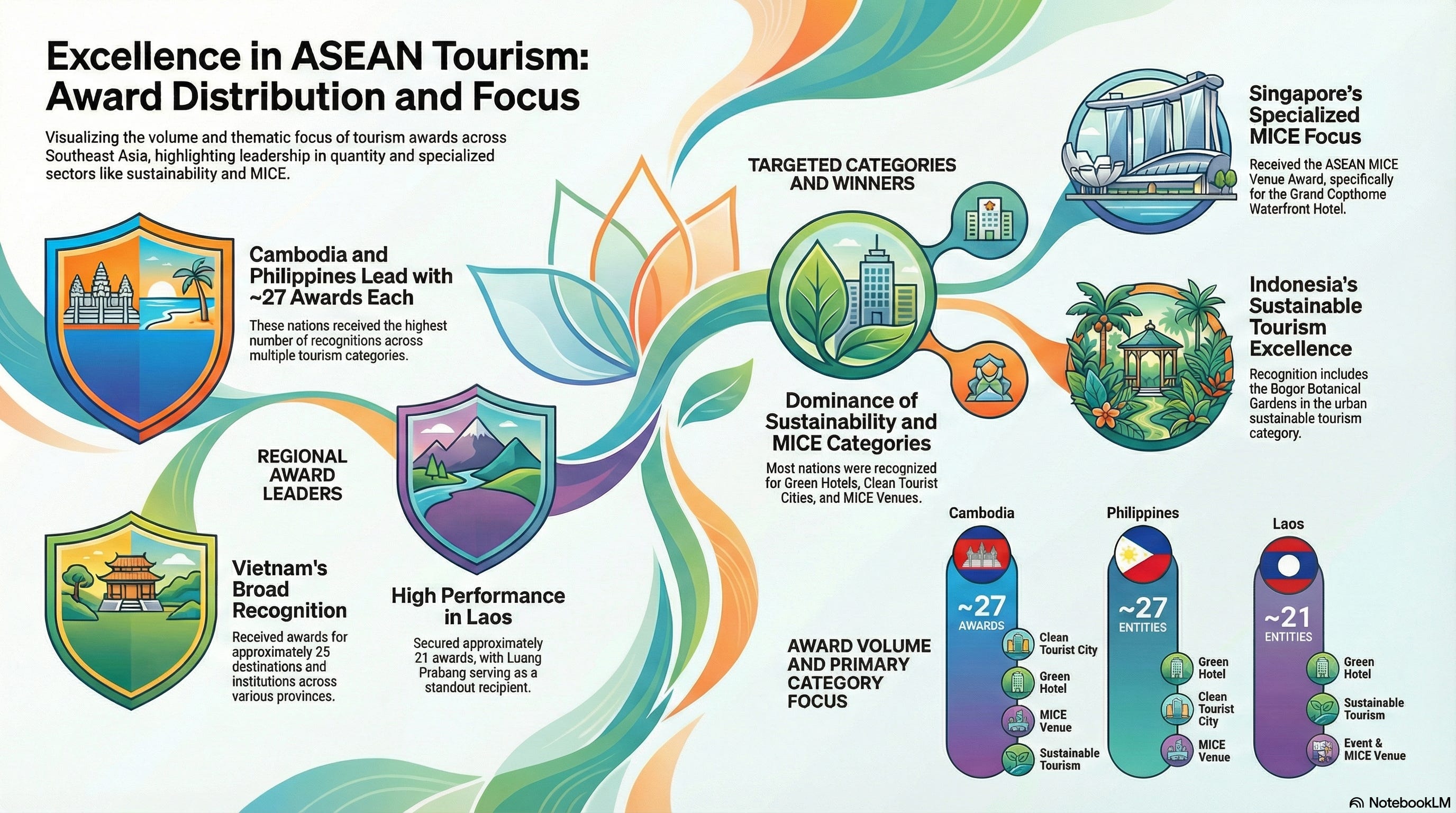
CAMBODGEMAG Cambodia Triumphs at ASEAN Tourism Forum 2026 with 27 Prestigious Awards
NhanDan Viet Nam reaps a bountiful harvest at the ASEAN Tourism Awards 2026
PR Newswire Grand Copthorne Waterfront Hotel Singapore Honoured with ASEAN MICE Venue Award 2026
The Star Luang Prabang in Laos secures 21 Asean tourism awards
(DHM/CCL/ARS)